Fitness Tech
COROS Heart Rate Monitor Review: An Arm-Based Optical Option for COROS Owners
A low-profile armband heart rate sensor with wear detection, three Bluetooth connections, and accuracy that sits between wrist optical sensing and a chest strap.
Introduction
Wrist-based optical heart rate sensors keep improving with every generation of sports watch, but certain activities still trip them up. Mountain biking, weight training, and high-intensity interval training all remain challenging for a watch sitting on your wrist, which is why an external strap, whether chest or arm, is still the most reliable path to accurate readings.
The COROS Heart Rate Monitor is a new armband optical sensor aimed at existing COROS owners who want better heart rate data without committing to a chest strap. It uses the same five-LED, four-photoreceptor sensor technology found in the COROS Apex 2 and Apex 2 Pro sports watches, repackaged into a low-profile armband. After spending time with it across running, indoor cycling, road riding, mountain biking, and weight training, the picture is fairly clear: it produces good results in most situations, though not quite at the level of the strongest armband competitors.
Who This Product Is For
This is primarily a product for current COROS users. When paired with the COROS smartphone app, the monitor is automatically added as an external sensor to your COROS devices on the next sync, which makes the whole setup nearly effortless. You can also check battery status and software version through the app.
That said, the hardware is not COROS-exclusive in any meaningful way. It supports Bluetooth with three simultaneous connections, so you can pair it to a COROS watch, a bike computer, and a cycling training app all at once. The notable omission is ANT+ support, which some cyclists will miss.
Main Strengths
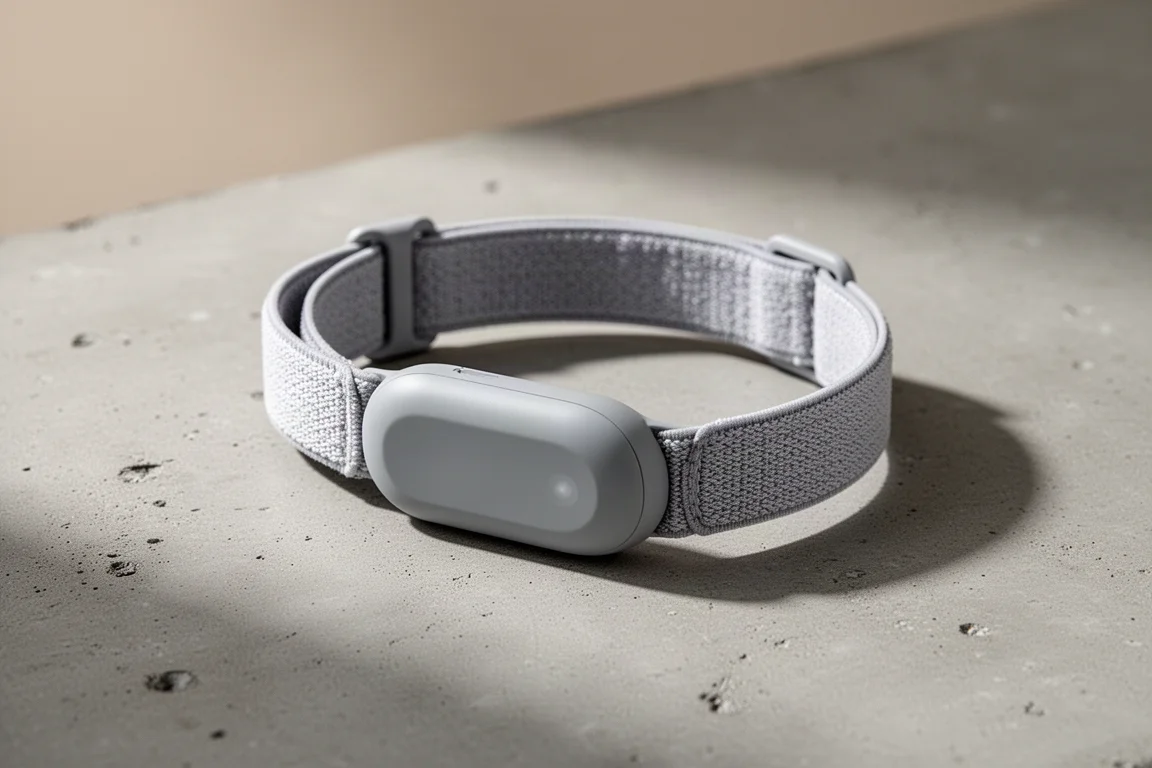
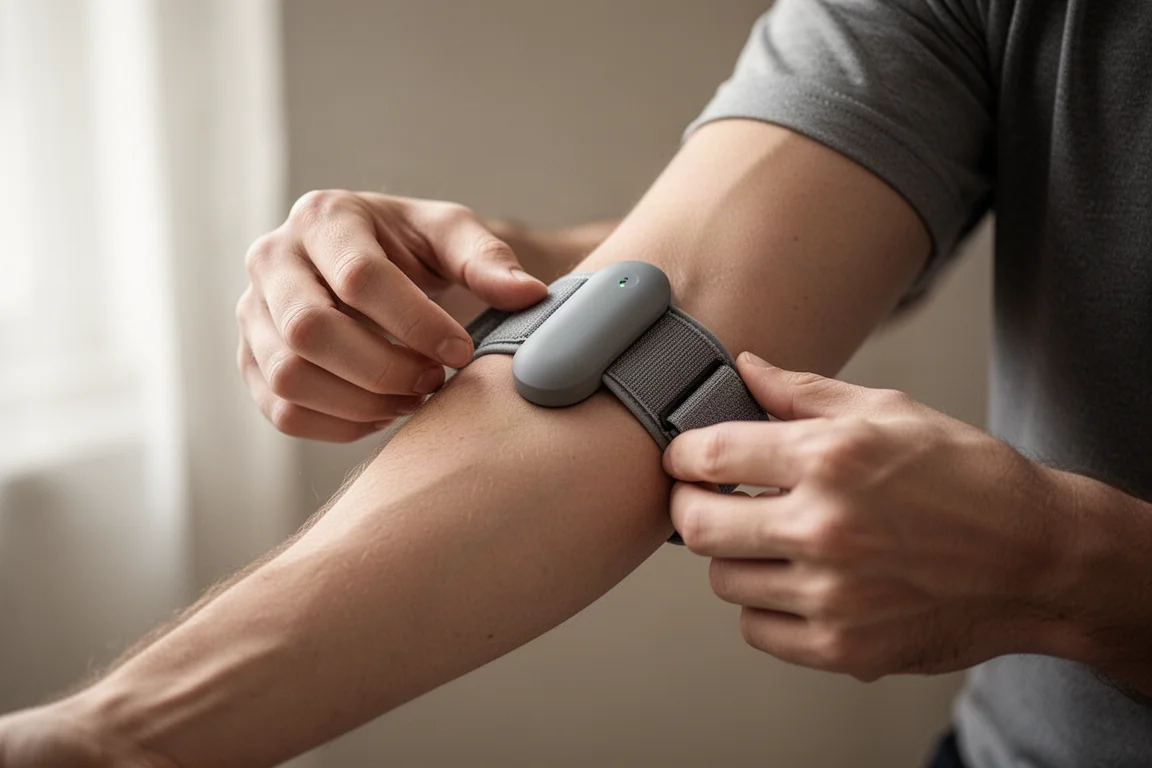
The design is one of the best things about it. The entire strap and sensor unit is low profile and lays flat, so there is very little chance of it flipping over or snagging on clothing. The bicep is one of the best placement spots, and the strap adjusts quickly for size. There is also a velcro closure if you would rather not slide it over your hand, and that velcro is exceptionally strong, far more secure than what you find on the Polar Verity Sense. The Polar armband does feel slightly softer on the skin, but the COROS material is by no means uncomfortable.
Wear detection is the standout convenience feature. There are no buttons at all. The sensor turns on when it senses skin contact, just like a watch does, and turns off when you take it off. It is highly responsive in both directions, so you never have to think about powering it on or off around a workout.

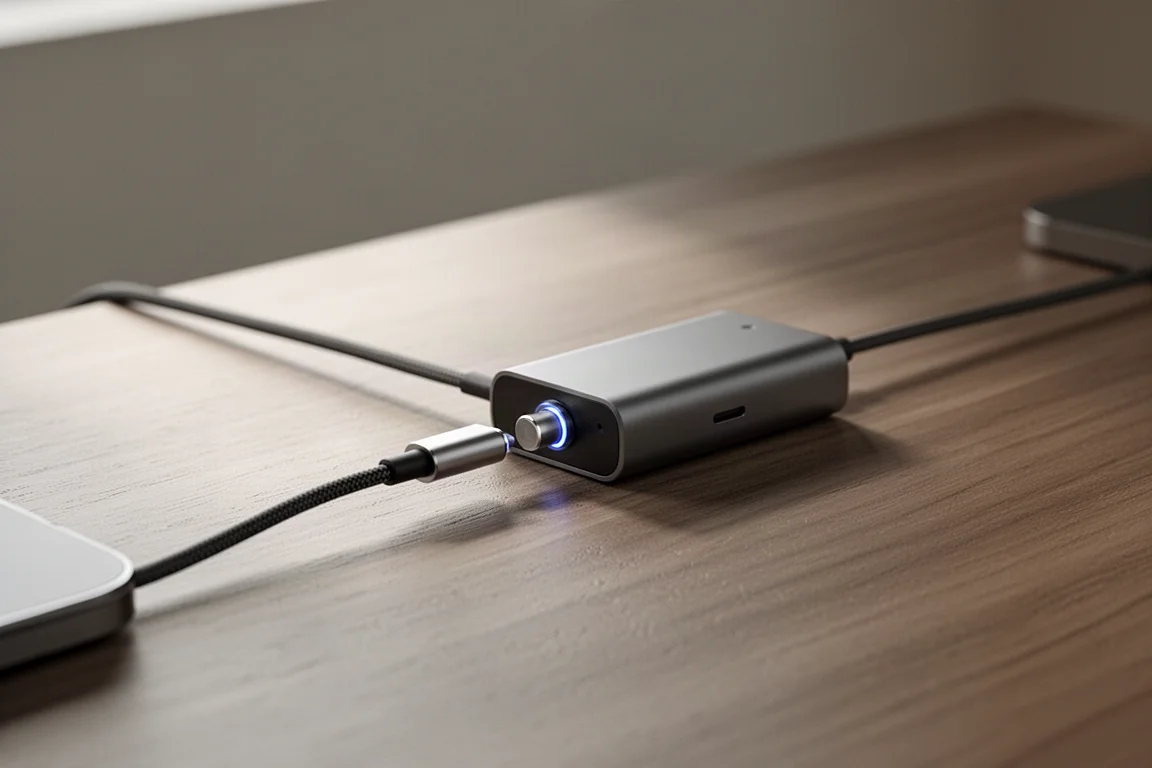
Battery life is solid on paper and reasonable in practice. The 53 milliamp-hour battery is advertised for up to 38 hours of activity recording and up to 80 days in standby. In real use, about 14 hours of recorded activity left roughly 51 percent remaining, which suggests it may fall slightly short of the 38-hour claim, especially with extra non-recording use, but it stays competitive with rivals. Charging uses a small magnetic cable.
Accuracy in Real-World Testing
Accuracy is what this product is really about, and the results were mostly good. On a steady-state treadmill run, there was a slightly high reading at the very start before it settled in nicely. An outdoor run was a touch shakier but still produced solid data. When the pace increased at the end with a wilder arm swing, the optical sensors started to wobble, and the Polar Verity Sense was thrown off more here, while the COROS trailed off a little.
Indoor steady-state cycling produced good, very usable data, though slightly more jittery than comparison sensors, with one brief blip around four beats per minute low. During indoor intervals, the COROS lost the plot briefly during a rapid heart rate increase before recovering, and it was a little shaky overall, not quite as solid as the Polar Verity Sense or the Polar H10 chest strap.

Road biking was a different story: that was a genuinely great result, super solid from start to finish, with only occasional brief spikes and dropouts on one ride that also affected the Polar armband.
Where It Struggles
Mountain biking is where the COROS Heart Rate Monitor showed the most wandering. It was less consistent overall than the Polar Verity Sense, and on downhill sections, where wrist-based sensors like the Apple Watch Ultra typically fall apart, the COROS armband also did not handle the situation well. That is unusual for an arm-worn optical sensor.
Weight training, on the other hand, was a highlight. On bicep curls, both armbands were slow to respond at the start, which is simply the nature of optical sensing, but both tracked trends well, and the COROS did a very good job during the high-intensity intervals at the end.
One important caveat: placement matters. Worn on the lower bicep at the front, results were consistent. On one road ride, moving it to the upper side of the bicep degraded the readings, whereas the Polar Verity Sense tolerates nearly any position on the arm. With the COROS, you will want to experiment to find a reliable spot.
Things to Consider Before Buying
The accuracy sits in the ballpark of better than wrist-based heart rate in most situations, but not quite at the level of the Polar Verity Sense, and certainly below a chest strap like the Polar H10. A chest strap remains the gold standard; this product exists as an alternative for people who do not want to wear one.
There is also an interesting detail on the spec sheet: the hardware can store offline heart rate data, for something like swimming, but that functionality does not exist at this time. It could arrive in a future update, in line with how other COROS devices have gained features over time, but it is not available now.
The light strap color is a minor gripe. After a dirty trail run or mountain bike ride it does not look especially appealing, though it has proven resistant to stains so far. A darker fabric option would be welcome.
Buying Advice
If you are a COROS watch owner, this is an easy recommendation. The app integration, wear detection, low-profile design, and strong three-connection Bluetooth support make it a natural part of the ecosystem. It is also priced around 10 to 20 dollars below the Polar Verity Sense, which is no small amount.
If you are not invested in the COROS ecosystem, the Polar Verity Sense remains the safer pick. It offers more features, including swimming heart rate at this point in time, and tends to produce more consistent results. The trade-off is that COROS users would need the Polar Flow app for updates, and the swimming data lives inside the Polar ecosystem. If you want everything in one place, the COROS monitor is the cleaner solution.
Conclusion
The COROS Heart Rate Monitor is a well-designed, comfortable armband sensor with genuinely convenient wear detection and good accuracy for running, road cycling, and weight training. It falls short of the Polar Verity Sense on consistency, particularly for mountain biking and indoor intervals, and placement sensitivity is worth knowing about. For COROS owners who want an upgrade over wrist-based readings without a chest strap, it is a sensible and fairly priced addition to the lineup.
Product link
View more details for COROS Heart Rate Monitor
This product is mentioned in the review. Check the specifications, options, and compatibility before buying.
View more details for COROS Heart Rate MonitorFurther reading
Related Reviews
Fitness Tech
Garmin HRM 200 Review: A Heart Rate Strap Built for the Next Few Years
Garmin's new HRM 200 adds a button, a light, and encrypted heart rate broadcasting to a familiar chest strap formula, at a reasonable price.
Fitness Tech
Garmin Connect Plus Nutrition Logging: A Hands-On Look at Food Tracking Inside Garmin Connect
Garmin has added food and nutrition logging to its paid Garmin Connect Plus tier. Here is how the feature works, where it excels, and the trade-offs to know before subscribing.
Fitness Tech
Garmin Forerunner 255 Review: A Complete Beginner's Guide to Garmin's Mid-Range Running Watch
A practical walkthrough of the Garmin Forerunner 255, covering the interface, training tools, HRV status, race widgets, GPS accuracy, battery life, and music support.