Drywall Tools & Materials
Corner Bead Types Explained: A Practical Guide to Choosing the Right Trim
A clear breakdown of the most common corner bead types, what each one is designed for, and how to pick the right trim for your drywall project.
Introduction
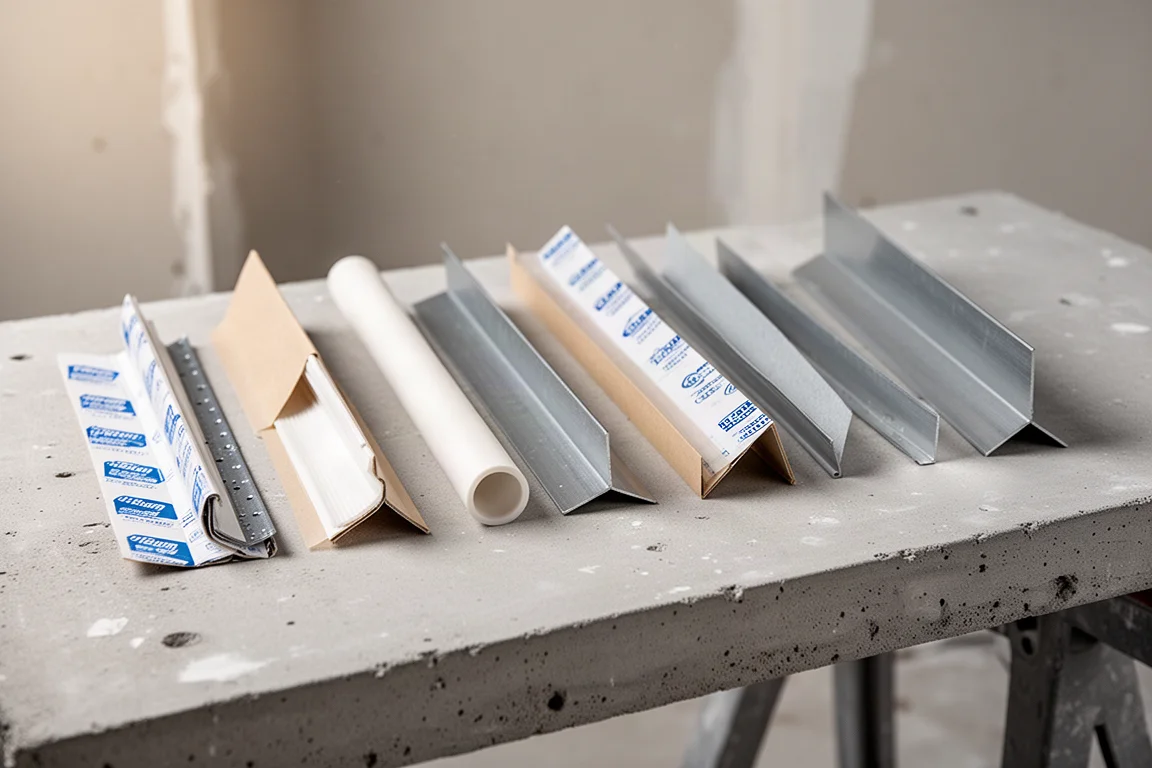
Corner beads are one of those drywall details that most people never think about until they need one. But choosing the wrong type can mean cracked corners, messy transitions, or a finish that simply doesn’t hold up. This guide breaks down the most common corner bead types, what each one is designed for, and where it makes sense to use it.
Paper-Faced Tape-On Corner Bead
The paper-faced tape-on corner bead is the industry standard in North America. It consists of a steel bead core with a paper flange on each side. The flange width typically measures around 7/8 of an inch, which is a practical size for most installations. Wider versions are available, some approaching a full inch, and these are better suited for covering larger gaps in boarding.
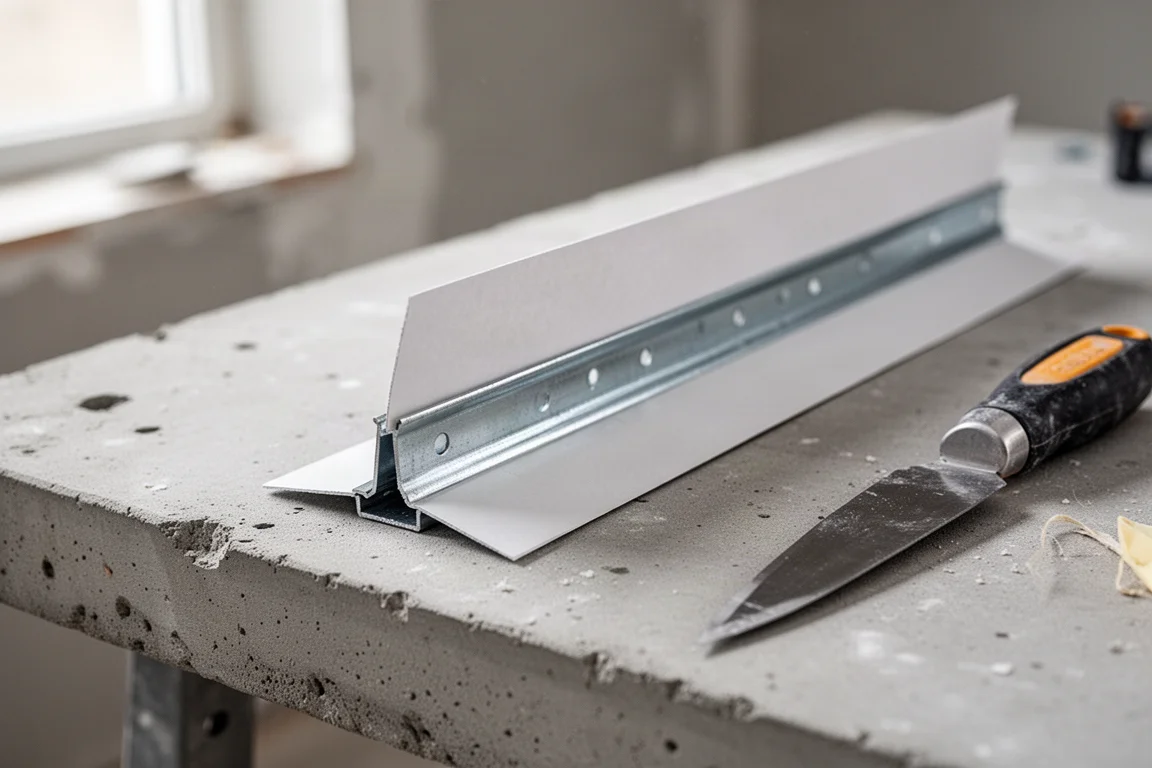
When drywall gets left back too far or there is a gap between overlaps, a wider flange can cover up to 3/4 of an inch of setback. However, wider flanges require joint compound to extend further out to hide the edge, which adds a bit more work to the finishing process.
For installation, taping mud and a knife work well for small jobs of 10 to 20 beads. For larger projects, a corner bead hopper can speed things up considerably by coating the bead with mud in a single pass. Taping mud or an all-purpose heavyweight compound is recommended for the first coat, as these have the adhesive strength needed to hold the bead firmly in place.
Paper-faced beads crack less than steel alternatives and install faster, which offsets the slightly higher material cost through time savings and fewer callbacks.
Vinyl Corner Bead
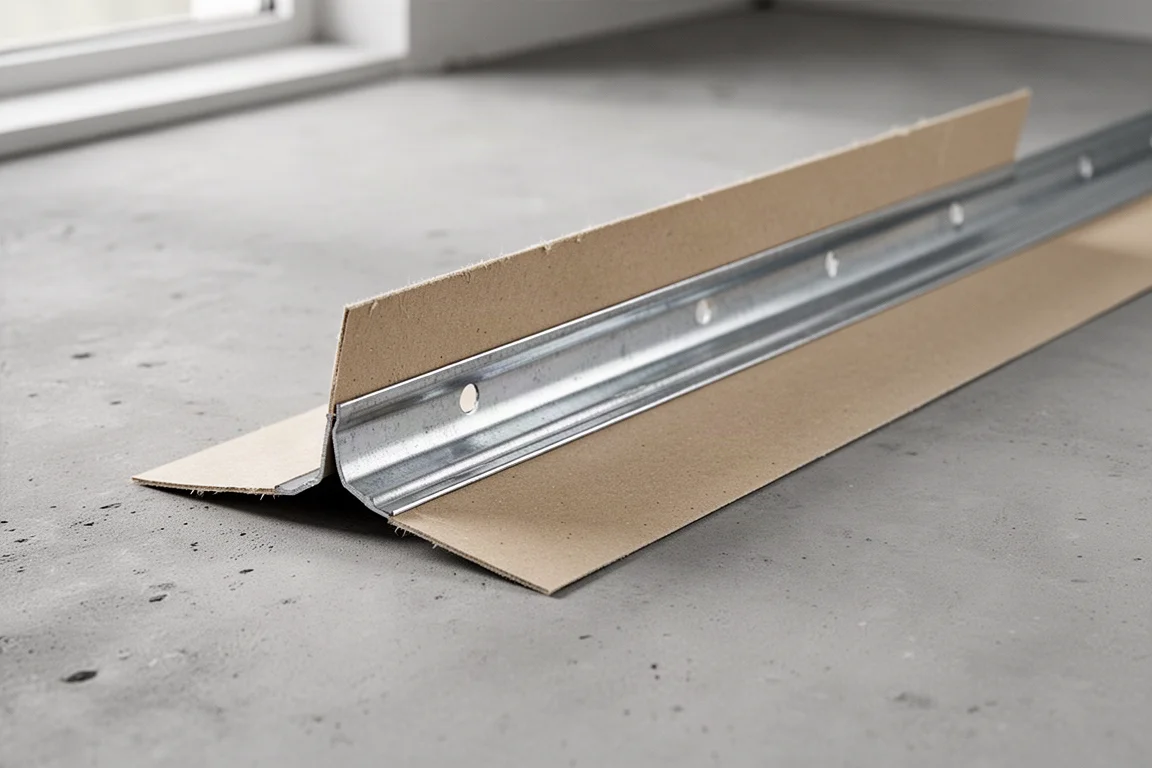
Vinyl corner bead offers a distinctly different profile from paper-faced bead. Where paper-faced bead creates a crisp, fairly square corner, vinyl bead has a much rounder shape. This makes it the right choice when you need to match up to arch bead, which shares the same rounded profile.
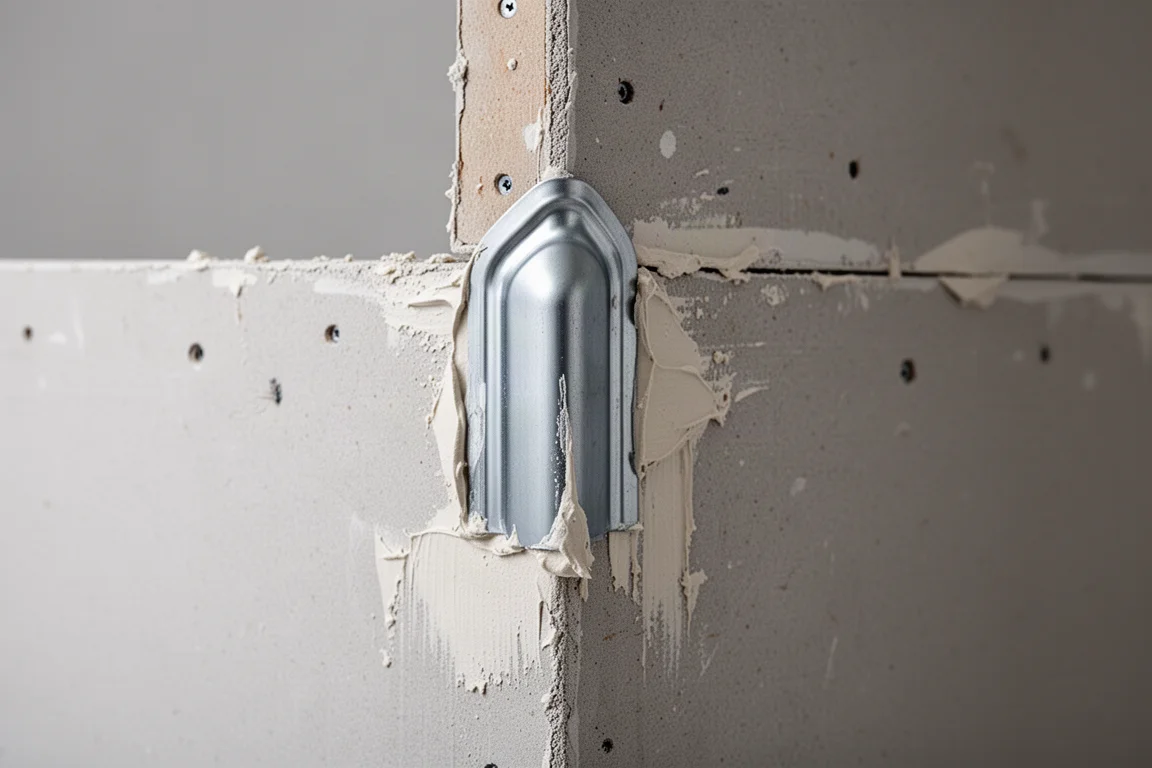
Installation requires spray adhesive, or staples every 2 inches, though stapling is far more labor-intensive. Adhesive is the practical choice for most installations.
One common claim is that vinyl bead is better for wet areas because plastic resists moisture. In practice, if moisture is severe enough to damage the corner bead, the drywall and joint compound around it will fail anyway. So vinyl bead is not a meaningful solution for moisture problems in drywall construction.
Off Angle Corner Tape
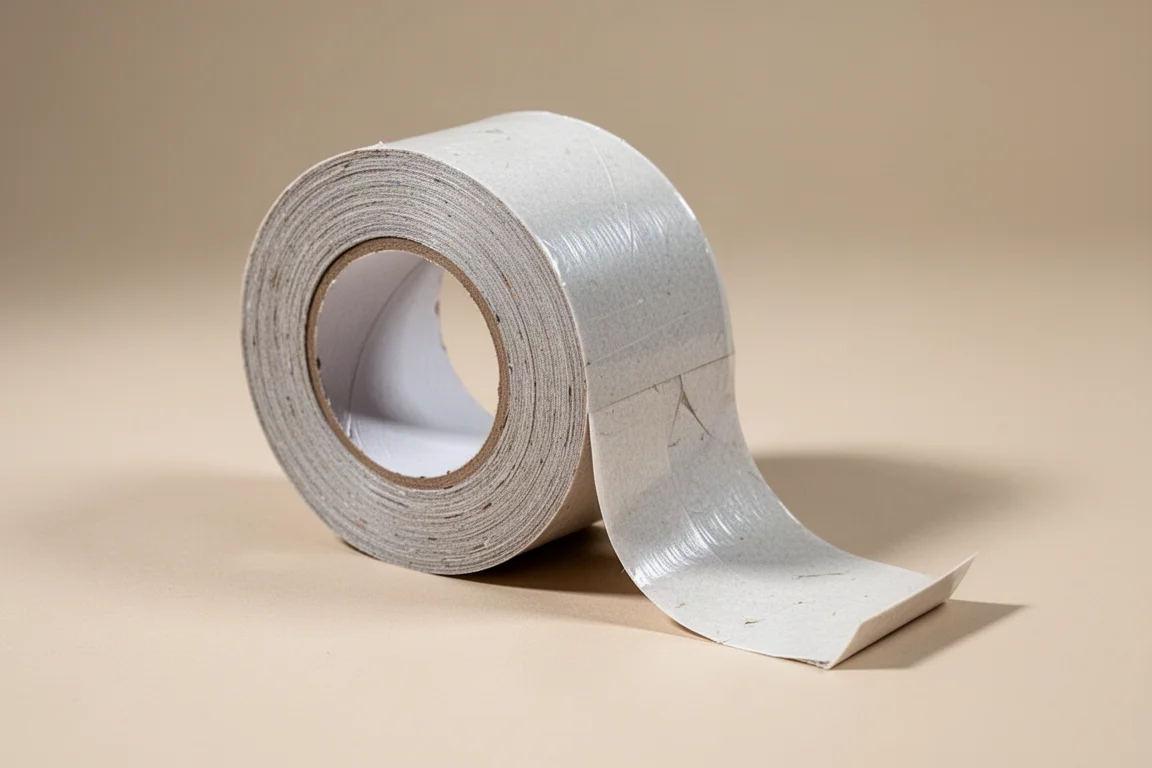
For corners that are not 90 degrees, off angle corner tape, also called adjustable composite corner tape, is the go-to product. It is a paper and plastic composite that works on both inside and outside corners.
This tape is commonly used in stairwells and anywhere else where off-angle corners appear. It is flexible enough to conform to angles that a rigid corner bead cannot handle.
For regular 90-degree corners, this tape is not the best choice. It is less likely to stay perfectly straight and can wave slightly during installation. It works in a pinch for small jobs, but a standard corner bead is the better option for typical right-angle corners.
L Edge
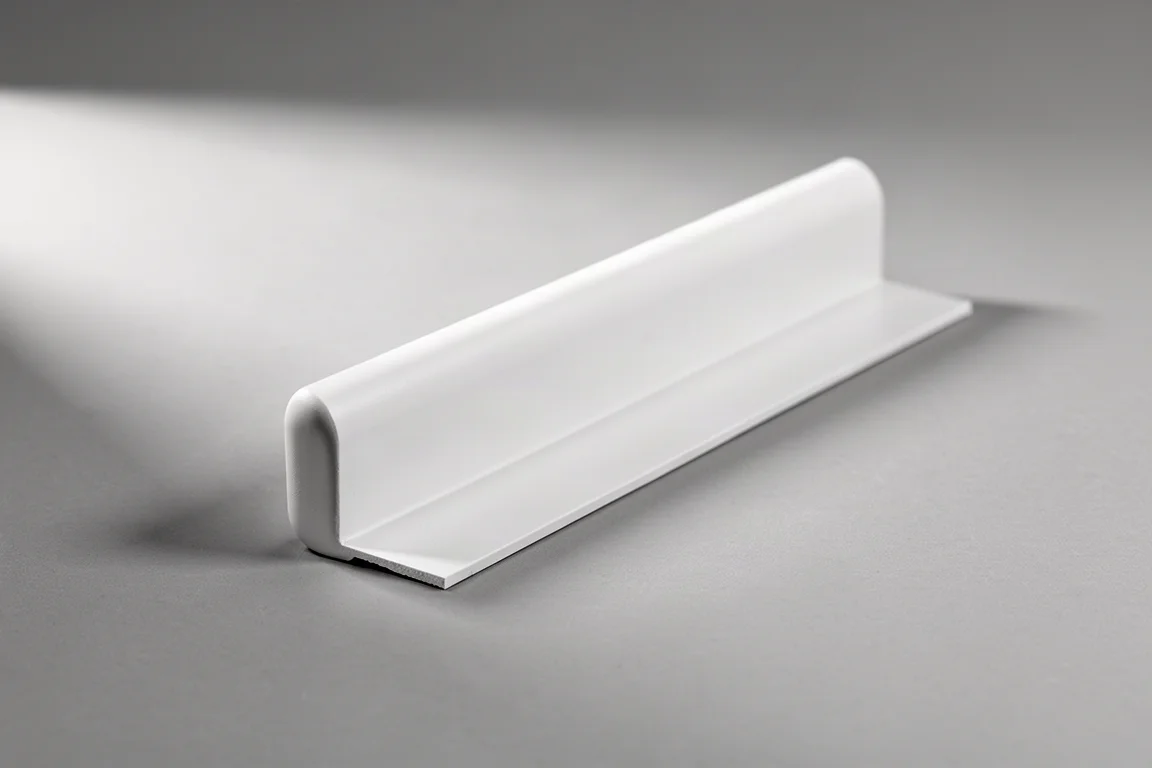
The L edge features a long paper flange on one side and a flat profile on the other, with a raised nosing along the bead. The nosing creates a slight bump that helps hide the flange when joint compound is applied.
The L edge is designed to hide an unfinished edge of drywall when you need two finished sides. It creates a clean line where the drywall terminates.
One common misuse is installing an L edge where drywall butts up against another surface, such as a wood beam or brick wall. In that situation, joint compound can spill over onto the adjacent surface, eventually creating a hairline crack. The L edge is only ideal when you are finishing a drywall edge that does not butt against another material.
Tear Away Bead
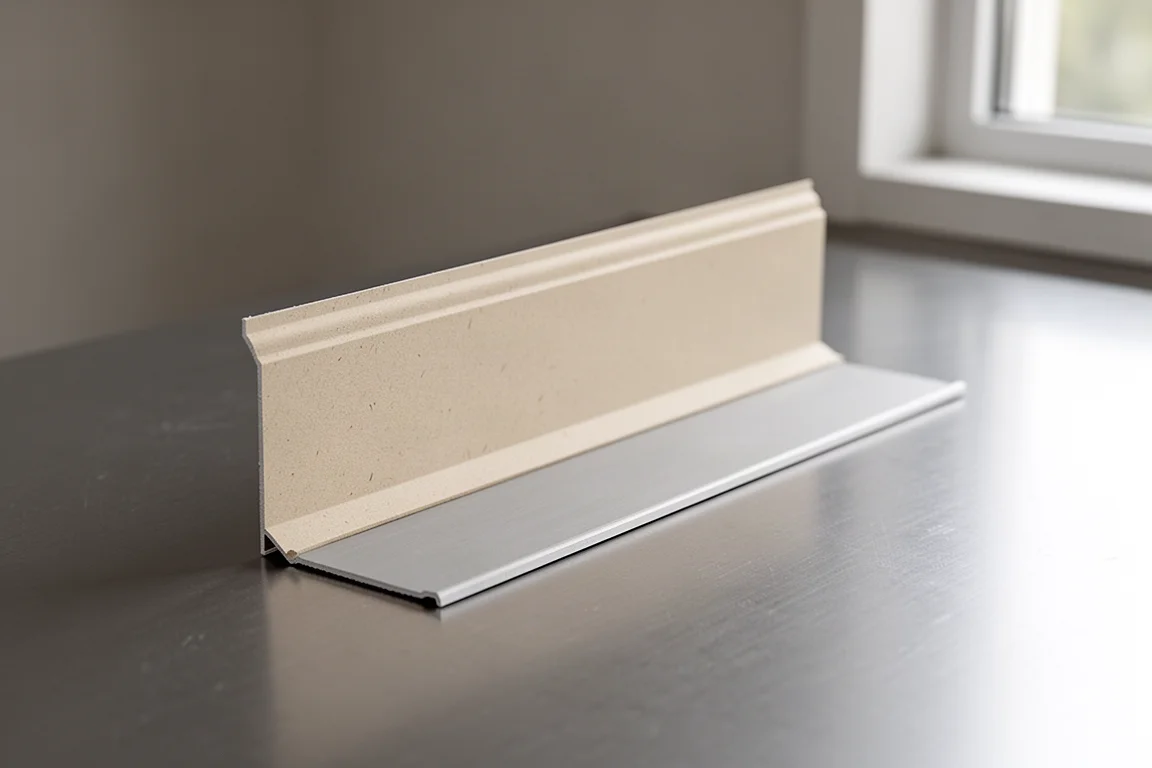
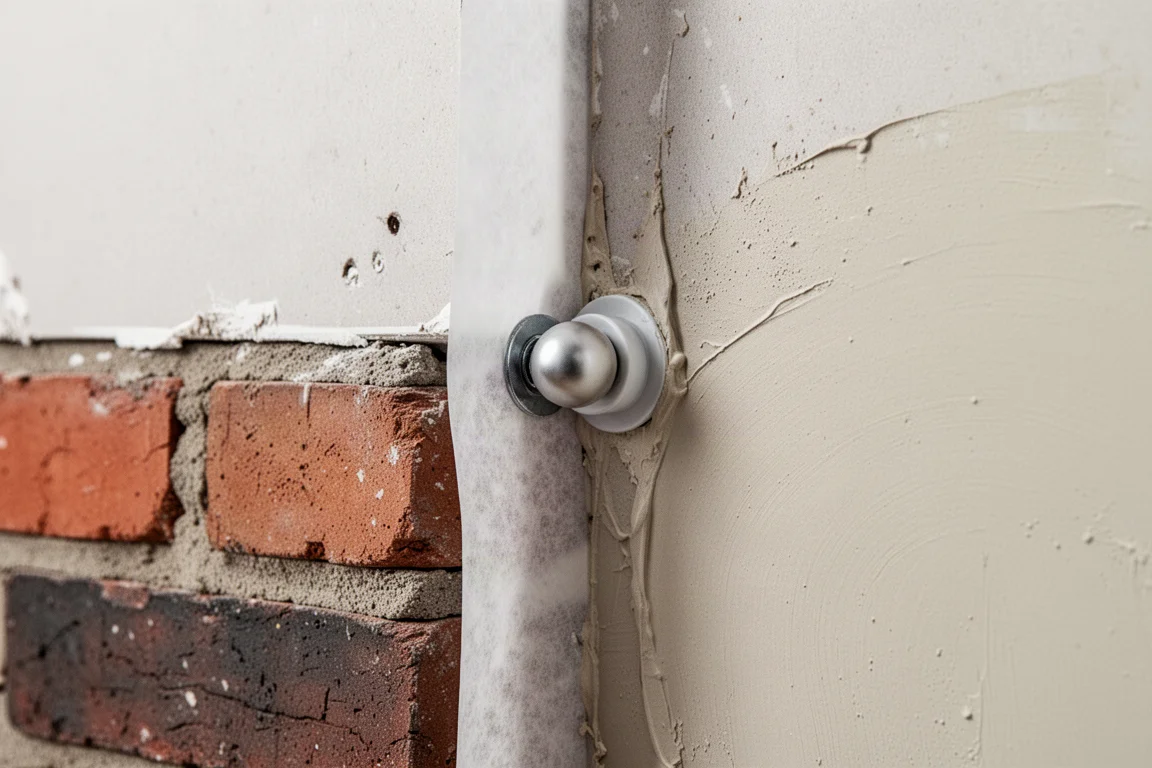
When drywall butts up against another surface like brick or a beam, tear away bead is the correct product. It has two finished sides, with a nosing on one side and a protective strip on the other.
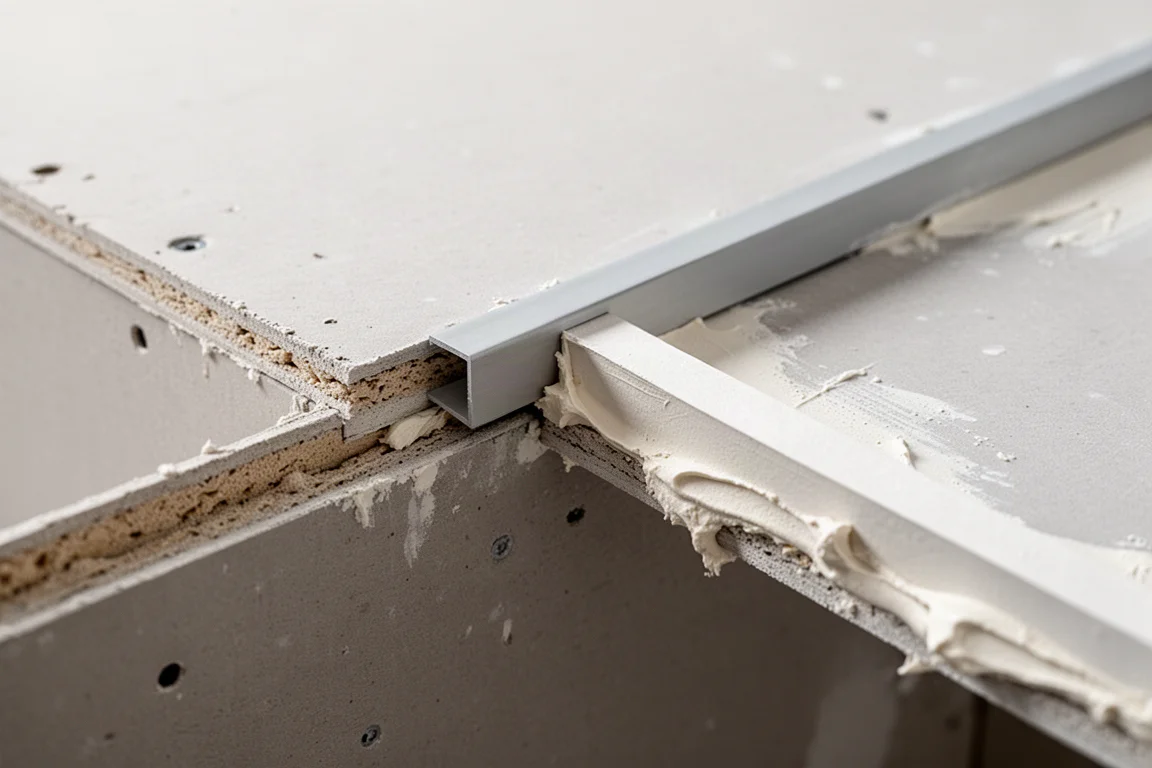
The protective strip stops joint compound from spilling onto the adjacent surface during mudding. Once the finish is complete, the strip pulls away, leaving a clean L edge. This is where the name comes from.
One important detail is that tear away bead still requires enough space to fit the flange behind the drywall. Leaving about a quarter inch of gap is a safe practice, even though only about an eighth of an inch is strictly needed. Butting the drywall up tight makes it impossible to fit the bead in place.
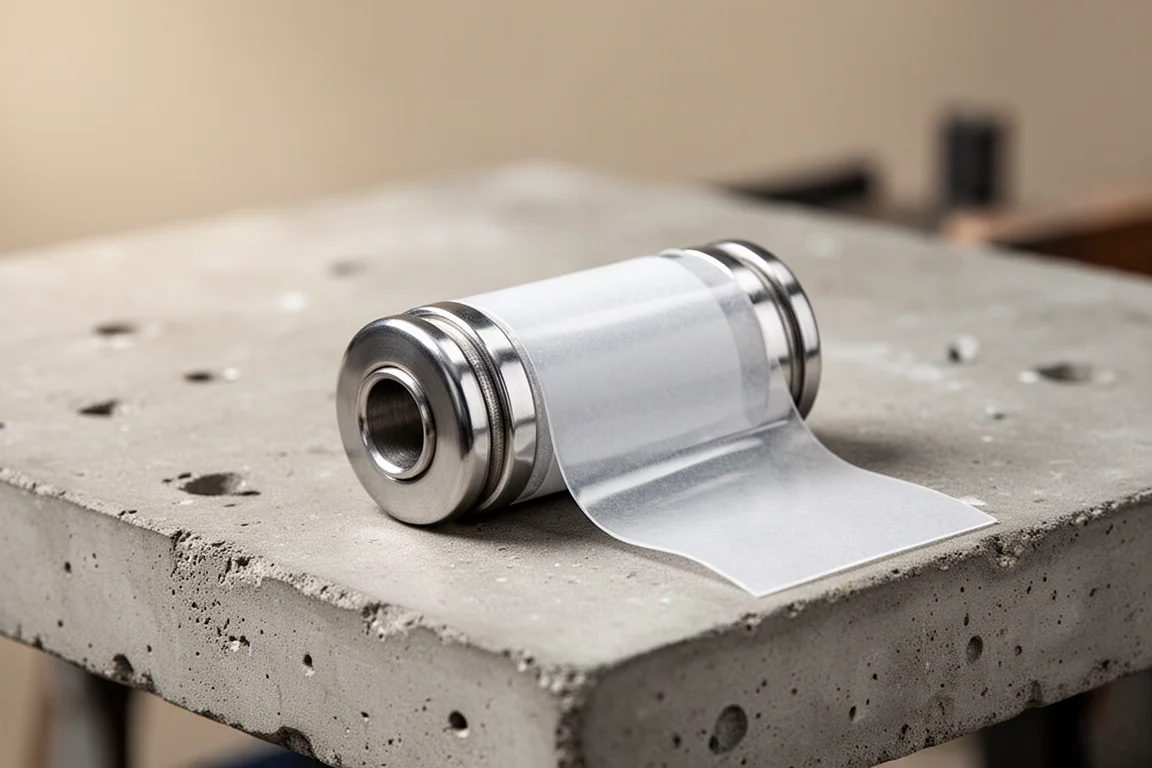
Tear Away Flat
Tear away flat is the same concept as tear away bead, but without the second finished edge. It is designed to finish one side of drywall up to a finished material.
The advantage is that you do not need to leave a uniform gap. You can butt the drywall up as tight as you want and place the tear away flat right against it. This makes boarding easier because you do not have to be as careful about maintaining a consistent space.
It is a practical solution for transitions to beams and brick, and it is a product that many people are not aware of. Like tear away bead, it is typically only available at drywall supply stores rather than big box retailers.
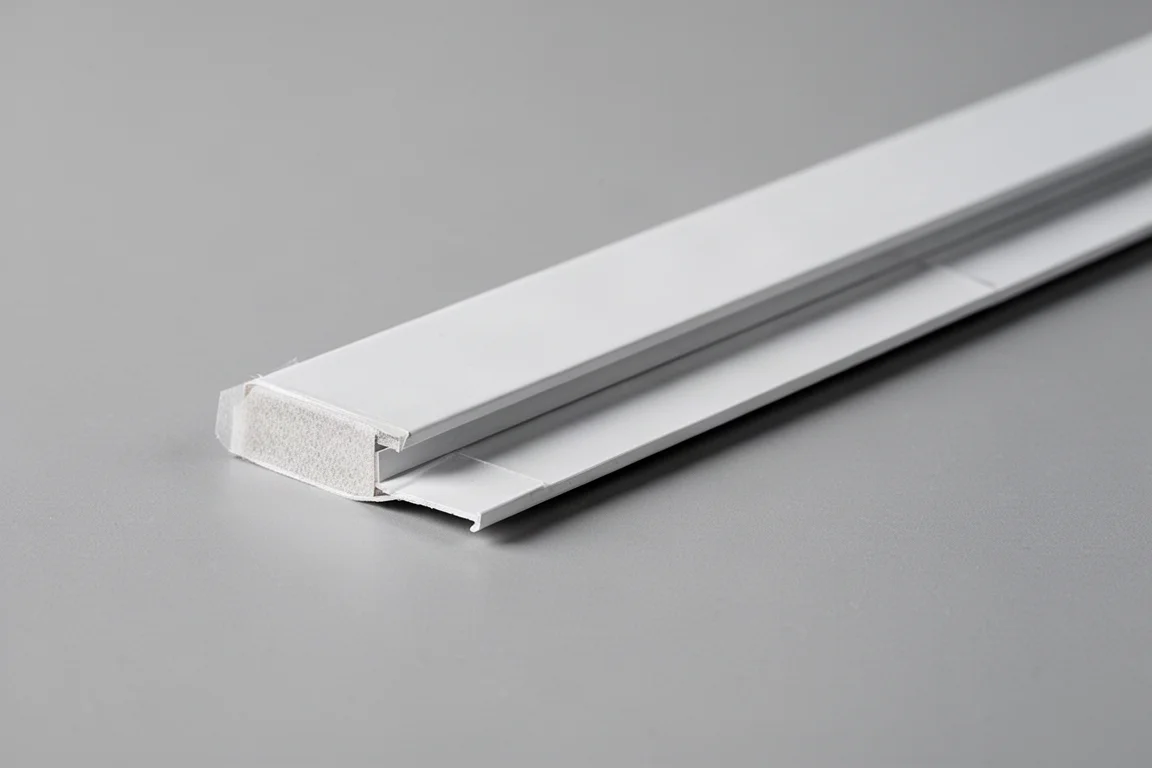
J Trim
The J trim gets its name from its shape, which resembles the letter J. It provides three finished edges, making it useful in specific situations.
The most common application is around openings for bifold doors. The J trim finishes the back side of a closet opening where access to all three sides of the drywall is available. It is also occasionally used around attic openings.
Tape-on J trim is generally easier to work with than nail-on steel versions. Nail-on steel J trims are typically short, and by the time the trim ends at a bifold door opening, there is often not enough material left to nail into the wood behind it. Tape-on versions avoid this problem entirely.

Buying Advice
When choosing a corner bead, start by identifying the corner type and the surrounding materials. For standard 90-degree corners, paper-faced tape-on bead is the reliable default. For rounded profiles that need to match arch bead, vinyl bead is the answer. Off-angle corners call for adjustable composite tape.
For transitions to other surfaces like brick or beams, tear away bead or tear away flat are the correct choices, depending on whether you need one or two finished edges. The L edge is best reserved for finishing drywall edges that do not butt against another material. J trim is specialized for bifold door openings and similar three-sided applications.
One universal tip applies to all plastic trims: the first coat should always use taping mud or an all-purpose heavyweight compound. These have the adhesive strength needed to bond to the glossy plastic surface. All-purpose lightweight compound is not adequate for this purpose and can peel off easily.
Conclusion
Each corner bead type serves a specific purpose, and choosing the right one comes down to understanding the corner geometry and the materials you are working with. Paper-faced bead handles most standard corners, while vinyl, off-angle tape, L edge, tear away, and J trim each solve particular problems. Taking the time to match the product to the situation will save you from cracked corners, messy transitions, and frustrating rework.
Further reading
Related Reviews
Pickleball Paddles
2025 Paddle Awards: The Best Pickleball Paddles of the Year
A category-by-category breakdown of the best pickleball paddles of 2025, covering value, control, all-court, power, and paddle of the year.

Automotive Accessories
70mai Dash Cam Comparison: A200 vs A510 vs A810
Three dash cameras from 70mai across different price points reveal how resolution and sensor quality impact real-world footage clarity, especially for number plate visibility and low-light performance.

Mobile Gaming Accessories
8BitDo FlipPad vs GameSir Pocket Taco: Which Vertical Phone Controller Fits You Best?
Two compact vertical phone controllers with very different approaches to connectivity, controls, and everyday use. Here is how they compare across seven practical categories.