Cycling Training
CORE Body Temperature Sensor Review: Making Heat Training Measurable
A practical look at the CORE body temperature sensor, the heat zones it guides you through, how adaptation is tracked, and who gets the most from it.
Introduction
Heat training has moved from a niche experiment to a regular part of many endurance programmes, and the logic behind it is straightforward. Training in a hot environment raises core body temperature, and repeated exposure helps the body thermoregulate more effectively. That adaptation matters even when the goal has nothing to do with racing in the heat: a body that manages heat better runs more efficiently, much like an engine that can dissipate the waste heat it generates. Heat training also promotes an increase in blood plasma volume, which can lead to more red blood cells, producing an effect similar to altitude training while staying at home.
The catch is that heat training without measurement is guesswork. The CORE body temperature sensor is designed to remove that guesswork. It measures core body temperature algorithmically using a Swiss-made thermal energy transfer sensor that detects the movement of heat from the body into the environment, and it feeds that data into an app that shows whether you are in a productive range or pushing too far.
What the CORE Sensor Measures
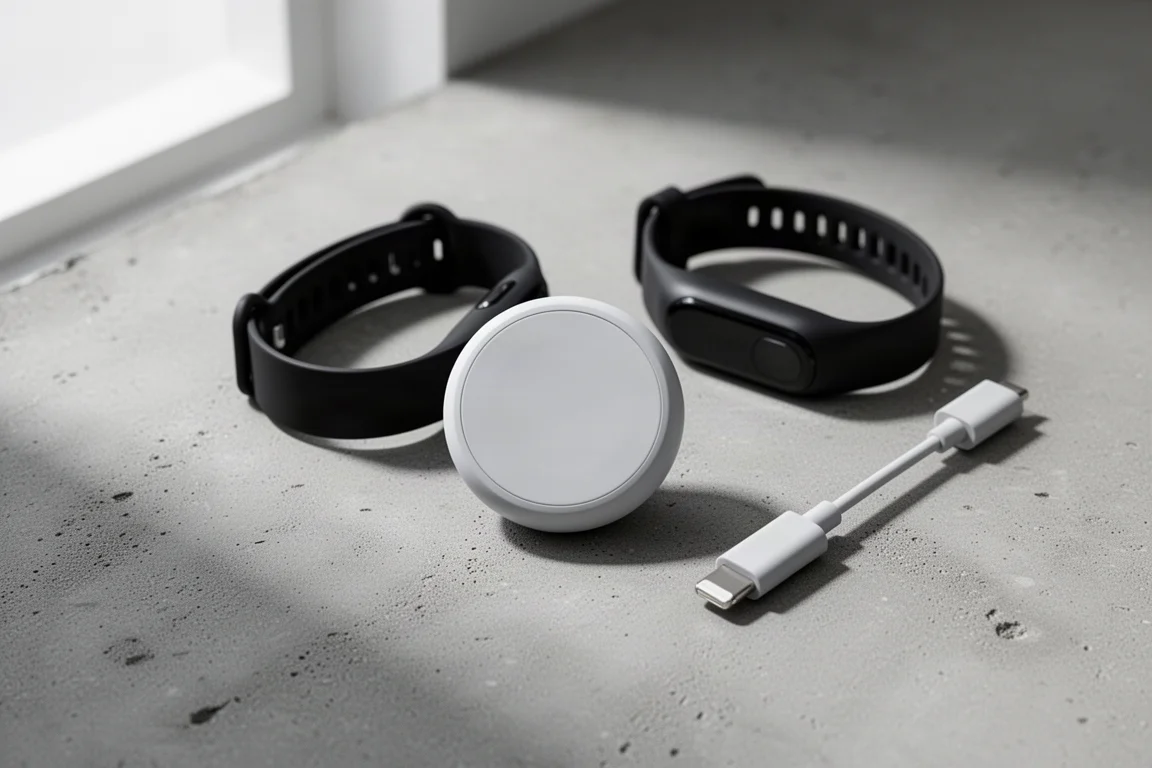
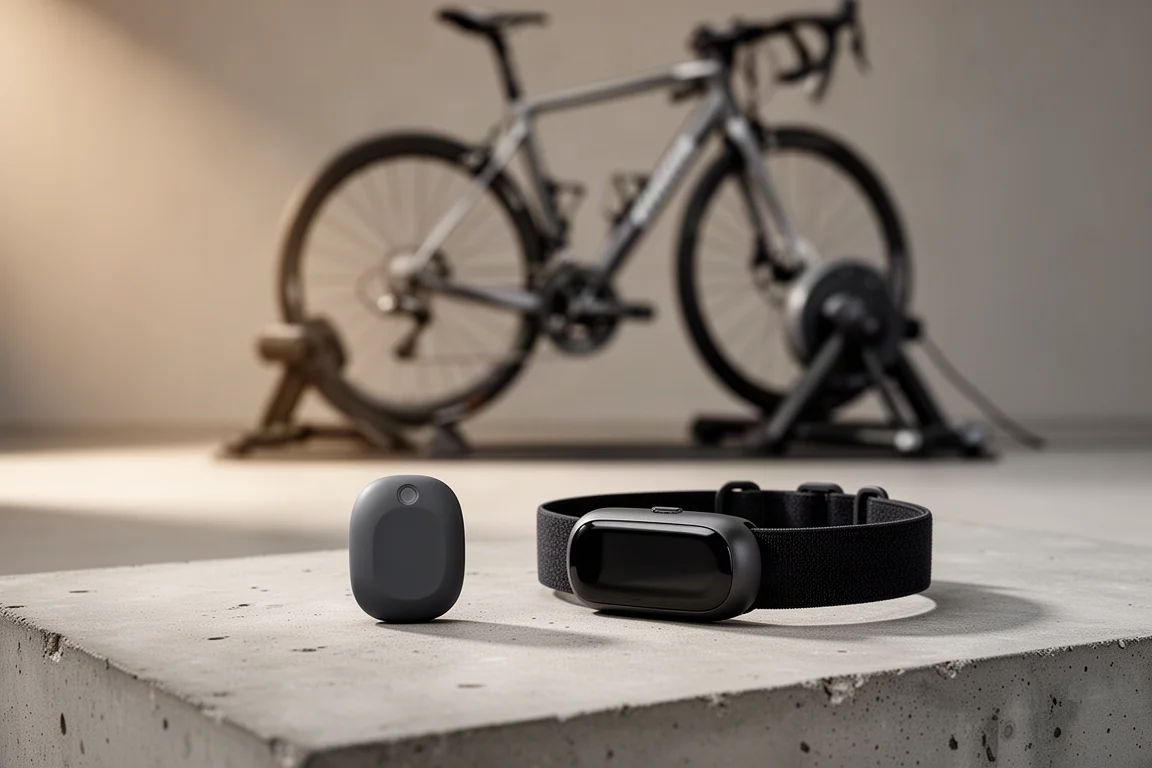
The sensor itself is small enough to disappear into a training kit. It can be fixed to the body with adhesive patches, but the simplest method is to clip it onto an existing heart rate strap, where it sits comfortably and stays out of the way.
From there it pairs with the CORE app on a smartphone, which displays core temperature in real time and guides you toward the right range rather than leaving you to guess from feel. The same data can be shown on a bike computer as a data field, so temperature can be monitored alongside power and heart rate during a session. The unit is highly waterproof, and the charging connection is magnetic rather than a plug socket, which removes one more opening where moisture could get in.
Who This Sensor Is For
The sensor makes most sense for riders who have already decided that heat training is worth doing and want it to be structured and measurable. That includes riders who spend the winter indoors and want their trainer sessions to carry a clear purpose, riders preparing for hot or humid events, and anyone curious about the altitude-style benefits that come with expanded blood plasma volume.
It is also relevant for anyone who wants a safety check. Heat adaptation is only useful up to a point, and knowing where the line sits is the difference between a productive session and a risky one. Riders who only want to experiment casually can raise their core temperature without a sensor by turning off the fans and wearing extra layers, but the comparison is a fair one: it is like training to power without a power meter, or lifting weights without tracking how much weight is actually on the bar.
Main Strengths: Guided Heat Zones
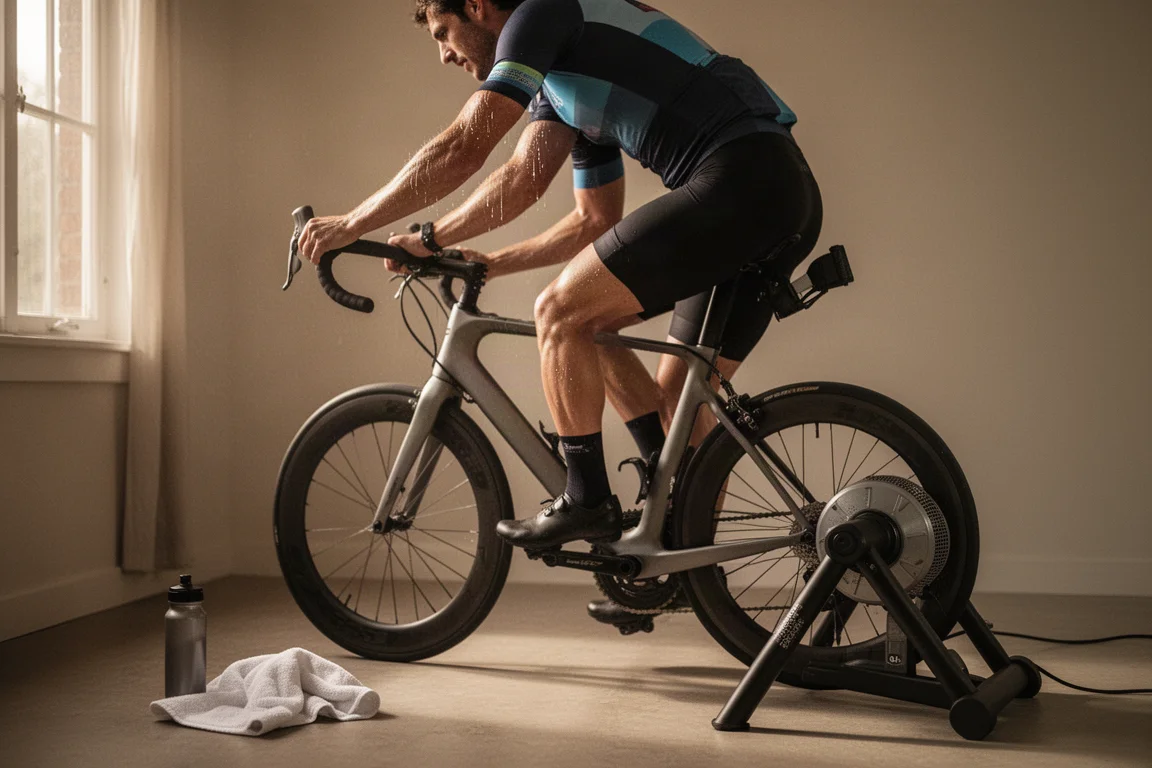
The clearest strength is the zone framework the app applies to a session. Heat zones are not the same as power or heart rate zones, and the temperature boundaries vary considerably between individuals. As a reference point, one long-term user’s Zone 1 sits around 36.5 to 37.5 degrees Celsius, where peak physical performance is still achievable. Zone 2 runs to roughly 38.4 degrees, bringing some performance loss alongside some adaptation. Zone 3, the key zone, spans approximately 38.5 to 39.2 degrees, where performance drops noticeably but heat training gains are optimal.
Above that sits Zone 4, which should be avoided. If core temperature strays into that range, the priority is to cool down. Within Zone 3, the target is to spend at least 45 to 90 minutes per session. One detail that matters a great deal is that intensity does not need to be high: Zone 1 power can easily put a rider into heat Zone 3, which is exactly the point of separating heat zones from power zones.
How Heat Adaptation Is Tracked
Every session produces a heat training load scored from 1 to 10, and that score feeds into an overall heat adaptation score the app maintains over time. The app also advises on how to reach full adaptation. The fastest route takes about 13 days, but it demands a 10 out of 10 heat load on 12 of those 13 days, which is a serious undertaking. A gentler path is two medium-intensity heat sessions per week across a 12-week period, building gradually. Once adapted, one or two sessions a week are enough to hold onto the gains.
Raising core temperature can be as simple as turning the fans off, riding harder, or wearing more clothing. A heat-retaining training suit makes the process quicker and keeps sessions shorter.
Things to Consider Before Buying
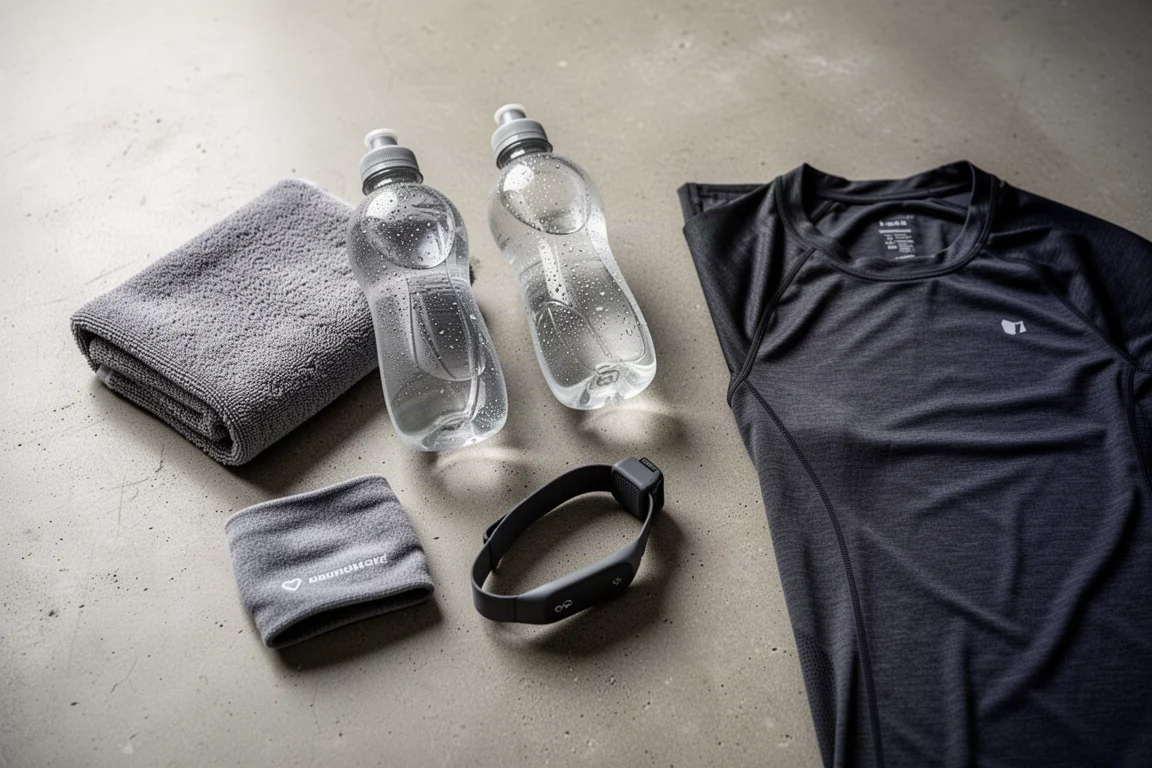
Heat training is uncomfortable by design. Sessions get very sweaty, so water and a towel within reach are not optional extras, and the clothing that speeds up heating adds to the discomfort. It is also a form of training that has to be managed carefully: Zone 4 is genuinely dangerous, and the app’s guidance exists partly to keep riders out of it.
There is a learning curve as well. Because zone boundaries are individual, the numbers from one rider do not transfer directly to another, and building a picture of your own thresholds takes time.
Finally, structured heat training is a large subject in its own right. How sessions are scheduled around the rest of a training week matters a great deal, and the sensor is a measurement tool rather than a complete plan.
Buying Advice
The case for the sensor rests on whether heat training is already part of the plan. Riders who spend a lot of time on an indoor trainer, particularly through winter, get the most obvious return, because a heat session gives an ordinary trainer ride a defined purpose and a measurable outcome. The setup cost in effort is low: clipping the sensor to a heart rate strap takes seconds, and the data is useful from the first session.

For those preparing for hot or humid conditions, the payoff can be significant. After more than a year of regular use, the reported improvements include better performance at altitude and a noticeably better ability to handle heat, most clearly during an exceptionally hot and humid event in Taiwan. Those are personal results rather than guarantees, but they point to where the tool is most valuable.
Conclusion
Heat training works because the body adapts to the stress of an elevated core temperature, and the CORE sensor makes that stress visible and controllable. The zone guidance, the session load score and the adaptation score turn a vague idea into something that can be planned and reviewed. It is not essential equipment, and casual riders can heat train without it, but for anyone who wants heat training to be as structured as power or heart rate training, this is the piece that makes that possible.
Product link
View more details for CORE Body Temperature Sensor
This product is mentioned in the review. Check the specifications, options, and compatibility before buying.
View more details for CORE Body Temperature SensorFurther reading
Related Reviews
Cycling Power Meters
Best Power Meters 2026: Pedal, Crank, and Spider Options Compared
A practical guide to the power meters worth buying in 2026, from versatile pedal systems to crank and spider designs, plus what to avoid.
Training Sensors
CORE Sensor Review: Making Heat Training Measurable at Home
A close look at the CORE body temperature sensor, how its heat zone guidance works, and whether structured heat training is worth adding to your indoor sessions.
Cycling Power Meters
Favero Assioma PRO RL Review: Look Compatible Power Meter Pedals Worth Considering
Favero's Assioma PRO RL brings pedal-based power to Look Keo riders with sealed electronics, a 258 g claimed weight, and a lower price than the Garmin Rally equivalent.