Cycling Power Meters
Best Power Meters 2026: Pedal, Crank, and Spider Options Compared
A practical guide to the power meters worth buying in 2026, from versatile pedal systems to crank and spider designs, plus what to avoid.
Introduction
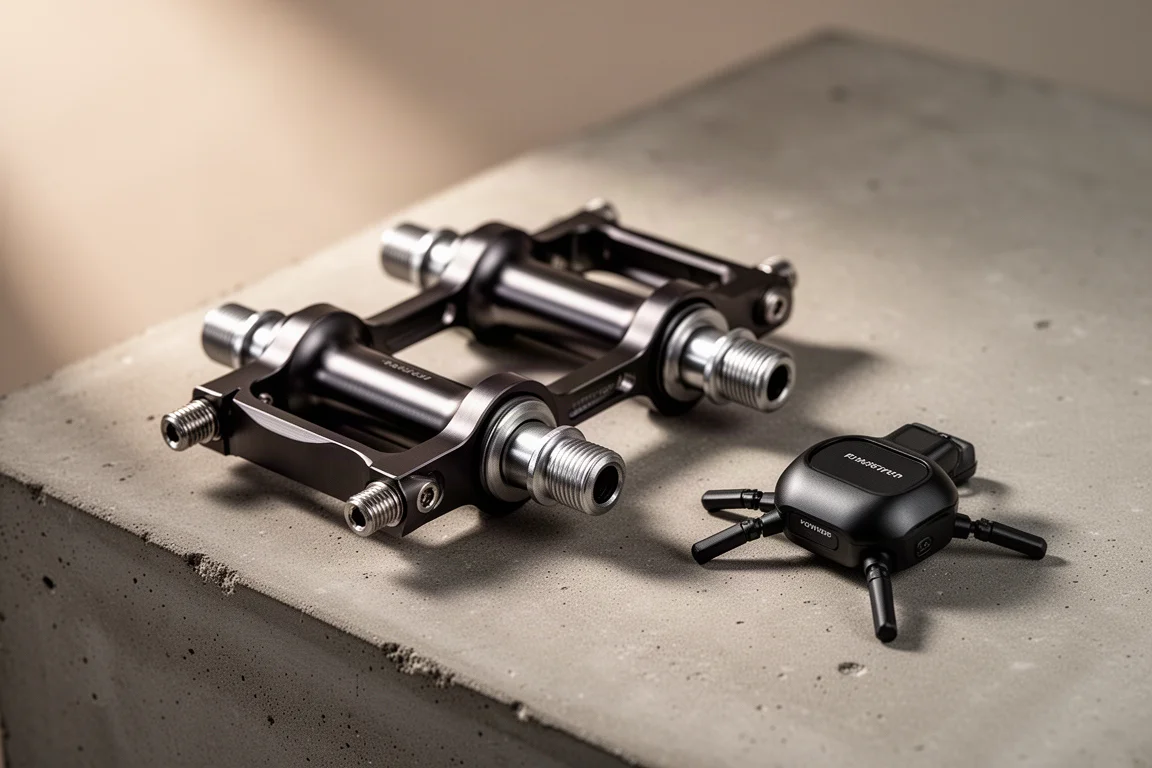
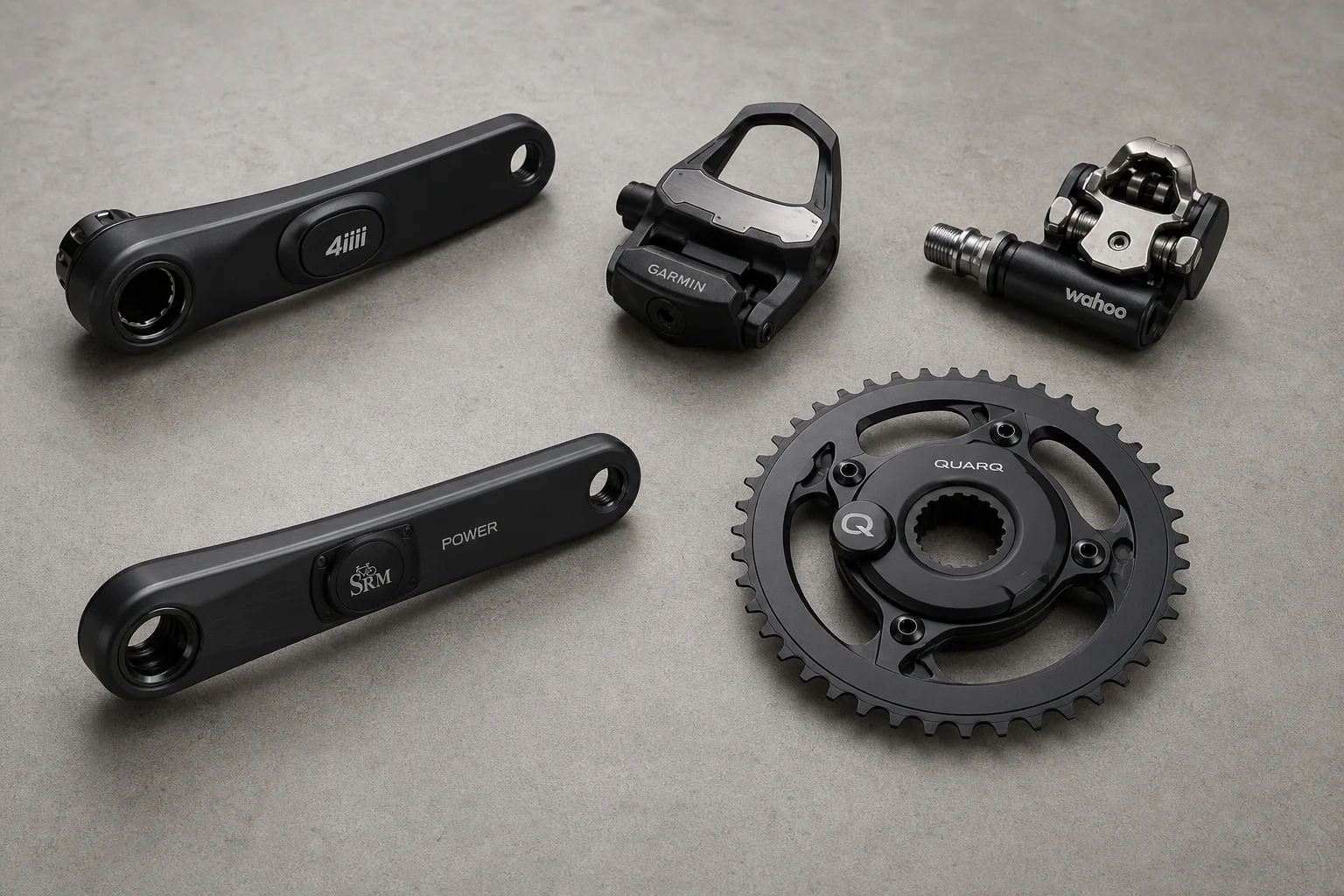
Power meters have settled into three main families: pedals, cranks, and spiders. Each measures the same thing, force multiplied by cadence, but they differ enormously in how easy they are to live with, how well they survive a crash, and how many bikes they can move between.
Over the past few seasons the pedal design has pulled ahead for most riders. Cranks and spiders remain excellent choices in specific situations, and they are still what you will see under most professionals. This guide breaks down which options are genuinely worth the money in 2026, which ones carry hidden costs, and how to avoid spending a lot on something that will not last.
How We Evaluated These Power Meters
Every option here was judged on the same shortlist: measurement accuracy, long-term durability, battery life and how the battery is charged or replaced, how simple installation is, how portable the unit is between bikes, replacement part pricing, and overall value.
Installation matters more than it first appears. A power meter that needs a frame magnet, a proprietary tool, or a wired connection to a bottom bracket adds friction every time you service the bike. Portability matters for riders with more than one machine, because a single set of pedals can serve a road bike, a gravel bike, and a mountain bike without buying three separate units.
Best Overall: Favero Assioma Pro MX
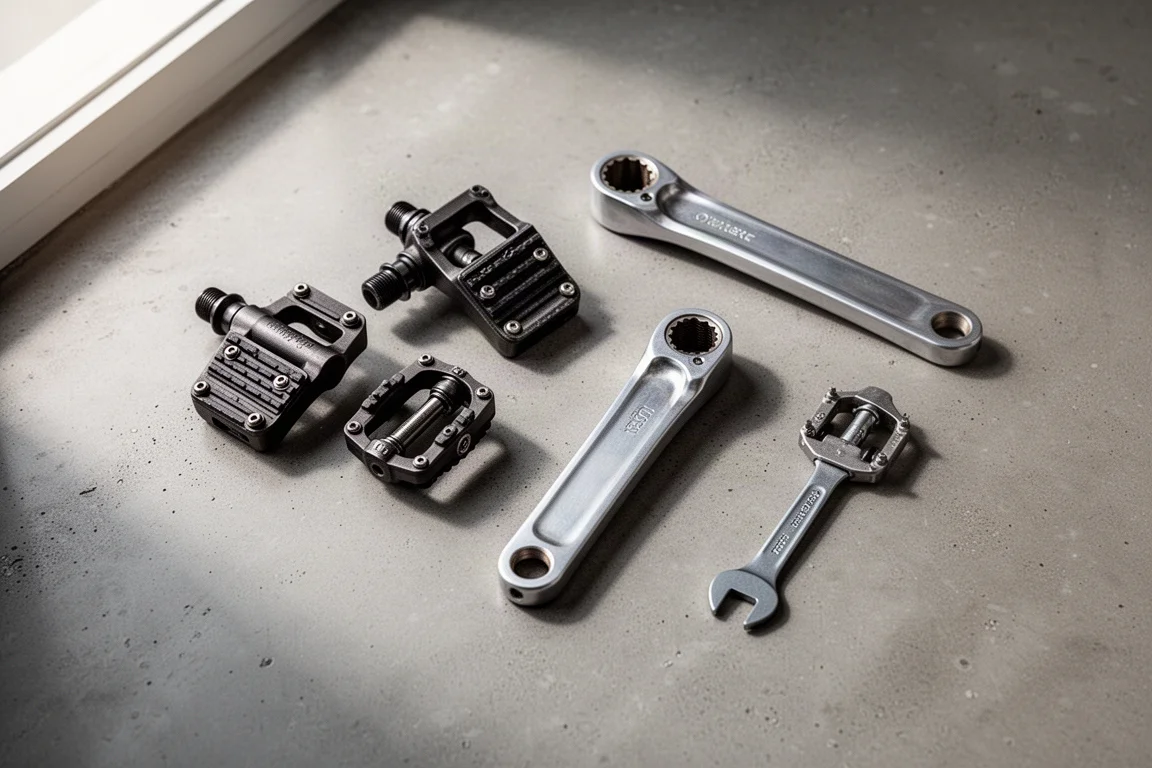
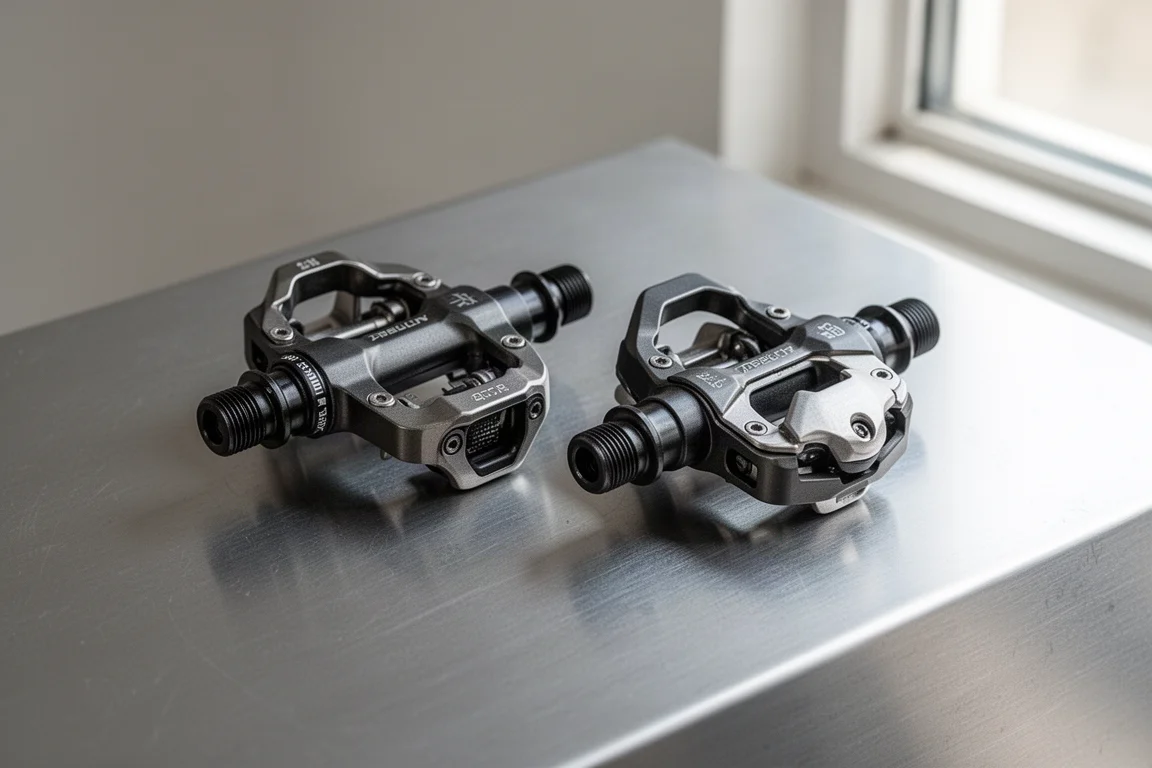
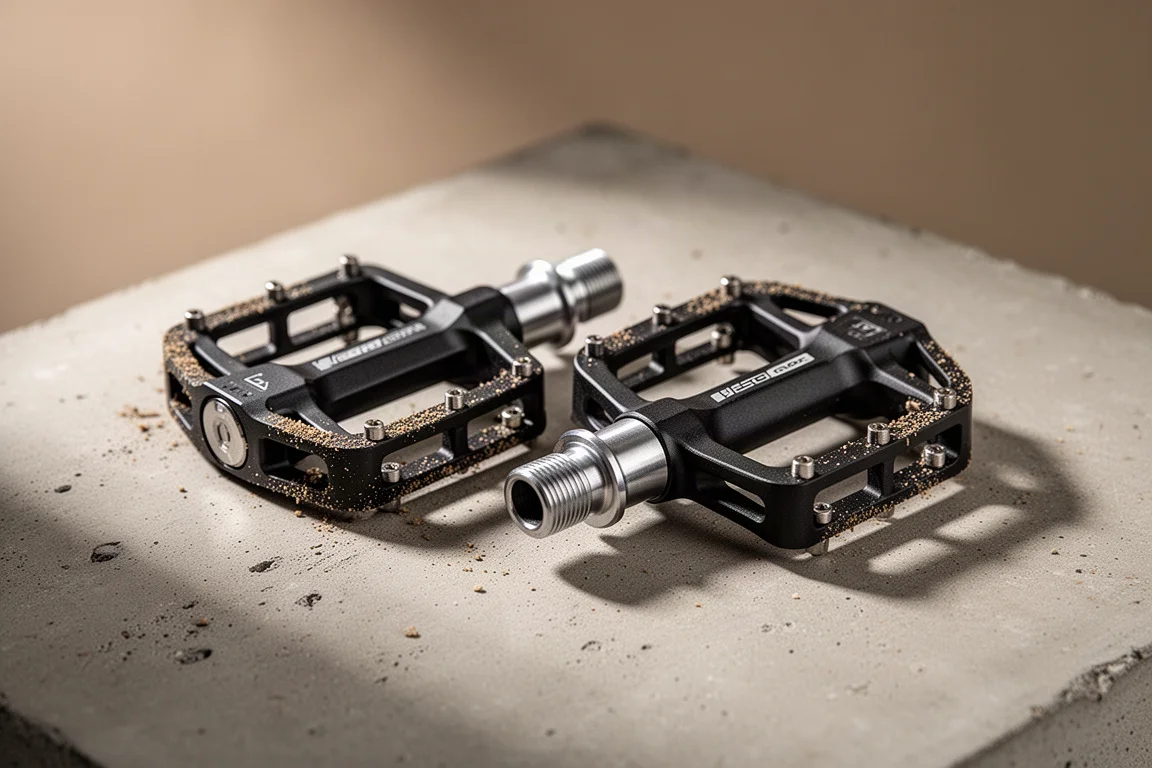
The Assioma Pro MX is the off-road member of the current Assioma Pro family, and it is the option most riders should start with. Everything is housed inside the spindle, so there is no external pod hanging off the crank arm, no frame magnet, and no complicated fitting procedure. The pedal body is all metal, which makes it noticeably tough in everyday use.
Battery life reaches up to 160 hours following a recent firmware update, and the pedals recharge rather than relying on coin cells. They are also the lightest option in this comparison, roughly 60 g lighter per set than the Garmin pedals.
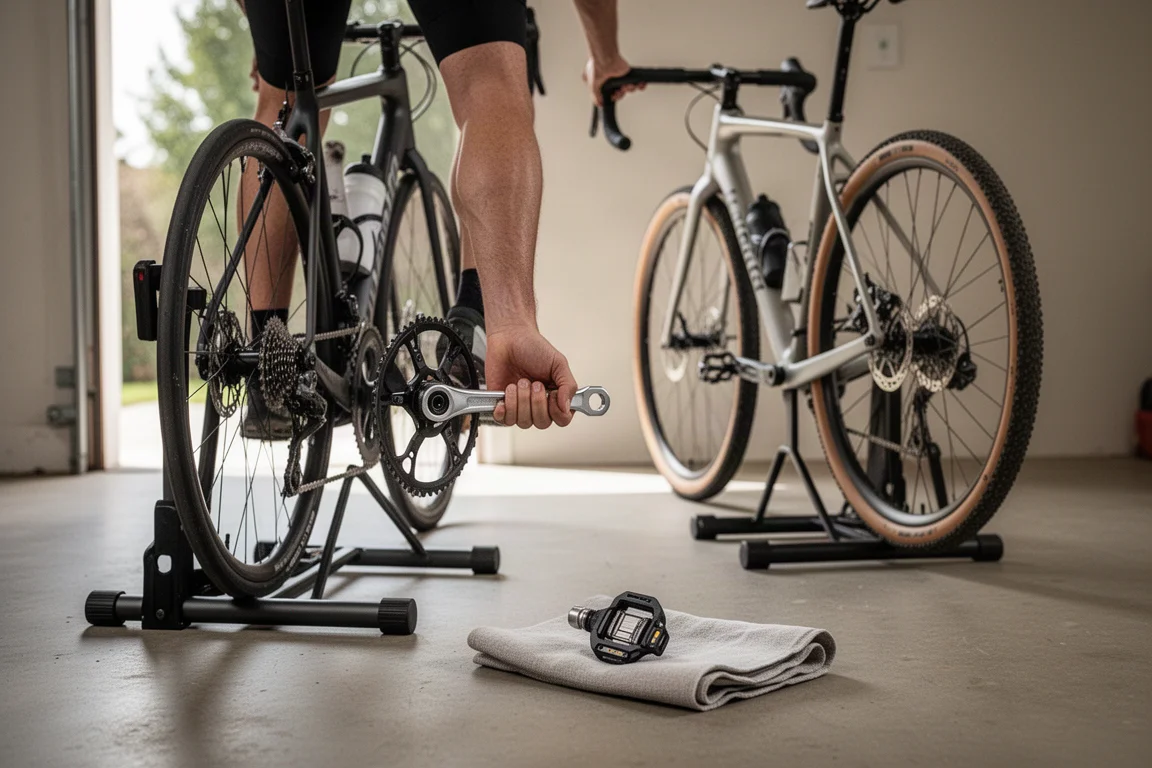
Changing pedal bodies is straightforward: unscrew the outer fitting, undo one internal screw, and separate the body using a 15 mm pedal spanner and a three or four millimetre Allen key, then reassemble with a torque wrench. Replacement bodies are inexpensive at around £50, so a scuffed pedal after a crash is not a disaster. At roughly £650, and with a universal pedal thread that fits essentially any crank, this is a genuinely cost-effective way to get power onto several bikes.
Best Road Pedal Option: Favero Assioma Pro RS and RL
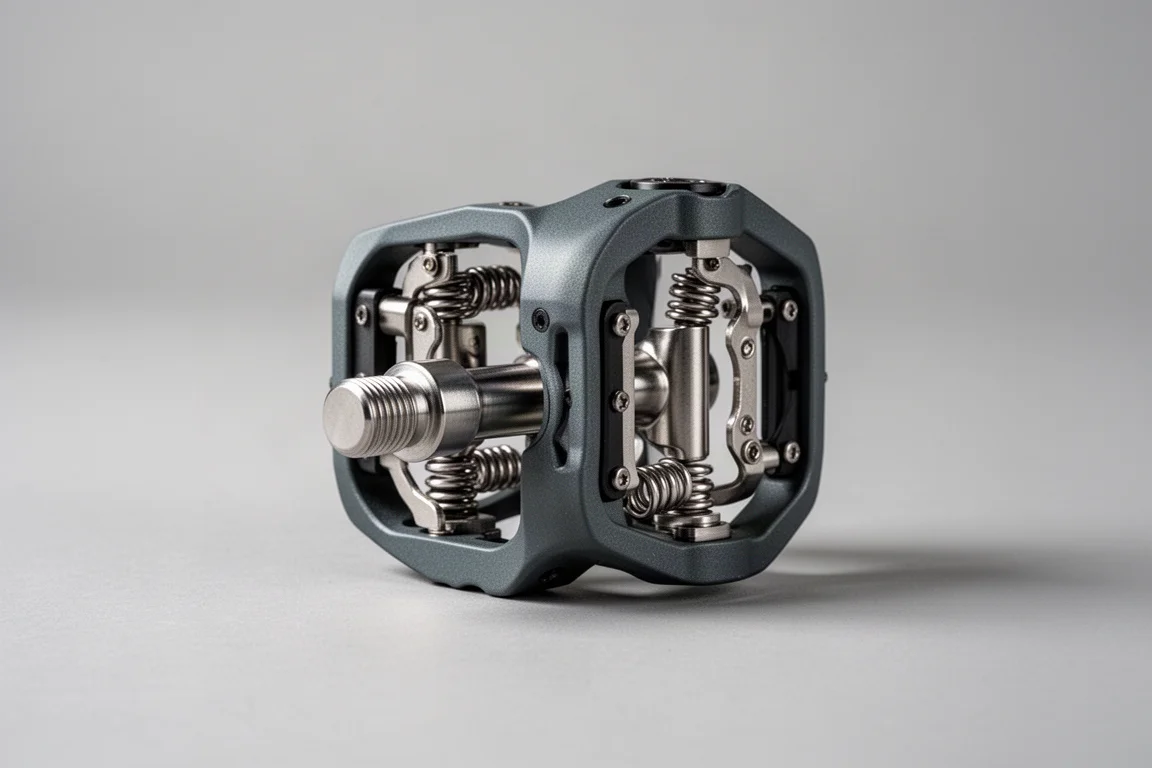
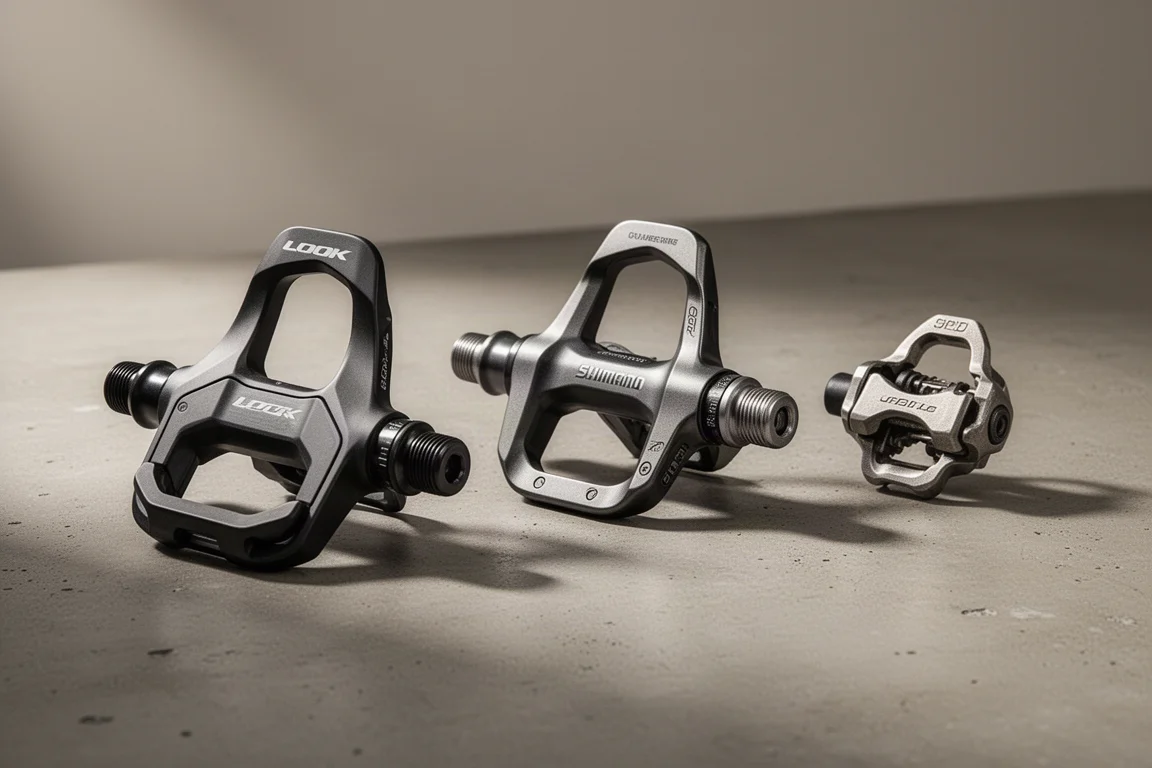
The same architecture carries over to road use in the Assioma Pro RS and RL, which cover Shimano and Look road pedal body standards. That means riders who prefer road shoes and road cleats are not locked out of the platform.
The advantages are identical to the MX: no pods, rechargeable internals, a robust metal body, and a pedal thread that fits any bike in the garage. Pricing sits around £600 for the RS or RL variants, which keeps them well below the premium pedal competition while offering the same practical benefits.
Best Premium Pedal Alternative: Garmin Rally RS10 and RK10
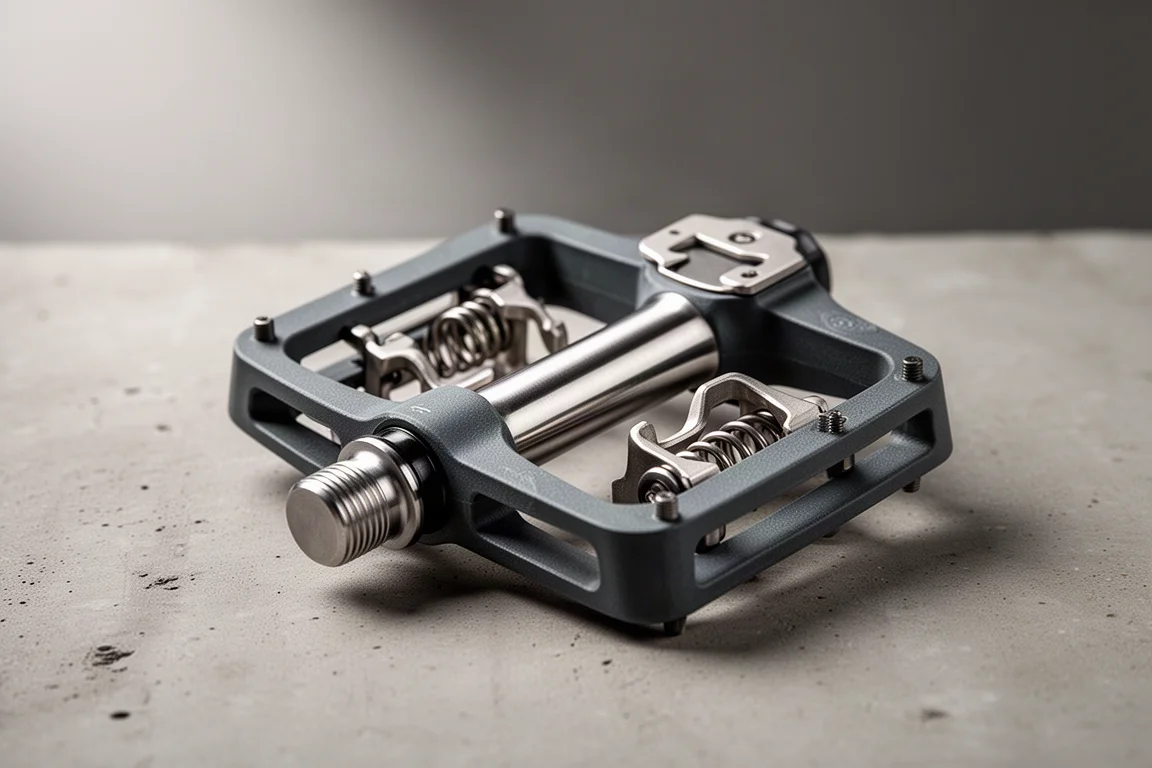
The Garmin Rally pedals, including the RS10 for Shimano road bodies and the RK10 for Look Keo bodies, follow the same pod-free philosophy. Everything sits in the spindle, battery life is rated at 90 hours, and pedal bodies can be swapped with a 15 mm pedal spanner and a small Allen key.
In performance terms there is very little to separate them from the Favero pedals. They have proven accurate and reliable, and have survived repeated winter riding through ankle-deep puddles without issue. The problem is cost: the road pedals run roughly £930 and the off-road versions around £1,000, which is around 35 percent more than the equivalent Favero pedals for broadly identical function. Replacement pedal bodies are also considerably more expensive, in the region of £100 to £200 per set, so damage adds up faster.
Best Spider-Based Option: Quarq DFour DUB R9100
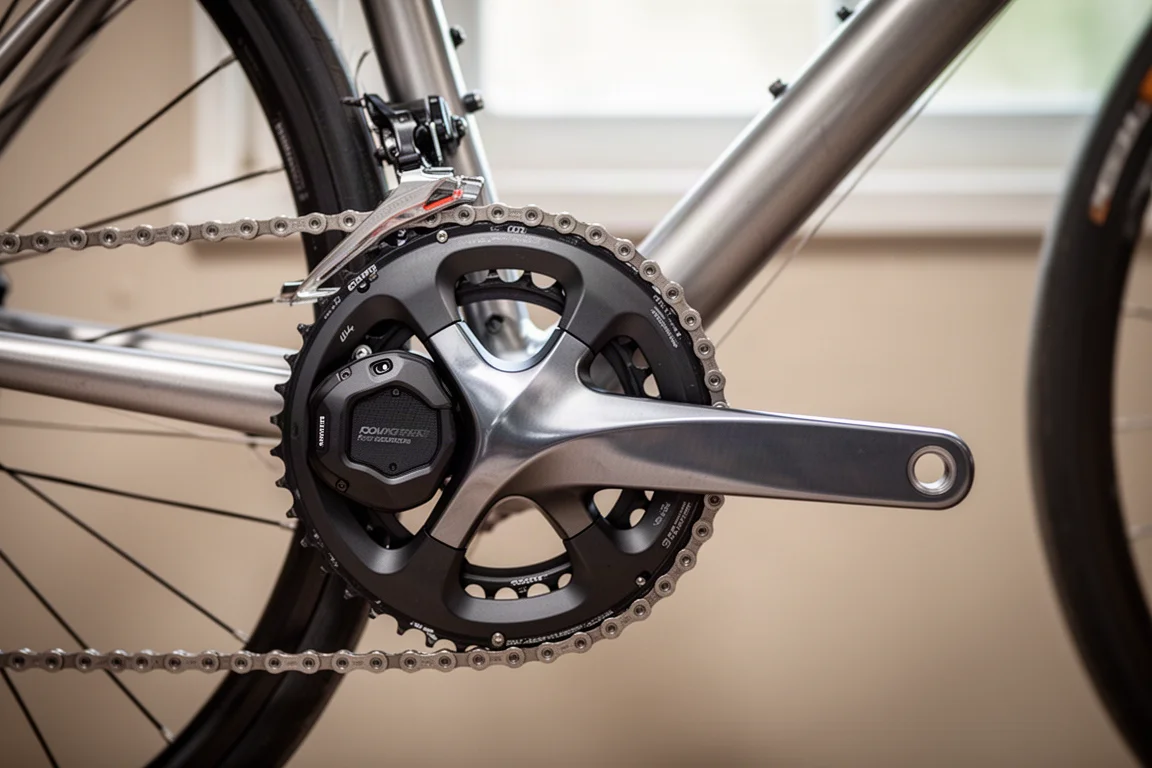
Spider-based power meters remain the design of choice for many racers, and the Quarq DFour DUB R9100 is a good example of why. The sensor sits in the spider disc, which leaves generous room for circuit boards, strain gauges, and a substantial battery. That housing is also well protected when a bike goes down, since the crank and pedal usually take the first impact.
Because the power meter is in the spider rather than bonded to an arm, crank length is not fixed. This unit uses a standard SRAM DUB interface, so in principle the same spider can move across road, gravel, and mountain bike setups simply by changing the crank length. The trade-off is a 110 BCD chainring limitation, which restricts you to roughly a 34-tooth inner ring, and the design measures both legs together without giving a true independent left-right balance reading.
Value is strong at around £470 for the spider and cranks, though chainrings are not included. Quarq is now part of SRAM, which makes spare parts and service comparatively straightforward.
For riders who race or ride mountain bikes hard enough to strike pedals on rocks regularly, this is the category to look at, since pedal damage costs more to absorb over a season.
Best for SRAM Drivetrains: SRAM Red AXS Power Meter
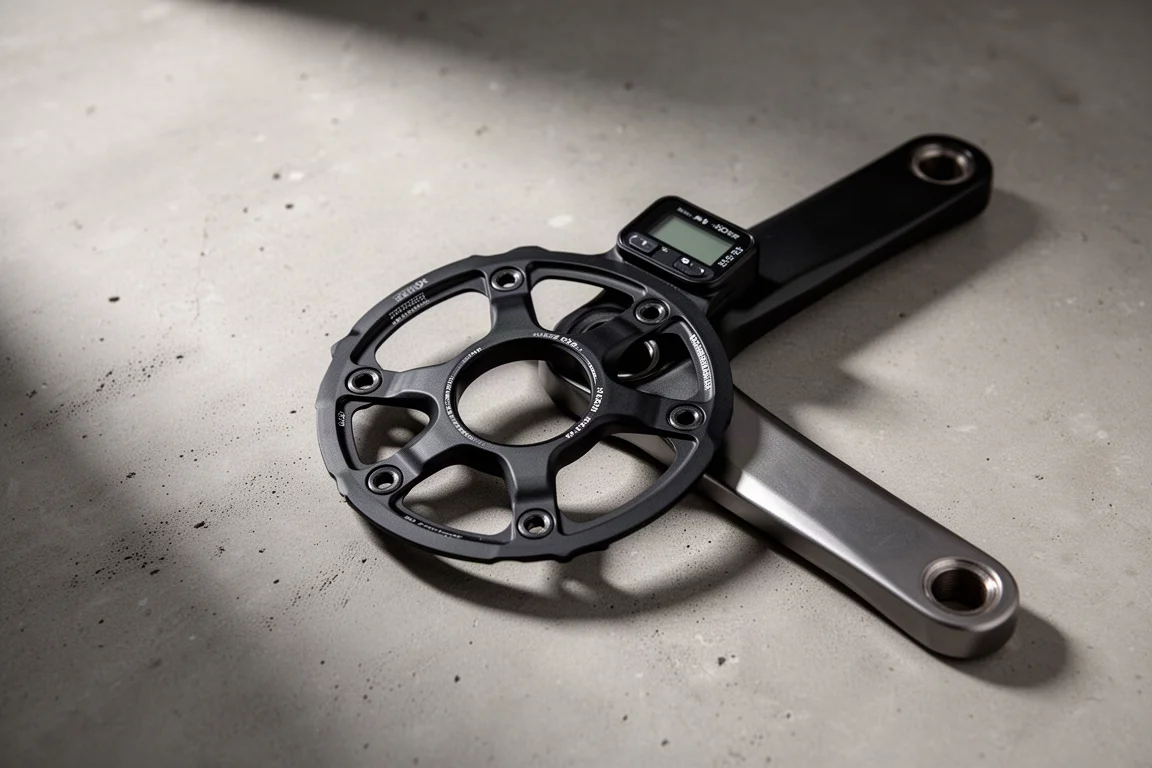
If your bike runs SRAM, the SRAM Red AXS power meter is the natural match. It shares the same internal design as the Quarq spider, just as accurate and just as reliable, packaged for SRAM drivetrains with an integrated battery compartment. It carries the same strengths as spider designs generally: crash protection, changeable crank length, and no dependency on a frame magnet.
Best Crank-Based Value: 4iiii Precision 3 Pro
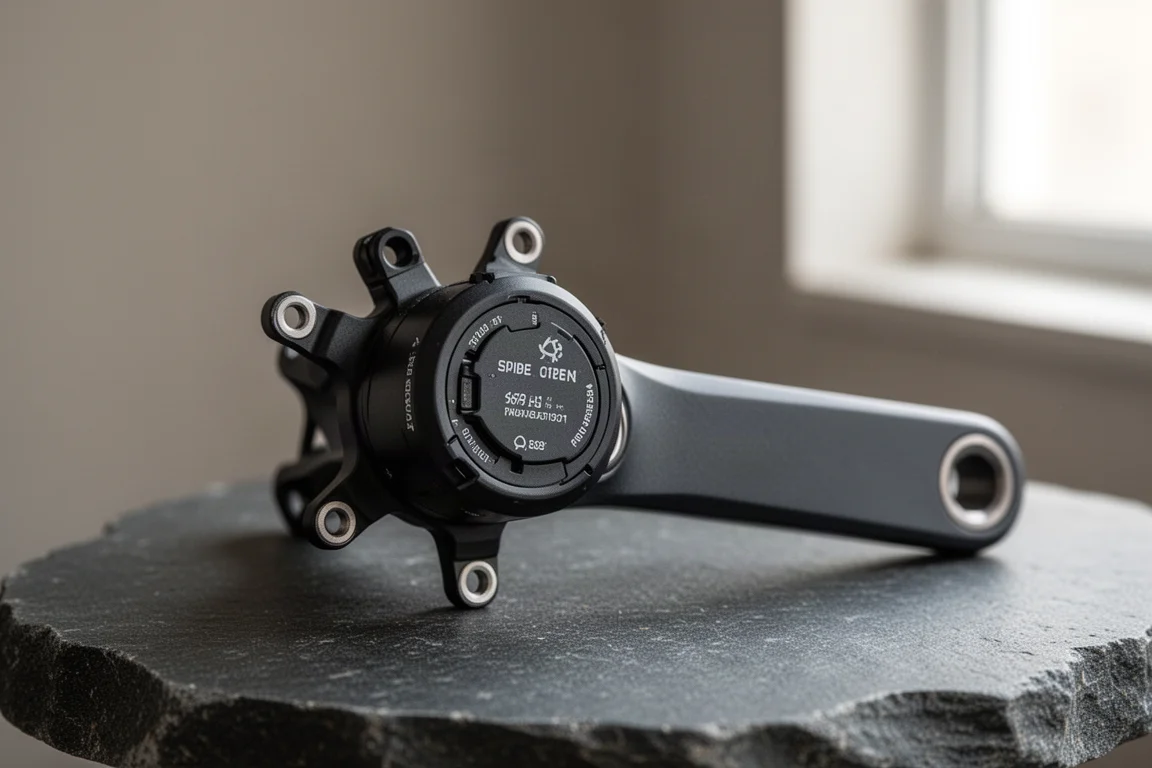
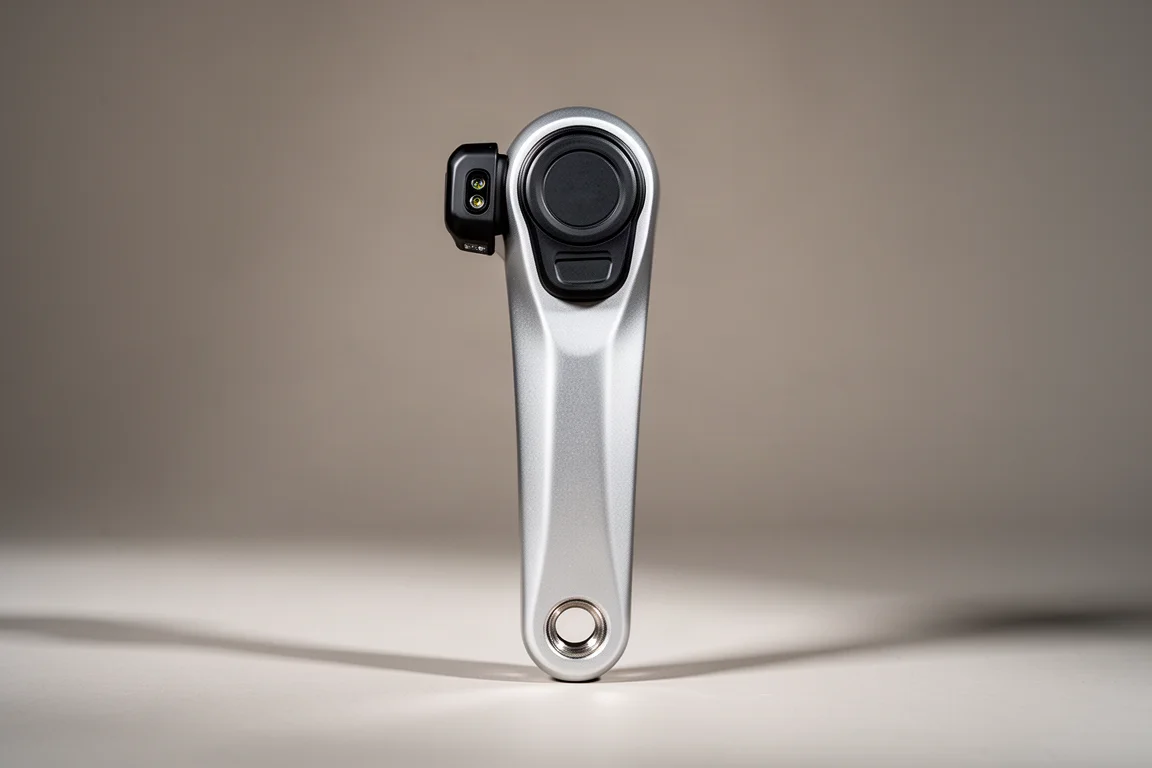
Crank-arm power meters are the most common entry point into measuring power, and the 4iiii Precision 3 Pro is a solid representative. The version reviewed here is built on a Dura-Ace crankset, which explains the price of around £1,200.
Cheaper versions exist on lower-tier cranksets, and 4iiii also offers a factory install service where you send in your own crank and they bond the sensor for you, at roughly £600. On some cranksets, buying a crank separately and sending it in can work out cheaper than buying a complete unit, so it is worth pricing both routes.
The main caveat with crank-arm designs is the battery door. The small plastic tabs on this style of enclosure can crack, and once the seal fails, water ingress can kill the power meter. It is a frustrating weakness on equipment at this price, and it is the strongest argument for the rechargeable, pod-free pedal designs above.
What to Avoid When Buying a Power Meter
Three categories are not worth your money. The first is current Shimano power meters, which combine an involved installation procedure and a frame magnet requirement with high pricing and a poor reputation for accuracy.
The second is crowdfunded power meters. A cleat-based unit that appeared on a crowdfunding platform recently is a good illustration of the risk: money goes out, and something may or may not arrive. A previously tested crowdfunded unit produced power numbers that changed depending on whether the rider was seated or standing, which makes the data worse than useless.
The third is untested marketplace units. Unknown power meters bought from general marketplaces have no meaningful warranty support, and independent testing has repeatedly found significant problems with a number of them. If a power meter gets wet and the circuit board fails, there is very little recourse. A second-hand unit from an established brand is a far safer use of the same money.
Single-Sided vs Dual-Sided Power Meters
The argument for single-sided meters is that consistency matters more than absolute accuracy, since the number is only a training reference. That reasoning holds only up to a point. Left-right balance is rarely a clean 50/50 split, and it is not stable between efforts either, tending to diverge more at lower intensities and converge as the work gets harder. A single-sided unit cannot capture that shift, so the data drifts most at exactly the easy intensities where riders spend a lot of their training time.
If your budget stretches to it, a dual-sided power meter removes the doubt entirely. If it does not, the smarter move is a second-hand dual-sided unit rather than a new single-sided one. The underlying measurement principle has not changed in years, so a well-kept used spider or pedal set can still deliver reliable data.
Buying Advice: Matching a Power Meter to Your Riding
For most riders the answer is a set of pedals. One pair moves between the commuter, the road bike, the gravel bike, and the mountain bike, and the same pedal thread standard works on all of them. Swapping between road and off-road pedal bodies takes minutes, and you can also simply run off-road pedals with off-road shoes everywhere if you prefer.
Cranks and spiders make sense in two situations. The first is racing, where crash damage is an occupational hazard and a spider tucked behind the chainrings is far better protected than a pedal. The second is riders who regularly strike pedals on rocks or clip them in tight corners, for whom repeated pedal body replacement becomes a real running cost.
If you do go the crank or spider route, match the brand to your drivetrain: SRAM or Quarq for SRAM groupsets, and the equivalent option for Shimano. Accept that the unit is tied to one bike, or at least to one frame and bottom bracket standard.
On the software side, tracking long-term training load, critical power, and peak power across different durations is where a power meter earns its keep. Free open-source tools exist that cover the same performance management features as paid subscriptions, which keeps the ongoing cost at zero.
Second-hand spiders from Quarq and PowerTap remain excellent value, and earlier-generation Favero Assioma Duo pedals are worth watching for now that the Pro models have arrived. Given how long these units last, a used dual-sided power meter is often a better purchase than a new single-sided one.
Conclusion
The Favero Assioma Pro pedals are the best power meters available right now for the majority of riders. They are tough, accurate, rechargeable, light, and adaptable across every bike you own, and the pedal body swap system keeps crash damage cheap to fix. The Pro MX covers off-road use and the Pro RS and RL cover road standards, all at a price well below the nearest premium alternative.
Choose a spider or crank design instead if you race, ride mountain bikes aggressively, or simply prefer the protection that comes with having the sensor tucked behind the chainrings. Whichever route you take, buy from an established brand, consider a second-hand dual-sided unit over a new single-sided one, and treat crowdfunded or untested marketplace power meters as money you will not see again.
Further reading
Related Reviews
Cycling Power Meters
Five Affordable Power Meters for Road and Off-Road Cycling
Five practical power meter options under $500 that deliver reliable power measurement without breaking the budget.
Cycling Power Meters
Assioma Pro MX-2 Review: Dual-Sided Off-Road Power Meter Pedals
A light dual-sided off-road power meter pedal with a claimed 191 g weight, plus or minus 1% accuracy and a 60-hour battery.
Cycling Power Meters
Best Power Meter Pedals 2026: Seven Systems Compared
A practical comparison of seven power meter pedal systems, covering accuracy, battery life, servicing, weight and price.