Cycling Power Meters
Favero Assioma PRO RL Review: Look Compatible Power Meter Pedals Worth Considering
Favero's Assioma PRO RL brings pedal-based power to Look Keo riders with sealed electronics, a 258 g claimed weight, and a lower price than the Garmin Rally equivalent.
Introduction
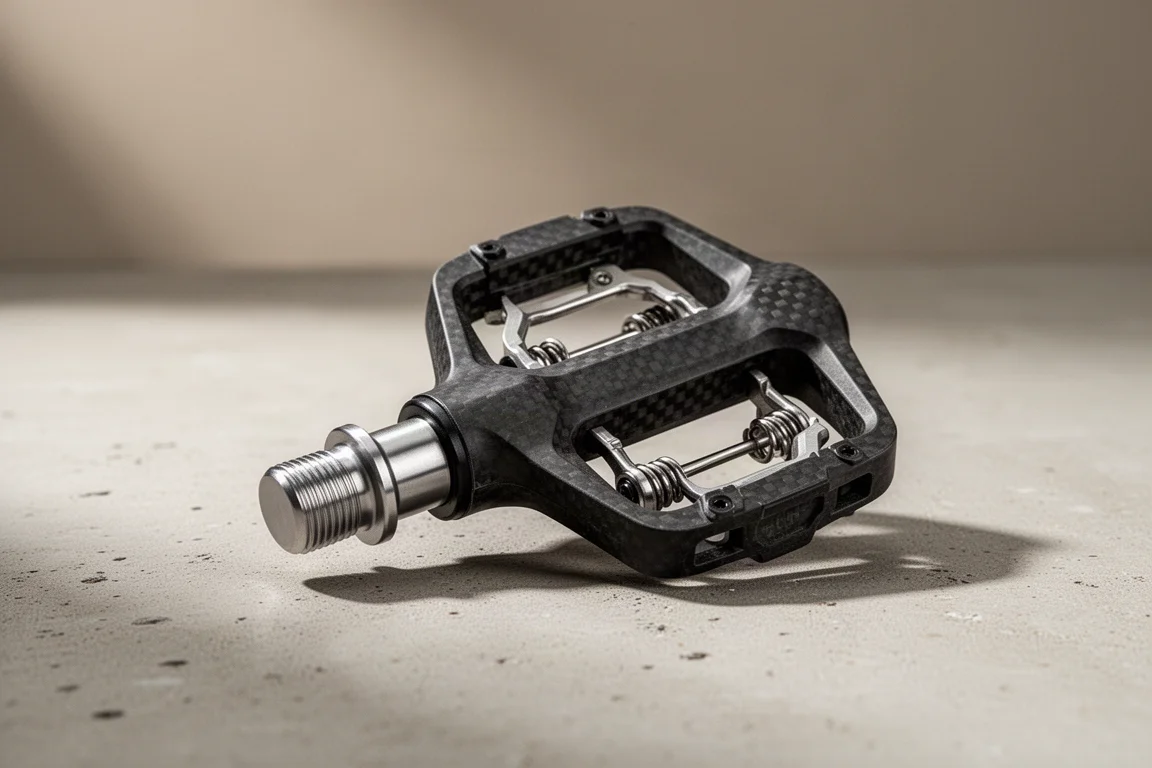
Favero has extended its pedal-based power meter range with the Assioma PRO RL, a Look Keo compatible set that brings the same measuring platform already used across the Shimano SPD-SL compatible Assioma PRO RS and the SPD compatible Assioma PRO MX to riders running Look pedals. That matters, because until now Look users had fewer options among the most accurate pedal power meters.
At $789 or £649, the Assioma PRO RL undercuts the equivalent Garmin Rally option while keeping the core feature set riders expect for structured training. The headline numbers are a claimed plus or minus 1 percent accuracy, a claimed 258 g weight per pedal, and up to 160 hours of ride time per charge following a firmware update across the Assioma PRO family.
This first look covers what the PRO RL actually does, where it fits in a training setup, and the practical details worth checking before you commit.
Who the Favero Assioma PRO RL Is For
The Assioma PRO RL is aimed squarely at riders already on Look Keo pedals who want power data without changing their cleat system. Because the pedal bodies are swappable, it also suits riders who move between disciplines, for example running road cleats on one bike and SPD cleats on another, and who would rather change pedal bodies than buy a second power meter.
Favero sells both a double-sided version, which delivers left and right pedal balance, and a single-sided version based on the left pedal alone. If you are not sure whether you need dual-sided data yet, the single-sided option can be upgraded to a dual-sided set later with a dedicated upgrade kit, so the entry point stays affordable.
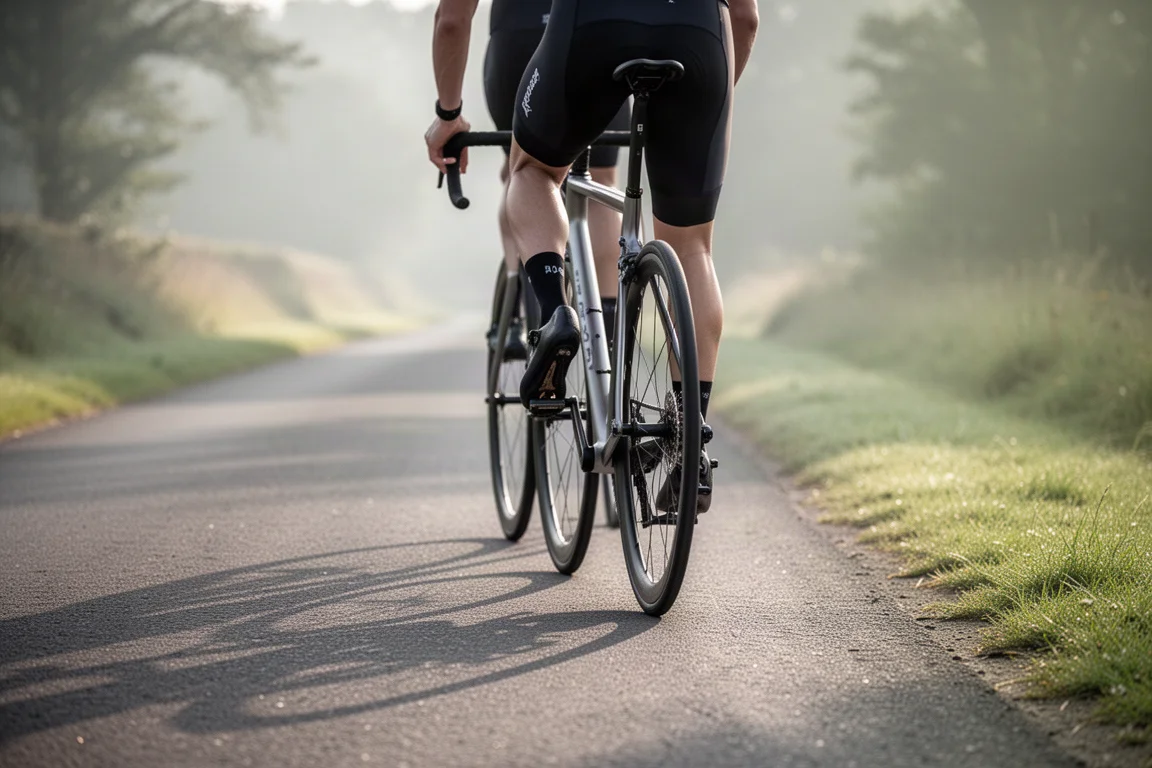
That flexibility is the main argument for buying into the platform rather than a fixed pedal body design. Your power meter electronics stay the same while the pedal interface changes around them.
Main Strengths
The strengths here are not cosmetic. They come down to how the electronics are housed, how much the pedals weigh, and how much useful data the system produces.
Accurate, Sealed Electronics
All of the electronics live inside the spindle, with hermetically sealed strain gauges that are naturally protected from water and dust. The rechargeable battery sits inside the same sealed housing, which Favero says makes water ingress and physical damage far less likely than with designs that rely on small coin cell batteries. Favero also notes that this approach reduces the chance of data dropouts during a ride.
Charging uses a dedicated connector that terminates in a standard USB A jack, so it works with almost any USB A port you already have. The cable is long enough to reach the pedals while they are still mounted on the bike, which is a small detail that makes a real difference in a cold garage.
A firmware update covering all Assioma PRO pedals raised battery life to up to 160 hours on a full charge, with a warning when you are around 8 hours from empty. The accuracy claim is plus or minus 1 percent, and the wider Assioma family has a strong track record: the Shimano SPD-SL compatible PRO RS, the SPD compatible PRO MX, and the earlier Assioma DUO have all produced excellent results when measured against benchmark devices.
Light Weight and a Wide, Stable Platform
Favero claims 258 g for the pedal, which it positions as the lightest adjustable Look compatible power meter pedal available. The adjustable part is worth pausing on. Rather than swapping springs to change release tension, you fine-tune how easily the pedal engages and releases with a simple Allen key, so you are never stuck with a tension setting that does not suit you.
For Look users specifically, Favero quotes a 755 mm squared contact surface, which is 50 mm squared more than a Look Keo Blade pedal and, according to the company, the widest contact surface of any power meter pedal on the market. The stack height is a low 10.5 mm and the Q factor is 53 mm, so the pedals sit close to the crank and keep a narrow stance.
Favero supplies its own cleats in the box, with the 5 degree float version included along with all the bolts and washers. The cleats are claimed to offer 30 percent more grip than equivalent cleats available elsewhere, and they come in 0, 5, and 9 degree float options if you prefer something different. They weigh just 35 g.
Training Data That Goes Beyond Power
The Assioma PRO RL records what Favero calls IAV Cycling Dynamics. That set of metrics includes power phase measurement, which shows which part of your pedal stroke produces the most power, and rider position tracking, which measures the time you spend seated versus out of the saddle.
It also captures torque effectiveness and pedal smoothness, and a three-axis gyroscope keeps power readings accurate by compensating for any twisting motion going into the pedal. Platform center offset is another useful one: it reveals any imbalance in where you push down on the pedal, which can be genuinely helpful when you are managing an injury, working on weaknesses, or giving a bike fitter real-world data to work with.
On the double-sided version you also get left and right pedal balance, which is the metric most riders want once they start chasing symmetry.
Things to Consider Before Buying
The sealed battery design is a genuine strength, but it does mean charging relies on Favero’s dedicated connector rather than a generic cable, so it is worth keeping that cable somewhere you will not lose it.
Going single-sided saves money up front, but it only measures your left leg until you add the upgrade kit. If left and right balance matters to your training, factor that cost in from the start rather than treating it as an afterthought.
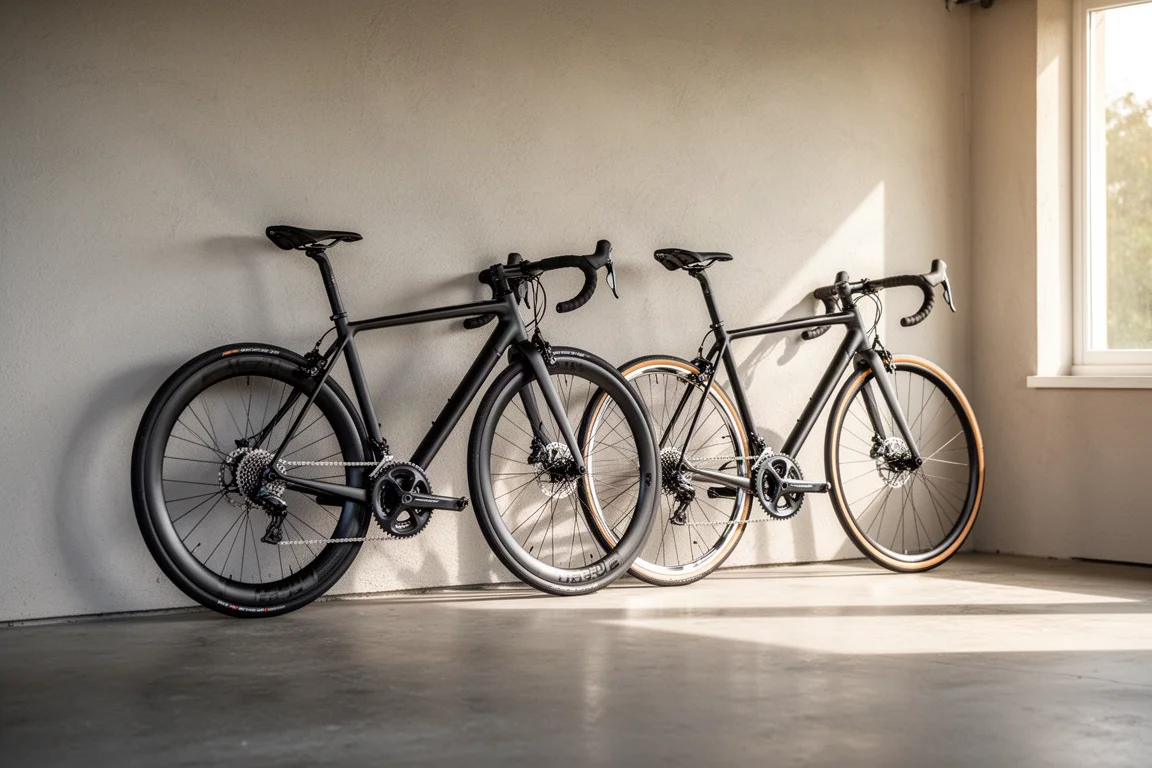
Changing pedal bodies between Look, Shimano SPD-SL, and SPD systems is straightforward with everyday tools and step-by-step guidance in the Favero app, but it is still a job that needs the correct tools and a careful approach. It is not something most riders will do weekly.
Finally, the Look pedal bodies use the Look Keo cleat standard, so if you are currently on a different road system, you will be changing cleats as well as pedals.
Buying Advice
If you already ride Look Keo and want accurate power with a wide, stable platform and a low stack height, the Assioma PRO RL is a sensible place to start, especially given the price sits below the Garmin Rally equivalent. Riders who train seriously will get more from the double-sided version, while those testing the waters of power-based training can begin single-sided and upgrade later.
The cleats included in the box, the adjustable release tension, and the sealed electronics all point to a product designed to be lived with rather than fussed over. Weigh that against the proprietary charging cable and the fact that a body swap takes tools and patience, and the trade-offs are easy to understand.
If your priority is a power meter that disappears into your existing setup and simply reports reliable numbers ride after ride, this one deserves a place on your shortlist.
Conclusion
The Favero Assioma PRO RL opens up a well-regarded pedal power meter platform to Look Keo riders at a lower price than the closest big-name rival. The claimed 258 g weight, the 755 mm squared contact surface, the sealed spindle electronics, and the IAV Cycling Dynamics metrics add up to a package that suits both racers and data-hungry recreational riders.
The main considerations are the dedicated charging connector, the cost of stepping up from single-sided to dual-sided later, and the fact that pedal body swaps, while simple, still require the right tools. For most Look users chasing reliable power data, those are manageable trade-offs rather than deal-breakers.
Product link
View more details for Favero Assioma PRO RL
This product is mentioned in the review. Check the specifications, options, and compatibility before buying.
View more details for Favero Assioma PRO RLFurther reading
Related Reviews
Cycling Power Meters
Five Affordable Power Meters for Road and Off-Road Cycling
Five practical power meter options under $500 that deliver reliable power measurement without breaking the budget.
Cycling Power Meters
Assioma Pro MX-2 Review: Dual-Sided Off-Road Power Meter Pedals
A light dual-sided off-road power meter pedal with a claimed 191 g weight, plus or minus 1% accuracy and a 60-hour battery.
Cycling Power Meters
Best Power Meter Pedals 2026: Seven Systems Compared
A practical comparison of seven power meter pedal systems, covering accuracy, battery life, servicing, weight and price.