Training Sensors
CORE Sensor Review: Making Heat Training Measurable at Home
A close look at the CORE body temperature sensor, how its heat zone guidance works, and whether structured heat training is worth adding to your indoor sessions.
Introduction
Heat training has moved from a niche professional practice into something far more accessible. The idea is straightforward: ride in a warm environment, raise your core body temperature, and let the body adapt. The reported payoff is better thermoregulation, greater efficiency, and an increase in blood plasma volume that can support red blood cell production, a response with some resemblance to altitude training but achievable at home.
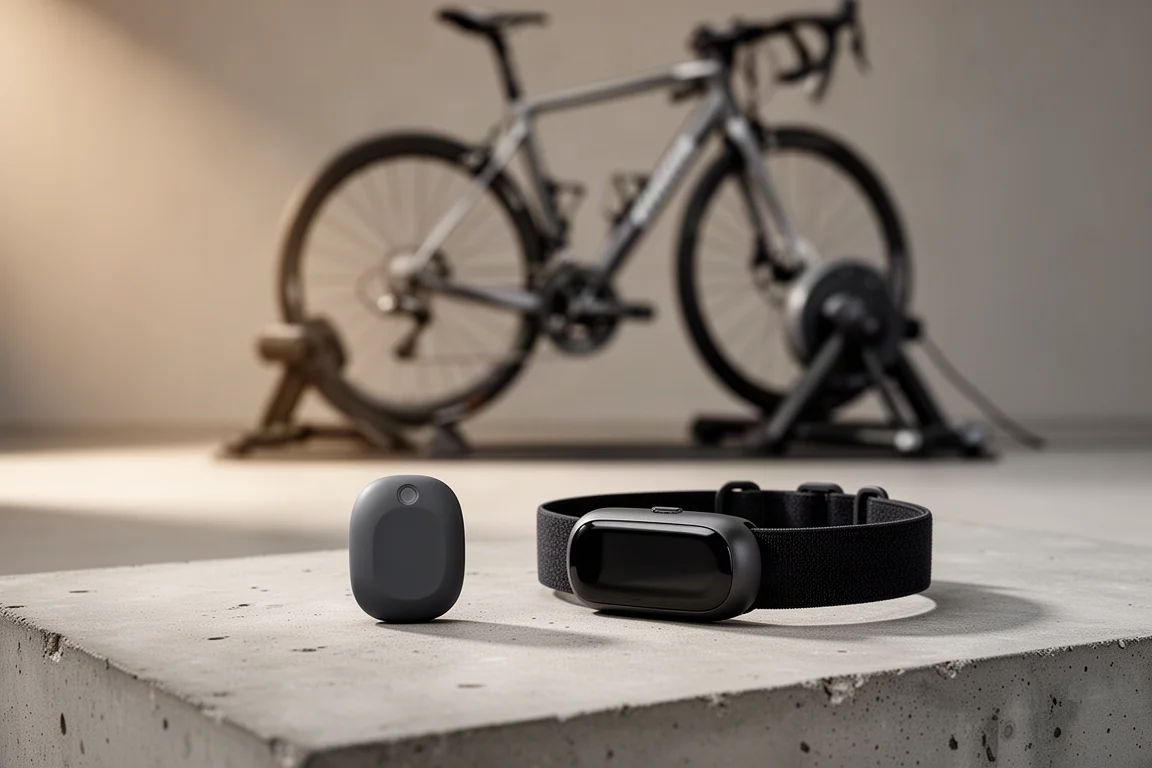
The catch has always been measurement. Without knowing how hot you actually are, heat training becomes guesswork, a bit like training to power without a power meter or lifting weights without checking the load. The CORE sensor is designed to close that gap. It is a small wearable device that estimates core body temperature algorithmically using a Swiss-made thermal energy transfer sensor, which detects the movement of heat from the body into the environment.
You can attach the sensor to the body with adhesive patches, though the simplest approach is to clip it onto a heart rate strap. From there it pairs with the CORE app on a smartphone, and the data can also be shown on a compatible head unit, so core temperature sits alongside the other numbers you already watch during a session.
Who This Sensor Is For
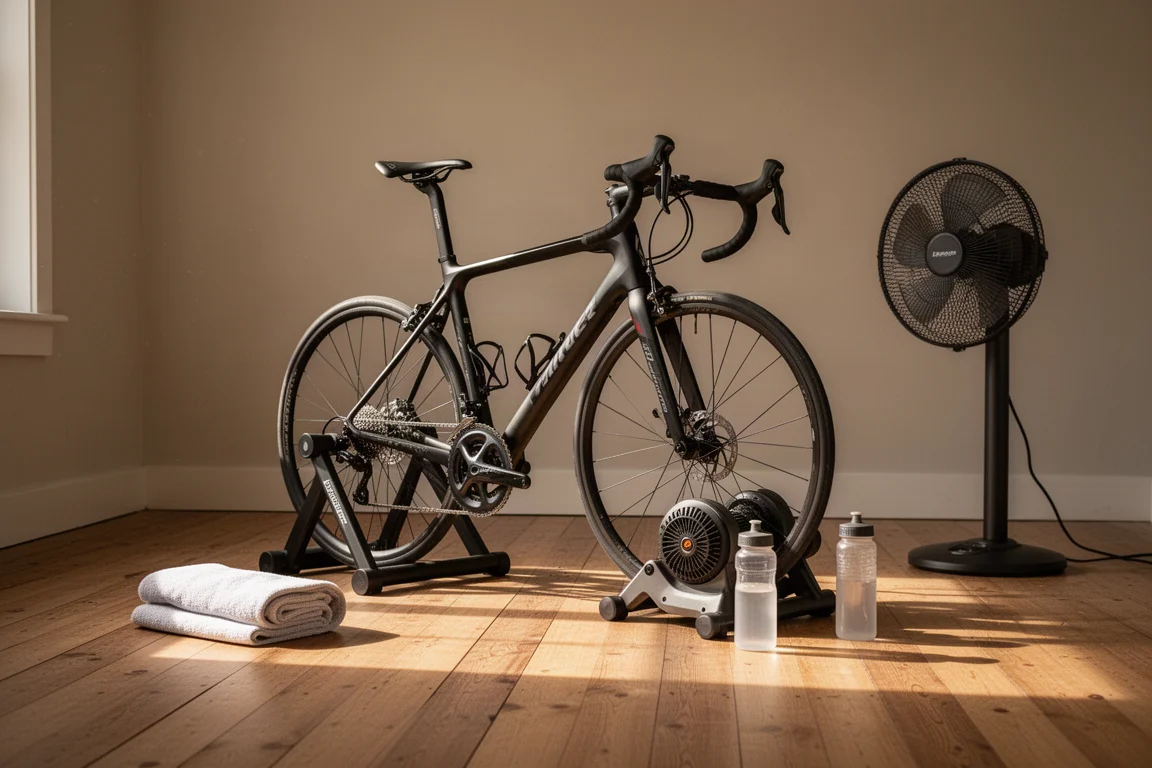
This is a device for riders who already train with structure and want to extend that structure into heat work. If you follow power or heart rate zones indoors, adding a temperature zone is a natural next step, and it turns an otherwise ordinary turbo session into something with a defined purpose.
It is also relevant for anyone preparing for events in hot or humid conditions, or for riders who want to arrive at altitude camps with some of the adaptation already in place. Because heat training can be done indoors, it does not depend on living somewhere warm or having access to long climbs, which makes it practical for riders in cooler climates through the winter months.
The sensor is not limited to professionals. The same information that helps elite athletes decide when to cool down is available to anyone willing to run structured sessions at home.
Main Strengths
The strongest argument for the CORE sensor is the app, which turns raw temperature data into guidance. It shows which heat zone you are in, tracks how long you stay there, and helps you avoid drifting too high. That last point matters for safety as much as performance: overheating is not something to chase, and the app makes the boundary visible.
After each session you receive a heat training load score ranked from 1 to 10, which feeds into an overall heat adaptation score that the app maintains over time. That combination gives you a clear sense of progress rather than a vague feeling that a session felt warm. The app also offers advice on how to reach full heat adaptation, whether that means a compressed block or a slower build.
The hardware itself is reassuringly practical. The sensor is very waterproof, impressively so, which matters given how much you sweat during heat work. Charging uses a magnetic cable rather than a plug-in port, and that design choice is part of what keeps moisture out. The device is small enough to forget about once it is clipped in place, and it has been used by professional athletes even when they are not sponsored by the brand, which is a meaningful signal of real-world value.
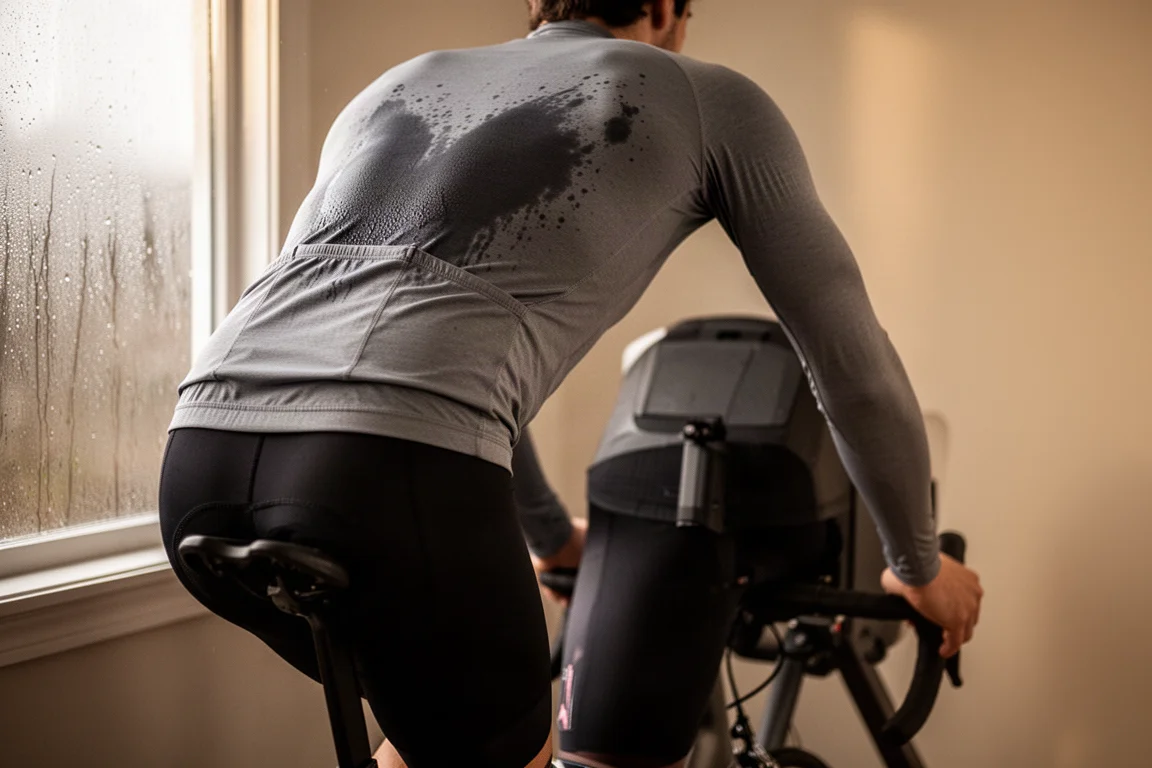
In personal use over more than a year, the reported benefits have been significant, both in performance at altitude and in handling heat. A standout example is an exceptionally hot and humid event where performance came in better than expected.
How the Heat Zone System Works
The app organises core temperature into heat zones, and these are entirely separate from the power and heart rate zones you may already use. The exact temperatures vary from person to person, but the structure is consistent.
Zone 1 is not very hot and represents the range where peak physical performance is still achievable. Zone 2 brings slight heat strain, some loss of performance, and the beginning of heat adaptation. Zone 3 is the key zone for heat training gains, and it is also where performance declines noticeably. Zone 4 should be avoided during exercise because it can be dangerous; if temperature strays there, the priority is cooling down.
A well-run session aims for at least 45 to 90 minutes in Zone 3. Crucially, this does not require riding hard. You might be producing Zone 1 power while sitting in heat Zone 3, which is entirely acceptable. The adjustment is to ride to perceived effort rather than to a fixed power target, because the same watts feel considerably harder once your body is hot.
Things to Consider Before Buying
The first thing to be honest about is that heat training does not require a sensor. Riders have raised their core temperature for years simply by turning the fans off, wearing more clothing, or riding harder, and CORE also makes a body suit designed to trap heat quickly. The sensor adds measurement, structure, and safety rather than making the underlying adaptation possible.
Zone boundaries are individual, so the temperatures you see quoted elsewhere are a starting reference, not a prescription. Expect to learn your own thresholds over several sessions, and treat the app’s guidance as a framework to refine rather than a fixed rule.
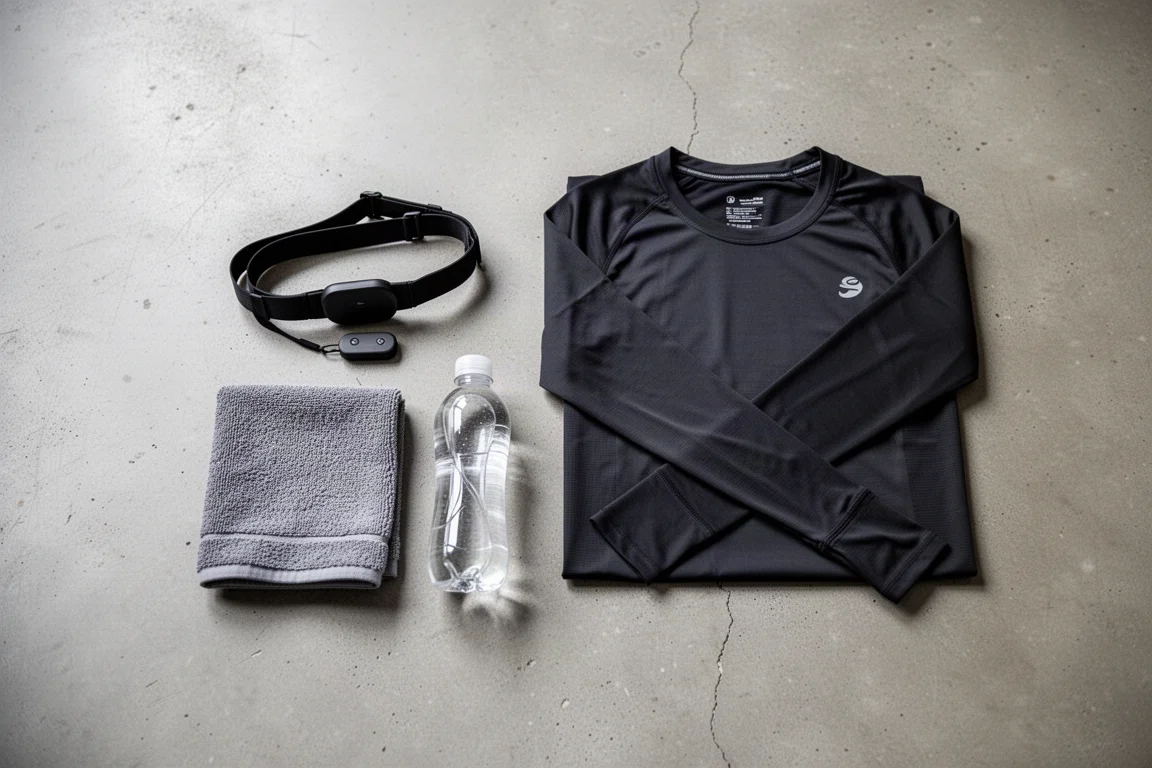
Heat sessions are also genuinely uncomfortable. Sweat output is high, so plenty of water and a towel within reach are essential, and the sessions are best treated as a deliberate training block rather than something to bolt onto every ride. Heat training as a whole is a large topic, and how it fits into a wider plan deserves more thought than a single session can cover.
Buying Advice
The practical case for the CORE sensor comes down to how much structure you want. The app supports two broad routes to full heat adaptation: an aggressive approach that can be completed in as little as 13 days with a maximum heat load on nearly every one of those days, and a gentler path of two medium-intensity heat sessions per week across roughly 12 weeks. The second option is far more realistic for most riders with jobs, families, and normal training loads.
Once adaptation is reached, one or two sessions a week are enough to maintain the gains. That makes heat training an efficient addition to an indoor season, particularly when the weather pushes more riding inside. A common pattern is to complete a normal interval session with cooling and fans, then add steady Zone 1 or Zone 2 riding with the fans off and extra layers on, which layers heat work onto training you were already going to do.
If you are preparing for a hot event, or you simply want your indoor hours to serve a second purpose, the sensor delivers the missing feedback loop. If you are happy to run heat sessions by feel and accept the guesswork, you can still make progress without it.
Conclusion
Heat training works because it stresses the body in a way that improves how it manages temperature, and the CORE sensor makes that stress measurable. The app’s zone guidance, session load score, and adaptation tracking turn a vague and often uncomfortable practice into something structured, trackable, and safer to repeat. For riders who already train to numbers and want to prepare for heat, altitude, or a long indoor winter, it is a genuinely useful addition to the toolkit.
Product link
View more details for CORE Sensor
This product is mentioned in the review. Check the specifications, options, and compatibility before buying.
View more details for CORE SensorFurther reading
Related Reviews
Cycling Apps
Best Cycling Apps 2026: Nine Tools That Make Every Ride Better
A practical roundup of nine cycling apps covering ride tracking, route planning, wind analysis, data review and indoor training, with the strengths and trade-offs of each.
Cycling Gifts
Best Cycling Gift Ideas 2026: Seven Practical Picks for Cyclists
Seven cycling gift ideas for 2026, from tools and chain care to an indoor trainer, a radar light, a value head unit, a MIPS helmet, and gravel shorts.
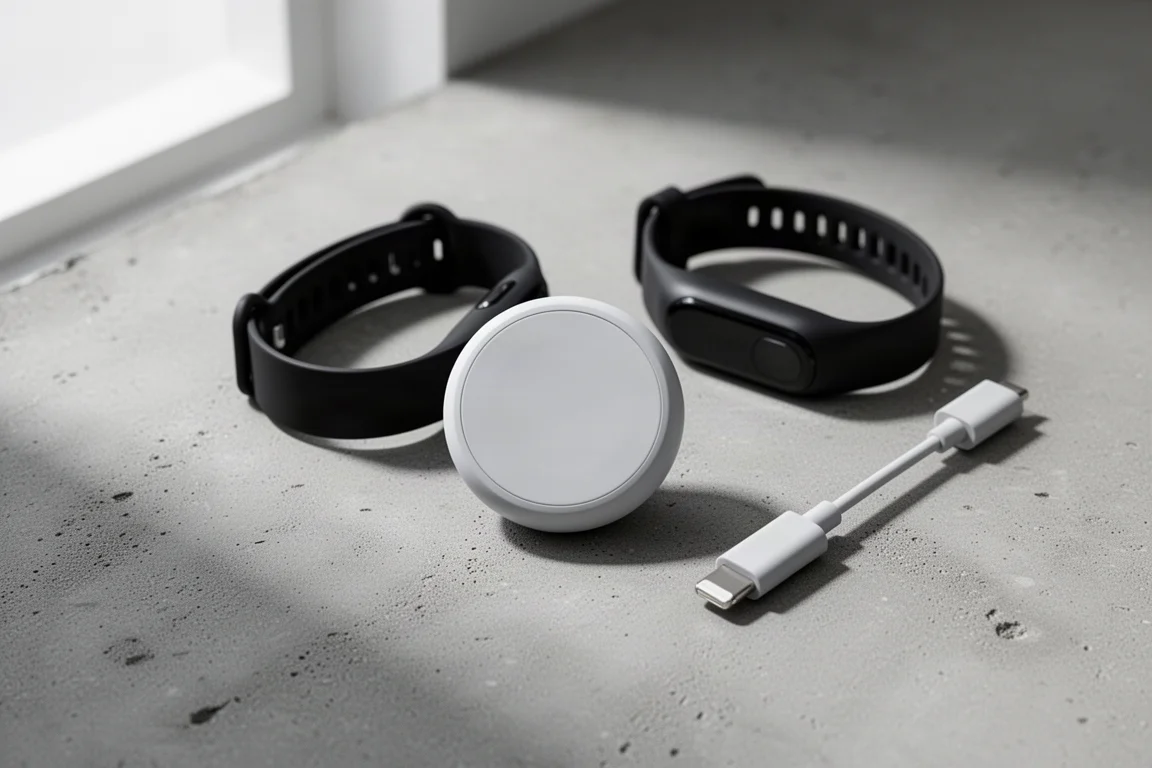
Cycling Training
CORE Body Temperature Sensor Review: Making Heat Training Measurable
A practical look at the CORE body temperature sensor, the heat zones it guides you through, how adaptation is tracked, and who gets the most from it.