Backpacking Gear
Core Backpacking Kit 2026: 10 Pieces of Gear Worth Building Around
A practical look at ten backpacking items that earn a permanent place in a core kit, from packs and sleep systems to stoves, water treatment, and a satellite messenger.
Introduction
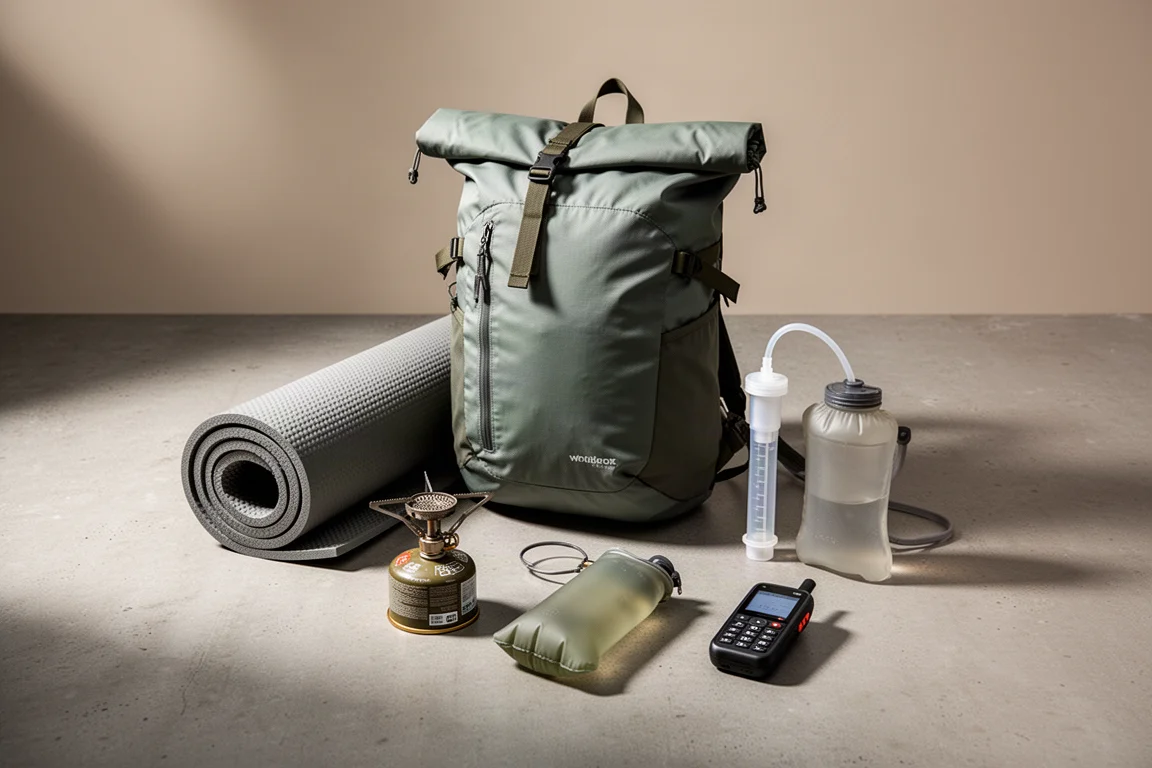
A core kit is the gear that keeps coming back. It is what survives a year of testing, gets packed for trip after trip, and rarely gets replaced. The ten items below cover the working parts of a backpacking setup: two packs, a cold-weather sleep system, a one-person shelter, two stoves, water treatment, and a satellite messenger. Each one earned its place by solving a specific problem well.
What Makes Gear Core Kit Worthy
Gear becomes core kit for three reasons: it holds up to repeated use, it solves a problem that shows up on most trips, and it is easier to keep using than to replace.
Weight matters, but not in isolation. A slightly heavier item that carries a load better, or that works across more seasons, often earns more trips than the lightest option in the same category.
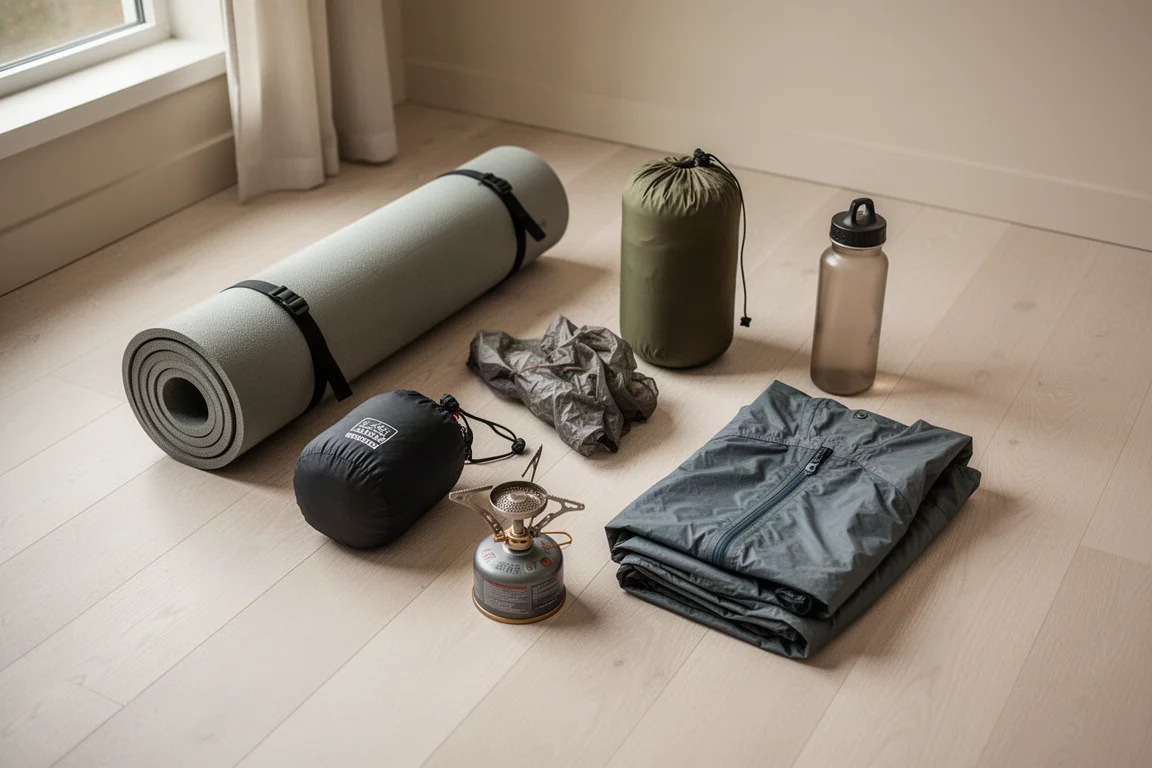
Versatility is the other filter. Sleeping pads and bags that stretch from one season into the next, stoves that work with more than one pot, and safety devices that stay useful on every trip tend to stay in the kit longer than single-purpose gear.
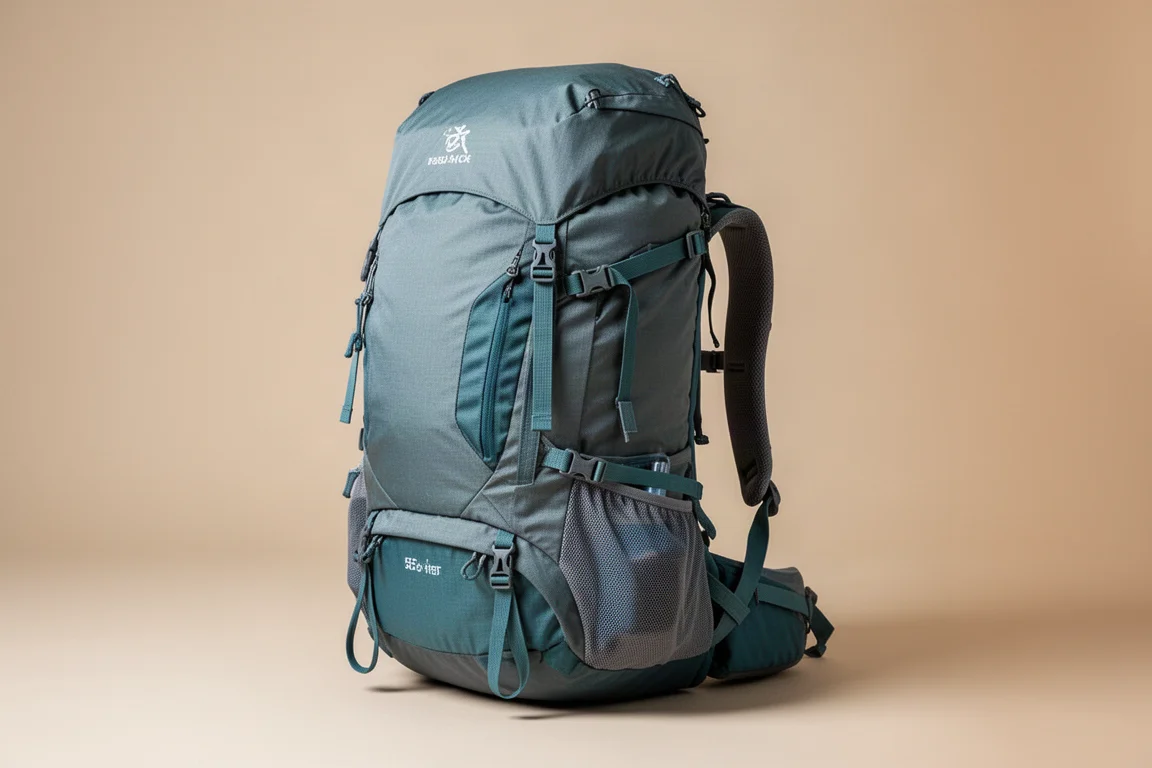
LiteAF EcoAC 46L Full Frame Backpack
This ultralight pack is built from EcoAC, a waterproof and fully recycled fabric, and the interior is seam sealed. That means no pack liner and no rain cover on normal trips. In sustained wet conditions, a down sleeping bag still goes into a trash bag at the bottom of the pack for extra insurance.
The layout is deliberately modular. A draw cord at the base holds a closed-cell foam pad, the side pockets are large, and the front pocket is roomy enough for layers and a shelter. This configuration has no hip belt pockets, so a fanny pack handles small items. The two shoulder strap pockets were swapped for a water bottle pocket and a phone pocket, which keeps water and navigation within reach without stopping.
Customization is part of the appeal, from muted colorways to army green and a galaxy print. It is not a budget pack, at roughly $350, but it is the kind of purchase that gets used for years.
REI Flash 55 Backpack
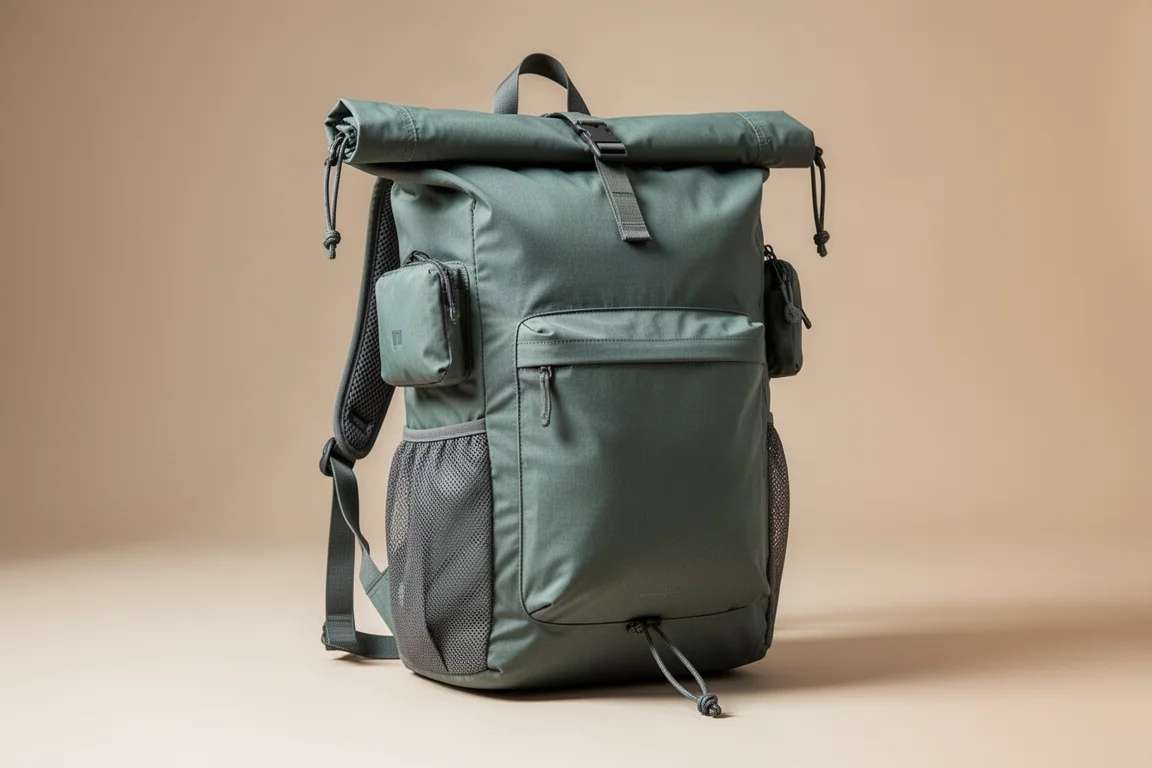
Where the ultralight pack saves weight, the Flash 55 carries weight better. That matters on longer trips with heavier food loads or bulkier gear. It also keeps the organizational features many backpackers miss on a stripped-down pack: a lid with a pocket, hip belt pockets, a phone pocket, and forward-facing water bottle pockets on both sides.
The trade-off is water resistance. This pack is not waterproof, so a pack liner is part of the setup. Both packs see roughly equal use, which is why both belong in a core kit rather than one replacing the other.
For anyone who is not chasing the lowest possible base weight, this is the more forgiving option of the two, and the one that stays comfortable when the load creeps up.
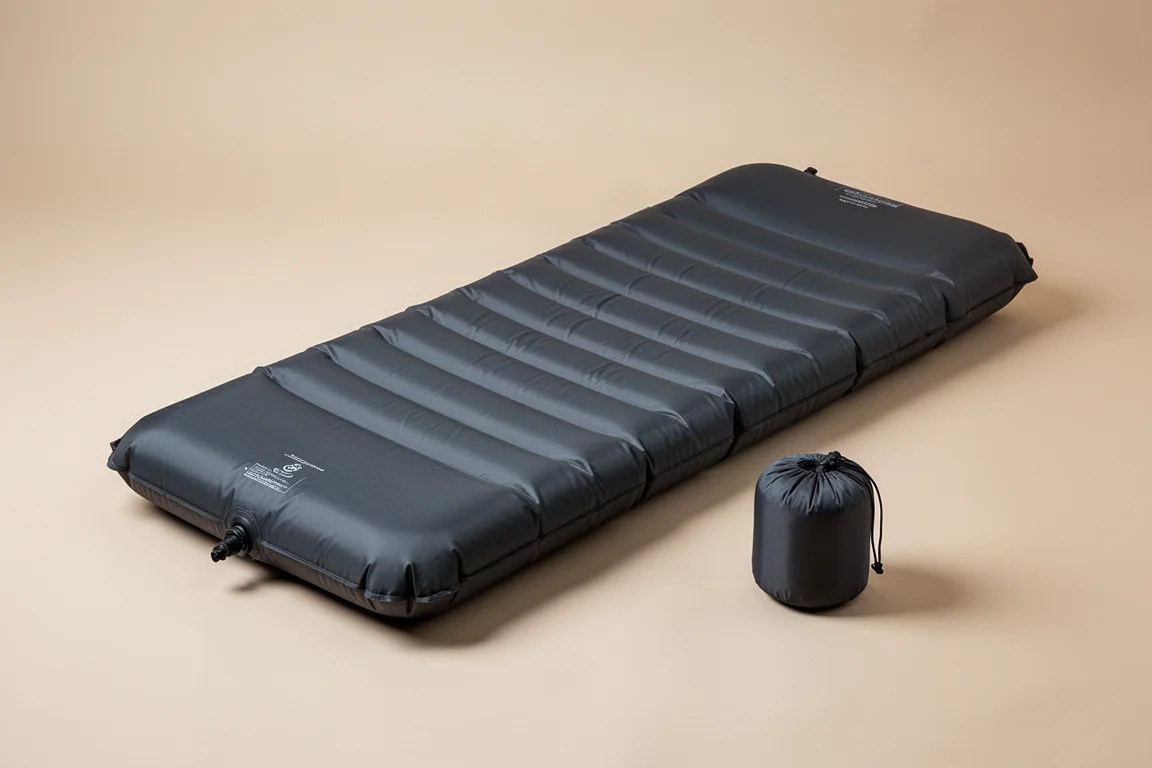
Nemo Tensor Extreme Conditions Sleeping Pad
Sleeping warm is the difference between a good trip and a miserable one, especially for anyone who runs cold at night. This is the warmest pad in the kit, and it is used well past winter into shoulder season, often into April.
That warmth is what makes it a core item rather than a seasonal one. Instead of sitting in a gear bin from March to November, it covers the cold end of the calendar and hands off to a lighter pad when overnight temperatures rise.
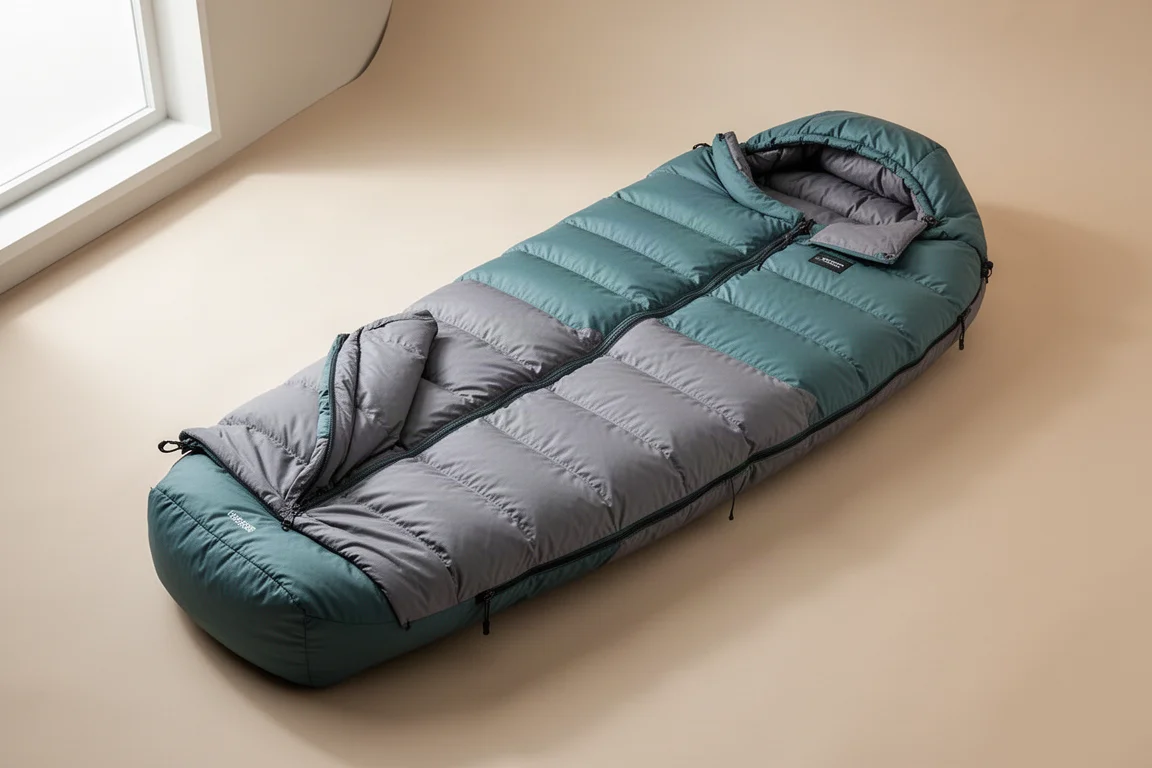
Therm-a-Rest Boost Sleeping Bag
This is a 20-degree bag with two features that make it unusually flexible. The center zipper closes fully and adds roughly 10 degrees of warmth, and zippered arm holes on both sides let you reach out for cooking, reading, or sorting gear without opening the bag.
In practice it moves between two roles: a roomy rectangular camp bag and a fully enclosed mummy. It is warm, versatile, and light for what it offers, which is why it covers the colder trips in the rotation.
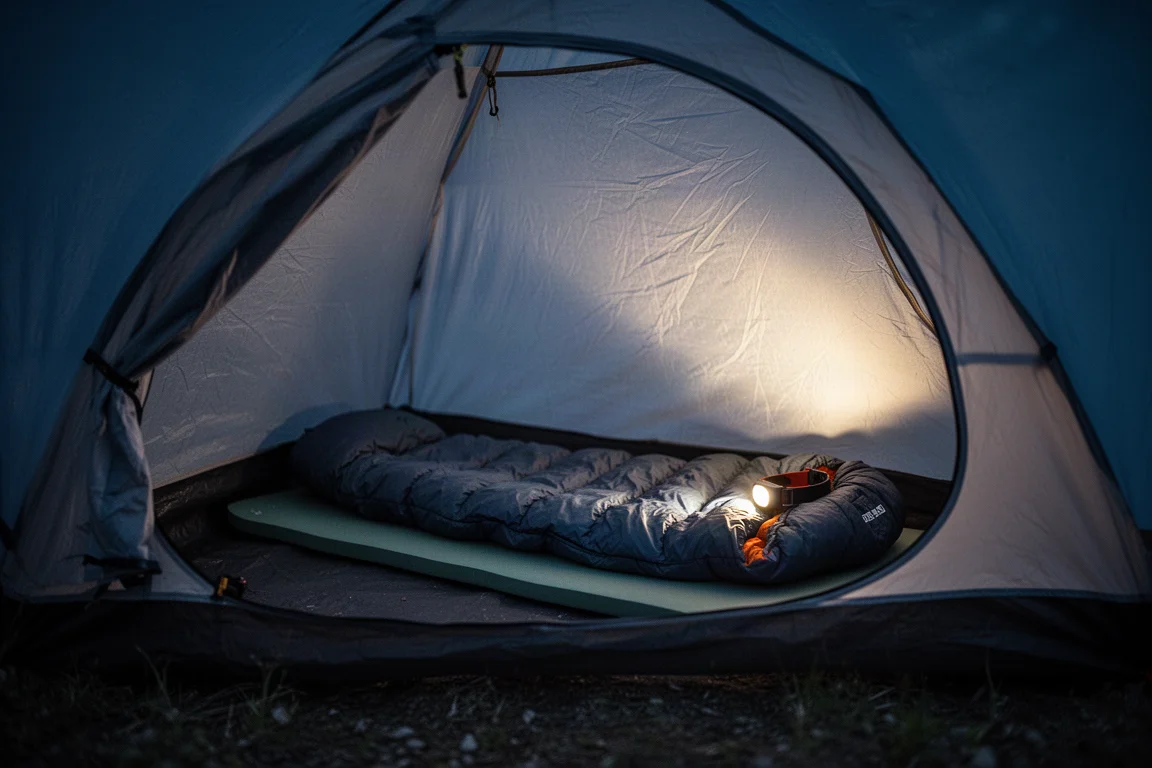
That flexibility is also why it pairs well with a quilt instead of replacing one. The two cover different ends of the temperature range.
Enlightened Equipment Revelation Quilt 20°
For longer trips in warmer weather, a 20-degree quilt is hard to beat on comfort and weight. It packs down small, works with a warm pad, and avoids the bulk of a full sleeping bag.
The main consideration is enclosure. A quilt has no hood and no full zip, so sleepers who run cold or who camp in exposed, windy spots may prefer a bag for those nights. For everything else, it is the lighter and more comfortable choice.
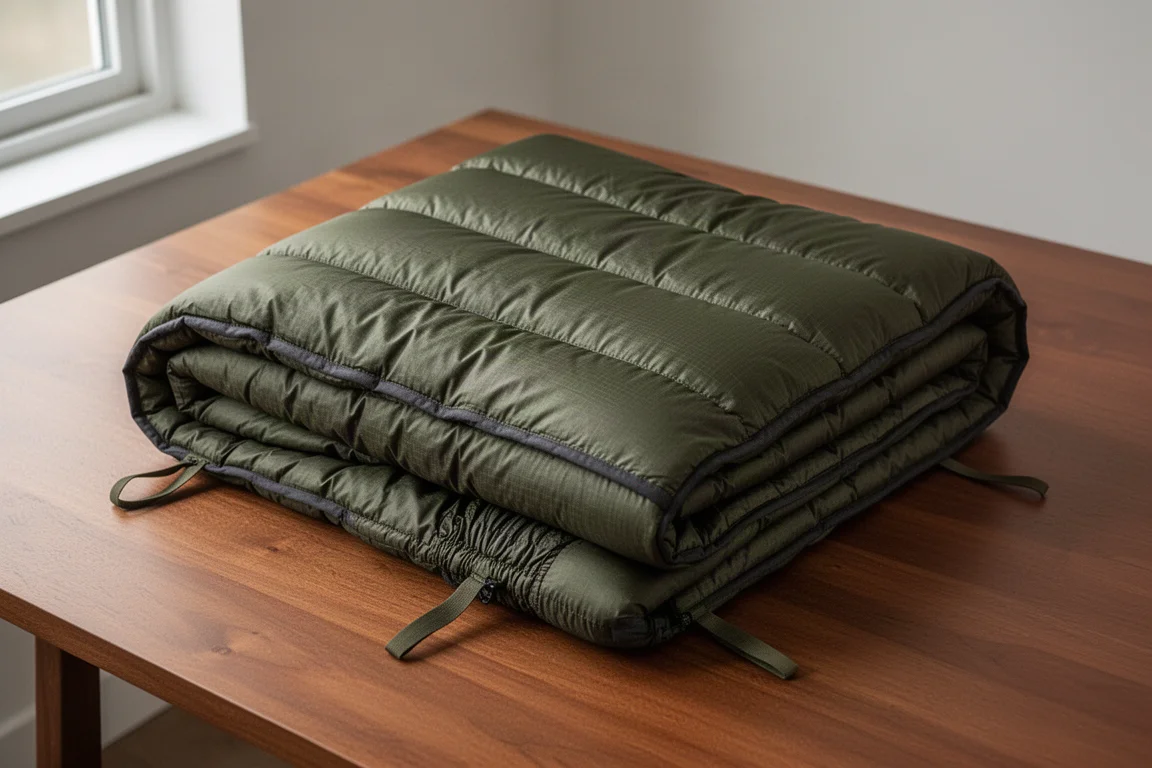
Nemo Hornet Elite Osmo 1-Person Tent
A solo shelter has to balance three things: weight, setup time, and livability. This one-person tent is very light, sets up quickly, and still includes the features that make a tent pleasant to live in, including interior pockets for organization and a large vestibule for a pack and boots.
The interior is sized for one person with no spare room, but it does not feel cramped. For solo backpackers who want a fully featured tent without the weight of a two-person shelter, this is a straightforward choice.
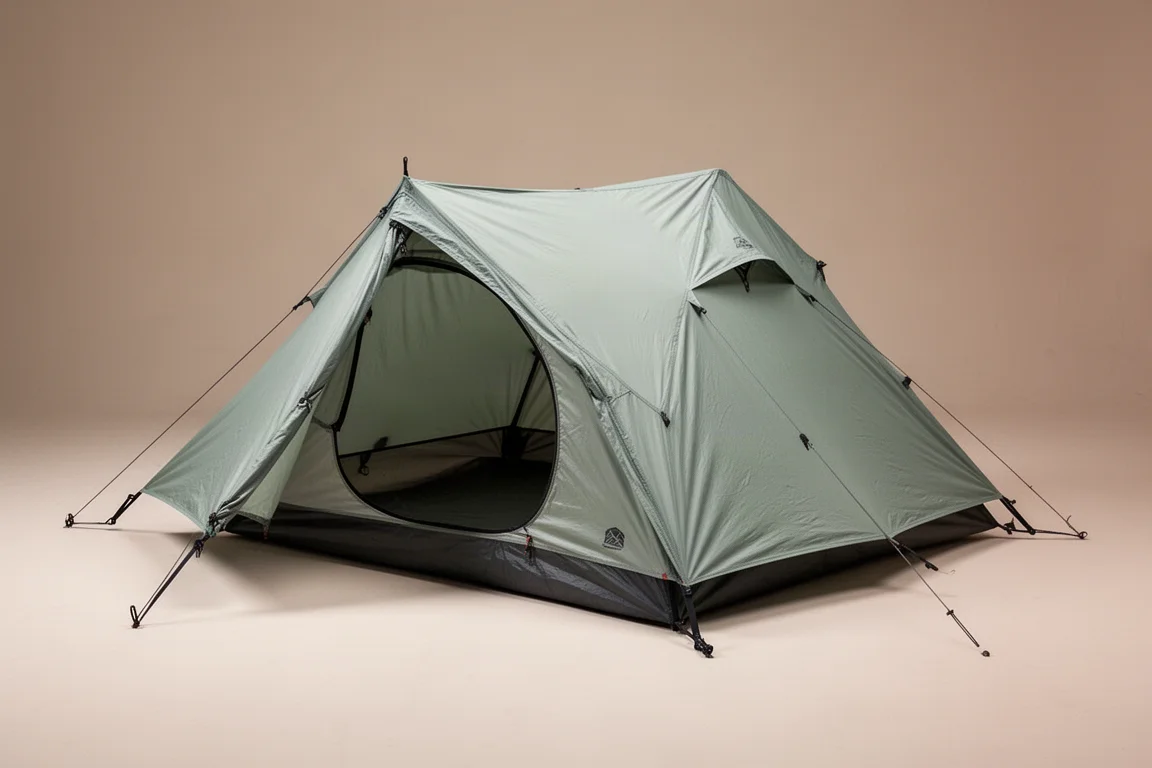
MSR Switch Stove System
Most canister stoves boil water and stop there. This system is designed to work with its included pot and with other cookware, so a frying pan for pancakes or a larger pot for a group meal is fair game.
That makes it the more capable of the two stoves in the kit, and the better pick for trips where cooking is part of the plan rather than just rehydrating dinner.
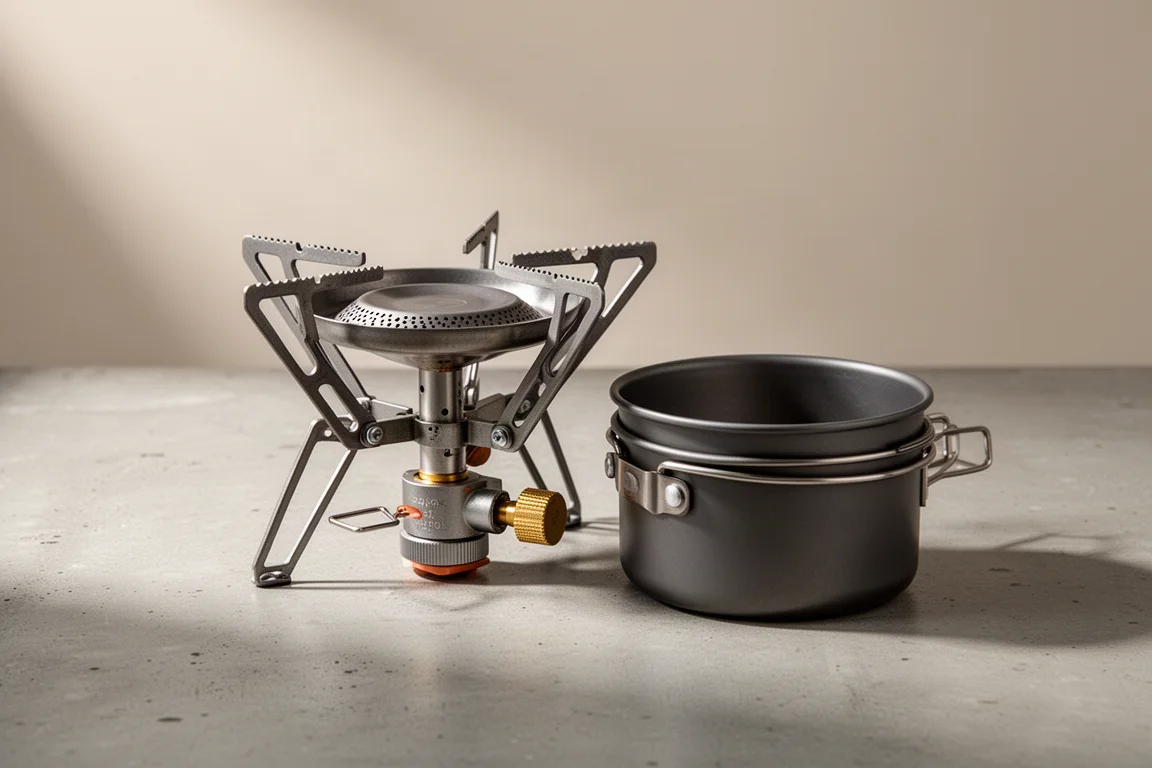
Soto WindMaster Stove
The case for this stove is stability and reliability. It has four prongs and a wide base, so a pot sits securely, the piezo ignition works consistently, and boil times are quick. Wind protection is excellent, which matters on exposed campsites.
The one annoyance is packing. Folding it back into a pot takes a little fiddling to get the fit right. That is a small price for a stove that performs this consistently.
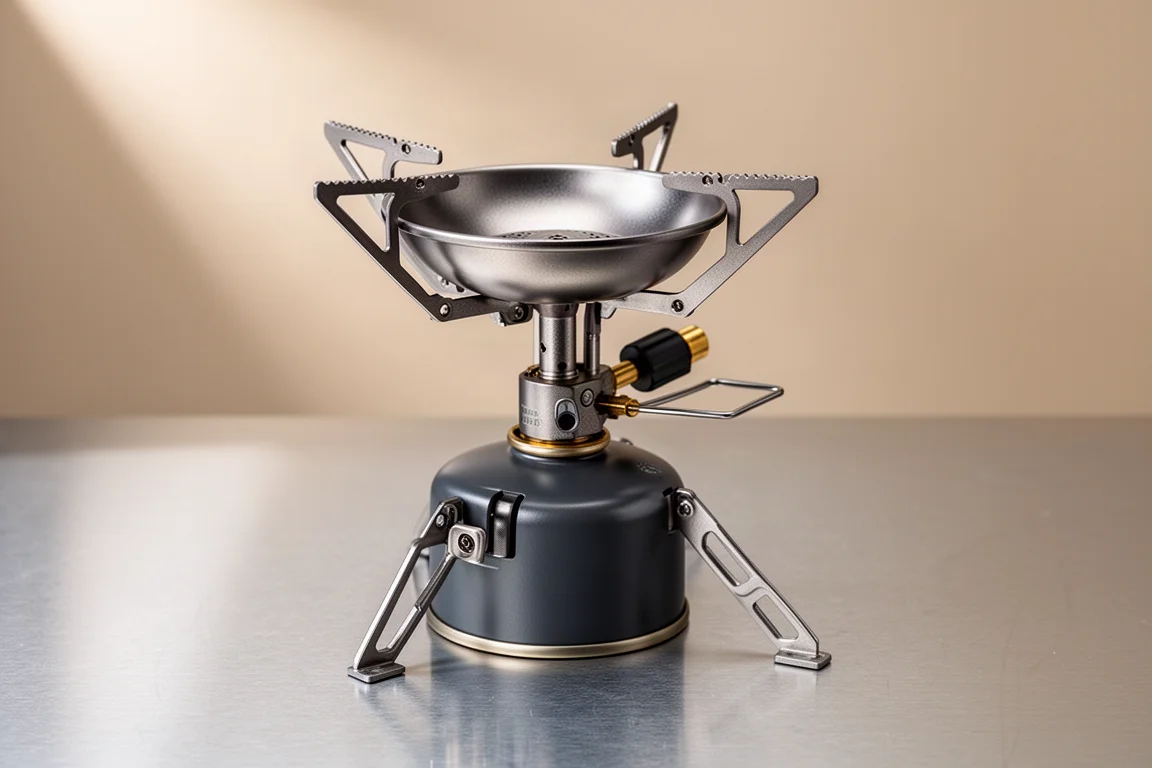
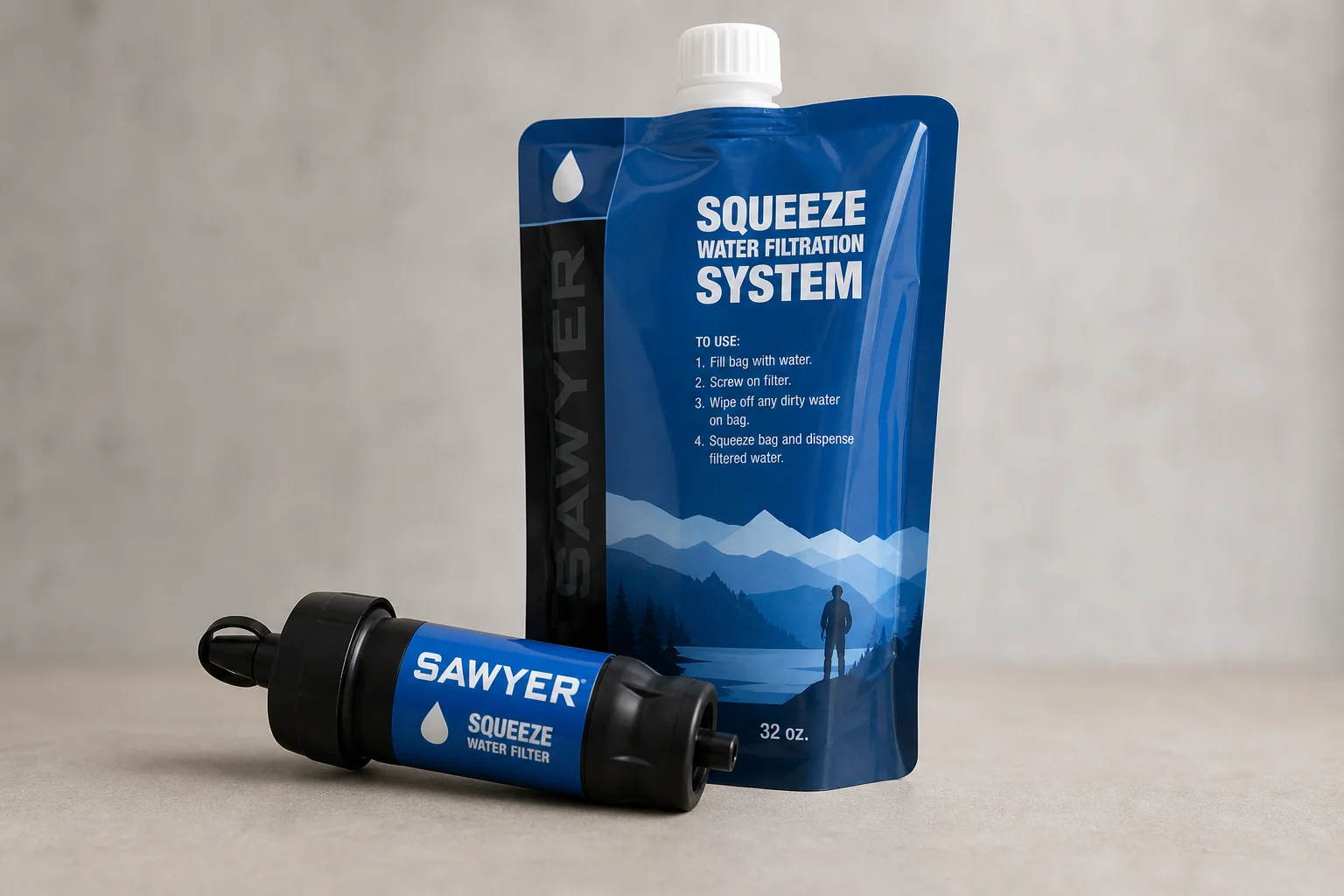
Sawyer Squeeze Water Filter
Water treatment stays simple with a squeeze filter and a compatible reservoir bag, sold as a kit. The filter screws onto standard 28 mm bottle threads, so it works with a range of bottles and bags, and the whole setup is light enough to carry on every trip.
Reliability is the reason it stays. There is no pumping, no batteries, and no complicated assembly, which makes it easy to treat water quickly and keep moving.
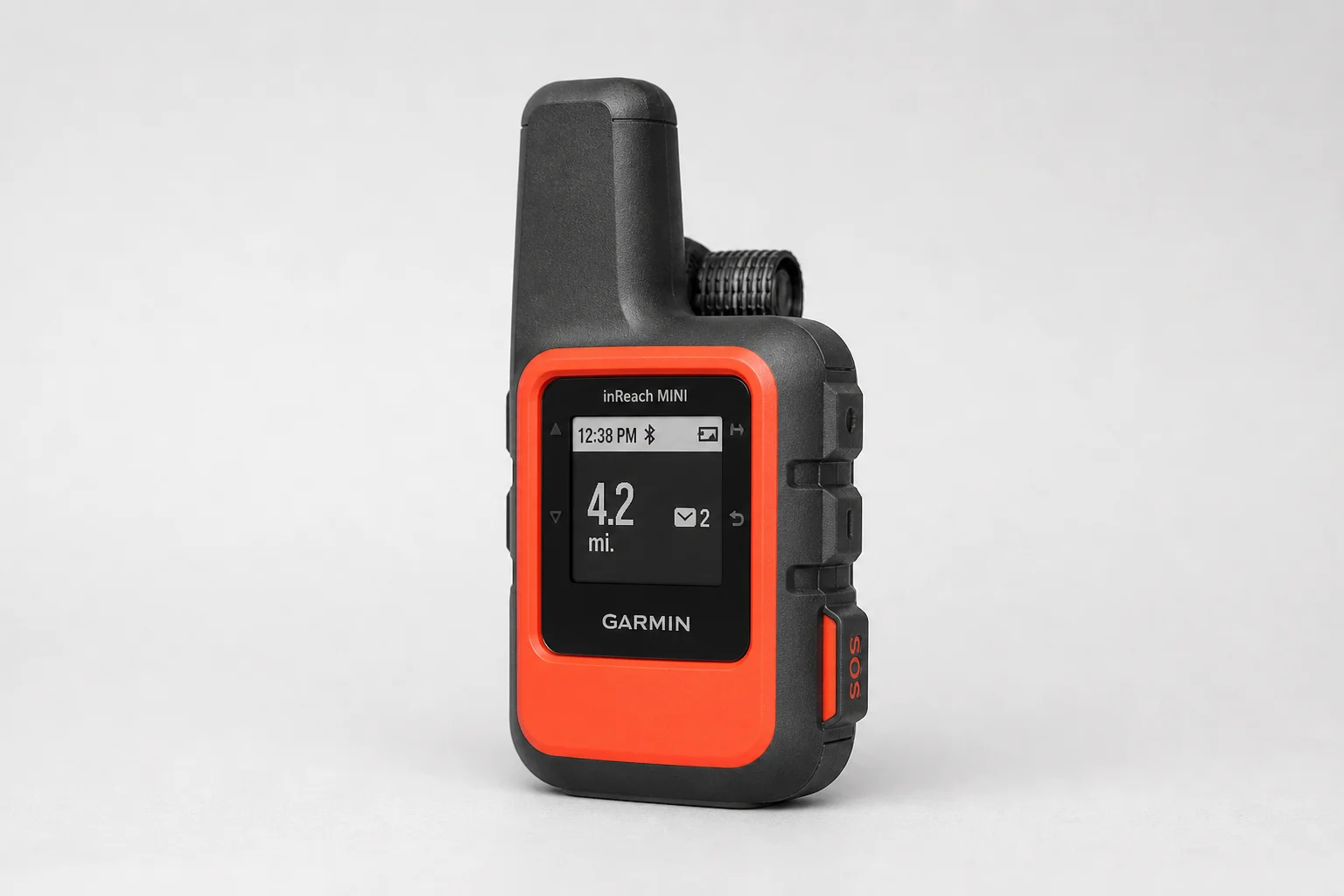
Garmin InReach Mini
A satellite messenger is the item that is easiest to leave at home and hardest to wish you had brought. This compact unit works as an SOS device and also sends text messages and location updates, so people at home can follow a route without cell service.
The value is peace of mind, both for the person carrying it and for the people waiting. It pairs naturally with a phone for navigation, and it has been a fixture in a core kit for years, which says as much as any spec sheet.
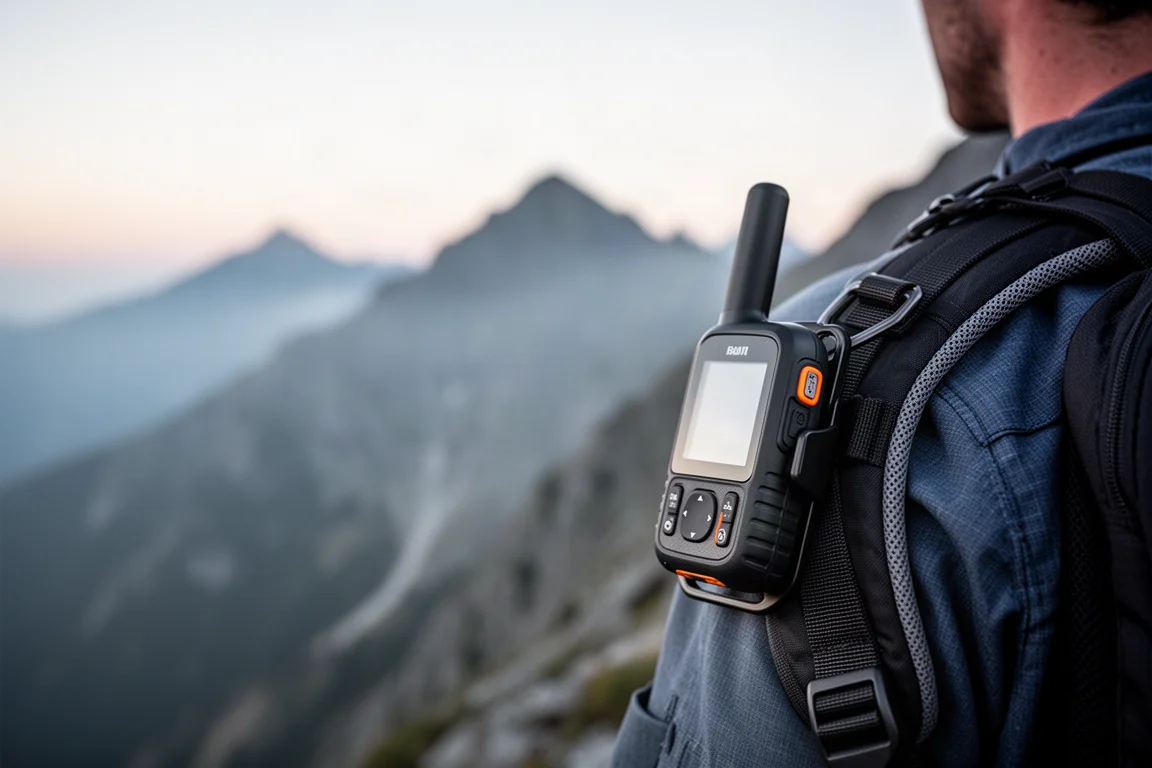
For remote trips, solo hikes, and any route without reliable coverage, this is the piece of electronics worth the weight.
Building Your Own Core Kit
Start with the pack. Most backpackers need one, not two, so pick the one that matches the loads you actually carry. If your trips are light and short, an ultralight pack makes sense. If your loads vary, a pack that carries weight well will be more comfortable more often.
Match your sleep system to the coldest nights you realistically camp in, not the warmest. A warmer pad and a bag with a closable center zip cover more of the year than a single summer setup, and a thin closed-cell foam pad adds warmth and protects an inflatable from sharp ground.
Keep cooking and water simple. A stable canister stove with reliable ignition covers most trips, while a system that accepts other cookware suits trips where you actually cook.
Finally, treat safety gear as core kit rather than optional. A satellite messenger with SOS capability is the clearest example, and it is the item most likely to matter on the one trip where something goes wrong.
Conclusion
A core kit is built by using gear, not by reading about it. The ten items here cover packs, sleep, shelter, cooking, water, and communication, and each one has earned repeat trips for a specific reason: it carries a load well, it adds warmth when it counts, it sets up fast, or it works when nothing else does.
Start with the category that causes you the most frustration, upgrade that, and let the rest of the kit follow.
Further reading
Related Reviews

Backpacking Gear
Building a 10 lb Base Weight: An Ultralight Backpacking Gear List
A practical walkthrough of the ultralight pieces behind a 10 lb base weight, from a 765 g pack and a roomy one-person tent to a full camp chair and a dependable water filter.

Backpacking Gear
A 15-Pound Lightweight Backpacking Gear List for Solo Trips
A beginner-friendly 15-pound backpacking setup built from easy-to-find gear, with notes on what each piece does, how it packs, and where to spend your attention.
Backpacking Gear
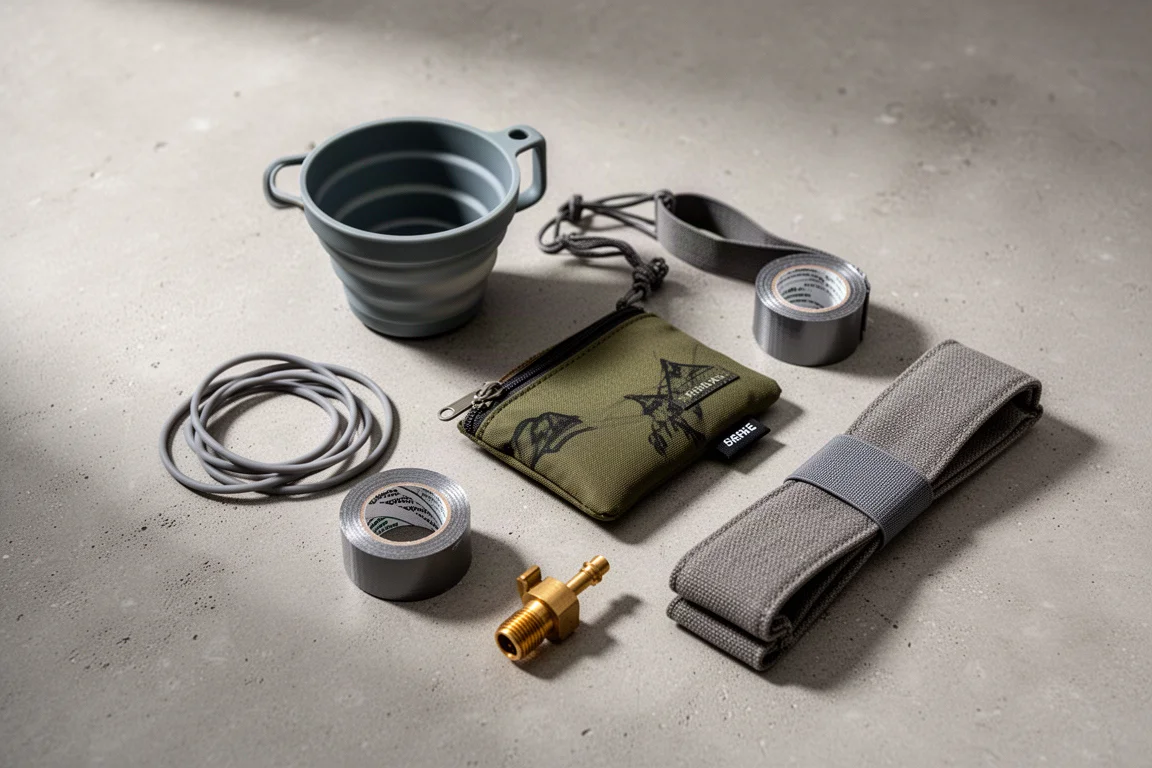
8 Ultralight Backpacking Gear Upgrades Worth Carrying
Eight small, affordable backpacking upgrades that solve real trail annoyances, from a pillow that stays put to a fuel valve that rescues leftover canister gas.