Backpacking Gear
Core Backpacking Kit 2026: The Gear That Earns a Permanent Place
A field-refined core backpacking kit covering packs, sleep systems, shelter, cooking, food storage, water treatment, and navigation, with notes on what each piece does well and where it asks for a trade-off.
Introduction
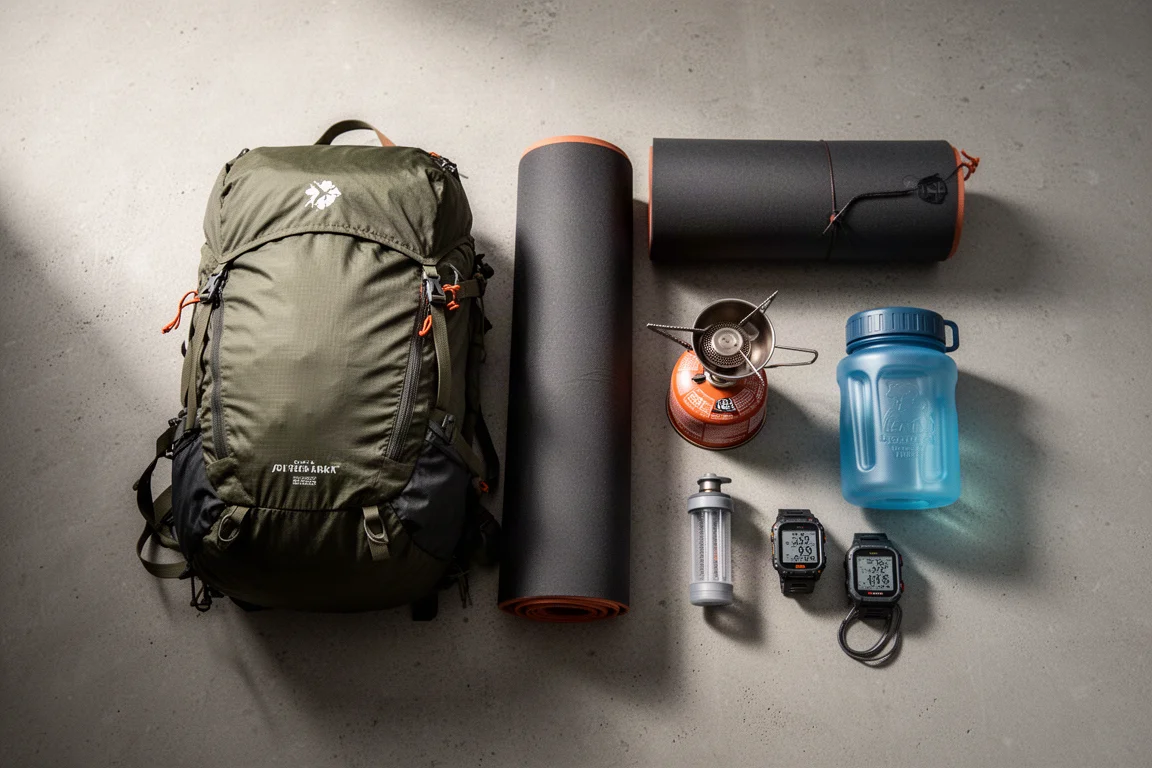
A backpacking kit is never finished. Pieces get swapped, favourites get retired, and the gear that survives a year of trips is usually the gear that quietly solved a problem. This kit has been through that process across everything from budget options to expensive ultralight designs, and the current line-up looks different from the one that started the season. What follows is the core kit as it stands: the packs, sleep system, shelter, cooking setup, food storage, water treatment, and electronics that keep getting packed, plus honest notes on where each piece asks for a trade-off.
How This Core Kit Was Chosen
The criteria are deliberately practical. Each item had to solve a real problem, hold up across repeated trips, and stay comfortable to carry. Weight mattered, but versatility mattered more: gear that only works in one narrow set of conditions rarely earns a permanent spot. Season range, ease of use, and how often a piece was chosen over an alternative counted for as much as the specification sheet.
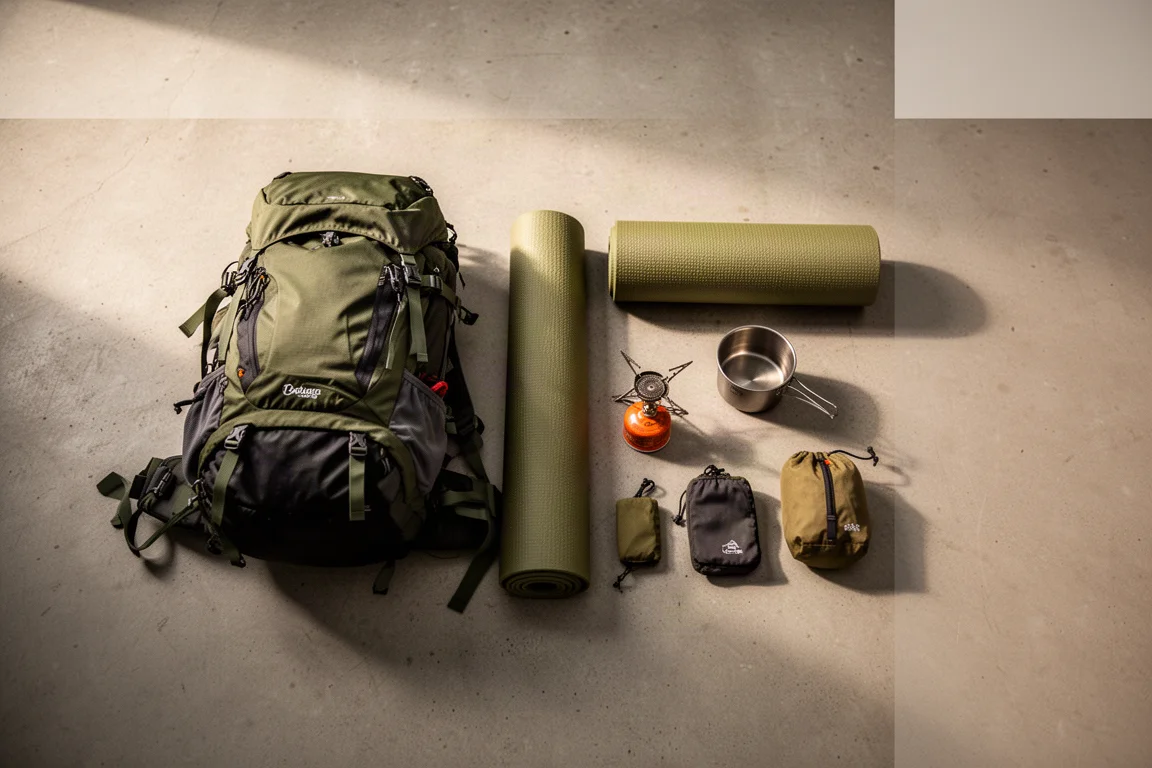
Two patterns showed up again and again. Several categories ended up holding two items rather than one, because shoulder-season and winter trips ask different things of a sleep system than summer trips do. And the most useful upgrades were rarely the most expensive ones: a small accessory that removes a daily annoyance often delivers more value than a new headline product.
Backpacks and Carry Systems
Most backpackers need one pack. This kit runs two, because they handle different loads and different trip lengths, and both earn their keep.
LiteAF EcoAC 46L Full Frame Backpack
This was the first ultralight pack that made the whole category make sense. It is a custom build, so the feature list reflects deliberate choices rather than a stock configuration: a draw cord at the bottom for attaching a closed-cell foam pad, very large side pockets, and a generous front pocket. There are no hip belt pockets, which is why a separate fanny pack gets used instead. The shoulder straps arrived with two pockets that were removed and replaced with a water bottle pocket and a phone pocket.
The body is made from EcoAC, a waterproof and fully recycled material, and the pack is seam sealed on the inside, so no pack liner or rain cover is required. In sustained wet weather, a down sleeping bag still goes into a trash bag at the bottom of the pack as cheap insurance. It is not an inexpensive pack at roughly $350, and the stock colourways lean muted, though brighter and patterned options can be specified.
REI Flash 55 Backpack
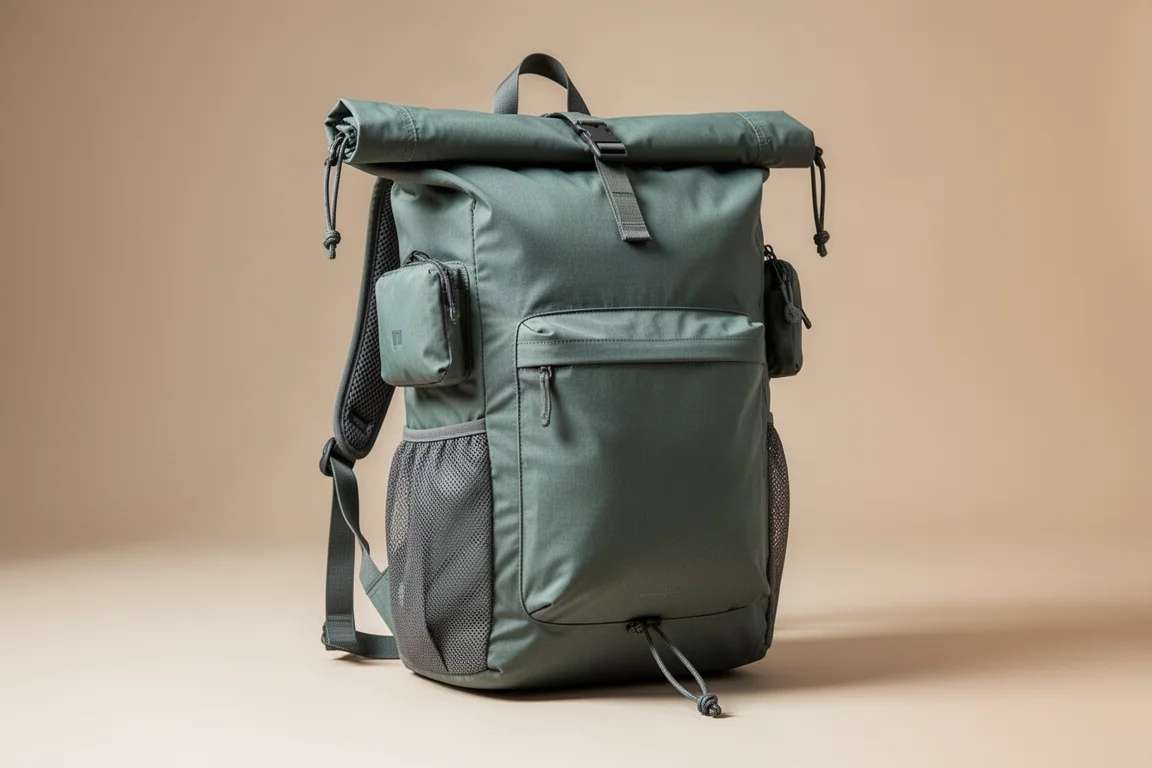
The Flash 55 came first and still holds its place. It carries heavier loads better than the ultralight pack, which matters on longer trips with bulkier gear. Its feature set is more traditional and more convenient: a lid with a pocket, hip belt pockets, a phone pocket, and forward-facing water bottle pockets on both sides.
The trade-off is weather protection. This pack is not waterproof, so a pack liner goes in on every trip. Both packs see roughly equal use, and the choice usually comes down to load weight and trip length rather than preference.
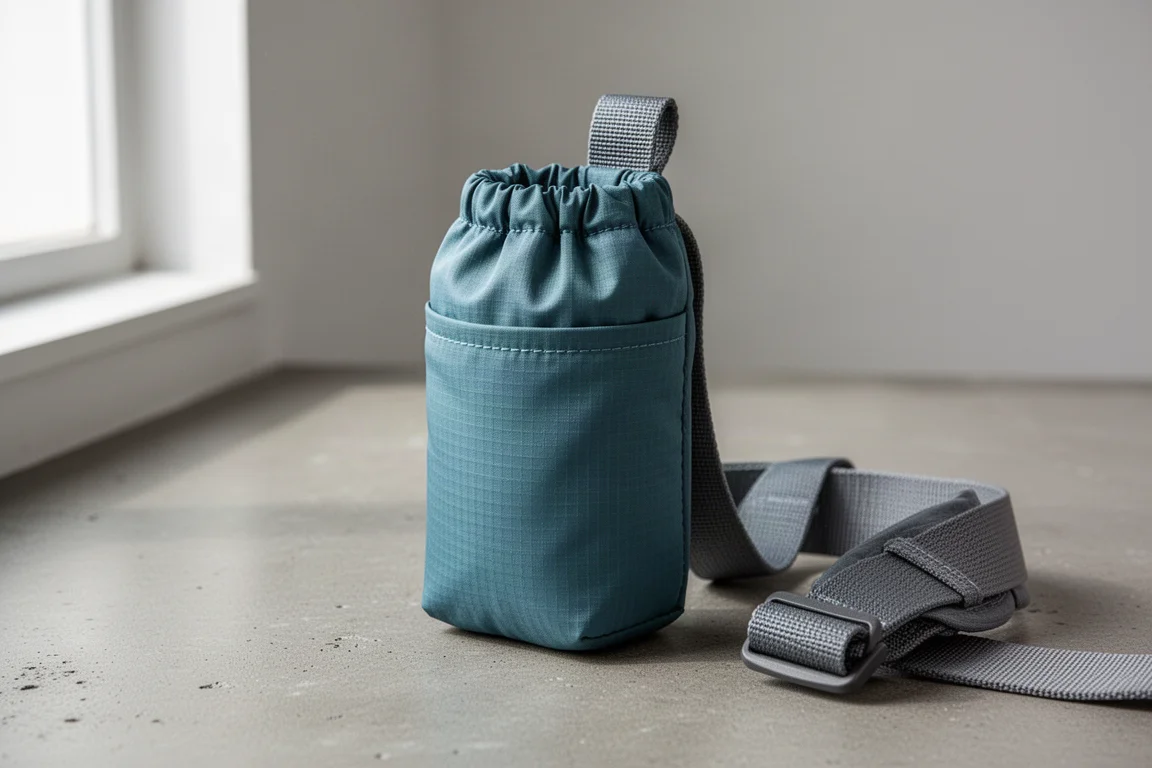
Chicken Tramper Water Bottle Pocket
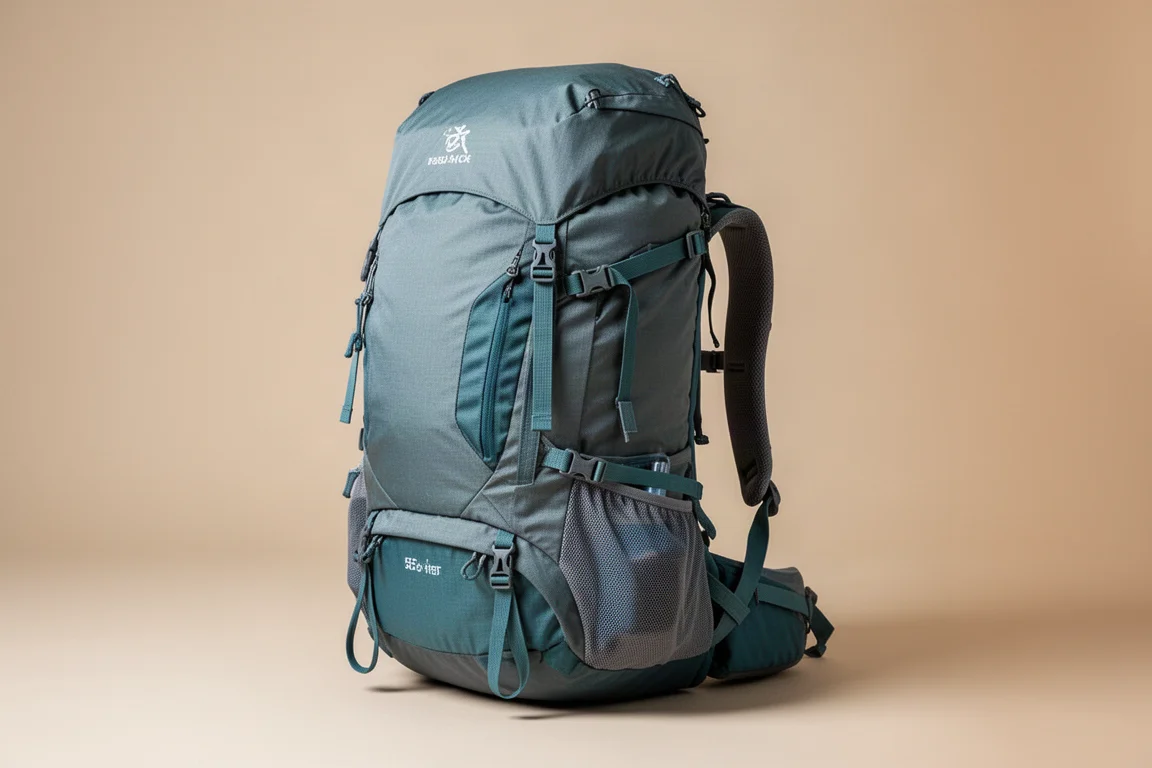
One of two shoulder-strap additions on the ultralight pack. It holds a bottle within reach while walking, so drinking no longer means stopping, unshouldering, and digging into a side pocket. It replaces one of the factory strap pockets that were removed, and it is the kind of small change that alters how often you actually drink on a long climb.
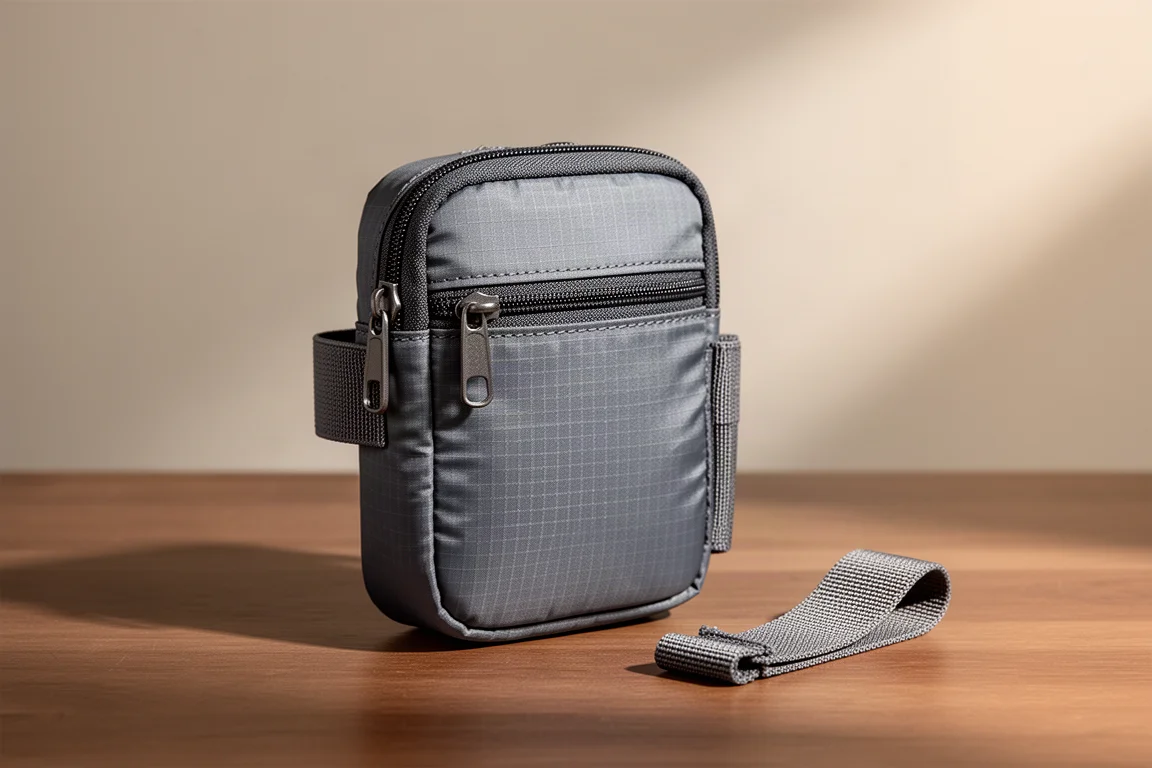
Gossamer Gear Medium Phone Pocket
The second strap addition. The medium size takes a phone, keeping it reachable for maps, photos, and quick checks without stopping to open the pack. Together, the bottle pocket and the phone pocket turn a stripped-down ultralight pack into something that works comfortably over a full day.
Sleep System: Sleeping Pads
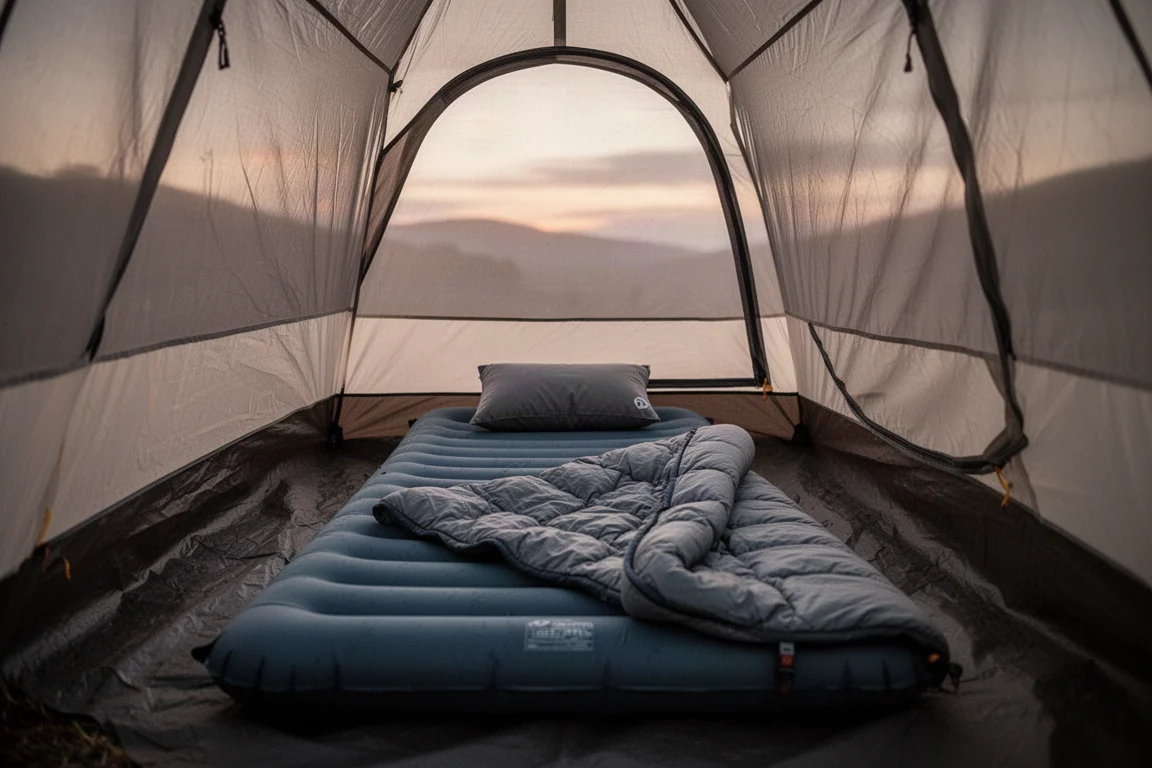
Sleep is the part of a kit worth spending on, and this system holds two inflatable pads because the temperature range of the trips varies so much.
Nemo Tensor Insulated Regular Sleeping Pad
This is the pad that covers most of the year. It is warm enough for cool nights without the extra insulation of the cold-weather version, and it takes over whenever the forecast is moderate. For anyone who mostly backpacks in warmer conditions, this is the sensible single choice.
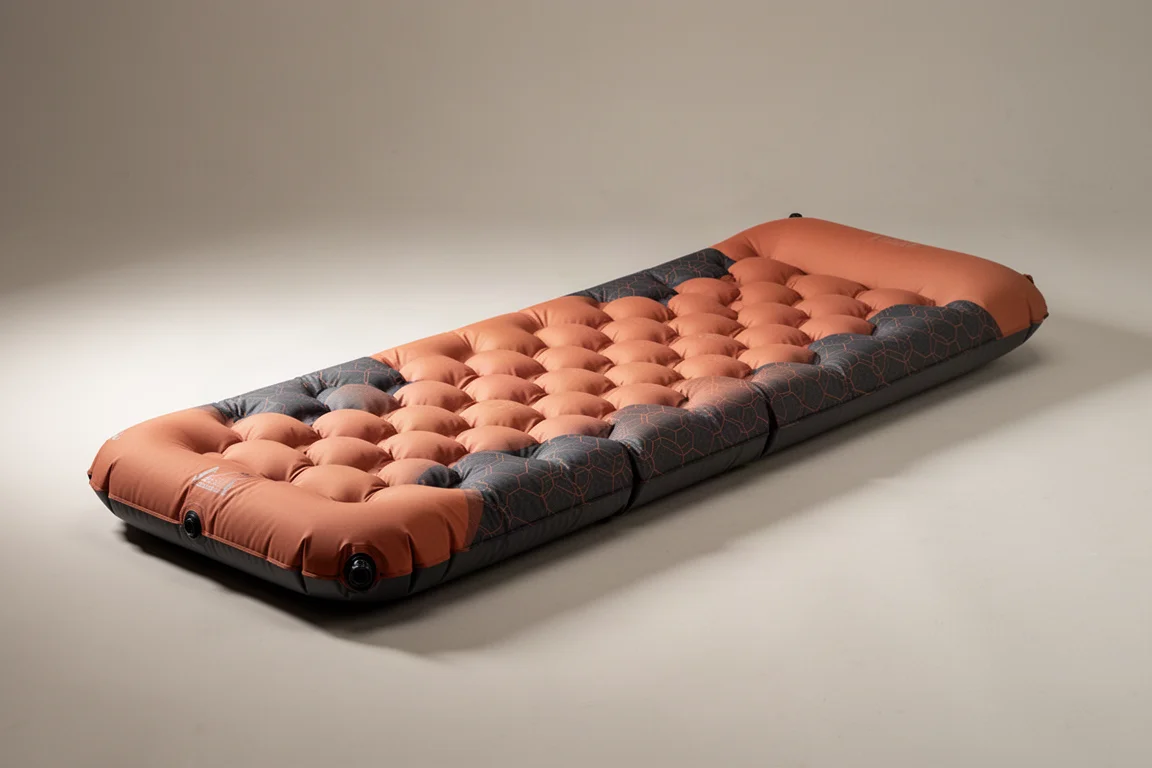
Nemo Tensor Extreme Conditions Sleeping Pad
The cold-weather pad, and more than a winter-only item. It gets used well into spring, sometimes into April, and works as a shoulder-season pad as well. For a sleeper who runs cold, the extra warmth is the difference between a good night and a long one.
If you backpack year round, owning both makes sense. If you do not, match the pad to your coldest expected conditions: the extreme version for cold-weather backpackers, the insulated regular for warm-weather ones.
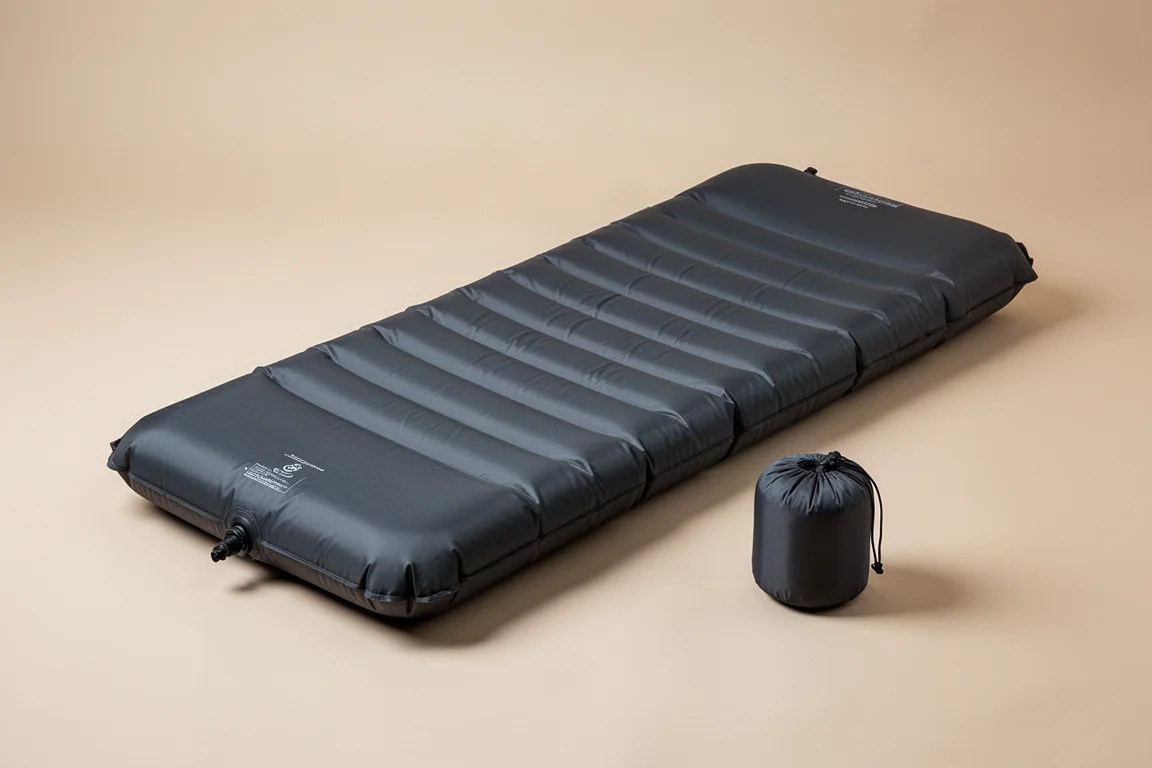
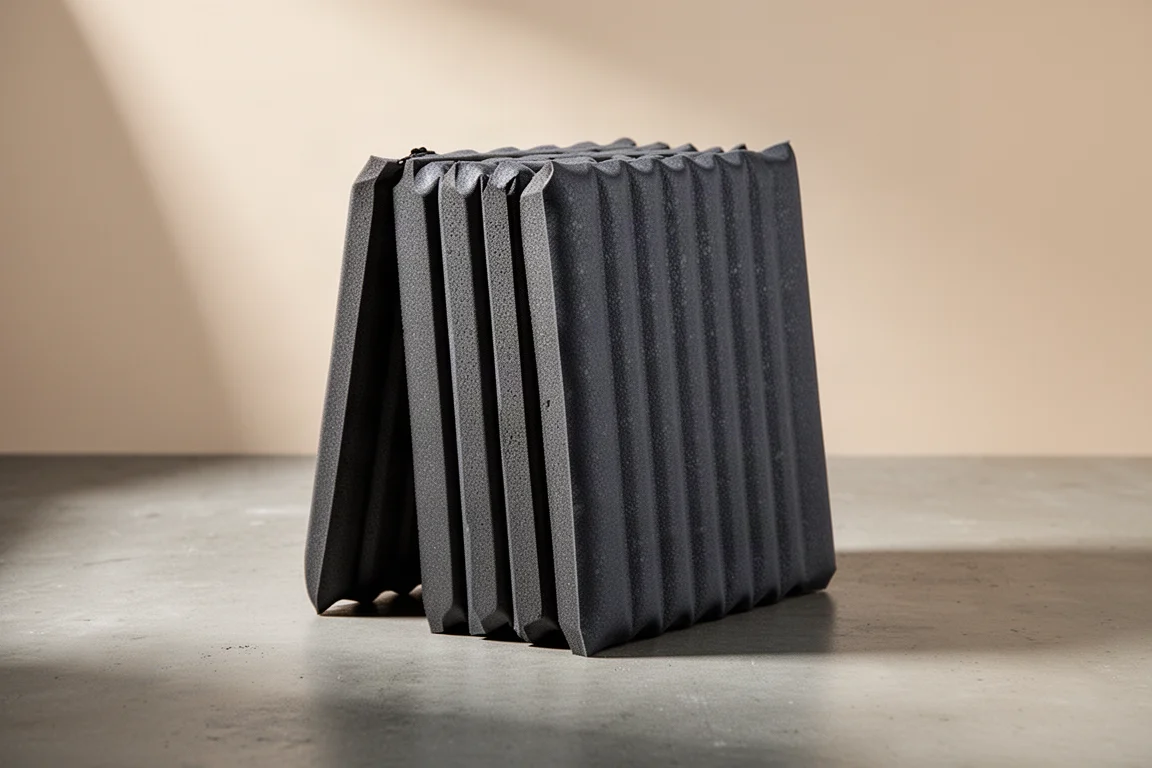
Featherstone Accordion Sleeping Pad
A closed-cell accordion pad that does several jobs at once. It adds a layer of warmth under an inflatable pad, provides something dry and comfortable to sit on at camp, and adds puncture protection when the ground is rocky or covered with sharp vegetation. It is inexpensive, and it doubles as insurance against an inflatable pad failing.
A much thinner closed-cell option covers the same role when packed volume matters more than cushioning, but if only one closed-cell pad is going in the pack, the accordion version is the more useful choice.
Sleep System: Pillows and Quilts
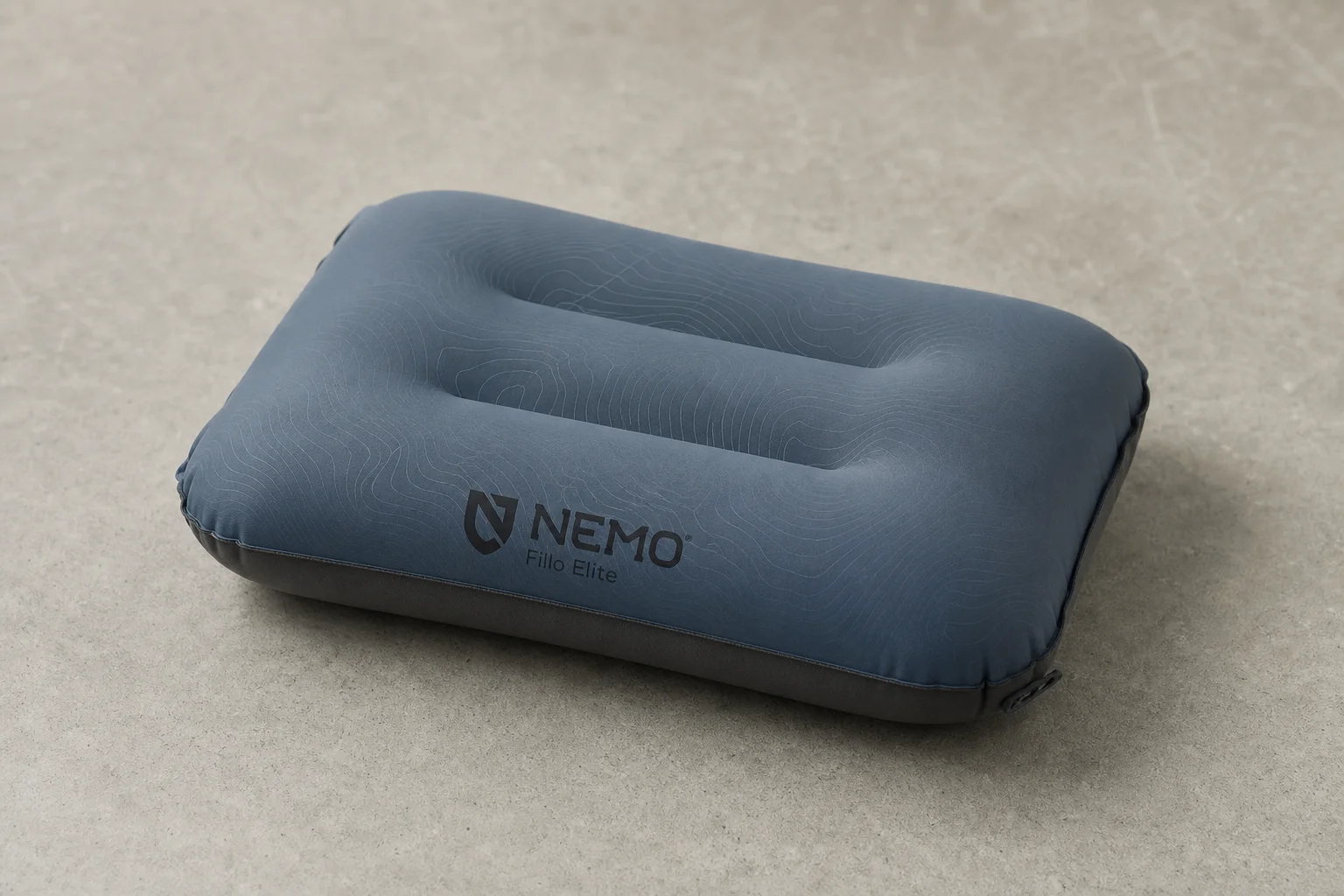
Nemo Fillo Elite
The pillow that has stayed in the kit longest. It feels like a real pillow rather than an inflated sack, and nothing else tried over the years has displaced it. The design has been stable for a long time, which says something about how well the shape works.
The one thing it benefits from is staying put, which is where a strap comes in. Even on its own, it remains the most comfortable backpacking pillow in this kit.
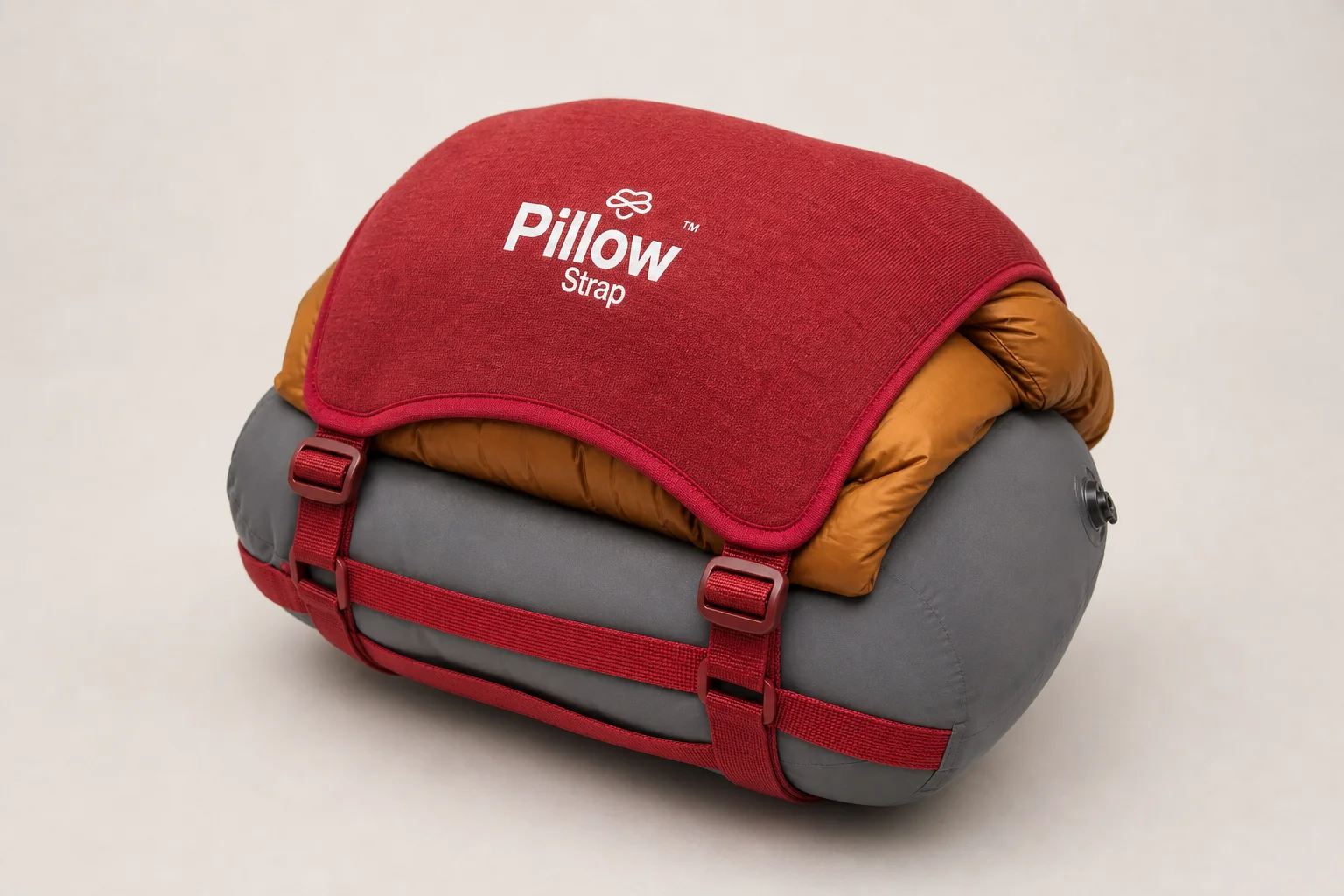
Pillow Strap
A simple adjustable strap that wraps around a sleeping pad and holds a pillow in place through the night. It is the clearest example of a small accessory earning a permanent spot: on the trips where it was forgotten, the pillow slid around constantly and was missed immediately. Gear that gets noticed only when it is absent usually belongs in a core kit.
Therm-a-Rest Boost Sleeping Bag
A 20-degree bag with a centre zipper that closes completely and adds roughly 10 degrees of warmth, plus two zippered arm holes, one on each side. That combination lets it shift between a roomy rectangular camp-style bag and a fully enclosed mummy with arm access, which makes it unusually versatile. It is warm, and it is relatively light for what it offers.
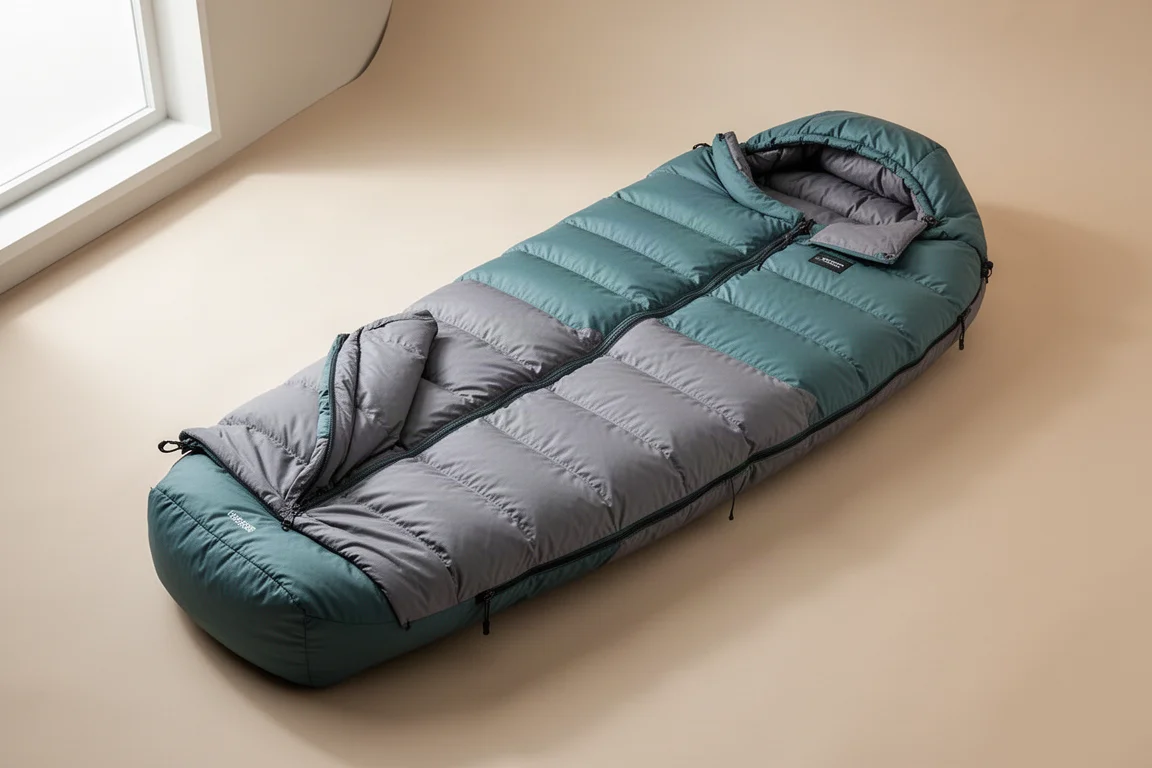
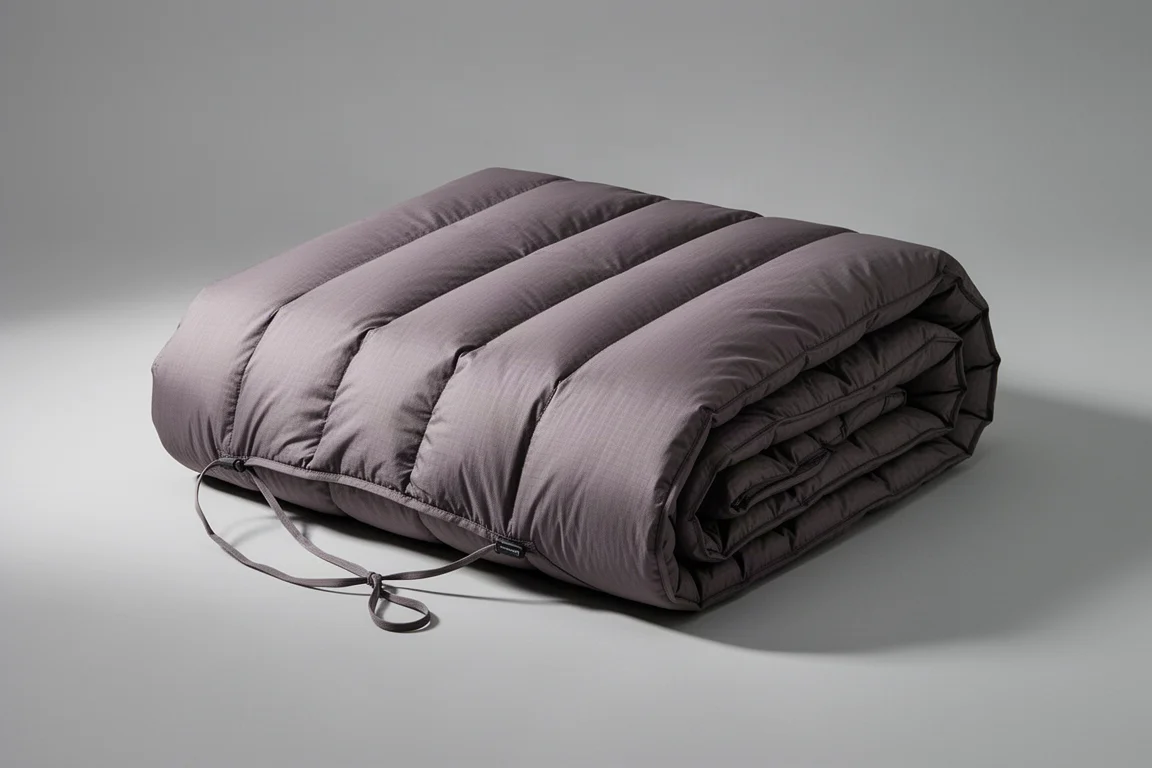
Enlightened Equipment Revelation 20 Quilt
A 20-degree quilt, and the first quilt that made sense of the format. It cannot be beaten on comfort for its weight, and it is the pick for longer trips, especially in warmer conditions. There are still trips where a closed bag is the better answer, which is why both live in the kit rather than one replacing the other.
Shelter: The One-Person Tent
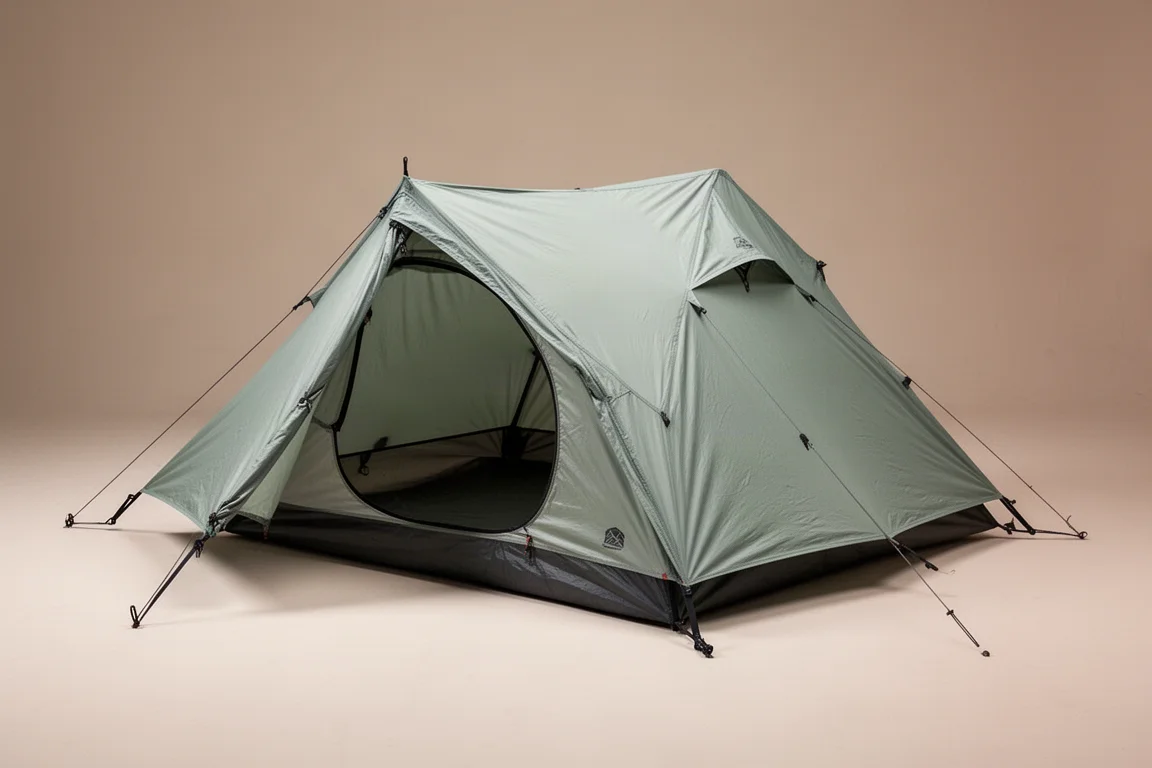
Nemo Hornet Elite Osmo 1-Person Tent
Lightweight, quick to pitch, and fully featured. The interior is the right amount of space for one person: no surplus room, but nothing cramped about it either. There are plenty of pockets for organising small items, and a large vestibule keeps a pack and boots out of the weather. Nothing else tried has come close enough to replace it.
Cooking System
Two stoves and one pot cover everything from a quick boil to a real meal.
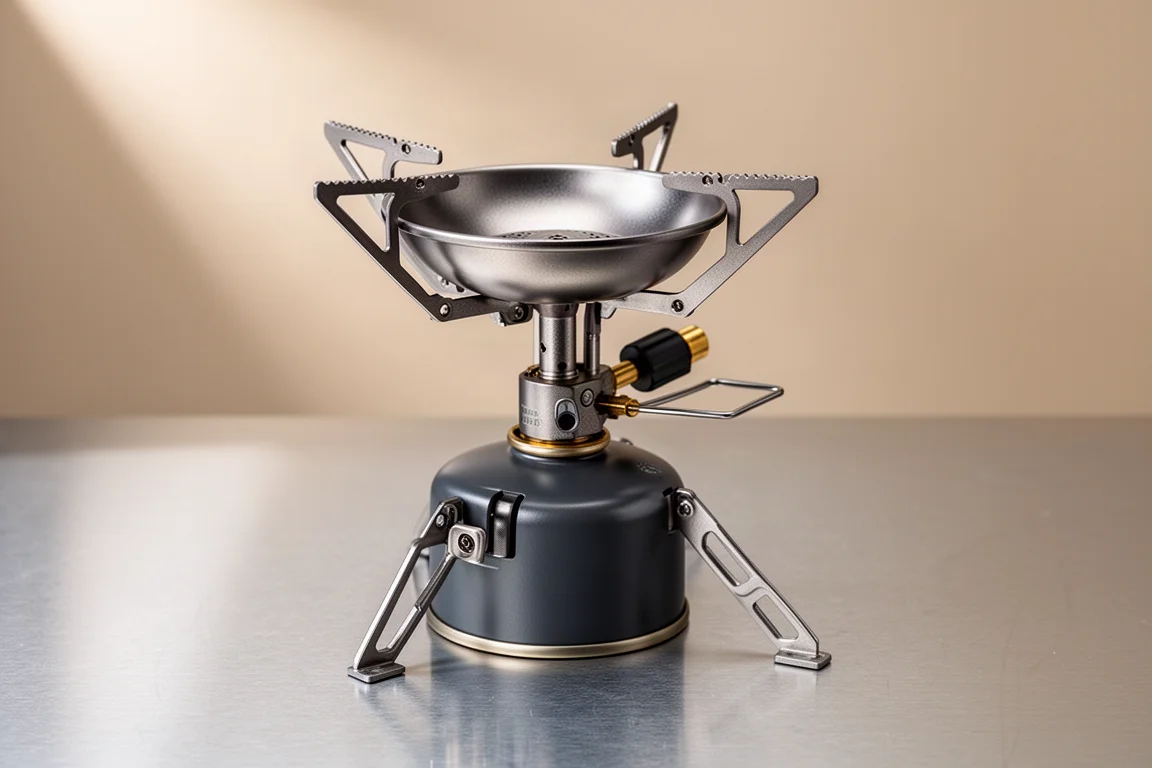
MSR Switch Stove System
A newer system built to work with its included pot and with other cookware as well, so a frying pan for pancakes is a reasonable thing to pack. For anyone who wants one stove that handles boiling water and actual cooking, this is the more flexible option.
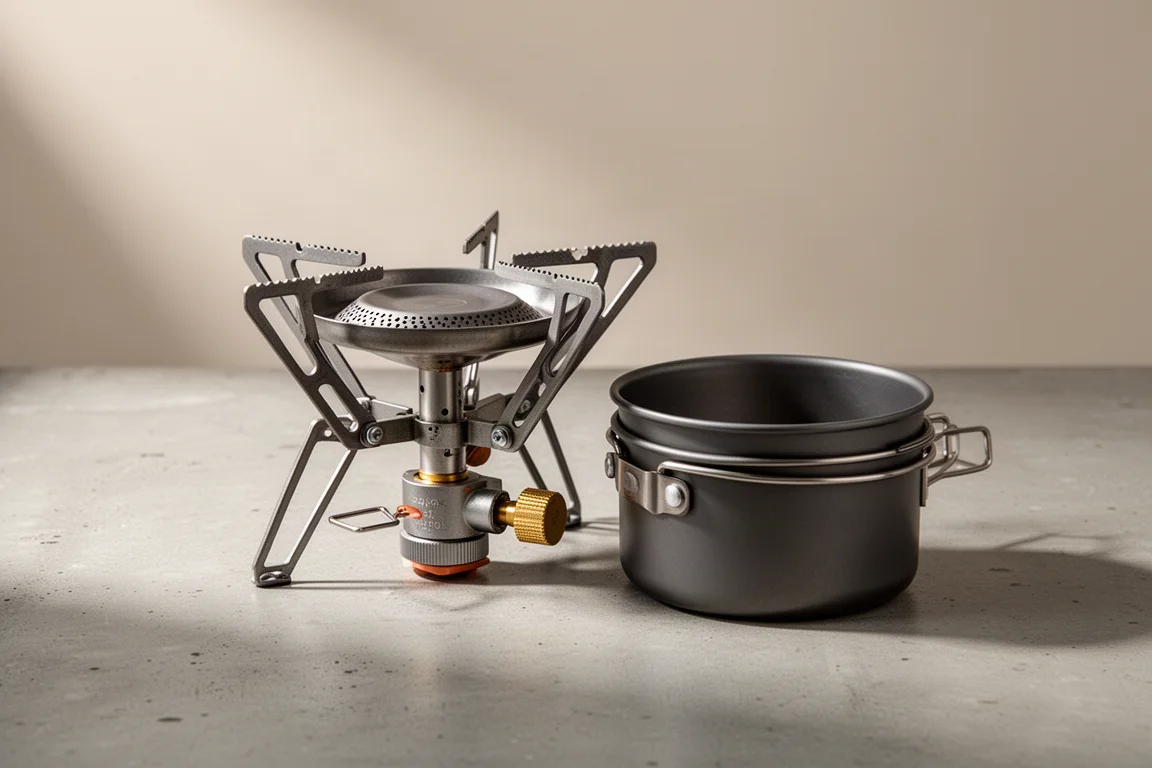
Soto WindMaster Stove
A stove that won its place by being picked over and over again. It is very stable, thanks to a four-pronged head and a wide base, the igniter has proven reliable, it boils water quickly, and its wind resistance is excellent. The one annoyance is packing it: it takes some fiddling to fit it into the pot alongside everything else.
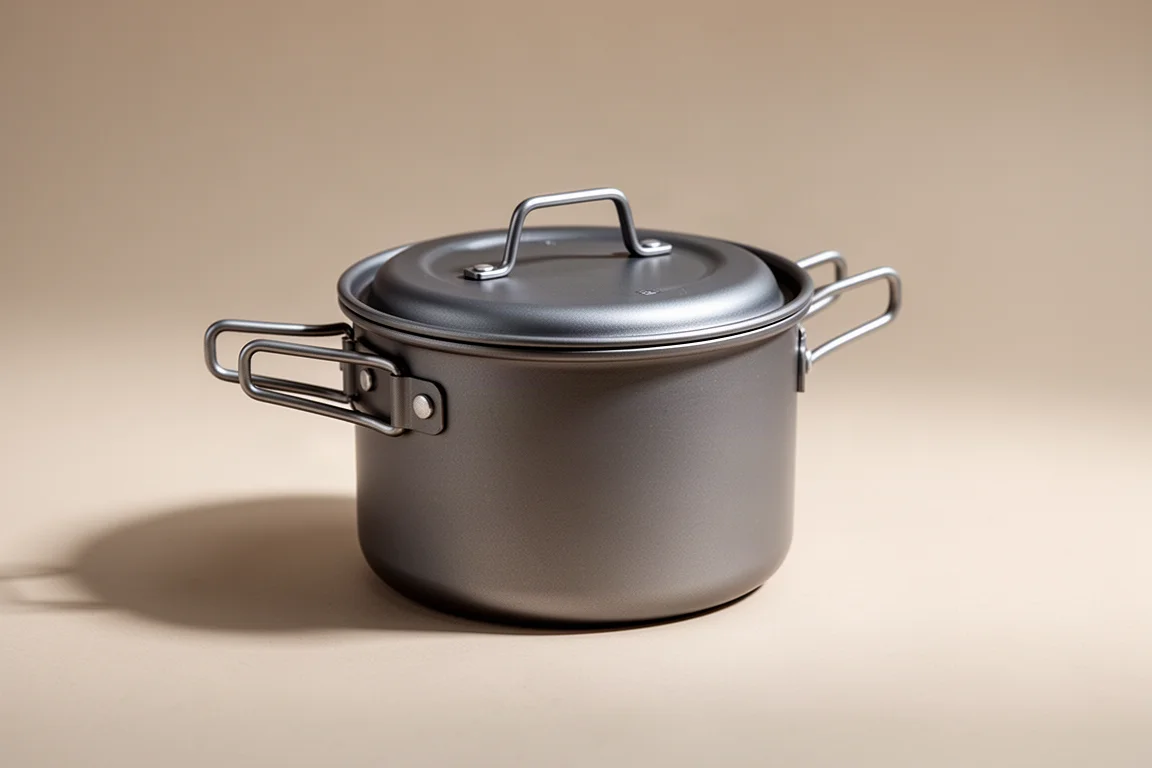
Toaks Titanium Pot
An inexpensive titanium pot that simply works. It is light, it handles rehydrating meals without complaint, and of everything tried it is the one that keeps getting chosen. It nests with the stove, and a small cloth in the base protects the interior from the fuel canister.
Food Storage
Food storage is the category most likely to be dictated by where you hike, and this kit covers both a canister and a lighter bag.
BearVault BV450
The long-standing default. A canister is heavy and bulky, and some hikers dislike carrying one, but the certainty it provides is worth the weight on the right trips. A strip of reflective tape on the lid makes it easier to find in the dark, and a small key that fits over the lid knob makes it easier to open.
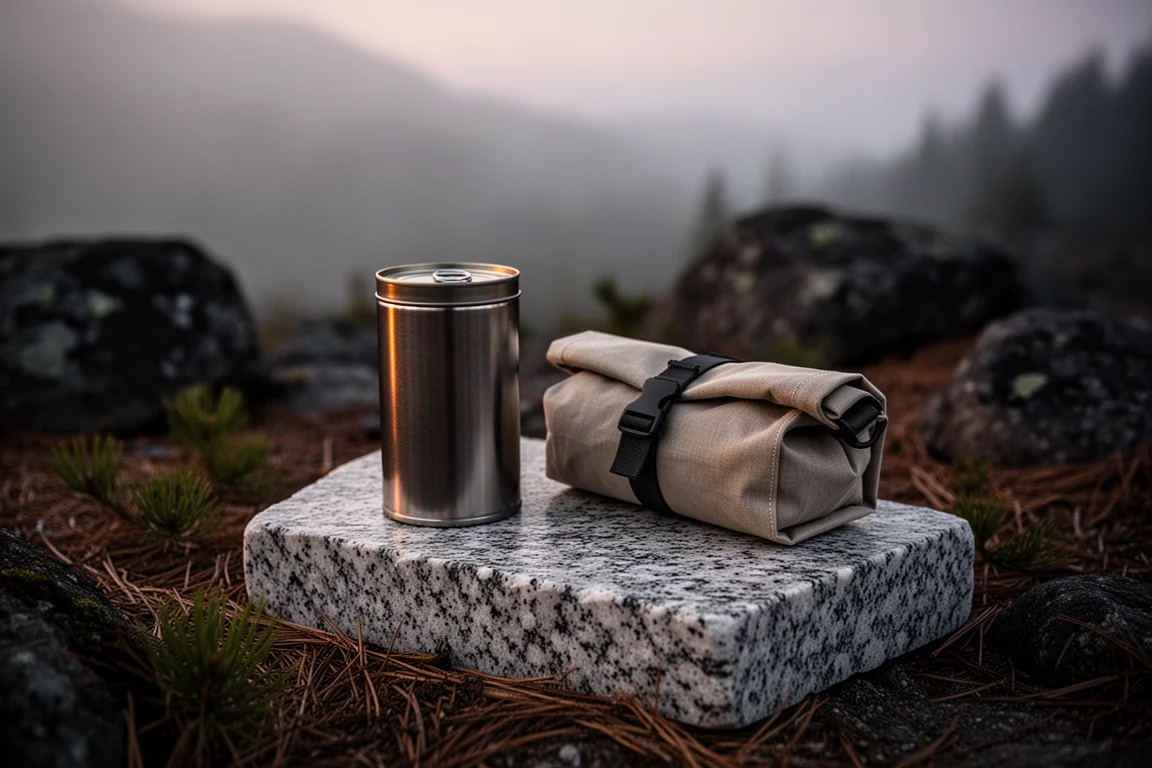
It stays in the kit because it removes an entire category of worry: no hanging, no knots, no hoping a tree branch holds. For trips where that certainty matters, the extra weight is a fair trade.
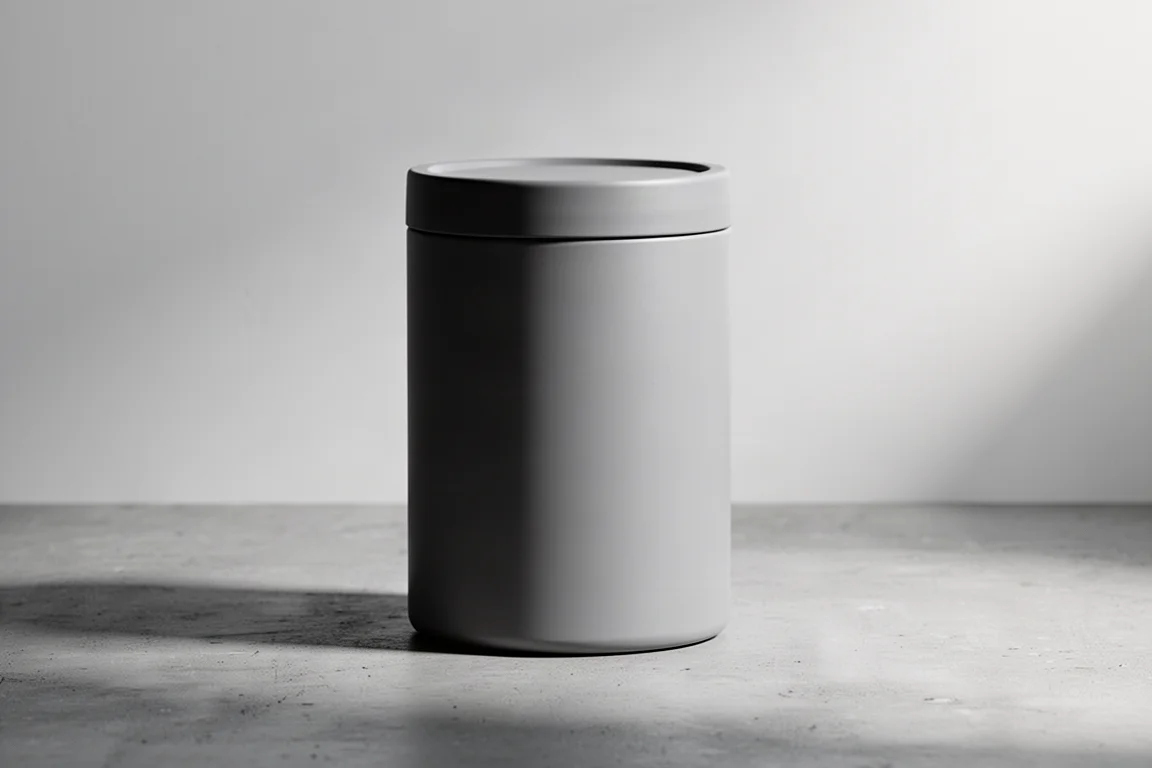
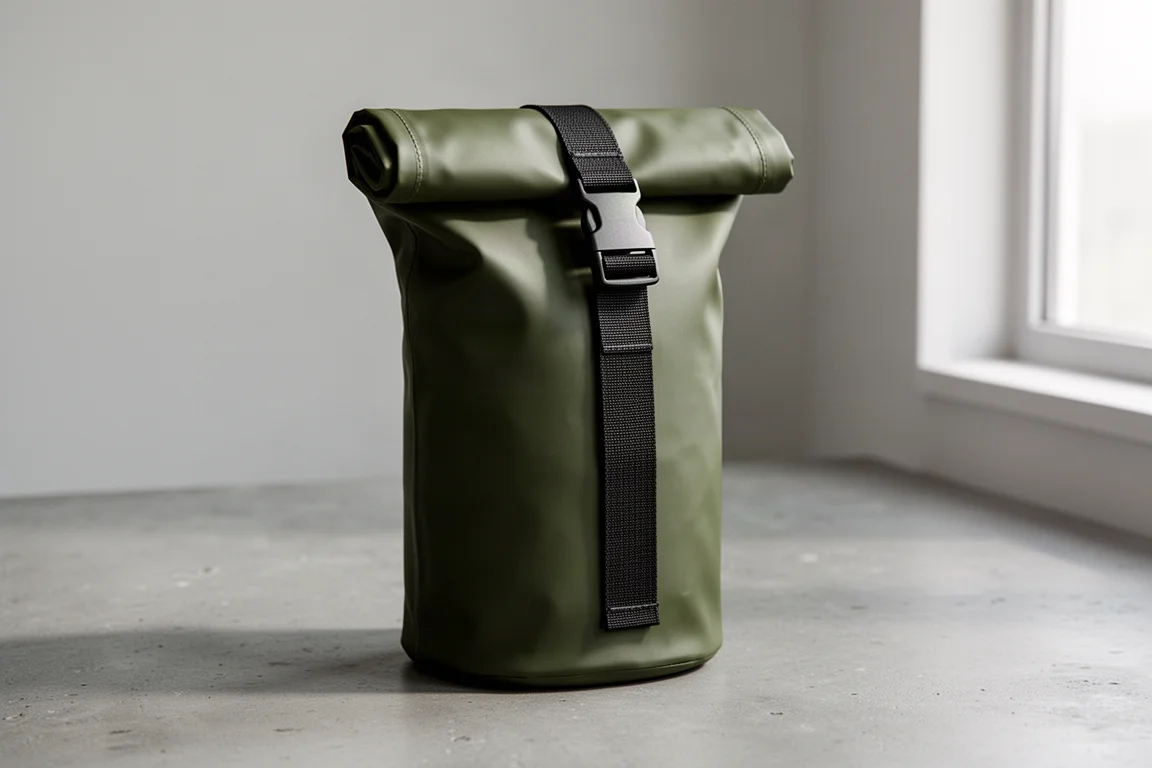
Adotec Bear Bag
A roll-top bag that buckles closed, which makes it critter-resistant without the lacing, pulling, and knotting that a traditional hang demands. The light-coloured fabric makes it easy to see what is inside, which sounds minor until you are digging for a specific meal in low light. It covers the trips where a canister is impractical.
Water Treatment and Hydration
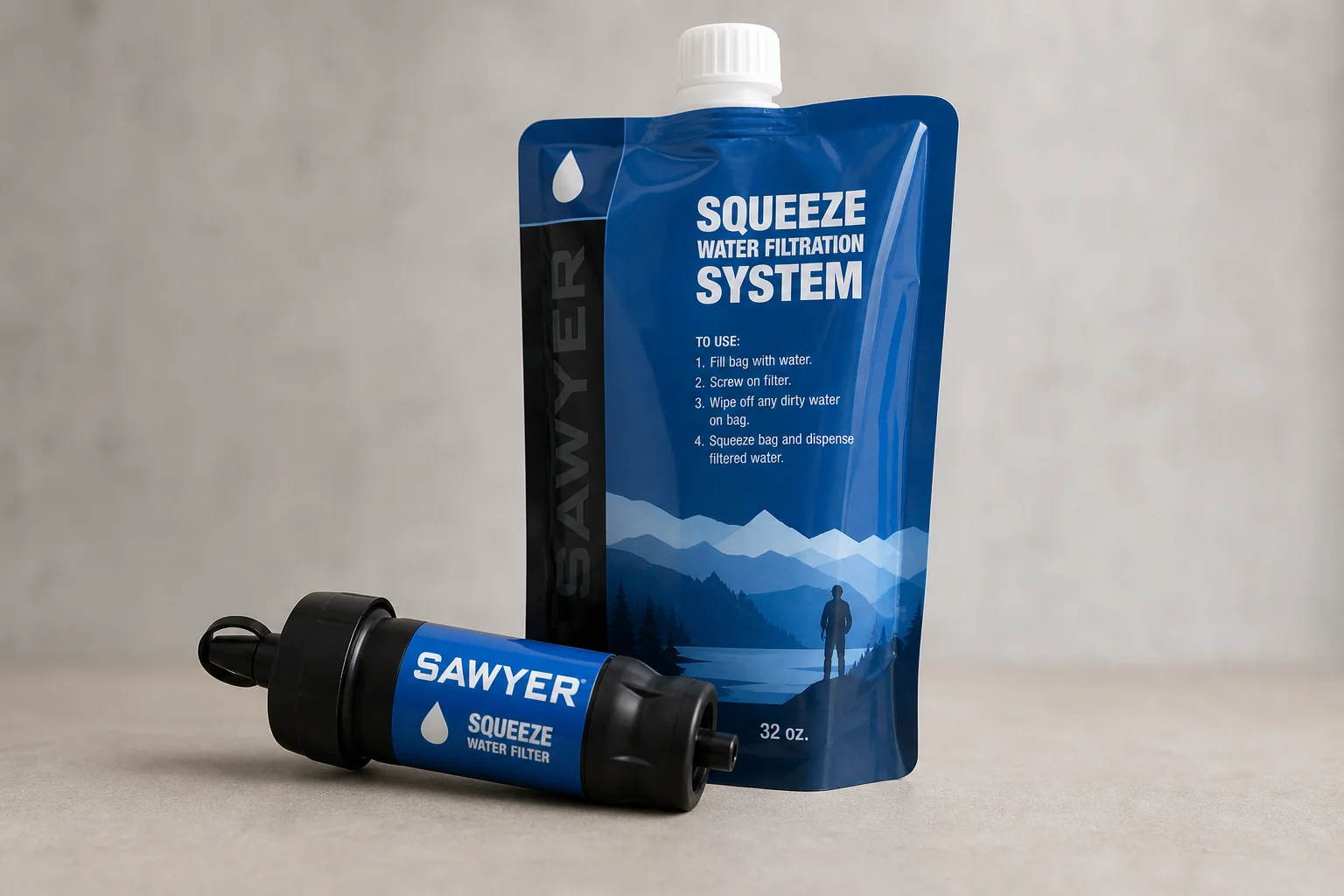
Sawyer Squeeze Water Filter
The filtration setup has not changed in years, and that is the point. A squeeze filter paired with a two-litre reservoir bag, now sold together as a kit, is simple, reliable, and easy to keep clean in the field. It has been the standard in this kit for long enough that replacements have been about wear rather than dissatisfaction.
Mazama Designs MIGO Water Bottle
A one-litre bottle designed to replace disposable sport bottles and to sit somewhere between a lightweight sport bottle and a heavier reusable one. Volume markings run up to 32 ounces, or 1,000 millilitres, on one side. The material handles boiling water, the narrow neck accepts a squeeze filter and other 28 mm accessories, and the wide mouth makes filling and cleaning easy. Because the plastic is soft, the bottle can also be used to scoop dirty water directly, then have a filter screwed on to move that water into a clean container.
Two are carried: one for plain water and one for electrolyte mixes.

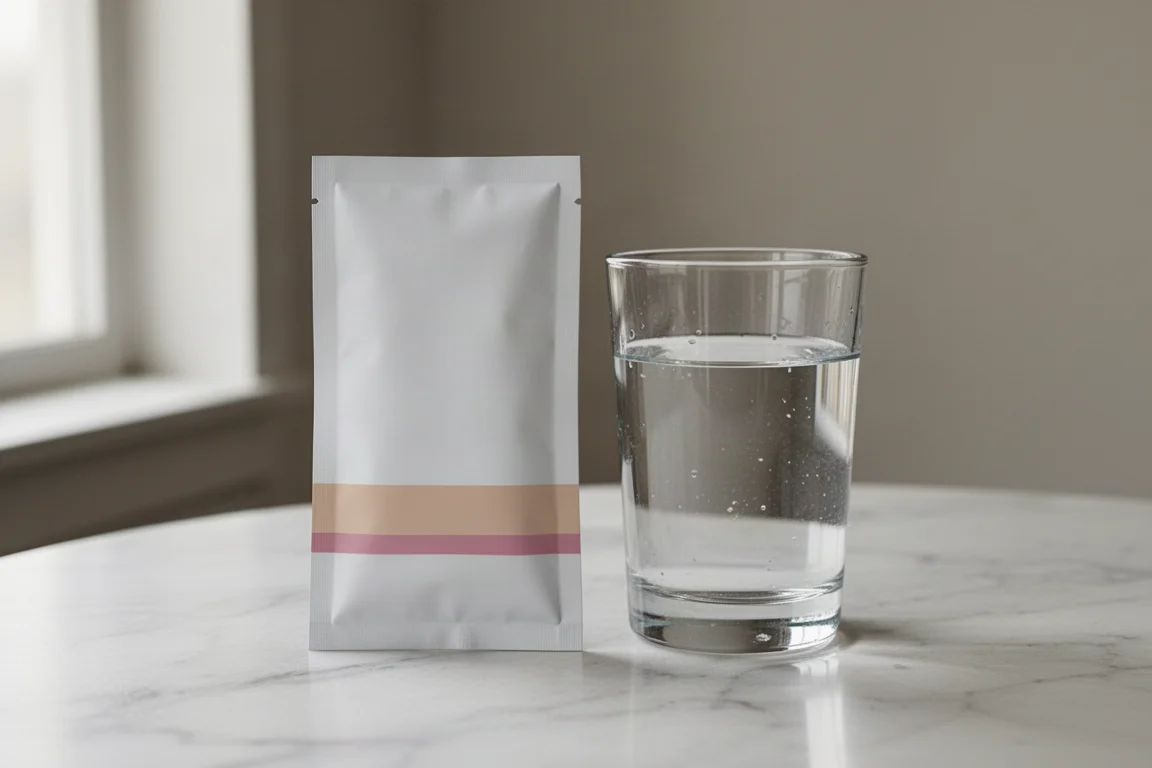
LMNT Electrolyte Drink Mix
A drink mix with 1,000 milligrams of sodium per serving and a wide range of flavours. Replacing electrolytes matters as much as drinking water for anyone who sweats heavily, cramps, or gets headaches from dehydration, and for hikers who need a high salt intake it is not optional. It is a permanent item in this kit.
Navigation and Electronics
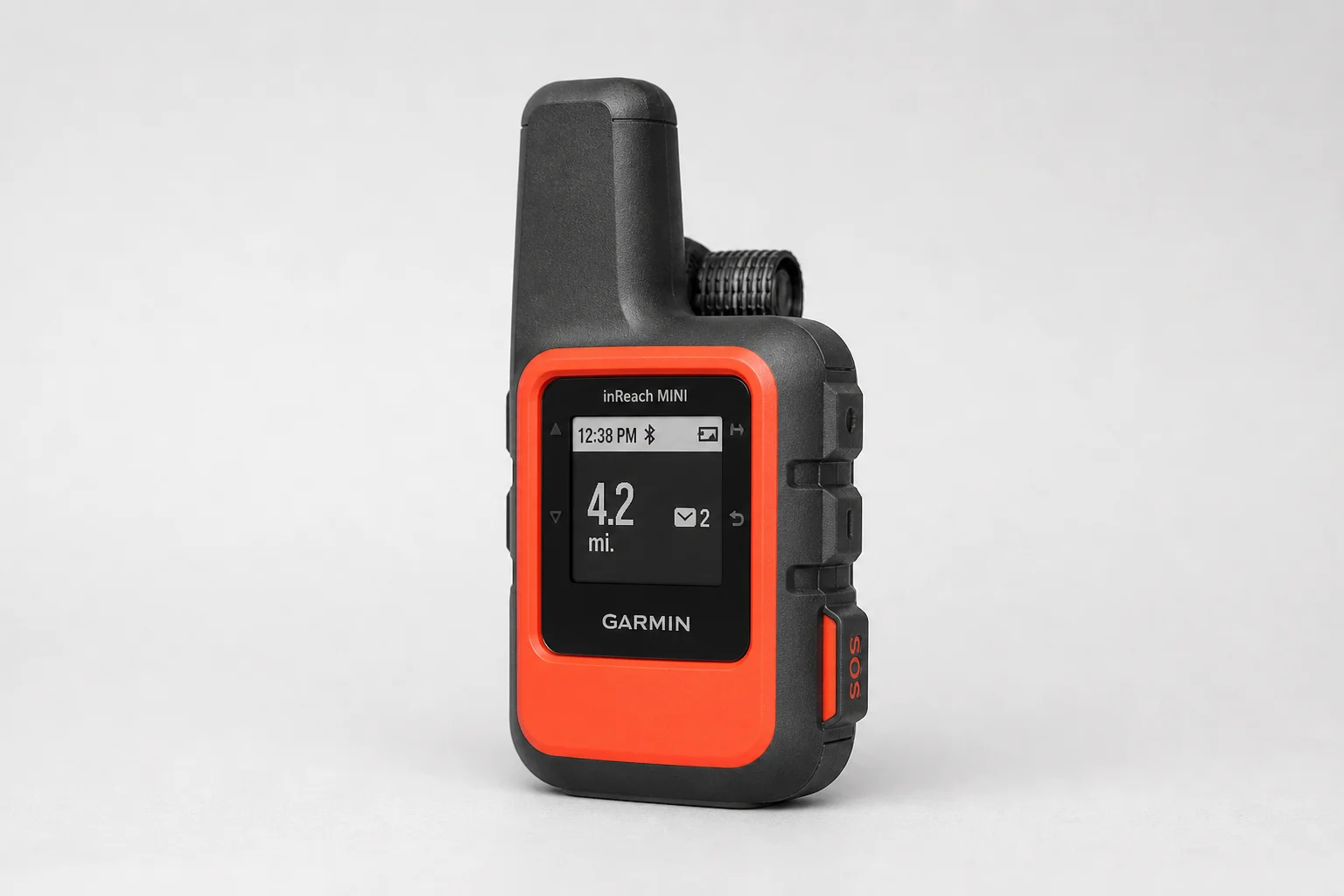
Garmin inReach Mini
A satellite messenger that works as an SOS device and also sends text messages and location updates to people at home. The SOS function alone provides meaningful peace of mind on remote trips, and the messaging turns a solo hike into something family and friends can follow.
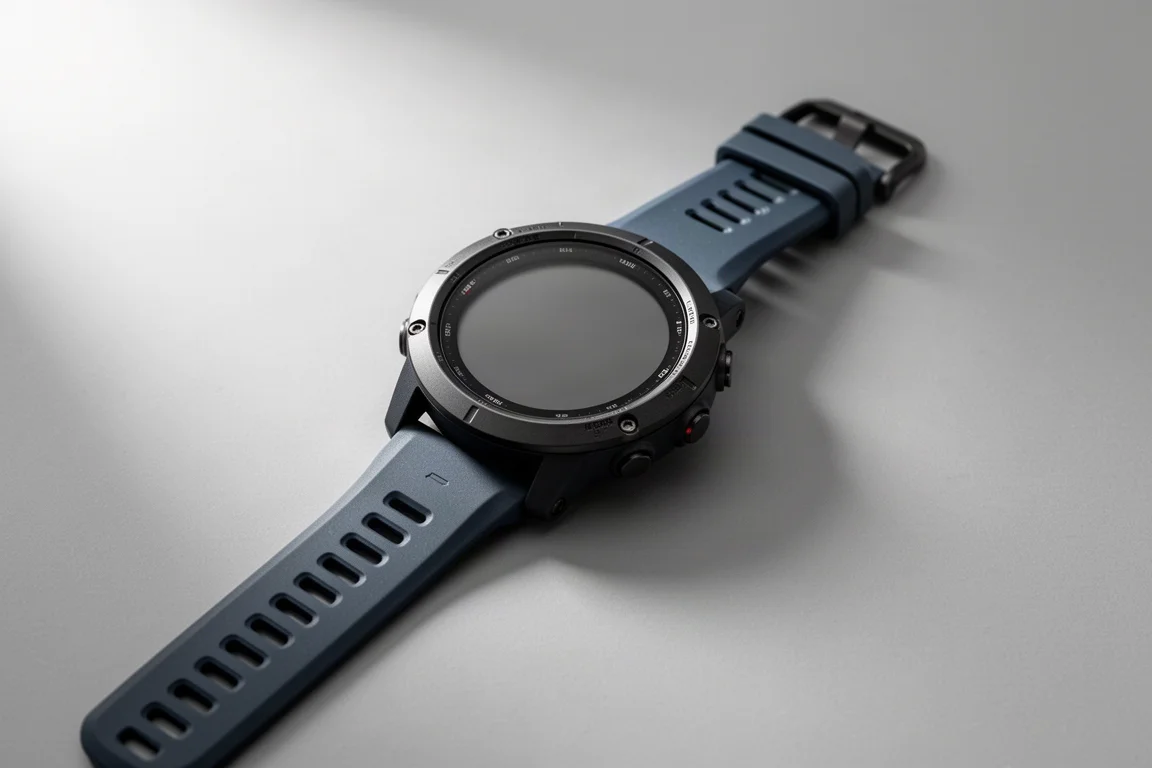
Garmin Instinct Solar Watch
The watch tracks hikes from the moment they start, reporting distance, pace, and elevation, and it pairs with a phone app to show position on downloaded maps. Relying on a phone alone raises two concerns: battery life and GPS accuracy. Using the watch as the primary GPS and the phone as a display is a more dependable arrangement, and solar charging plus long battery life make it practical over multi-day trips. It has been in the kit for four or more years.
Buying Advice
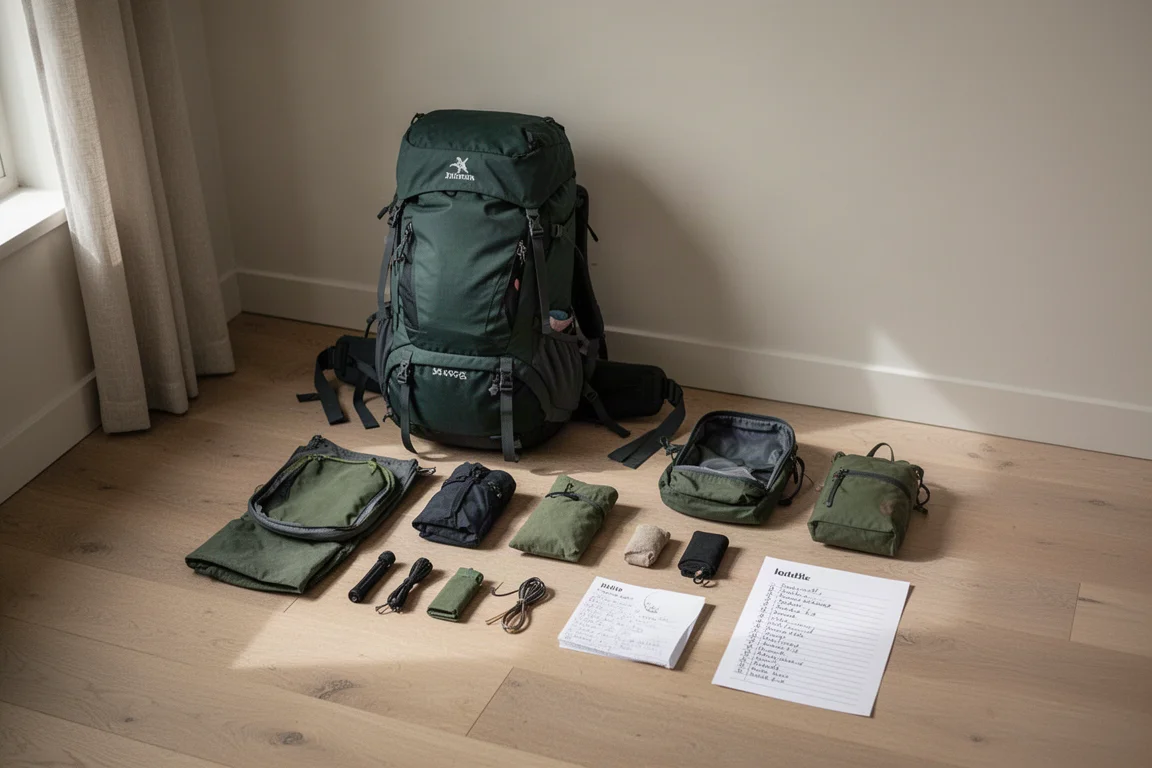
Build a kit around the conditions you actually hike in, not the ones you imagine. Start with the categories that affect comfort and safety: sleep system, shelter, water treatment, and food storage. Then match each item to the temperature range and terrain you see most often. If you hike year round, two pads or two bags can be justified; if you hike three seasons, one well-chosen option is usually better than two compromises.
Weight and durability pull in opposite directions, and so do waterproofing and cost. A pack that is seam sealed and fully waterproof can replace a liner and a cover, but it costs more. A cheaper pack works just as well if you are willing to carry a liner. Decide which trade-off you would rather live with, then spend the difference where it changes your experience most, which is almost always sleep.
Conclusion
A core kit is a moving target. The pieces here have survived a year of use because they solve specific problems: a waterproof pack that needs no liner, a sleep system that stretches across seasons, a stove that stays stable in wind, and electronics that make remote trips safer. None of it is chosen for novelty. If a piece of gear stops earning its place, it gets replaced, and that is exactly how a kit should work.
Further reading
Related Reviews

Backpacking Gear
Building a 10 lb Base Weight: An Ultralight Backpacking Gear List
A practical walkthrough of the ultralight pieces behind a 10 lb base weight, from a 765 g pack and a roomy one-person tent to a full camp chair and a dependable water filter.

Backpacking Gear
A 15-Pound Lightweight Backpacking Gear List for Solo Trips
A beginner-friendly 15-pound backpacking setup built from easy-to-find gear, with notes on what each piece does, how it packs, and where to spend your attention.

Backpacking Gear
8 Ultralight Backpacking Gear Upgrades Worth Carrying
Eight small, affordable backpacking upgrades that solve real trail annoyances, from a pillow that stays put to a fuel valve that rescues leftover canister gas.