Camping Tents
Core 9-Person Instant Cabin Tent Review: Fast Setup, Big Space, A Few Trade-Offs
A detailed look at the Core 9-Person Instant Cabin Tent, covering setup and pack-down times, measured interior space, ventilation, rain performance, and build quality.
Introduction
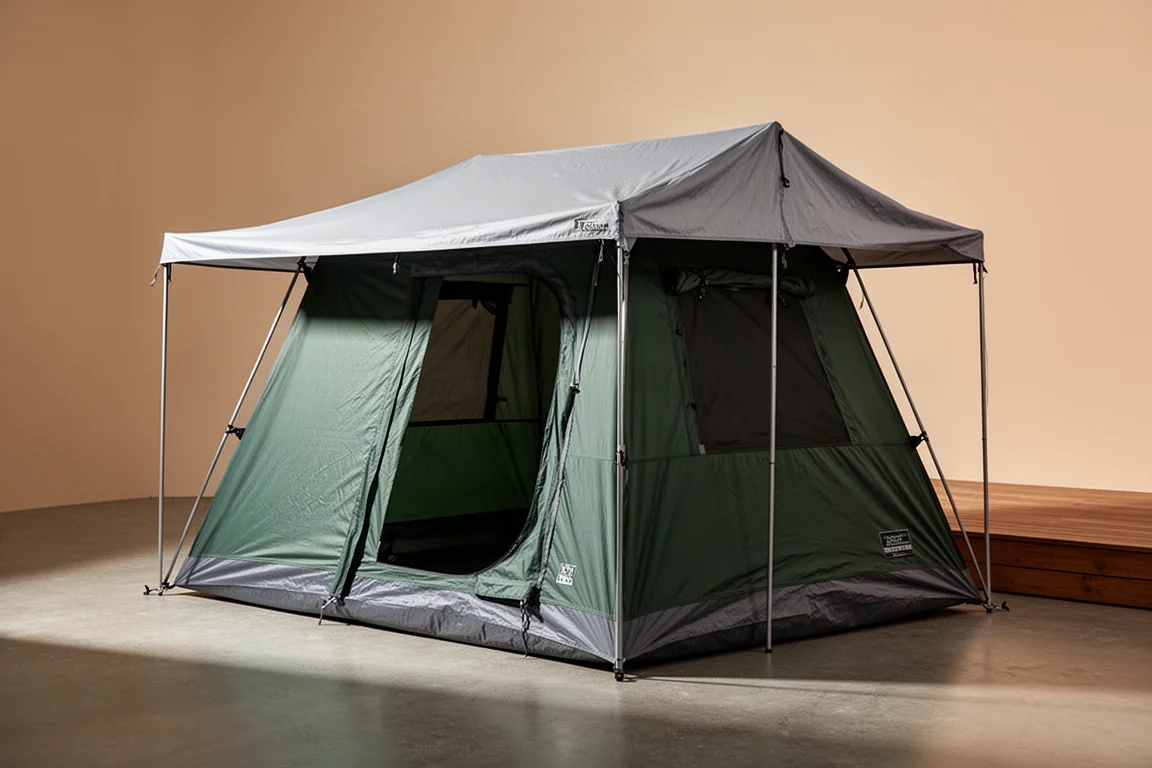
The Core 9-Person Instant Cabin Tent is built around a simple promise: a very large cabin-style shelter that goes up in minutes without threading a single pole through a sleeve. The frame, pole clips, and guylines all arrive pre-attached, and the package includes a white rainfly, a removable room divider, repair patches, 18 stakes in their own carry case, and a pre-attached foot mat.
This review covers the details that decide whether a tent this size works for you: timed setup and pack-down, measured interior dimensions, ventilation in hot and wet weather, rain performance, seam construction, storage, and packed size.
Who This Tent Is For
This is a warm-weather car camping tent for families and larger groups who want standing room and a fast pitch. The cabin shape keeps the side walls close to vertical, and the peak height reaches about 75.5 inches, tall enough to stand upright with room to spare. Even the lowest points at the four corners measure about 64 inches, so most adults can stand there too.
It is not a backpacking tent. Everything together weighs about 30 lbs and packs into a 46 by 13 by 12 inch bag, which is bulky for storage and transport but makes repacking noticeably easier.
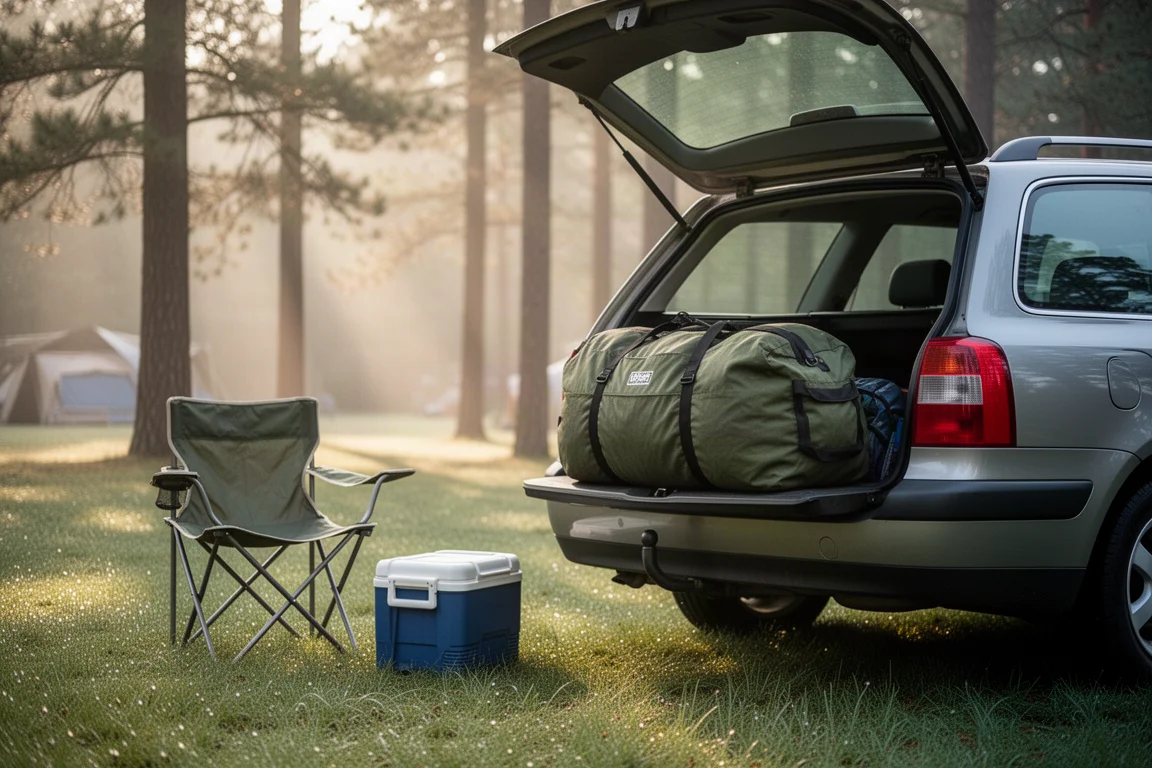
The trade-off is deliberate: bulk in the bag buys speed at the campsite and livable volume once it is standing. If you drive to your site and want a big tent that does not punish you at either end of the trip, this is the category to shop in.
Setup and Pack-Up in Practice
Setup follows a fixed sequence. Unfold the tent flat on the ground, pull it upright using the two hubs either side of the centre hub and the elbow joints, then extend all six telescoping wall poles until the green buttons click into place. Drape the rainfly and hook its six clips onto the notches at the midpoint of each steel pole, pull the body taut, and stake the base with ten stakes. Six more stakes handle the pre-attached guylines, and the final two stake out the vents.
Timed setup with two people came in at about six minutes. Solo, the same tent went up in roughly twelve minutes. Because the poles, clips, and guylines are pre-attached, there are no pole sleeves to feed and no separate hardware to sort through.
Pack-down is just as direct: remove the guylines, stakes, and rainfly, press the green button on each wall pole to retract it, push the elbow joints inward, then push the two side hubs in until only the centre hub remains. Fold the body, gather the fabric as tightly as possible, and the bag takes everything back without a fight. Two people packed it in about four and a half minutes, and a solo pack took about nine minutes.
Interior Space and Comfort
Measured length is about 13 feet 6 inches and width about 8 feet 9 inches, a few inches under the marketed 14 by 9 feet. In practical terms, nine regular sleeping pads fit inside, but only shoulder to shoulder, with essentially no space left over for gear.
Two queen-size camping mattresses are the more comfortable configuration, with plenty of room remaining for gear. A third queen mattress does not fit, and two queens will not sit side by side across the width. The length, however, accommodates two queens neatly.
The removable room divider splits the tent into two rooms. It hangs from a single loop at the top and attaches with four side latches, two per side, and has a zip in the middle for moving between rooms. Each half fits four sleeping pads or sleeping bags with little gear space, or one queen mattress with plenty of room for gear. Two extra latches let you pull the divider sides back for easier access.
Two details stand out about the divider. It is highly see-through, so it does little to create privacy, and the layout is uneven: one room has three windows and no door, while the other has one window and two doors.
Interior storage is limited. There are two pockets, measuring roughly 21 by 10 inches and 14 by 8 inches, one lantern loop at the centre of the ceiling, and a single e-port with a Velcro closure for running a power cable.
Weather Protection and Ventilation
Ventilation is one of the tent’s strongest points in warm weather. There are seven windows in total once the mesh panels of the two doors are counted. Three smaller windows, each about 43 by 21 inches, sit on the left side. The right side carries four windows with more ventilation, the largest measuring about 68 by 36 inches. Each window has two green zippers and a bug net that keeps larger insects such as mosquitoes out, and some include a latch to hold the fabric open.
The rainfly comes off from the outside, exposing a large mesh roof panel, and the result is strong airflow on hot days.
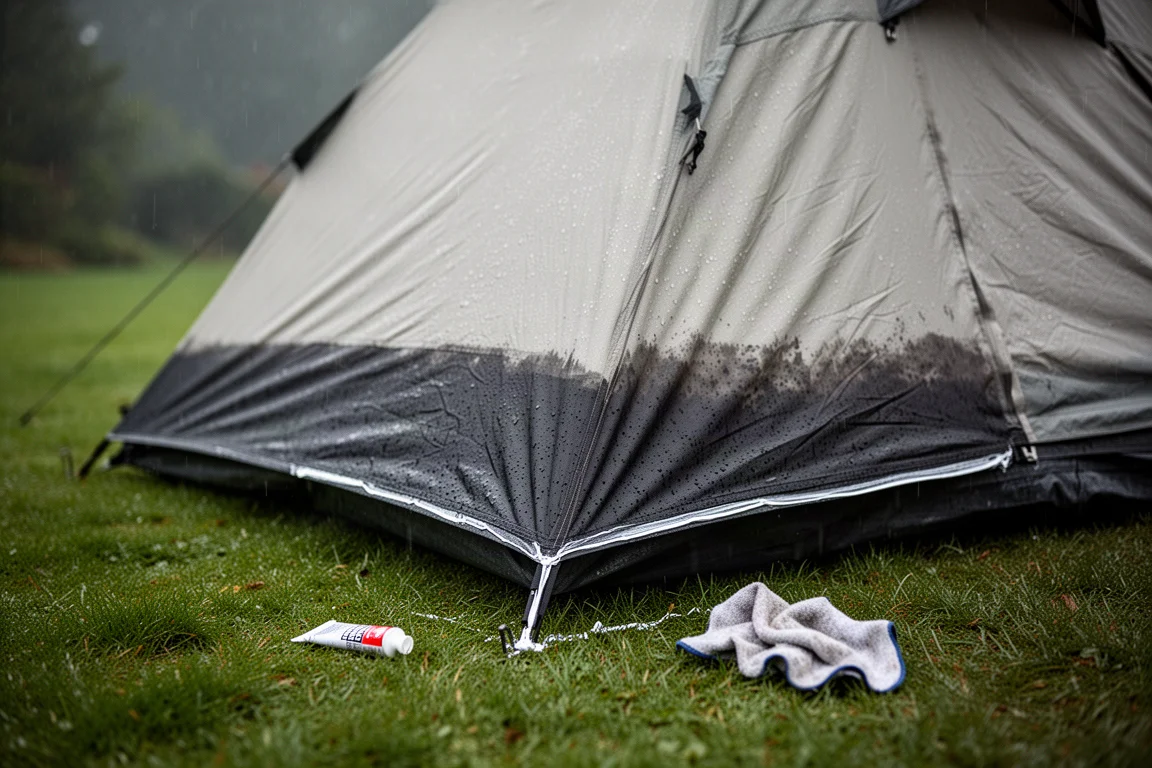
Rain changes the picture. After an hour of light rain, the interior stayed dry. After an hour of heavy rain, water came through the seam between the flooring and the green tent fabric in two places, with noticeably more at one corner. The window latch also soaked through and dripped inside, because that latch connects to the outside. Sealing that seam from the outside is the practical fix. The pre-attached foot mat also takes on a lot of water in heavy rain, since there is no vestibule or overhang beyond the tent wall.
With the rainfly fitted, rain protection is limited by its small size. Windows and doors get soaked top to bottom in heavy rain and need to be closed, which cuts ventilation considerably. The two vents are the useful answer here. Each measures about 74 by 18 inches from the inside, can be opened and closed from inside the tent using a black latch at the bottom and a pull along the cord, and no water entered through them even when open. Staking them out is worth the two extra stakes.
Build Quality and Materials
The floor is polyethylene and the rest of the tent is 68D polyester with a hydrostatic head rating of 600 millimetres. After an hour of heavy rain, the upper grey fabric stayed dry while the yellow lower fabric was slightly damp from greater exposure.
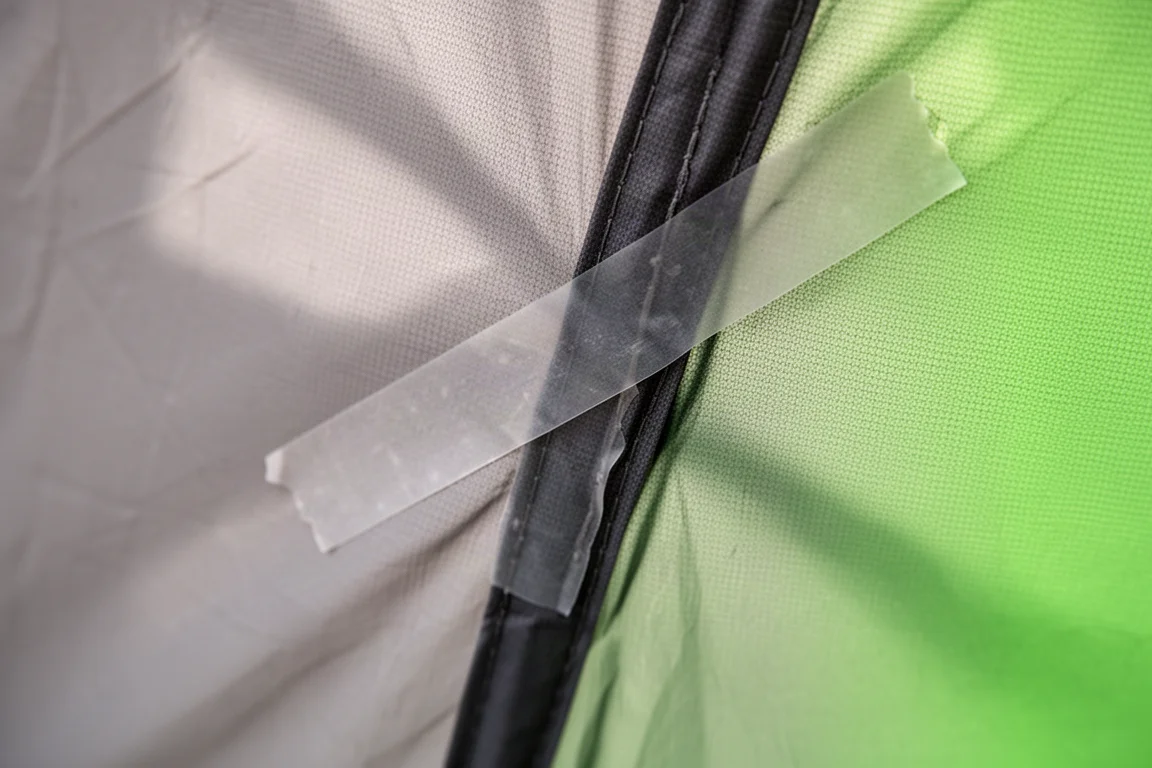
Most of the important seams are taped, including the middle seam between the grey and green fabric. The green fabric to flooring seam is the exception: it is untaped and inverted, which is where the leaking appeared. Stitching is generally good quality, double-stitched and consistent, with only a couple of loose threads. The mesh is standard rather than no-see-um grade and is decent quality.
Zippers are decent across the tent. Window zippers ran catch-free, and the large T-door showed no snagging. The side door zippers occasionally catch on the rain cover. The T-door includes a small rain collar that traps water seeping through the door zip so it does not drip inside.
The two doors both sit on the right side of the tent. The T-door measures about 96 by 51 inches and stands about 55 inches from the ground, so taller users will duck on the way in. It has three green zippers, and both door panels roll back and clip to the sides. The smaller side door measures about 52 by 36 inches and about 53 inches tall, with two zippers and two side latches to tie the fabric open.
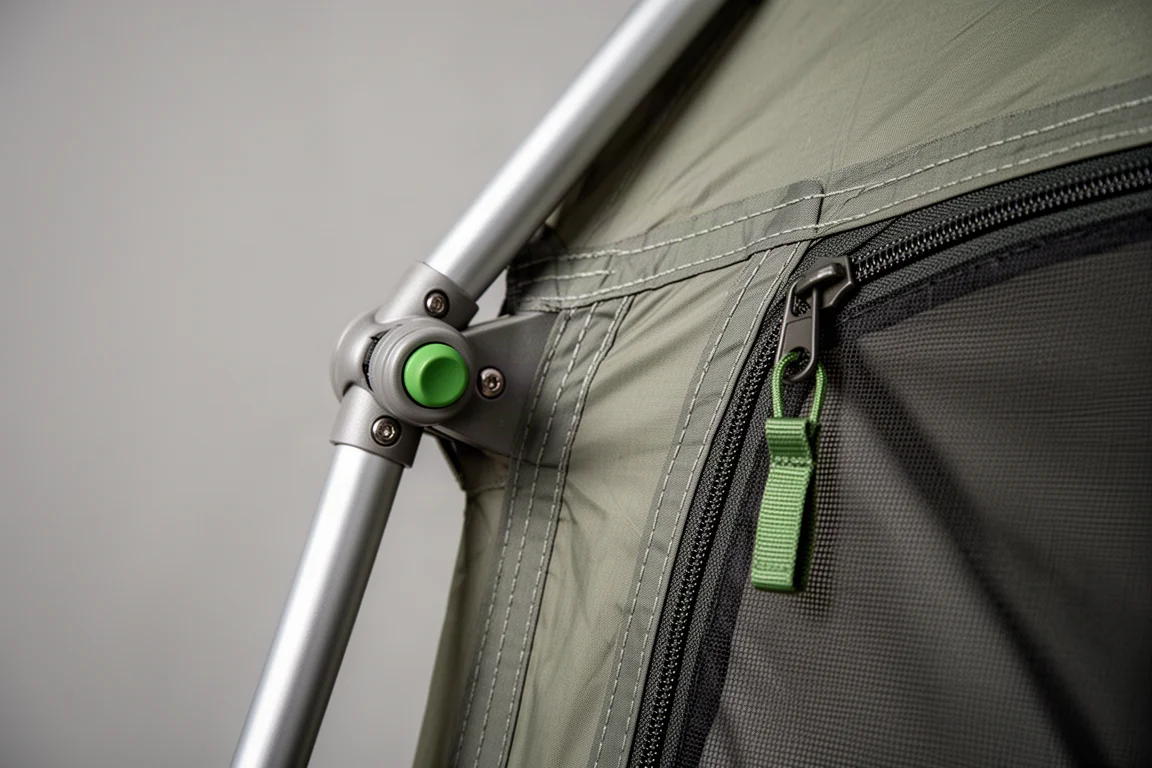
The frame is entirely steel, which is more durable than fibreglass poles, and it accounts for much of the weight. The carry bag includes extra cushioning along one edge to protect the tent in transit.
Things to Consider Before Buying
Four points are worth weighing before you commit.
First, there is no bathtub flooring. The green fabric runs all the way to the ground, so site selection matters and standing water around the base should be avoided.
Second, the flooring seam is not sealed at the factory, and it let water in during sustained heavy rain. Seam sealing is a straightforward fix, but it is worth planning for.
Third, the divider is very see-through and the two rooms are unevenly equipped, which limits how useful the split really is.
Fourth, the packed size is large and the total weight sits around 30 lbs. It is one of the bulkier tents in its class, and that bulk is the price of the fast, forgiving pack-up.
There is also less interior storage than the size suggests: two pockets and a single lantern loop. And if your plan is six people across three queen mattresses, this footprint will not deliver it. A larger 10-person option is the better fit for that setup.
Buying Advice
For warm-weather camping, this tent earns its place. Setup and pack-down are genuinely quick, the steel frame should hold up well, and the cabin shape turns a large footprint into usable standing room with excellent hot-day airflow. Two queen mattresses plus gear is the sweet spot, and a family of four will find it comfortable.
Plan for the rain. Bring seam sealant for the floor seam, stake out both vents so wet-weather ventilation keeps working, and choose a site that drains well. If heavy, prolonged rain is a regular part of your trips, the small rainfly and the untaped floor seam are the limitations to accept.
Buyers who want the fastest possible pitch for a big group in fair weather will be well served. Buyers who expect three queen beds, or who camp through serious storms, should look at a larger tent or a model with a full bathtub floor and a bigger rainfly.
Conclusion
The Core 9-Person Instant Cabin Tent gets the big things right: it goes up and comes down fast, the interior feels genuinely spacious thanks to near-vertical walls, ventilation on hot days is excellent, and the steel frame adds confidence. The caveats are real but manageable, from the untaped floor seam to the compact rainfly, the see-through divider, and the bulky packed size. For warmer-weather family camping, the strengths clearly carry the day.
Product link
View more details for Core 9-Person Instant Cabin Tent
This product is mentioned in the review. Check the specifications, options, and compatibility before buying.
View more details for Core 9-Person Instant Cabin TentFurther reading
Related Reviews
Camping Tents
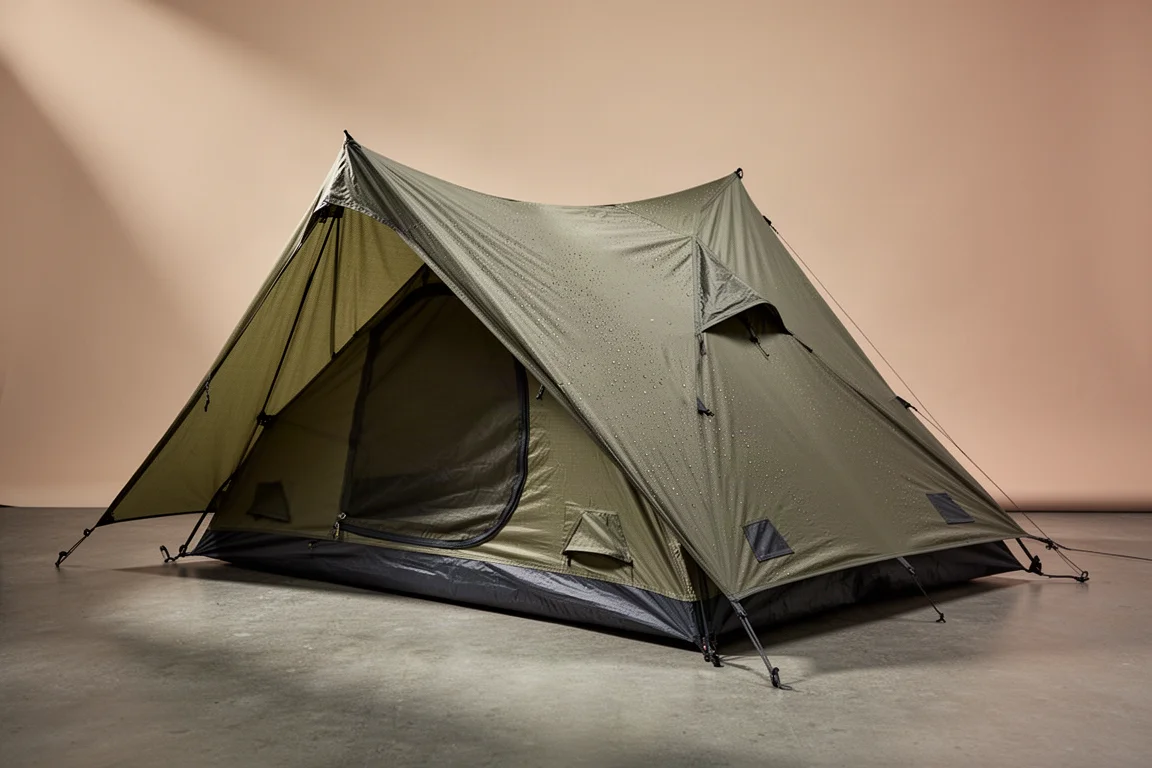
3F UL Gear Taiji Two-Person Tent Review: Field Waterproofing Results and Buying Advice
The Taiji pairs an attached fly with a removable inner, but sustained rain exposed untaped vent seams that need sealing before this shelter can be trusted.
Camping Tents
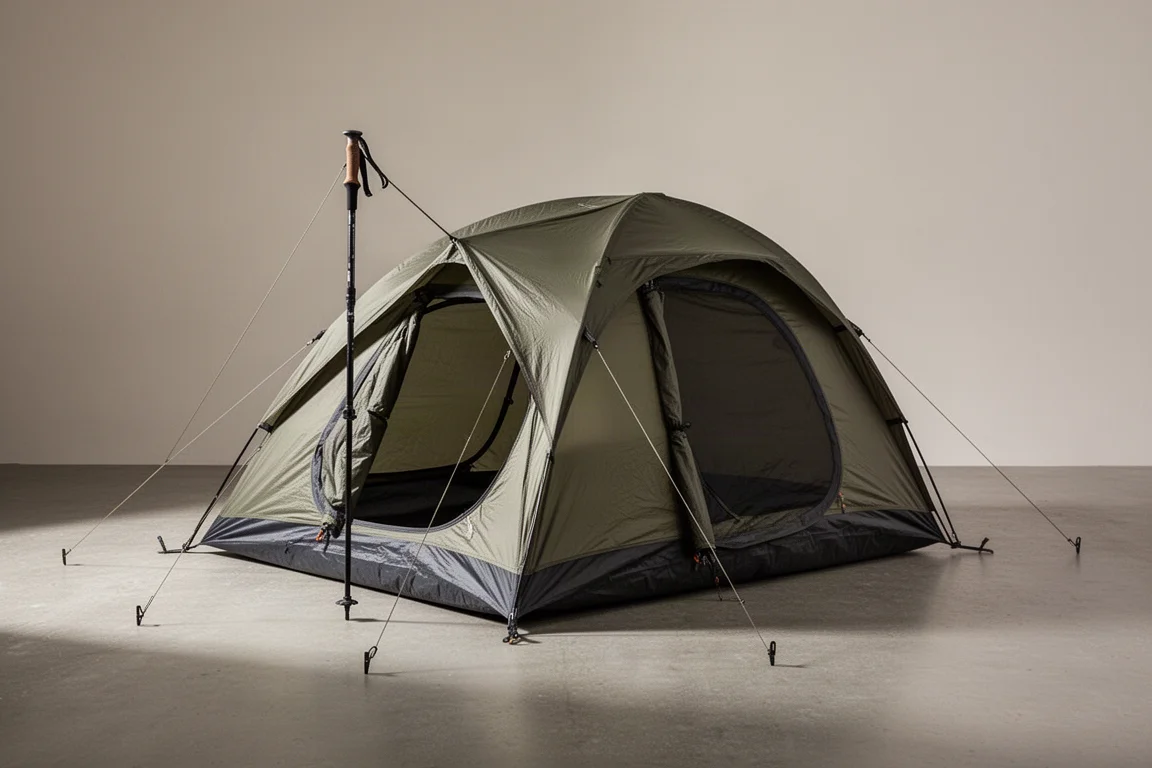
3FUL Gear Lanshan 2 Pro 4-Season Review: A Sub-$200 Single-Wall Trekking Pole Tent
An early look at the 3FUL Gear Lanshan 2 Pro 4-Season, covering its straightforward pitch, generous interior space, and the condensation and seam-sealing questions that come with any single-wall shelter.
Camping Tents
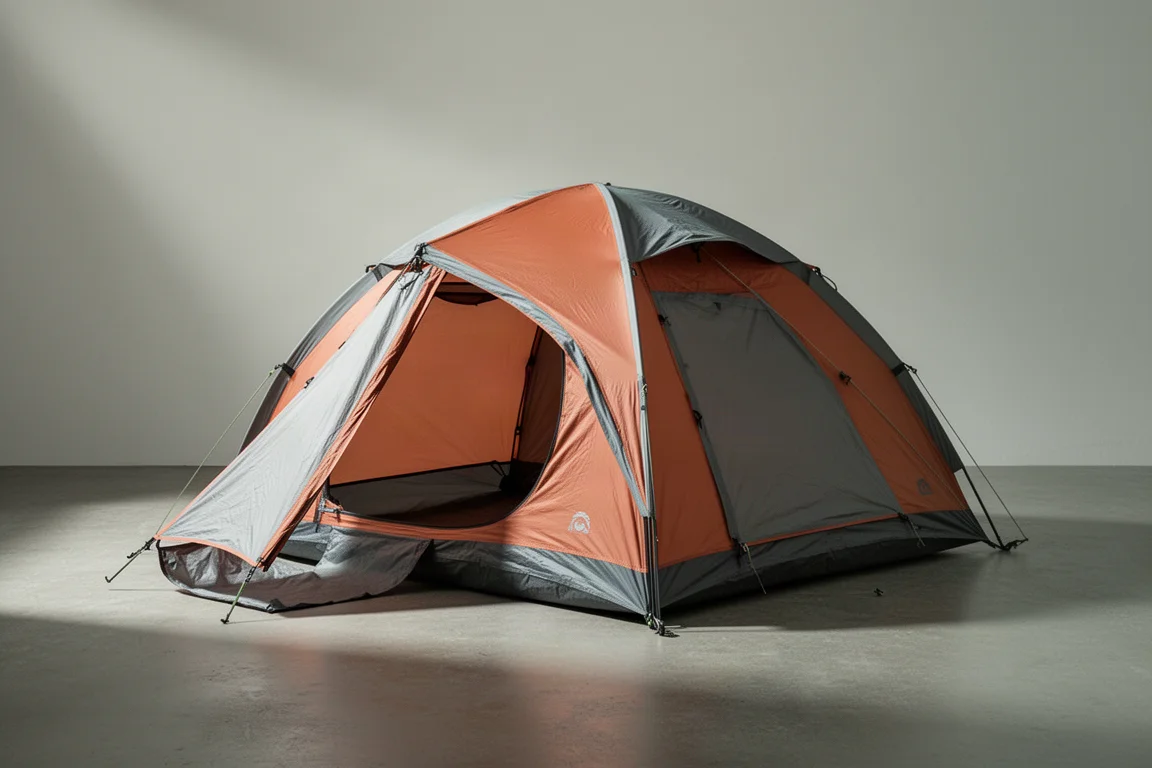
Alps Mountaineering Lynx 1-Person Tent Review: Big Value in a Small Budget Tent
A close look at the Alps Mountaineering Lynx 1-Person Tent, covering real interior dimensions, materials, setup time, ventilation limits, and who should buy it.