Road Cycling
Continental GP 5000 STR and Canyon Endurace CF SL: A 100-Mile Build Review
A £277 carbon wheelset, Continental Grand Prix 5000 STR tires, and a Canyon Endurace CF SL: what 100 miles of mixed-surface riding revealed.
Introduction
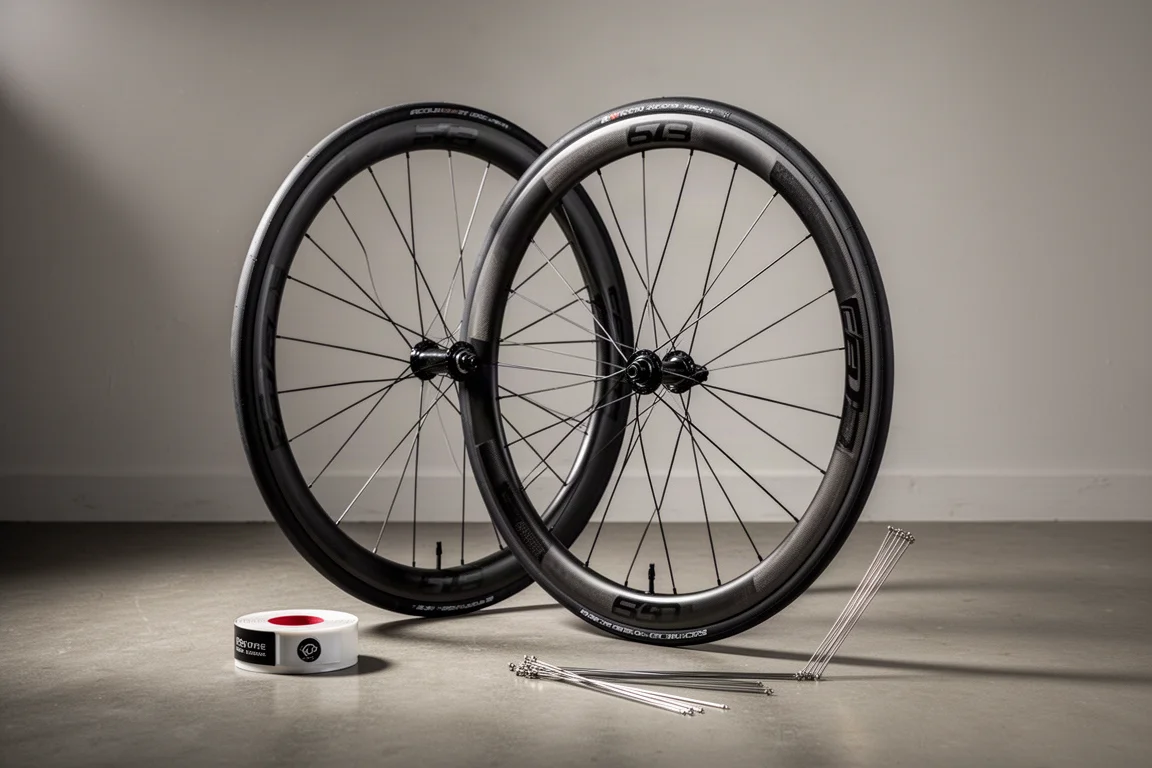
Carbon wheels have a reputation problem at the budget end of the market. They look convincing in photographs, but the details that decide whether a set is worth living with, rim finishing, spoke choice, hub internals, and how the ride feels after four hours, are usually where cheap wheelsets fall short. So when a brand new pair of carbon fibre disc brake wheels appeared for £277, the interesting question was not why they were so cheap. It was whether they were any good.
To answer that, the wheels were fitted with a pair of 35 mm Continental Grand Prix 5000 STR tires and mounted on a Canyon Endurace CF SL. The plan was straightforward: a 100 mile route chosen deliberately for mixed surfaces, from smooth tarmac to coarse, broken chip seal, plus a back to back comparison against deeper wheelsets that cost many times more.
How This Build Came Together
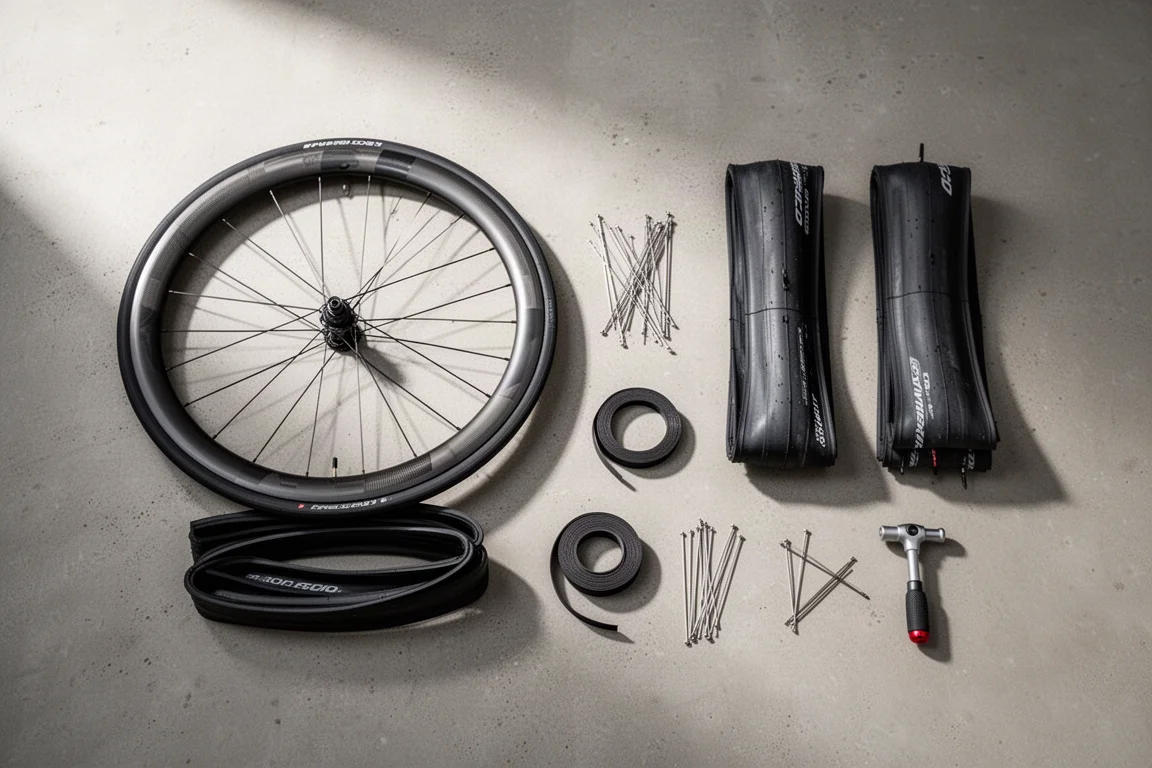
The wheelset arrived roughly 48 hours after ordering, packed in foam padding, with tubeless rim tape, standard clincher tire tape, and a set of spare spokes included in the box. On the scales, the front wheel weighed 601 g and the rear 732 g, for a combined 1,342 g. That is a strong result for a rim this deep, and 50 mm is a practical all round depth: enough section to be useful at speed, without the handling penalty that comes with a full aero rim.
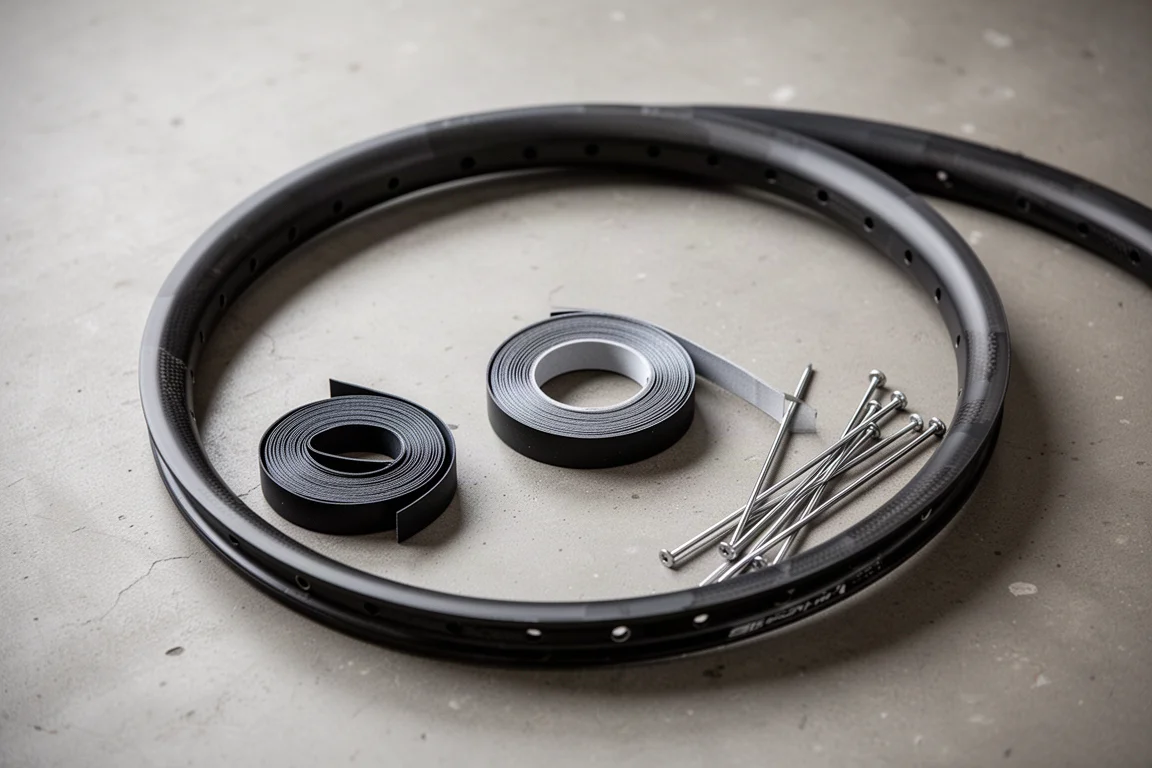
Rim finishing is where budget wheelsets often give themselves away, and here the inspection was reassuring. The spoke holes are drilled cleanly, with no rough carbon or frayed edges, and no sign of the internal air bladder used during molding. A QC pass sticker sits on the rim bed, and the finish is deliberately understated, with no loud decals. The spokes come from Pillar, a specialist supplier used by a number of wheel brands, and the count is 24 front and rear, which is higher than many premium wheelsets. That adds a small weight penalty but should pay off in strength and durability. They are round rather than flat bladed, so there is a modest aerodynamic cost, and they use external nipples for easy truing with straight pull captive heads at the flanges.
The freehub is listed for Shimano only, with no SRAM or Campagnolo option, and it uses a 36 tooth engagement design with material machined away from the body to save weight. Internal width is quoted at 23 mm, but calipers measured 24 mm. Wider than advertised is the right direction for modern tires: the rims suit 28 mm or 30 mm rubber, should be fine with 32 mm, and will take 35 mm as well.
Continental Grand Prix 5000 STR: The Tire Choice
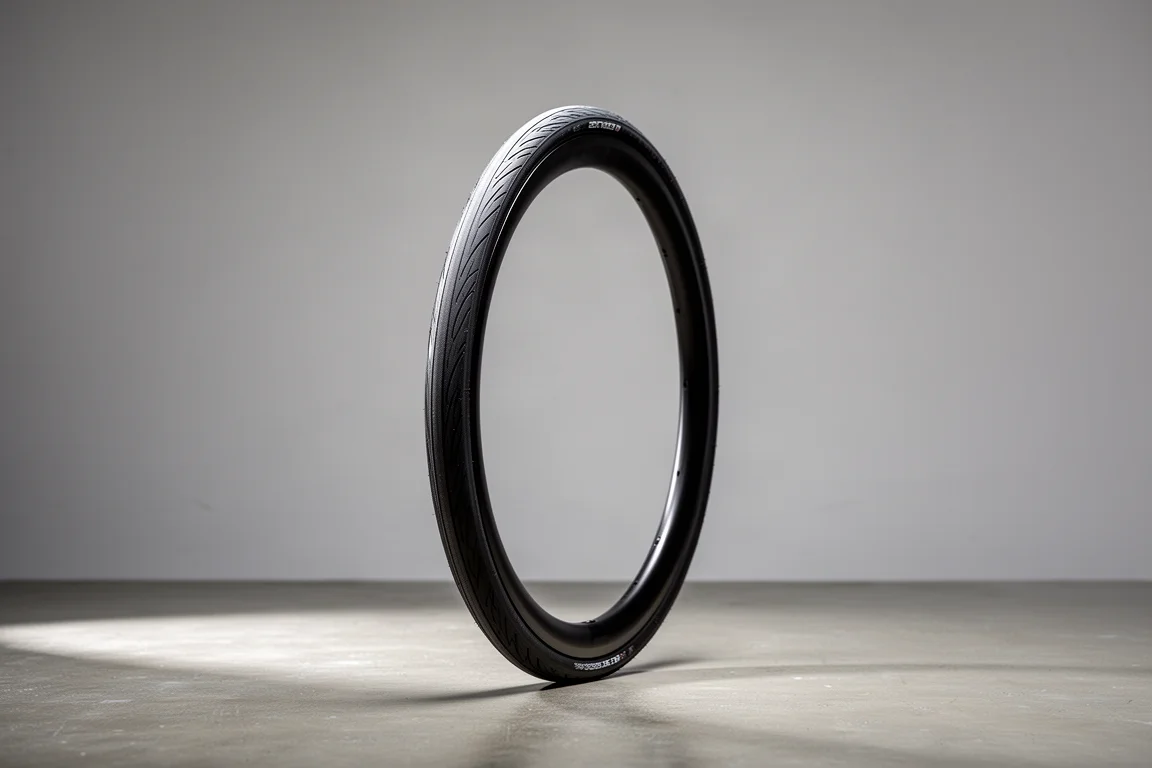
Running a 35 mm tire on a 50 mm carbon rim is wider than most riders would choose, but a 24 mm internal width makes it a sensible pairing rather than an experiment. The Continental Grand Prix 5000 STR measured a true 35 mm once mounted, and it was run at 55 PSI for the full distance. That combination produced a fast, smooth ride with enough air volume to stay comfortable over long hours and rough surfaces, and it kept the bike feeling planted without adding a harsh edge. For riders who want one tire that handles long days and mixed tarmac without feeling sluggish, this is a convincing option.
Canyon Endurace CF SL: The Bike It Was Built On
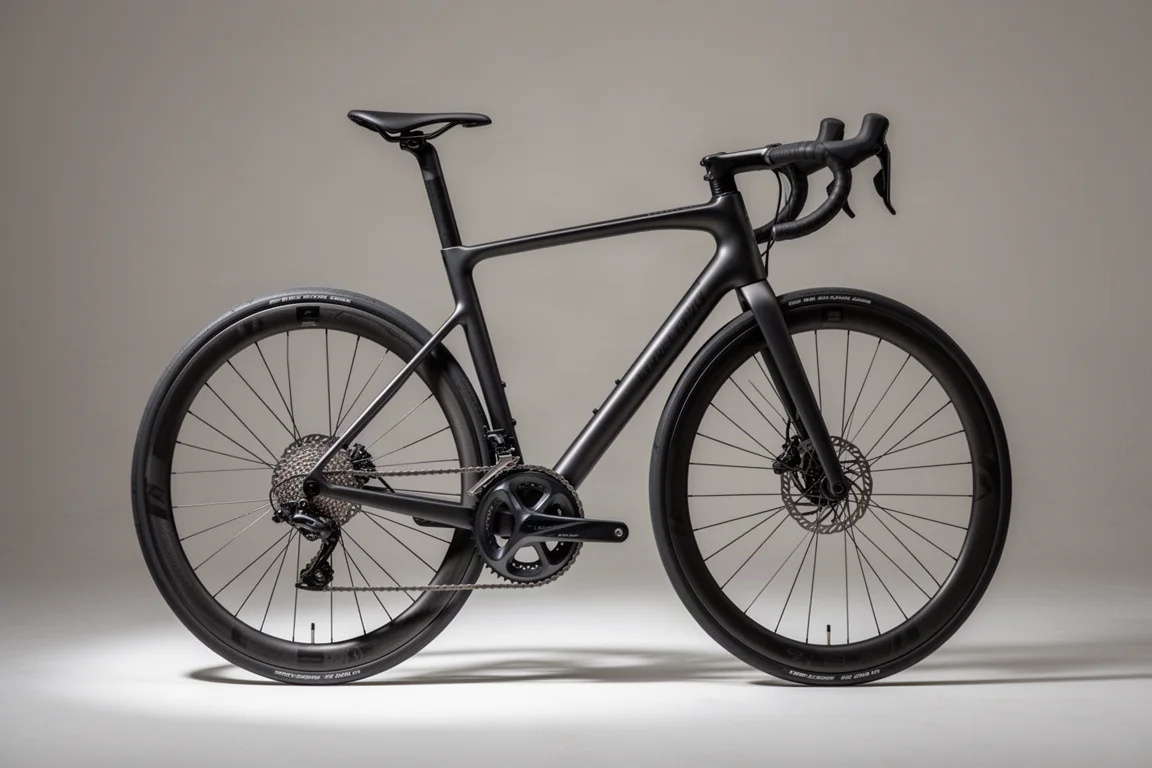
The Endurace CF SL was the starting point for the build, and the reason for the upgrade was specific. Its original wheels were acceptable, but not deep sectioned, not especially aerodynamic, and not particularly light. Fitting lighter, deeper carbon rims was an attempt to make an endurance bike feel quicker and racier without giving up its comfortable character. The 35 mm tires matched the frame well, and at 55 PSI the complete build rode like an all day, big mile machine that still responded when the pace lifted.
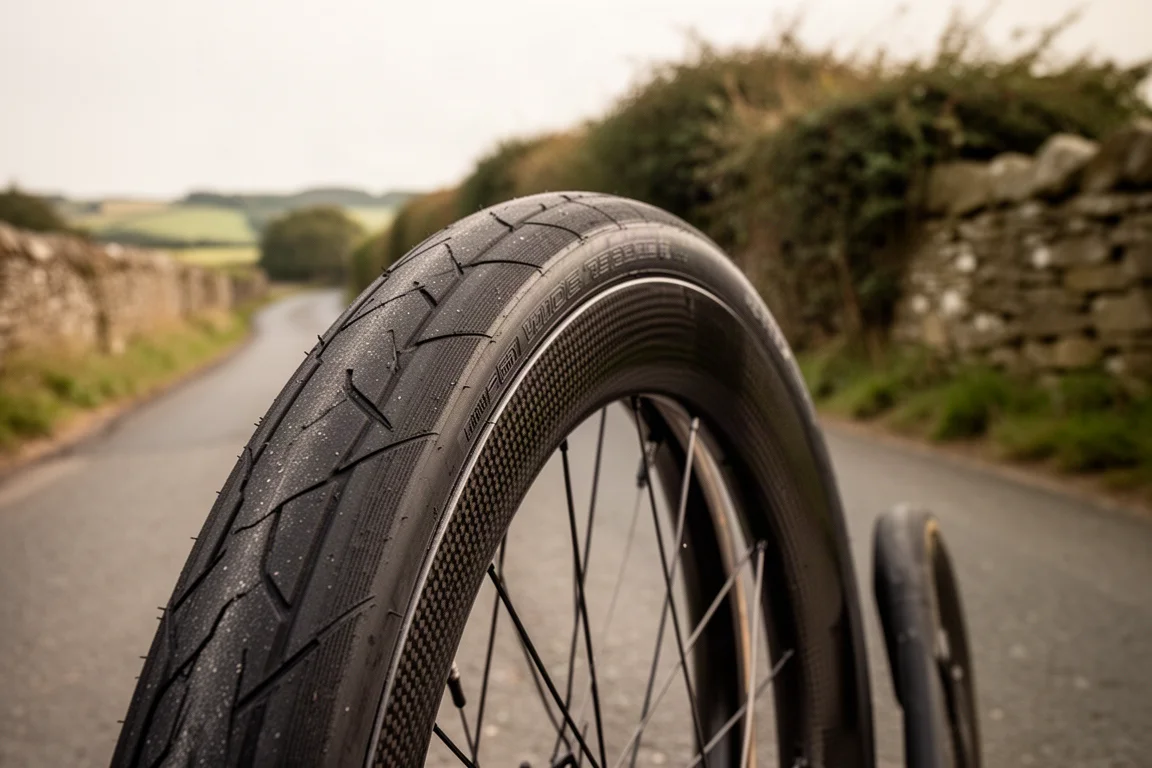
Endurance platforms like this one reward exactly this kind of change. A wheel and tire swap is one of the few upgrades that alters acceleration, rolling feel, and comfort at the same time, and here the bike gained speed without losing the relaxed ride position and steady manners that make long distances enjoyable.
Ride Impressions: 100 Miles on Mixed Surfaces
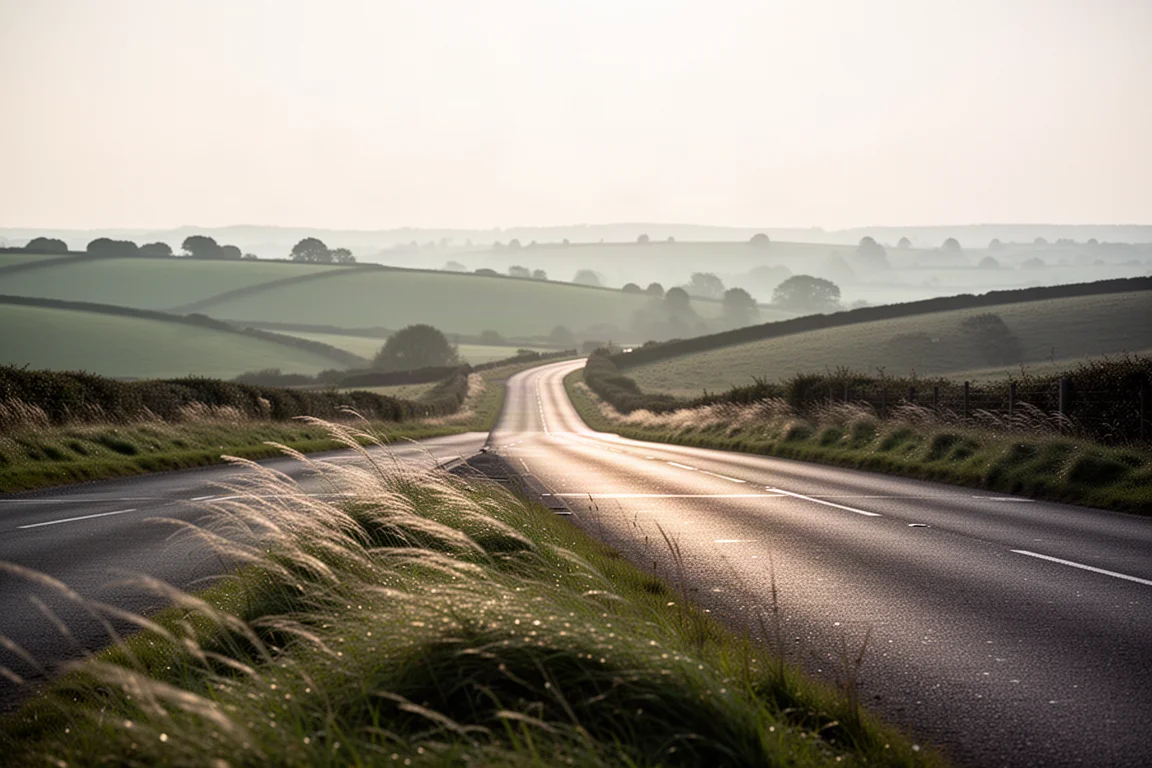
The route was chosen for variety rather than convenience, running across rolling countryside with a wide spread of road surfaces, from freshly laid smooth tarmac to coarse, chattering chip seal. Stiffness and compliance both held up, and the wheels felt composed rather than brittle over the rougher sections. Nothing about the ride suggested a compromise had been made to hit the price.
Ride Quality and Stability in Crosswinds
Ride quality is where steel spokes still earn their place. Carbon spokes save weight on the scales, but they tend to produce a firmer, harder ride, and that firmness becomes noticeable over long distances. The round steel spokes on this wheelset gave a smoother, more compliant feel, which suits an endurance bike and big mileage particularly well.
Crosswind behaviour was also better than expected. In breezy conditions the wheels stayed predictable, with no extreme buffeting, and they handled no worse than other deep section wheelsets. For a 50 mm rim, that is a meaningful result, because deep rims that catch the wind are one of the main reasons riders avoid them in the first place.
Durability and Toughness After 100 Miles
The route included potholes, some hit deliberately to see how the rims coped and some simply unavoidable. After the full distance, the wheels were still intact with no signs of damage, which speaks well of the build quality and the higher spoke count. That is only a first impression, however. A wheelset earns its reputation over a winter of wet roads, grit, and salt, and a longer term follow up with more structured testing is the natural next step before drawing firm conclusions about long term durability.
Buying Advice: Who Should Consider This Setup
The honest comparison here is with premium wheelsets from established brands. Those wheels do bring real advantages: leading aerodynamic marginal gains, lower weights, carbon spokes, greater lateral stiffness, and better hubs and internals. What this build shows is that the gap in actual riding experience is narrower than the gap in price. The wheels delivered on performance, stability, and comfort with no obvious downside for the money, and the tire and frame combination around them did the rest.
This setup suits a few clear types of rider. Anyone wanting a mid depth carbon wheelset and wide tires without paying premium prices should find it appealing. Riders who prefer a compliant ride over the firmest carbon spoke feel will appreciate the steel spokes. Endurance riders looking to sharpen a comfortable bike without changing its character are the natural audience. There are limitations worth knowing before buying: the freehub is Shimano only, the round spokes give away a little aerodynamics, and rim tape has to be fitted by hand.
Conclusion
A £277 carbon wheelset, a pair of 35 mm Continental Grand Prix 5000 STR tires, and a Canyon Endurace CF SL turned out to be a genuinely enjoyable combination. The wheels were light for their depth, cleanly finished, stable in crosswinds, and comfortable across 100 miles of mixed surfaces. Premium wheelsets still hold their advantages, and long term durability remains an open question, but for riders who want most of the benefit at a fraction of the cost, this build makes a persuasive case.
Further reading
Related Reviews
Road Cycling
Best Looking Tour de France Bikes: Eight Race Machines and Their Paint Schemes
A closer look at eight Tour de France race bikes, from a gold-detailed presentation build to rainbow watercolours, water-transfer finishes and a clean title-sponsor livery.
Road Cycling
Best Road Bike Upgrades 2026: Clipless Pedals Compared and What to Change First
Two clipless pedal systems worth shortlisting for 2026, plus the lighter inner tubes, wheels, tires and saddles that genuinely change how a road bike rides.
Road Cycling
Best Road Bike Upgrades 2026: Five Pro-Level Picks Worth Buying
Five road cycling upgrades tested over months of hard riding, from a carbon-shell helmet and mixed-depth wheels to a tubeless race tire and a tight aero jersey.