Backpacking Gear
A Complete Three-Season Backpacking Loadout: 14 Gear Picks Worth Building Around
A full three-season backpacking kit, from shelter and sleep system to cook kit and water treatment, with the reasoning behind every pick.
Introduction
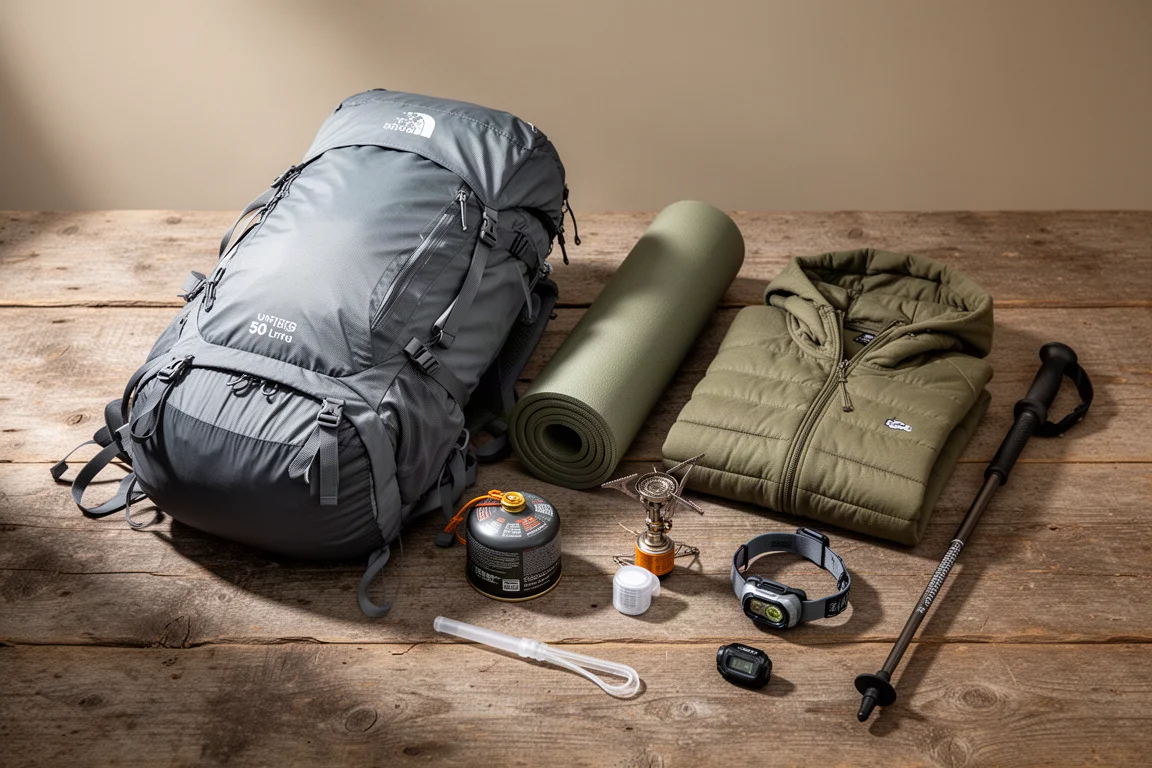
Building a single three-season backpacking kit is mostly an exercise in deciding what earns permanent space in the pack. The list below is a complete loadout for mild to moderate three-season conditions: a freestanding shelter that works on hard ground, a sleep system that covers both shoulder-season cold and warm summer nights, and the small items that quietly remove friction from a trip.
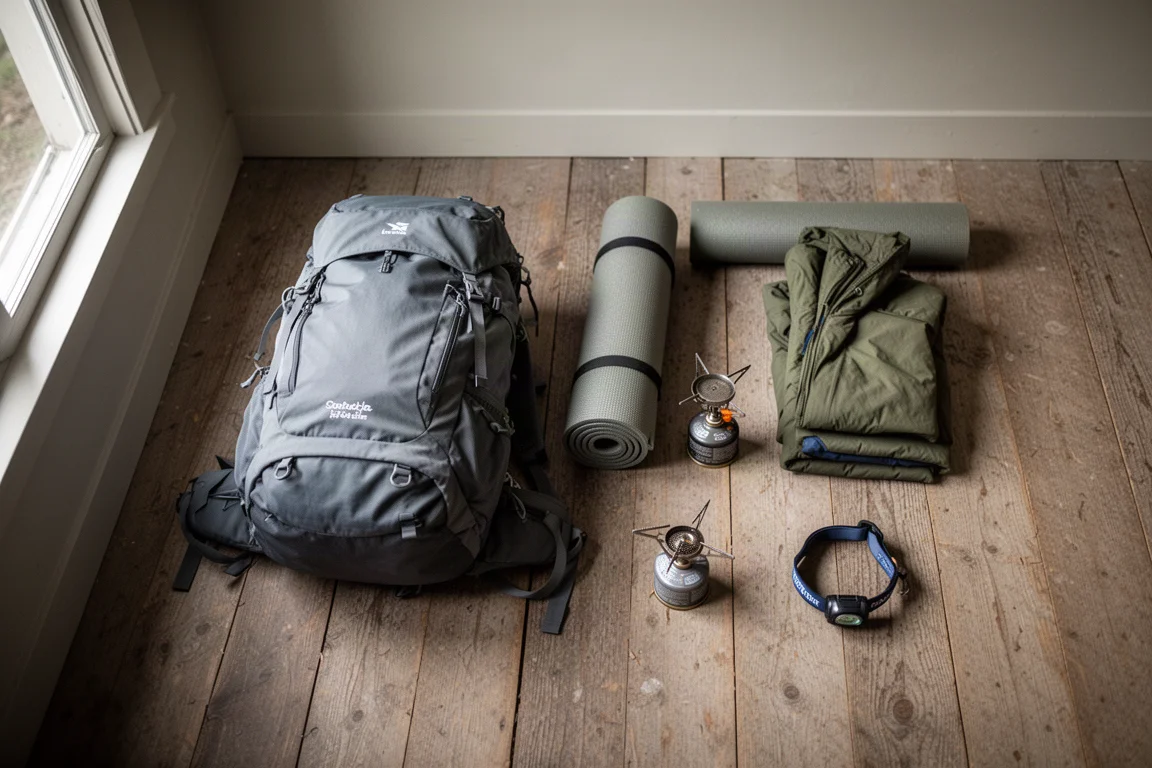
Every piece here earns its place for a specific reason, whether that is durability in abrasive terrain, packability, or a design detail that only shows its value after a long day. Nothing is included simply to fill a category.
The Pack: Waymark Light 50L
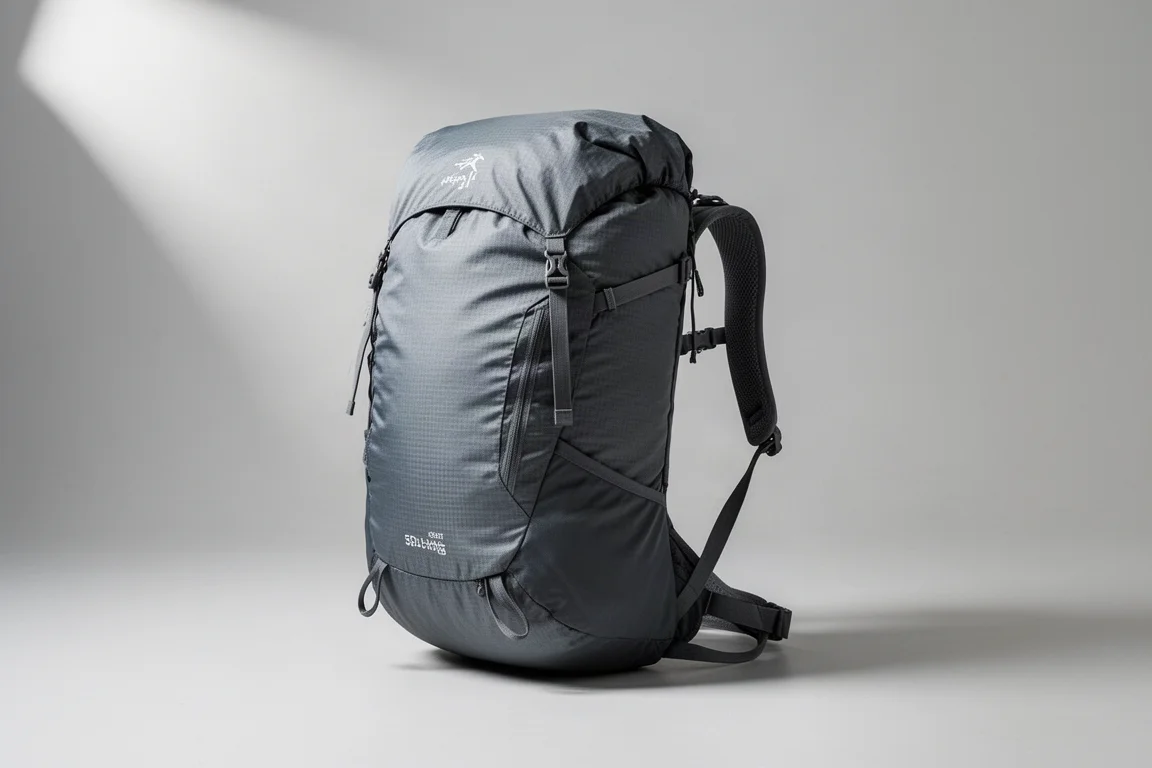
Fifty litres is the practical middle ground for three-season trips. It swallows a week’s worth of food without forcing a compression-heavy packing strategy, and it still carries comfortably on a two-night weekend. The Waymark Light 50L sits in that sweet spot for a general three-season backpacker who is not chasing the absolute lowest base weight.
The extra capacity also helps when a trip turns colder than forecast and a bulkier layer has to go somewhere. For anyone who wants one pack to cover weekend trips and longer outings, this is an easier size to live with than a 35 or 40 litre option.
The Shelter: Big Agnes Copper Spur HV UL 2
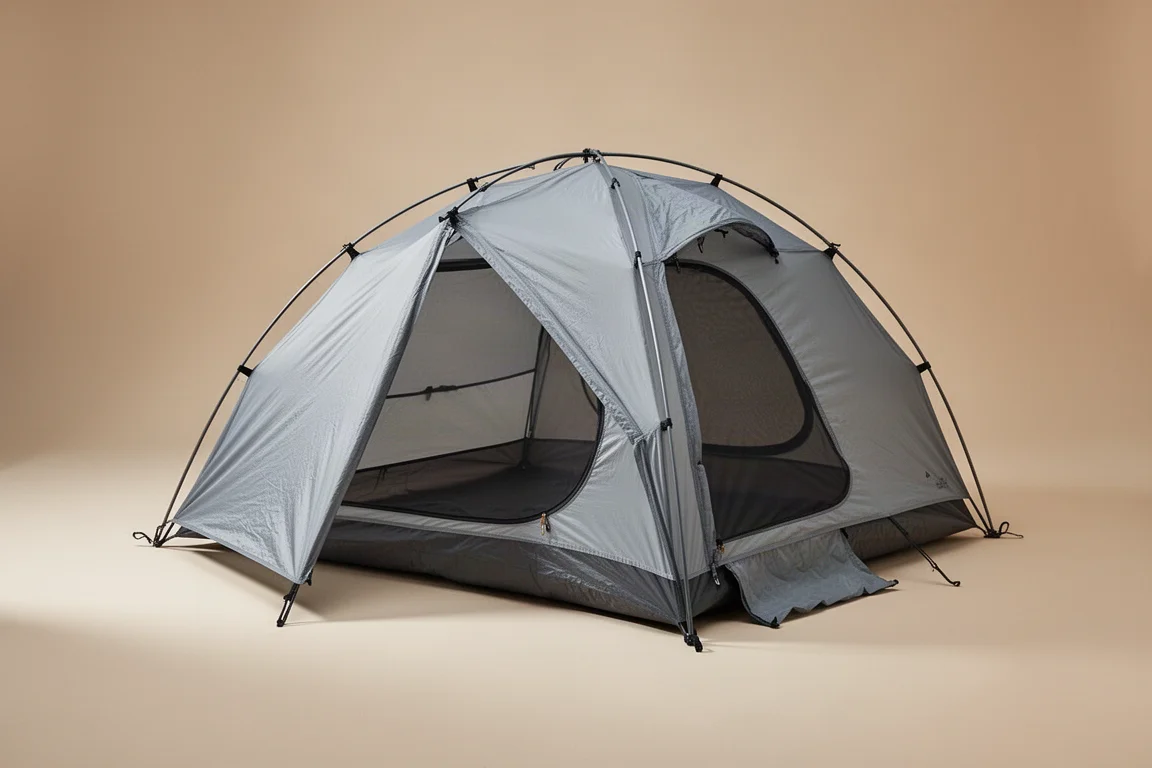
Freestanding versus non-freestanding is the real decision when you only get one shelter. Where stakes are hard to place, a freestanding tent keeps pitching simple, and the Copper Spur HV UL 2 combines that flexibility with light weight, usable interior space, and storage pockets that keep a small kit organised. It also packs down smaller than its stuff sack suggests.
That mix of low weight, livable space, and easy setup on slickrock and hard ground is what makes it a convincing single-shelter choice for a wide range of three-season trips.
The Sleep System
A three-season sleep system has to handle warm summer nights and shoulder-season cold, which is the argument for carrying both a sleeping bag and a quilt. The two cover different conditions and the overlap is small. Comfort is handled by an insulated sleeping pad and a lightweight pillow, while a thin eighth-inch foam pad doubles as a pack back panel and adds warmth and puncture protection underneath the inflatable pad.
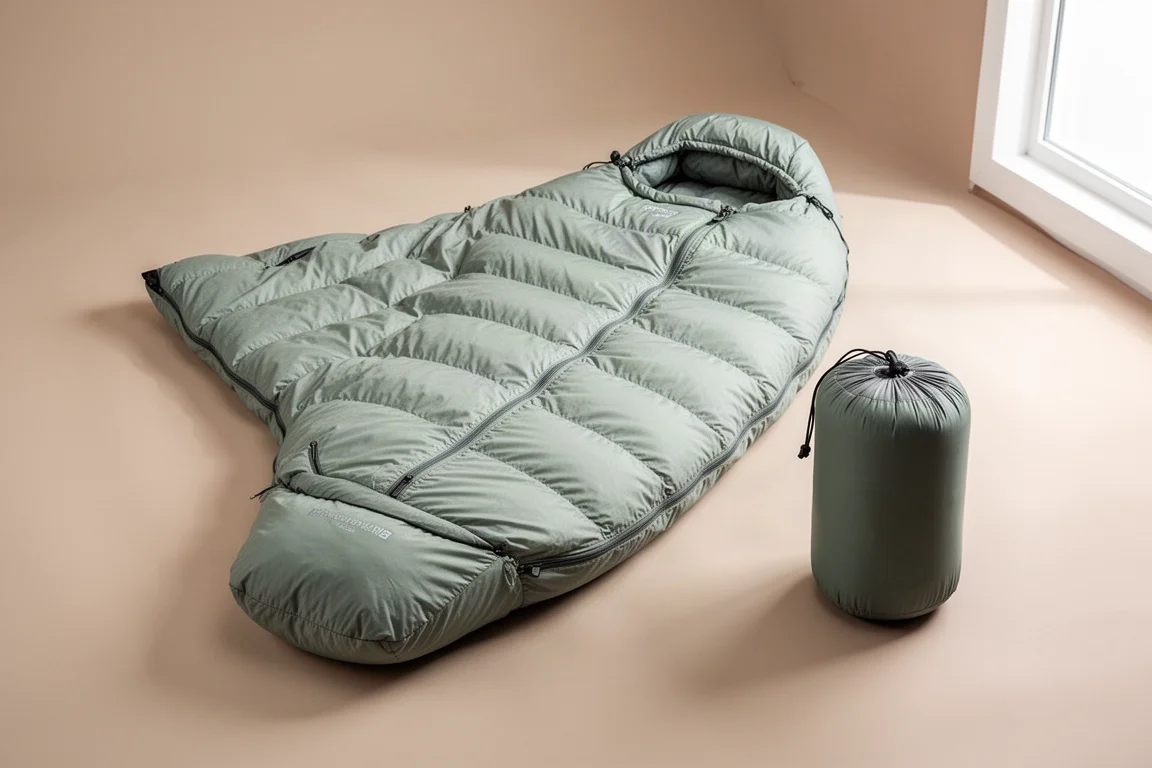
Therm-a-Rest Hyperion 20 Sleeping Bag
For shoulder-season trips, a sleeping bag is often the more comfortable choice. The Hyperion 20 pairs a 20-degree rating with a light build, so it covers the colder end of three-season conditions without adding much weight to the pack.
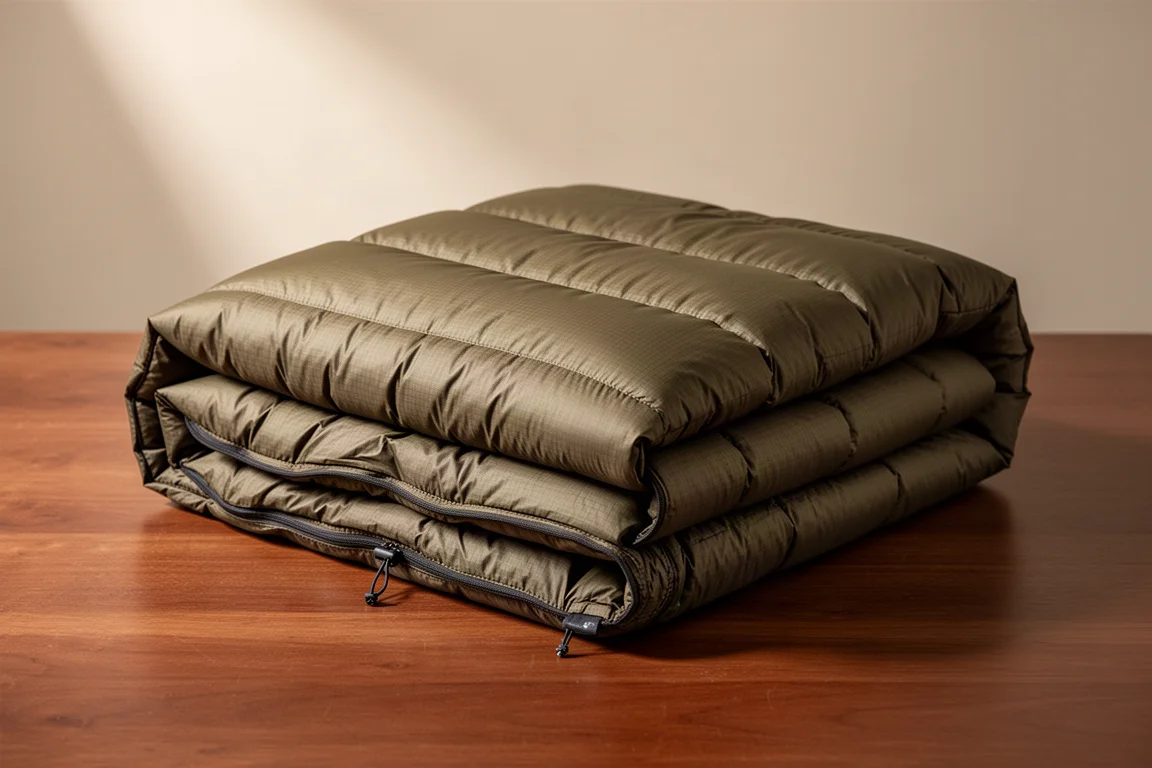
UGQ Bandit 20 Top Quilt
A quilt earns its place because it behaves differently from a bag. It is lighter and less bulky for the same rating, and it vents easily when a night turns out warmer than expected. The Bandit 20 covers the warmer half of the season.
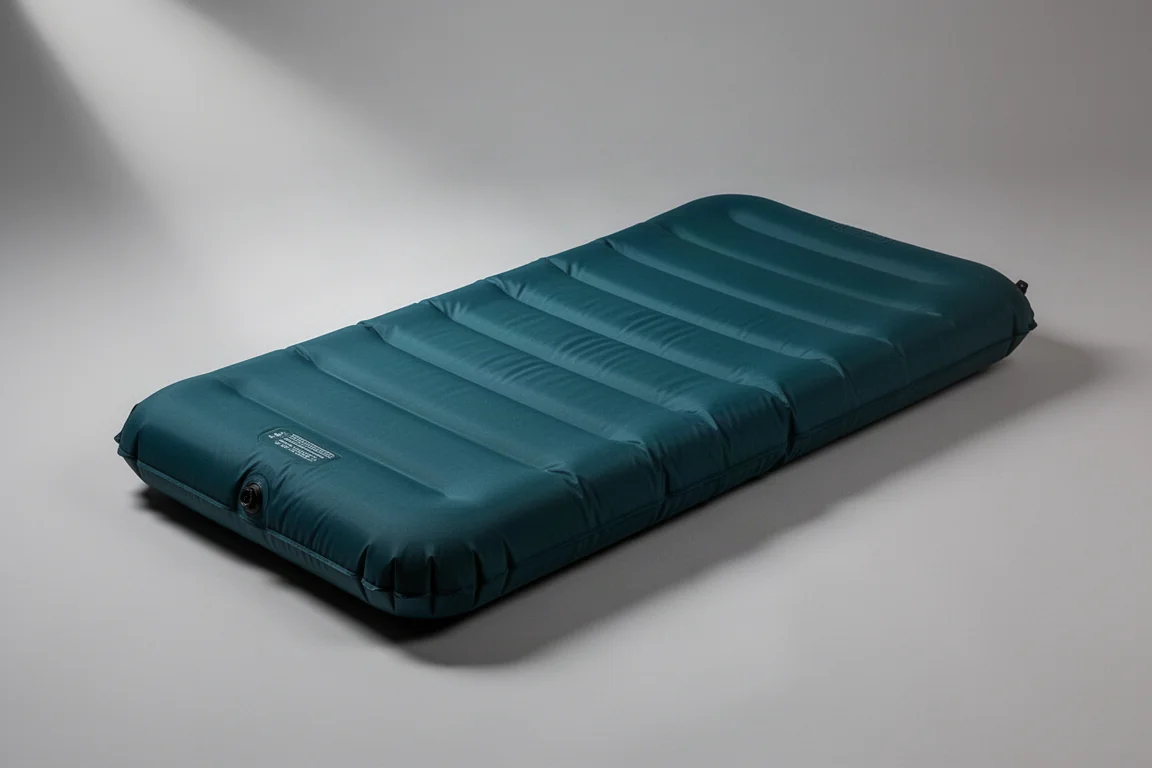
NEMO Tensor Insulated Sleeping Pad
Comfort is where the Tensor Insulated stands out. It is not the lightest pad available, but it is a strong all-round choice for sleeping well night after night, which matters more on a long trip than a marginal weight saving. The regular size suits most sleepers.
Worn Layers and Footwear
Layers and footwear do most of the work of keeping a three-season trip comfortable. The choices here are shaped by abrasive, sandy terrain and by repeated water crossings.
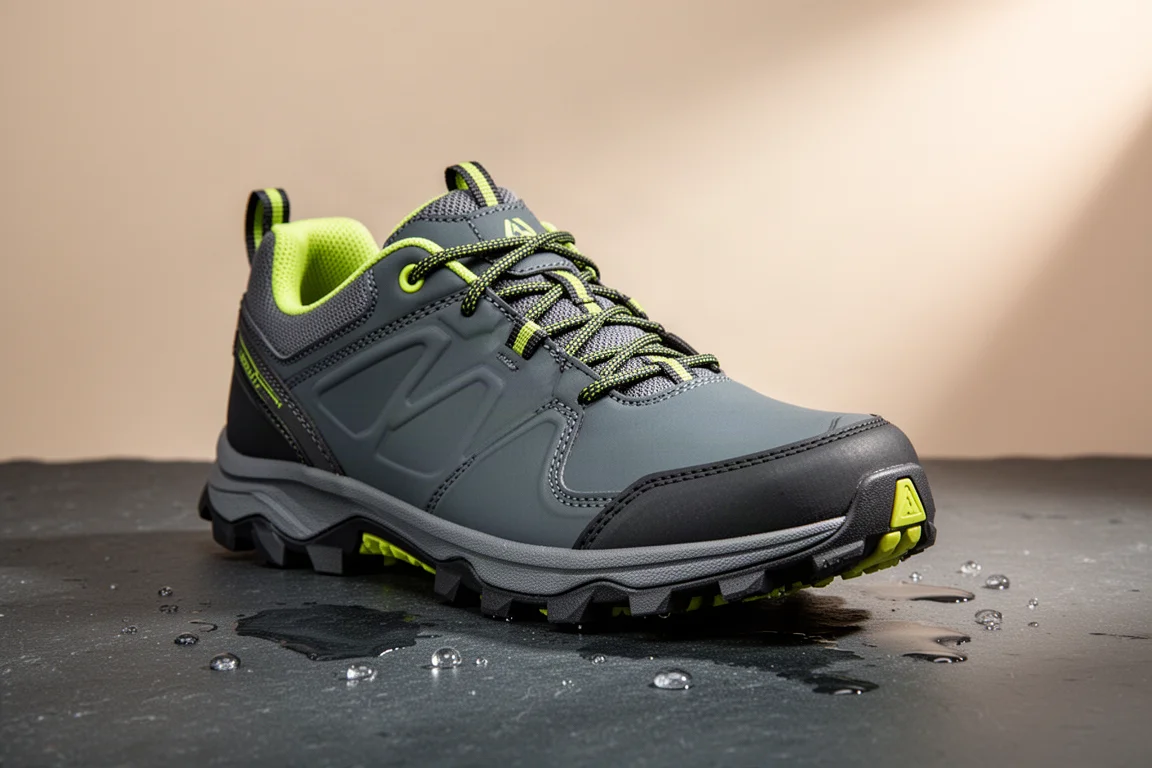
La Sportiva Lycan GTX
A waterproof shoe is the right call in desert and mixed terrain. The Lycan GTX keeps sand, grit, and small rocks out of the shoe and handles water crossings with less soak-through, and it has proven itself over a lot of miles.
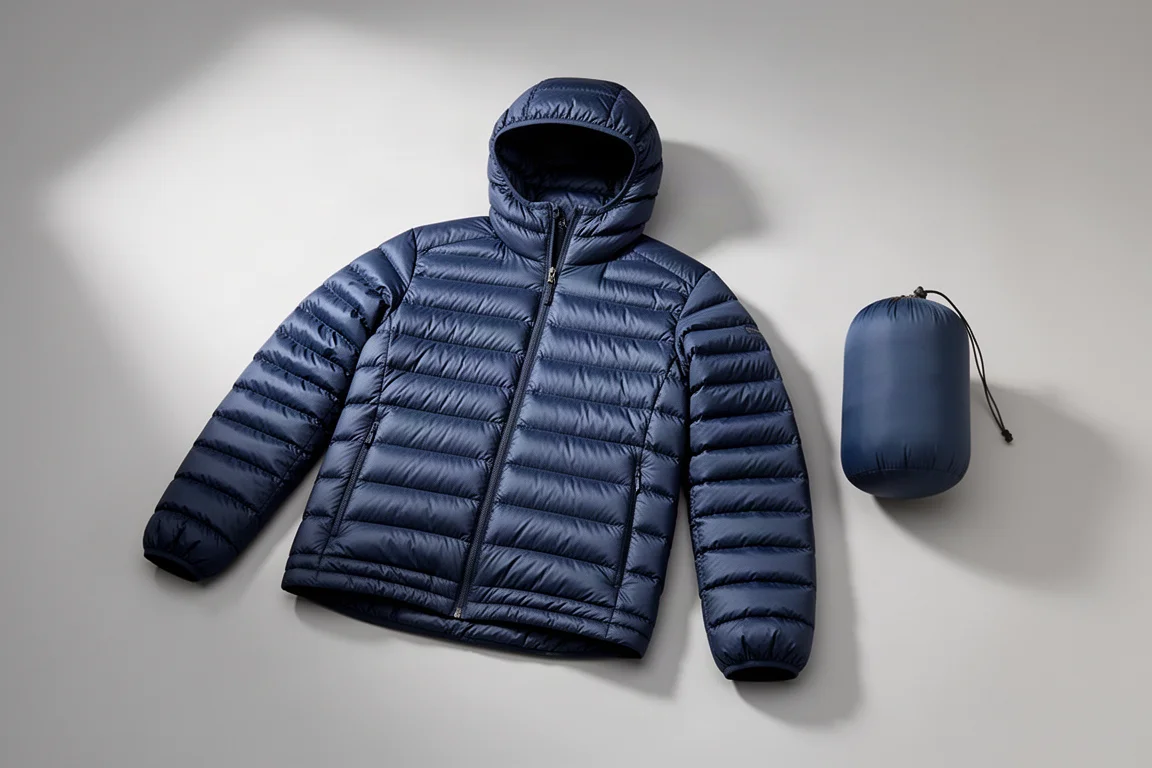
Outdoor Research Helium Down Hoodie
A down hoodie is the workhorse mid layer for three-season trips. The Helium Down Hoodie is light, packs small, and balances warmth against weight well enough to be the first jacket reached for in this role.
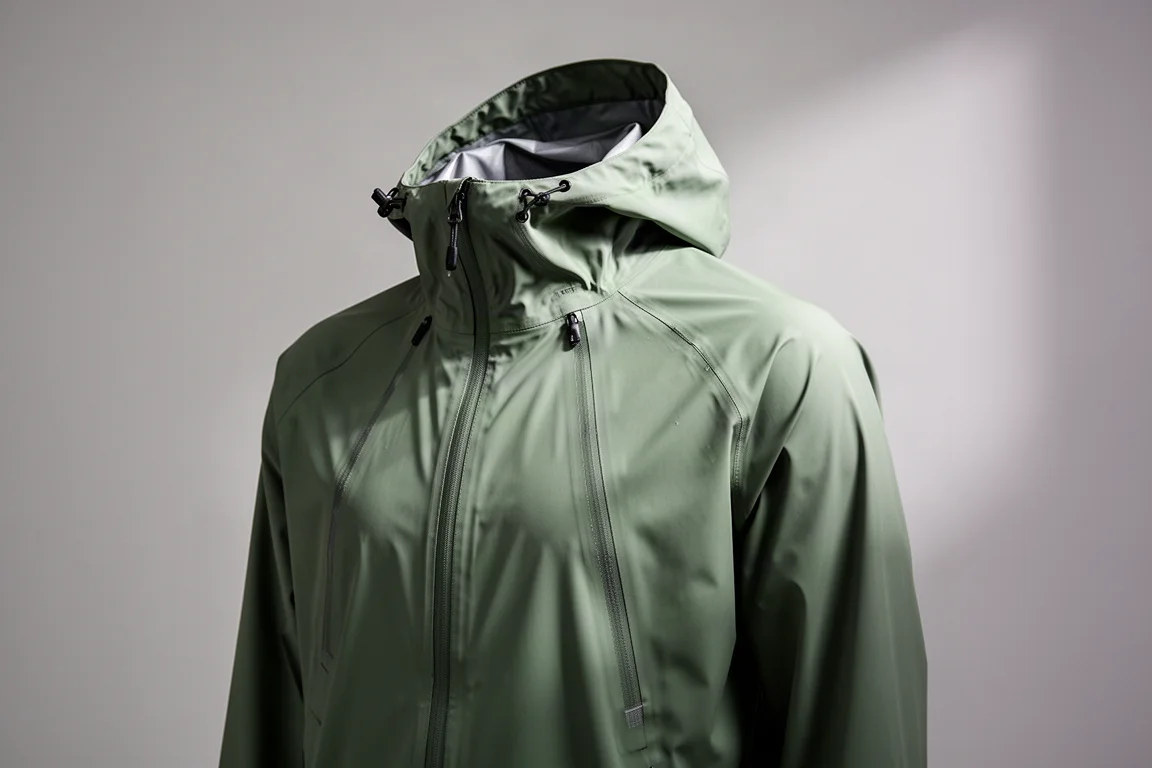
Outdoor Research Helium Rain Jacket
The Helium rain jacket serves as the shell: light enough to carry without hesitation and dependable when weather moves in. Paired with the down hoodie, it covers a wide range of three-season conditions without much added weight.
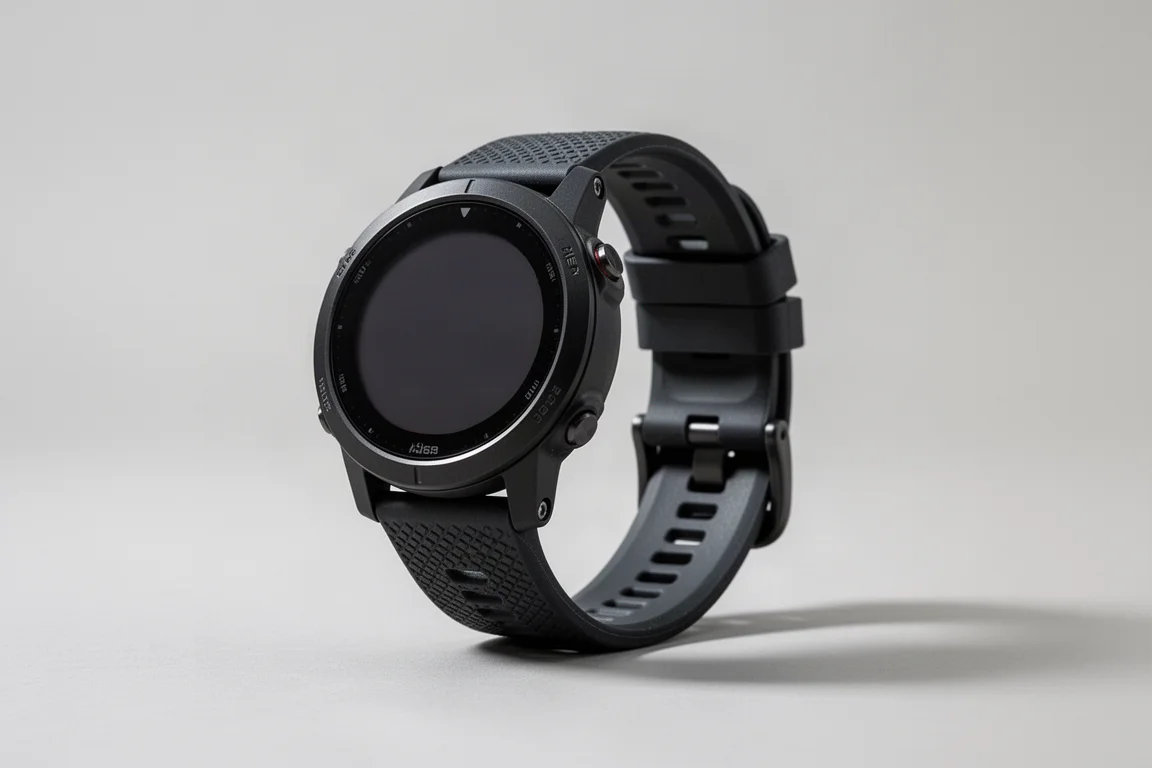
Navigation: Suunto 9 Barometer
A watch that handles GPS, timekeeping, and long battery life is core kit rather than an accessory on multi-day trips. The Suunto 9 Barometer covers those needs and stays on the wrist for the whole outing.
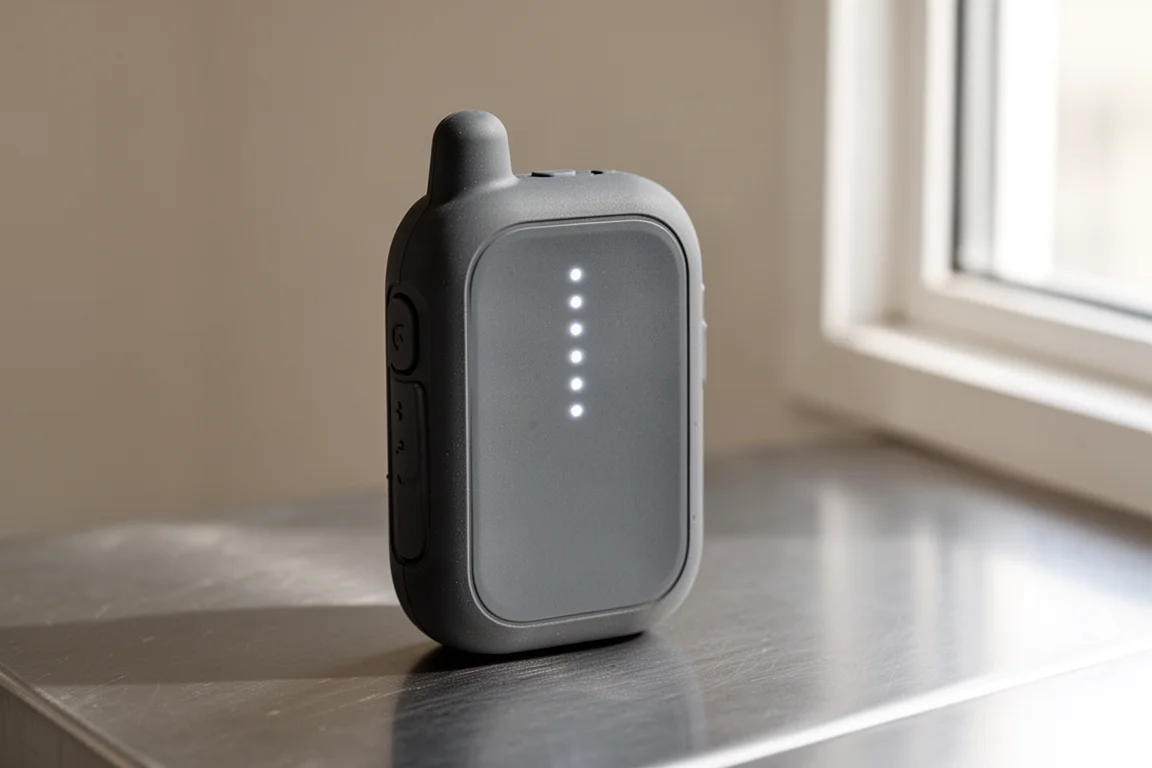
Communication and Safety: ZOLEO
Satellite communication is the item you hope never to use. The ZOLEO provides off-grid messaging in a compact unit, which makes it easy to justify carrying on any trip where phone signal disappears.
The Cook Kit: SOTO Amicus Stove
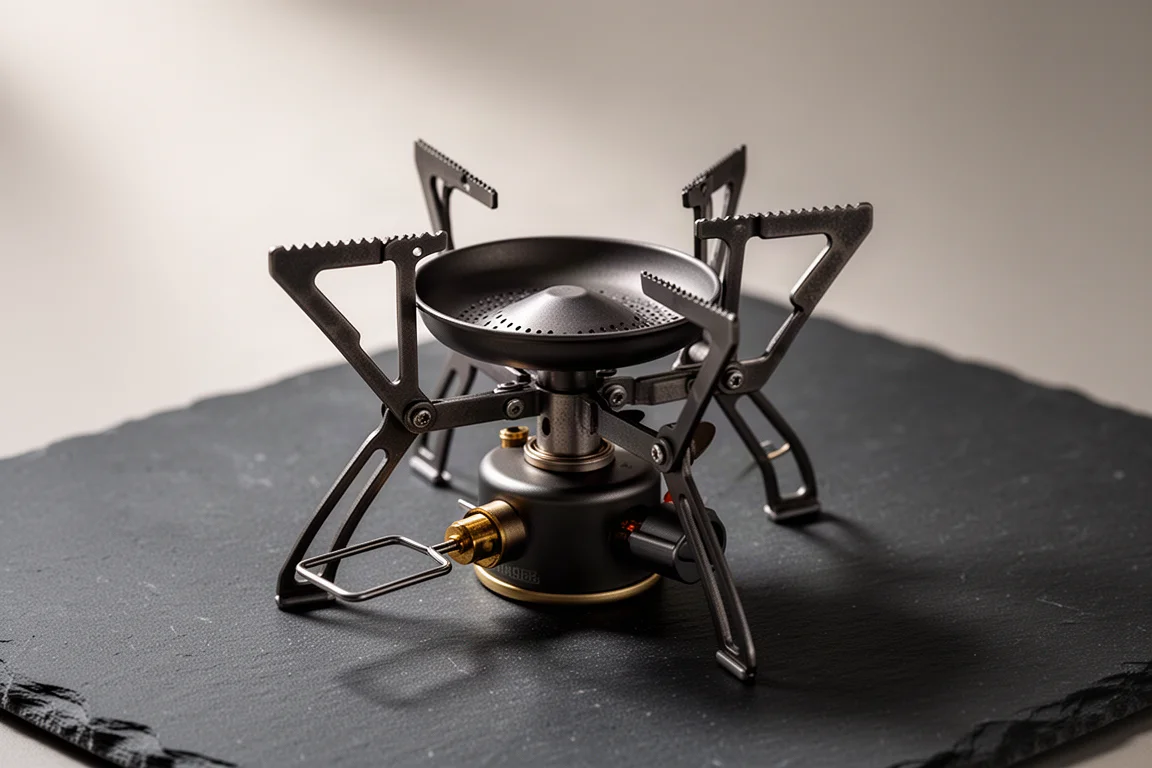
A canister stove wins on simplicity, and the SOTO Amicus has become the first choice for boiling water and simple cooking. It lights quickly, packs down small, and keeps the cooking routine short at the end of a long day.
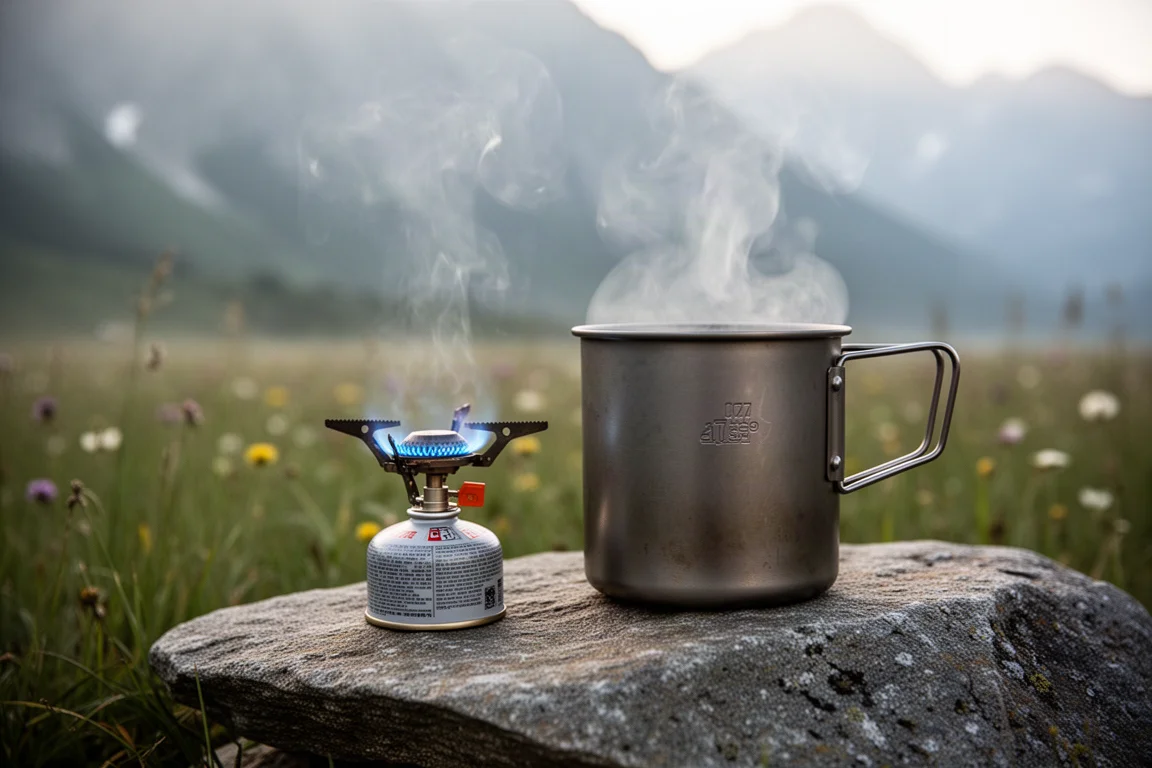
The rest of the kit stays minimal: a 550 ml titanium pot, a long-handled titanium spoon, a small lighter, and a cup. Two lightweight bottles cover drinking water on the move, and everything nests together so the cook kit takes up very little pack space.
Water Treatment: Sawyer Micro Squeeze
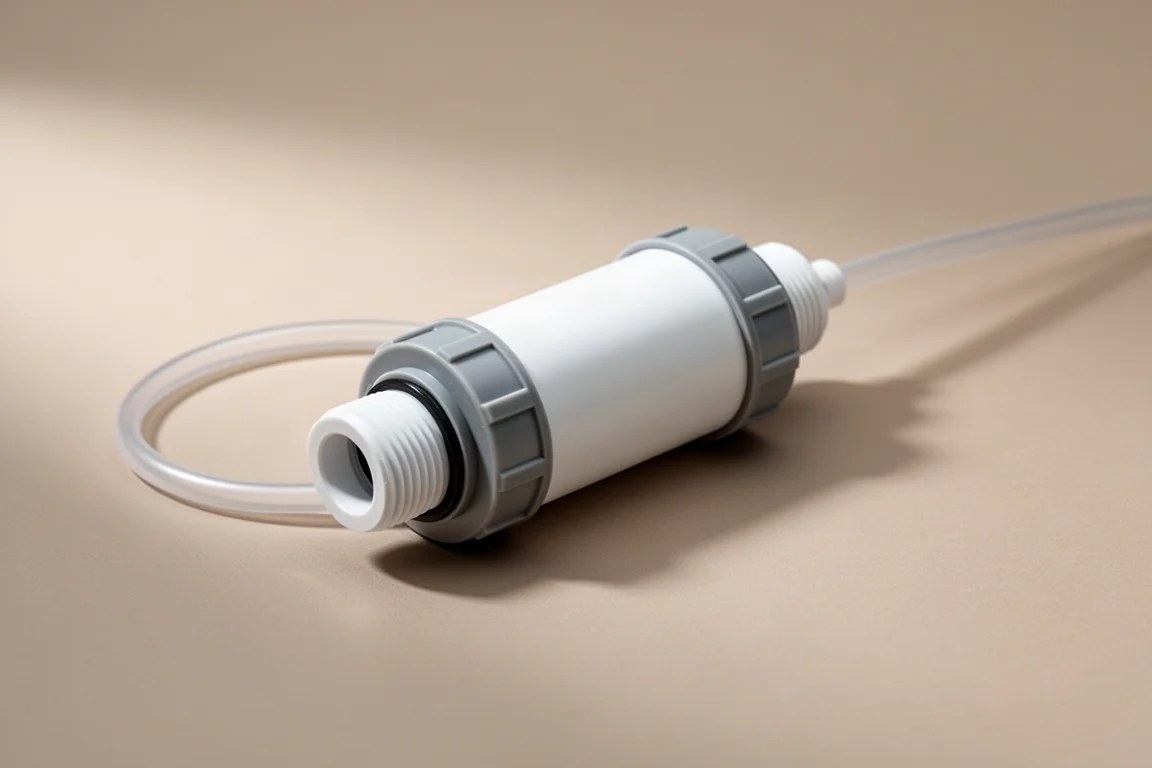
The Sawyer Micro Squeeze is the primary filter, chosen for its light weight and its ability to thread directly onto a two-litre water bag for squeeze or gravity filtering. Backup treatment drops stay in the kit for the rare case where the filter clogs or fails.
Lighting: Petzl Bindi
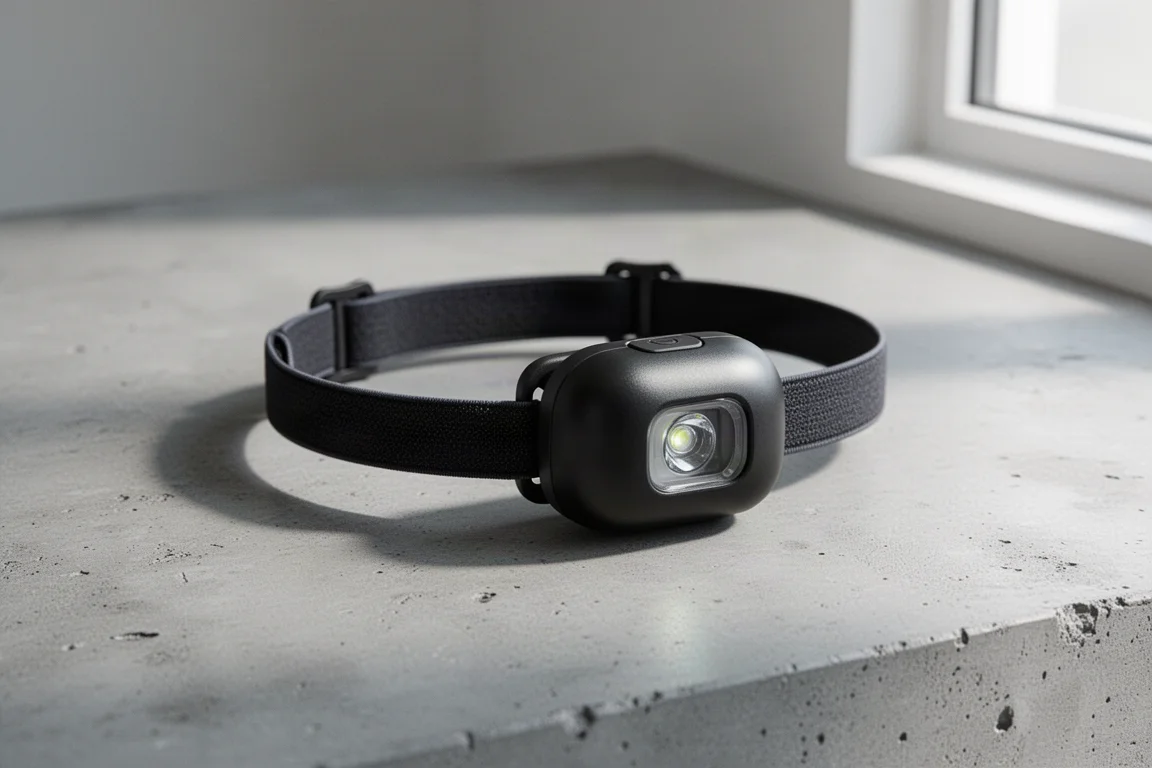
A headlamp has to be light enough that you never think about leaving it behind. The Petzl Bindi delivers usable light from a very small package, which is exactly what a three-season kit needs for camp chores and early starts.
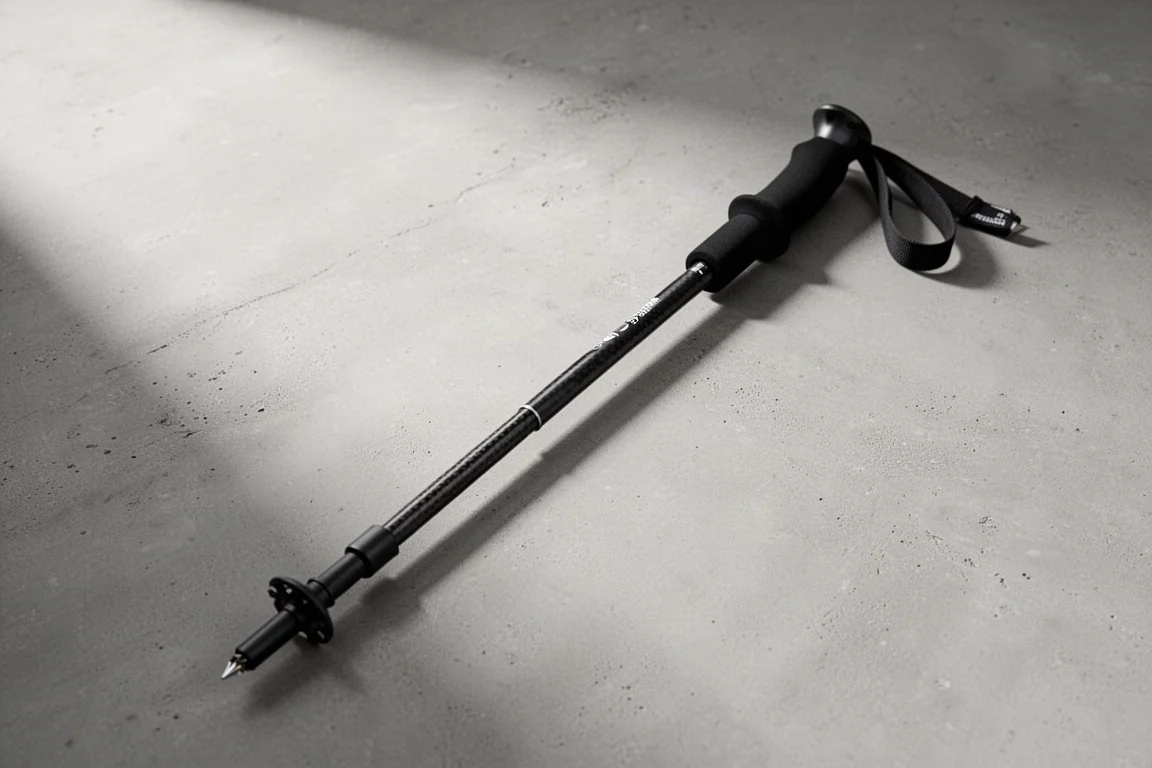
Trekking Pole: Luxe Ultralight Carbon
One pole is enough alongside a freestanding shelter. The Luxe Ultralight Carbon is a simple, light pole with an EVA foam grip that is comfortable to hold and easy to push down on, which suits a walking style that leans on the pole for balance on descents and water crossings.
Supporting Items That Round Out the Kit
A handful of small items complete the loadout: a lightweight food bag with a rock sack, cord, and carabiner for hanging; insect repellent for summer trips; a small first aid kit; a 10,000 mAh battery bank and a charging cable; a lightweight folding knife; a trowel and wet wipes; a pack liner for wet weather; a microfiber towel for condensation and pot cleaning; a lightweight camp chair; and basic base layers, socks, and a down beanie for cold mornings. None of these are glamorous, but each one removes a small annoyance from the trip.
Overall Buying Advice
If you are building a three-season kit from scratch, start with the shelter and the sleep system, because those two decisions shape how much pack volume you need. A freestanding tent and an insulated pad cover the widest range of terrain and temperatures, and the pack can then be chosen to fit whatever is left over.
From there, the small items are what make a kit pleasant rather than merely functional: a stove that lights first time, a filter that threads onto a water bag, a headlamp you forget you are carrying. Buy those once, keep them in the pack, and the system stops needing to be rebuilt before every trip.
Conclusion
A single three-season loadout is never really final, because conditions, terrain, and personal priorities keep shifting. The value of a list like this one is not that these are the only items that work, but that each choice solves a specific problem: a freestanding shelter for hard ground, two insulation options for a wide temperature band, and a set of small tools that make the routine parts of a trip effortless. Start with the pieces that shape your pack volume, add the small items as budget allows, and the rest of the kit tends to sort itself out.
Further reading
Related Reviews

Backpacking Gear
Building a 10 lb Base Weight: An Ultralight Backpacking Gear List
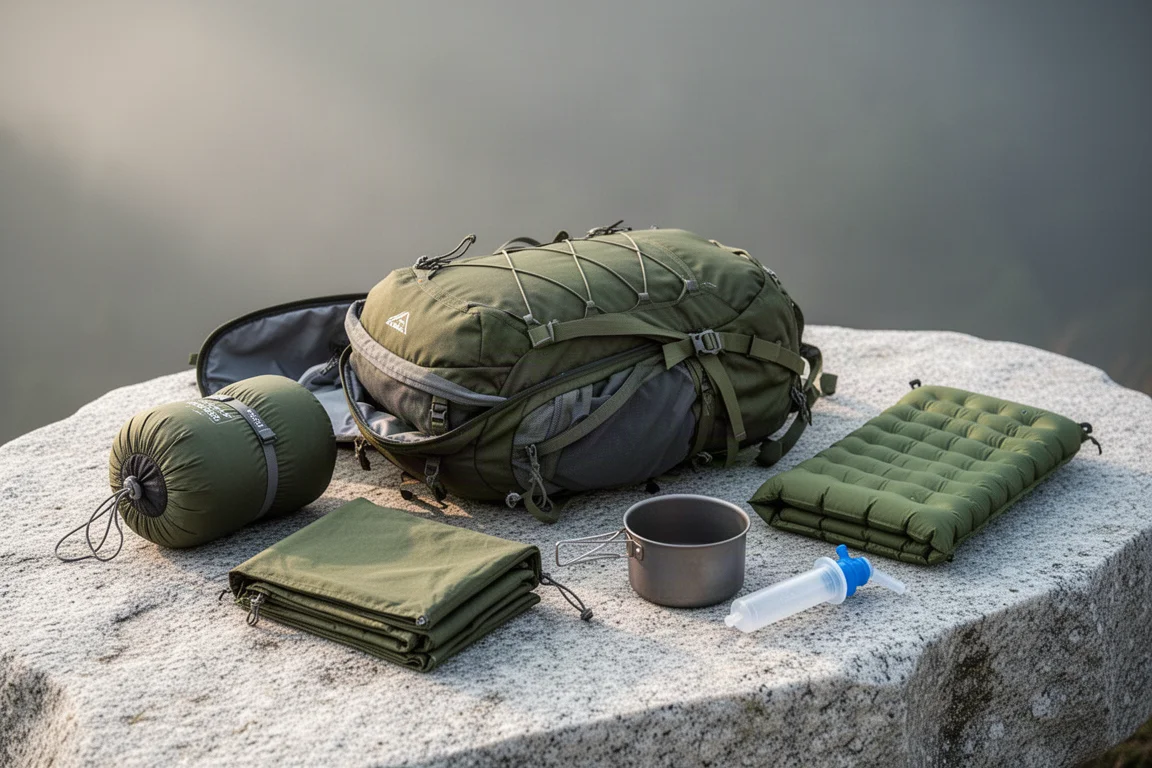
A practical walkthrough of the ultralight pieces behind a 10 lb base weight, from a 765 g pack and a roomy one-person tent to a full camp chair and a dependable water filter.
Backpacking Gear
A 15-Pound Lightweight Backpacking Gear List for Solo Trips
A beginner-friendly 15-pound backpacking setup built from easy-to-find gear, with notes on what each piece does, how it packs, and where to spend your attention.
Backpacking Gear
8 Ultralight Backpacking Gear Upgrades Worth Carrying
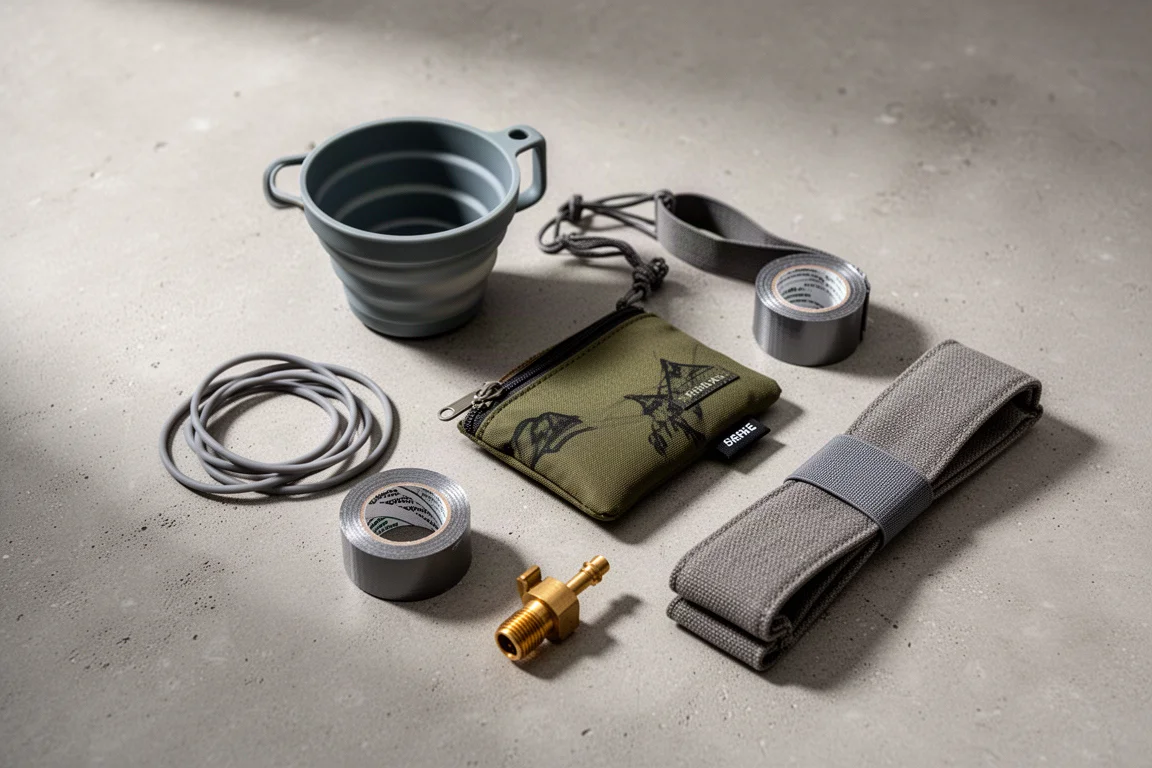
Eight small, affordable backpacking upgrades that solve real trail annoyances, from a pillow that stays put to a fuel valve that rescues leftover canister gas.