Home Theater
A Complete Home Theater System Build for Under $4,000
A full home theater build for under $4,000, from the receiver and speakers to the subwoofers, amplifier, and streaming source.
Introduction
Assembling a full home theater system from scratch is easier to justify now than it has been in years. More films arrive at home close to their theatrical release, which means the money you put into a room pays off within a single season of movie nights. The complication is that supply chain pressure and rising prices have made it harder to find components that fit a sensible budget.
This build is designed for someone starting out. It covers every piece you need, from the receiver that ties everything together to the speakers, subwoofers, and source, and the whole system lands under $4,000. Each component also stands on its own, so you can buy one part now and add the rest later.
How This System Comes Together
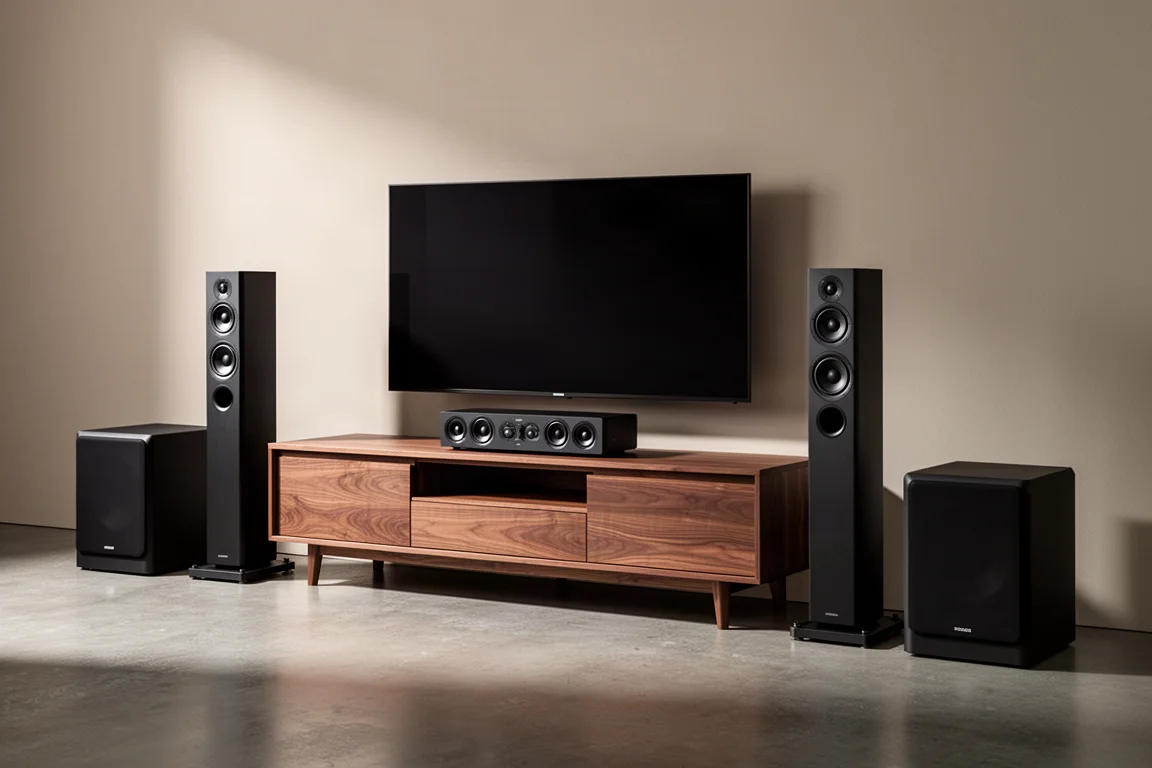
The receiver is the centerpiece, chosen because it has enough channels to grow into an immersive setup over time. Around it, the system uses tower speakers and a matching center channel up front, bookshelf speakers for the surround positions, one or two subwoofers, and a streaming box as the everyday source.
Budget two subwoofers if you can. A pair delivers more output at the lowest frequencies, and it spreads bass more evenly across the room, so more seats avoid the deep nulls that a single subwoofer tends to create. That consistency also makes room correction work better, because the corrections apply across the whole listening area instead of one chair.
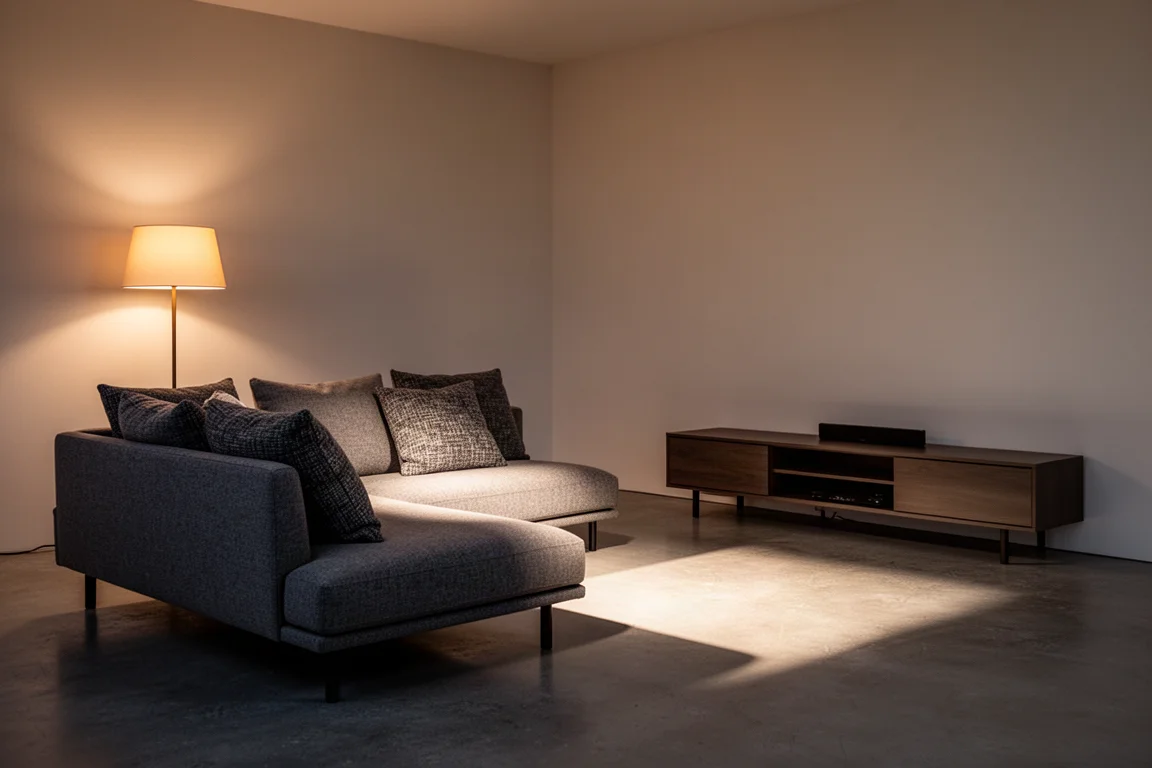
A turntable is optional but easy to justify. Vinyl has become a real part of how many people listen again, and a well chosen entry deck is one of the more enjoyable ways to spend a few hundred dollars in a system like this.
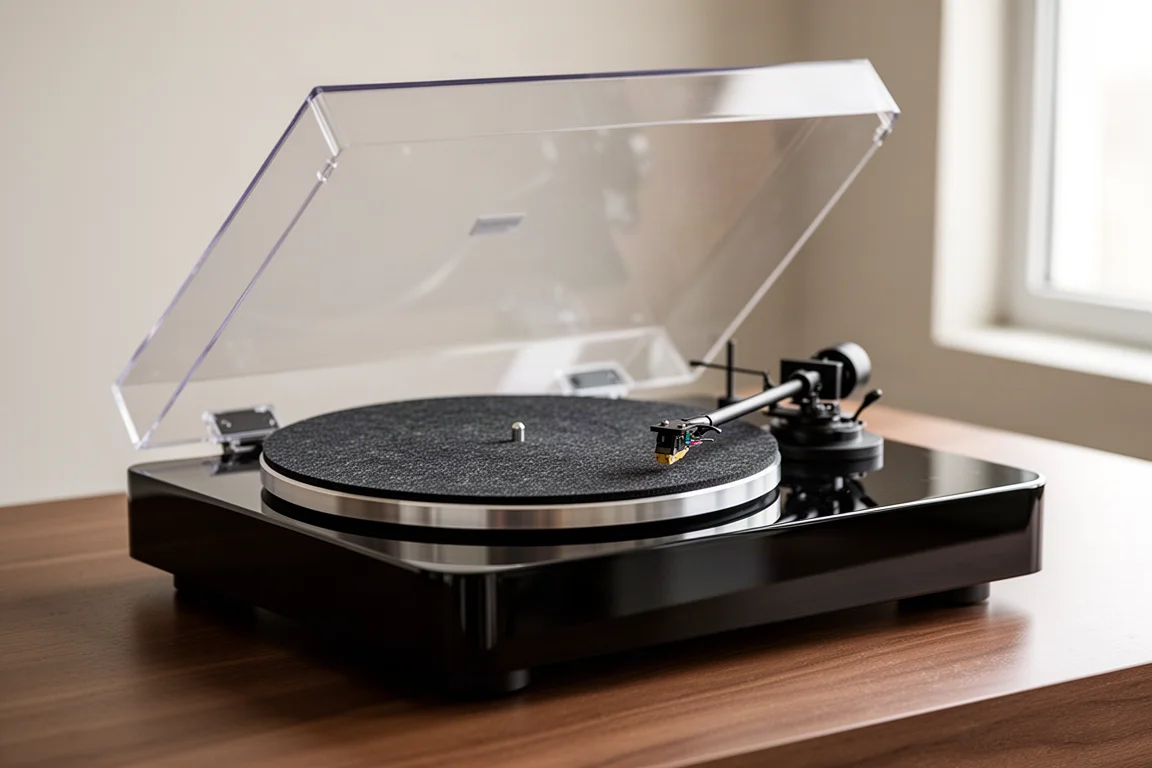
Turntable: Fluance RT85
If anyone in the household wants to get into vinyl, the Fluance RT85 is an easy recommendation. It sells for around $500, and it has held that price while much of the category moved upward, which makes it a strong value at a time when entry turntables have quietly become more expensive.
The RT85 suits a first serious setup. It gets the fundamentals right, so a beginner will not immediately outgrow it, and it fits naturally alongside a receiver and a pair of speakers. It is also one of the few components here that feels personal rather than purely functional, which makes it an easy gift.
AV Receiver: Denon AVR-X3700H
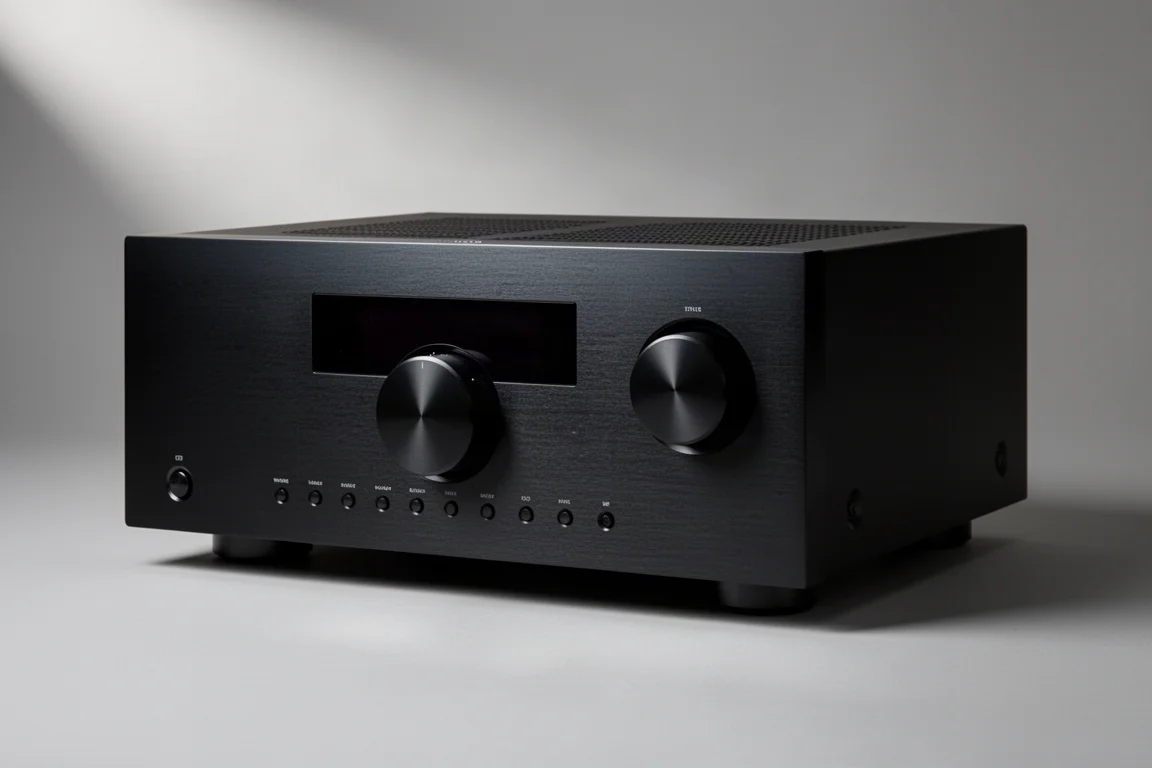
A surround receiver is what makes the rest of the system work, and the Denon AVR-X3700H is a strong choice because it leaves room to grow. It has nine channels of amplification built in and can process up to eleven channels, so you can start with a 5.2.4 layout and move to 7.2.4 later by adding an external amplifier for the front pair.
Its measured behavior is what makes it easy to recommend. It performs well on power, distortion, noise, and bass management, and the preamp outputs are clean enough that adding a separate amplifier later counts as a real upgrade rather than a workaround.
The one thing to plan around is price. The receiver now sits around $1,500, up from roughly $1,200 previously, so it is worth watching for a sale if you are not in a hurry.
More Power: Monolith Two-Channel Amplifier
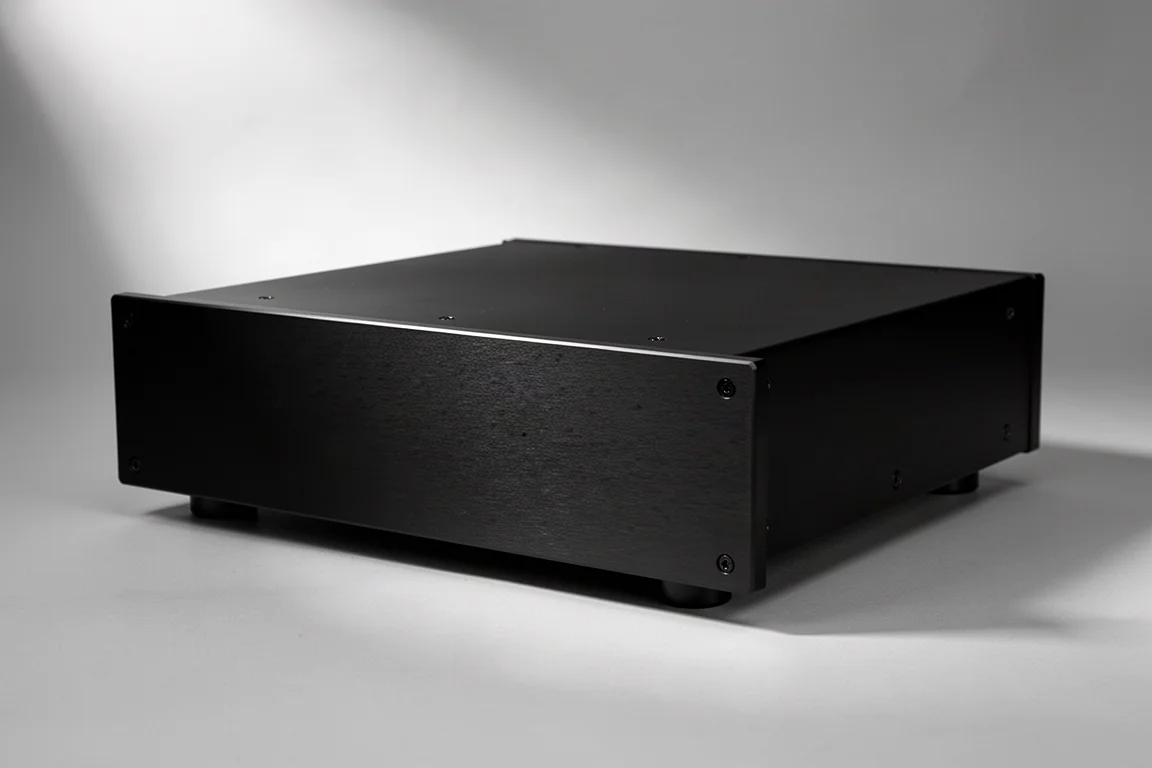
Adding a two-channel amplifier is the cleanest way to unlock the receiver’s full channel count. A unit like the Monolith two-channel amplifier, priced around $1,000 to $1,100, takes over the front left and right speakers, which frees all nine of the receiver’s internal amplifiers for the remaining channels. That is how a nine channel system becomes an eleven channel one.
This is a step you can take later rather than on day one. If the system is a gift, the receiver alone delivers a complete working surround setup, and the amplifier becomes a natural upgrade once the room is ready for more channels.
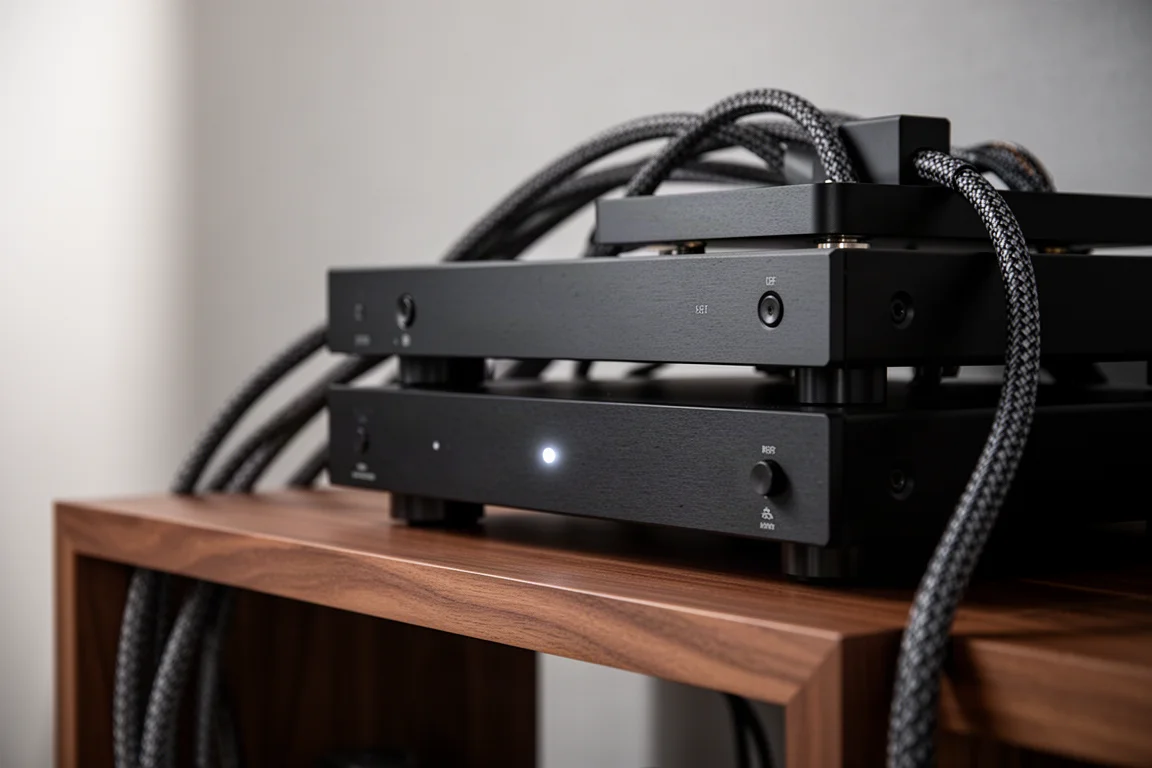
For most rooms the practical benefit is headroom. The front speakers carry the most demanding content, and a dedicated amplifier gives them their own power supply instead of sharing one. It also keeps the upgrade simple, because nothing in the original system has to be replaced.
Subwoofers for Small Rooms: SVS SB-1000
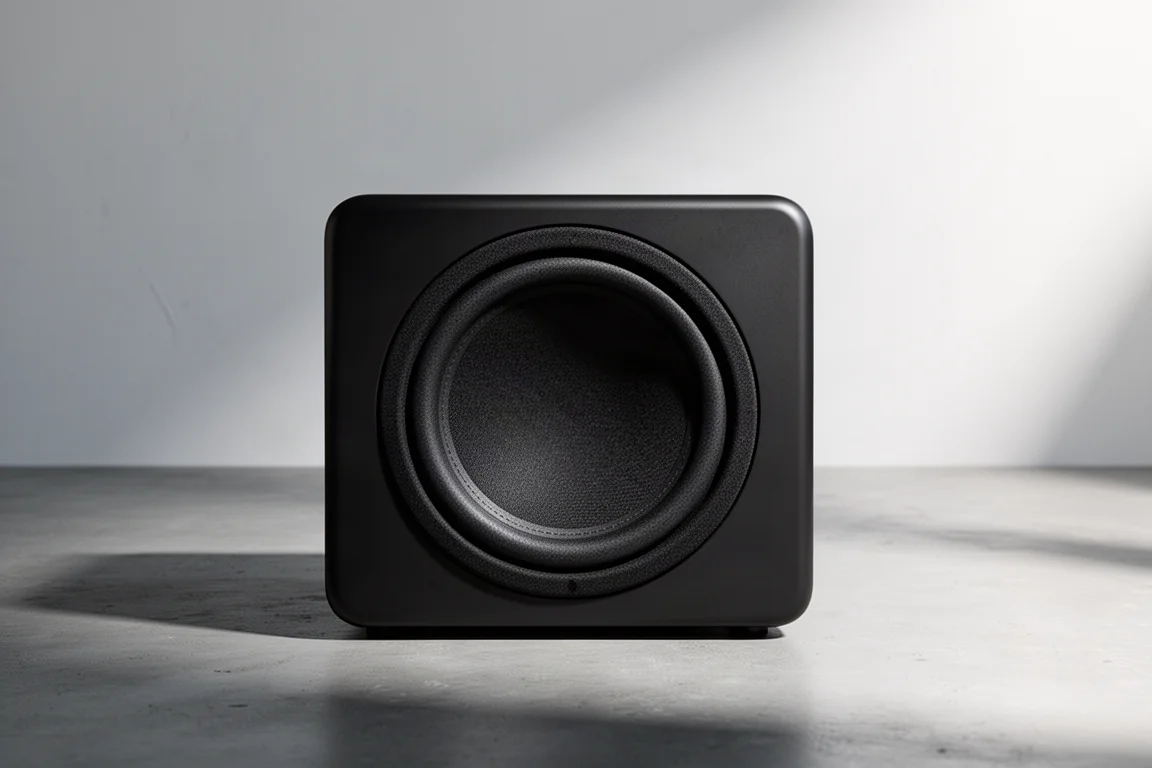
SVS subwoofers are worth watching around the holiday sales, when the brand typically discounts outgoing models and excess inventory. The SB-1000 is the compact option and the right pick when floor space is tight. It has been available for around $449 shipped during those promotions, which is a strong price for a subwoofer from a brand with a long track record.
Sealed cabinets like this one trade some raw output for a smaller footprint and a tighter response, which suits dens, apartments, and rooms where the subwoofer has to sit close to a wall or a seat. If the room is on the smaller side, this is where the subwoofer budget should go first.
Subwoofers for Larger Rooms: SVS PB-2000
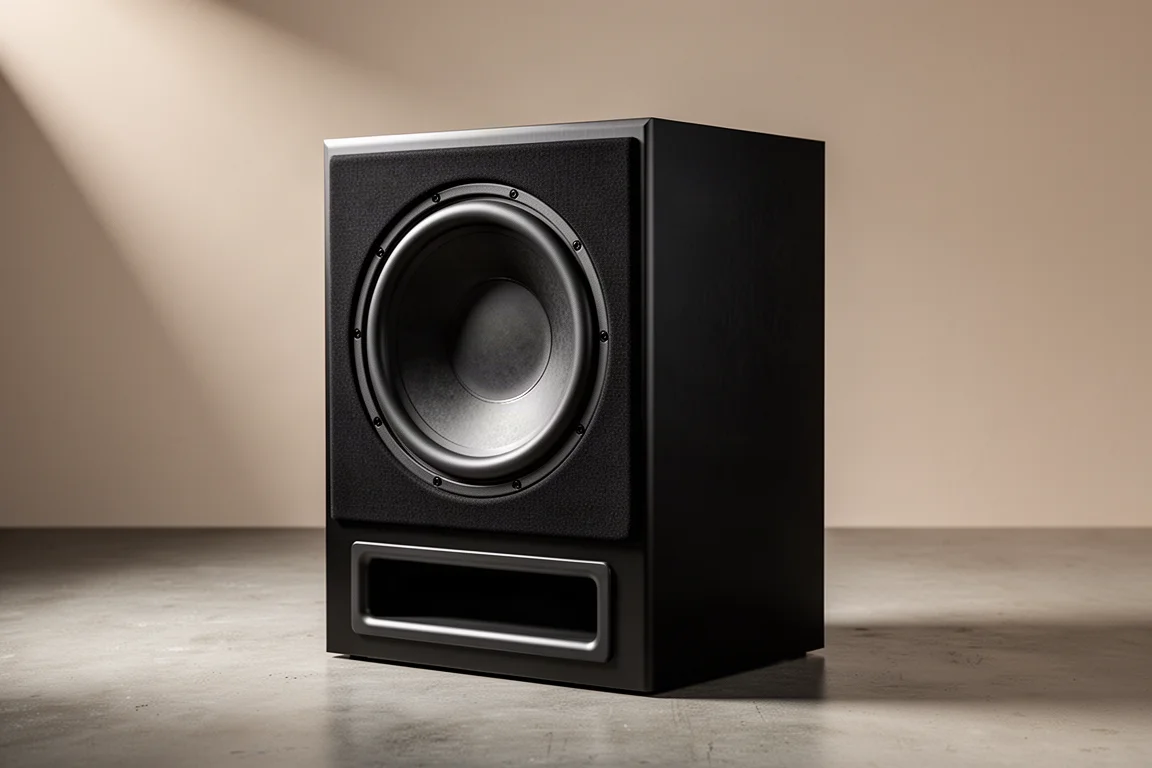
In a larger room, the ported PB-2000 is the better match. It has been available around $699 during the same promotions, and the ported cabinet gives it more output in the lowest octaves, which is exactly what a bigger space demands. SVS offers both sealed and ported designs in two sizes, so the decision usually comes down to room volume rather than to quality.
Whichever you choose, buy two if the budget allows. A pair adds low frequency output at the very bottom and smooths the peaks and dips across seating positions, so everyone in the room hears similar bass. That is the difference between bass that sounds right in one chair and bass that works for the whole family.
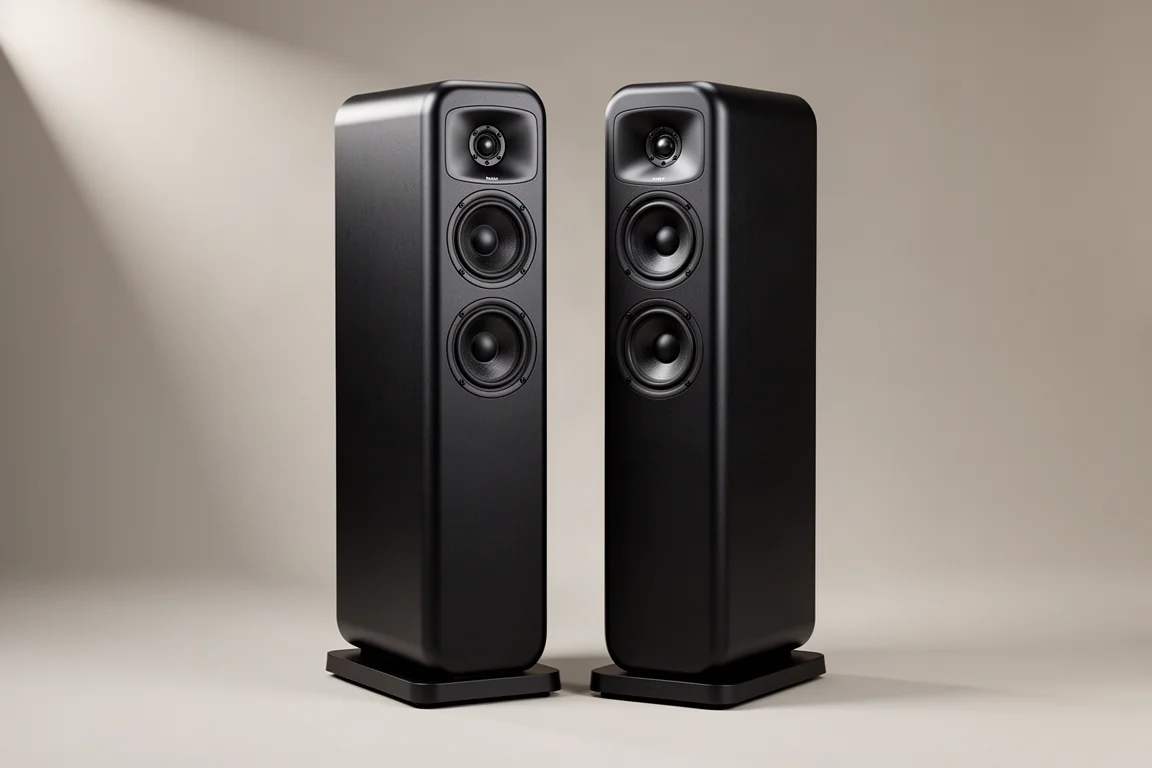
Tower Speakers: Monoprice Encore T6
The Monoprice Encore series is the newest part of this build, and it is the most interesting. The tweeter sits behind a large waveguide, which keeps its off axis response controlled and closely matched to the midrange driver. The practical result is better integration between the drivers, cleaner early reflections at the listening position, and sound that behaves predictably in a real room rather than only on axis.
The T6 towers cost $399 each, or about $800 for a pair, which is a lot of speaker for the money. Monoprice has a history of high value designs, and the Encore line keeps that value while looking considerably better than the brand’s earlier efforts, with a more conventional and furniture friendly appearance.
Center Channel: Monoprice Encore Center
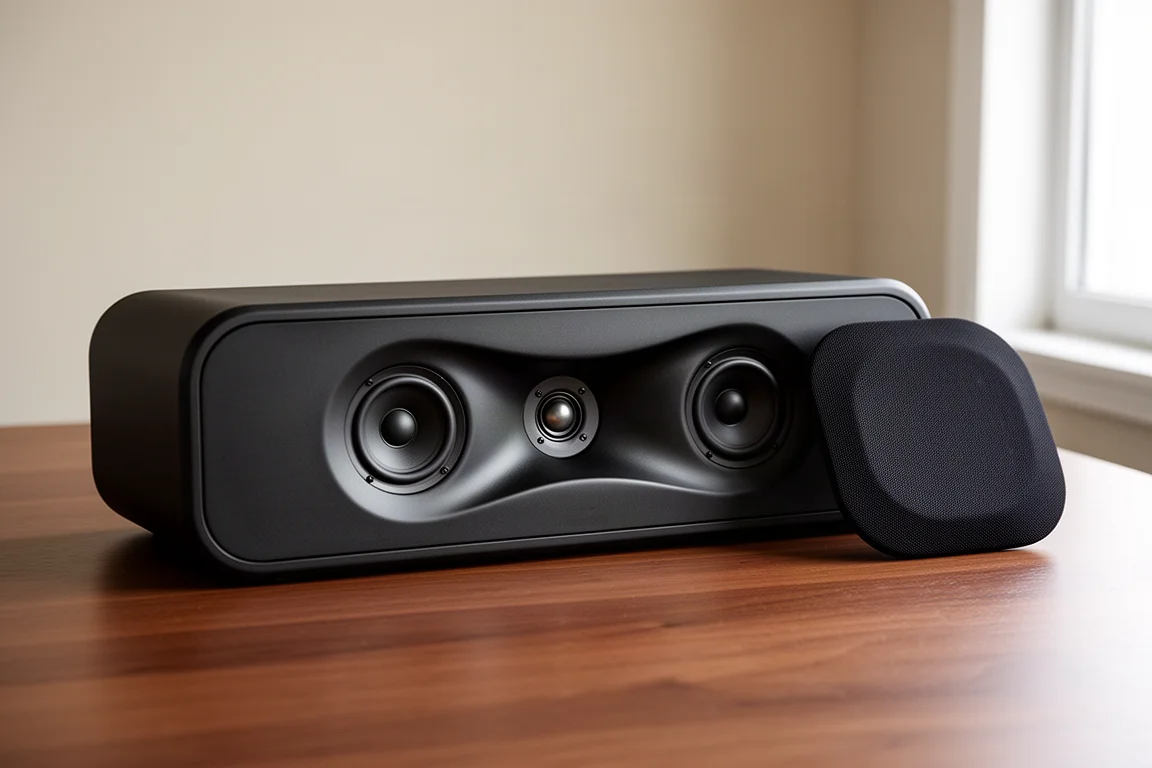
The center channel is the hardest working speaker in a home theater, and the matching Encore center is the right way to keep the front stage consistent. Because it shares the waveguide design and the voicing of the towers, dialogue stays anchored to the screen and the handoff across the front three speakers stays smooth.
At $249, it is the least expensive way to make a clear improvement to how the system handles movie dialogue. For someone who watches a lot of films, this is the piece they will notice most in everyday use.
A matching center also means the receiver is not being asked to compensate for a mismatched speaker, which keeps room correction simpler and more effective across the front stage.
Surround Speakers: Monoprice Encore Bookshelf
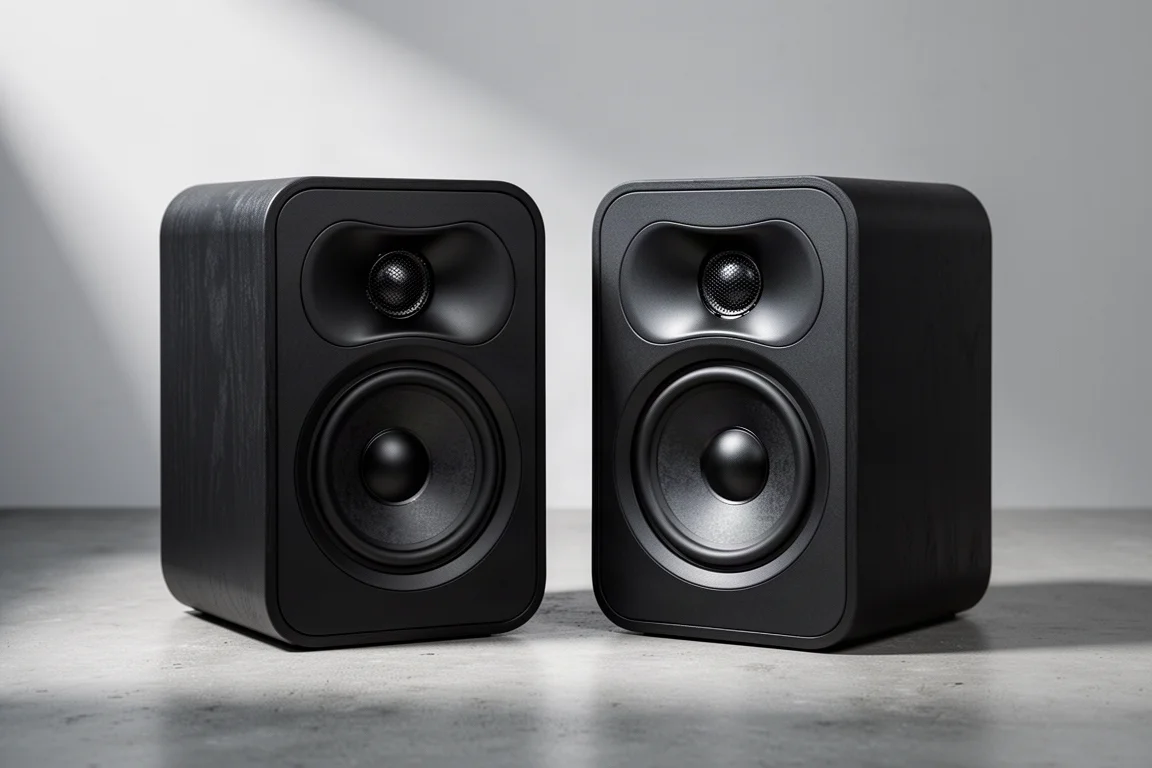
The bookshelf version of the Encore fills the surround channels at $179 each. Surround speakers do less heavy lifting than the front three, but they still need to match the tonal character of the rest of the system, and staying inside the same line is the simplest way to guarantee that.
A five channel system built from the Encore range comes in under $1,500, which is remarkable given what this level of performance used to cost. Ten years ago, a speaker package like this was simply not available at this price, and it is a large part of why the full build can stay under $4,000 without obvious compromises.
Streaming Source: Apple TV
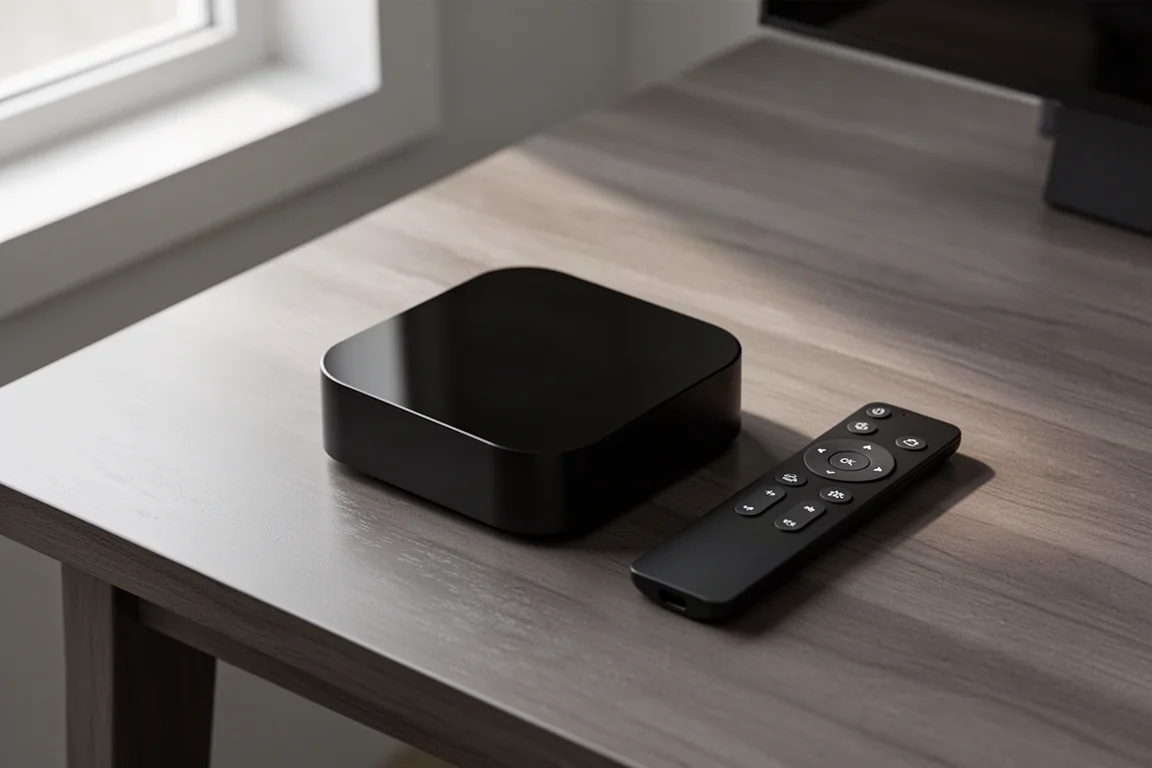
Most viewing is streaming now, and standalone Blu-ray players are increasingly hard to find, so a streaming box is the practical source for this system. The Apple TV is a solid choice, and a Roku box is a strong, more affordable alternative. Either one gives you a responsive interface and dependable streaming performance, which is really all the source needs to do.
This is also the least expensive part of the build and the easiest to change later. If the household already owns a streaming device, that money is better spent on the subwoofer budget.
Overall Buying Advice
If you are building this as a gift, the order that makes the most sense is receiver first, then the front three speakers, then a subwoofer. That combination gets a complete, satisfying surround system running. A second subwoofer, the external amplifier, the turntable, and the streaming box are all upgrades you can add over time without replacing anything.
If immersive height channels are part of the plan, use in-ceiling speakers rather than upward firing modules. In-ceiling speakers placed as top channels work better with the Atmos format than front and rear height positions. Two speakers is enough to start, and four is worthwhile if the room has two rows of seating.
Prices across this category have moved upward, and holiday promotions are the most reliable way to bring the total down. If a specific component is out of stock, it is worth waiting rather than substituting something that does not match the rest of the system.
Conclusion
This build works because every piece has a clear job. The Denon receiver provides the channels and the upgrade path, the Monoprice Encore speakers handle the front stage and the surrounds, SVS subwoofers supply the low end, and the Fluance RT85 covers vinyl for anyone who wants it. Put together, it is a complete home theater for under $4,000, and it leaves room to grow into an eleven channel system later.
Further reading
Related Reviews
Home Theater
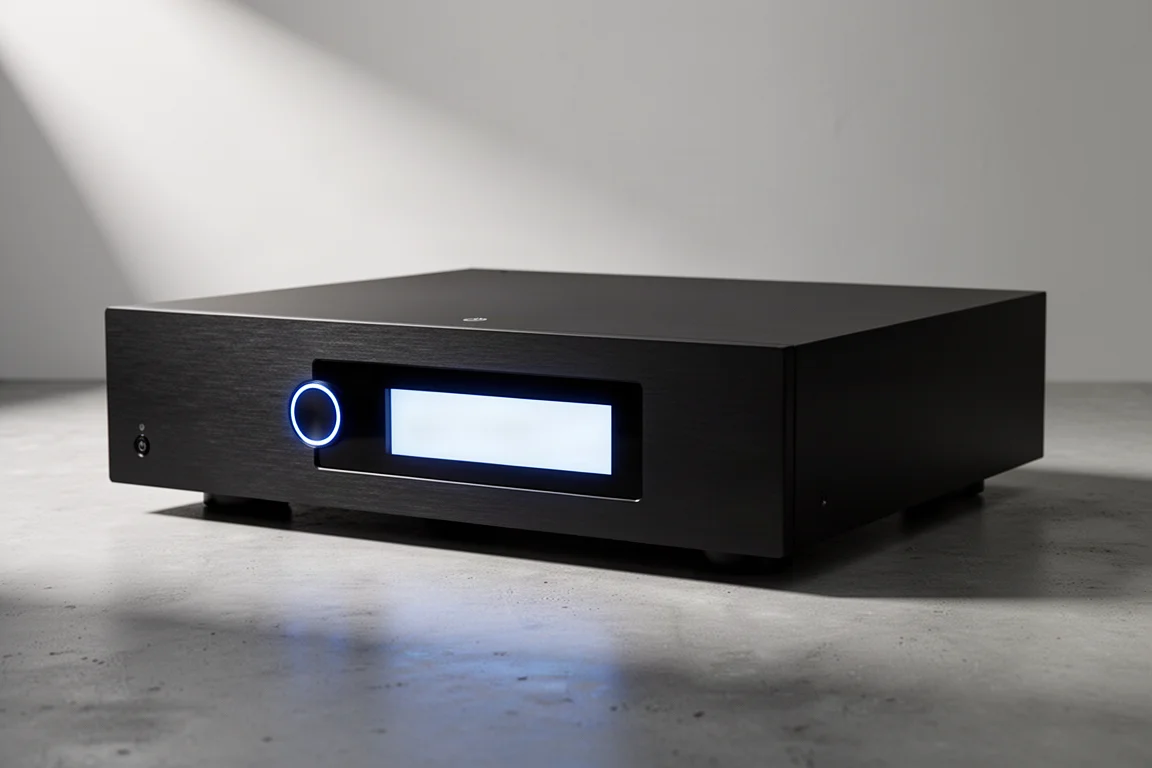
Anthem AVM 90 Review: A 15.4-Channel Flagship Preamp Processor
A close look at Anthem's flagship preamp processor, covering its dual ESS DAC architecture, 15.4-channel layout, ARC Genesis calibration and four independent subwoofer outputs.
Home Theater
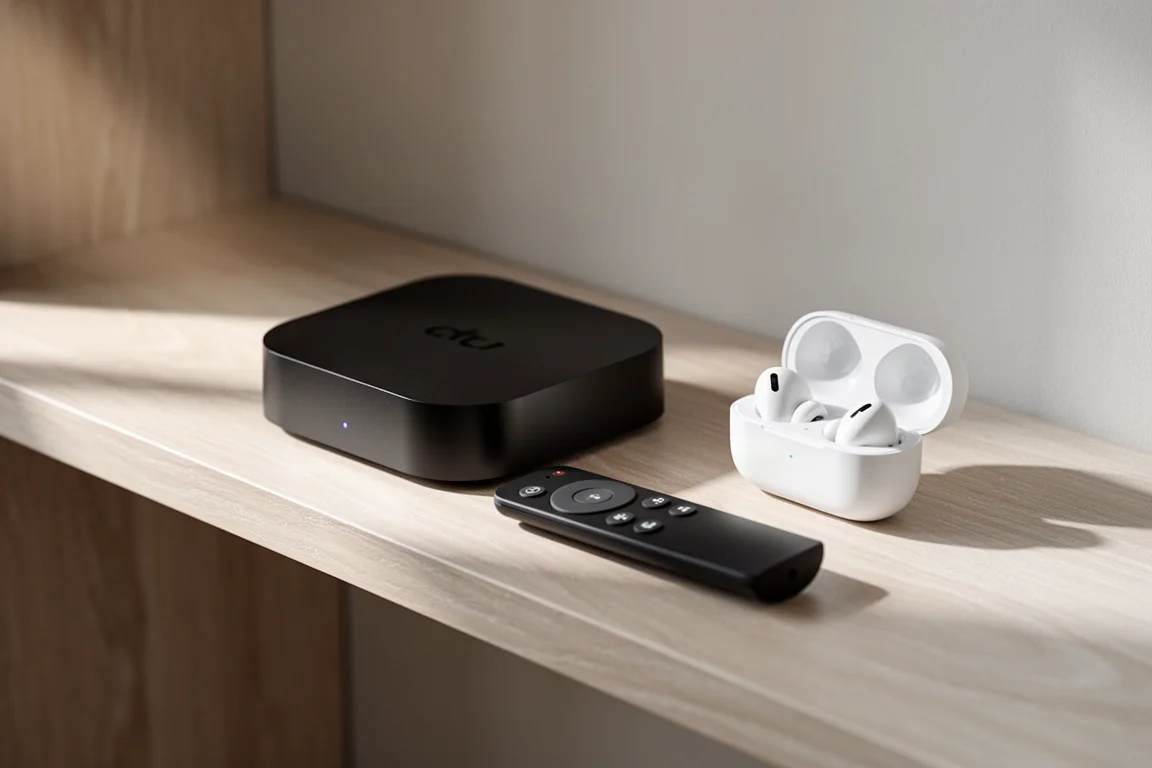
Apple TV 4K With AirPods: A Best-Value Home Theater Setup
An Apple TV 4K paired with AirPods over Bluetooth makes a compact home theater setup for movies, spatial music and late-night viewing, and it can be assembled for as little as $300.
Home Theater
Arcam AVR15, AVR25, AVR35, and AVP45 Compared: Which AV Amplifier Fits Your System?
Four new Arcam home theater components share nine-channel amplification and Dirac Live, but differ in power, processing ceiling, and channel flexibility.