Subwoofers
Compact Subwoofer Comparison: SVS 3000 Micro Revolution, WiiM Sub Pro, and KEF KC62
A data-led comparison of four compact subwoofers, covering output, extension, latency, and where each cabinet makes the most sense.
Introduction
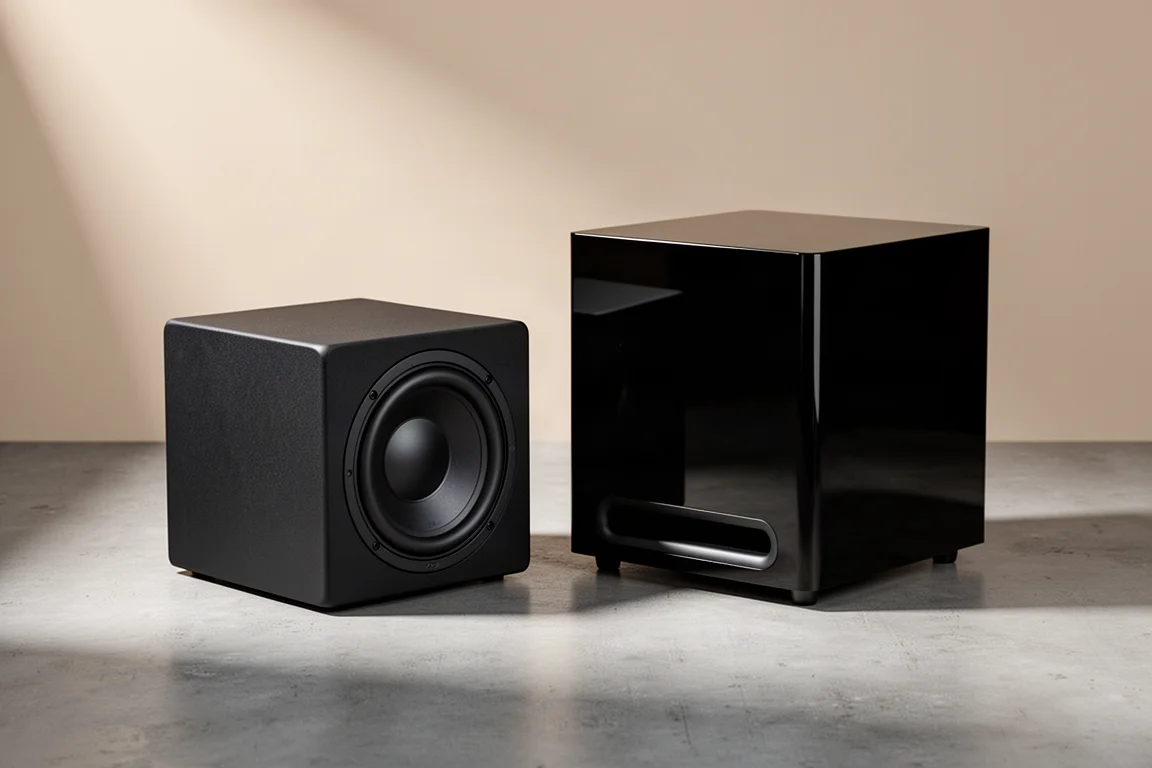
Compact subwoofers are always a compromise, and the four models in this comparison take noticeably different routes to the same goal. Two are the main contenders. The SVS 3000 Micro Revolution is a small sealed cube built around two 9-inch drivers in a dual opposing configuration. The WiiM Sub Pro is a larger ported cabinet with a single down-firing 8-inch woofer set into a slot port. Two further models act as useful reference points: the KEF KC62, which is close in size to the SVS, and the previous-generation SVS 3000 Micro, which the Revolution version replaces.
Price separates them as much as design does. The WiiM Sub Pro is about $450, while the SVS 3000 Micro Revolution is about $1,000. Size does not predict output here either, and that is the single most useful thing to understand before choosing.
How These Compact Subwoofers Differ
The measurements behind this comparison were taken outdoors on a large property with no reflective surfaces nearby, which gives a clean baseline for comparing cabinets of different sizes and alignments. Two kinds of data matter, and they answer different questions.
Burst testing, such as CEA-2010A, plays short tone bursts at set frequencies and examines the harmonics of each tone. If those harmonics cross a distortion threshold, the test fails at that level, which caps the maximum output figure. A frequency response sweep ignores that threshold and simply shows how loud the subwoofer plays across the band, with no distortion limit applied. That is why the numbers can diverge: a protective limiter can hold a subwoofer back in burst testing while a raw response sweep keeps climbing.
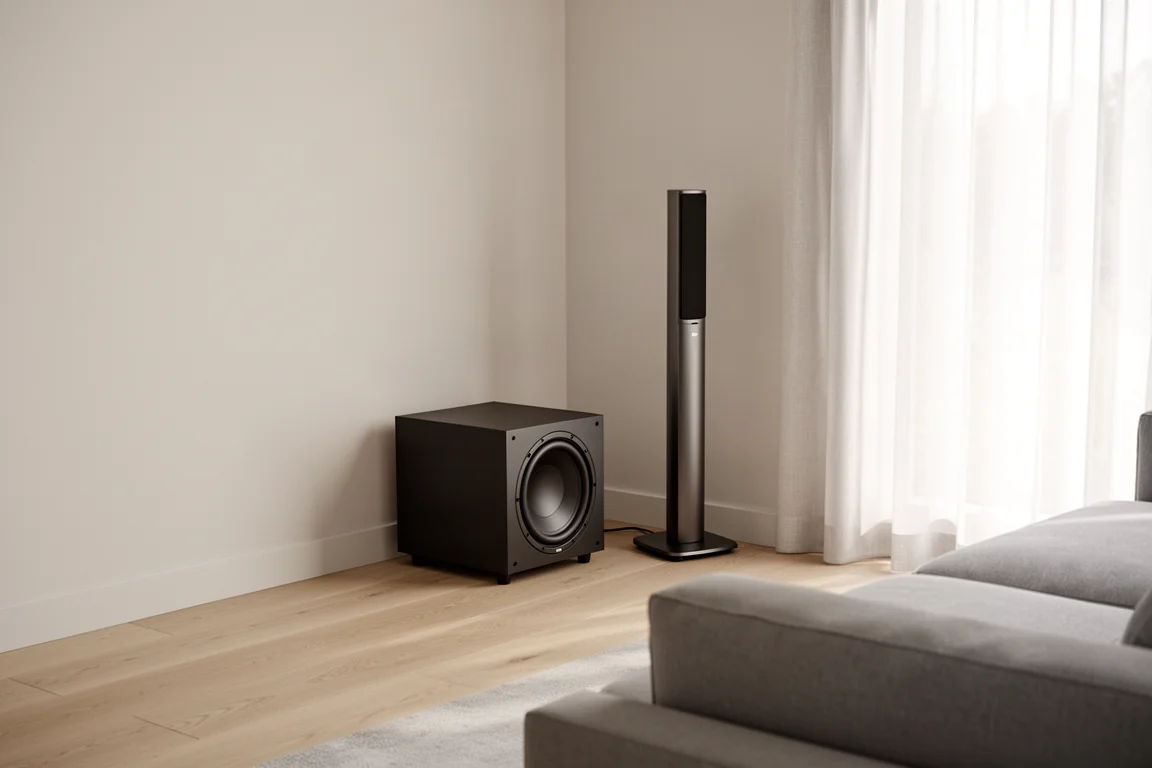
In practice, none of these four will deliver the deep, room-shaking low end of a larger ported subwoofer built around a single 12-inch driver. What they offer is mid-bass punch and extension in the region around 40 Hz, and in the SVS’s case, a good deal lower than that.
SVS 3000 Micro Revolution: The Output Benchmark
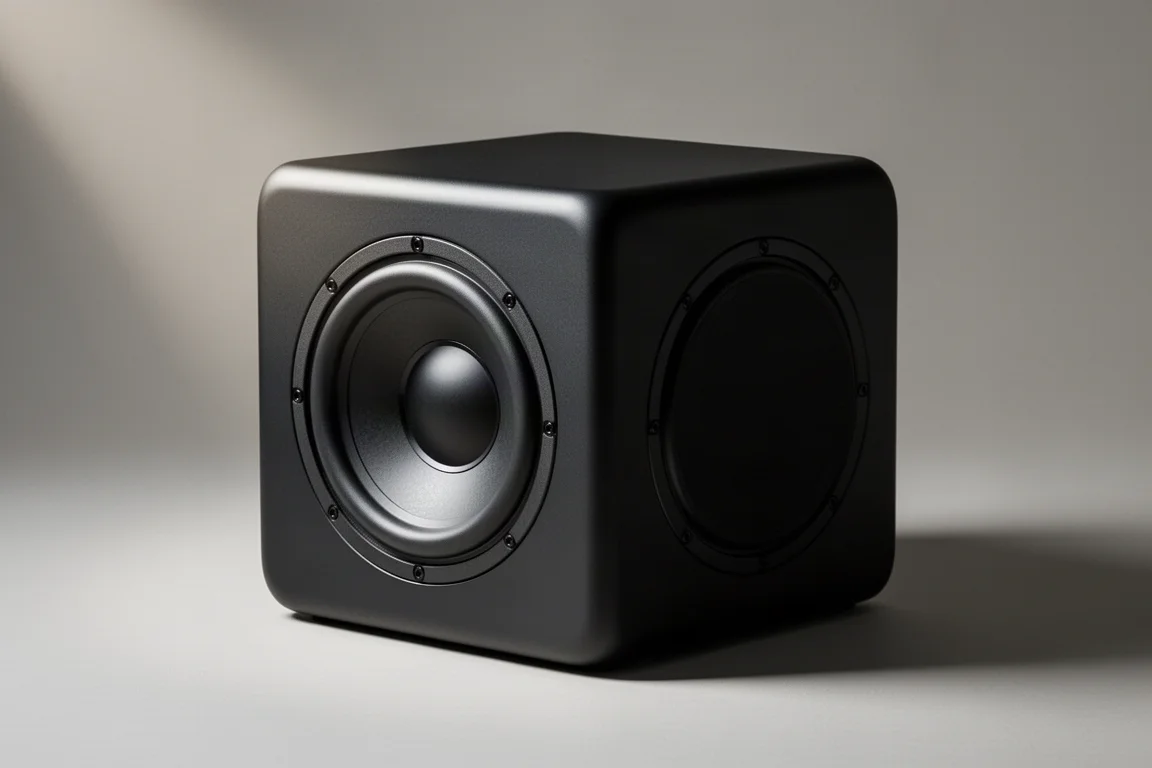
The 3000 Micro Revolution is a small cube, compact enough to fit into tight spaces, and its driver layout is what lets it punch above its footprint: two 9-inch woofers, one on each side, in a dual opposing configuration. The rear panel carries both RCA and XLR inputs, a genuinely useful inclusion at this price, and the cabinet is fairly heavy for its size.
Tuning runs through the companion app, which covers equalization along with level, phase, and time delay. That onboard EQ is the reason this subwoofer works well in a two-channel system where the preamp or source has no equalization of its own. Latency is low at roughly 3 milliseconds, so aligning it with the main speakers is straightforward with almost any DSP or room correction software.
The Revolution version is also a clear step up from the model it replaces. Across the band it measures roughly 4 to 6 dB higher in output capability than the previous generation, and about 6 dB in the burst data. For anyone who already owns the original and wants more output, that is the simplest answer in this comparison.
The detail worth understanding is the limiter. It is aggressive, especially at the lowest frequencies, which protects the drivers but also explains why the burst results flatten out in places where a raw response sweep keeps rising. Maximum output in the frequency response sweep reaches about 84 dB.
WiiM Sub Pro: Wireless Convenience and Mid-Bass Punch
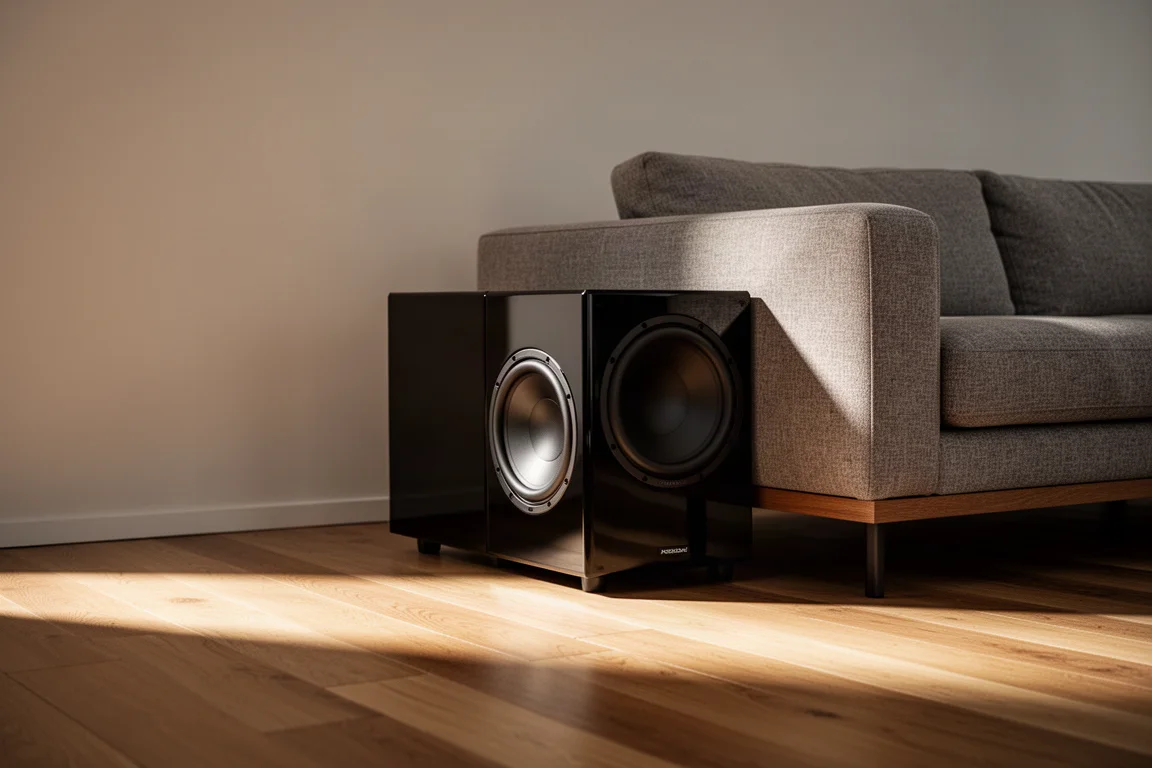
The WiiM Sub Pro is the larger of the two main contenders, finished in gloss and built around a single 8-inch down-firing woofer in a slot-ported cabinet. It is heavier than the SVS as well. The connections are minimal: one RCA input and the power input, with nothing else to configure on the back panel.
What it offers in exchange is flexibility. The Sub Pro can be set up wirelessly, so no dedicated RCA cable has to reach it, and everything is controlled through the WiiM app. One caveat is worth knowing before buying: the subwoofer does not have its own dedicated EQ. Equalization is handled upstream, in line with a WiiM Ultra, so a system without that hardware in the chain needs another way to shape the response.
In burst testing the Sub Pro tracks the new SVS closely between about 40 Hz and 25 Hz, which is a strong result for a ported design of this size. Above about 50 Hz its output flatlines while the SVS keeps climbing. In the raw frequency response sweep the gap is much wider: about 66 dB for the WiiM against about 84 dB for the SVS, roughly 18 dB apart.
Latency is the other figure to weigh, and it sits at around 30 milliseconds. That is a substantial delay to compensate for, and many DSPs will not have enough adjustment range to align the mains to it. WiiM Ultra owners are covered, because its time alignment offers an automatic mode and a manual slider that reaches up to 200 milliseconds of delay for the mains.
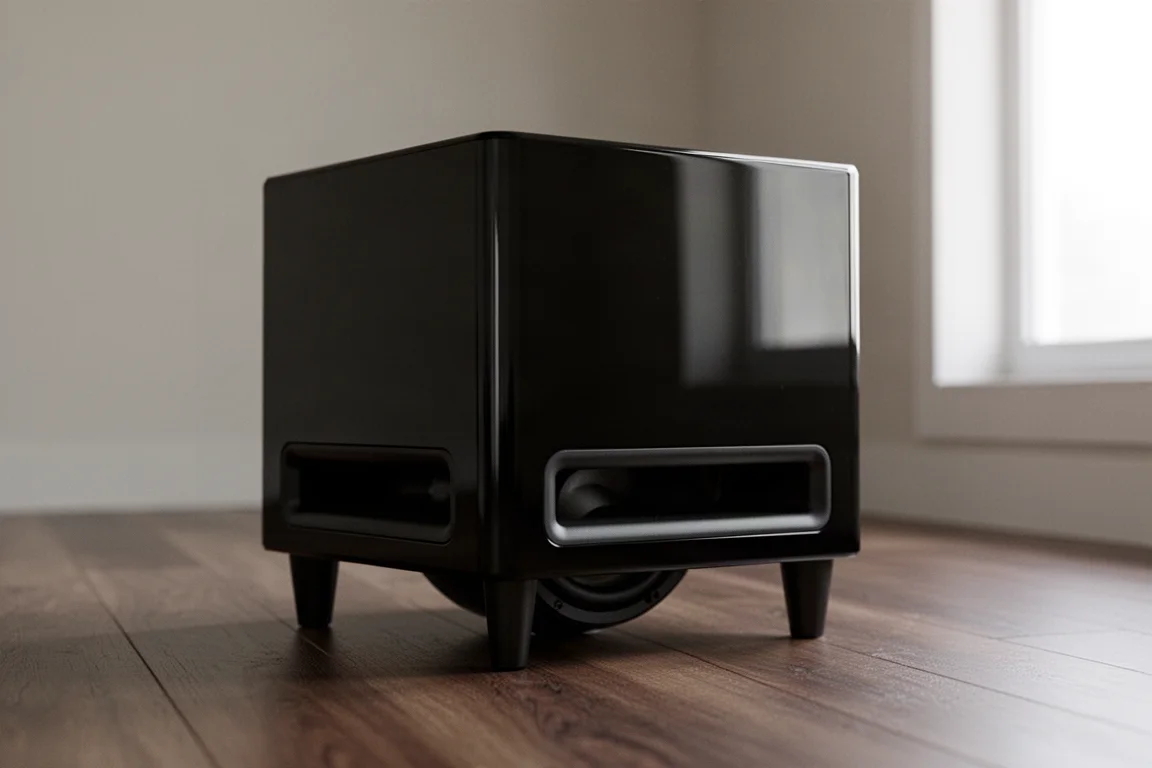
KEF KC62: Small, Sealed, and Composed
The KEF KC62 is close in size to the SVS 3000 Micro Revolution but takes a different route, using two 6.5-inch drivers instead of a pair of 9-inch units. The data reflects that. The KC62 and the SVS track reasonably well from about 100 Hz downward, yet the SVS holds roughly 8 dB more total output, and below about 25 Hz the two converge, which is where the limits of a small cabinet tend to appear first.
Anyone comparing these two on size alone should expect the KC62 to be the more modest performer. It is not the choice for maximum output at the bottom end. Its case is a smaller system, or a room where the cabinet has to disappear into the space.
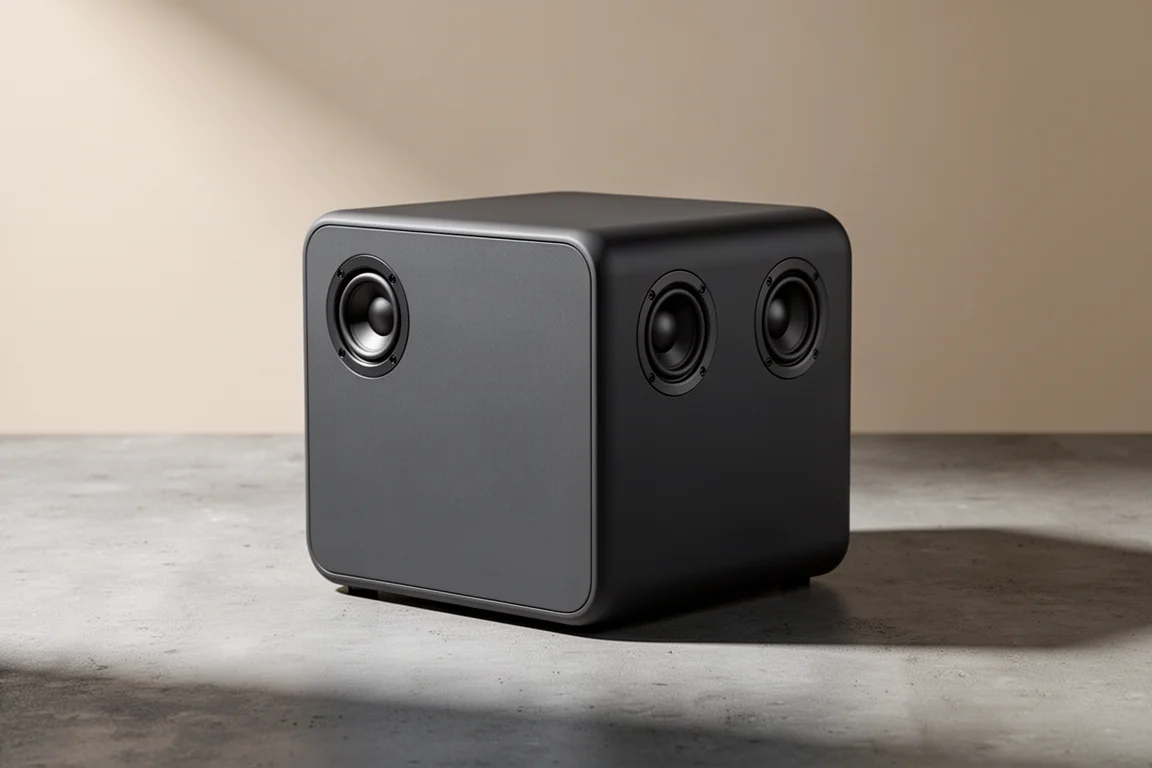
SVS 3000 Micro: The Previous Generation
The original SVS 3000 Micro shares the compact dual-opposing cube concept with the Revolution, and in the measurements it sits about 4 to 6 dB below the newer version across most of the band. That gap makes it the clearest upgrade case here.
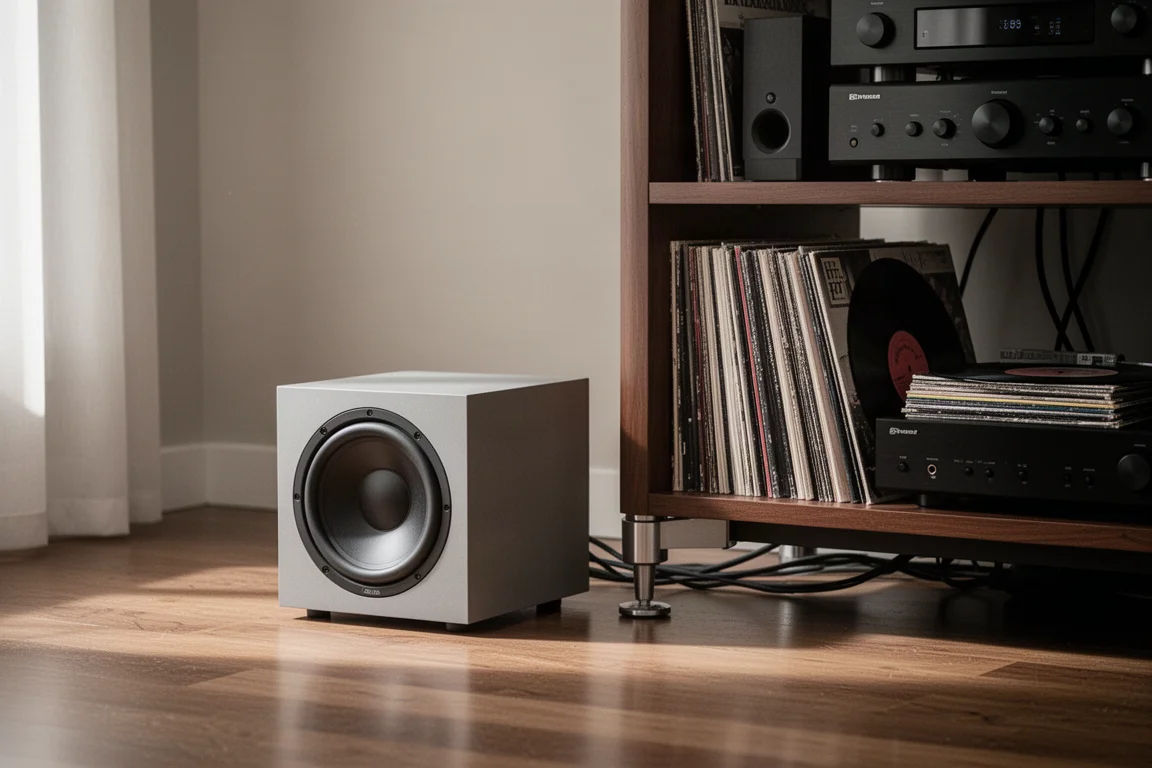
For a fresh purchase, the older model’s appeal depends on how it is priced relative to the Revolution. The two share a form factor and an app, but not the same output ceiling, and the lowest frequencies are where that difference is most obvious.
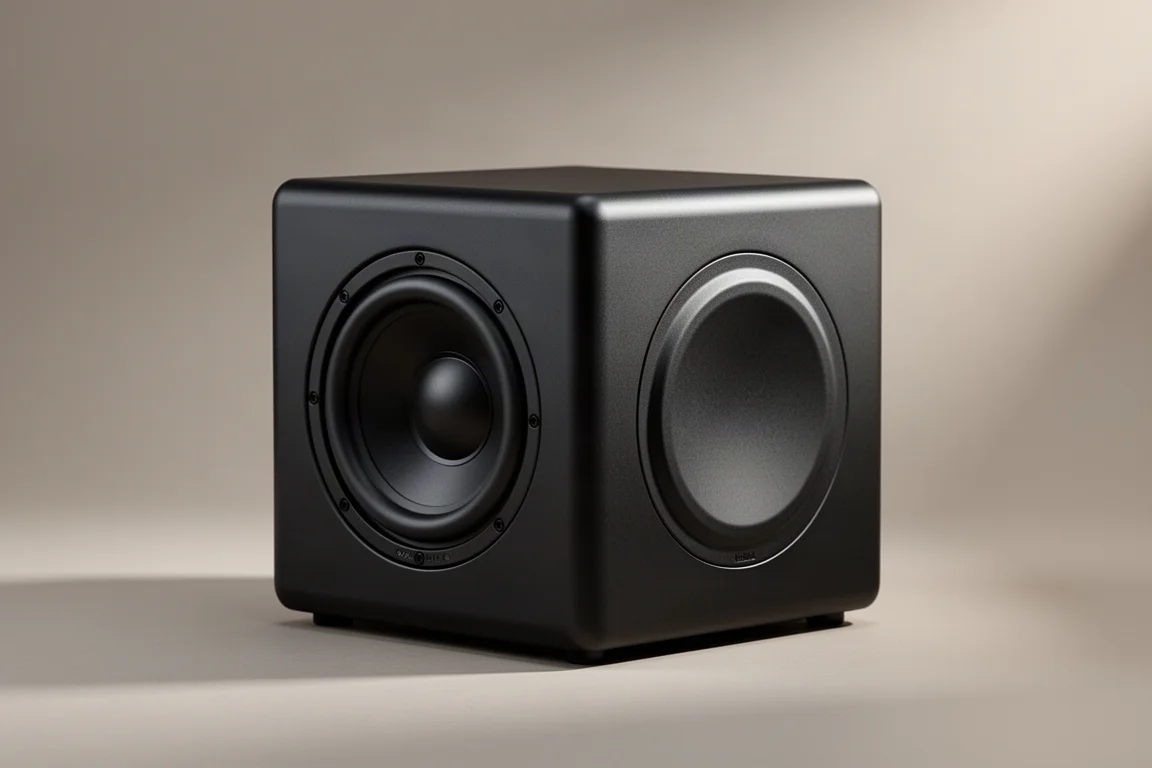
What the Measurements Mean in a Real Room
The two-WiiM option deserves a fair look, because the arithmetic is appealing. Two Sub Pros cost about $900, roughly $100 less than a single SVS 3000 Micro Revolution at about $1,000, and a second identical subwoofer adds about 6 dB of output. Below 40 Hz that is a real advantage, and it is the strongest argument for the WiiM route.
Above that region the picture changes. In burst testing the SVS stays ahead by roughly 6 to 10 dB at some frequencies, and above about 63 Hz the two approaches begin to balance out with the SVS still in front. In the frequency response sweep, even a pair of WiiM units would remain about 12 dB behind the SVS at the low end, and the single SVS cabinet already reaches lower than two WiiM cabinets are likely to. Two cabinets also take up more floor space than one, and the WiiM is the larger box to begin with. Which figure you weight most, burst testing or frequency response, will decide how you read all of this.
Buying Advice: Choosing Between These Compact Subwoofers
Choose the SVS 3000 Micro Revolution if low-frequency extension and maximum output from a compact cabinet matter most. It reaches lower than anything else here, offers the most output, and its app-based EQ and low latency make it easy to integrate into a stereo or home theater system. The cost is the highest of the group, at about $1,000, and its limiter means the deepest notes come with a ceiling.
Choose the WiiM Sub Pro if budget and convenience lead the decision. At about $450 it is the least expensive way into this group, it can be placed without running a cable to it, and it delivers strong punch between roughly 40 Hz and 25 Hz. Plan for the absence of dedicated EQ, and check that your DSP can handle around 30 milliseconds of delay if you intend to time align it with the mains.
Choose the KEF KC62 if size and a tidy footprint matter more than output. It tracks the SVS reasonably well below 100 Hz but gives up roughly 8 dB of total output, so it suits smaller systems and rooms where a compact cabinet has to blend in.
Choose the previous-generation SVS 3000 Micro only if the price difference against the Revolution is substantial, since it measures about 4 to 6 dB lower across most of the band. If you already own one and want more output, the Revolution version is the straightforward upgrade.
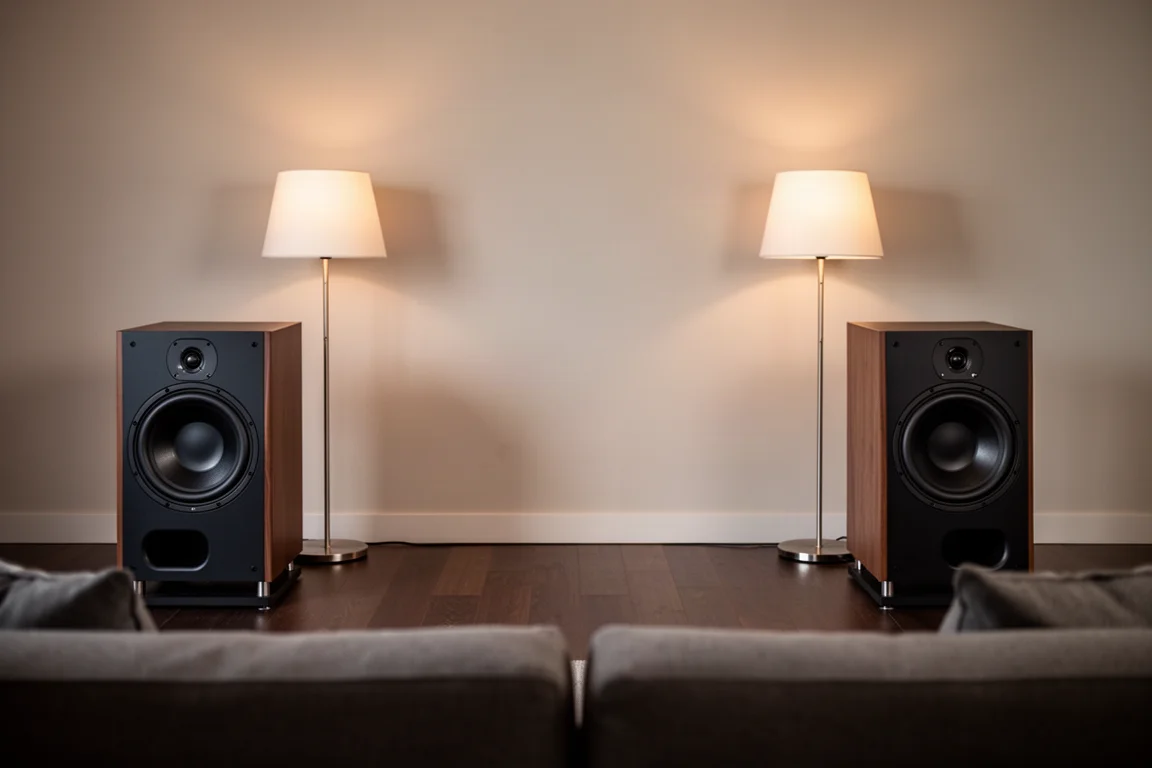
One practical note applies to all four: check how your preamp, DSP, or room correction handles delay before you buy. It is the least visible specification in this comparison and the one most likely to decide whether a subwoofer blends cleanly with the rest of the system.
Conclusion
These four compact subwoofers solve the same problem in different ways, and the data makes the trade-offs unusually clear. The SVS 3000 Micro Revolution leads on output and low-frequency extension, the WiiM Sub Pro wins on price and wireless convenience, the KEF KC62 trades output for a smaller and tidier presence, and the original SVS 3000 Micro sits a measurable step behind the model that replaced it. Match the choice to the room, the budget, and the delay handling already in your system, and any of them can add useful punch without dominating the space.
Further reading
Related Reviews
Subwoofers
Arendal 1961 Subwoofer 1S Review: Beautiful Build, Modest Punch at $1,000
A sealed $1,000 subwoofer with a gorgeous cabinet, plus three lower-priced alternatives that deliver more impact for movie nights.
Subwoofers
Arendal Sound 1723 2V Subwoofer Review: Dual 13.8-Inch Drivers Under $3,000
A flagship ported subwoofer with dual opposing 13.8-inch drivers, a 1,200W RMS amplifier, app-based DSP, and a 10-year warranty.
Subwoofers
Ascendo 16 Sub Active Sealed Review: Sealed Bass Built on Real Engineering
A close look at the Ascendo 16 Sub Active Sealed, a 16-inch sealed home theater subwoofer with independently verified measurements, a purpose-built driver, and genuinely controlled output.