Hi-Fi Audio
Compact Hi-Fi Systems: Nine Components for Great Sound in Small Rooms
Nine compact hi-fi components that deliver serious sound in small rooms, from all-in-one powered speakers to streaming amplifiers, tiny bookshelf speakers, and small subwoofers.
Introduction
Serious two-channel sound does not require a large room, a rack of equipment, or a big budget. The components in this guide take three different routes to the same destination: music from streaming services, better sound than a television can produce on its own, and a small footprint that fits on a sideboard or a desk.
Every setup here includes HDMI ARC. One cable to a television turns it into a two-channel home cinema system, and the TV remote switches the system on and adjusts the volume. The simplest complete route starts at £539 for a powered speaker pair, and the most ambitious combination in this guide lands at around £1,200 including a subwoofer.
How to Choose a Compact Hi-Fi System
The first decision is where the amplification lives. Powered speakers such as the ELAC ConneX DCB41 place the amplifier, DAC, and inputs inside one cabinet, which means fewer boxes, fewer cables, and a very short setup. A separate streaming amplifier such as the WiiM Amp or the SMSL A1 keeps the chain modular: speakers can change later without replacing the electronics, and a single component can be upgraded on its own.
The second decision is how music gets into the system. A dedicated network streamer fed into a digital or analog input consistently outperforms a laptop or a phone used as a source, and it is far more pleasant to live with day to day. Streamers in this guide start at £89, and a £299 model adds refinement and a wider feature set.
The third decision is speaker size and placement. Small cabinets are easy to accommodate, but cabinet volume is what produces bass. If the speakers are very small, plan for a subwoofer from the beginning. If the cabinets are deeper, a rear port bung and shallow recessed terminals allow placement close to a wall without the bass turning muddy.
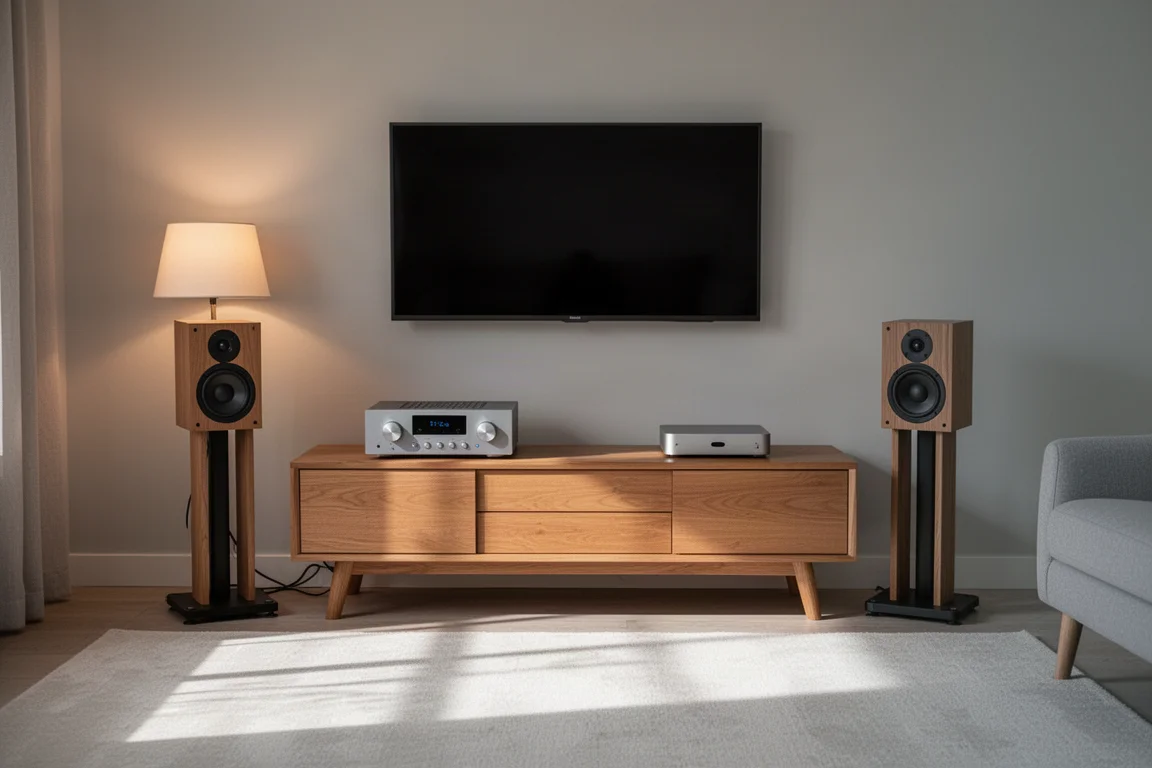
Connectivity matters as much as size. Look for HDMI ARC for the television, an optical input for disc players and older televisions, USB for stored music or a computer, analog RCA inputs for legacy sources, and a subwoofer output for later expansion. A phono setting is a useful bonus if a turntable is part of the plan.
ELAC ConneX DCB41: Powered Speakers with Everything Built In
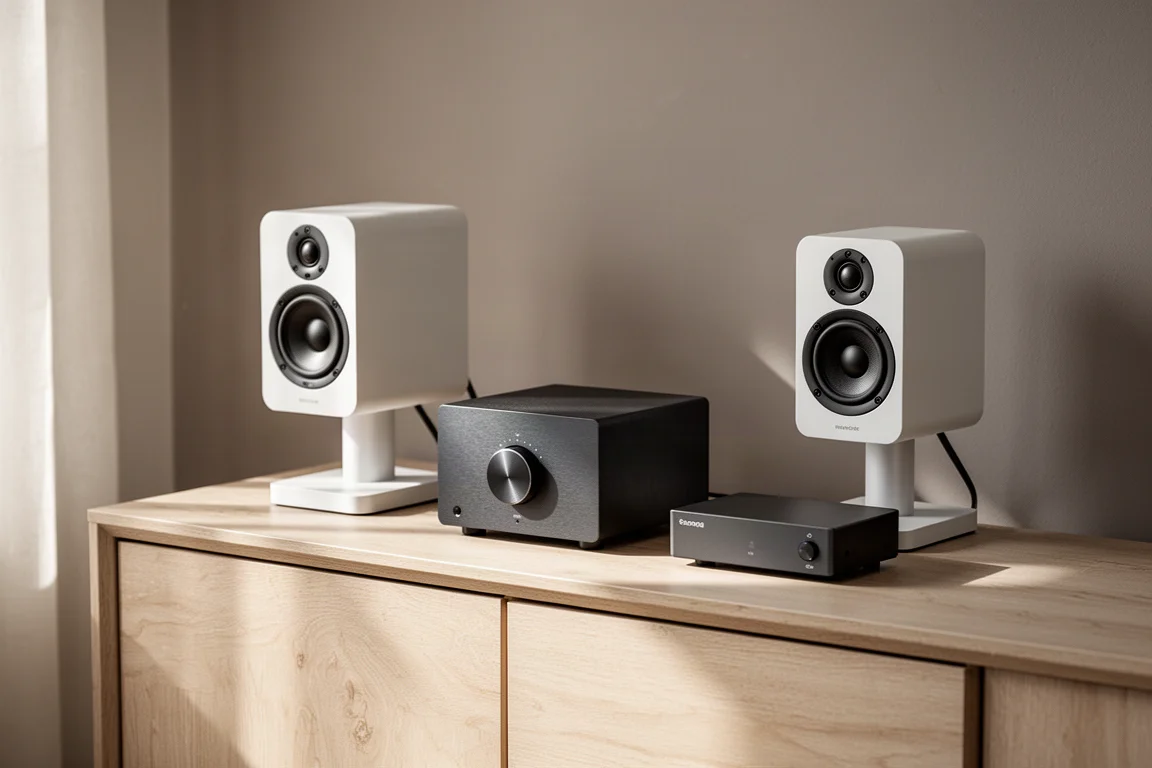
The ELAC ConneX DCB41 retails at £539 per pair and is regularly discounted below that. It comes in several finishes, and a satin white special edition pairs the cabinets with matching stands and metal grilles. Each cabinet measures 247 x 140 x 170 mm, small enough for a sideboard and perfectly workable on a desk.
One cabinet carries all of the electronics. A 115 mm polypropylene midwoofer and a 19 mm soft dome tweeter are rated for a stated in-room response down to 50 Hz, and the internal amplifier delivers 50 W per channel to both cabinets once the passive speaker is connected with the supplied cable via the speaker terminals.
The input panel covers almost everything a small system needs: HDMI ARC for a television, a knob for manual volume adjustment, and a switch that lets the powered cabinet be designated as the left or the right channel. Bluetooth is included, along with USB and optical digital inputs. USB works well with an external streaming device and will also connect to a computer or a phone with a suitable cable. Optical suits Blu-ray players, CD players, and older televisions that lack HDMI ARC. Analog RCA inputs handle the rest, and a phono setting allows a turntable to connect directly. There is also a subwoofer output for extra low-end weight.
The sound is well balanced across the range. Bass has genuine weight and moves along nicely, the mid-range stays clear and honest with difficult instruments such as saxophones and trumpets, and the treble carries a little of the airy quality that makes long listening sessions easy. The stereo image is solid and extends slightly beyond the cabinets once they are placed an appropriate distance apart.
For streaming, a small dedicated streamer is a better source than a computer or a phone. The WiiM Mini at £89 is the value option, while the Bluesound Node Nano at £299 is worth the extra outlay if the budget allows.
WiiM Amp: A Streaming Amplifier for Your Own Speakers
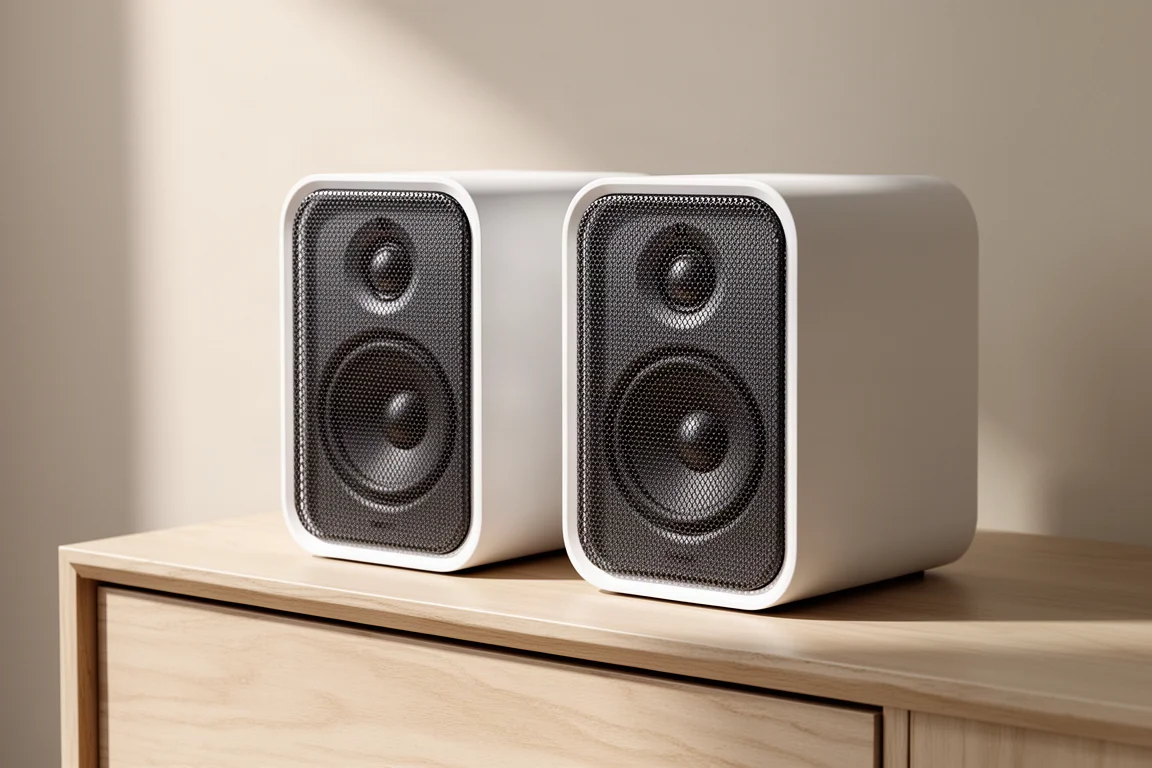
The WiiM Amp costs £319 and includes a streaming module inside the chassis. The front panel keeps things minimal: a status LED, six smaller LEDs that illuminate as volume rises, and a volume dial that can be pressed to play or pause. The footprint is 190 x 190 mm and the height is just 63 mm, so it disappears on a shelf. A remote control is supplied, and the companion app handles streaming service logins along with a range of additional features.
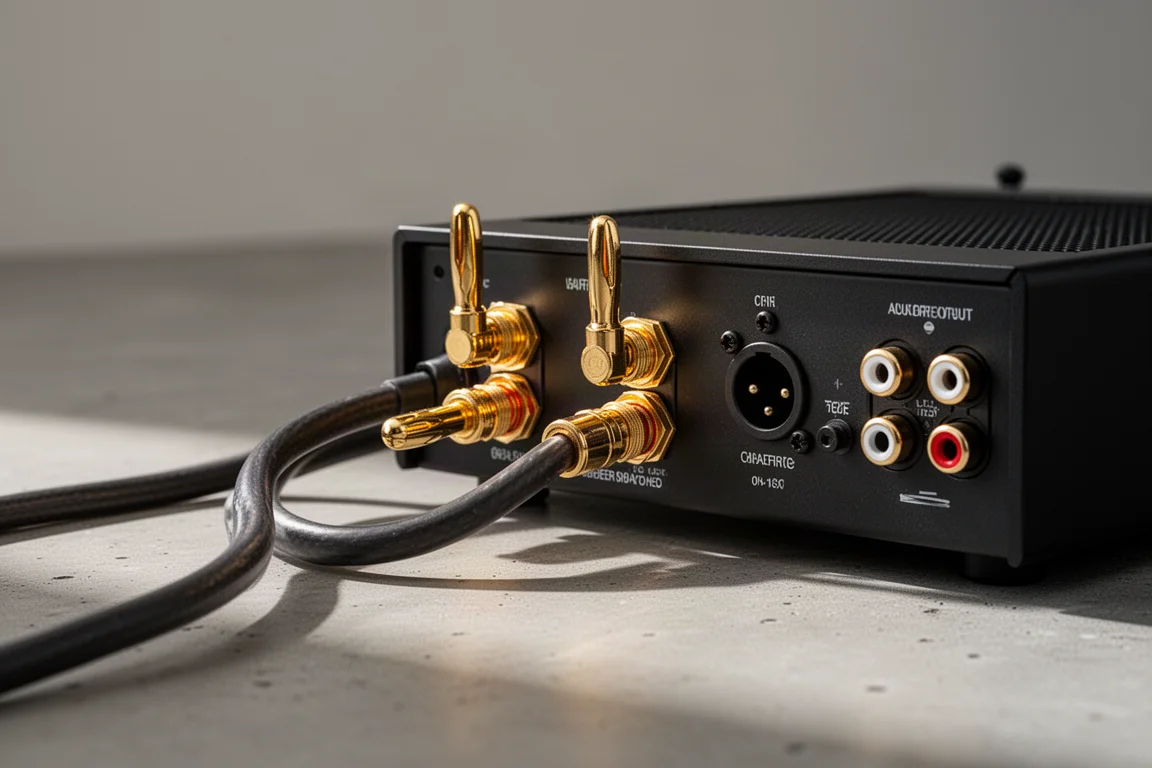
Around the back, HDMI ARC makes television integration simple. There is a USB port for music stored on flash drives, an output for an external DAC as a future upgrade, wireless and wired Ethernet streaming, an optical digital input, an analog RCA input, a subwoofer output, and Bluetooth. The speaker binding posts are gold plated, which is unusual at this price.
The amplifier is rated at 60 W per channel into 8 ohms and uses a Texas Instruments chip. Speakers up to roughly £500 to £600 are an easy load for it, and the sensible pairings below £300 in this guide are the Q Acoustics 3010C and the Pro-Ject Box 3E Carbon.
WiiM Mini: A Low-Cost Streaming Upgrade
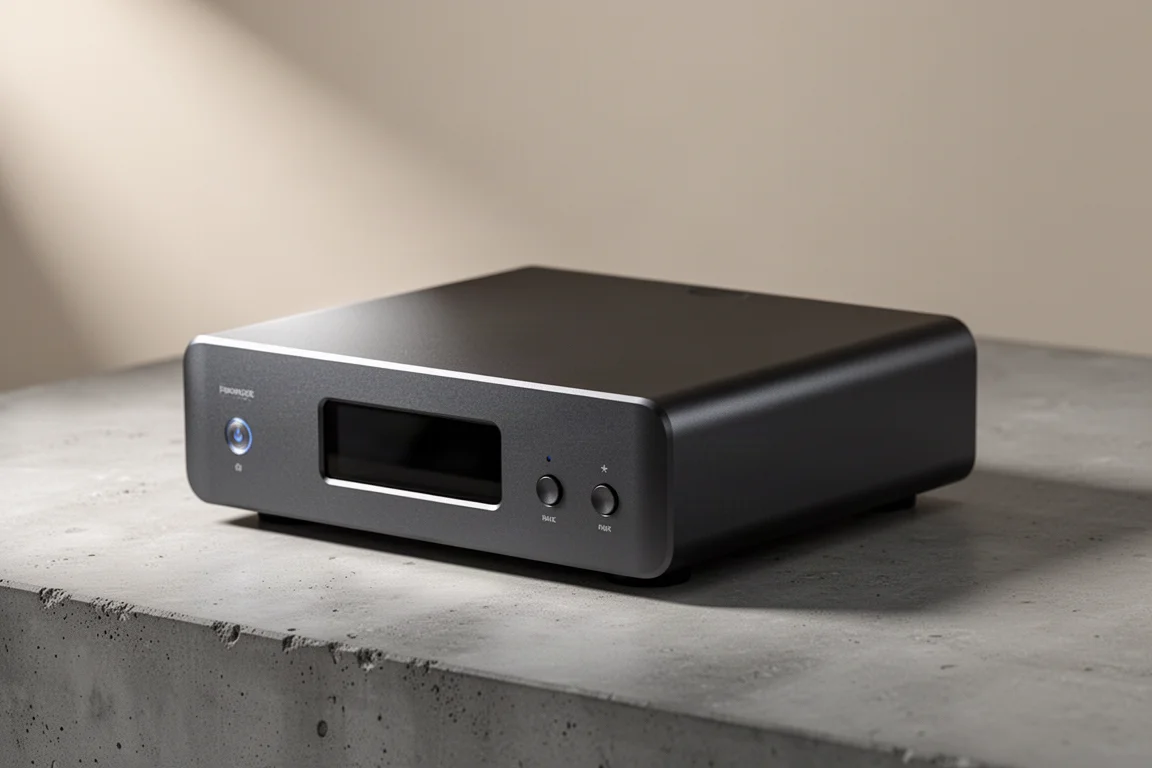
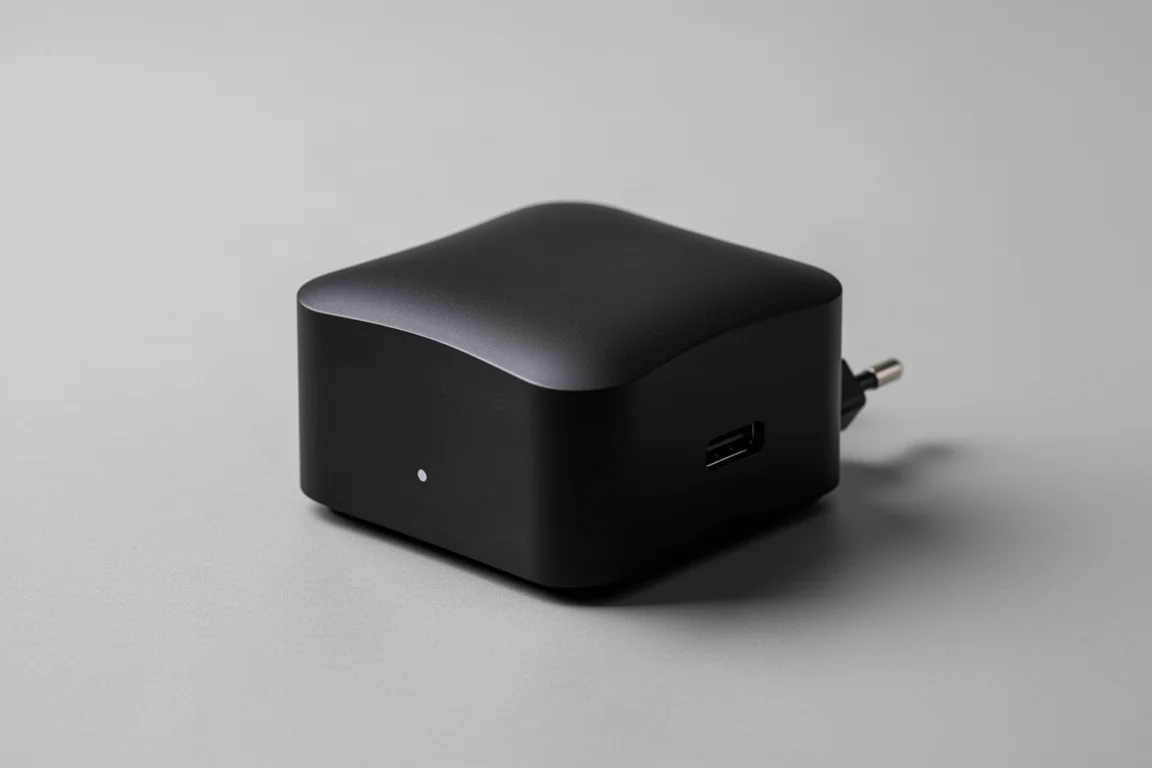
At £89, the WiiM Mini is the cheapest way to add proper network streaming to a system. Feeding a dedicated streamer into a digital or analog input delivers better sound quality and a better user experience than relying on a computer or a phone as the source, and it adds a level of day-to-day convenience that those sources cannot match.
It is the natural partner for the ELAC ConneX DCB41 and for any other component with a spare input. Where the budget stretches further, the Bluesound Node Nano is the step up.
Q Acoustics 3010C: Compact Cabinets with Extra Depth
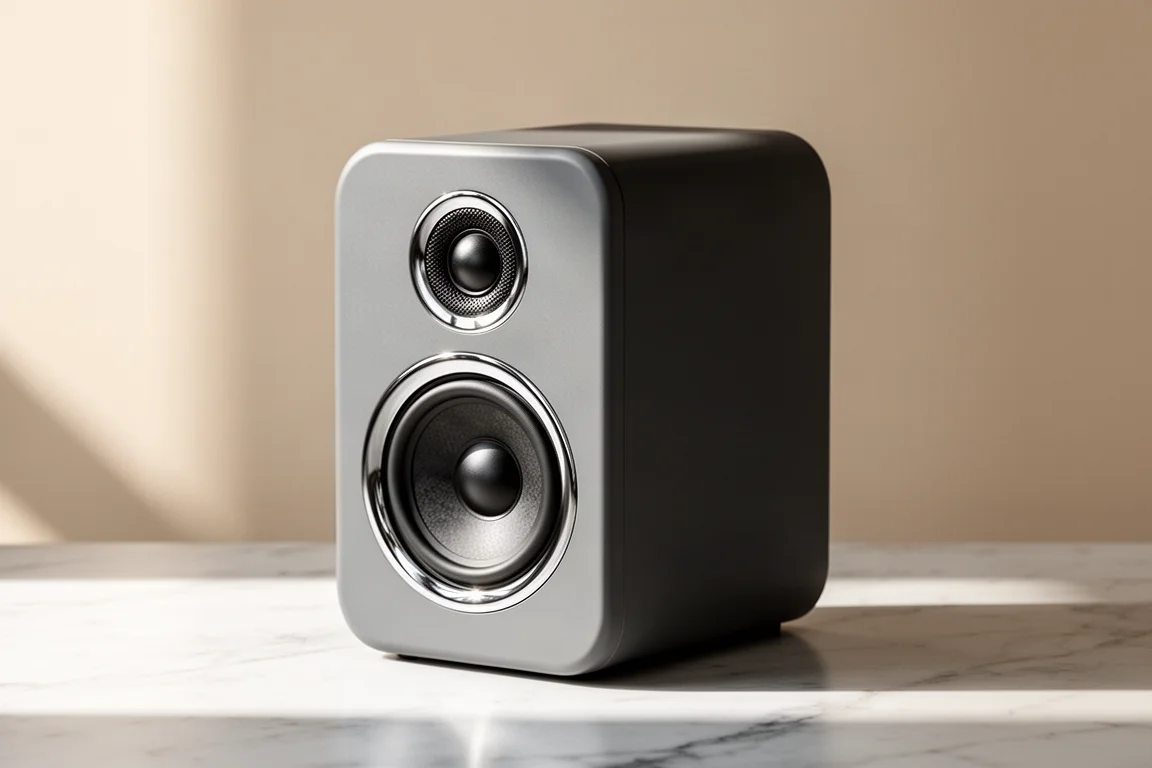
The Q Acoustics 3010C sits below £300, and its appearance matters as much as its sound. Rounded cabinet edges, chrome trim around the drivers, and a minimal front baffle help it blend into a living room. Each speaker measures 254 mm high, 155 mm wide, and 251 mm deep, and weighs 4.4 kg, which is reassuring for a cabinet this size.
The rear port is supplied with a bung for close-to-wall placement, and the recessed shallow speaker terminals let the cabinet sit almost flush against a boundary without cables forcing it forward.
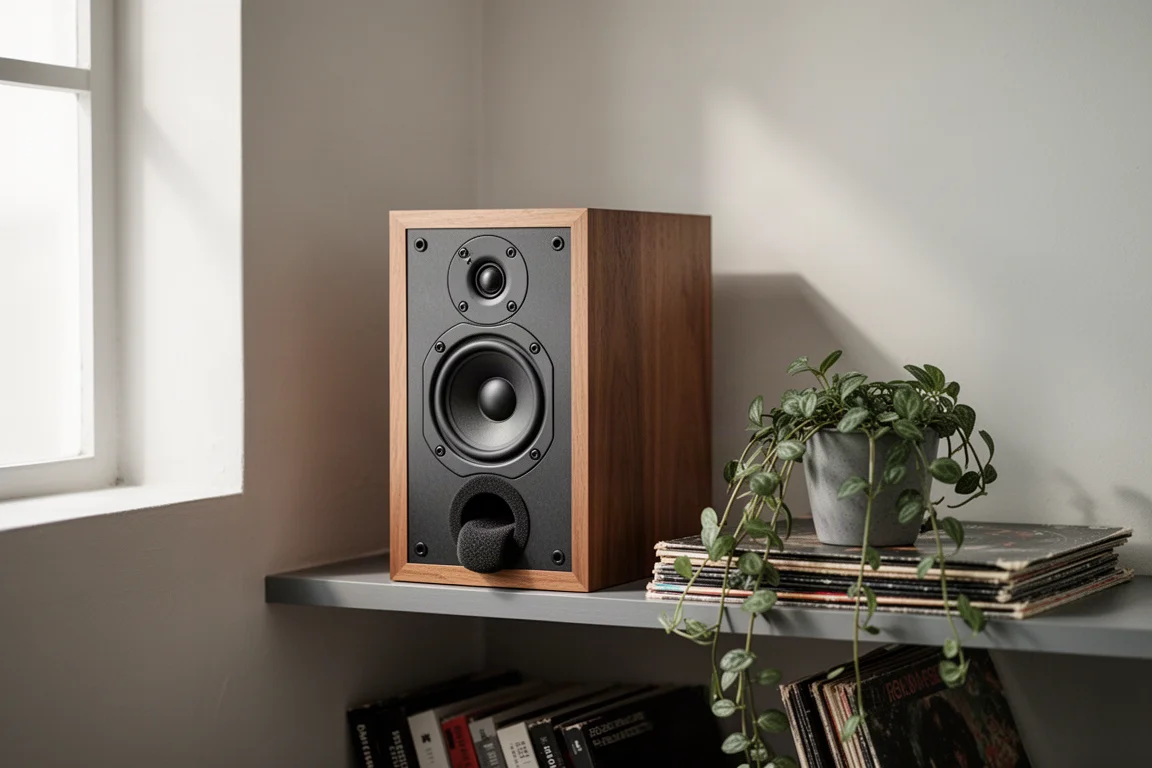
Paired with the WiiM Amp, the 3010C plays louder than the ELAC system and produces more bass, a direct benefit of the deeper cabinet. The rated low frequency figure is 60 Hz, though Q Acoustics tends to rate conservatively and the emphasis in the low frequencies is clear. The trade-off is a warmer balance with extra richness in the bass and lower mid-range, and slightly less definition at the leading edge of notes compared with the ELAC speakers. In a small to medium room, many listeners will not feel the need for a subwoofer at all.
Pro-Ject Box 3E Carbon: Tiny Speakers with a Refined Mid-Range
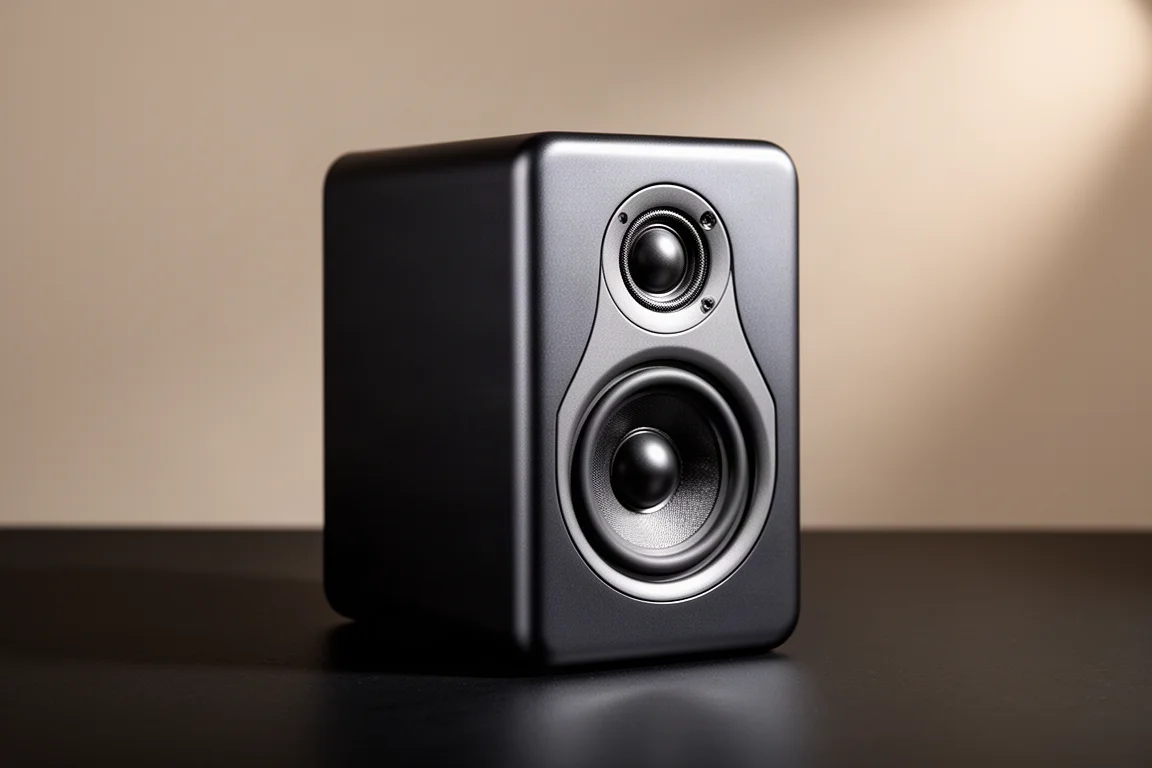
The Pro-Ject Box 3E Carbon is one of the smallest options here and one of the cleanest sounding speakers below £300. Each cabinet measures just 175 x 119 x 152 mm and weighs 1.7 kg. A 19 mm silk dome tweeter handles high frequencies, while a 75 mm driver covers the mid-range and as much bass as the cabinet can manage, officially down to 83 Hz.
Size does not hold the mid-range back. The presentation is beautifully nuanced, with an ethereal treble quality, but the laws of physics still apply: there is not much bass on offer. A subwoofer is essential in a system built around these speakers, which is exactly where the next two components come in.
REL T/0: Compact Subwoofer Support
The REL T/0 sells for £449 and is the natural partner for very small speakers that need low-end support without slowing the system down. Finding a subwoofer with the speed and resolution to keep up with compact speakers is not easy, and the T/0 is a strong candidate for small rooms.
Cheaper subwoofers exist, and secondhand options can stretch a budget further, but the T/0 is the safest match for the Pro-Ject speakers in a smaller space.
PSB Cinema 100: A Small Subwoofer That Still Works
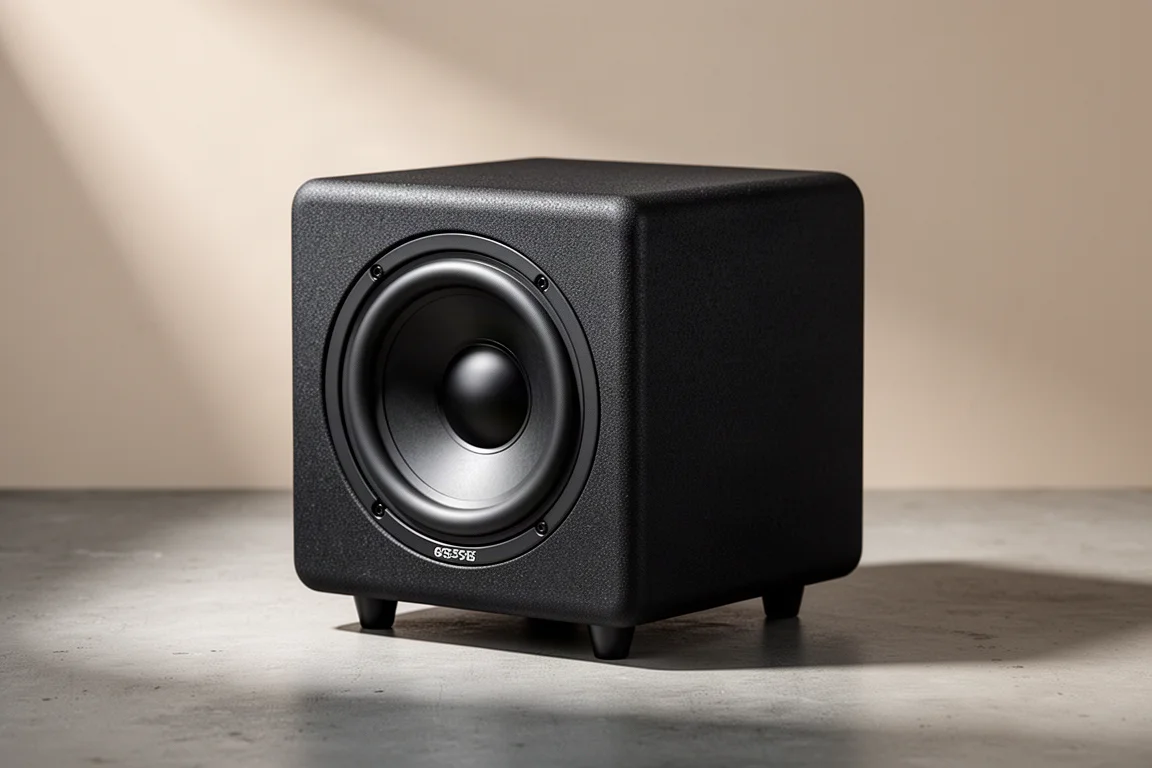
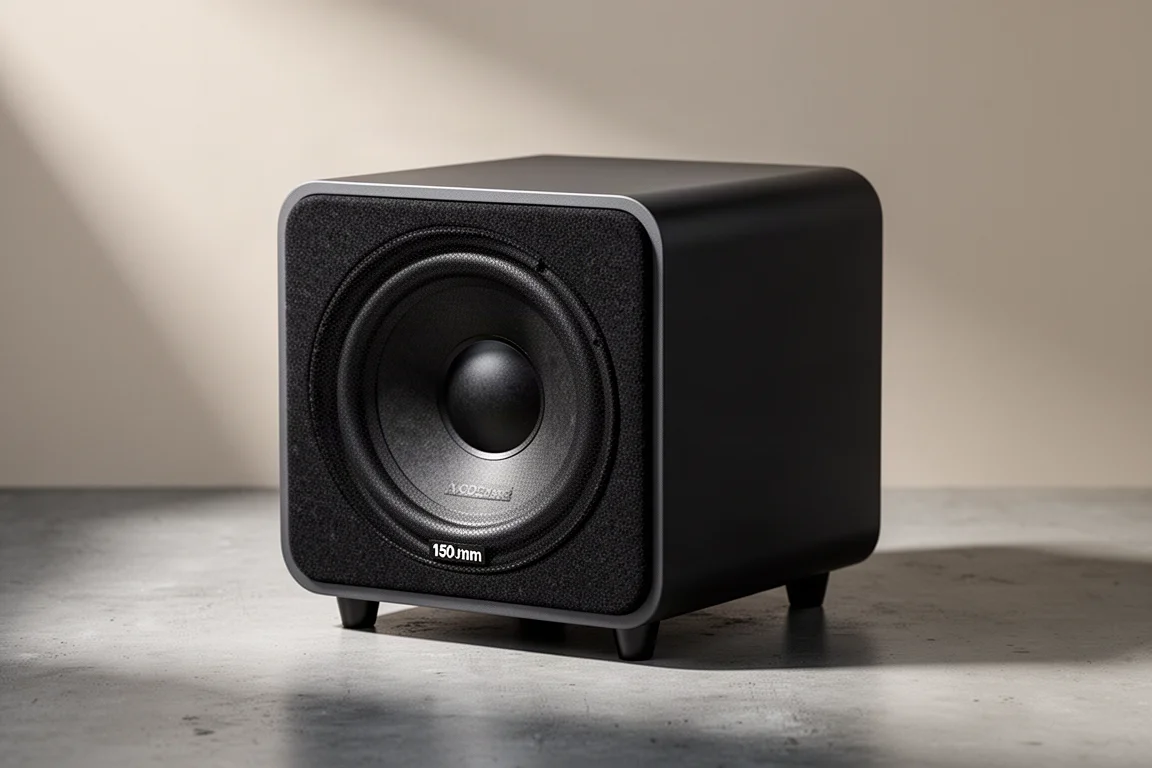
The PSB Cinema 100 uses a 150 mm long-throw woofer and formerly sold for around £200. It is a compact subwoofer that performs well even in a compromised position, such as a corner of a room on top of a cupboard with isolation feet underneath.
The key is to run it gently. Used just ticking over to extend the bass rather than to shake the room, it adds weight and warmth without drawing attention to itself, which is exactly what small speakers need.
SMSL A1: More Amplifier Headroom
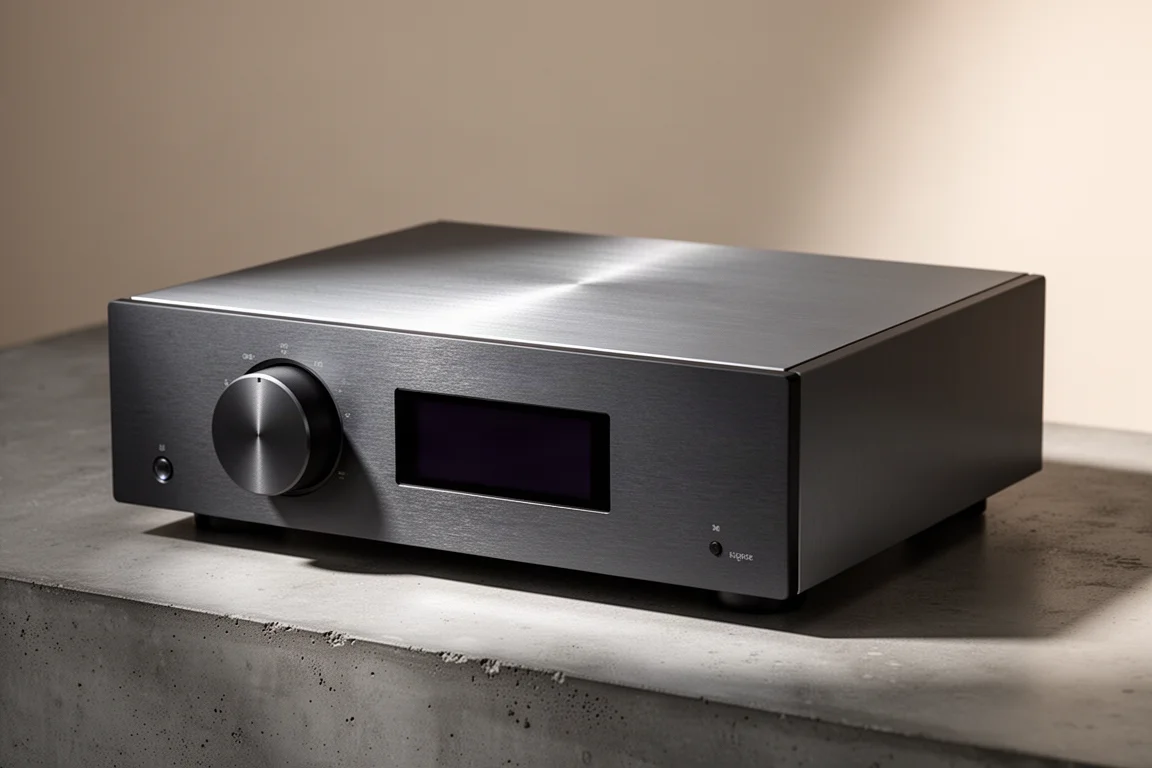
The SMSL A1 retails for £250 and takes a more conventional approach. There is no built-in streamer, but essentially every other connection found on the WiiM Amp is present, including HDMI ARC and a subwoofer output, in a traditional amplifier chassis.
In a system built around small speakers, the A1 improves bass dynamics, detail retrieval, and the separation of instruments noticeably compared with the WiiM Amp. Pairing it with the Bluesound Node Nano as the streaming source, the Pro-Ject Box 3E Carbon speakers, and roughly £400 for a subwoofer brings the whole system to around £1,200. That is a very well-balanced combination for the money, with no weak link among the constituent parts.
The A1 is the sensible next step once the rest of the system is settled, and it leaves room to grow, since better speakers will show the benefit immediately.
Bluesound Node Nano: Streaming That Lifts the Whole Chain
The Bluesound Node Nano costs £299 and works with optical, digital, and analog RCA connections, which makes it easy to slot into almost any system. It is worth the additional outlay over a budget streamer when the rest of the chain is capable enough to reveal the difference.

Building a System at Three Levels
The simplest route is the ELAC ConneX DCB41 on its own. Everything needed for music and television sound sits inside one cabinet, and adding the WiiM Mini as a source covers streaming for £89.
The flexible route is a WiiM Amp with the Q Acoustics 3010C, which gives more bass and more volume, or the Pro-Ject Box 3E Carbon if space is the priority. Either pairing benefits from a subwoofer, and the REL T/0 or a compact alternative such as the PSB Cinema 100 will extend the low end without taking over the room.
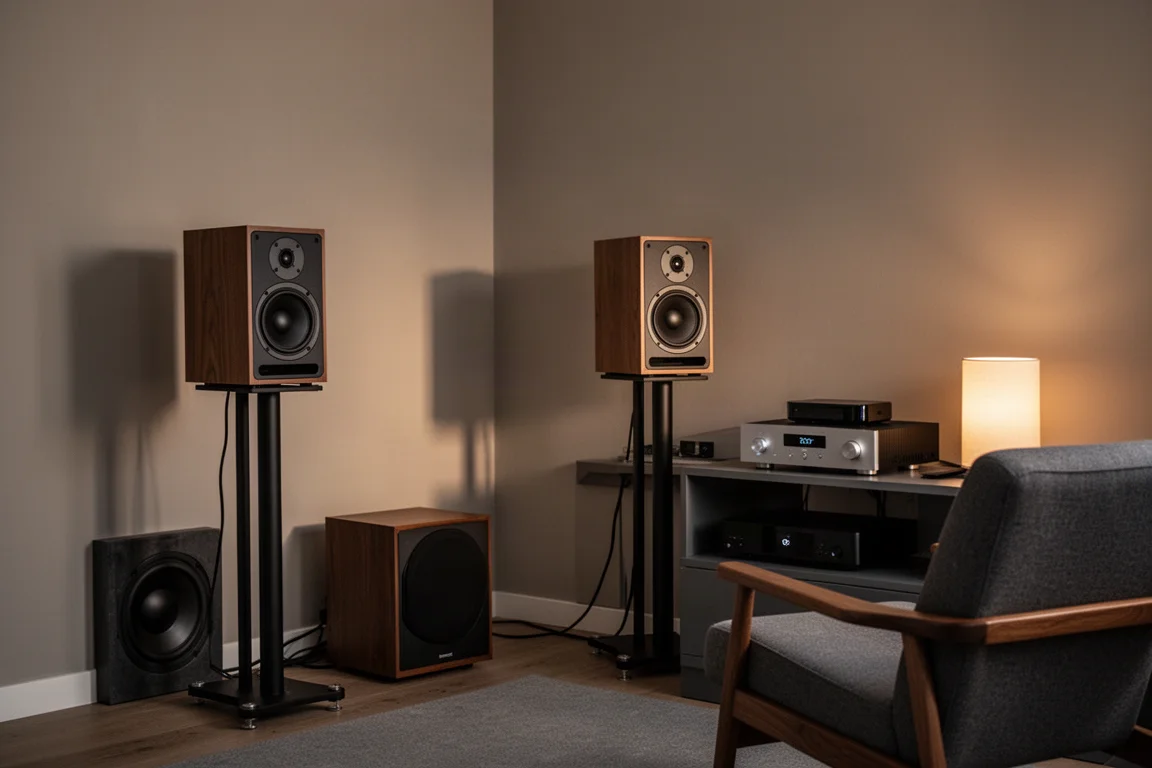
The highest-performance route in this guide combines the Bluesound Node Nano, the SMSL A1, the Pro-Ject Box 3E Carbon, and roughly £400 of subwoofer budget for a total of around £1,200. Each part is well matched to the others, and the balance across bass dynamics, detail, and instrument separation is the strongest of the three.
Beyond that point, spending more will bring greater performance as long as it is spent wisely, but the returns arrive in smaller increments. For most small rooms, one of these three combinations covers the essentials without compromise.
Conclusion
Good sound in a compact space comes down to matching three decisions: where the amplification lives, how music is streamed, and how much cabinet volume the room can take. The ELAC ConneX DCB41 solves all three in a single purchase, the WiiM Amp and a compact pair of speakers keep the system modular, and the Bluesound Node Nano with the SMSL A1 and Pro-Ject speakers shows how far a small system can go for around £1,200.
Further reading
Related Reviews
Hi-Fi Audio
Accuphase C-57 vs Allnic H-7000V: Two High-End Phono Stages Compared
A fully balanced solid-state phono stage with a pitch-black noise floor meets a tube design built for well-loved records. Here is how to choose between them.
Hi-Fi Audio
Active vs Passive Hi-Fi: Five Components for a Modern System
Five components that define modern active and passive hi-fi systems, with the strengths, trade-offs and setup details worth weighing before you buy.
Hi-Fi Audio
Advance Paris A10 Apex Review: A Hybrid Integrated Amplifier That Covers a Lot of Ground
A French hybrid integrated amplifier with a class A tube preamp stage, analogue power meters, and an internal DAC and phono stage good enough to make extra boxes unnecessary.