Backpacking Gear
A 15 lb Comfort-Focused Ultralight Backpacking Gear List
A 15 lb backpacking setup built around camp comfort, with the weights, features, and trade-offs that matter before you buy.
Introduction
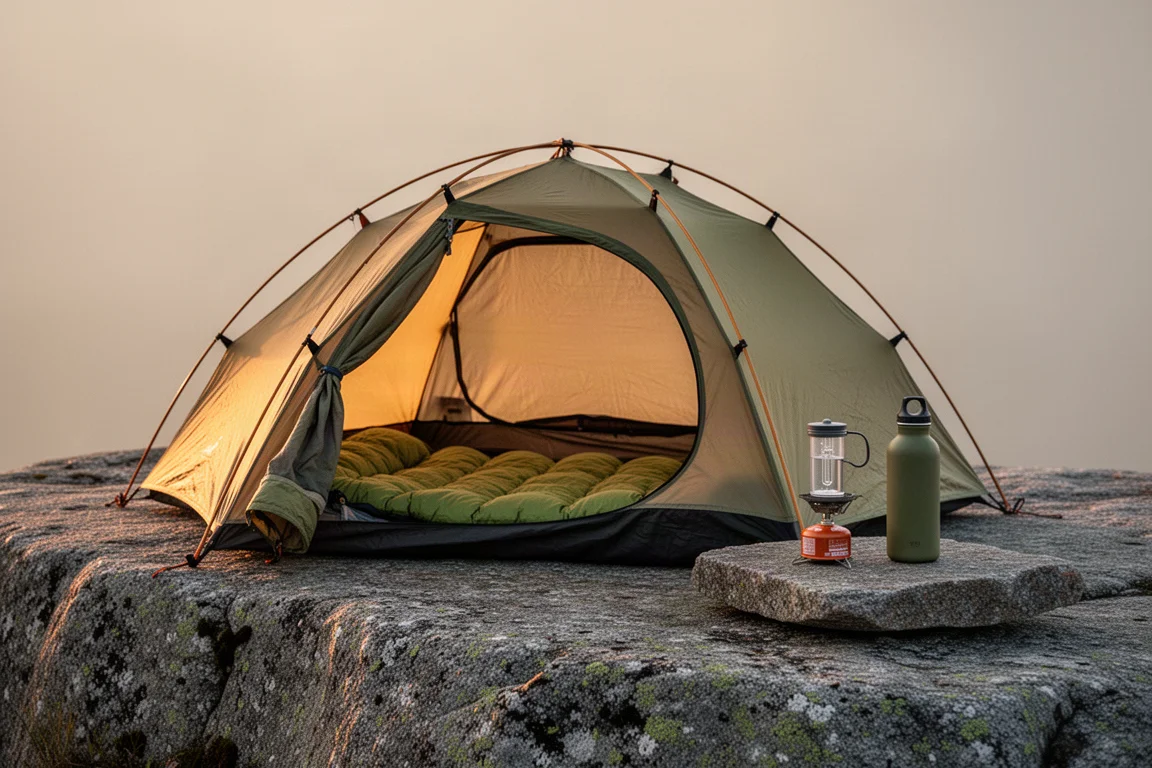
A 15 lb base weight sits in a useful middle ground. It is not a stripped-down setup built around the lowest possible number, and it is not a full-comfort car camping load either. It is a deliberate mix: heavier items where they buy real comfort at camp, lighter items where the weight saving costs nothing in usability.
The list below follows that logic. Some pieces, such as the pack and the sleeping pad, are chosen for comfort first. Others, such as the headlamp and the water filter, are chosen because they stay light without giving up performance. Together they form a workable setup for trips of a few days.
How This Gear List Balances Weight and Comfort
Every item here plays one of three roles. Comfort items carry extra grams in exchange for better sleep, easier cooking, or a more civilised camp. Weight-focused items stay light because nothing is lost by doing so. Balanced items sit between the two, usually by trading a small amount of weight for a meaningful gain in function.
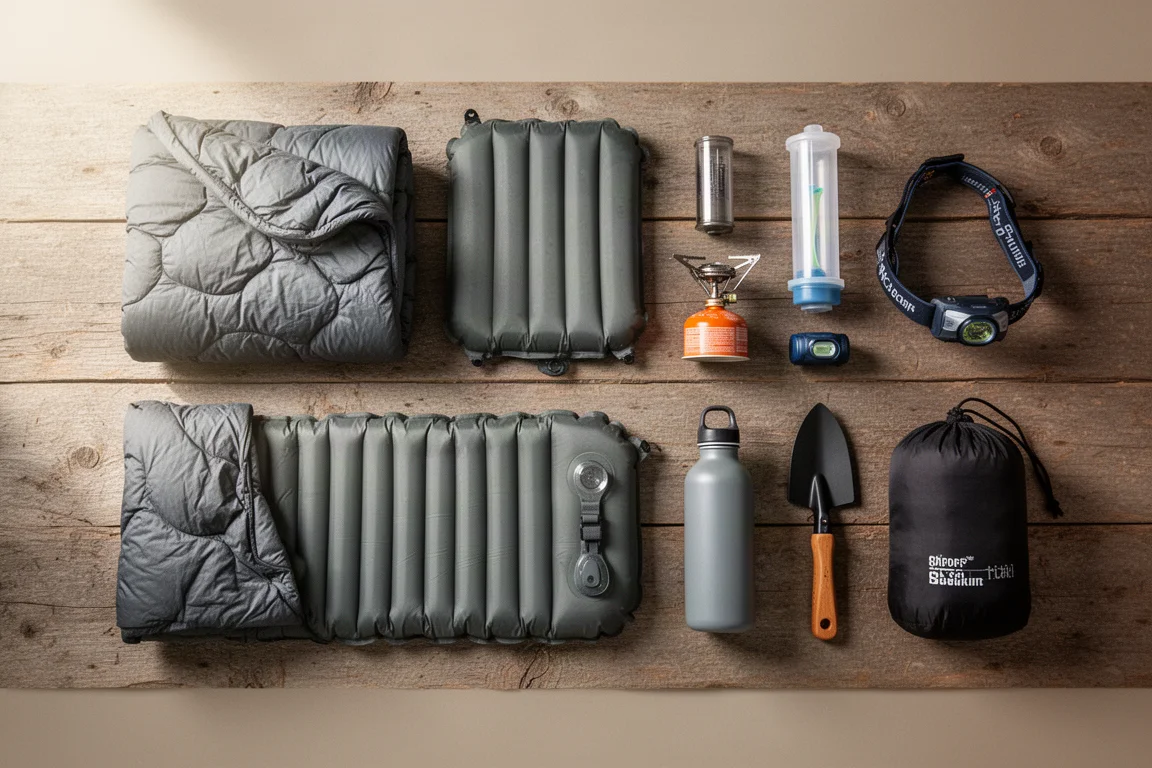
The result is a base weight that stays near 15 lb while still including a freestanding tent, a full quilt and sheet sleep system, a chair, and an all-in-one stove. Anyone counting grams obsessively will find plenty to trim. Anyone who wants to sleep well and eat hot food will find the trade-offs reasonable.
Packs
REI Flash 55
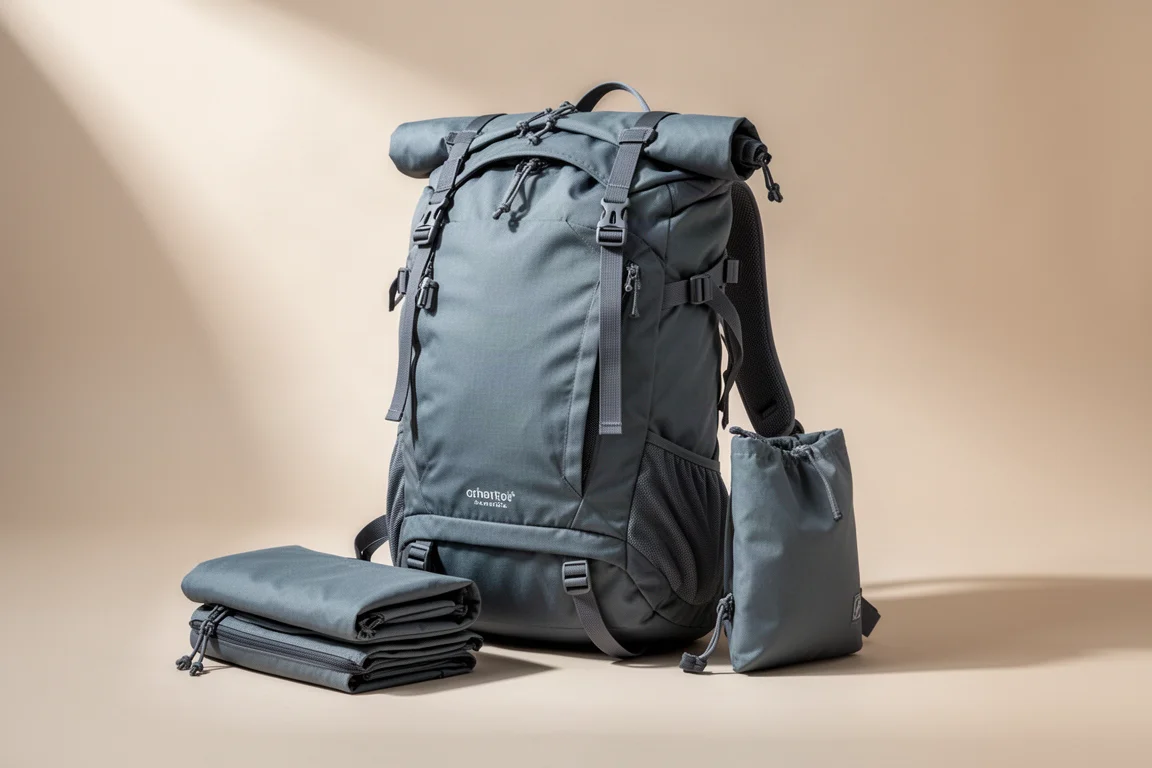
The Flash 55 is a comfort-first pack. It uses an adjustable torso, a strong frame, and substantial foam along the back panel and hip belt, all of which help it carry weight well. Storage is generous too: side water bottle pockets, a front pocket, hip belt pockets, and a lid give plenty of accessible places to keep small items.
The headline trait is load handling. It has been used with loads up to about 50 lb without issue, and most hikers will run out of internal volume before they reach the pack’s weight limit. At a 15 lb base weight, that means the pack is never the limiting factor.
Shelter
Durston X-Dome 1+
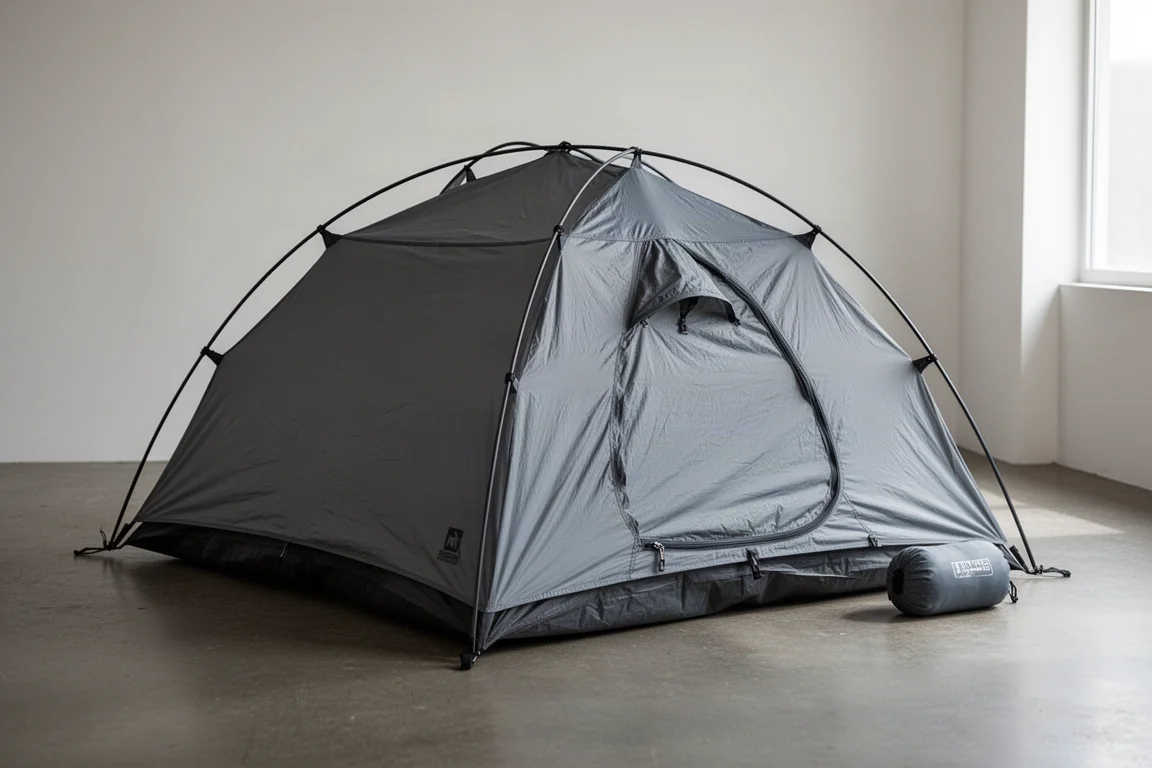
The X-Dome 1+ sits in an unusual spot. It is one of the lightest freestanding one-person tents available, yet it is still roomy, storm-worthy, and built from solid materials. The interior can fit a 30 in wide long sleeping pad with room left over for gear beside you, which is rare in a one-person tent. Most tents that offer that kind of space are two-person models.
Because 30 in pads are heavy, a regular wide sleep system is the more sensible pairing. That keeps weight down while still taking advantage of the tent’s generous floor plan.
Sleep Insulation
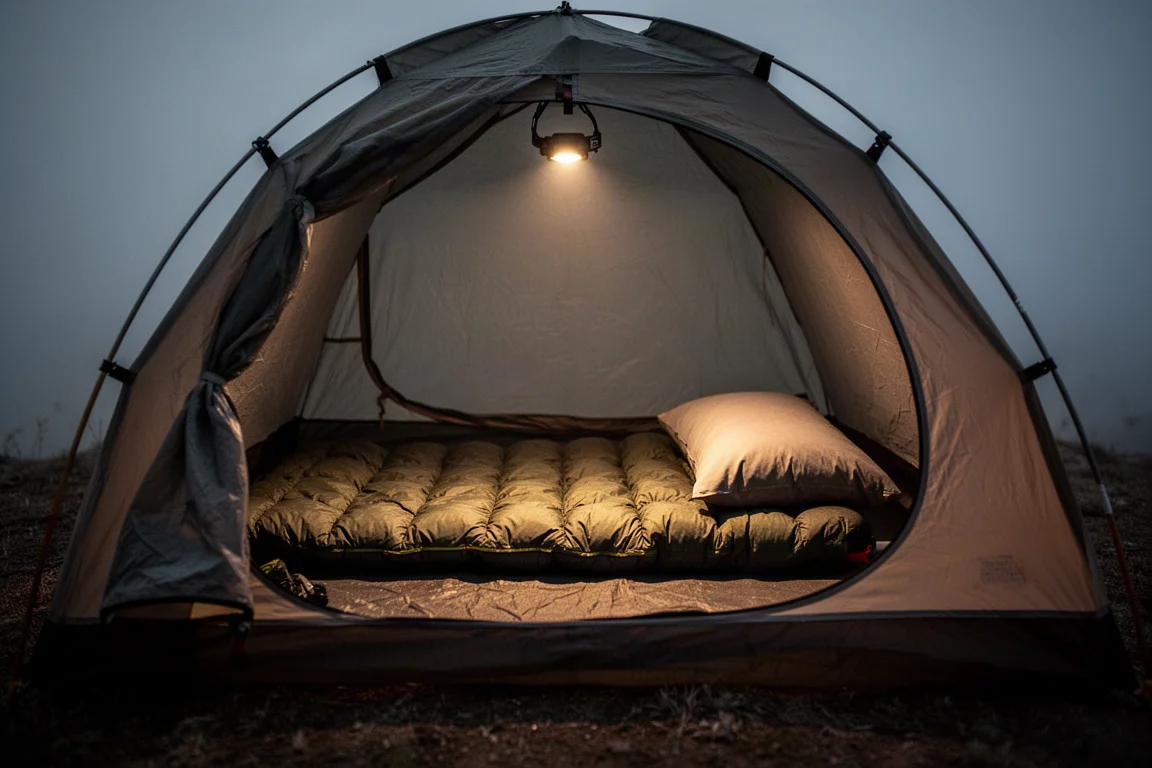
Zenbivy is the comfort benchmark in this setup. The system separates the sheet, quilt, and hood, which makes it easier to move around at night than a traditional mummy bag.
Zenbivy Bed
The Zenbivy Bed lets you toss and turn easily under the quilt, adds a hood for head insulation, and uses a sheet and quilt attachment system that helps keep drafts out. The ultralight version is the one to choose if a lighter base weight matters most. Heavier versions are also available at lower prices for anyone who would rather save money than grams.
Zenbivy Zip Bed Trek
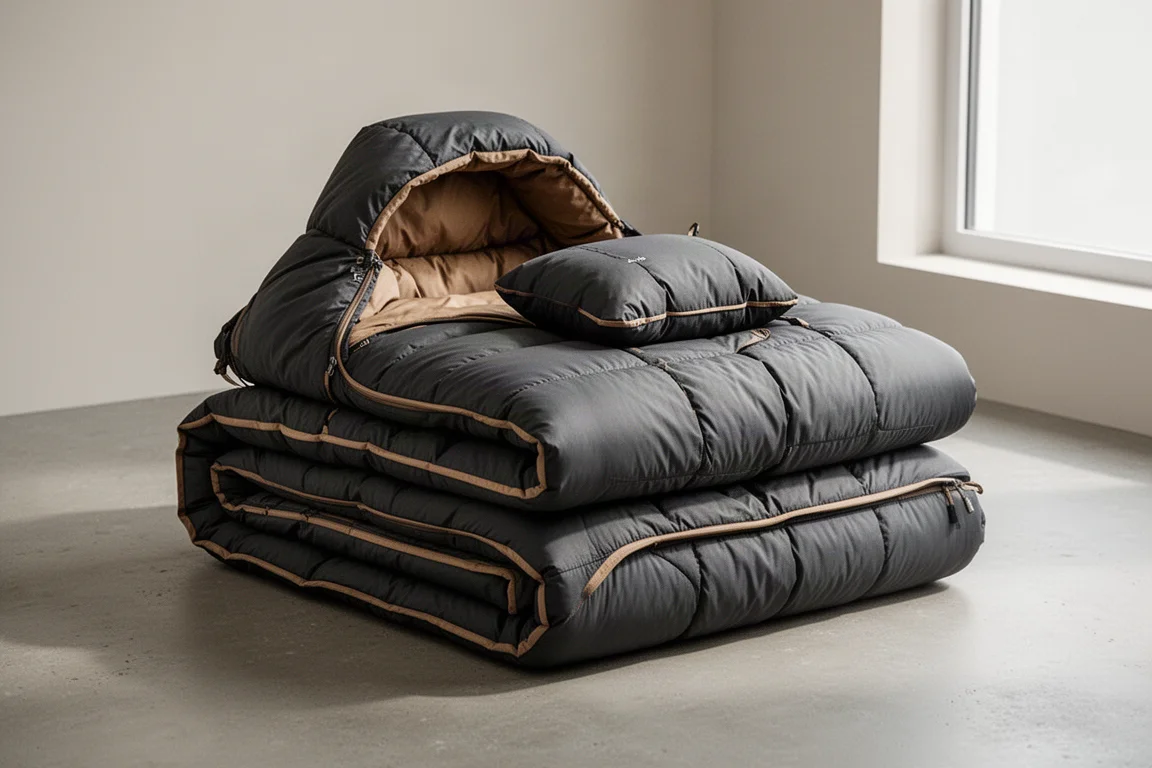
The Zip Bed Trek is the version to look at if you prefer zippered sides. It uses a soft, comfortable fabric and keeps the same comfort-first approach as the rest of the range. It suits sleepers who want the quilt feel with a bit more structure around the edges.
Zenbivy Pillow
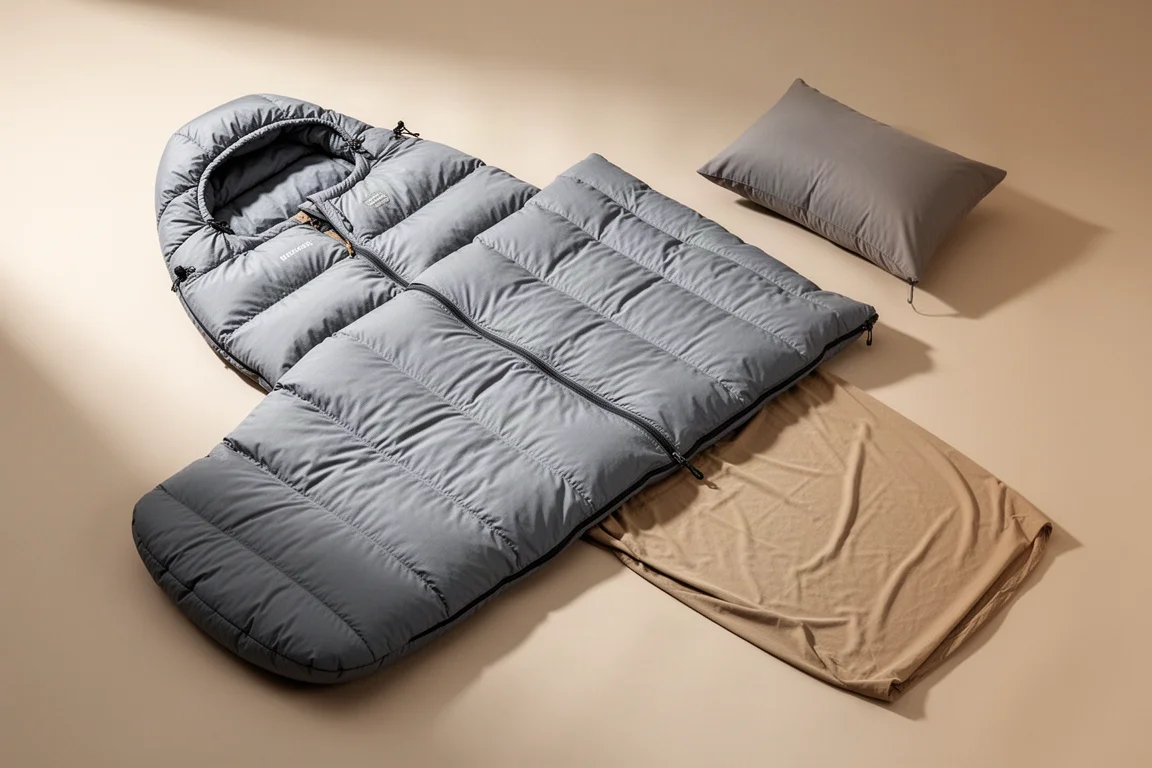
The Zenbivy Pillow pairs an inflatable bladder with a down topper, then wraps both inside a sheet that connects to the bed’s sheet and hood. That connection keeps the pillow in place through the night. At 268 g it is a heavy pillow by ultralight standards, but pillows make an outsized difference to sleep quality, and this is one of the most comfortable options available.
Sleeping Pads
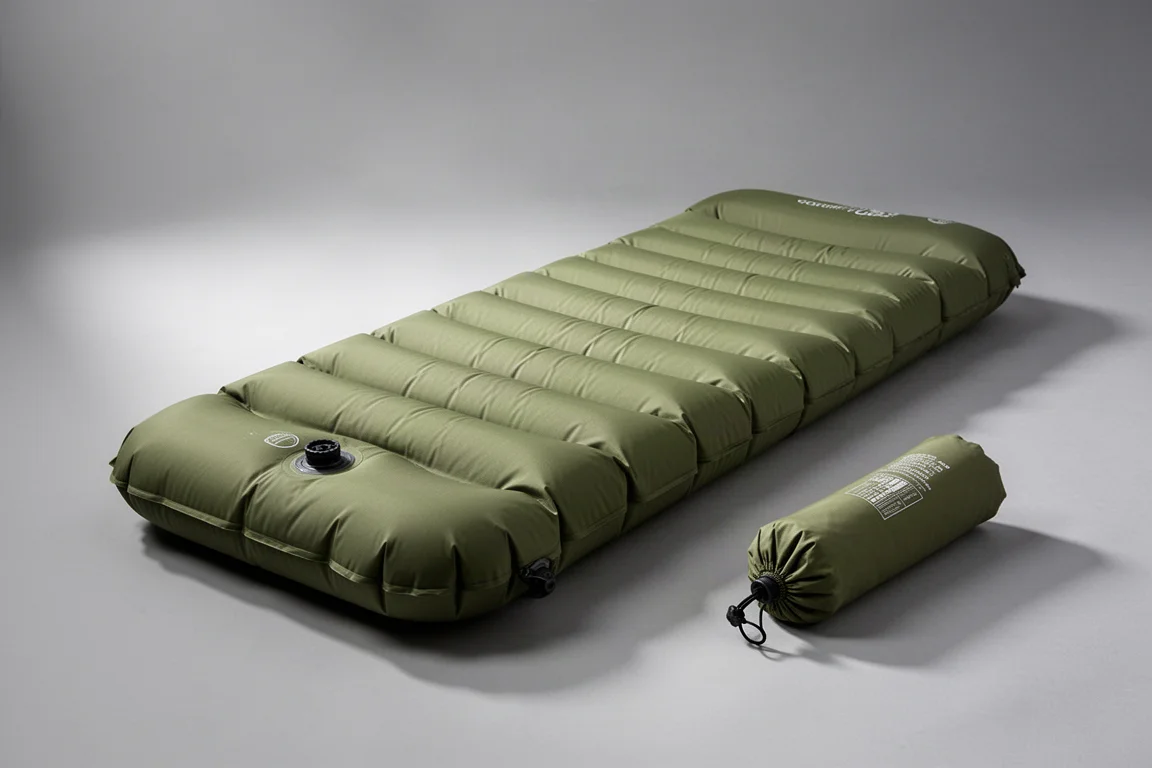
REI Helix Sleeping Pad
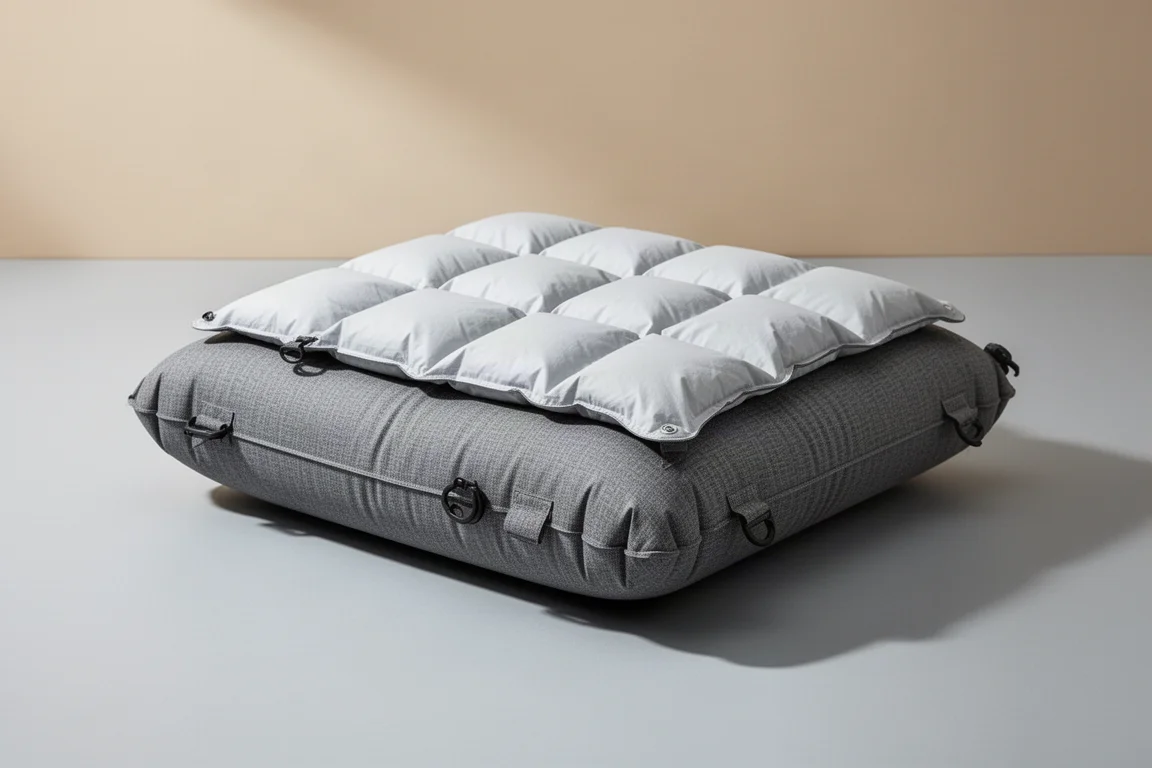
The Helix is a 24 in wide pad, so it offers a little more room than a standard width. At 700 g it is a comfort item, though still lighter and more compact than purely comfort-focused pads. It needs to be inflated fully, after which the dimpled baffle pattern does the work: each raised dimple acts like a small air spring that relieves pressure.
That design makes it especially good for side sleepers. The dimples reduce pressure at the hip and shoulder, which helps prevent the numb arm that flatter pads can cause.
Cooking Systems
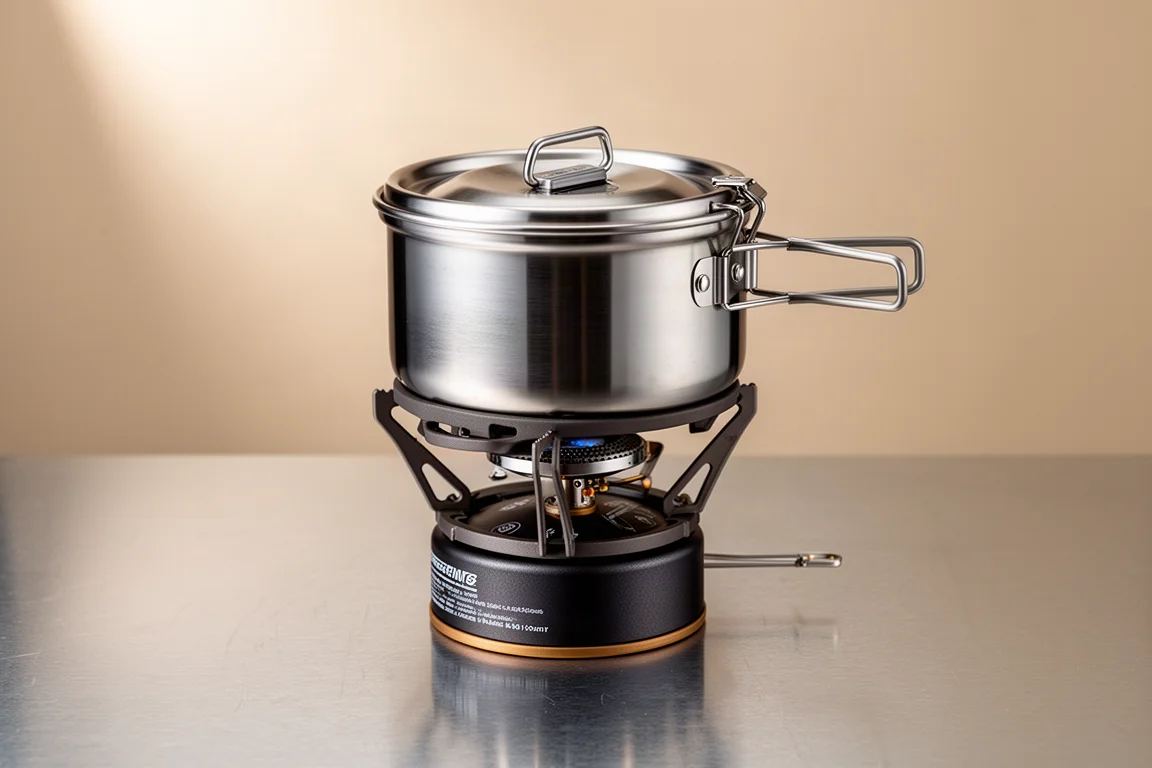
MSR WindBurner
The WindBurner is a pure comfort item at 434 g. An ultralight cook system weighs a fraction of that, but the WindBurner boils fast, performs exceptionally well in wind, and runs very quietly. The radiant burner design makes a real difference compared with other all-in-one systems. It is expensive and heavy, and its advantages are easiest to appreciate once you have cooked on one in bad weather.
Water Treatment and Bottles
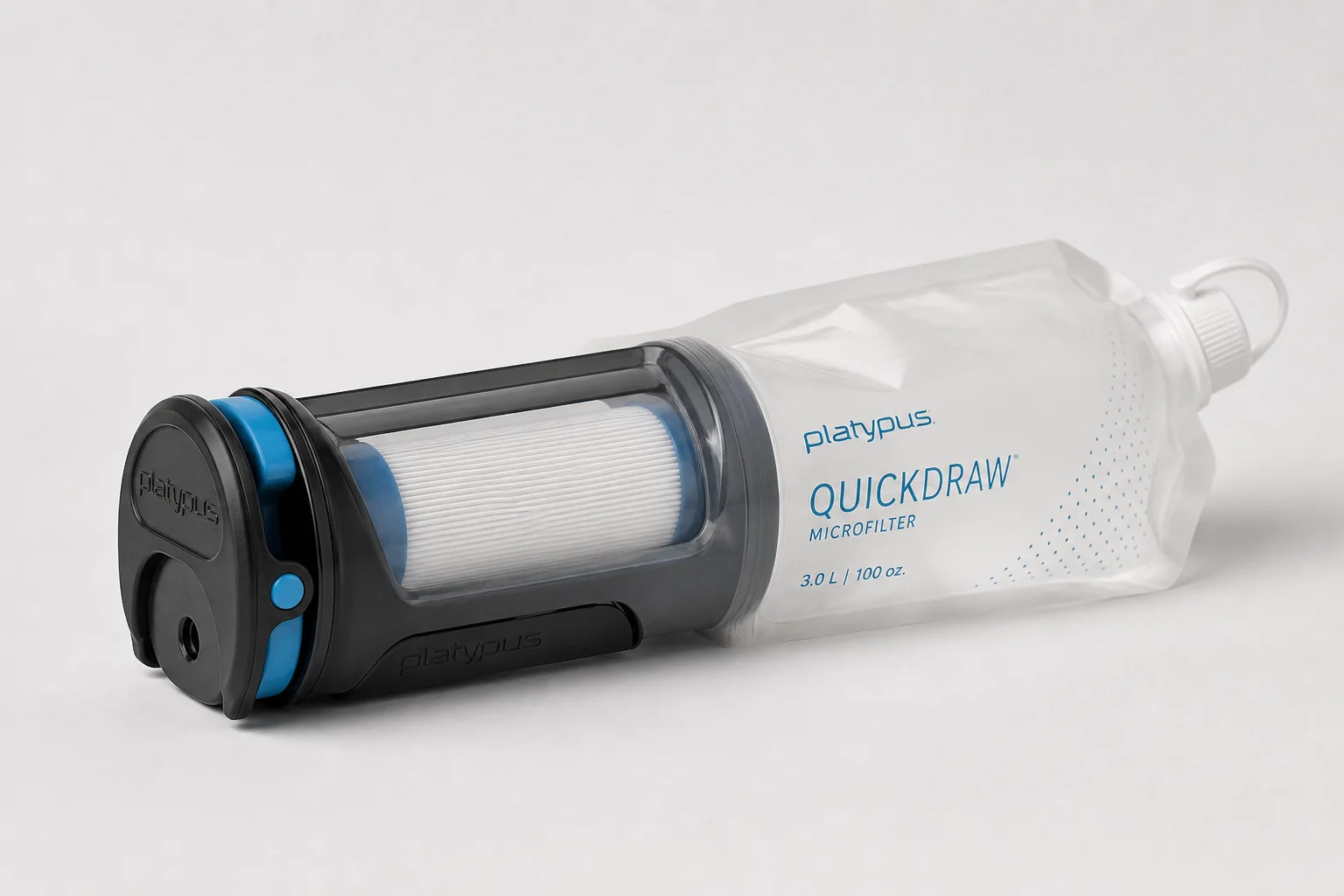
Platypus QuickDraw
The QuickDraw is a reliable filter that has proven itself over years of use, including on long thru-hikes. It filters quickly and offers wide compatibility with water vessels: it works with its own bladder, screws directly onto standard sport bottles, and pairs well with soft flasks. That flexibility makes it easy to build a water system around it.
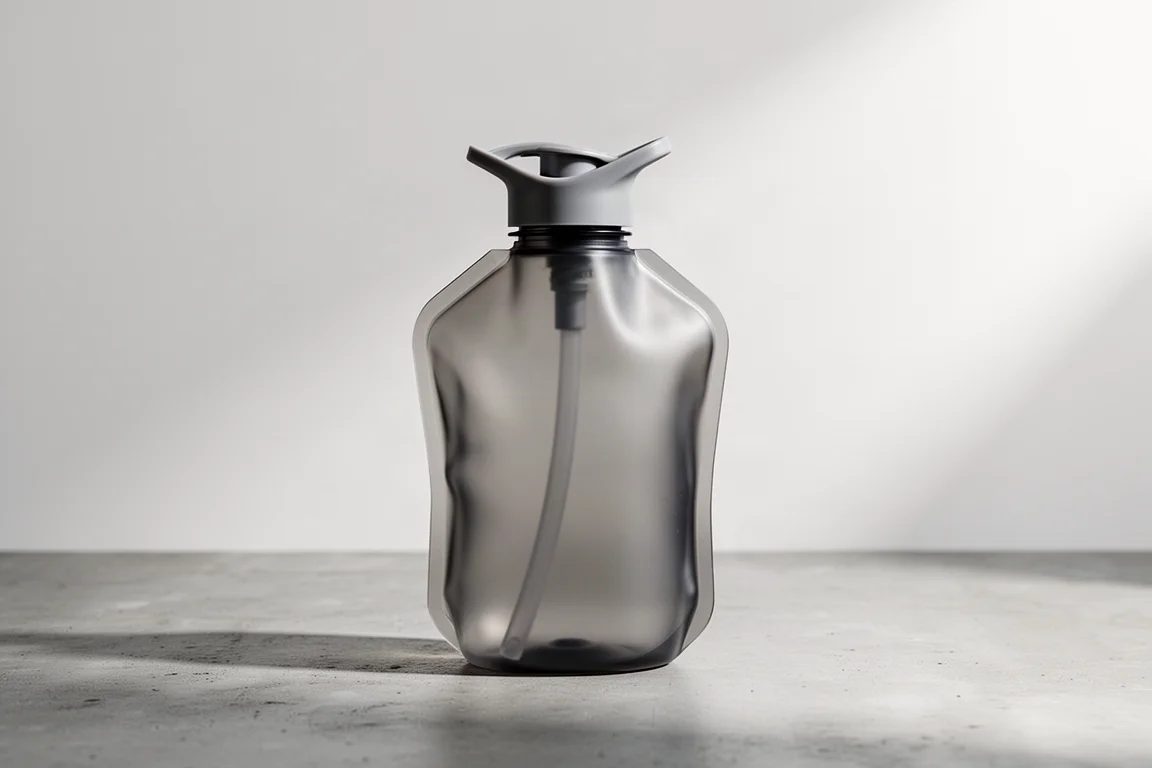
Ignis Gear Novo Bottle
Reusable bottles have been getting lighter, and the Novo is a good example at 60 g. Its shape is slightly squatter and wider than a typical sport bottle, and it works with flip caps. It is still roughly twice the weight of a disposable sport bottle, but it is a meaningful step toward that benchmark in a reusable form.
Electronics
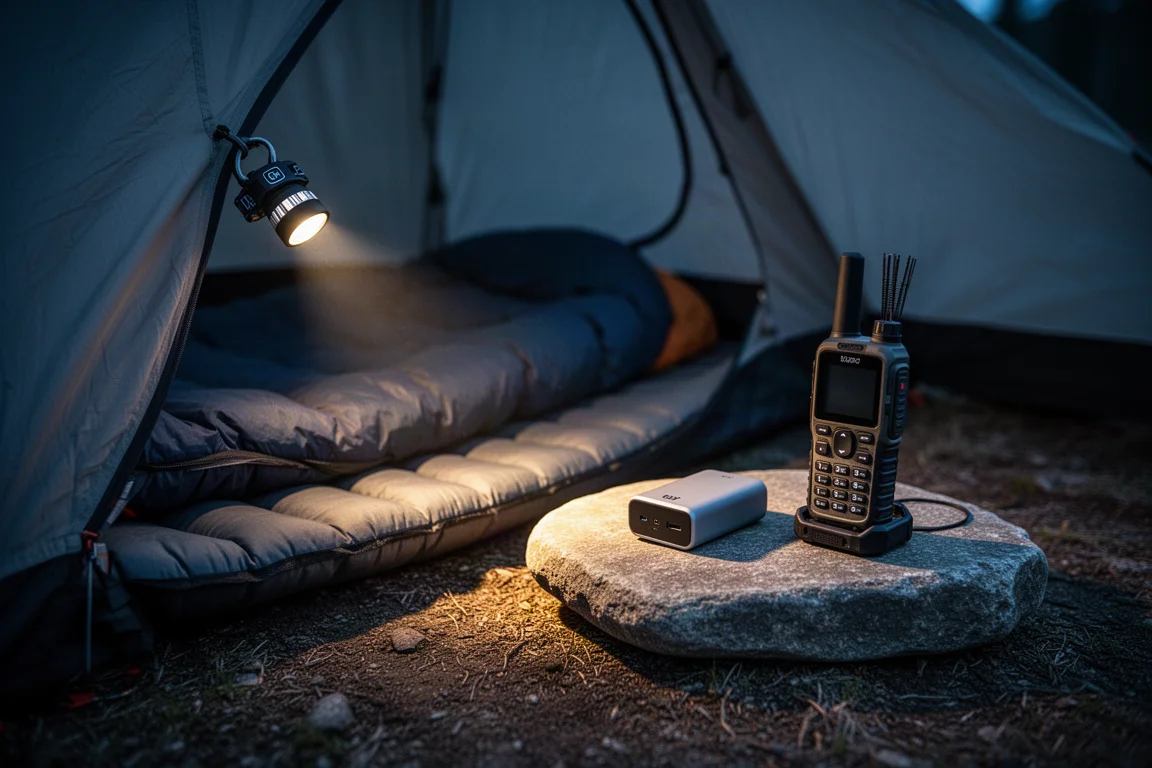
The electronics here are chosen to stay small and light while covering light, safety and communication, and power.
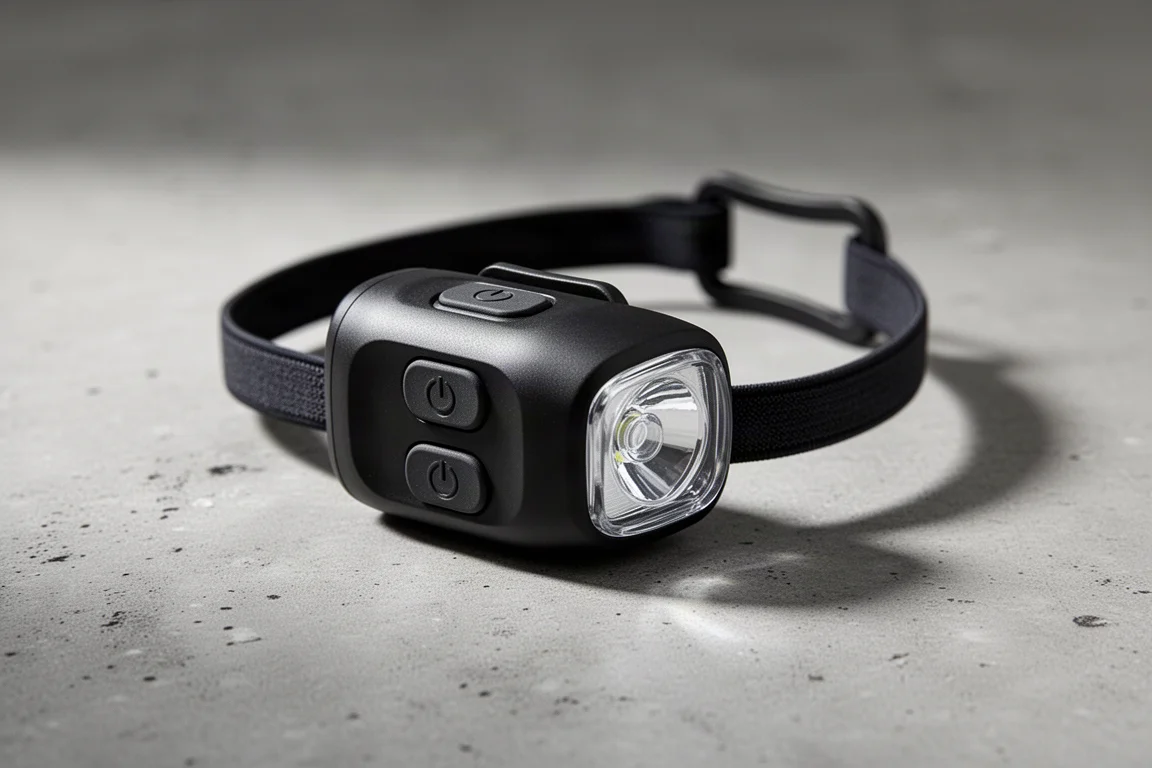
Nitecore NU20 Classic
The NU20 Classic is a do-it-all headlamp: one of the lightest available, USB rechargeable, with good brightness and two separate buttons. One controls the white light and the other controls the red light, which is far easier to use in the dark than a single-button design that cycles through every mode.
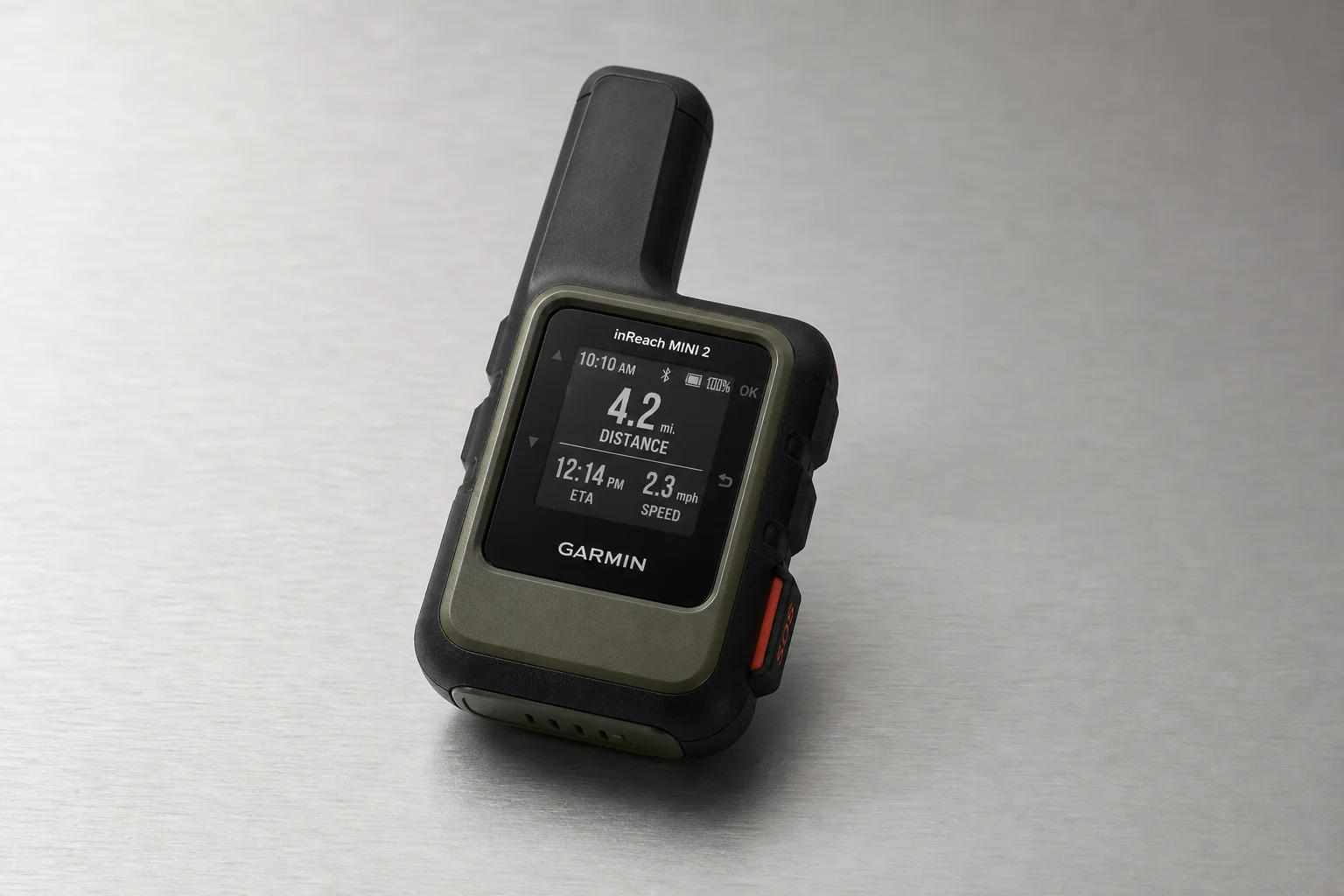
Garmin inReach
A dedicated satellite communicator is the sensible choice for backcountry travel. Satellite features built into phones are not yet a match for a purpose-built device like the inReach. These units are heavy and can be expensive, but for anyone travelling beyond reliable cell coverage the added safety margin is worth it. Borrowing or renting one is a reasonable option for occasional trips.
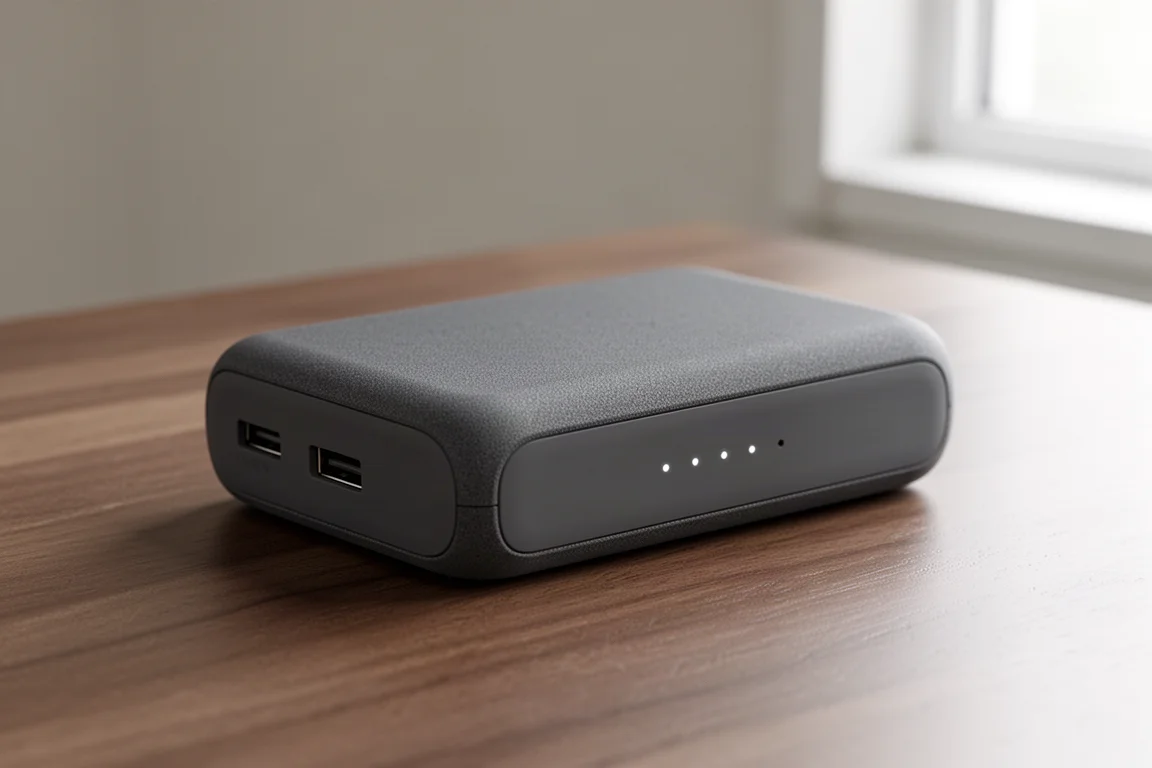
Vimux Power Bank
It is rare for an item to be light, capable, rugged, and inexpensive at the same time. The Vimux power bank manages all four. At 165 g it is not the lightest option on the market, but it is light enough for almost everyone outside the most extreme end of gram counting.
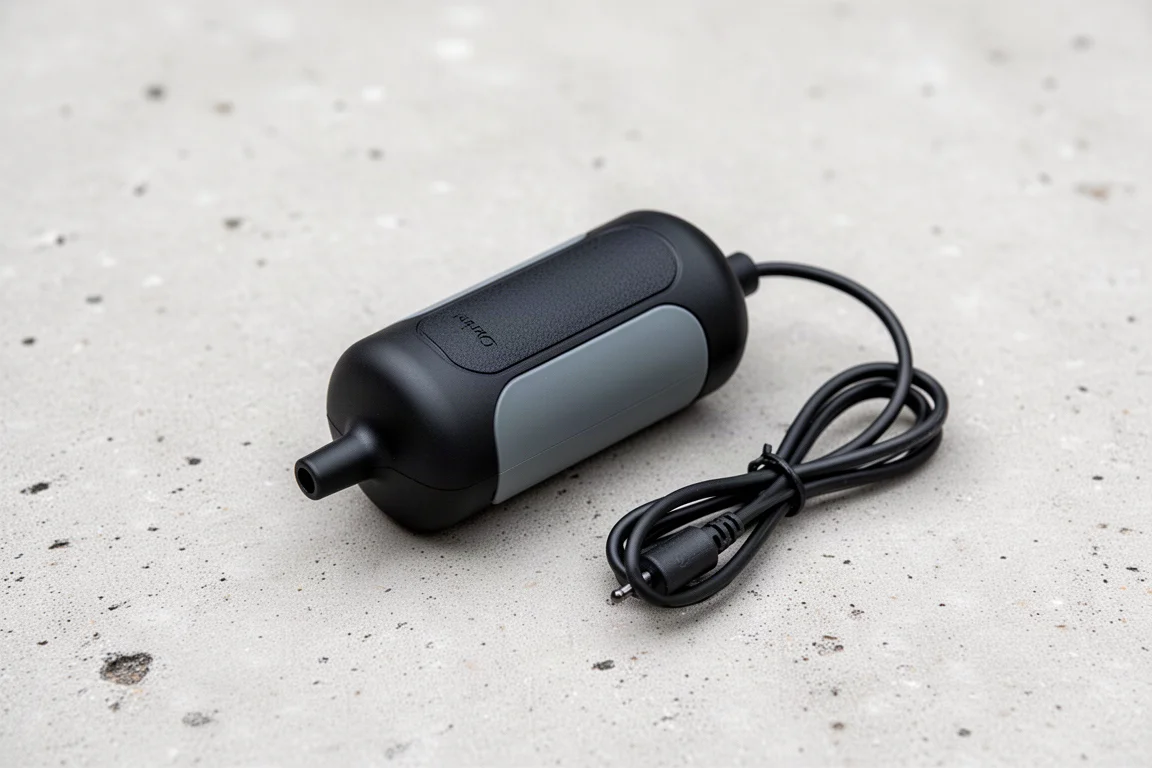
Aerogogo Giga Air Pump
The Giga Air Pump weighs just 35 g because it uses an external power source, either a phone or a power bank. That makes it a simple way to inflate a sleeping pad without spending the evening breathing into a valve.
Hygiene
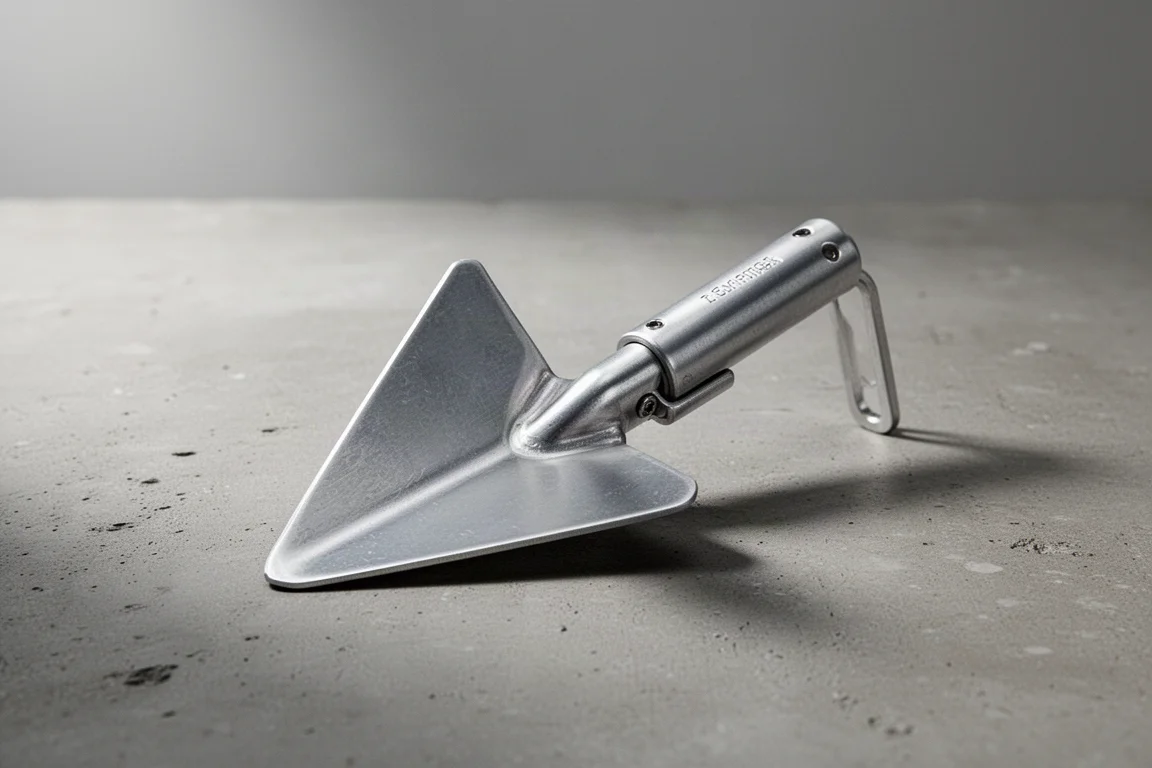
BoglerCo Tri
For digging a cat hole, the Tri is simply the best tool for the job. It is compact, durable, and does what it needs to do without fuss.
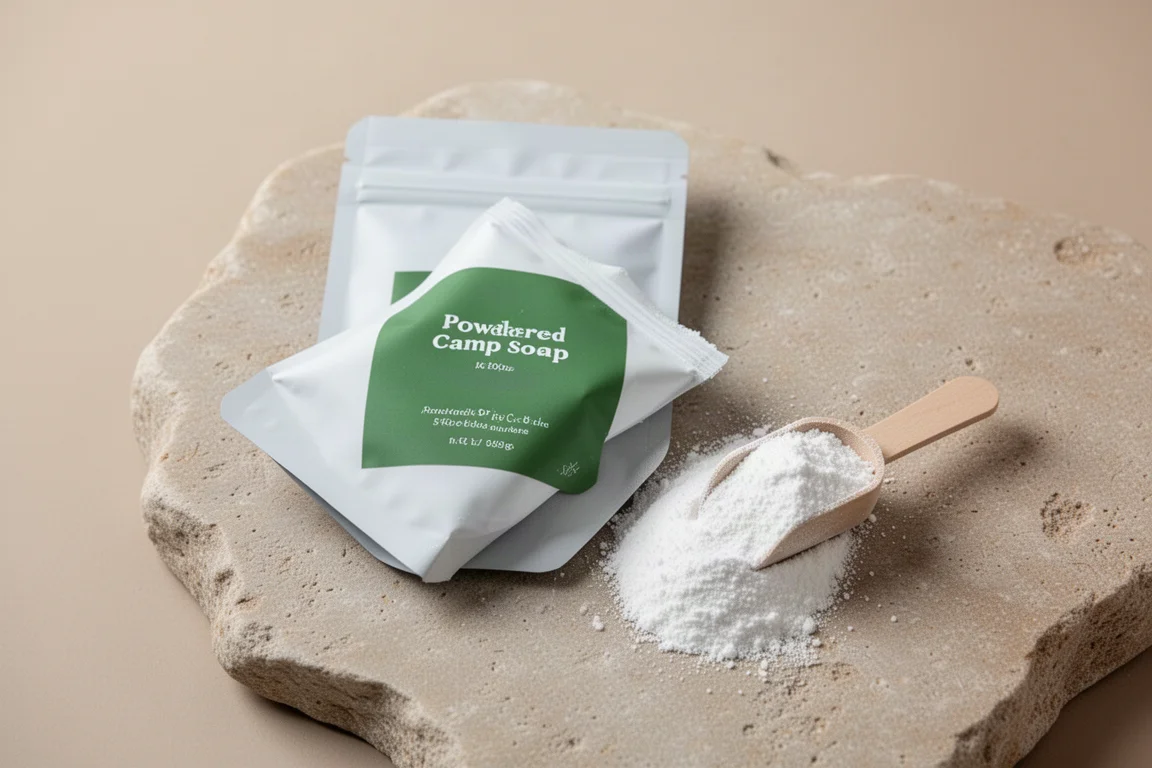
Peak Outdoors Summit Suds
Summit Suds is a powdered soap used for backcountry washing and for cleaning hands afterwards. The powder format makes it easy to carry only the amount needed for a given trip.
Trekking Poles
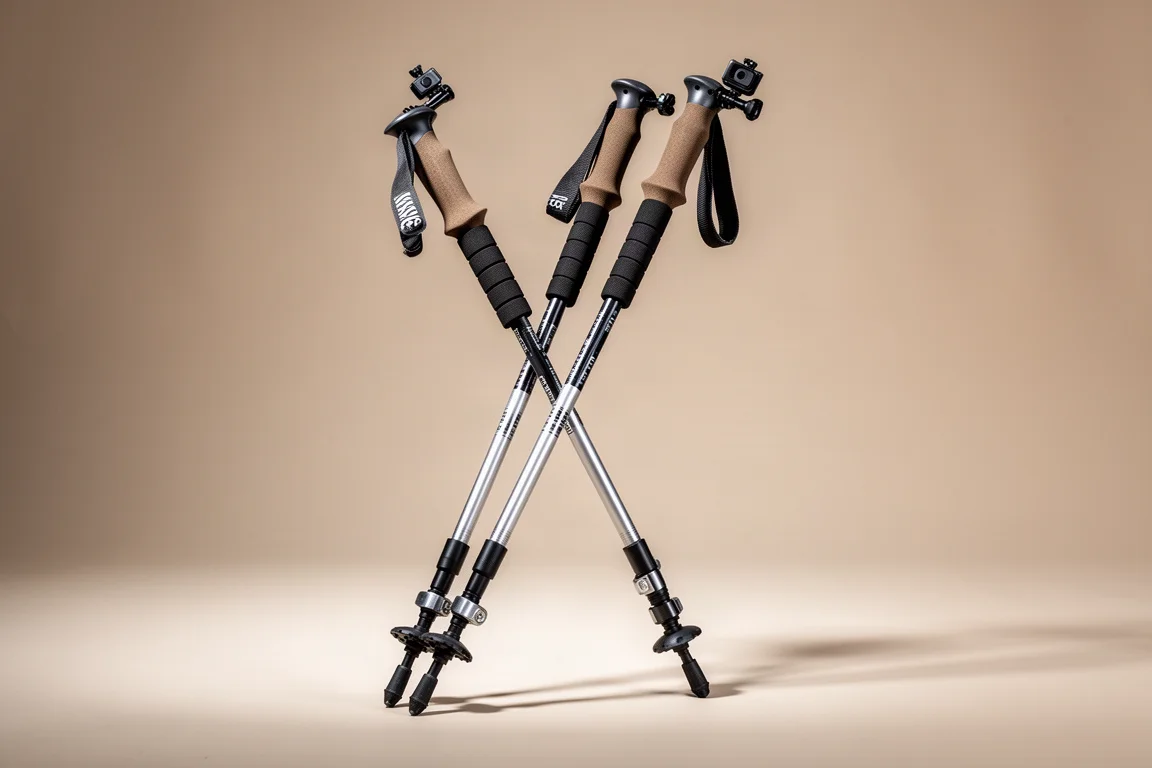
Durston Trekking Poles
These poles get several things right. The long contoured grip is comfortable over long days, and the locking mechanisms are the most solid available, so the poles feel sturdy and reliable under load. They use an aluminium construction, which makes them heavier than carbon alternatives but still reasonably light. Camera tripod mounts at the top of each grip let you attach a camera or action camera directly.
Camp Comfort
REI Flexlite Air Chair
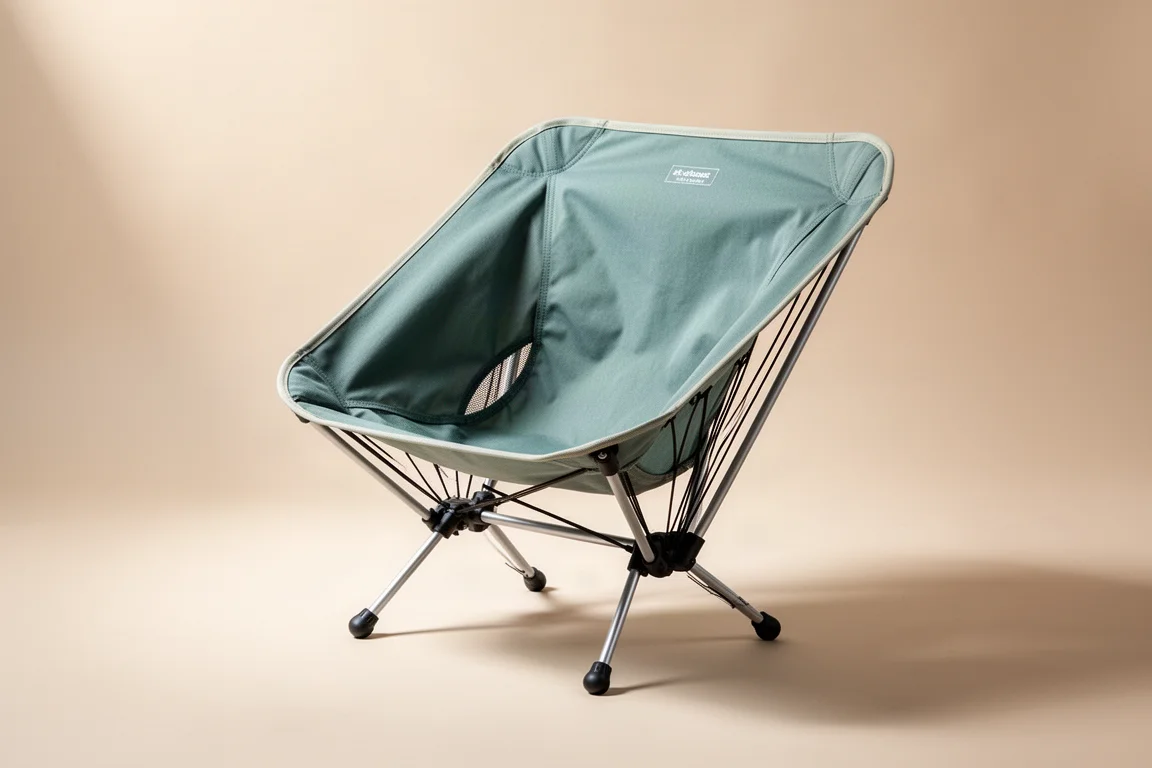
A chair is close to essential on any trip that is not strictly ultralight. The Flexlite Air Chair stands out on price at $100 while matching the weight of lighter premium chairs, at roughly half the cost. It may not be quite as comfortable or as sturdy as those alternatives, but the value is hard to argue with. For anyone who has hesitated over a backcountry chair because of price or weight, this solves both problems at once.
Food and Accessory Storage
Backcountry Exposure Misa Bag
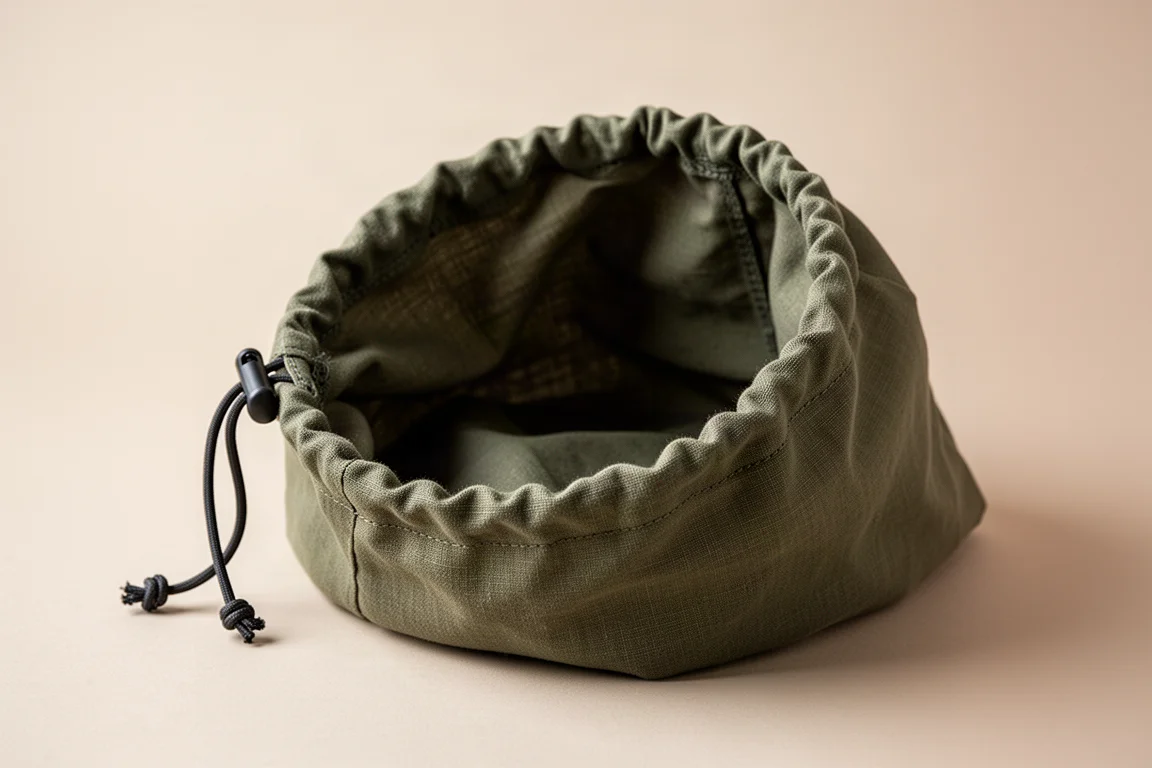
The Misa bag holds cooking and food items. Its wide opening makes it easy to see everything inside, and its size suits trips of roughly two to four days. It is also shaped to sit inside a pack as a single layer, which keeps packing efficient.
Buying Advice
The right way to use a list like this is to decide which parts of a trip you actually care about. If sleep decides whether you enjoy a trip, the sleep system is where the money and the grams belong: a quilt and sheet setup, a wide pad with pressure relief, and a pillow that stays put. If you hike long days and want less fatigue, spend the weight budget on the pack instead, since load transfer matters more than anything else here.
A few items are worth deciding early because they set the rest of the system. The tent determines how wide a pad you can use. The filter determines which bottles and bladders make sense. The power bank determines whether small electronics such as the pad pump are practical. Getting those three decisions right makes the remaining choices much easier.
There is also no penalty for carrying a chair, a real stove, or a heavier pillow if the result is that you sleep and eat well. The point of a 15 lb base weight is not to win an argument about numbers. It is to keep the pack manageable while leaving room for the comforts that make multi-day trips enjoyable.
Conclusion
This list works because each item is honest about what it is. The pack, the sleep system, the pad, the stove, and the chair are heavier than they strictly need to be, and they earn those grams with better sleep, easier cooking, and a more comfortable camp. The headlamp, filter, bottle, pump, and trekking poles stay light without giving anything up. Put together, that balance lands at a base weight of about 15 lb, which is light enough to carry comfortably and comfortable enough to make the trip worth repeating.
Further reading
Related Reviews

Backpacking Gear
Building a 10 lb Base Weight: An Ultralight Backpacking Gear List
A practical walkthrough of the ultralight pieces behind a 10 lb base weight, from a 765 g pack and a roomy one-person tent to a full camp chair and a dependable water filter.

Backpacking Gear
A 15-Pound Lightweight Backpacking Gear List for Solo Trips
A beginner-friendly 15-pound backpacking setup built from easy-to-find gear, with notes on what each piece does, how it packs, and where to spend your attention.

Backpacking Gear
8 Ultralight Backpacking Gear Upgrades Worth Carrying
Eight small, affordable backpacking upgrades that solve real trail annoyances, from a pillow that stays put to a fuel valve that rescues leftover canister gas.