Backpacking Gear
The Comfort-Focused Backpacking Kit: 9 Gear Picks for Camp and Trail
A comfort-first backpacking kit built around four priorities: comfort at camp, comfort on trail, ease of use, and a price that stays within reach.
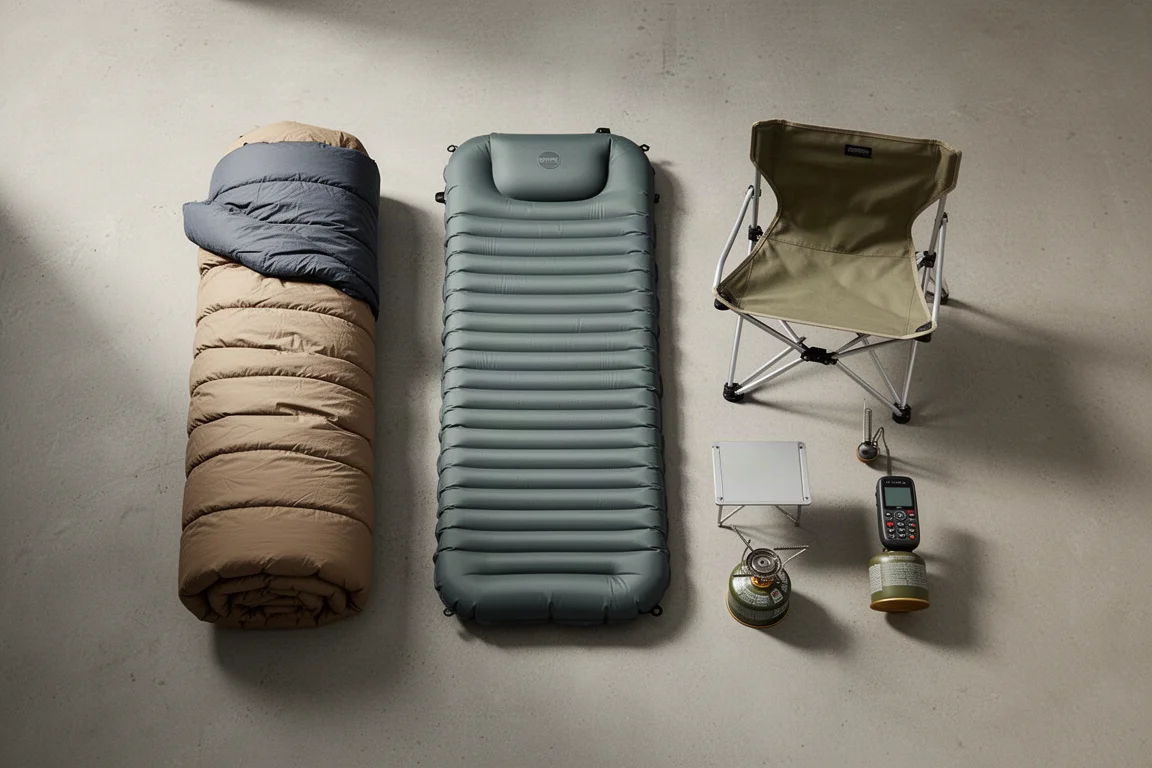
Introduction
Building a backpacking kit that is genuinely comfortable is a balancing act. Weight on the trail fights comfort at camp, and gear that solves one problem often creates another. This kit was assembled around four priorities, and they were ranked on purpose.
Comfort at camp comes first, and it means more than a good sleep system. Comfort on the trail comes second, which means the load has to stay light enough to carry all day. Ease of use comes third, because wrestling with fiddly gear at the end of a long day wears you down. Price comes last, because excellent gear only helps if it is still within reach.
The aim was a setup that is lighter, more comfortable, and more affordable than the usual comfort-first build. The picks below cover the big three, camp furniture, cooking, electronics, and the small items that quietly make a trip feel easier.
What Makes a Comfort-Focused Backpacking Kit
The big three are the tent, the sleep system, and the pack. They carry most of the weight and most of the comfort, and if they are not dialled in, nothing else on the list can rescue the trip. Every other choice here was made to support them.
Ease of use matters more than it first appears. A gravity filter that fills a bottle while you set up camp, or a stove that comes out of the bag as one complete unit, removes small frictions that stack up over a long day.
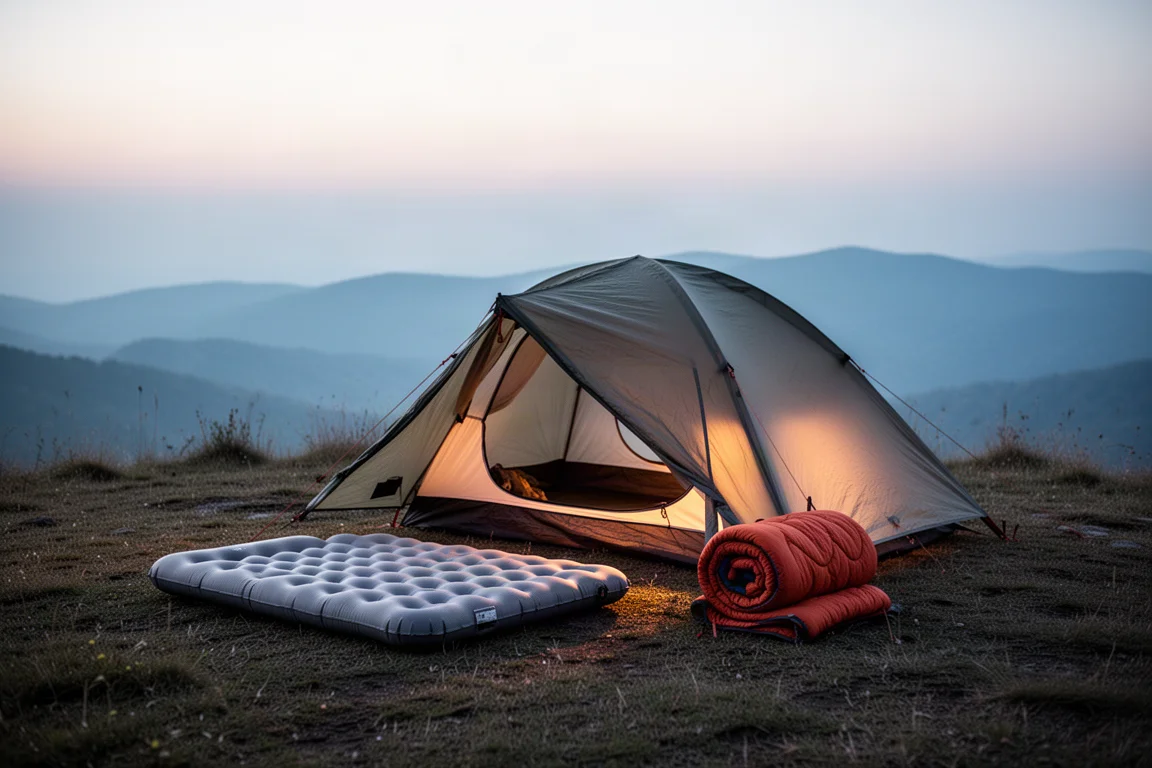
Price was the final filter, not the first one. The goal was gear that delivers real comfort without the premium that usually comes attached to the lightest and most technical options on the shelf.
REI Flash 55: A Pack That Carries Weight Well
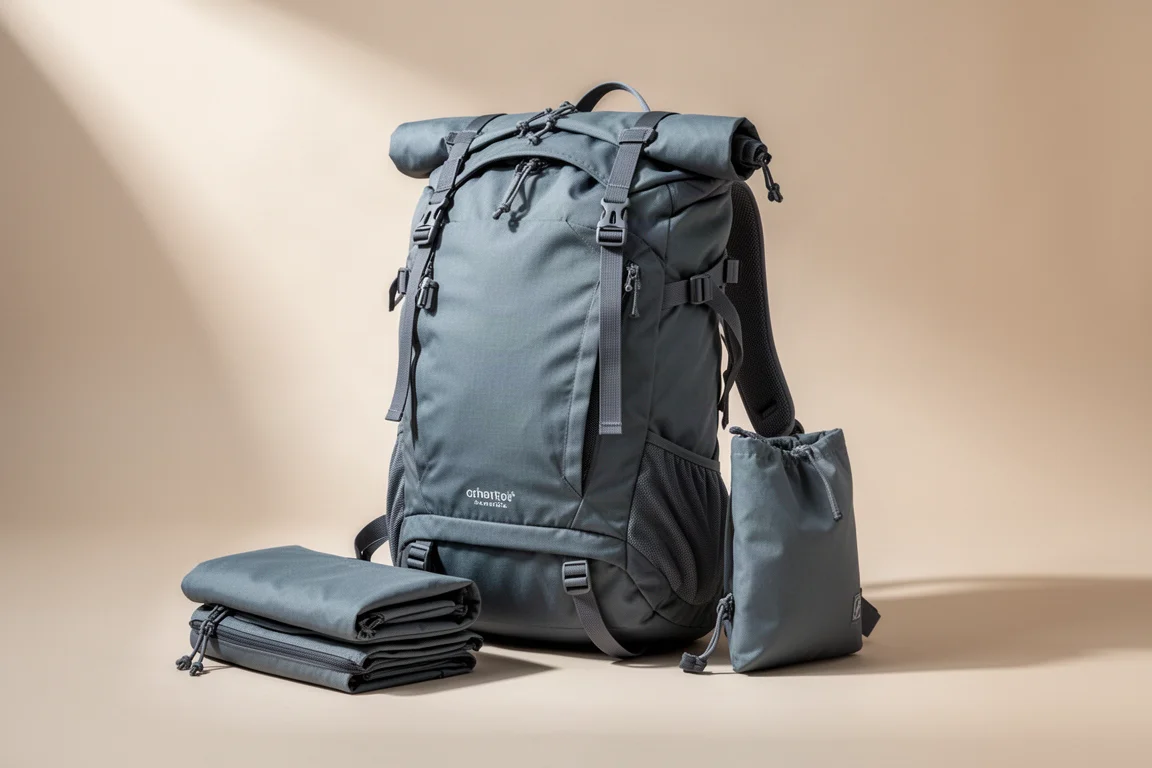
A comfort kit tends to be a little heavier than a pure ultralight kit, so the pack has to handle that extra load without turning every climb into a chore. The REI Flash 55 does it through a well-sorted carry system.
It has an adjustable torso so the fit can be locked in, plus a frame, foam through the back panel, and a padded hip belt. That combination transfers weight to the hips far more effectively than a frameless pack, which matters once a kit creeps past the ultralight range. The volume is generous as well, so bulkier comfort items still fit inside.
The standout detail is the water bottle pockets. They sit in front of the side pockets, which means you can reach a bottle, take a sip, and put it back without wrenching your shoulder or contorting your arm. It is a genuinely well thought out piece of design.
The trade-offs are honest ones. At around 1.2 kg the Flash 55 is not an ultralight pack, and the nylon it is built from is not the most technical fabric available. It can abrade and tear with hard use, and it absorbs water and gains weight when it gets wet. When the pack is discounted, it becomes a much easier recommendation.
Durston X-Mid 1P: Room to Move Under One Kilogram
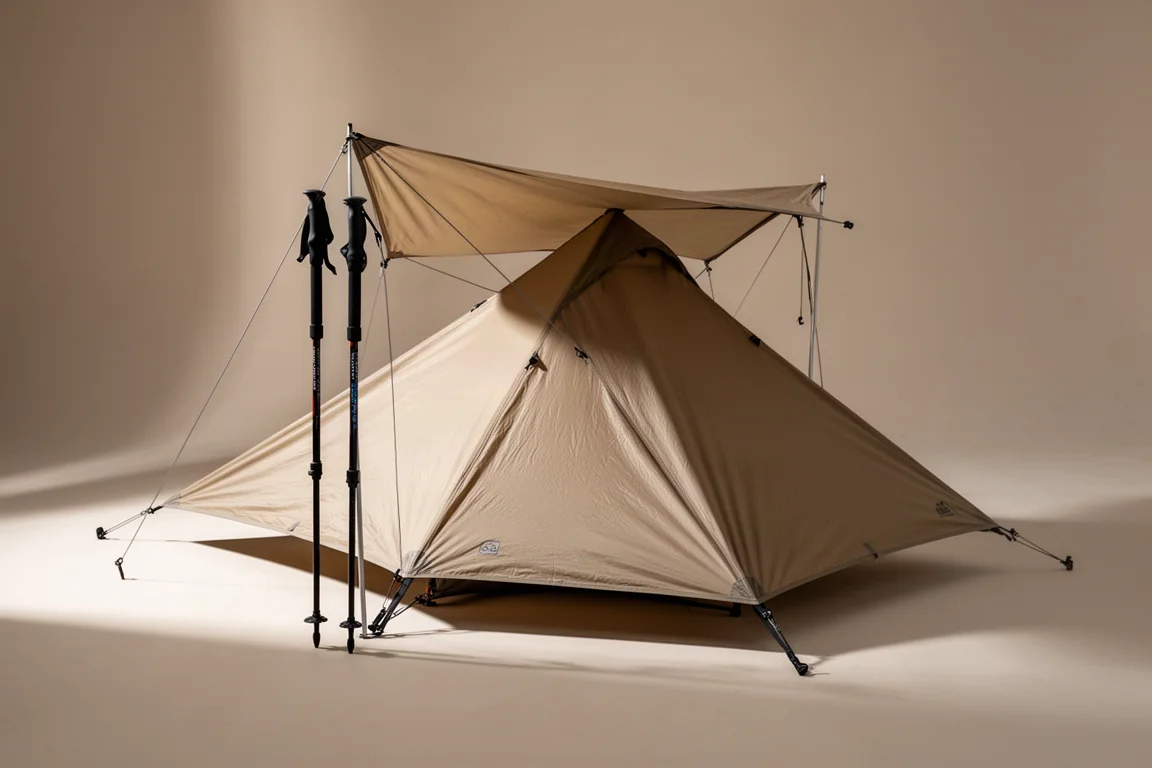
Space is the quiet comfort feature in a tent. The Durston X-Mid 1P is wider at one end so gear can spread out, and narrower at the foot end while still fitting a 30-inch wide sleeping pad.
Headroom is generous too. The tent is tall, the walls are vertical, and a wide brow pole opens up room around the head and shoulders. Getting changed inside does not feel cramped.
It is also light, coming in under a kilogram, and very solid in weather. It has been tested in a wind tunnel at 100 km/h and survived, and with every stakeout point pegged it should handle more than that. The sil-poly fabric does not stretch or sag when wet, and it can simply be stuffed into a stuff sack at the end of a trip rather than folded and rolled.
The only real compromise is weight against Dyneema single-wall tents that use trekking poles, which can be lighter. For what this tent offers, that is a small concession.
Nemo Eclipse: Thick, Light, and Comfortable
The Nemo Eclipse is the rare pad that manages to be both light and genuinely plush. It weighs 558 g and measures 4 inches thick, so you never bottom out, even when sleeping on your side.
The baffle layout is a slightly dimpled vertical design, and it is a large part of why the pad feels as comfortable as it does. The regular wide version comes in under $200, which is increasingly unusual as sleeping pads climb in price.
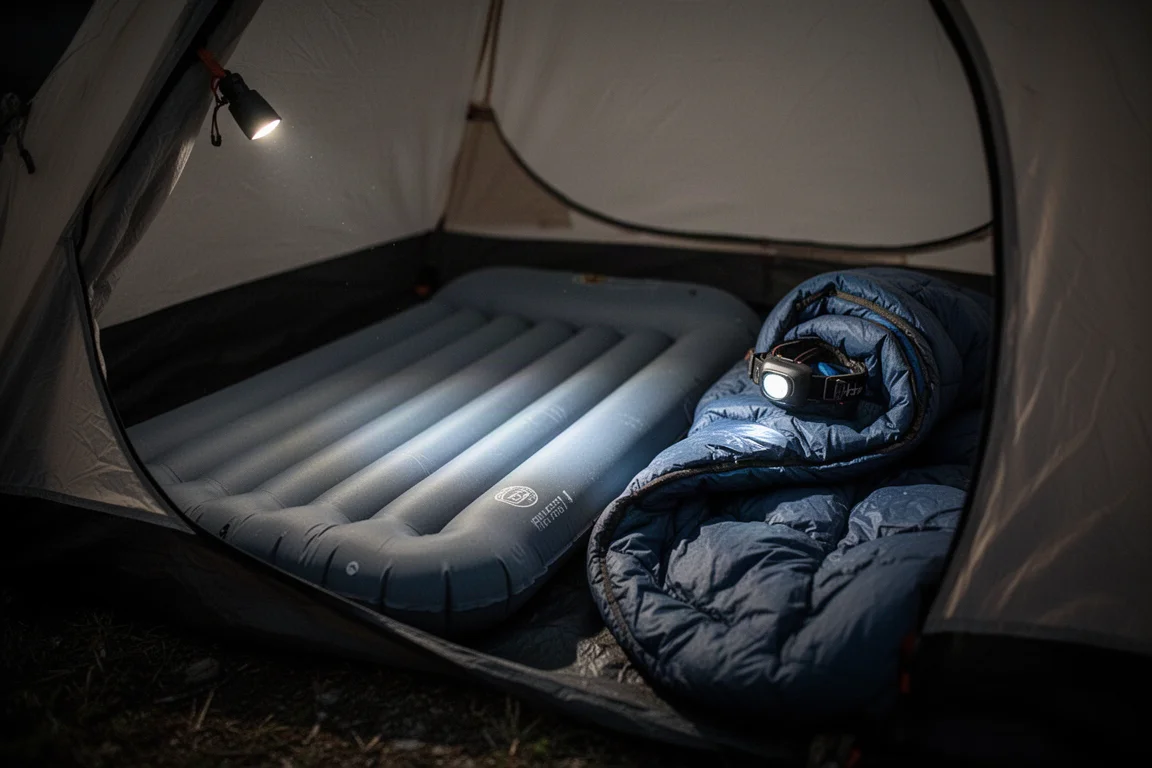
The one thing to plan around is warmth. The pad carries an R-value of 6.2, but in practice it feels comfortable down to roughly -3 to -4 C on relatively warm ground. Treat it as a three-season pad rather than a deep winter one.
Zenbivy Light Bed: A Quilt System That Stays Put
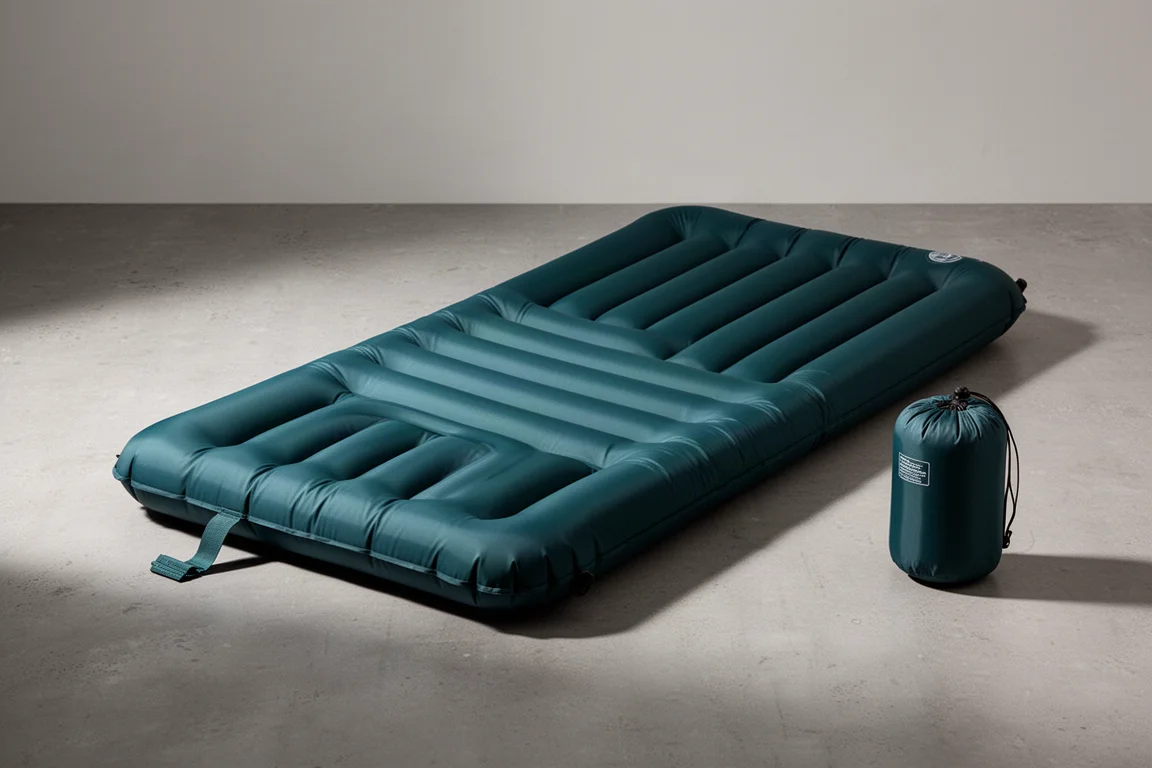
A quilt system lets you shift positions through the night without getting tangled the way you can inside a sleeping bag. The Zenbivy Light Bed takes that idea further with a sheet that runs the full length of the sleeping pad.
Zenbivy builds two main families. The Ultralight Bed uses lighter materials and higher fill power down with a half-length sheet, while the Light Bed uses slightly heavier materials and lower fill power down with a full-length sheet. The full-length sheet is the more comfortable option, particularly if you sleep in minimal clothing, and pairing it with the lighter quilt trims the weight back again.
The detail that makes the whole system work is a flap on the side of the sheet that clips into the quilt. That locks the quilt to the pad, holds it in position, and blocks drafts far more effectively than a loose quilt.
The costs are real. This is not the cheapest sleep system available, and the setup involves a lot of small components. Getting the sheet onto the pad and clipping everything together takes some patience, especially for a middle-of-the-night trip out of the tent.
Helinox Chair Zero LT: Light Seating for Soft Ground
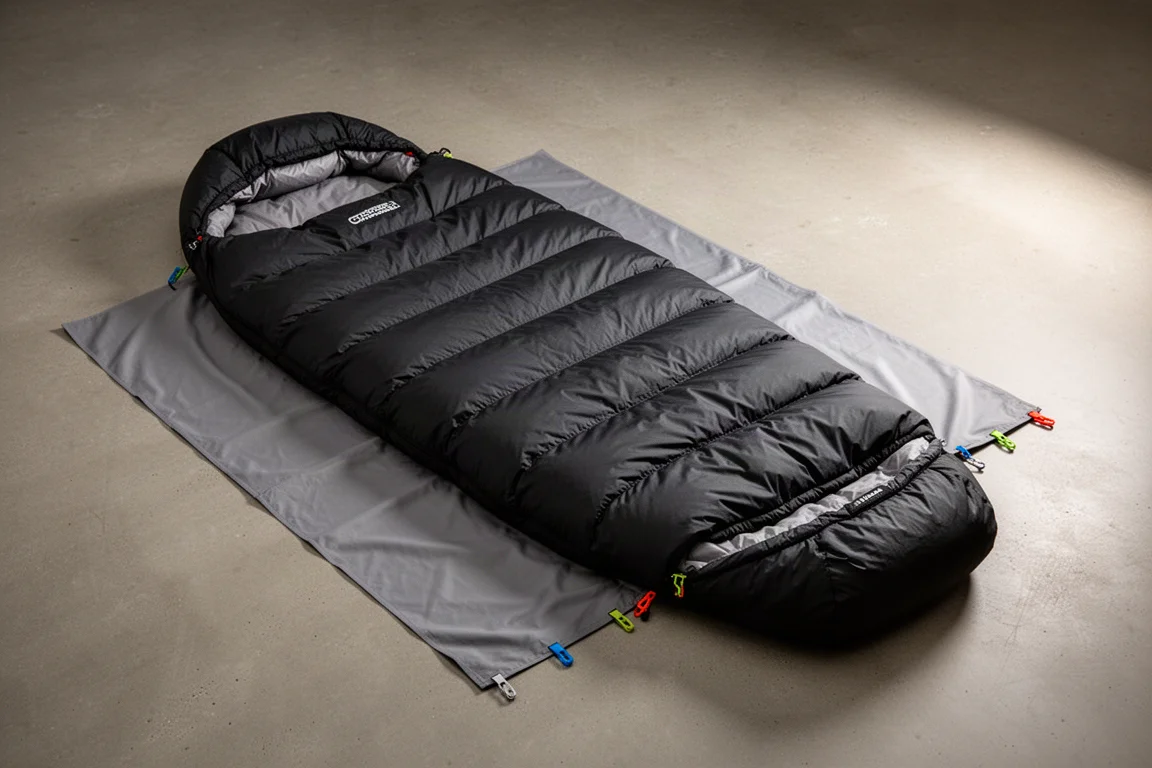
A chair changes camp. The Helinox Chair Zero LT keeps the same aluminium frame and overall shape as earlier versions, with a slightly lighter fabric that saves around 10 g.
The more meaningful addition is the X-Strap, which is included and weighs just 19 g. It spreads your weight so the legs do not sink into sand or loose gravel, which is exactly the ground where a lightweight chair usually becomes unstable.
It is one of the lightest chairs you can carry. The trade-off is posture, because the Chair Zero is a lounger and sitting up straight in it is not easy. It is also an expensive piece of kit for what looks like a simple frame.
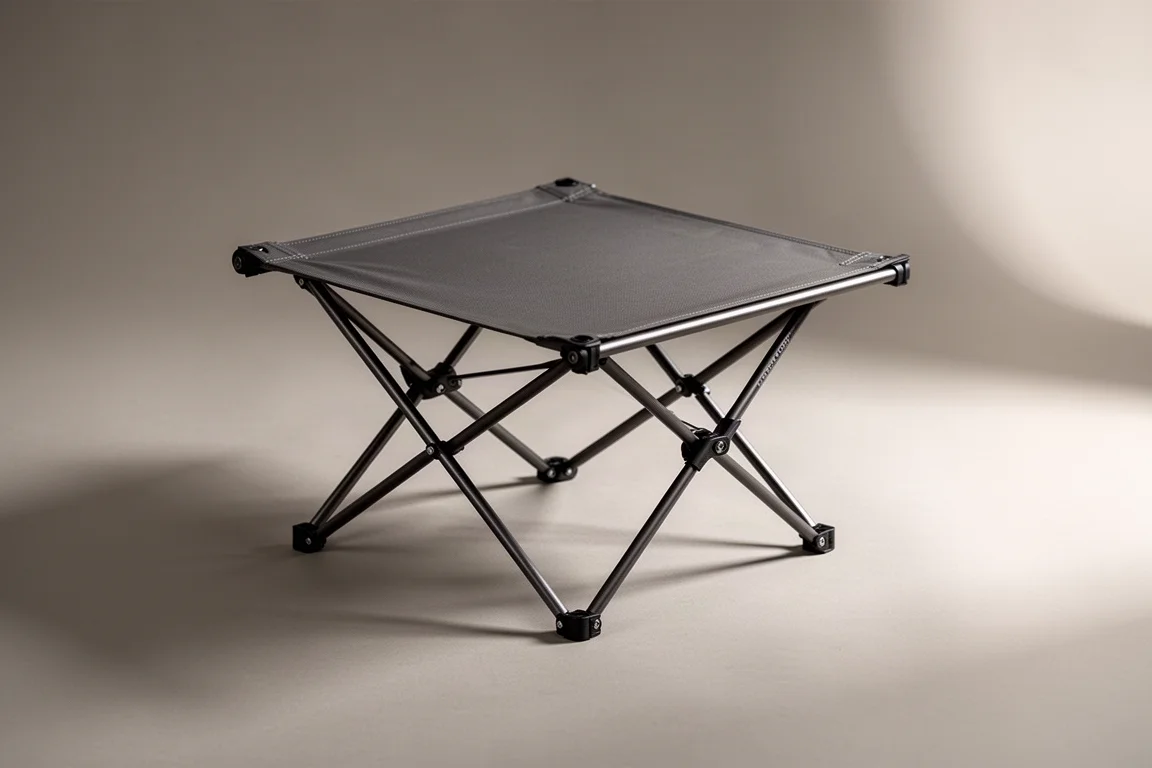
Helinox Table Zero: A Camp Table You Will Actually Carry
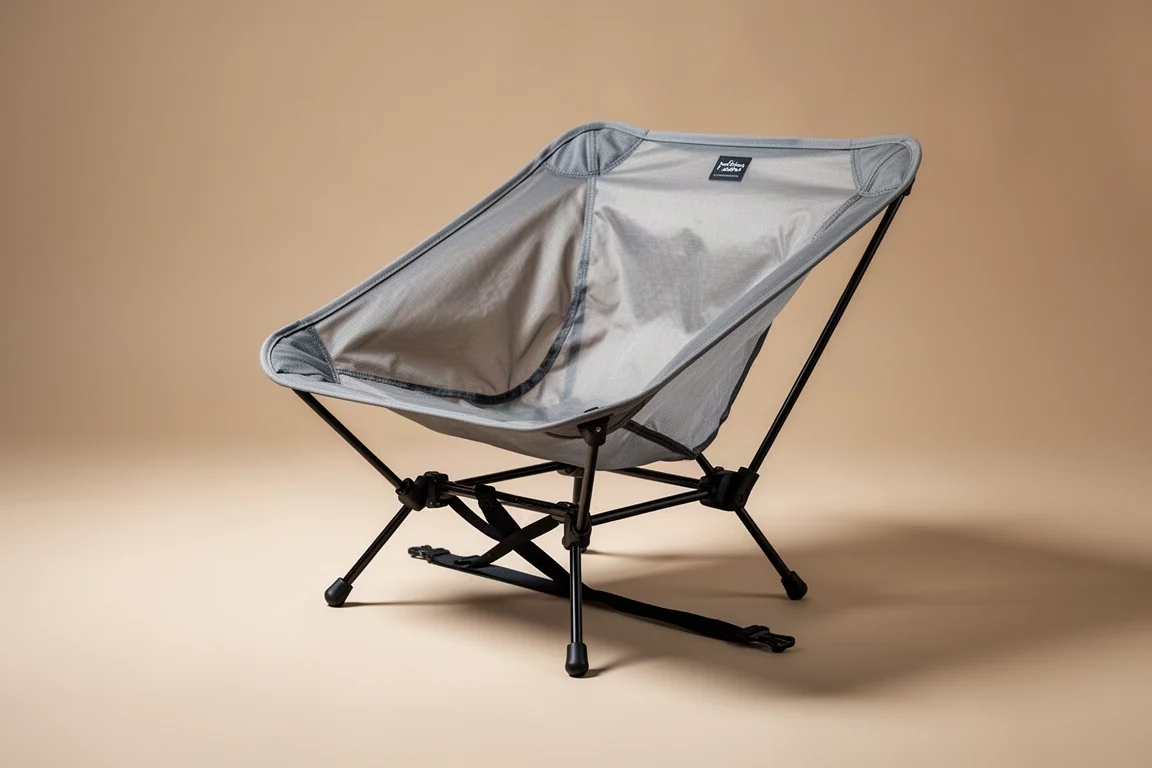
Camp tables usually stay at home because they are bulky and heavy. The Helinox Table Zero is neither, which is why it tends to end up in the pack on almost every trip.
It lifts food, a stove, and a mug off the ground, and it is stable enough to cook on without feeling like a pot of boiling water is about to tip. That stability is the entire point of bringing a table in the first place.
Two things are worth knowing before buying. It is a small surface with no cup holders, so its uses are limited. It is also expensive for its size.
MSR WindMaster: Quiet, Efficient Cooking
Cooking at camp should not be a performance for everyone else in the area. The MSR WindMaster is notably quiet, so you can boil water without broadcasting it across the site.
It is also very efficient. A radiant burner and a heat exchanger mean it sips fuel and holds up well in wind, which matters on exposed pitches. Because it is an all-in-one system, everything needed to boil water and cook a meal lives in one container.
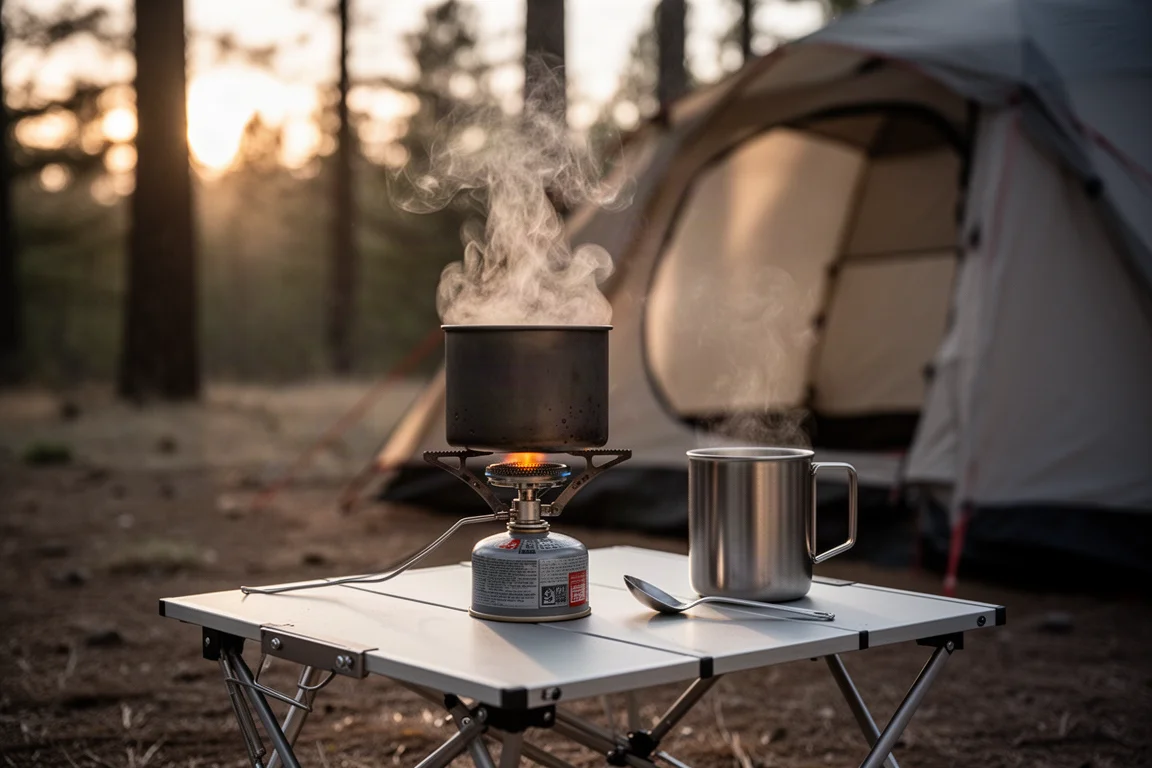
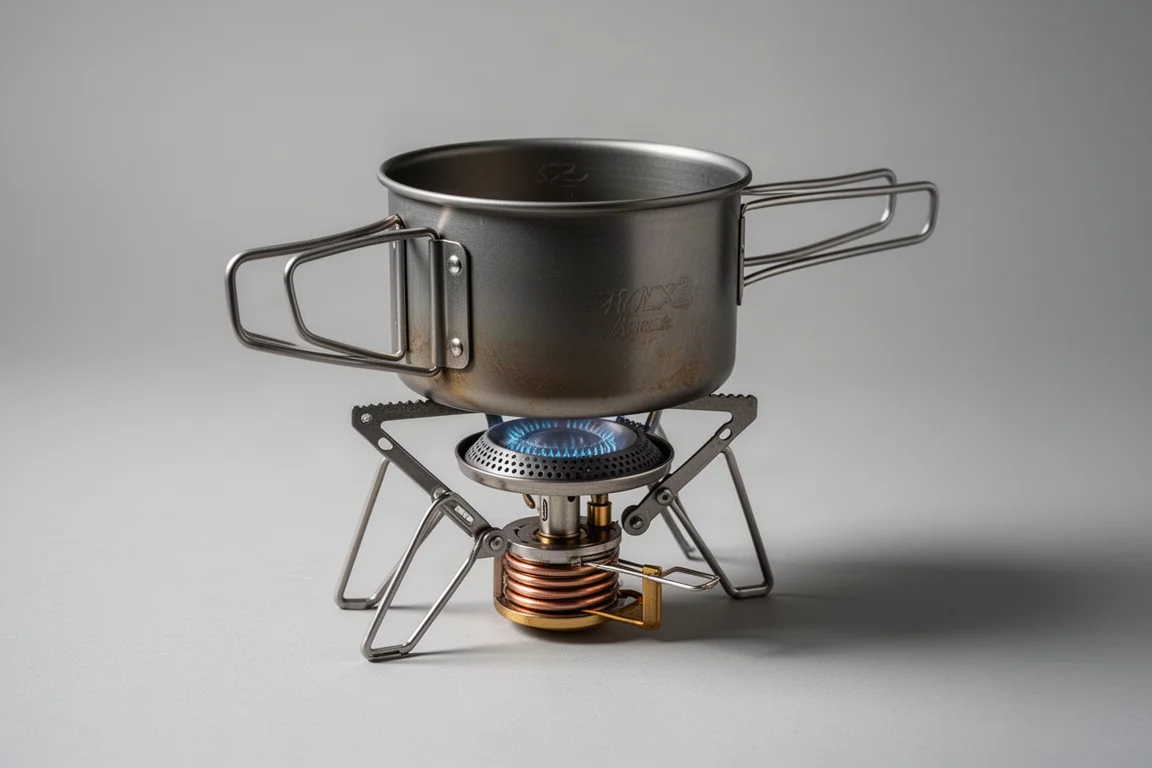
The compromise is weight. Integrated heat-exchanger systems with radiant burners are heavier than the simplest alternatives. A basic titanium pot paired with a lightweight canister stove saves weight and costs around $50, but it gives up the efficiency, the wind performance, and the convenience.
FlexTail Tiny Pump 3X: Fast Inflation With a Built-In Light
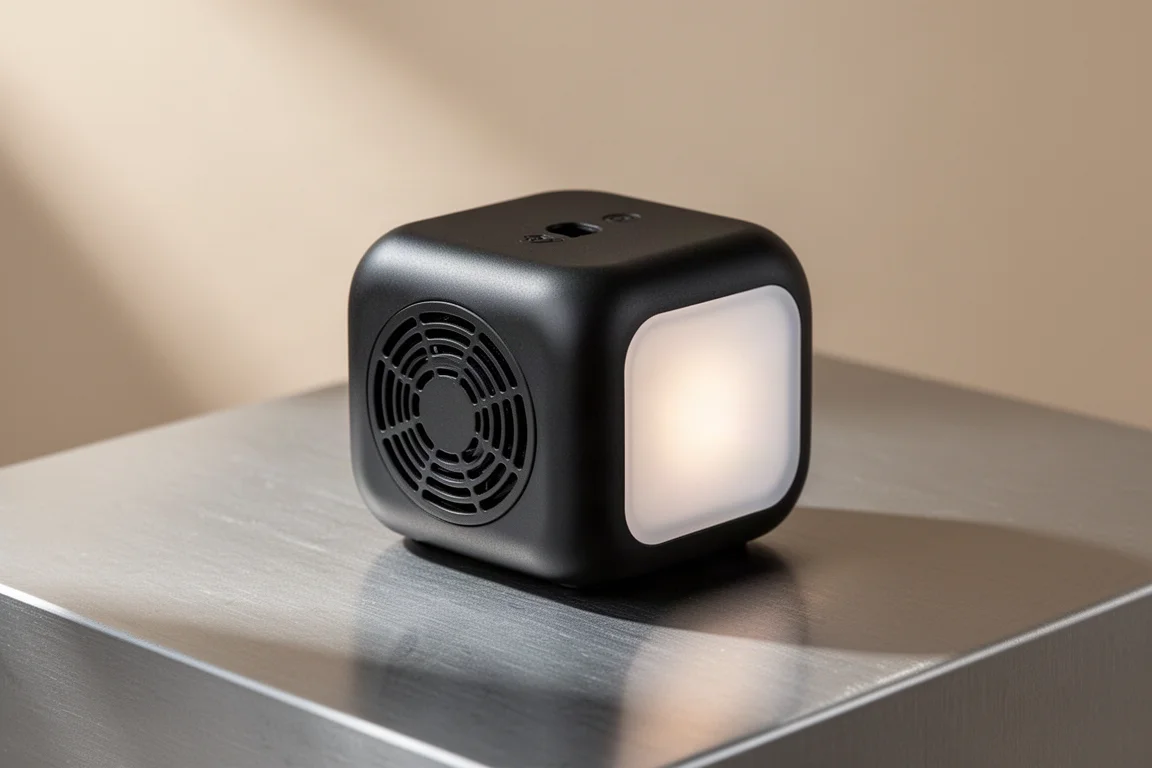
Inflating a pad by mouth at the end of a long day is one of the least pleasant chores in backpacking. The FlexTail Tiny Pump 3X handles it quickly and relatively quietly.
It matches the larger Mega Pump 3 in power while weighing about half as much, and it includes a light. That light is more useful than it sounds. Set the pump on a table for a bit of ambient light at camp, or hang it inside the tent.
The built-in battery is the trade-off. Pumps without one are lighter, but they also cannot double as a camp light.
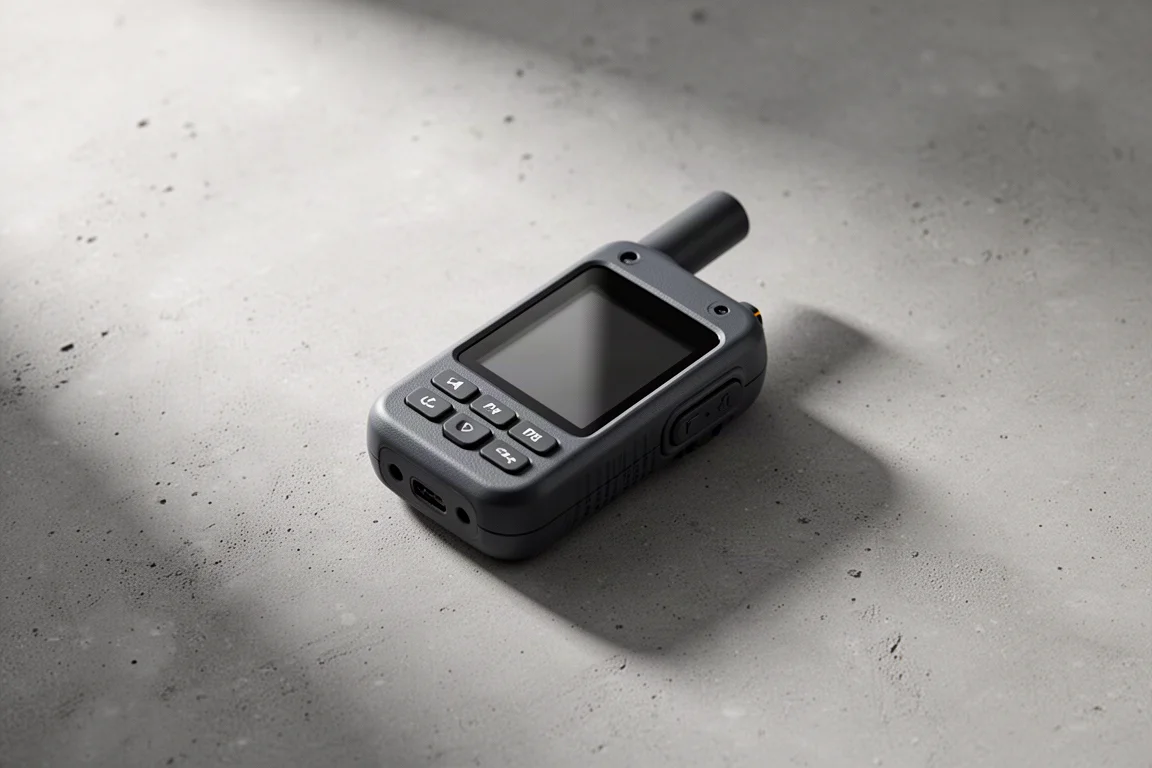
inReach Mini 3 Plus: Messaging From Anywhere
For many hikers the real comfort item is not physical. Two-way satellite messaging means you can check in at home and receive a photo from family while you are out, which can turn a hard day around.
The inReach Mini 3 Plus also supports voice dictation, including dictation directly to emergency services. If you are dealing with an injury, being able to speak a message instead of typing it saves time and effort exactly when that matters most.
It is an expensive device and it requires a subscription. For hikers who get out regularly through the year, that ongoing cost is easier to justify.
Building Your Own Comfort Kit
There is no need to buy this exact list. The logic behind it transfers: start with the big three, because the tent, sleep system, and pack carry most of the weight and most of the comfort, then add the pieces that remove friction from the day.
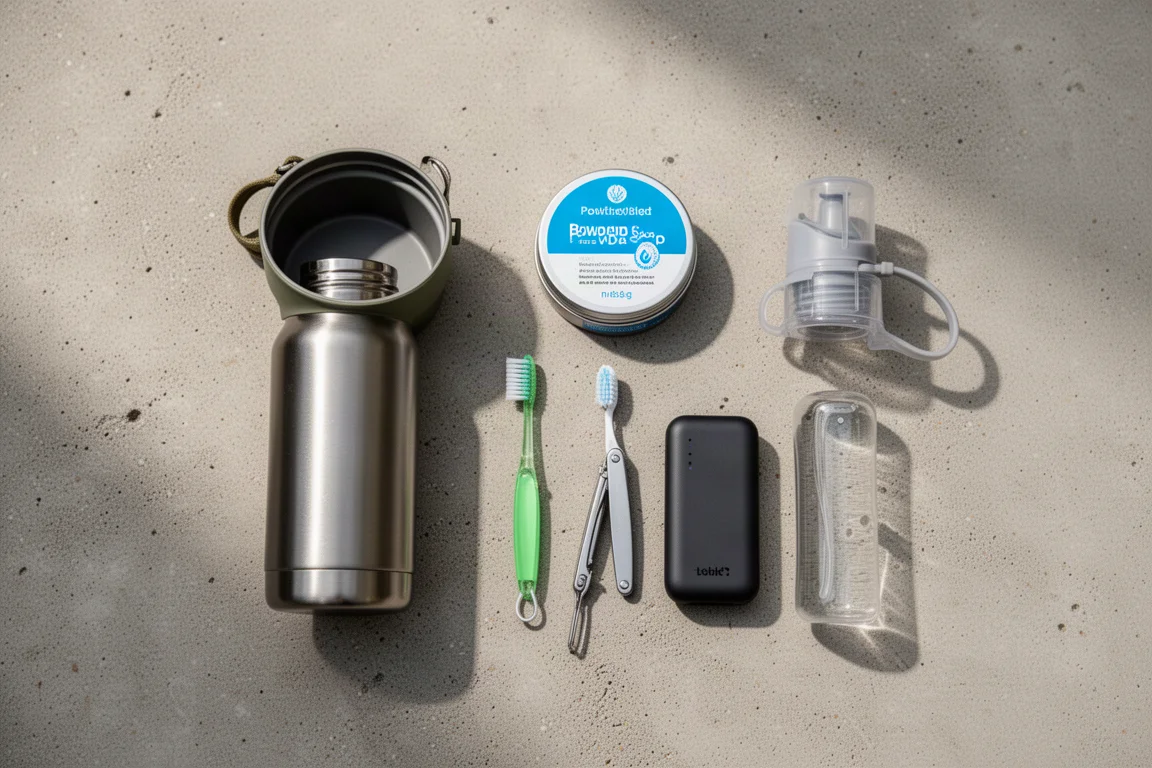
A few smaller items are worth considering as you build. A wide-mouth bottle with a dual-threaded lid and a flip cap is easier to fill, easier to clean, and easier to drink from than a standard bottle. A gravity filter that moves three litres in about two minutes without supervision is a genuine luxury on trips with long camp evenings. A long-handled spoon with grip holes is easier to use in a food bag or while wearing gloves. A bidet that attaches to a water bottle, paired with a lightweight powdered soap, keeps you cleaner on trail.
Price deserves a second look at the end. The comfort premium is real, because quilts, camp furniture, and satellite communicators all cost more than the simplest alternatives. The sensible approach is to spend where comfort compounds over many nights, and to save on the items where a basic version works just as well. A down jacket is a good example. Any down jacket will keep you warm around camp, whether it costs a lot or around $100, as long as it fits and packs down small.
Durability is the other long-term consideration. Lightweight fabrics generally wear faster than heavier ones, and the ultralight end of the market often trades lifespan for grams. If a piece of gear will see hundreds of nights, paying more for construction that lasts can end up being the cheaper decision.
Conclusion
A comfort-focused kit works when every piece earns its place. The REI Flash 55 and the Durston X-Mid 1P handle the load and the living space, the Nemo Eclipse and the Zenbivy Light Bed make sleep genuinely restful, and the Helinox chair and table turn camp into somewhere you want to spend time. The WindMaster, the Tiny Pump 3X, and the inReach Mini 3 Plus remove the small daily frictions that make a trip feel like work. Start with the big three, add what you will actually use, and put the money where comfort repeats night after night.
Further reading
Related Reviews

Backpacking Gear
Building a 10 lb Base Weight: An Ultralight Backpacking Gear List
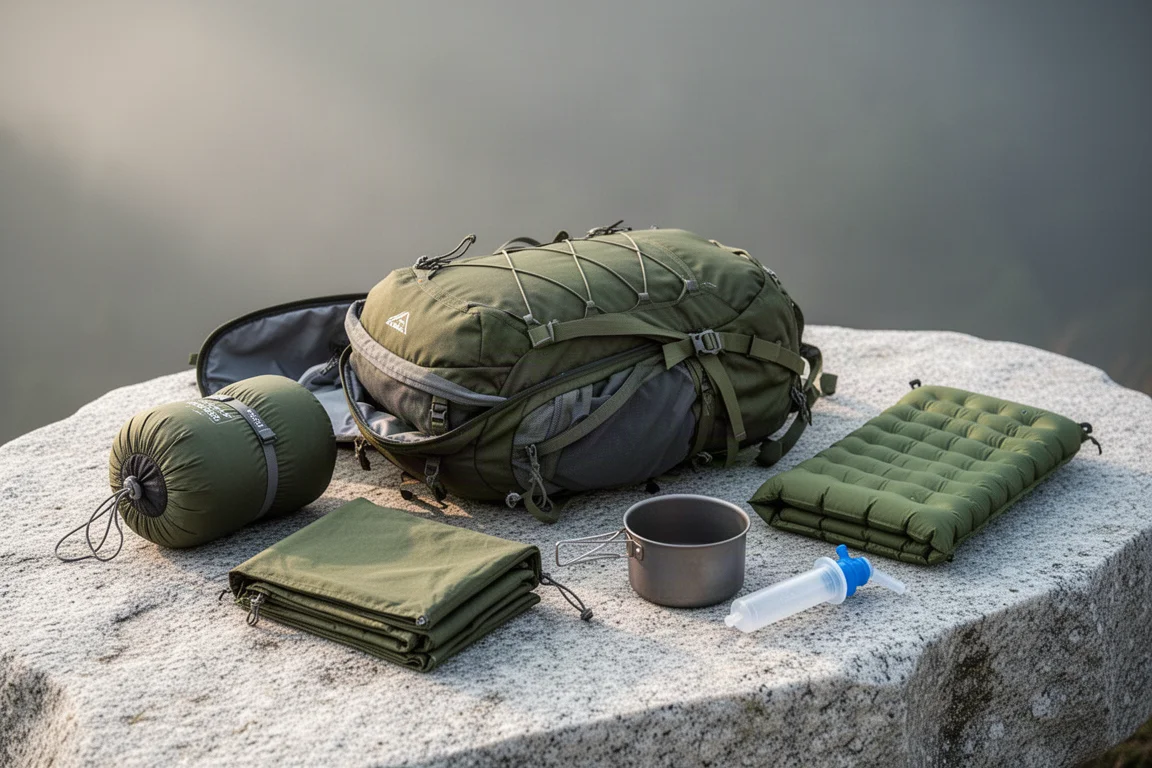
A practical walkthrough of the ultralight pieces behind a 10 lb base weight, from a 765 g pack and a roomy one-person tent to a full camp chair and a dependable water filter.
Backpacking Gear
A 15-Pound Lightweight Backpacking Gear List for Solo Trips
A beginner-friendly 15-pound backpacking setup built from easy-to-find gear, with notes on what each piece does, how it packs, and where to spend your attention.
Backpacking Gear
8 Ultralight Backpacking Gear Upgrades Worth Carrying
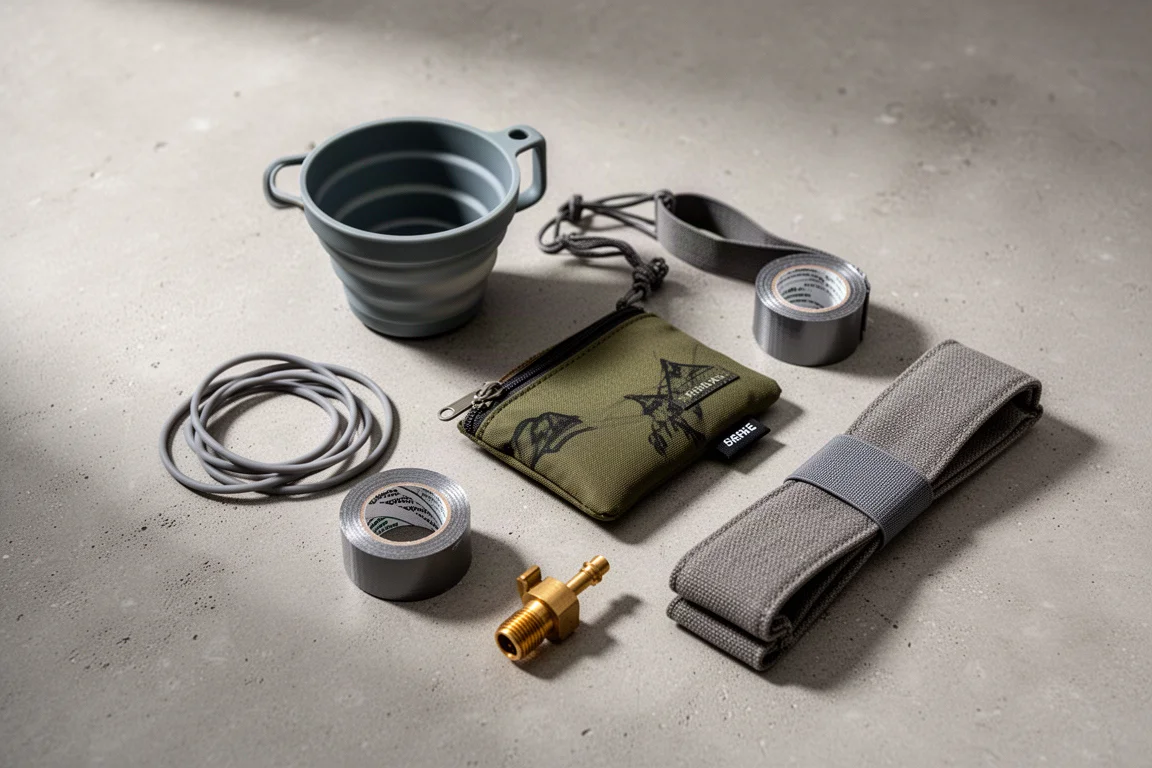
Eight small, affordable backpacking upgrades that solve real trail annoyances, from a pillow that stays put to a fuel valve that rescues leftover canister gas.