Backpacking Gear
The Comfort-Focused Backpacking Gear List: 21 Items Worth Carrying
A three-season backpacking gear list built around comfort, from a framed 40L pack and a camp chair to a 20-degree sleeping bag and a simple cook kit.
Introduction
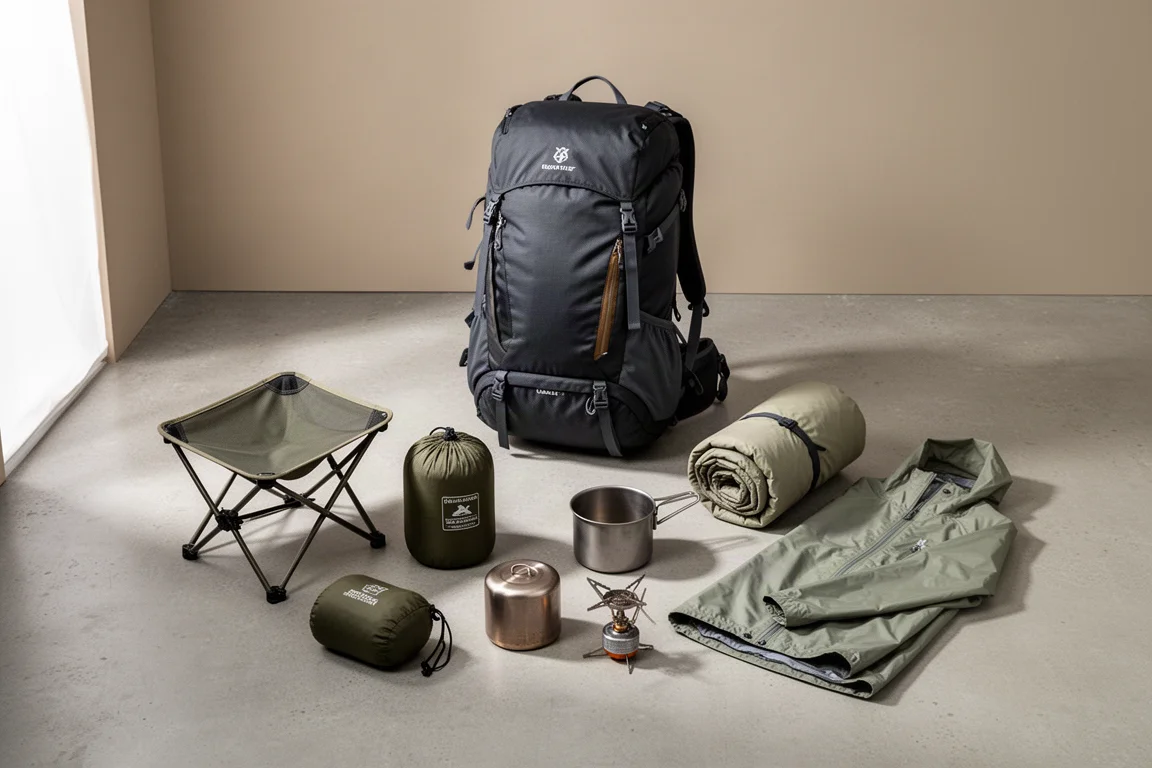
Some backpacking gear lists are organized around a number, usually a weight target. This one is organized around comfort. It is a three-season list that lands somewhere in the 25 to 30 pound range, and it includes several items that cost more than the strictly necessary version of the same thing.
That is a deliberate trade. Once backpacking becomes a regular habit rather than an occasional outing, a few pieces of gear stop being luxuries. A chair at the end of a long day, a sleeping pad that supports a side sleeper through the night, a sleeping bag you trust when the temperature drops at elevation: these are the details that decide whether a trip feels restorative or merely survivable.
What follows is that list, item by item, with what each piece does and who it suits.
How This Gear List Is Built
Three tests decide what goes in the pack. First, does the item solve a real problem, such as treating water, staying reachable in an emergency, or staying warm after sunset? Second, does it add comfort that shows up every day of the trip? Third, does it replace more than one item, the way a pump that also works as a lantern or a pot that nests with a cup does?
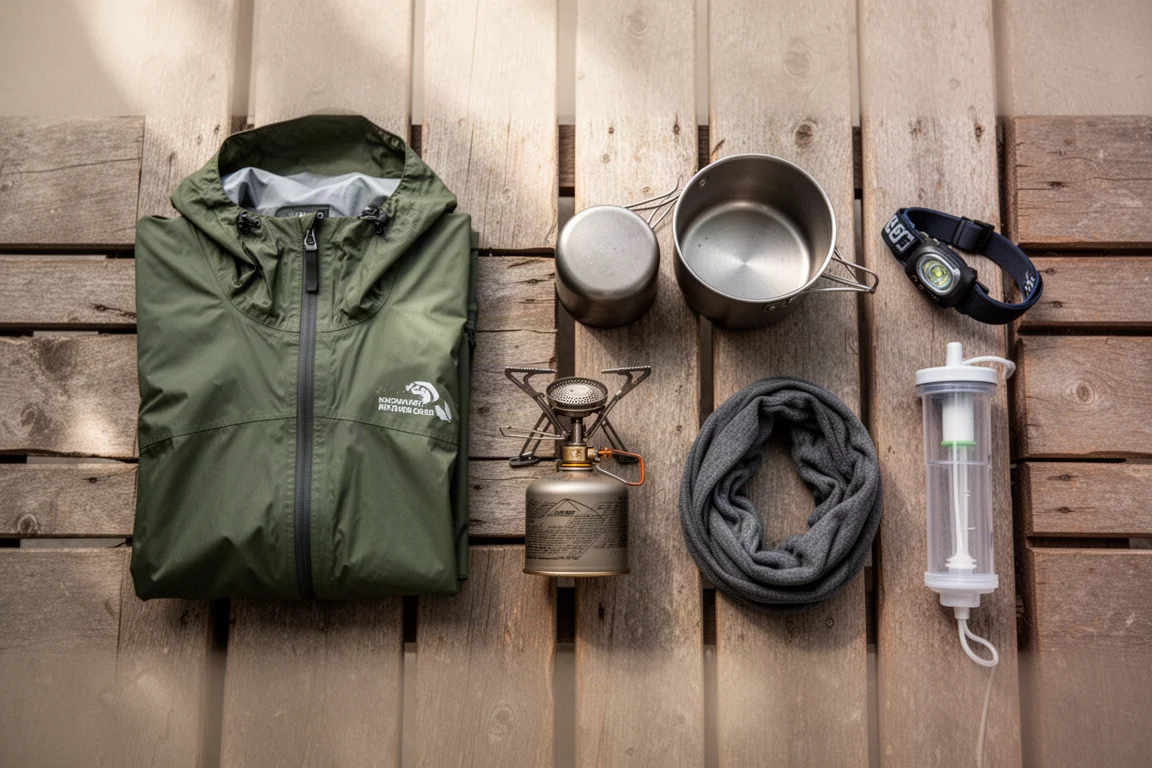
Weight still matters, and most of the gear here is chosen with pack weight in mind. The difference is that weight is not the only variable. A framed pack carries a 25 to 30 pound load better than a frameless pack of the same volume, and a sleeping pad with genuine insulation value is worth its ounces on a cold night.
The list is built for three-season trips, and especially for mountain routes where camps sit high and temperatures fall below freezing overnight.
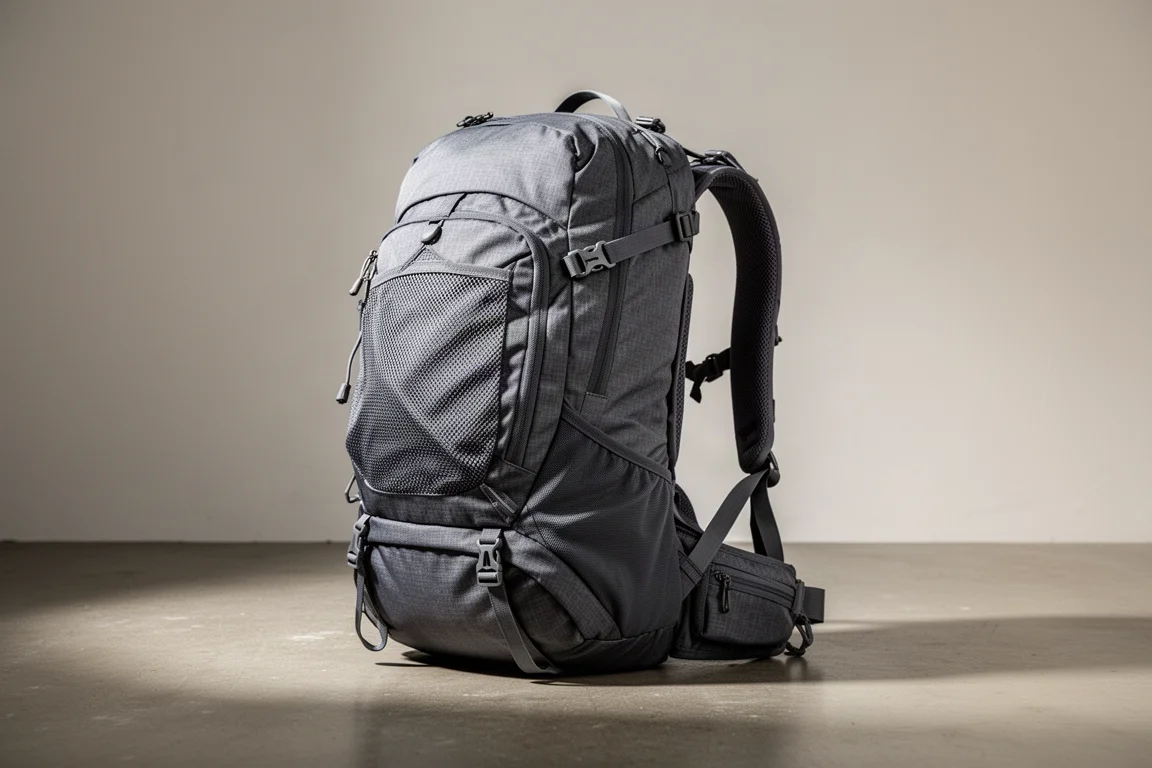
The Pack: Waymark Gear Company Thru 40L
The foundation is a 40-liter framed pack that weighs roughly two pounds on its own. A lumbar pad sits against the lower back, which is the detail that makes a moderately heavy load comfortable over a full day rather than merely tolerable for the first few hours.
Storage is straightforward: a large mesh pocket across the front for wet or bulky items, one hip belt pocket, and a shoulder pocket sized for a phone, snacks, or a small camera. Water bottles ride in the side pockets, where they stay reachable without taking the pack off.
Trail Comfort: Big Agnes Skyline UL Chair
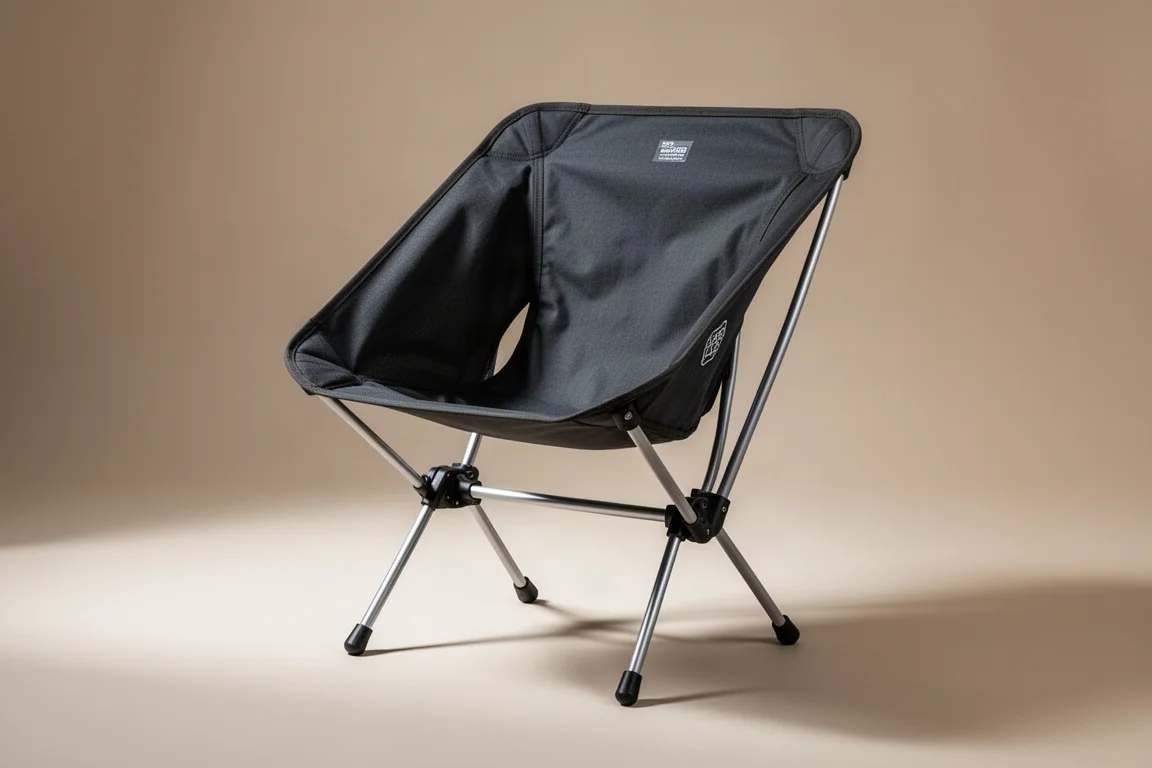
A camp chair is the item most often cut from a pack list, and the item most often missed. This one weighs about a pound and a half, sets up quickly, and is stable enough to feel secure on uneven ground.
For anyone who spends the last hour of daylight sitting around camp rather than lying in a tent, a chair changes the shape of the evening. It is weight carried for a specific and repeatable payoff.
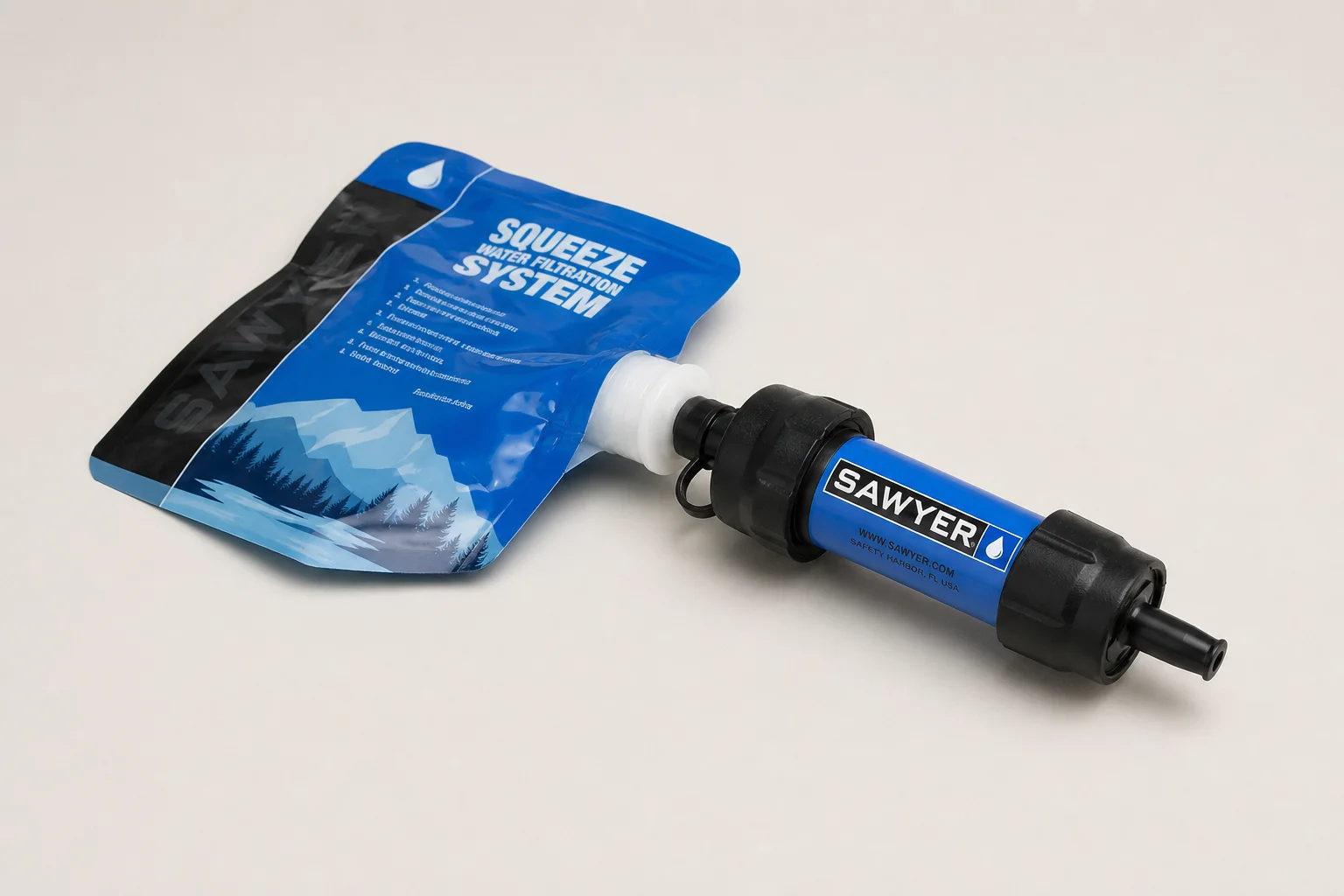
Water Filtration: Sawyer Squeeze
Water treatment lives on the outside of the pack, where it can be reached without unpacking. A squeeze filter fills that role: fill a bottle or bag, filter into a clean container, and keep moving.
The setup is flexible. A spare o-ring and coupler turn the filter into a gravity system at camp, so water can be filtering while other chores happen.
Water Storage: Cnoc Vecto 2L
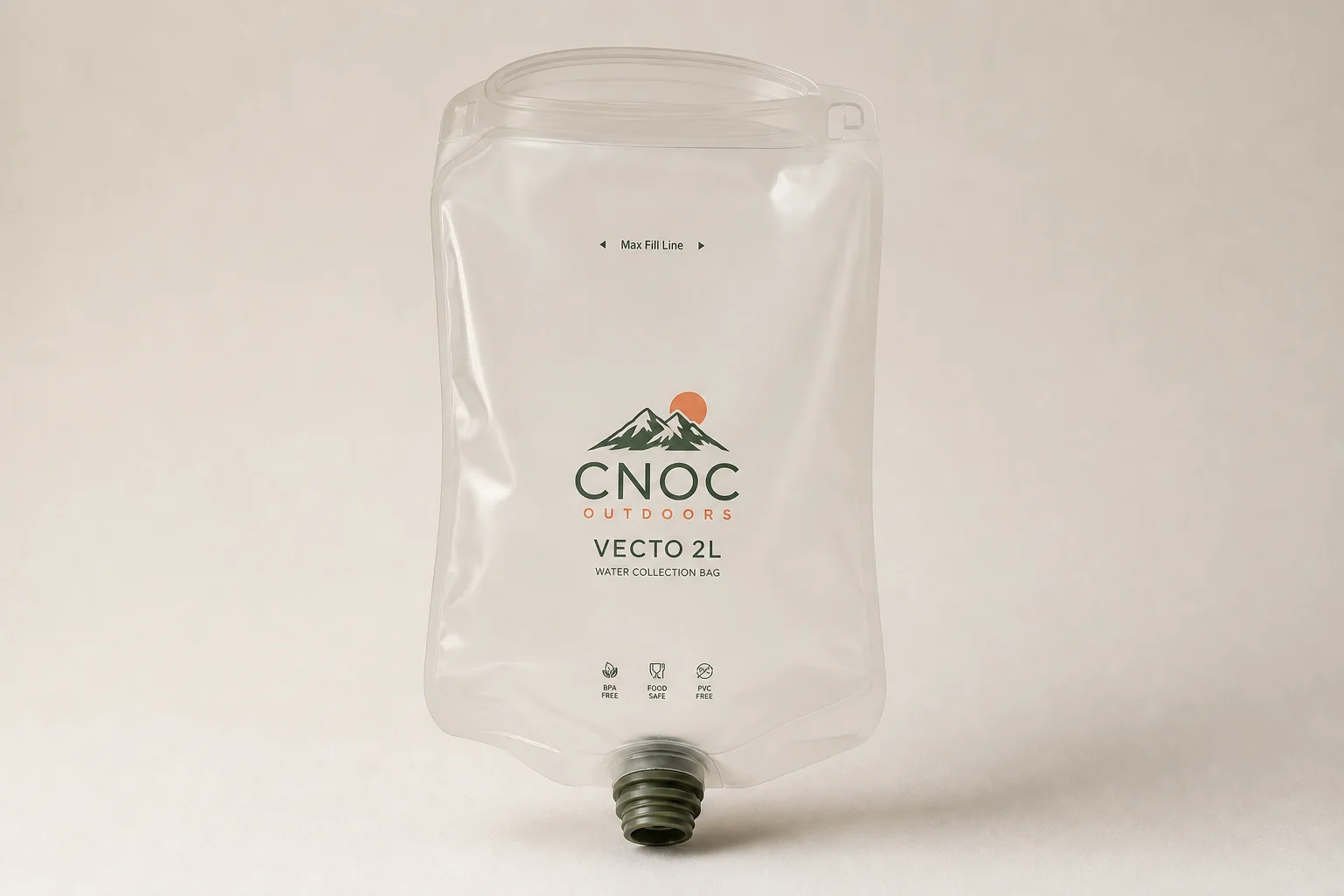
Bottle capacity covers most of a normal day. A two-liter bag adds a second layer of capacity for dry stretches, and because it is light and packs small, it can be left behind when a route has frequent water.
Together, bottles and bag give up to four liters of total carry without much added weight or bulk.
Backup Treatment: Aqua Mira Drops
Filters can clog, freeze, or fail. A small bottle of liquid treatment drops weighs almost nothing and covers the case where the primary method stops working. It is not the plan. It is the insurance policy.

Satellite Communication: ZOLEO Satellite Communicator
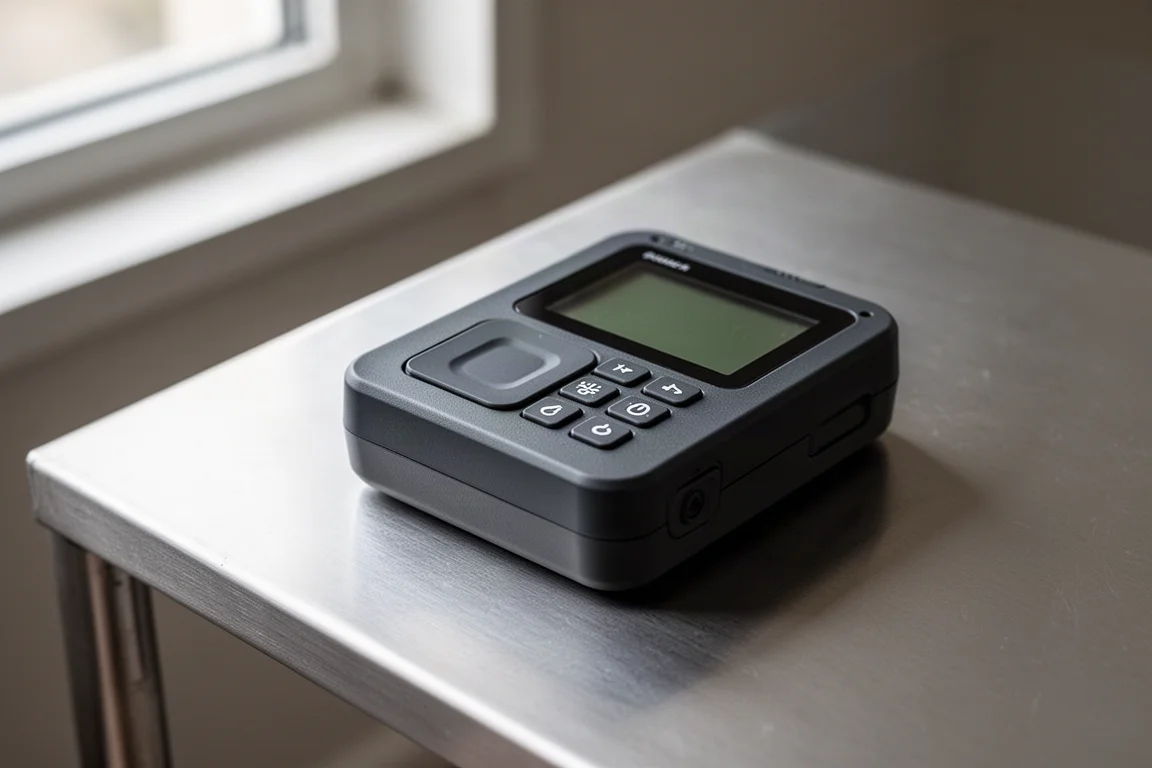
Satellite communication is the one category where the case for carrying an item has nothing to do with comfort. A communicator stored on the front left of the pack keeps messaging and emergency contact available in places where a phone has no signal.
Keeping it on the front of the pack matters more than it sounds. Gear that lives buried in a lid pocket tends to stay there, while gear on a shoulder strap or front pocket gets checked and used.
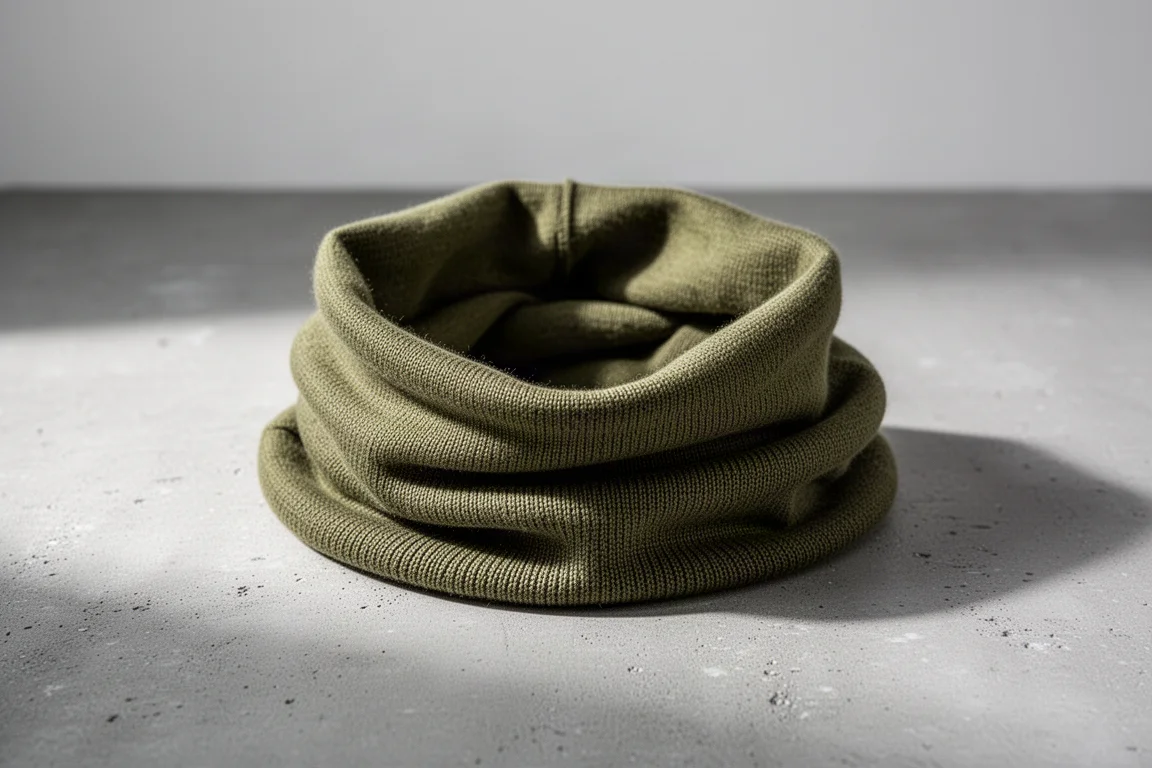
Neck and Head Wear: Merino Wool Buff
A merino wool buff is one of the smallest items on the list and one of the most used. Around the neck on a cold morning, over the head in wind, or as sun protection when a dedicated sun shirt is not in the pack, it handles several jobs for very little weight.
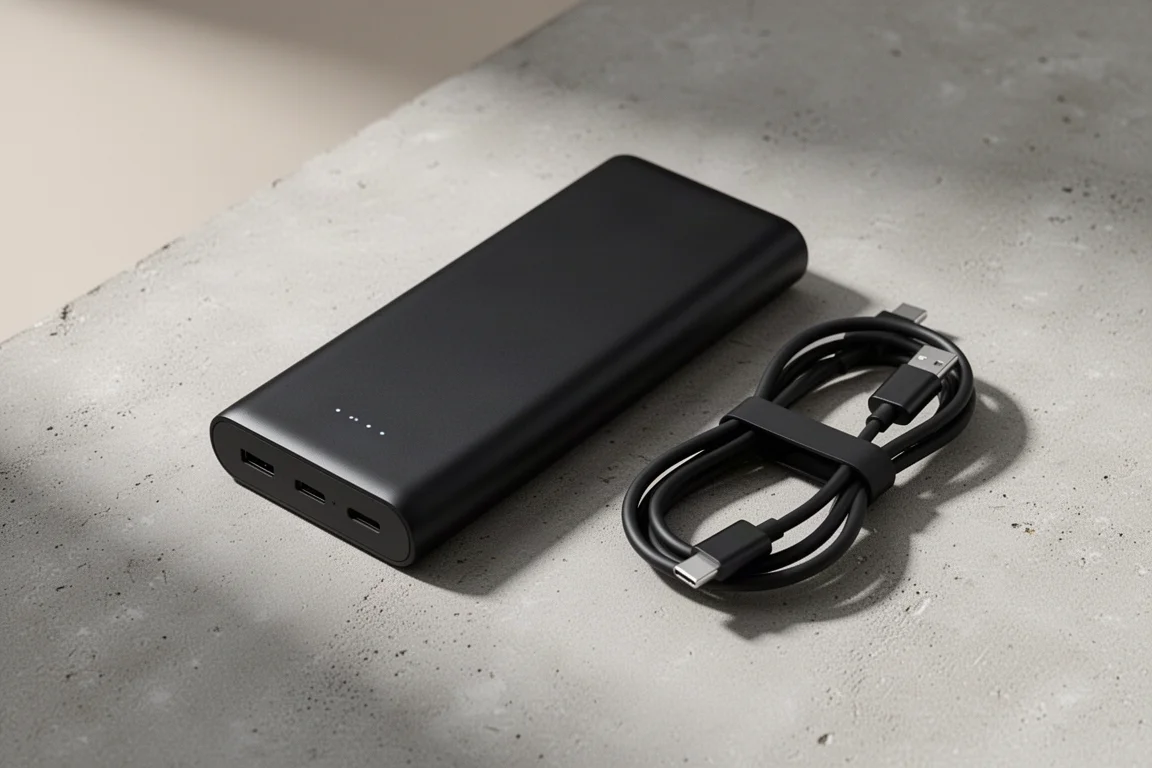
Power and Electronics: Anker Wireless Charging Battery Bank
A 10,000 mAh battery bank covers a multi-day trip for a phone and a satellite communicator. Wireless charging removes the need to carry a cable for the phone, while cables for both the phone and the communicator still travel in the same pouch as a fallback.
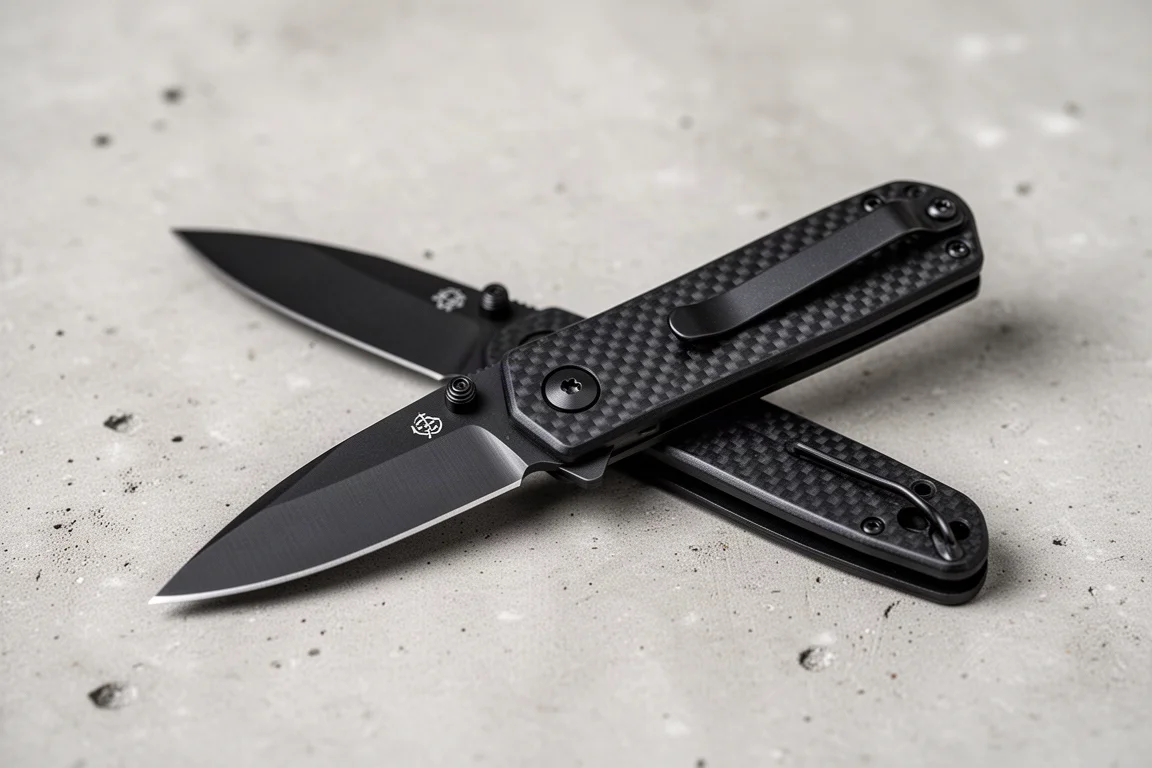
Everyday Carry: Benchmade Mini Bugout
Small tools live in the same pouch as the electronics. A compact folding knife handles the camp jobs that come up: cutting cord, opening food packaging, trimming tape.
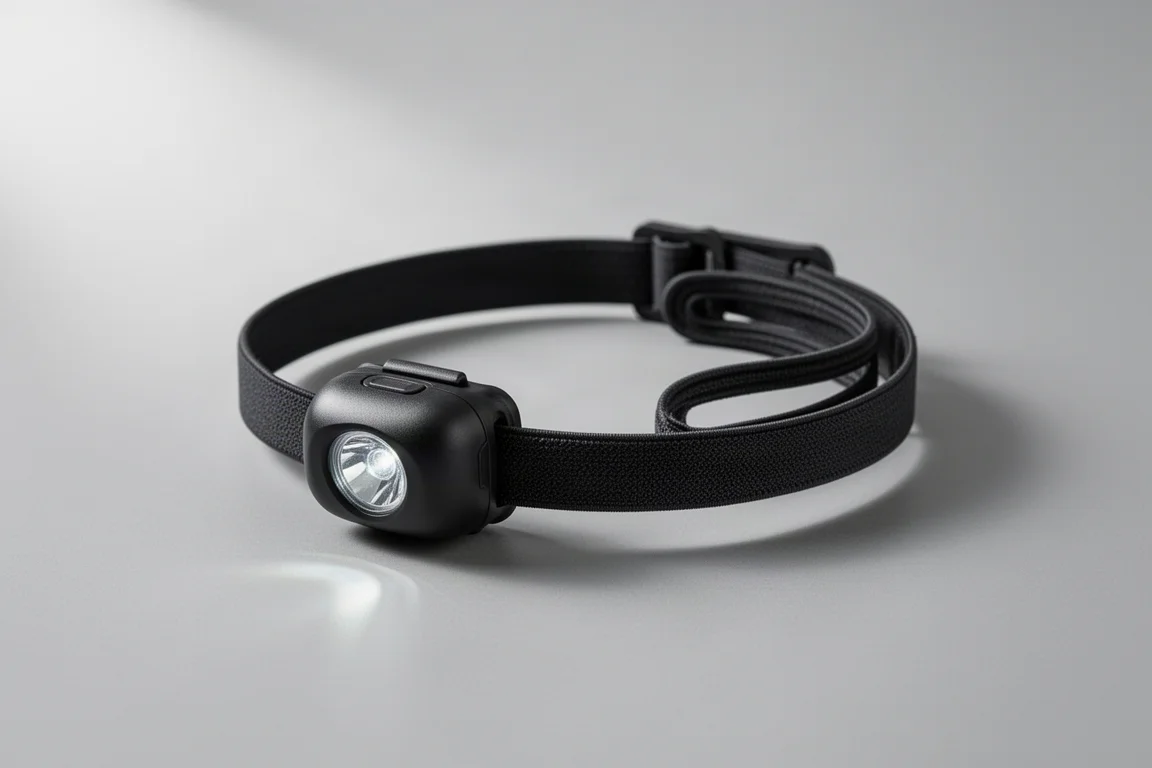
Lighting: Petzl Bindi Headlamp
A headlamp is non-negotiable, and this one is chosen for weight and comfort. It is light enough to forget it is being carried and comfortable enough to wear for hours around camp, which makes it more versatile than heavier options.
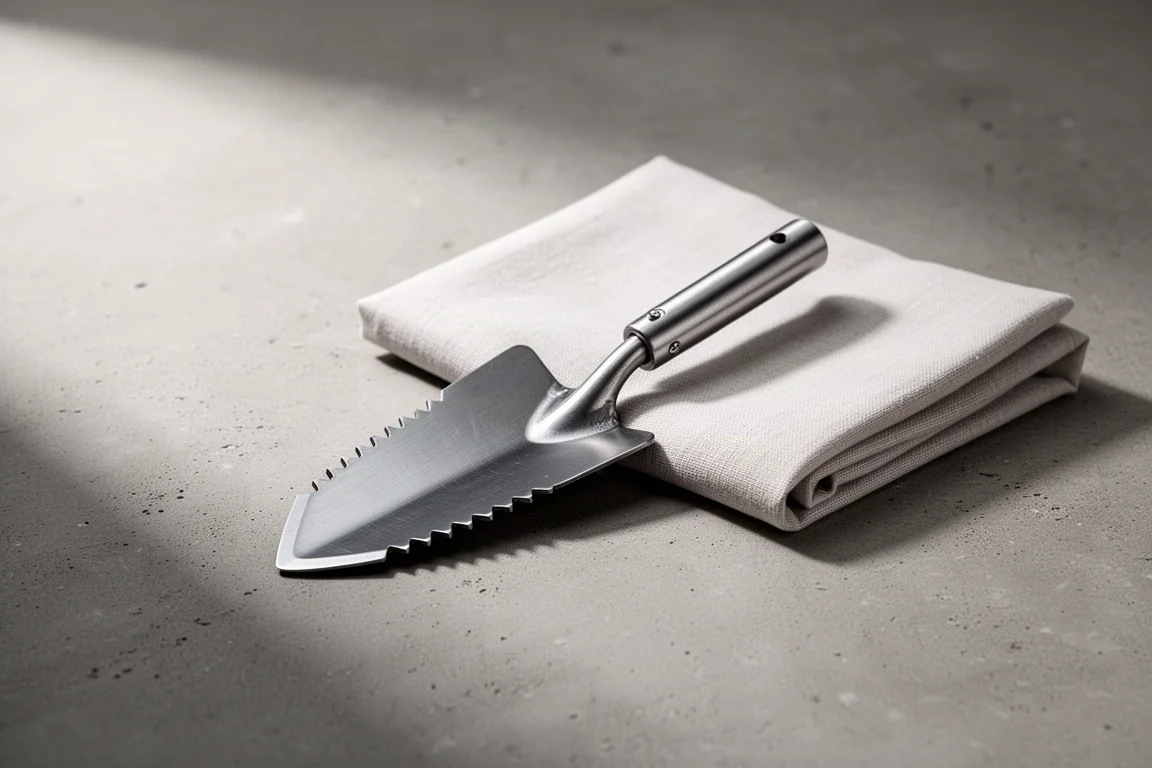
Hygiene: Bogler Co Poop Trowel
A trowel is the least glamorous item in any pack and one of the most important. Digging a proper cat hole is part of leaving a site the way it was found, and a small dedicated tool does the job far better than a boot heel or a stick.
Shelter: Sea to Summit Telos TR2
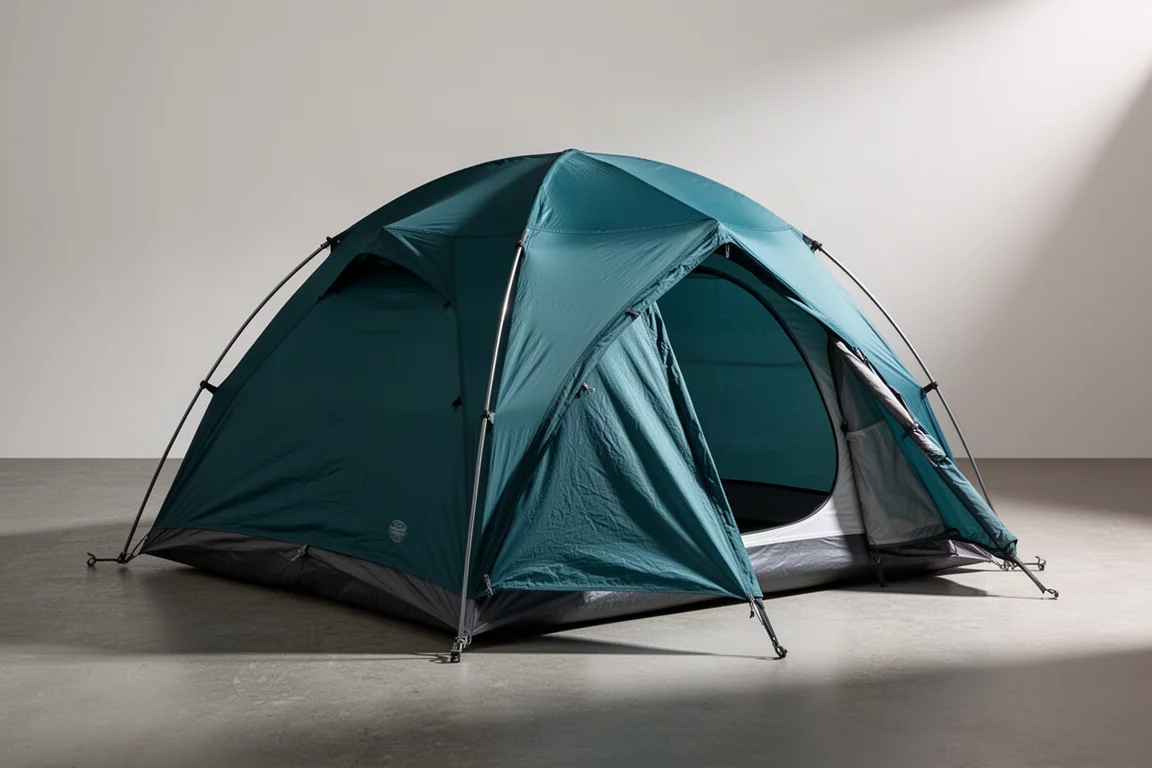
Shelter is the first of the three big items, and this two-person, three-season tent keeps finding its way into the pack. The design is thoughtful, the interior is generous for two people, and it suits the conditions a three-season list is built around.
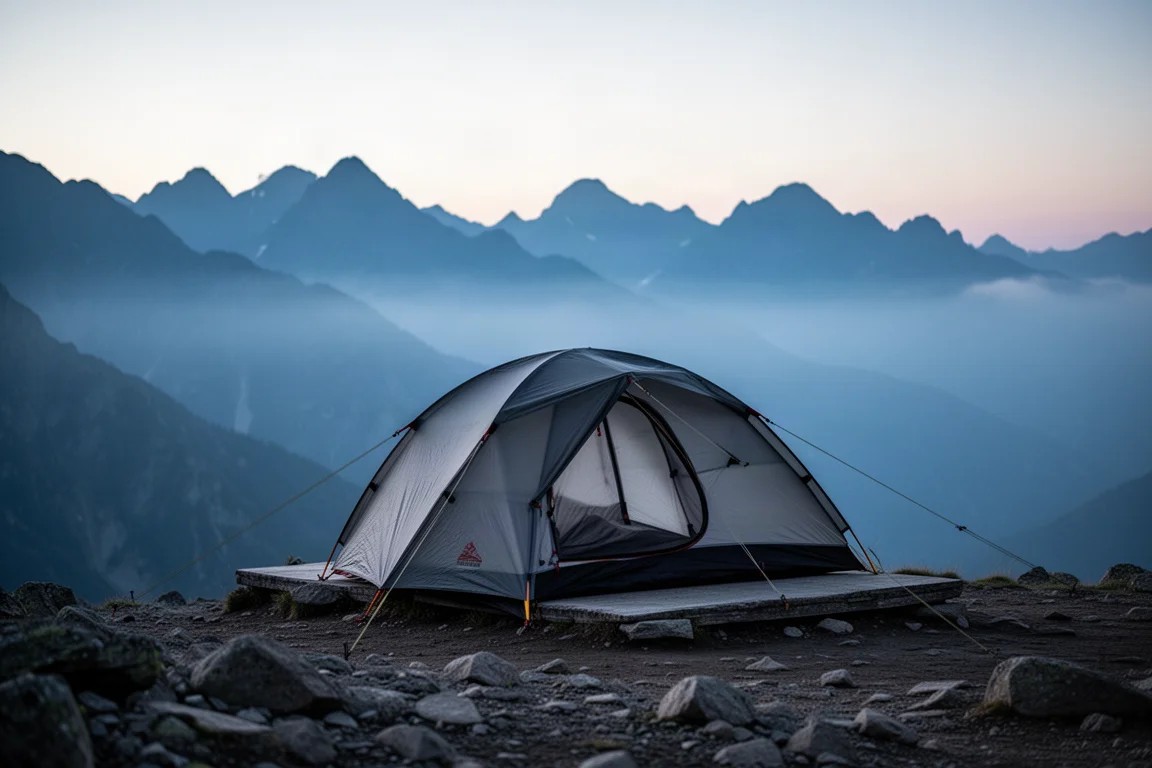
A two-person tent is a comfort decision as much as a weight decision. Extra floor space means gear stays inside and dry, and there is room to sit up and move around when weather keeps everyone in.
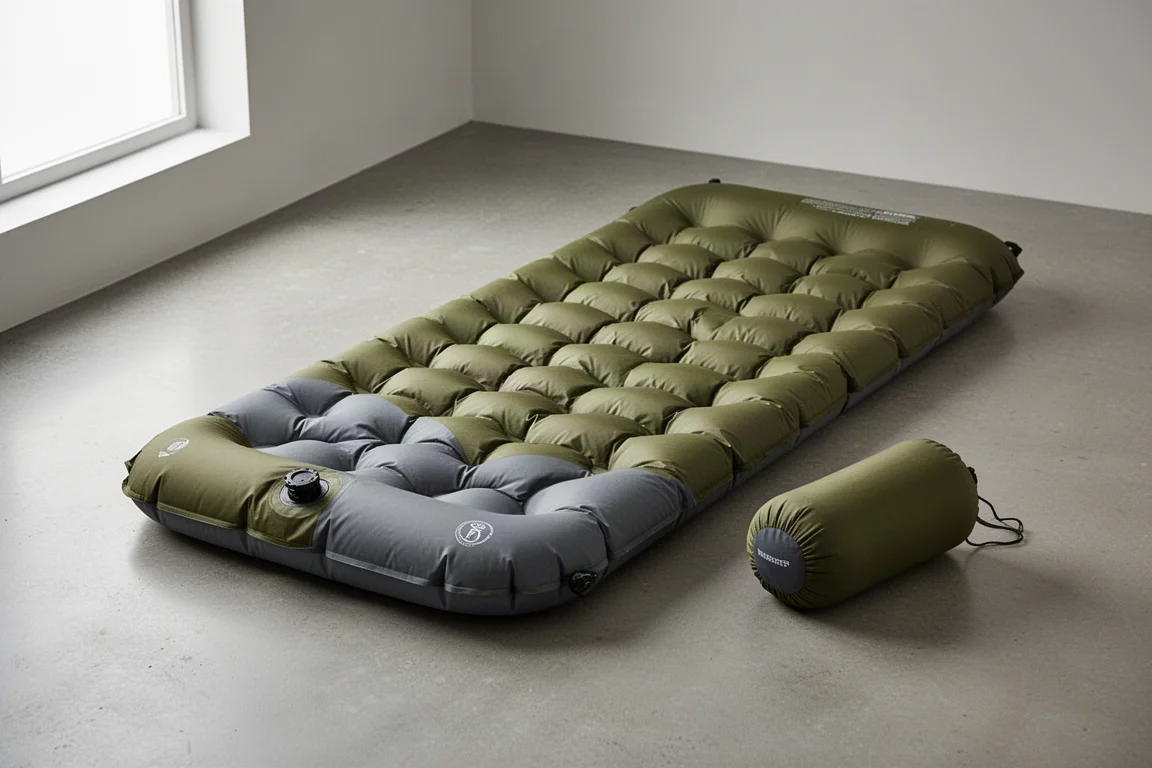
Sleeping Pad: Big Agnes Q-Core SLX
The sleeping pad is where comfort and warmth meet. This pad is lightweight, comfortable enough to sleep on night after night, and carries enough insulation value for three-season conditions.
For side sleepers, pad thickness is the difference between a good night and a long one. A pad that supports the hip and shoulder without bottoming out is worth more than its weight in saved sleep.
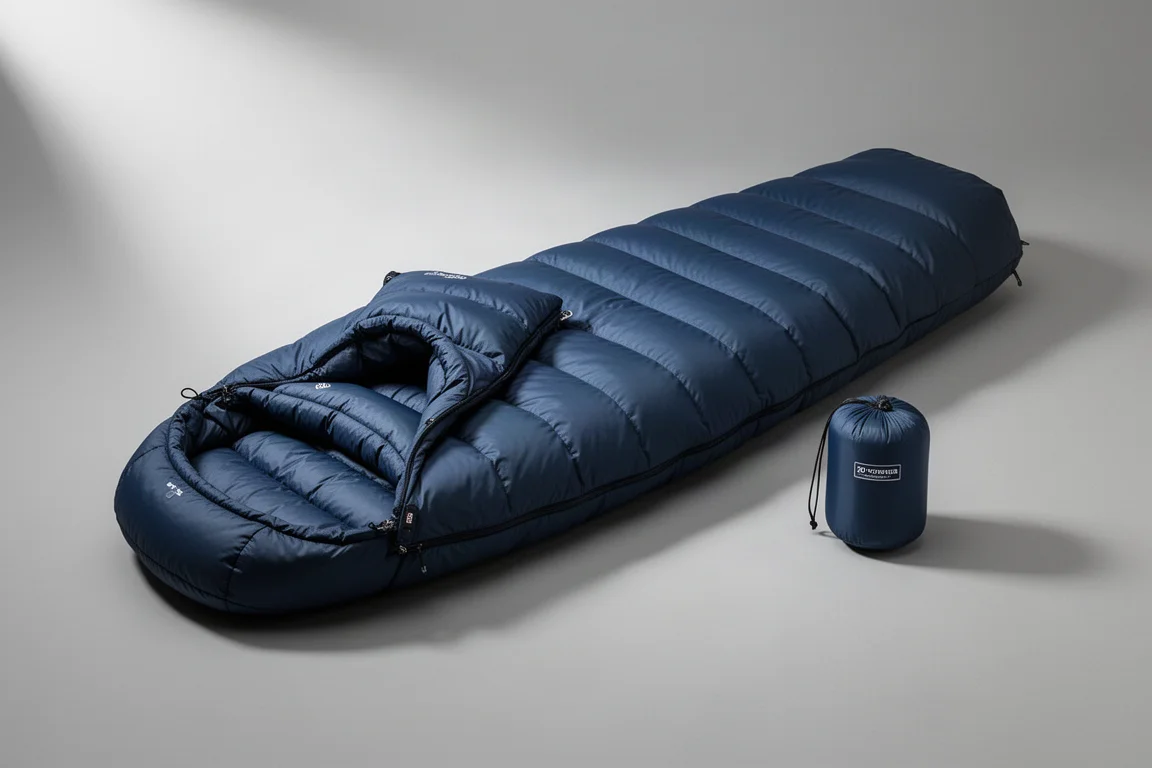
Sleeping Bag: Western Mountaineering Ultralight
The sleeping bag is a 20-degree rated model built for three-season use, and it is the item on this list that took the longest to justify. In mountain camps above 10,000 feet, a bag that still performs when temperatures drop into freezing territory is the difference between a comfortable night and an early, cold morning.
Construction quality is the other half of the story. A well-built bag holds its loft and its rating across years of use, which is how a higher upfront cost turns into a lower cost per night.
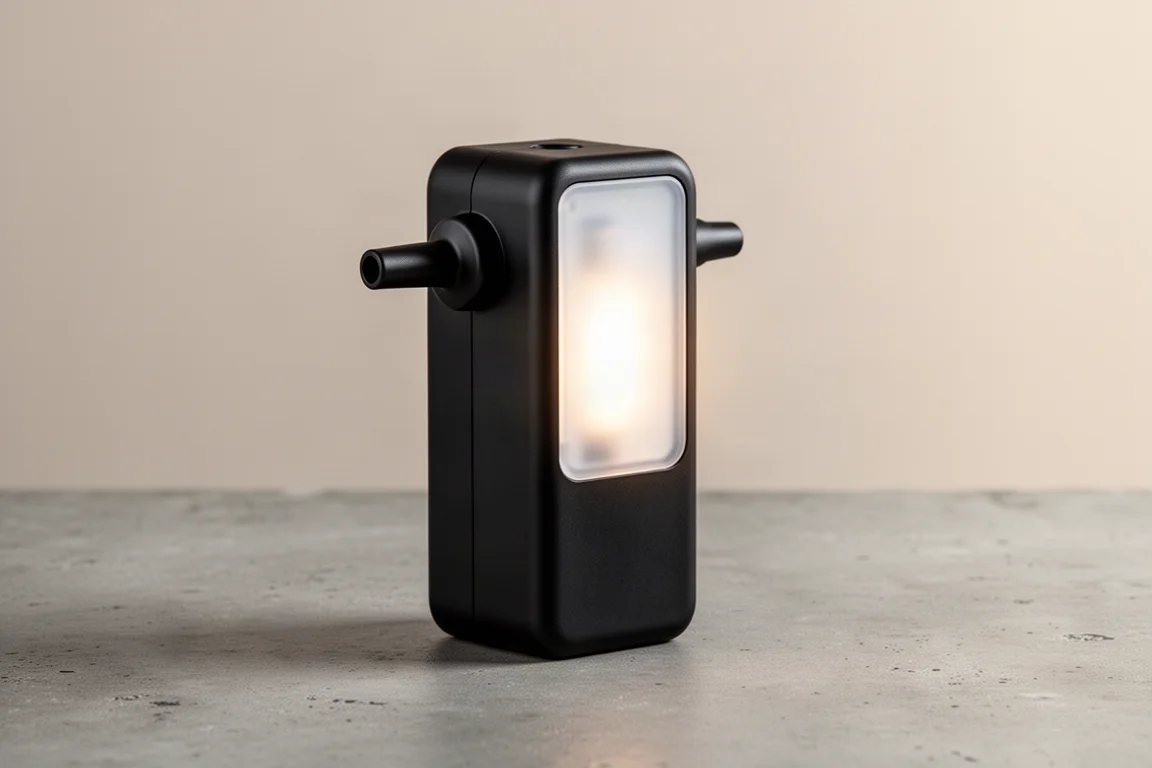
Inflation and Camp Light: FlexTail Gear Mini Pump X
A pump sack has been replaced here by a small electric pump that doubles as a lantern. It inflates an air pad without the effort of a sack, then hangs in the tent as a light source, and it holds enough charge for a full weekend.
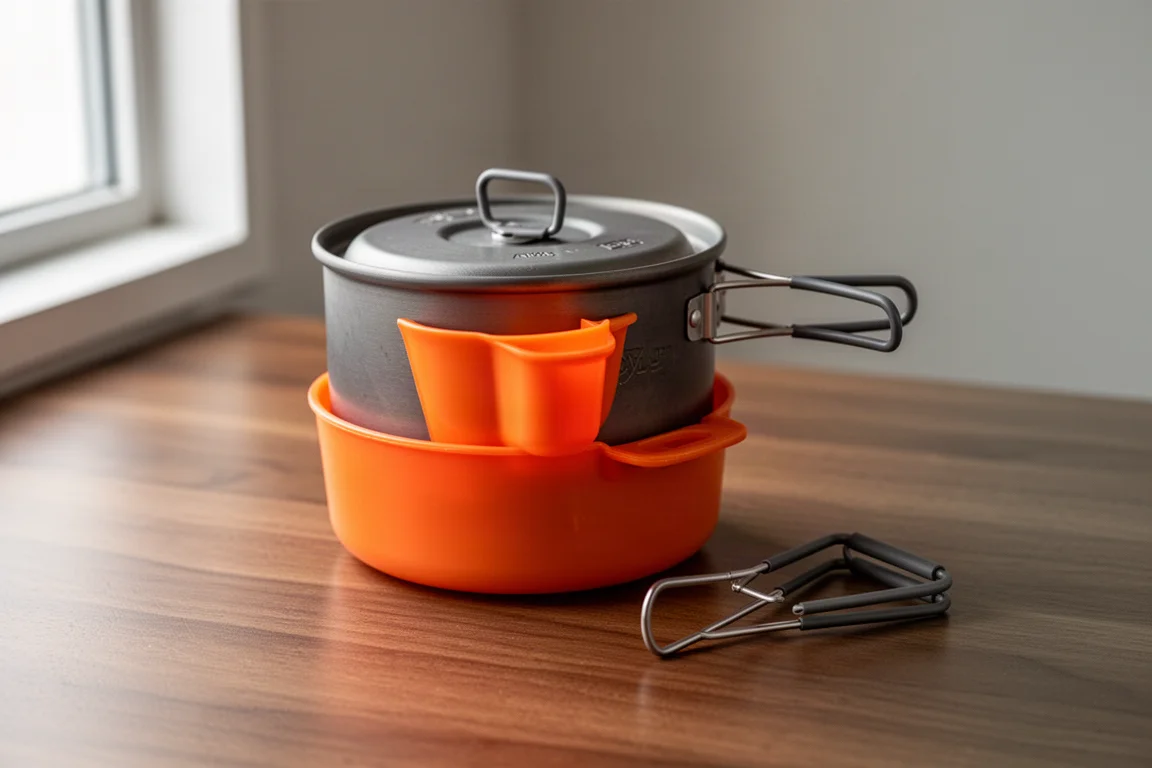
Cook Kit: GSI Pinnacle Soloist
The cook kit is a solo setup built around a cup that nests precisely inside the pot. That nesting is the whole point: one compact package holds the pot, the cup, and a small pack towel.
Cooking Pot: TOAKS 550ml Pot
A 550ml pot holds two cups of water, which covers the meals this list relies on. Freeze-dried dinners and simple hot drinks need boiling water rather than a full kitchen, and a small pot boils faster and packs smaller.
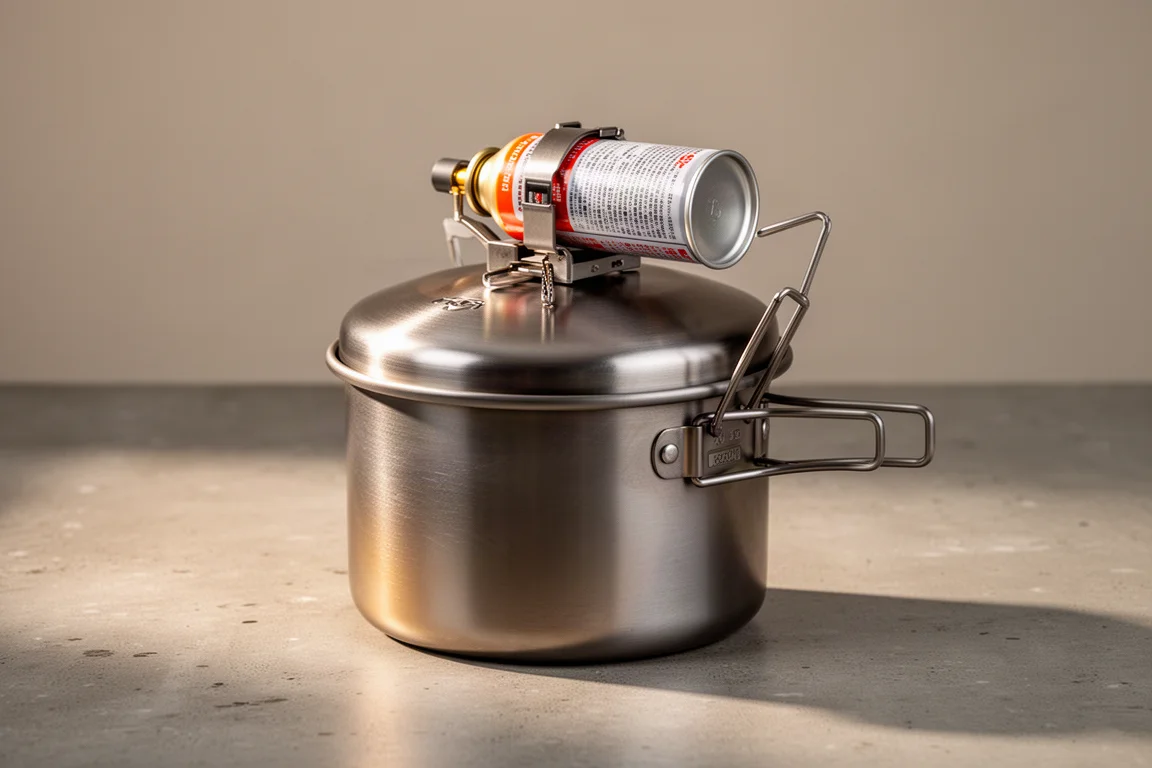
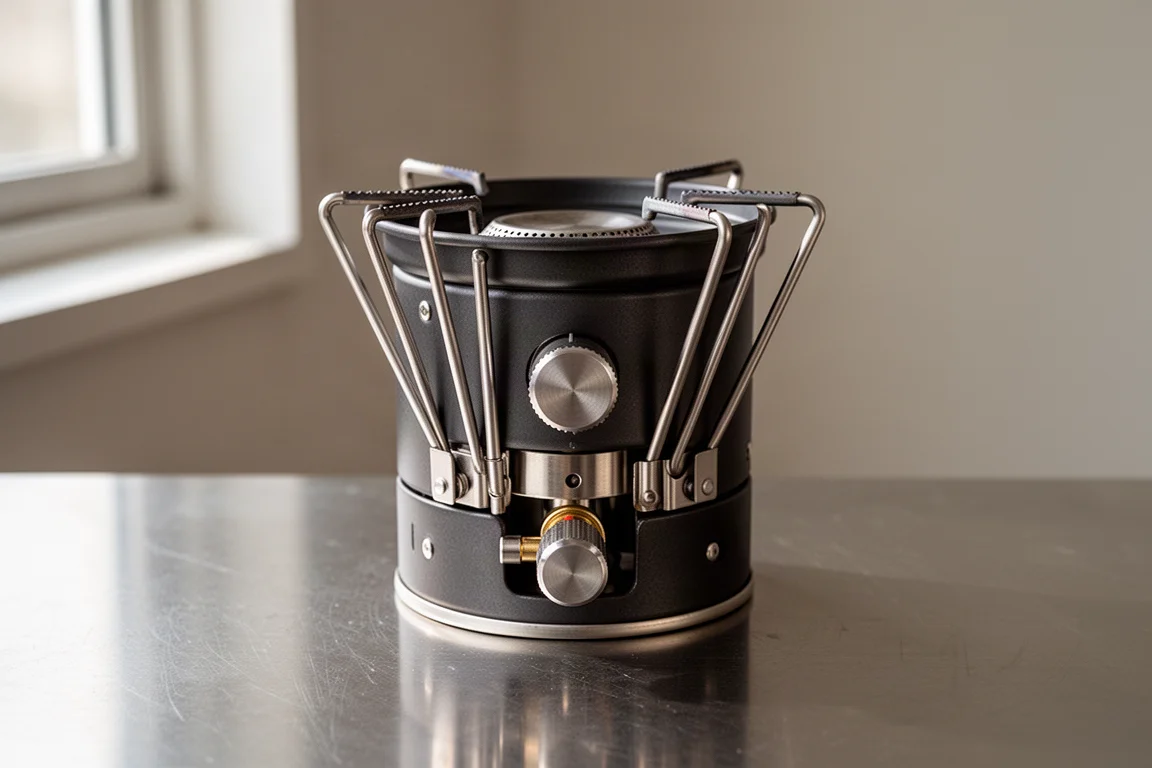
Stove: Soto Amicus
A canister stove rounds out the kitchen. This one is very light, very reliable, and simple enough that there is nothing to adjust or maintain on trail.
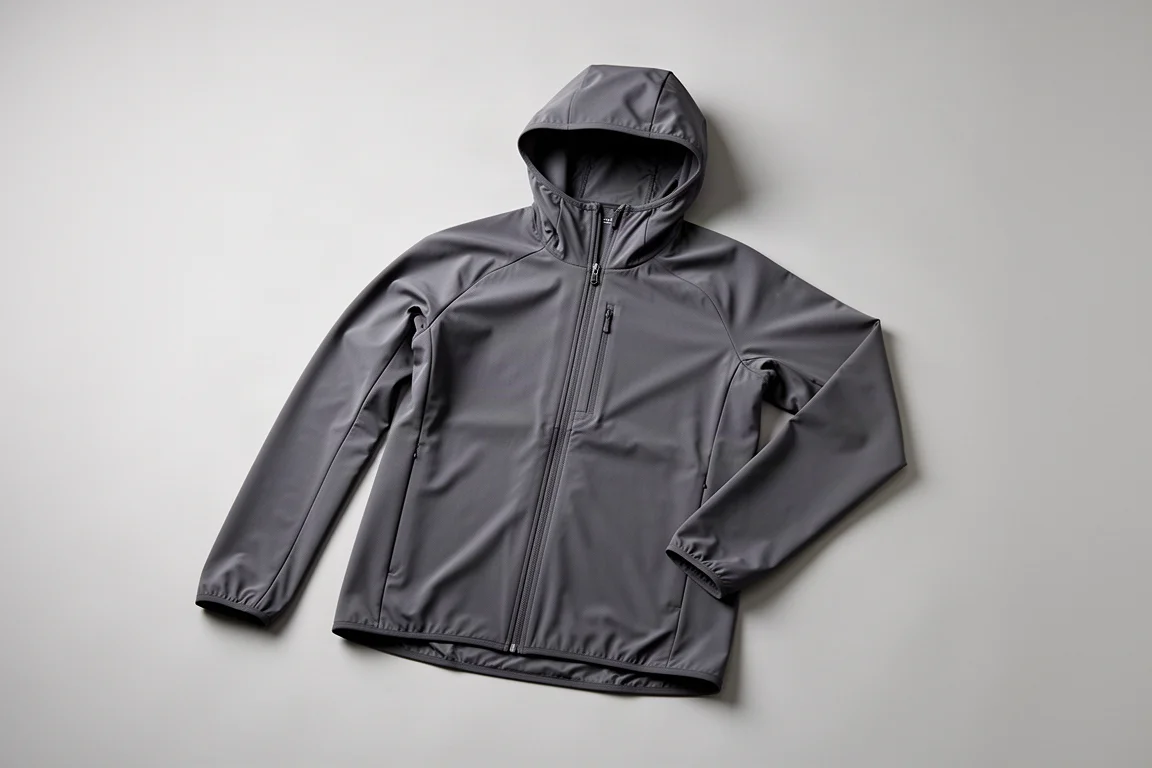
Mid Layer: Outdoor Vitals Ventus Hoodie
Layering starts with a mid layer that packs down small and adds warmth without bulk. This hoodie is the piece that gets worn most often, from cool mornings on trail to the hours after dinner.
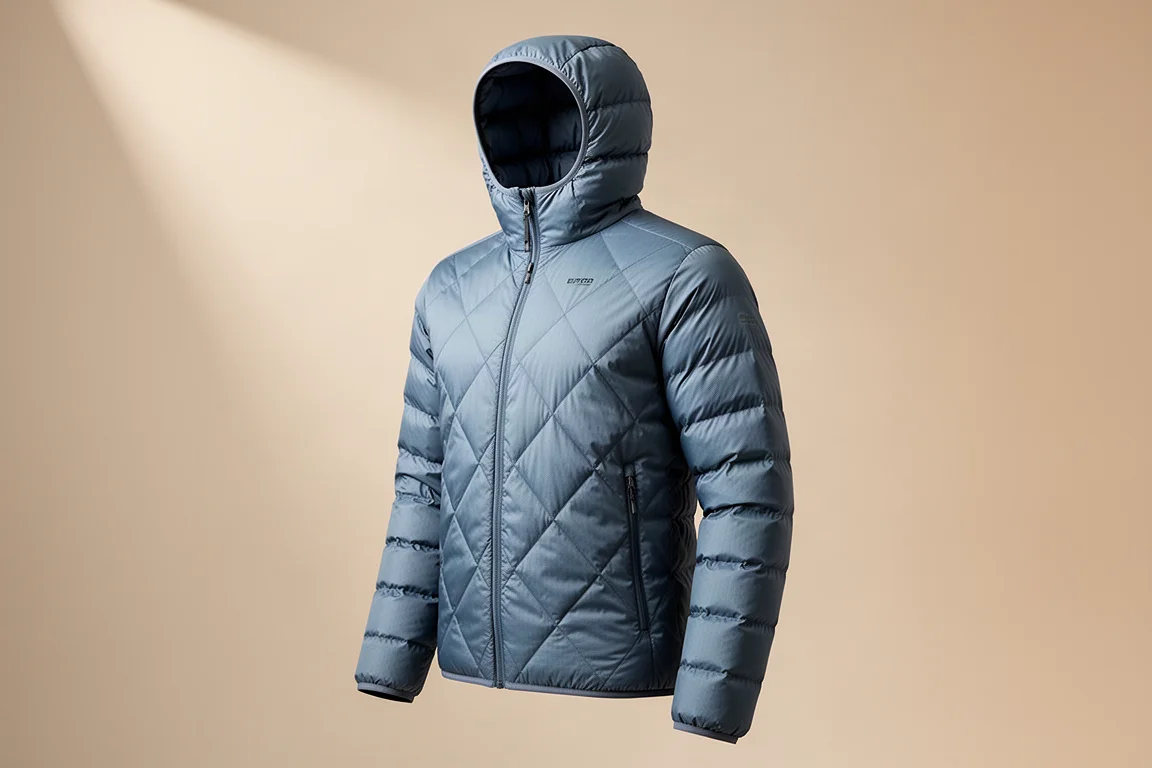
Insulation: Outdoor Research Helium Down Hooded Jacket
When temperatures fall further, a down hooded jacket goes on over the mid layer. This one is warm for its weight, durable enough for regular use, and light enough to justify carrying through three seasons.
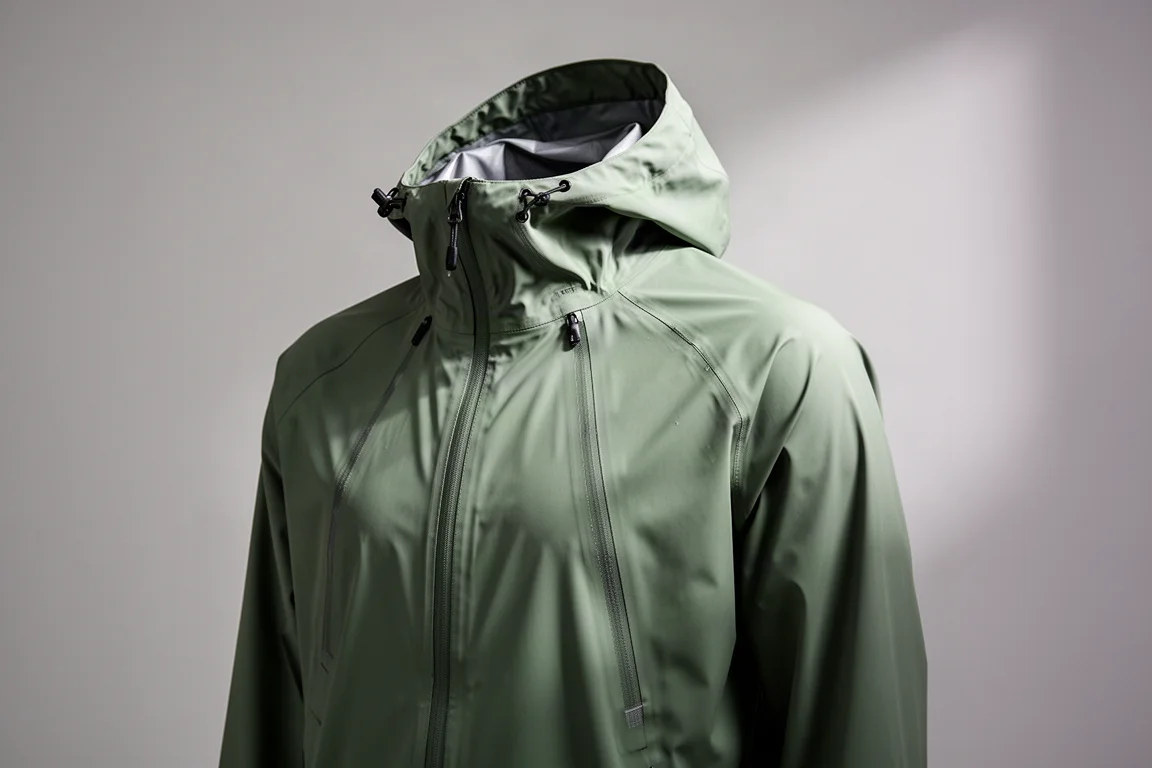
Rain Protection: Outdoor Research Helium Rain Jacket
The last layer is a rain and wind shell. It is a straightforward jacket: solid protection, no unnecessary features, and a price that keeps the total cost of the list reasonable.
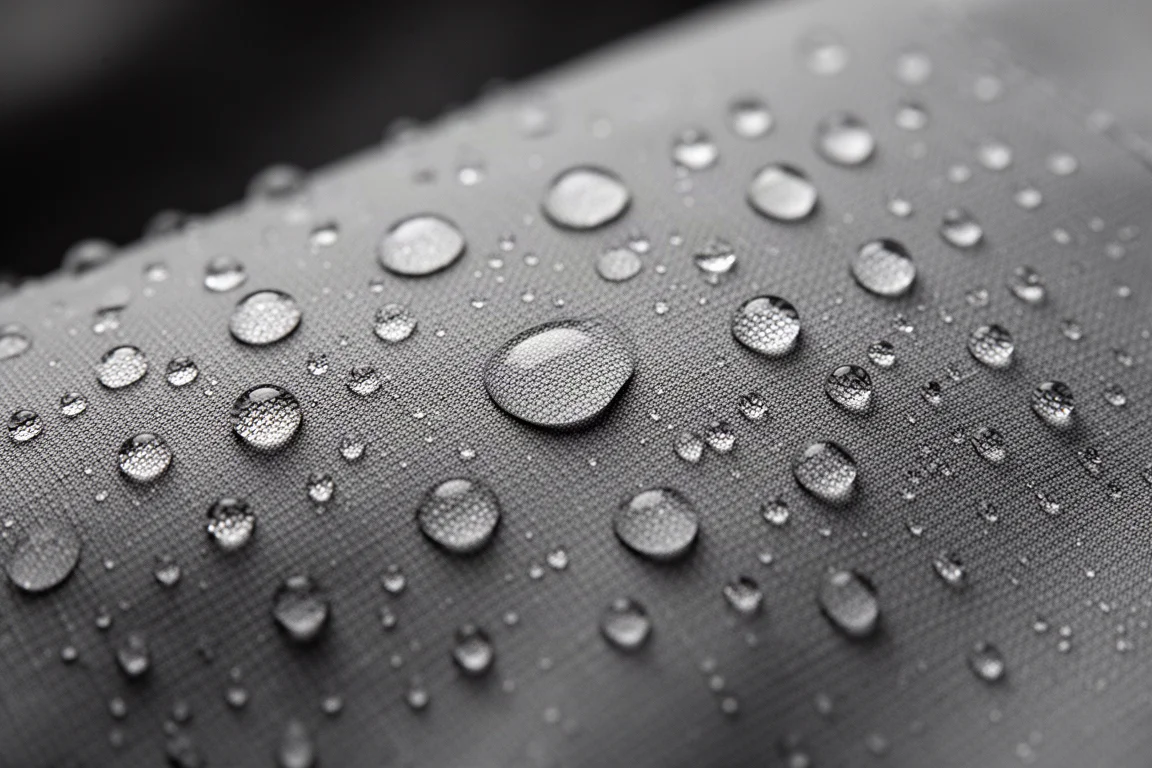
A shell is the item that decides whether a wet afternoon becomes a wet evening. Worn over the mid layer and the down jacket, it keeps insulation dry, which is the only way any of it keeps working.
Buying Advice
Two questions sort this list into what to buy first and what can wait.
The first is conditions. Three-season trips in the mountains, with camps above 10,000 feet, justify the sleeping bag, the sleeping pad, and the shelter at the top of the list. Trips that stay low and warm can start with the pack, water treatment, and layers, then add the rest over time.
The second is repetition. Comfort items pay off in proportion to how often they are used. A camp chair or a pump that also works as a lantern feels unnecessary on one trip and obvious on the twentieth.
If the budget is finite, spend it in this order: shelter, sleep system, pack. Those three carry the trip. Everything else can be added as trips accumulate.
Conclusion
This is a list built for people who already know they enjoy backpacking and want their trips to be genuinely pleasant. It leans toward comfort, accepts a 25 to 30 pound load, and assumes three-season conditions, often at elevation.
Start with the three items that carry the trip, then add the pieces that make camp feel less like an endurance test. The result is a pack that is heavier than a minimalist one and considerably more pleasant to live out of.
Further reading
Related Reviews

Backpacking Gear
Building a 10 lb Base Weight: An Ultralight Backpacking Gear List
A practical walkthrough of the ultralight pieces behind a 10 lb base weight, from a 765 g pack and a roomy one-person tent to a full camp chair and a dependable water filter.
Backpacking Gear
A 15-Pound Lightweight Backpacking Gear List for Solo Trips
A beginner-friendly 15-pound backpacking setup built from easy-to-find gear, with notes on what each piece does, how it packs, and where to spend your attention.
Backpacking Gear
8 Ultralight Backpacking Gear Upgrades Worth Carrying
Eight small, affordable backpacking upgrades that solve real trail annoyances, from a pillow that stays put to a fuel valve that rescues leftover canister gas.