Backpacking Gear
Comfort-Focused Backpacking Gear: Four Pieces Tested for Camp and Trail
A freestanding two-person tent, a warmer sleeping pad, a sub-kilogram pack, and a draft-free quilt system, assessed on space, warmth, load carriage, and value.
Introduction
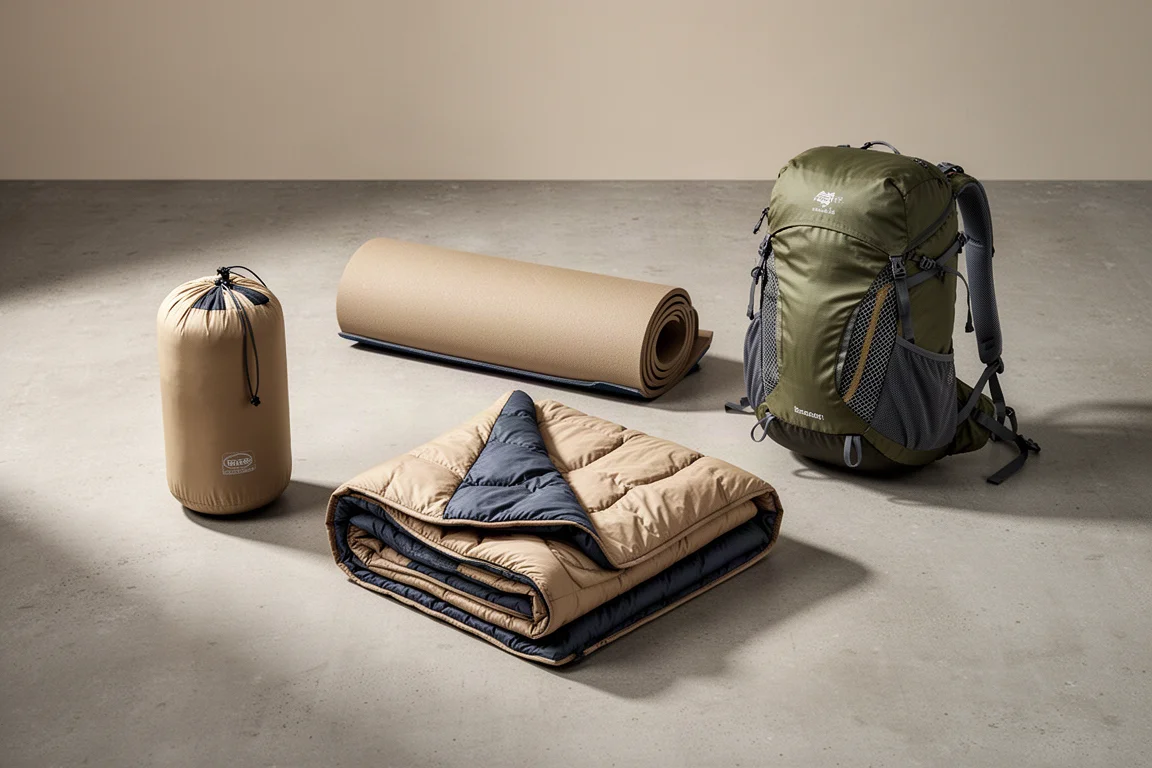
Comfort in the backcountry used to come with a weight penalty. The four pieces of gear gathered here belong to a different approach: kit that aims to be genuinely comfortable at camp without making the hiking harder. A freestanding two-person tent that promises real living space. An insulated sleeping pad that claims to be warmer and more durable than its predecessor. A pack that weighs under a kilogram yet claims to haul a load. And a quilt system designed to eliminate drafts while still behaving like a quilt.
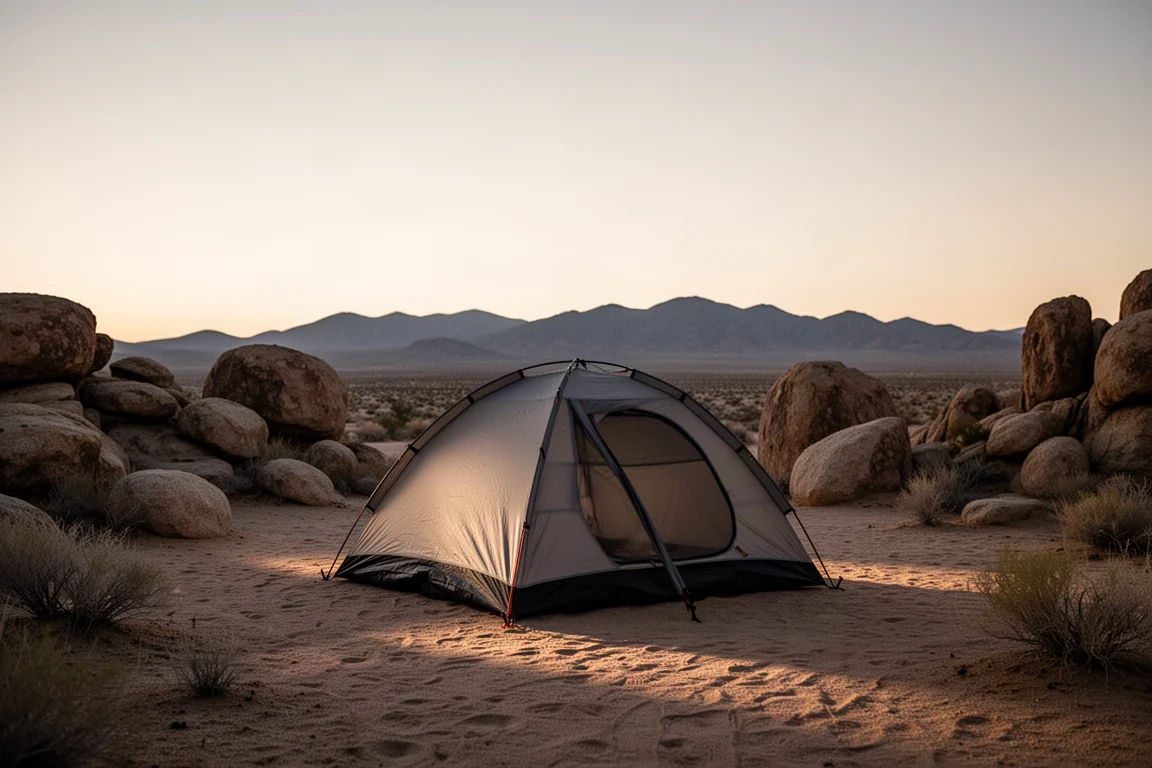
These were tested together in high desert conditions, with overnight temperatures dropping to just above freezing and enough wind to put shelter design under real pressure. The pack carried 35 pounds, largely because water had to be carried in. That combination of cold, wind, and weight is a fair test of whether comfort-focused gear actually delivers.
Each piece below is assessed on what it does well, where it stops, and the kind of trip it suits. Taken together, they show how little compromise remains between comfort at camp and comfort on trail.
Durston X-Dome 2: A Spacious Three-Season Shelter for Two
The X-Dome 2 builds on the X-Dome 1 Plus, a tent that earned a strong reputation for versatility and quick pitching. Scaling that design up to a two-person footprint raises two questions: how far its stormworthiness stretches, and whether the interior is genuinely spacious enough for two people with a comfort focus.
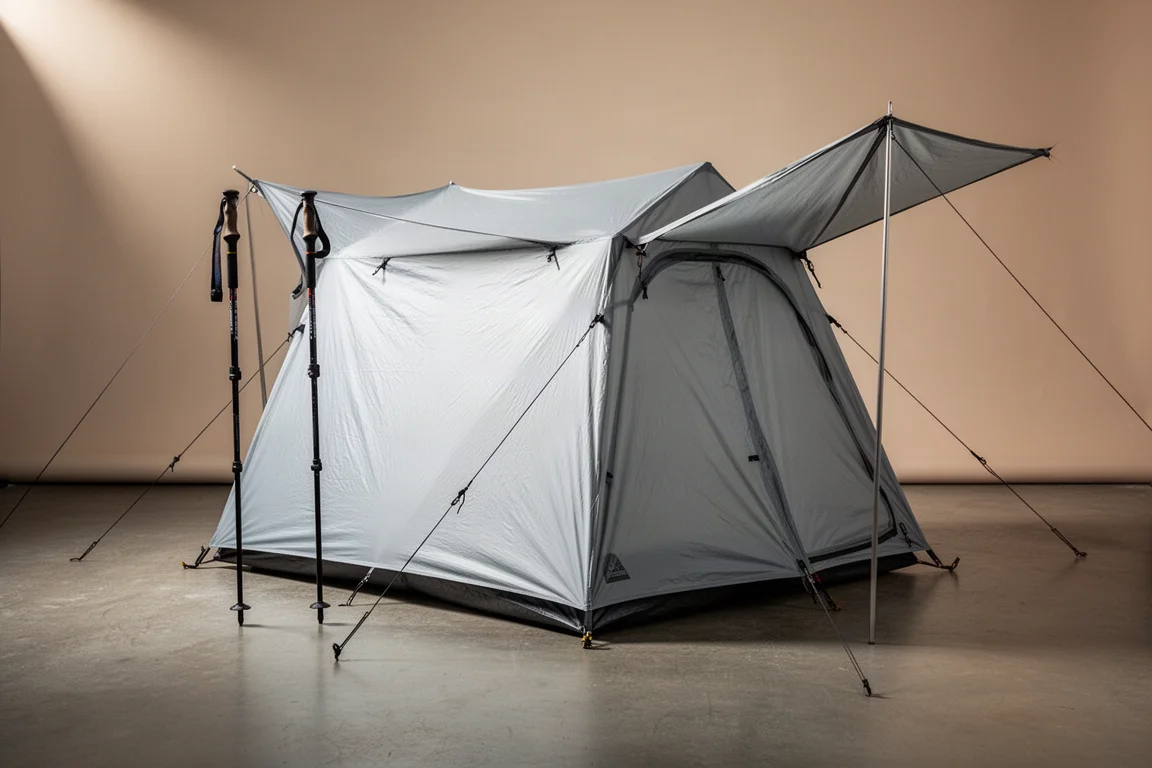
On space, the answer is mostly yes. With a single regular-wide rectangular pad inside, there is noticeable room at both the head and foot ends, enough for clothing and a few items of gear, though a long pad would consume that margin quickly. Pushing a wide pad against one wall and measuring what remains shows that two 25-inch wide pads will almost completely fill the floor width. The rhombus-shaped floor helps here, leaving usable pockets of space in the corners, and storage is generous: large ceiling pockets at each end and smaller pockets in the corners.
Stormworthiness is where the tent defines its own limits. The smaller X-Dome 1 Plus has handled winds up to 60 km/h without trouble, but the larger version behaves differently because there is simply more surface area working against it. The pole structure carries over from the smaller model, with thicker poles across the top and thinner poles running down to the corners. In winds estimated at around 50 km/h, with every stakeout point and all eight guyline points secured and trekking poles bracing both sides, the tent was taken down rather than trusted to survive the night. The vulnerable area is the large side panels at the head and foot ends, which cannot be reinforced with trekking poles. Wind pressure on those panels transfers straight into the poles, and on a freestanding design the poles are the component most likely to fail.
None of that makes the X-Dome 2 a poor shelter. It is not built for extreme conditions and does not claim to be. As a true three-season tent in the same class as popular freestanding options such as the Hubba Hubba and the Copper Spur, it comes out ahead on ease of use, stormworthiness, weight, and interior space. The only real wish is for a slightly larger interior, which would immediately work against both wind performance and weight.
Sea to Summit Ether Light XR: Warmth First, With Reinforced Welds
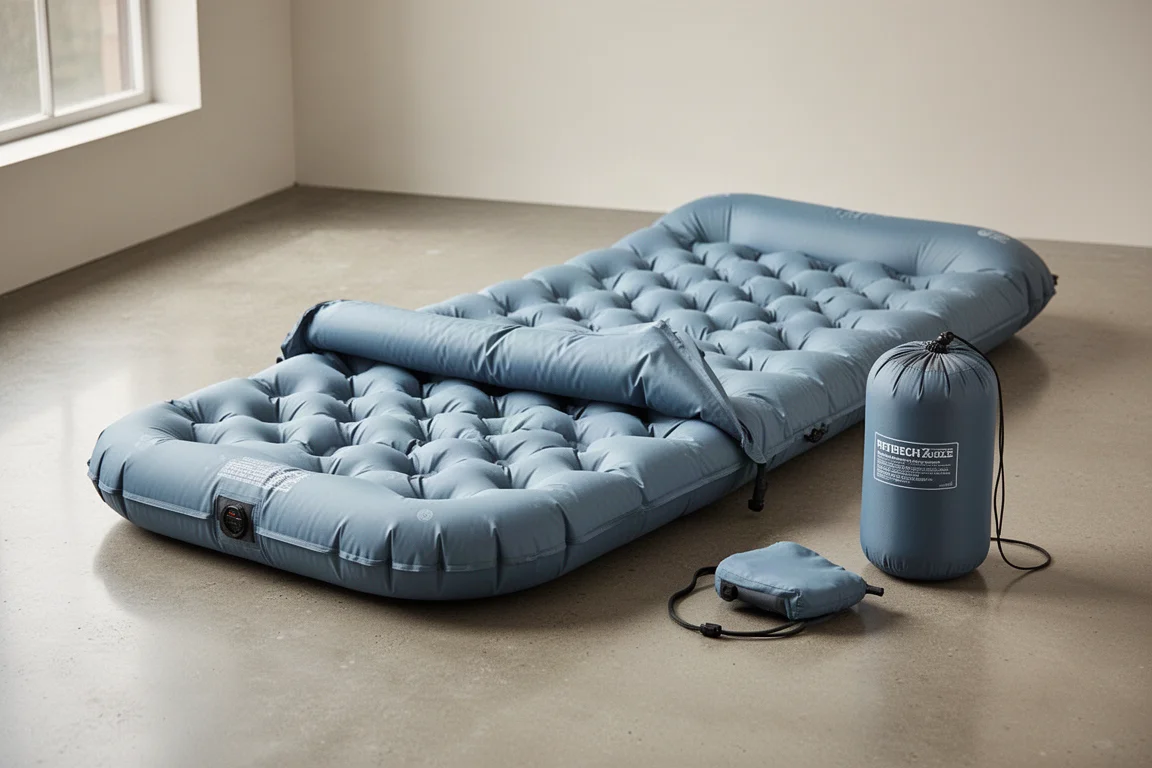
The Ether Light XR is the successor to the Ether Light XT, a pad that set a high bar for comfort and became something of a benchmark in that regard. Sea to Summit’s claim for the XR is that it keeps everything that made the XT comfortable while adding warmth and durability. The R-value rises to 4.1, and the durability changes are specific: weld points are oval rather than circular, which increases surface area and should reduce the chance of failures at those points, and the TPU layer inside the pad is thicker, which is the material that holds the air.
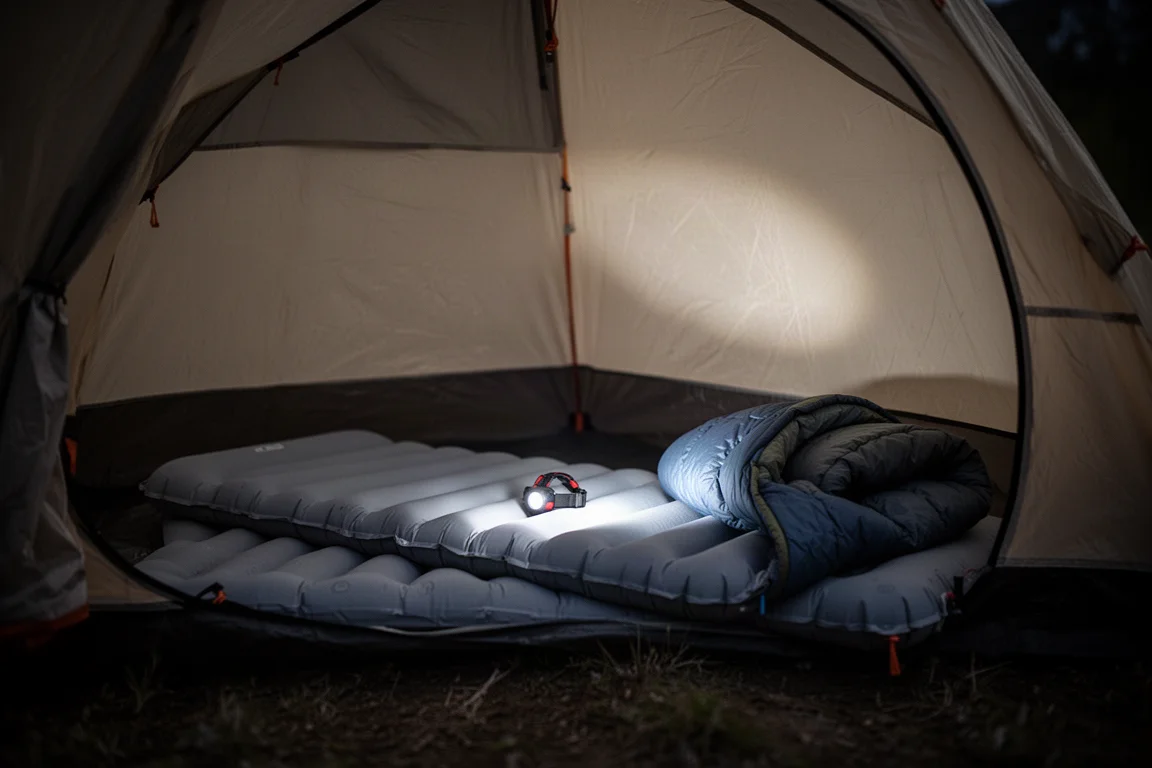
Warmth turned out to be the headline result. Sleeping in a t-shirt and boxers with air temperatures just above freezing, there was no sense of cold at any point overnight. That is a meaningful outcome for a pad with an R-value of 4.1, which sits below several rivals in the category. A thick pad offers a lot of surface area for air to cool, so the insulation changes appear to be doing real work rather than simply ticking a specification box.
Comfort is the open question. With the pad deflated to roughly 75 percent, it was comfortable but not quite at the level the XT is remembered for, with some arm numbness and more position changes than expected. That could come down to changes in the material or the height of the raised cells, or it could simply have been an off night. Confirming it properly would mean inflating both versions side by side, and further testing is needed before drawing a firm conclusion.
Durability, by definition, will take time to judge. The earlier version developed a leak at one of its weld points, so reinforcing exactly that area is a sensible place to start.
Atom Packs Prospector: Light and Feature-Rich, With a Load Limit
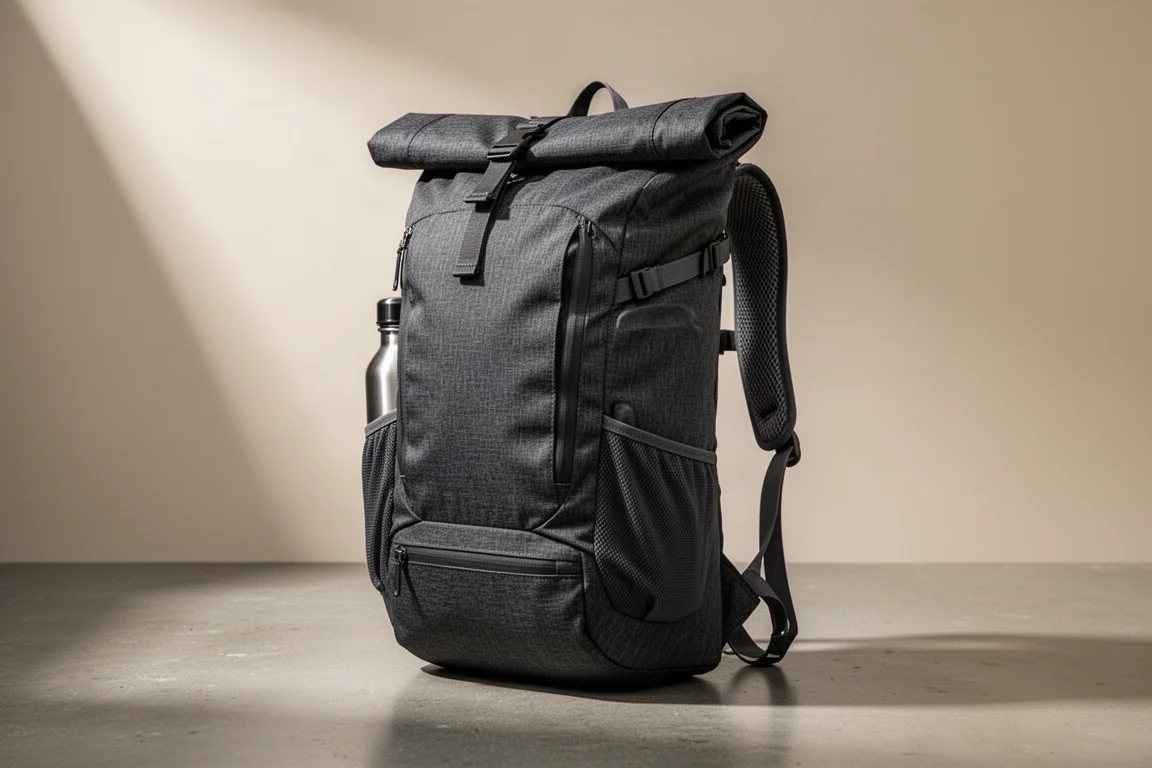
The Prospector makes three claims: lightweight, fully featured, and a load hauler. Two of the three hold up without argument. The pack weighs under a kilogram, and its feature set is genuinely well executed. Water bottles come out of the side pockets easily, and the shoulder strap pockets and bottom pocket make it simple to reach items while moving. As a piece of design, it is a well put together pack.
Load carriage is the more nuanced part. With 35 pounds aboard, including carried water, the pack initially felt less comfortable than expected. Loosening everything and rebuilding the fit from scratch, hip belt first, then shoulder straps, load lifters, and finally the chest strap, improved things considerably. At 35 pounds it carried well, but the sense was that on a longer 20 to 30 km day the pack would begin to struggle later on and the wearer would feel it.
The reasons are structural. The hip belt is not especially stiff, which is expected on a lightweight pack, and the frame does not transfer weight down into the hip belt strongly enough to make 40 to 45 pounds comfortable. Fit also plays a part: the pack sat slightly small for the wearer, with the load lifters lower above the shoulder than ideal, and a size up would have been too large. That is the trade-off of a fixed torso length.
Compared with the Durston Kakwa 55, a very similar pack, the Kakwa carries weight better and handles 40 to 45 pounds comfortably, while 35 pounds looks like the practical ceiling for the Prospector. The Prospector counters with a better pocket layout and easier access to items, and its side pocket design is more appealing than the zippered side pocket on the Kakwa 55. The honest scorecard is two claims out of three: lightweight, yes; fully featured, yes; load hauler, not quite, since that class implies 40 pounds and above. Even so, 35 pounds is respectable and likely more than most people will ever put in this pack.
Rock Front Quilt System: Draft Protection With Room to Move
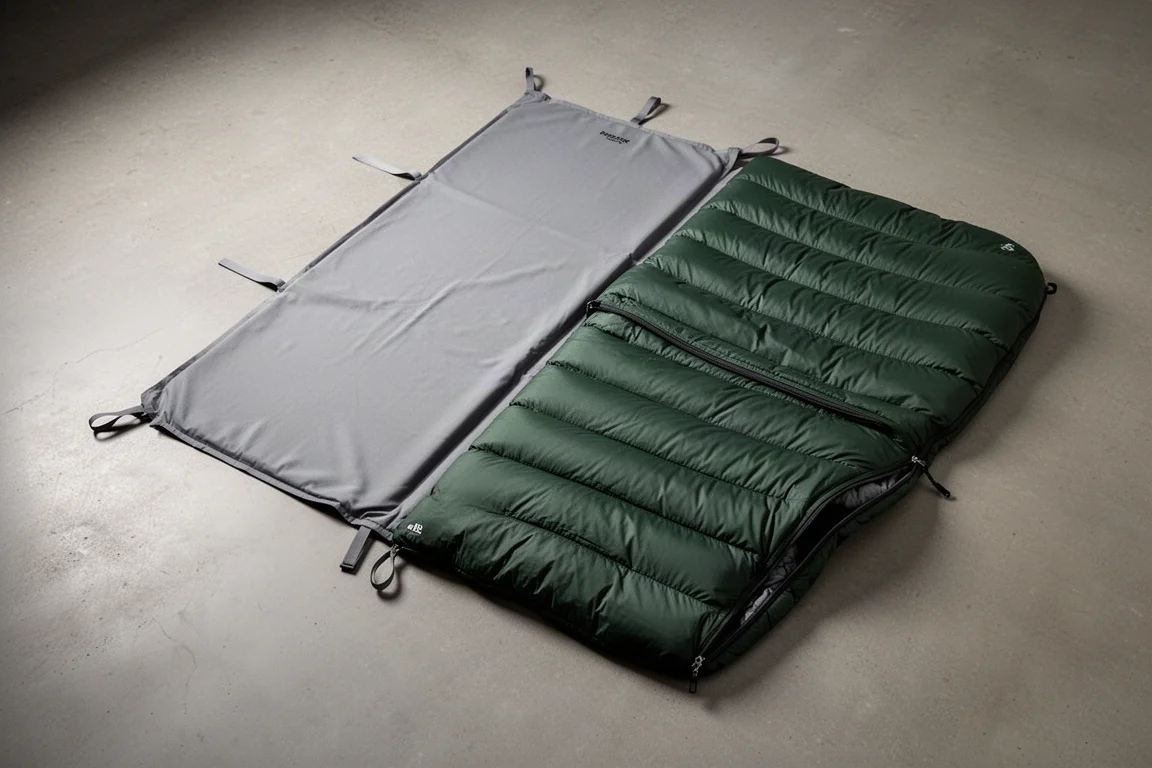
The Rock Front quilt system has flown under the radar, but its concept is straightforward and it competes directly with the Zen Bivy quilt system. The goal is to remove drafts while keeping the benefits of a quilt and the benefits of a sleeping bag. It works in two parts: a sheet that attaches to the sleeping pad, and a quilt that zips onto that sheet. The zipper is what keeps the quilt locked in place, and locking the quilt down is what prevents drafts. There is also a pillow sleeve at the head end, a neat solution for anyone using a pillow that does not have pad straps.
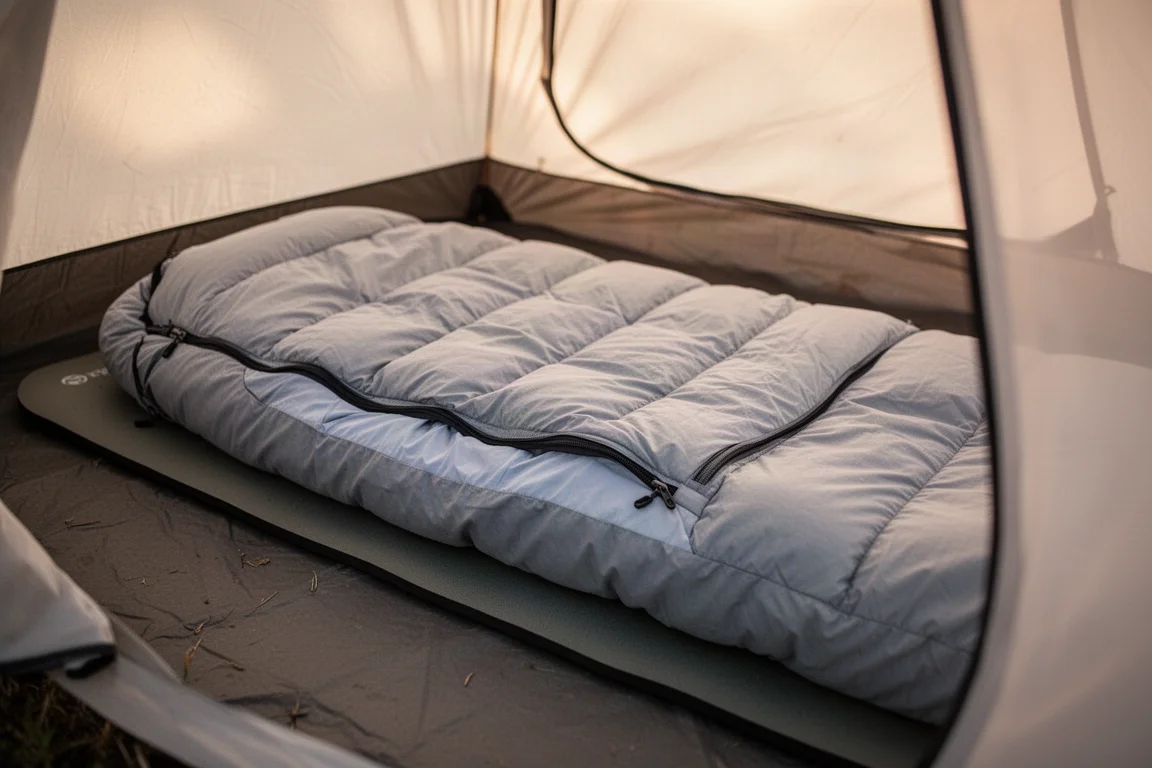
Draft protection is the system’s strongest result. Even with cold overnight temperatures and deliberate effort to create drafts around the zipper area, none could be found. Lifting the quilt and feeling along the edges turned up no cold spots, and a small draft tube around the zipper closes off that pathway as well.
Movement underneath is the second strength. There is a lot of space under the quilt, enough to roll around freely without tangling or feeling constricted. Stomach sleeping, which is normally difficult in the backcountry, was straightforward with this setup, a notable point for anyone who sleeps that way. The design difference matters here: the quilt attaches to the sheet all the way from the head end to the foot end, whereas the Zen Bivy system behaves more like a quilt or sleeping bag at the foot end and only attaches toward the torso. For people who toss and turn a lot, full-length attachment is the more secure arrangement. The system is also lighter and less expensive than its better known competitor.
Matching Each Piece to Your Trip
The four pieces do not serve the same camper, and matching them to the trip matters more than any single specification.
The X-Dome 2 suits three-season trips where interior space and easy pitching are priorities, and where exposed ridgelines and severe weather are not on the plan. Two people using wide pads should expect a full floor, so treating the vestibule and the ceiling pockets as the real storage is the sensible approach.
The Ether Light XR is aimed at anyone who wants a thick, comfortable pad and values warmth in near-freezing conditions. Its R-value of 4.1 is not the highest available, but the field result was a warm night at temperatures just above freezing, and the durability changes target the exact failure point seen on the earlier version.
The Prospector is best understood as an ultralight pack for people whose total loads stay around 35 pounds. Within that envelope it is light, well organised, and comfortable once fitted properly. Anyone routinely carrying 40 pounds or more is better served by a pack with a stiffer hip belt and stronger frame-to-hipbelt transfer.
The Rock Front quilt system is the most specialised of the four, and also the most interesting for restless sleepers. Anyone who has struggled to stay comfortable in a traditional quilt, or who sleeps on their stomach, has a clear reason to consider it.
Practical Buying Advice: Weight, Warmth, and Value
Two trade-offs run through all four products. The first is weight against capability. The Prospector shows the pattern clearly: sub-kilogram weight is achievable, but it comes with a load ceiling around 35 pounds. The X-Dome 2 shows the same pattern in shelter form, where a larger, more comfortable interior directly reduces wind performance. Choosing where to sit on that spectrum is more useful than chasing the lightest number on a specification sheet.
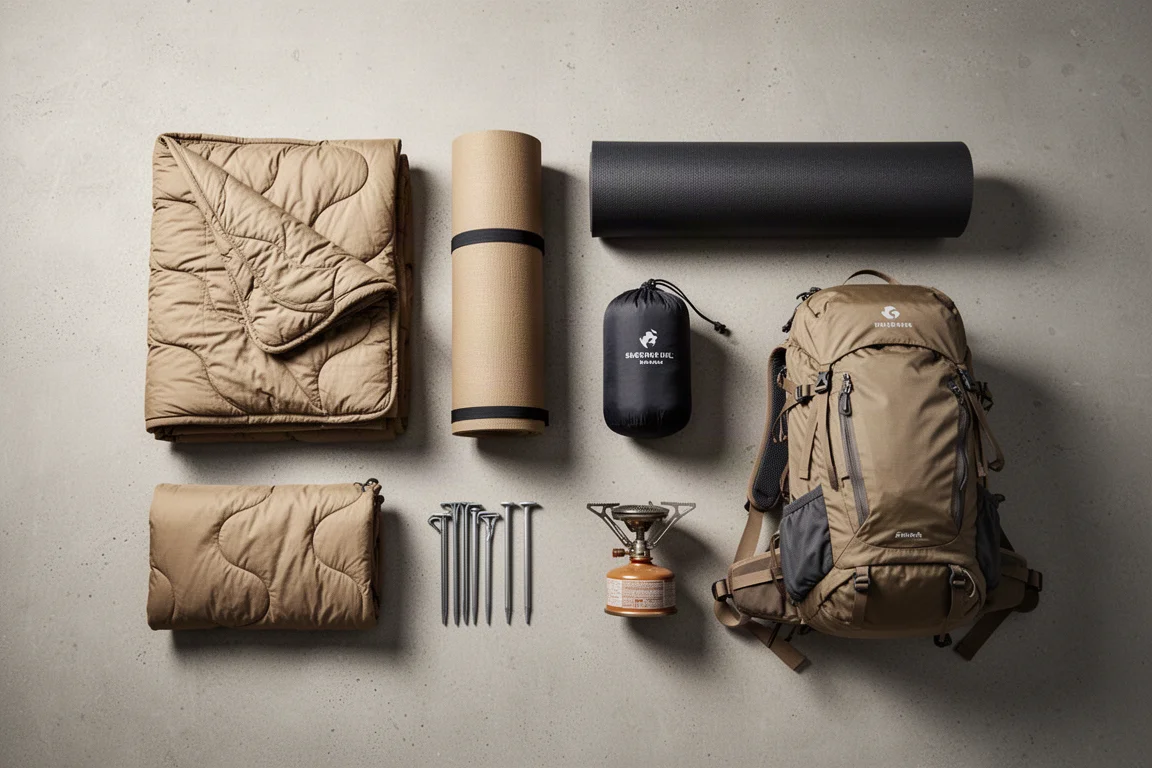
The second trade-off is warmth against comfort. A pad with an R-value of 4.1 can still sleep warm if the insulation is implemented well, which is what the overnight result here suggests. Thickness and surface area matter, but so does the way the insulation is built. Reading an R-value alone does not tell the whole story.
Durability is worth weighing honestly. The Ether Light XR reinforces its weld points and thickens its internal TPU, and those changes address a real failure mode from the previous generation, but only longer use will confirm how much they help. The Rock Front quilt system takes a different route to value, delivering draft-free sleep at a lower weight and price than the comparable Zen Bivy setup.
Fit deserves more attention than it usually gets. The Prospector’s performance changed noticeably after the straps were reset in the correct order, and its fixed torso length meant the load lifters sat lower than ideal. Packs, pads, and quilt systems all depend on being set up for the individual, and a small adjustment can be the difference between a comfortable carry and a long day.
Conclusion
The most useful takeaway from this set is that comfort at camp and comfort on trail no longer sit at opposite ends of a trade-off. The X-Dome 2 delivers genuine two-person living space with simple pitching and predictable three-season limits. The Ether Light XR adds warmth and targeted durability work to a comfort-focused pad formula. The Prospector is light and beautifully organised, provided loads stay near 35 pounds. And the Rock Front quilt system removes drafts without restricting movement, which makes it a strong option for restless sleepers.
None of them is a do-everything answer, and each has a clear boundary. Knowing where those boundaries sit is what turns a good piece of gear into a good purchase.
Further reading
Related Reviews

Backpacking Gear
Building a 10 lb Base Weight: An Ultralight Backpacking Gear List
A practical walkthrough of the ultralight pieces behind a 10 lb base weight, from a 765 g pack and a roomy one-person tent to a full camp chair and a dependable water filter.

Backpacking Gear
A 15-Pound Lightweight Backpacking Gear List for Solo Trips
A beginner-friendly 15-pound backpacking setup built from easy-to-find gear, with notes on what each piece does, how it packs, and where to spend your attention.
Backpacking Gear
8 Ultralight Backpacking Gear Upgrades Worth Carrying
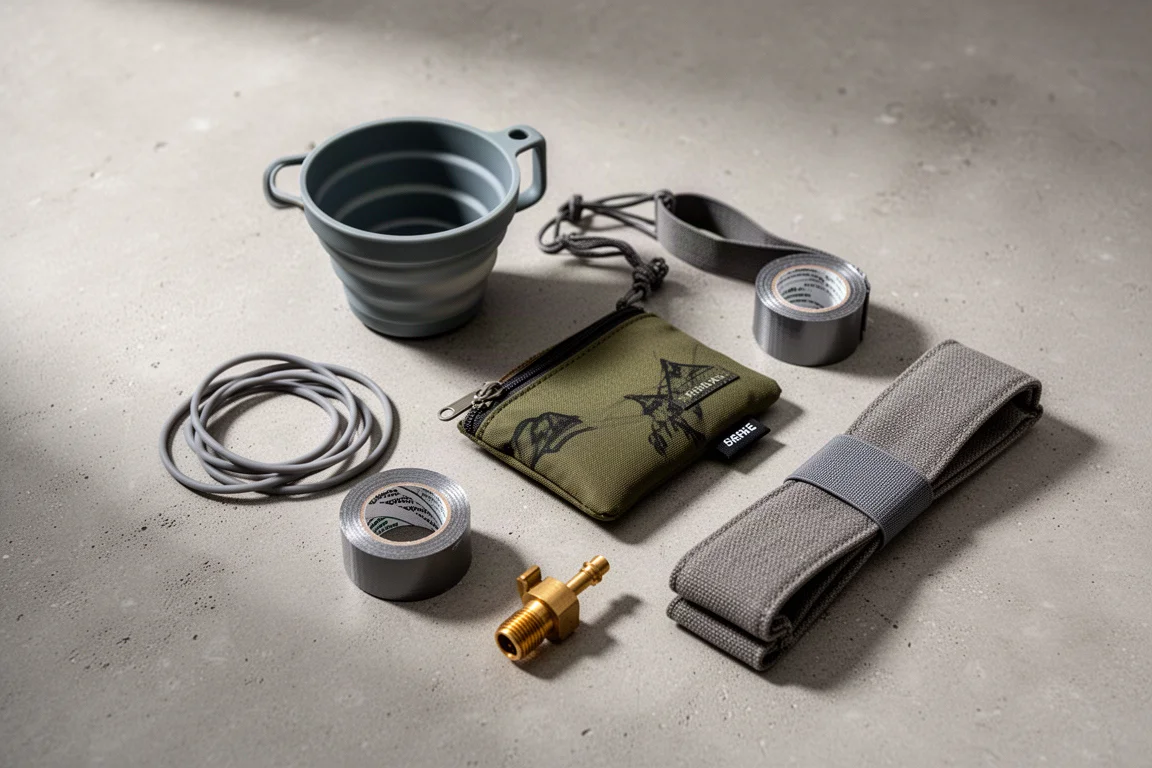
Eight small, affordable backpacking upgrades that solve real trail annoyances, from a pillow that stays put to a fuel valve that rescues leftover canister gas.