Backpacking Gear
A Comfort-First Backpacking Kit: 20 Pieces for Camp Comfort and Trail Weight
A complete comfort-focused backpacking kit, from the big three to camp furniture, cook and water, electronics, hygiene and warm layers.
Introduction
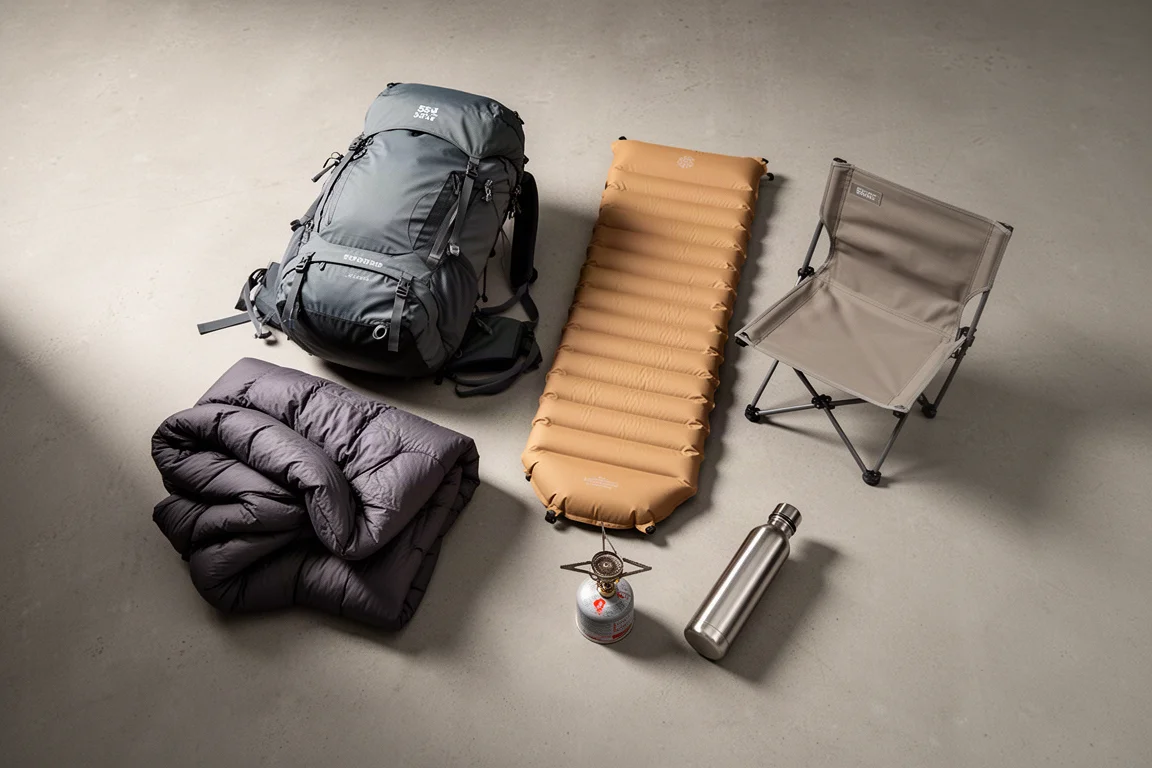
A comfort-focused backpacking kit does not have to be heavy, and it does not have to be expensive. The setup below is built around one idea: camp should feel genuinely restful after a long day of walking, without turning the walk itself into a chore.
Every item here earns its place by balancing four priorities. Camp comfort comes first, trail comfort second, ease of use third, and cost fourth. The result is a kit that is lighter, more comfortable and more affordable than most comfort-oriented setups of the same size.
How This Kit Was Chosen
Camp Comfort Comes First
Camp comfort goes well beyond a good sleep system, although sleep is the foundation. It also covers being able to sit down properly, keeping gear off the ground, cooking a hot meal without stress, and staying warm once you stop moving.
Trail Weight, Ease of Use and Cost
The shelter, sleep system and pack make up the bulk of both the weight and the comfort in a backpack. Get those three right and the rest of the kit follows. Fiddly gear is its own kind of discomfort when you are tired, so simplicity was weighted heavily. Finally, a kit only works if it is affordable enough to be used often.
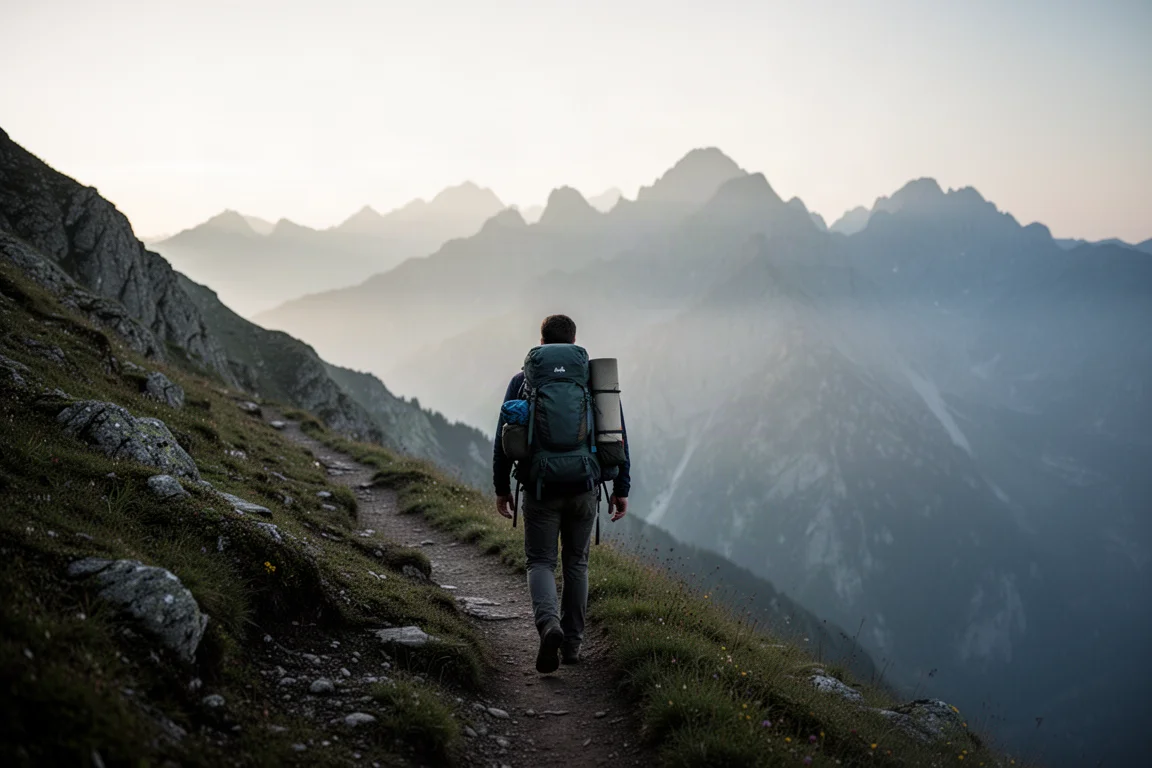
Weight is the main compromise in any comfort build. The approach here is to accept a few extra grams where they buy real comfort, such as a full-length sheet or a four-inch thick pad, and to save them where they do not.
The Pack: REI Flash 55
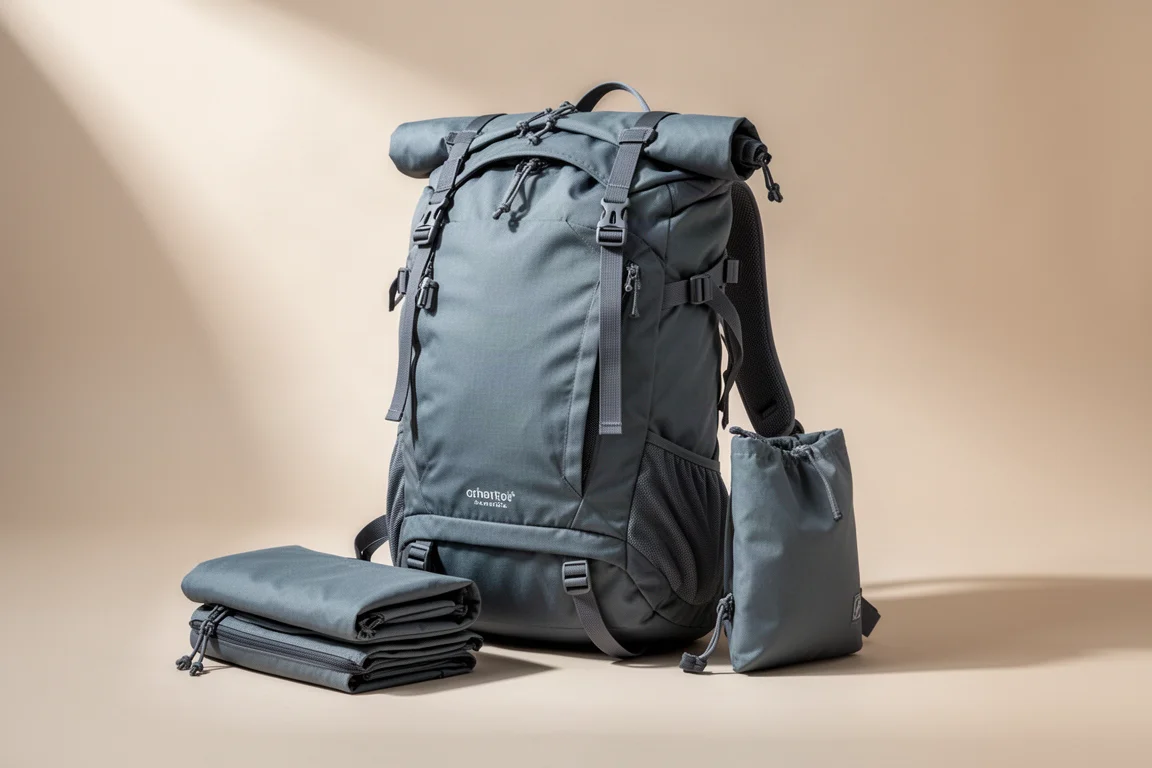
The REI Flash 55 anchors this kit because it carries weight well. An adjustable torso lets you lock in a fit, and a proper frame, foam through the back panel and a padded hip belt all help the load sit comfortably rather than hang off your shoulders.
The water bottle pockets sit forward of the side pockets, which means you can reach a bottle, drink and put it back without wrenching your shoulder. It is one of the most practical details on any pack in this class.
The trade-offs are weight and materials. At around 1.2 kg it is not an ultralight pack, and the nylon fabric absorbs water and picks up abrasion over time. In exchange you get volume, a comfortable carry, and a pack that is frequently discounted.
The Bottle: MiiR Bottle
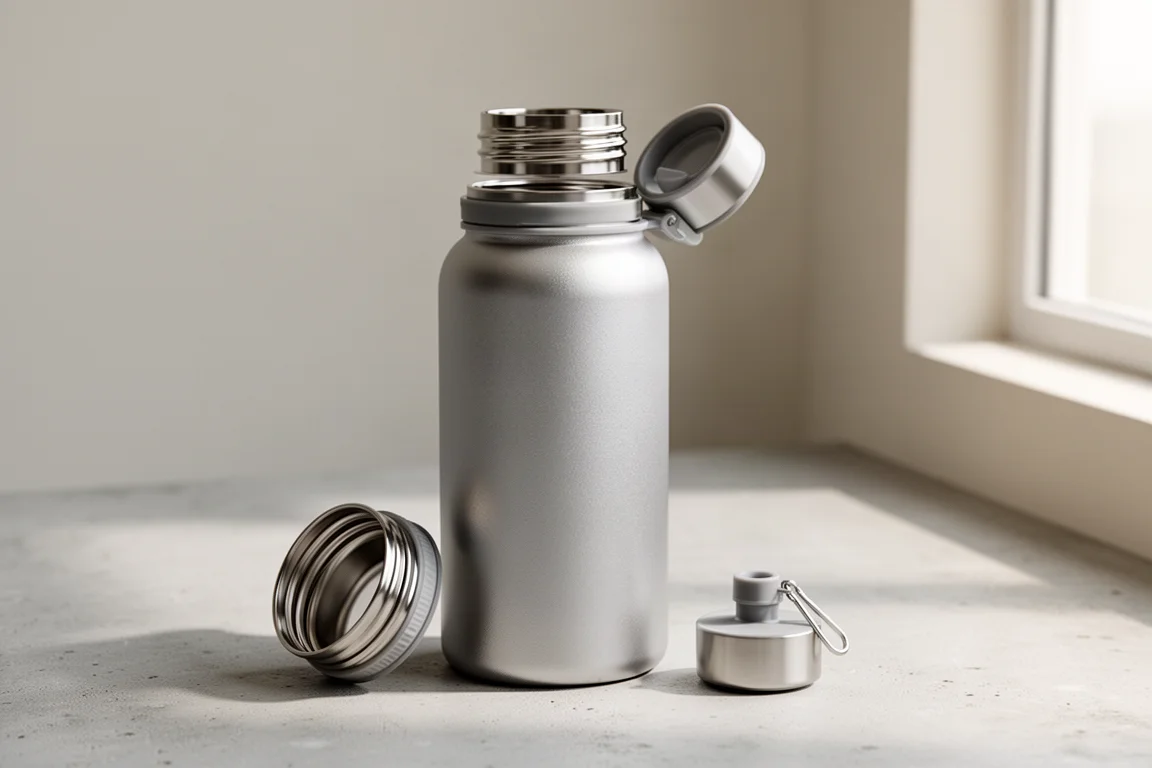
A reusable bottle sounds like a small detail until you drink from it a dozen times a day. The MiiR bottle earns its place with a dual-threaded lid: undo one section for a wide opening that is easy to fill with electrolyte powder and easy to clean, and use the upper thread for everyday drinking. A flip cap can be added for faster sipping.
That wide mouth matters more than it looks. Powder goes in without a funnel, the bottle goes in the dishwasher, and the whole thing stays simple to use. It is not the newest bottle design on the market, and the flip cap is an add-on rather than standard, but the day-to-day experience is excellent.
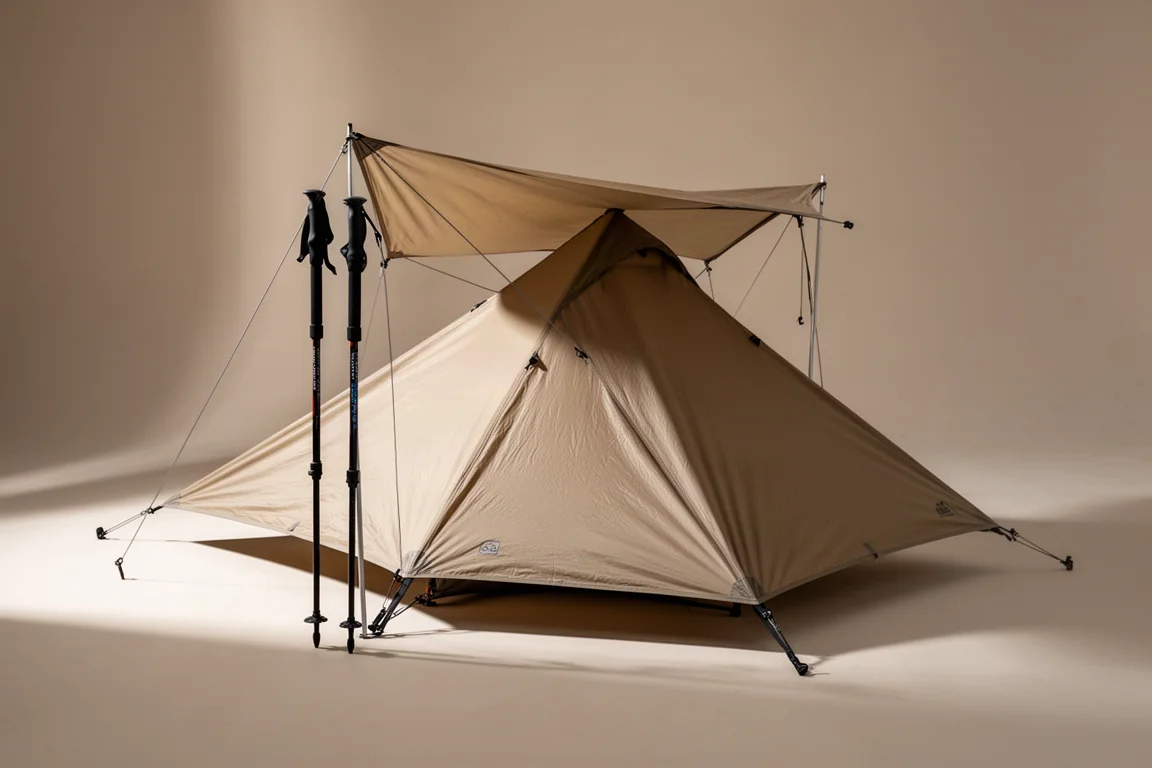
The Shelter: Durston X-Mid 1P
Space inside a one-person tent is where comfort is won or lost, and the Durston X-Mid 1P is generous in the ways that matter. A wider end gives you room to spread out gear, the narrower foot end still fits a 30-inch wide sleeping pad, and the tall profile, vertical walls and wide brow pole create usable room around your head and shoulders. Getting changed inside does not feel cramped.
It is also very light at under a kilogram, and it holds up in weather. The tent has been tested in a wind tunnel at 100 km/h and survived, and a fully guyed-out pitch with every stakeout point used should handle even more. The sil-poly fabric does not stretch or sag when wet, and it stuffs into a sack at the end of a trip instead of needing to be folded and rolled.
There is very little to criticise here. It is heavier than some Dyneema single-wall shelters, and it needs a careful, well-staked pitch to reach its full wind resistance, but as a package it is outstanding.
The Sleeping Pad: Nemo Eclipse
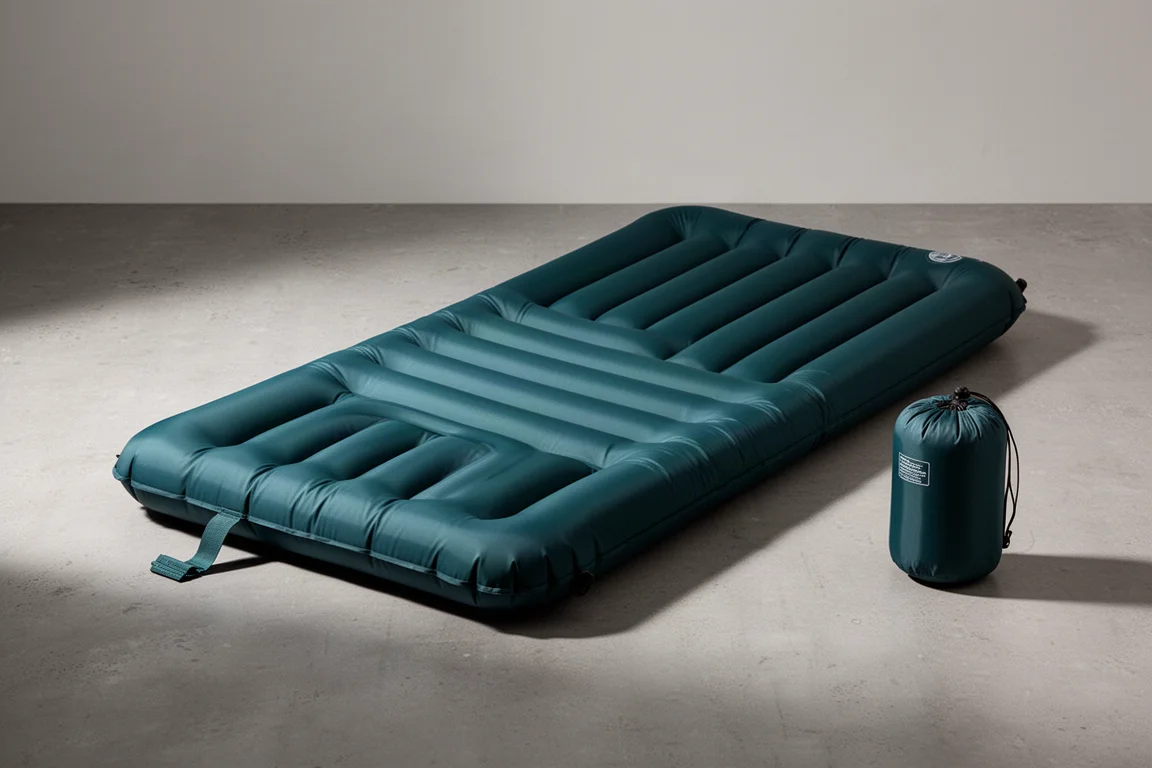
The Nemo Eclipse offers one of the best comfort-to-weight ratios available. It weighs 558 g, is four inches thick so you never bottom out, and uses a slightly dimpled vertical baffle pattern that is genuinely comfortable to lie on for a full night. It also costs under $200 in the regular wide size, which is increasingly rare as pads climb in price.
The compromise is warmth. The pad carries an R-value of 6.2, but in practice it stays comfortable to roughly -3 to -4 C on relatively warm ground, so it should not be pushed as far as that rating suggests.
The Sleep System: Zenbivy Light Bed
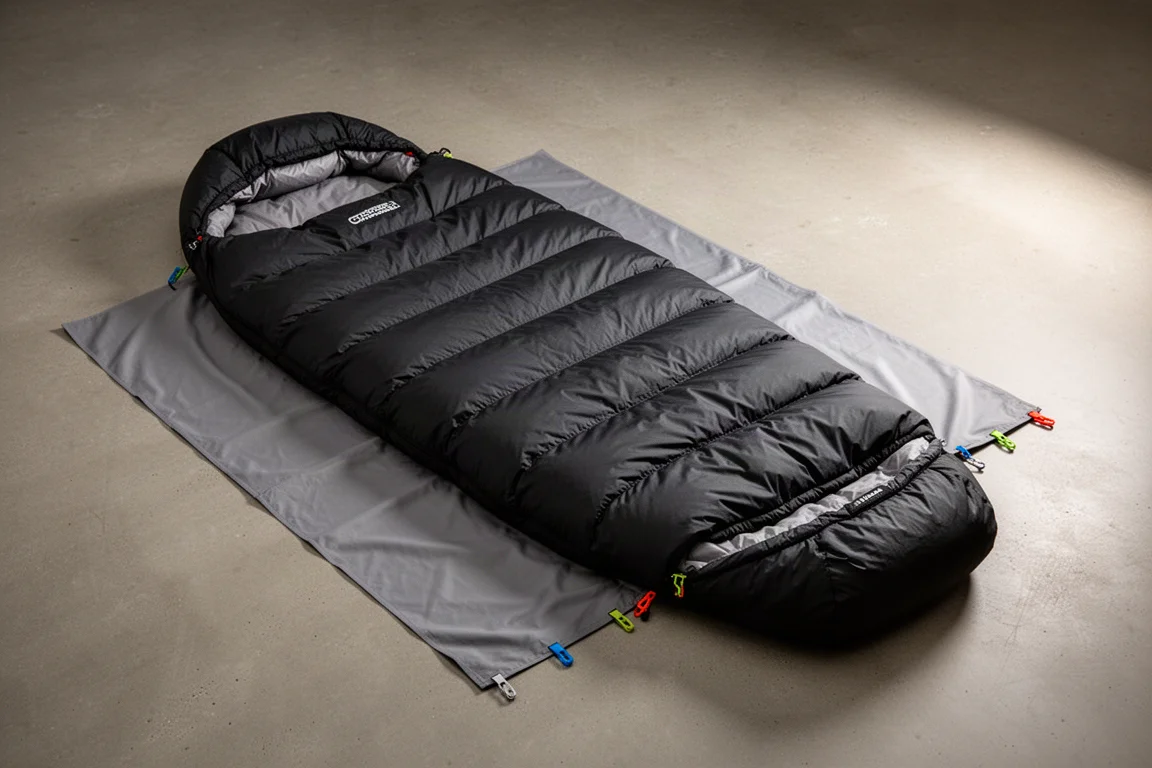
The Zenbivy Light Bed is the base of a quilt-based sleep system. It uses slightly heavier materials and lower fill power down than the brand’s ultralight line, and its defining feature is a sheet that runs the full length of the sleeping pad rather than only halfway down.
That full-length sheet is the comfort win. It feels better against the skin, especially when sleeping in minimal clothing, and it gives the quilt something to attach to. Quilts are also easier to move under than sleeping bags, so you can roll over and change position without getting tangled.
The trade-offs are price and complexity. This is not the cheapest sleep system available, and there are several small components to manage, including getting the sheet onto the pad and clipping in and out during the night.
The Quilt: Zenbivy Ultralight Quilt
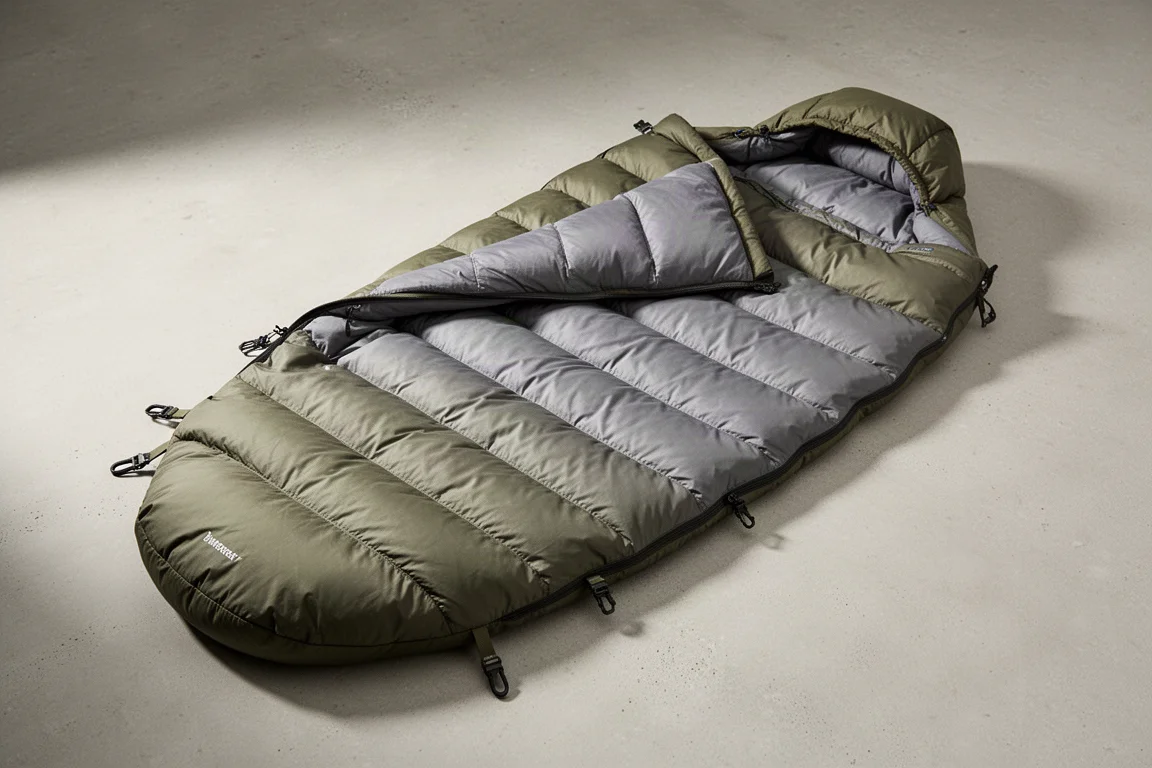
Pairing the Light Bed base with the Zenbivy Ultralight Quilt trims weight without giving up the full-length sheet. The quilt uses lighter materials and higher fill power down, so it saves grams while keeping the same clip-in design.
The system also addresses the usual weakness of quilts. A flap on the sheet clips into the quilt to hold it against the pad, which limits drafts and keeps everything in place through the night.
The main cost is price, and the quilt only makes sense as part of the wider sheet system, so it is best considered as an upgrade path rather than a standalone purchase.
The Pillow: Zenbivy Soft Top Pillow
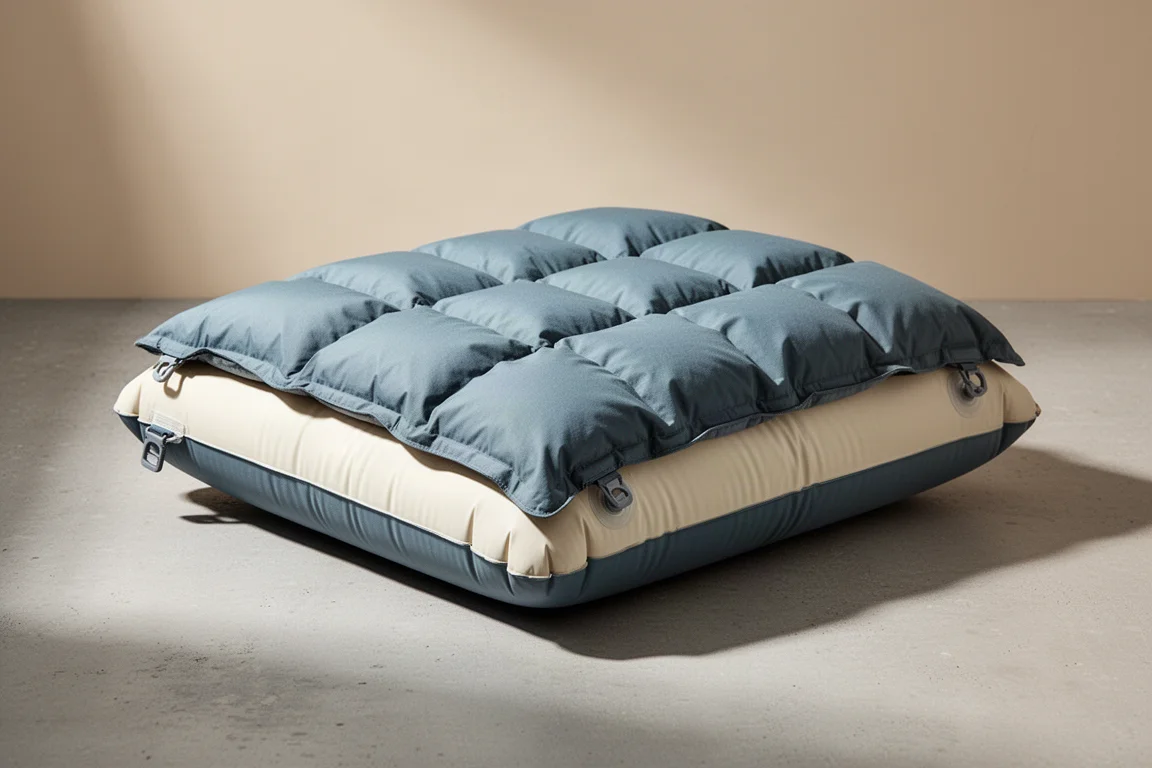
The Zenbivy Soft Top Pillow is built from three parts: an air bladder for height and structure, a down topper for softness, and a pillowcase over the top. The updated 2026 pillowcase is noticeably easier to use.
Because the pillowcase clips into the sheet, the pillow stays where you put it instead of sliding off the pad overnight. The down topper makes it one of the softer camp pillows available, and the support underneath is firm enough to be useful rather than decorative.
It is another component in an already multi-part system, and it adds to the overall cost, but a pillow that stays put through the night is worth the extra fiddle for most sleepers.
Camp Furniture: Helinox Chair Zero LT
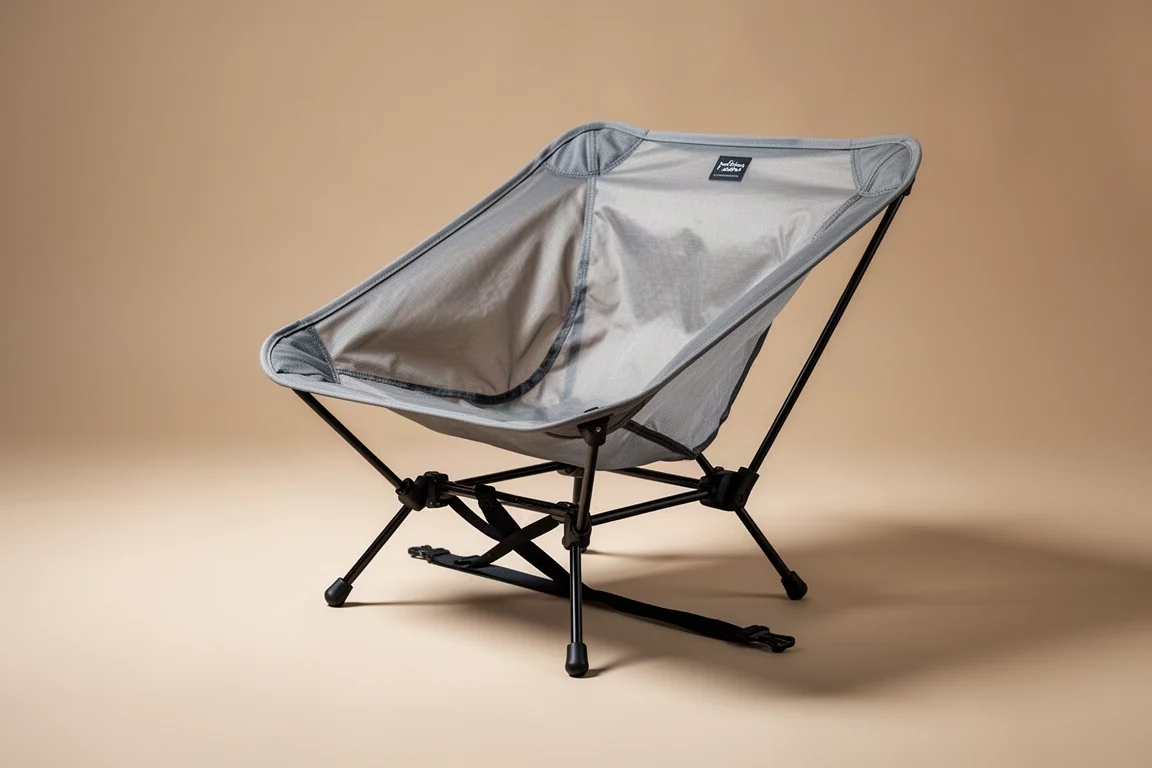
Camp furniture is where a comfort kit separates itself from a fast-and-light one, and the Helinox Chair Zero LT is one of the lightest chairs you can carry. The aluminium frame and the overall shape carry over from previous versions, while the fabric is slightly lighter and reported to be more durable.
The new X-Strap is the meaningful addition. It spreads the load under the legs so the chair does not sink into sand or loose gravel, and it weighs only 19 g.
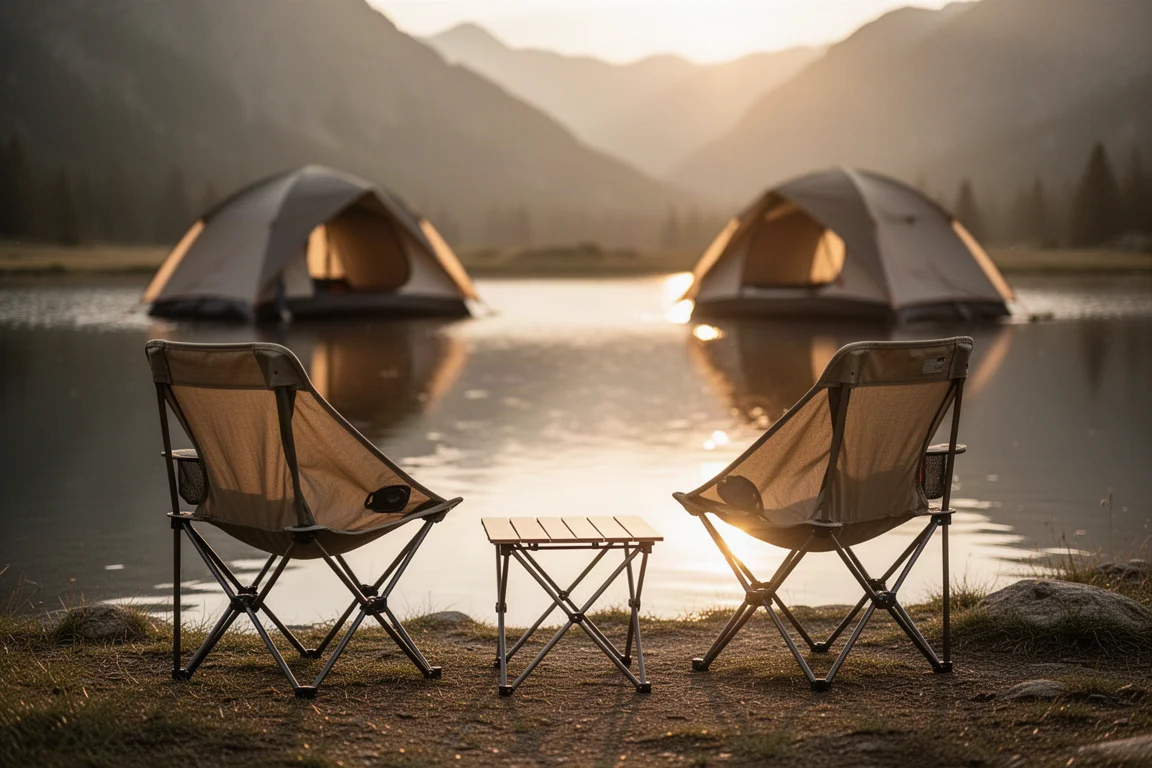
The main compromise is posture. This is a lounger rather than an upright seat, so it is best for leaning back with a book or a meal rather than sitting up straight to eat. It is also a pricey piece of kit for the weight it saves.
Camp Furniture: Helinox Table Zero
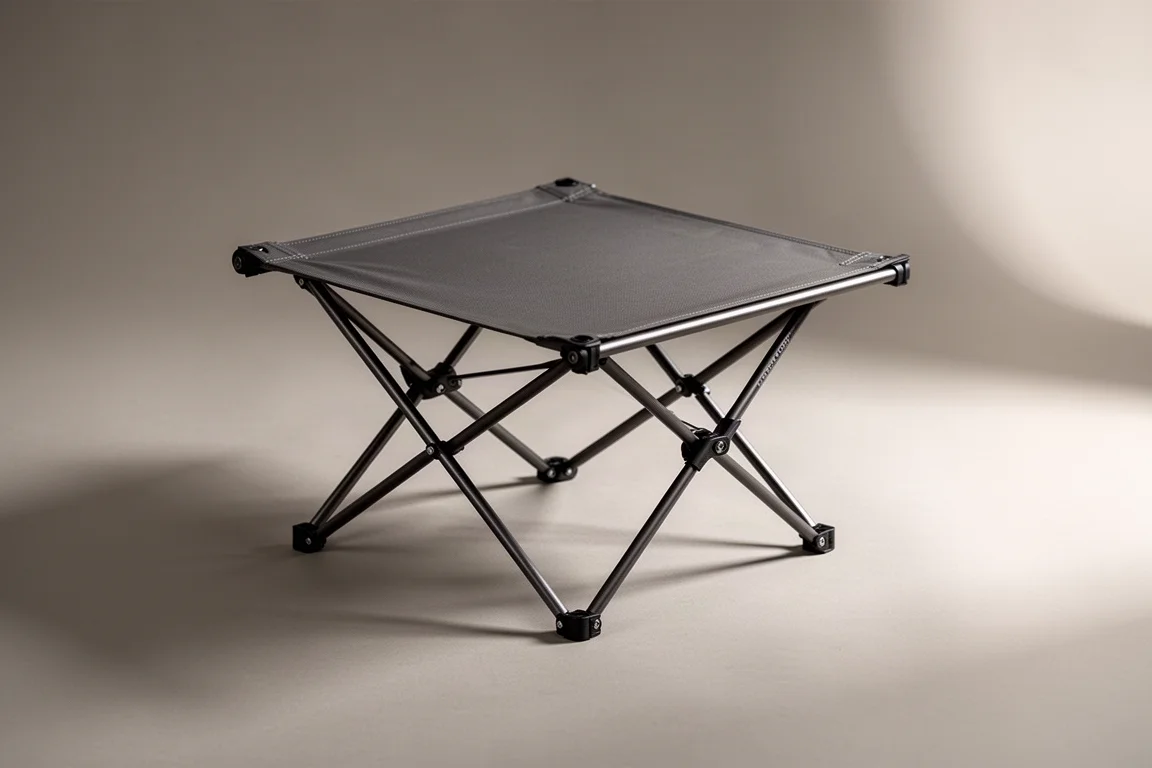
The Helinox Table Zero does something simple very well: it gets your cooking and eating gear off the ground. It is stable enough to cook on without feeling like a pot of boiling water is about to go over, and it packs down small enough that leaving it at home starts to feel like a waste.
The appeal is that it is both very light and very compact, so it slots into a pack without a fight. That combination is what makes it hard to leave behind.
Its limits are size and cost. The tabletop is small and there are no cup holders, so what you can use it for is fairly narrow, and it is expensive for what it is.
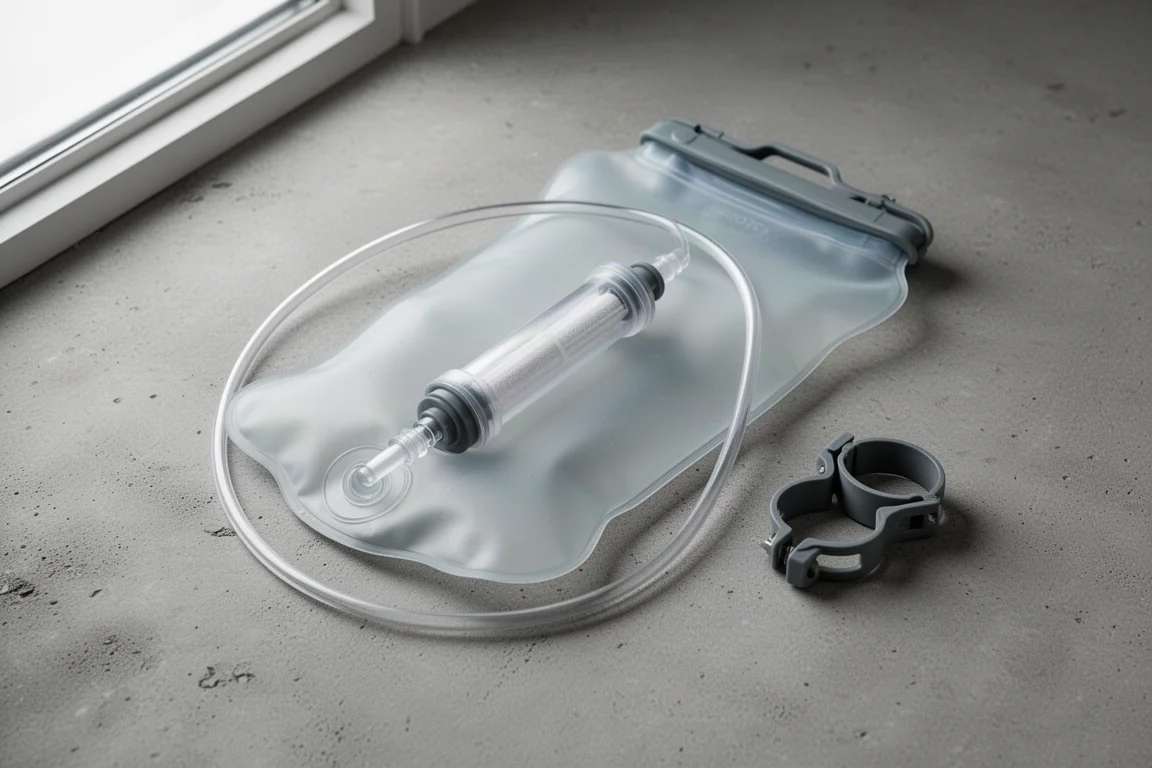
Water: Platypus QuickDraw Gravity
Gravity filtration makes more sense on a comfort trip than on a fast one, because you tend to spend longer at camp and want a steady supply of water rather than a quick top-up. The Platypus QuickDraw Gravity takes a three-litre bladder, and a clamp on the hose stops the flow when you are not filling.
Release the clamp and roughly a litre of filtered water arrives in about two minutes with no attention required. Squeezing a filter takes only around 30 seconds, but not having to do it at all is a real convenience, and a larger bladder can serve several people at once.
The downsides are weight and fuss. A gravity setup is heavier than a squeeze-only filter and a little more finicky to set up, so it suits camp-based trips better than minimalist ones.
Cooking: MSR WindMaster
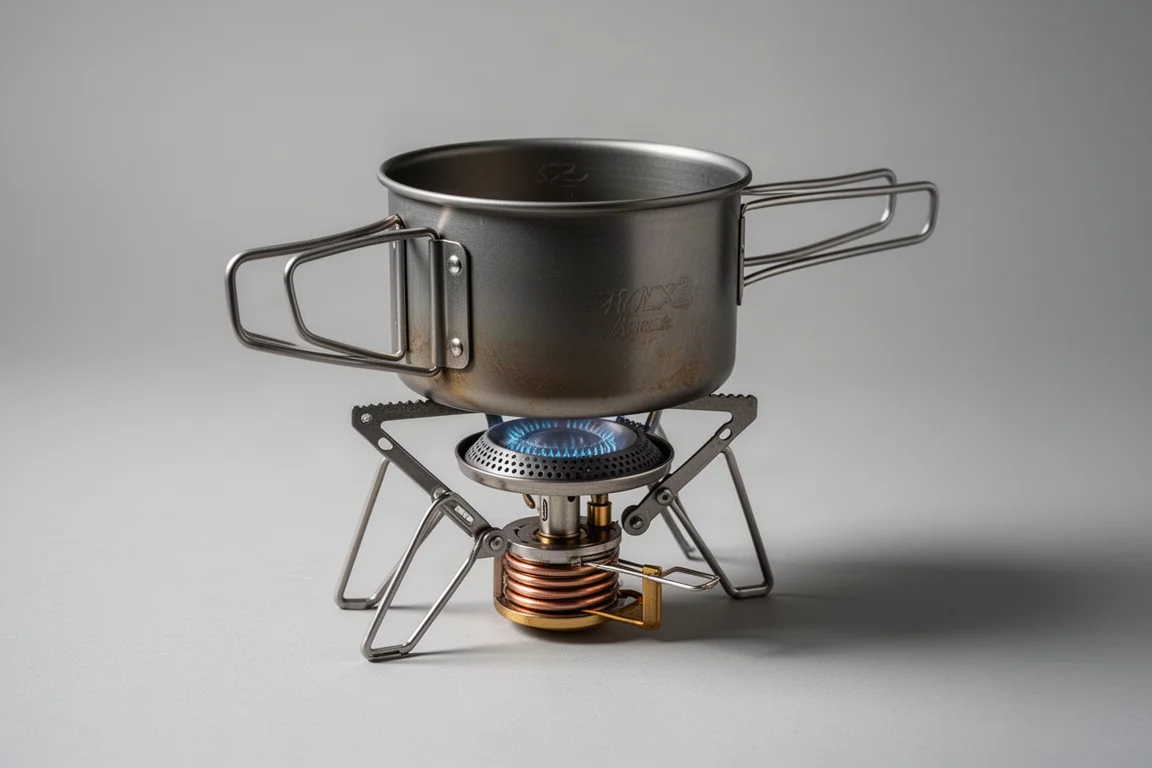
The MSR WindMaster is an all-in-one stove system, so everything needed to boil water and cook a meal lives in one container. That simplicity matters when you are cooking in the dark.
Two qualities stand out. It is very quiet, which keeps camp peaceful for you and for anyone nearby, and it is extremely fuel efficient thanks to a radiant burner, with a heat exchanger that helps it perform in wind.
The compromise is weight. Heat exchanger systems with radiant burners are heavier than they look, and a lighter, cheaper pairing such as a simple titanium pot with a small canister stove will save a lot of grams and cost roughly $50. You trade the quiet, efficient, wind-resistant performance for that saving.
The Spoon: Bradagan Spoon
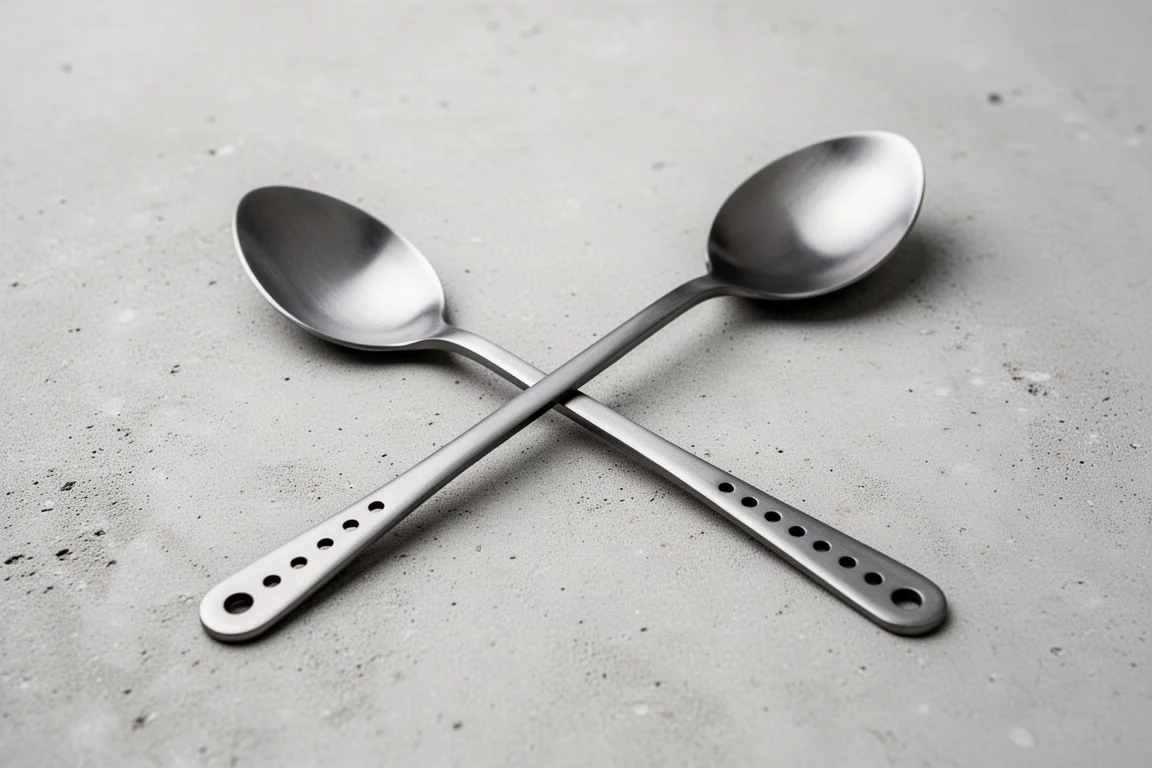
A long-handled spoon is one of the cheapest comfort upgrades in backpacking. The Bradagan is longer than a typical titanium long-handled spoon, which keeps your hand further from the food bag and makes eating from a bag easier.
The holes through the handle add grip, which helps when you are digging into a bag or eating with gloves on.
It is a small, simple item. There is no real drawback beyond being a single-purpose tool, and the extra length adds a little bulk to a cook kit.
Electronics: FlexTail Tiny Pump 3X
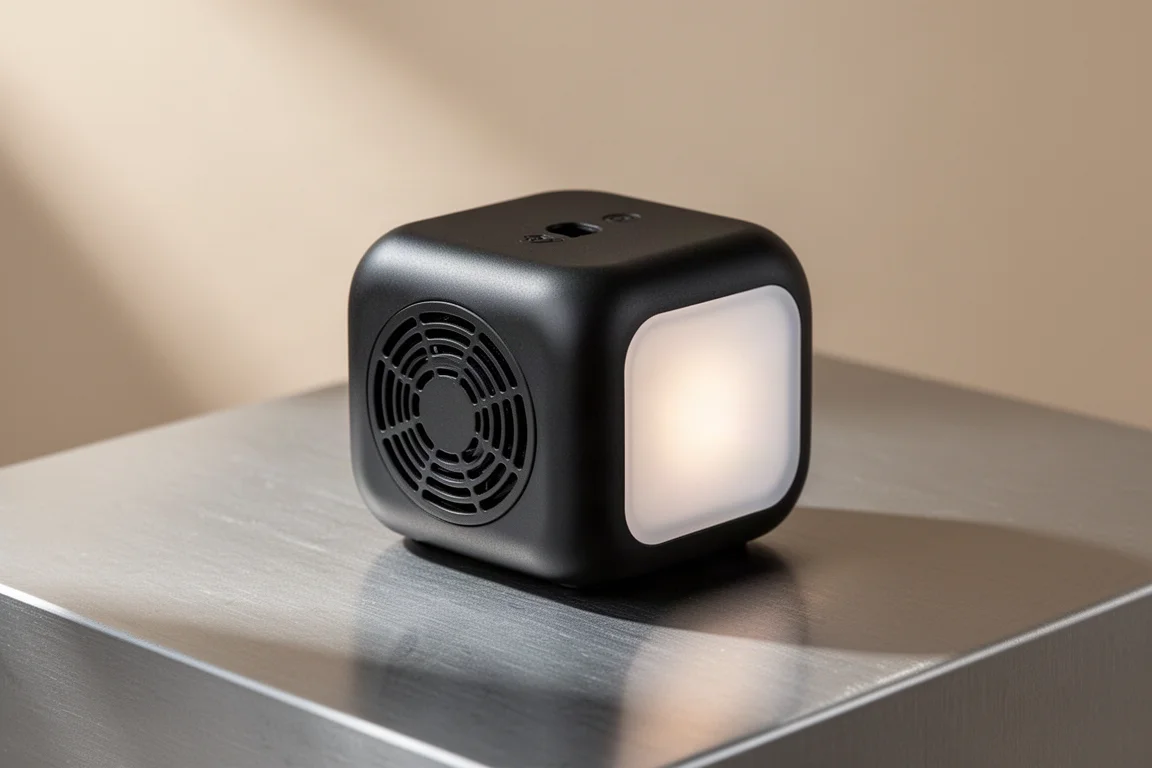
An electric pump turns inflating a sleeping pad from a chore into a few seconds of waiting. The FlexTail Tiny Pump 3X inflates quickly and is relatively quiet, with power comparable to the larger Mega Pump 3 at about half the weight.
It also includes a light, which is genuinely useful around camp. Sitting it on a table gives a small pool of light in the evening, and it can be hung inside a tent.
The built-in battery is the trade-off. It makes the pump noticeably heavier than models that run off an external power source, but it also makes the pump completely self-contained.
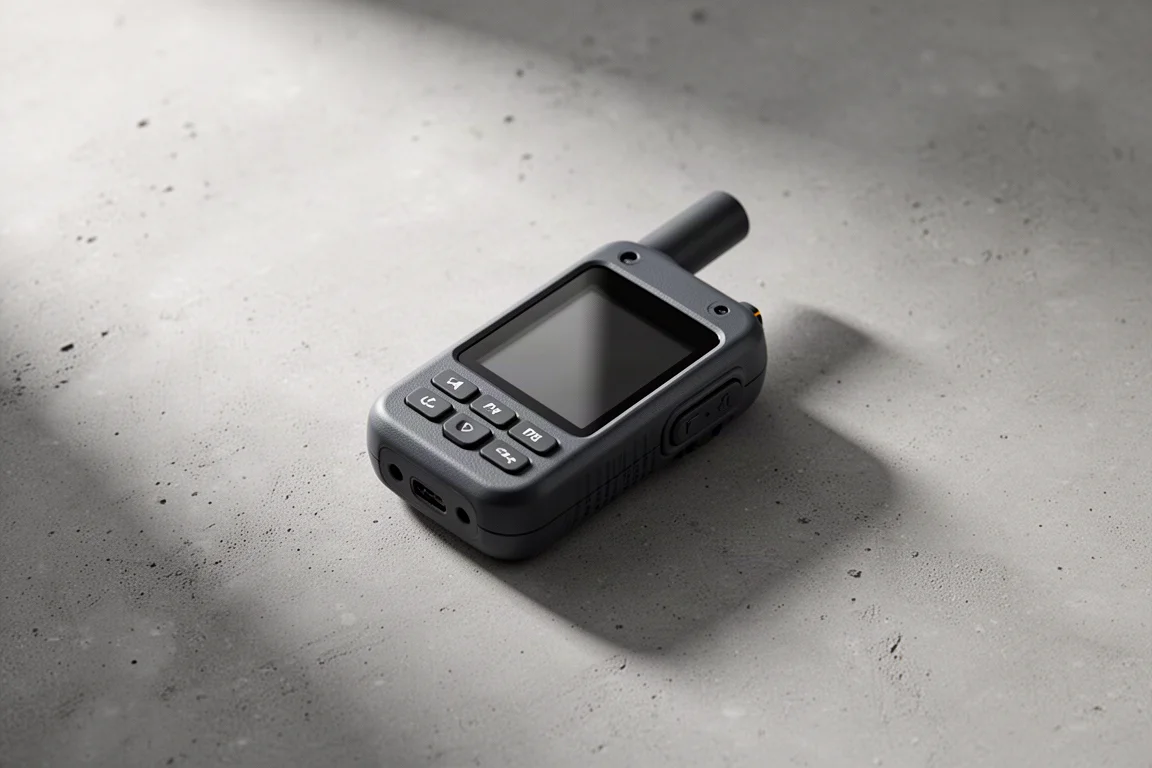
Electronics: inReach Mini 3 Plus
A satellite communicator changes how a long trip feels. The inReach Mini 3 Plus allows two-way messaging from anywhere, which means staying in touch with home and receiving photos from family while you are away. That connection makes a real difference on longer outings.
It also supports voice dictation, including direct to emergency services. If you are injured, dictating a message is far faster and easier than typing one out.
The cost is the obvious barrier. The device is expensive and requires a subscription, but for anyone taking several trips a year, the peace of mind is easy to justify.
Electronics: FlexTail Zero Power Power Bank
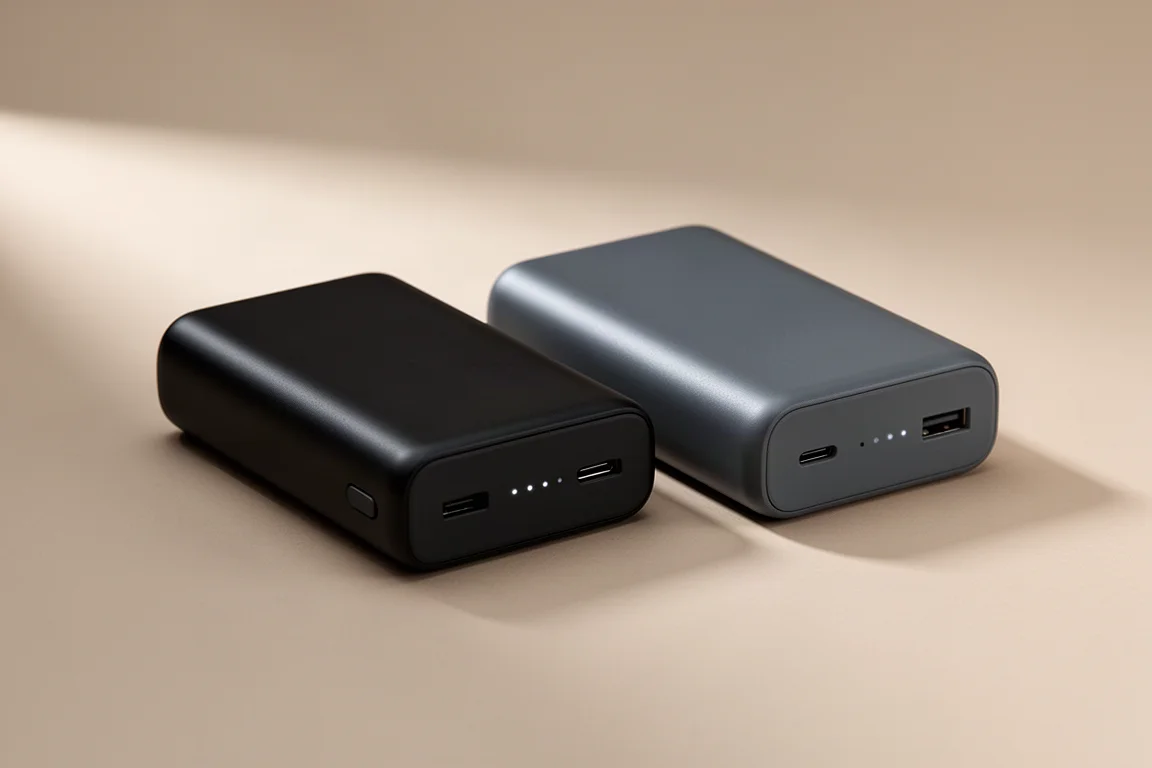
Phones handle navigation, music, books and photos, so a power bank belongs in a comfort kit rather than in the accessories drawer. The FlexTail Zero Power range comes in 5,000 mAh and 10,000 mAh versions, both with two USB-C ports and fast charging.
Small indicator lights show how much capacity is left, and the price is low for what you get.
The main consideration is capacity. The 5,000 mAh version suits shorter trips and light phone use, while the 10,000 mAh version makes more sense for longer outings.
Hygiene: Pika Summit Suds
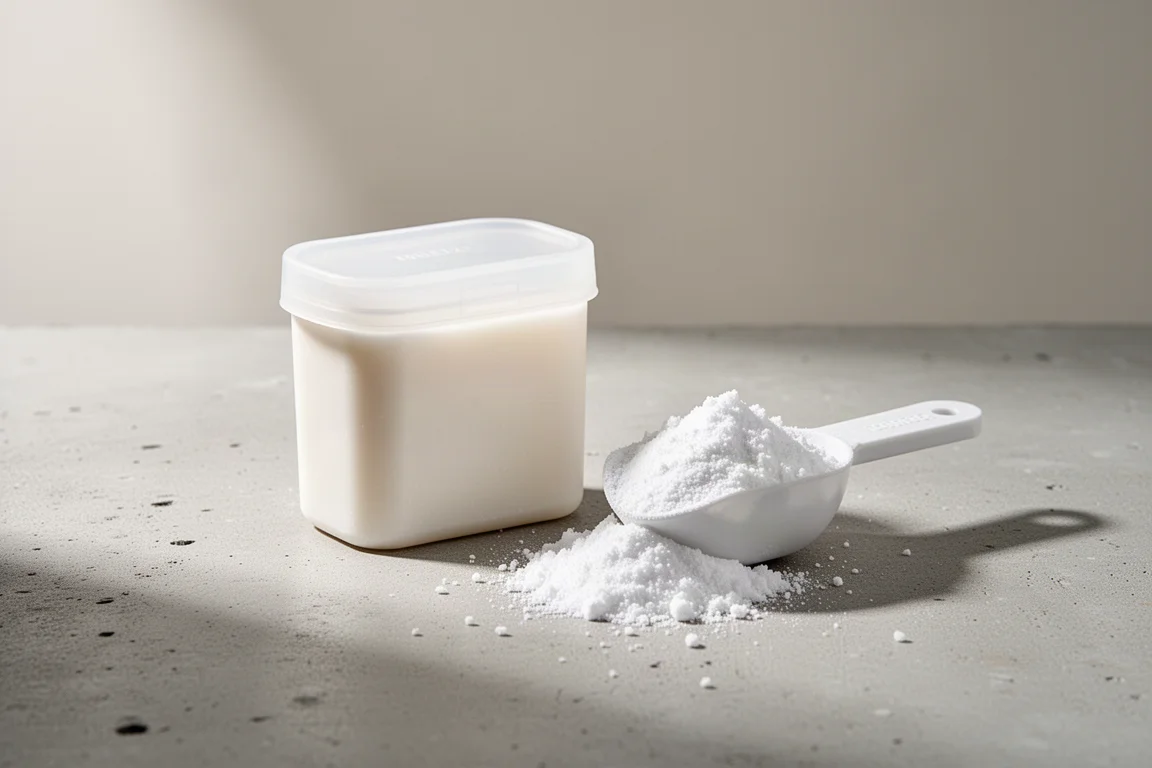
Staying clean on trail does more for comfort than most people expect. Pika Summit Suds is a powdered soap used for washing up and for hands afterwards, and the powder format is the whole point: it is very lightweight, easy to portion, and if it spills it does not create the mess a liquid soap would.
A backcountry bidet that attaches to a water bottle pairs well with it, and toothpaste tabs cover the rest of the routine without the weight of a tube.
Clothing: Zpacks Camp Shoes
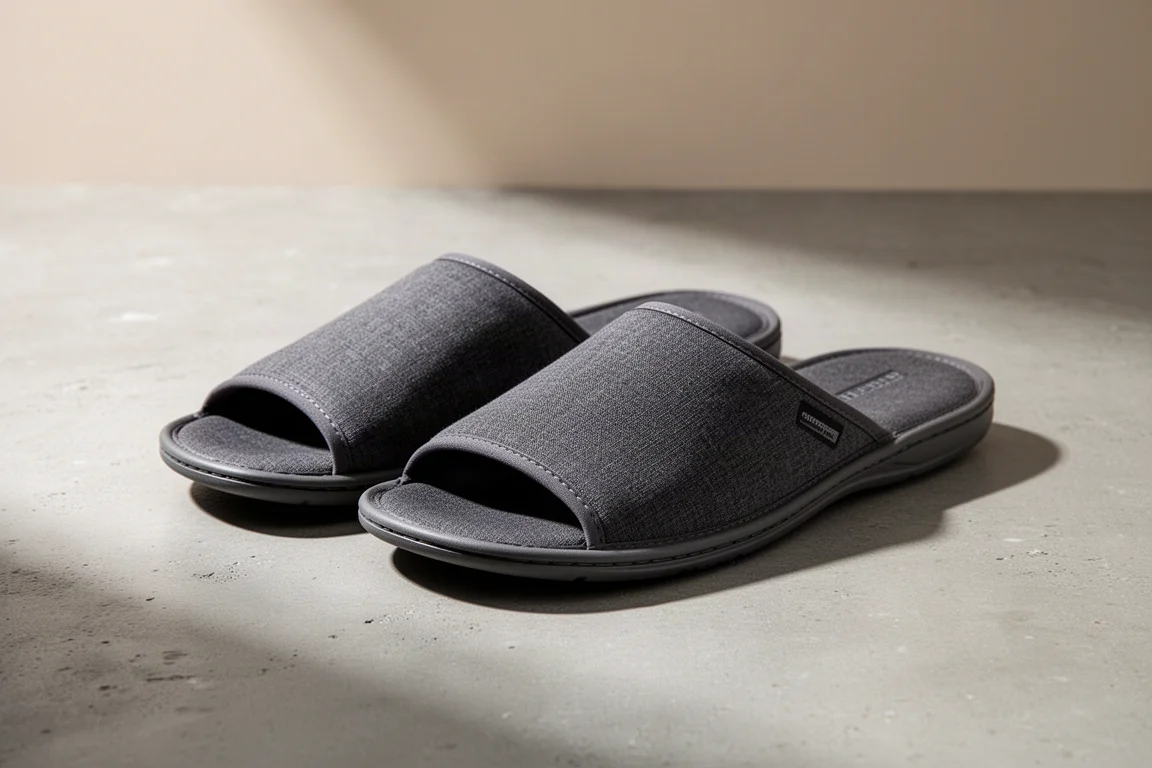
Camp shoes let your feet air out at the end of the day and spare you from pulling on wet, sweaty hiking shoes for a middle-of-the-night trip. The Zpacks Camp Shoes are an ultralight option that packs down small.
They are also stable enough for careful crossings of slow-moving streams, which is useful if your main footwear is a heavy boot.
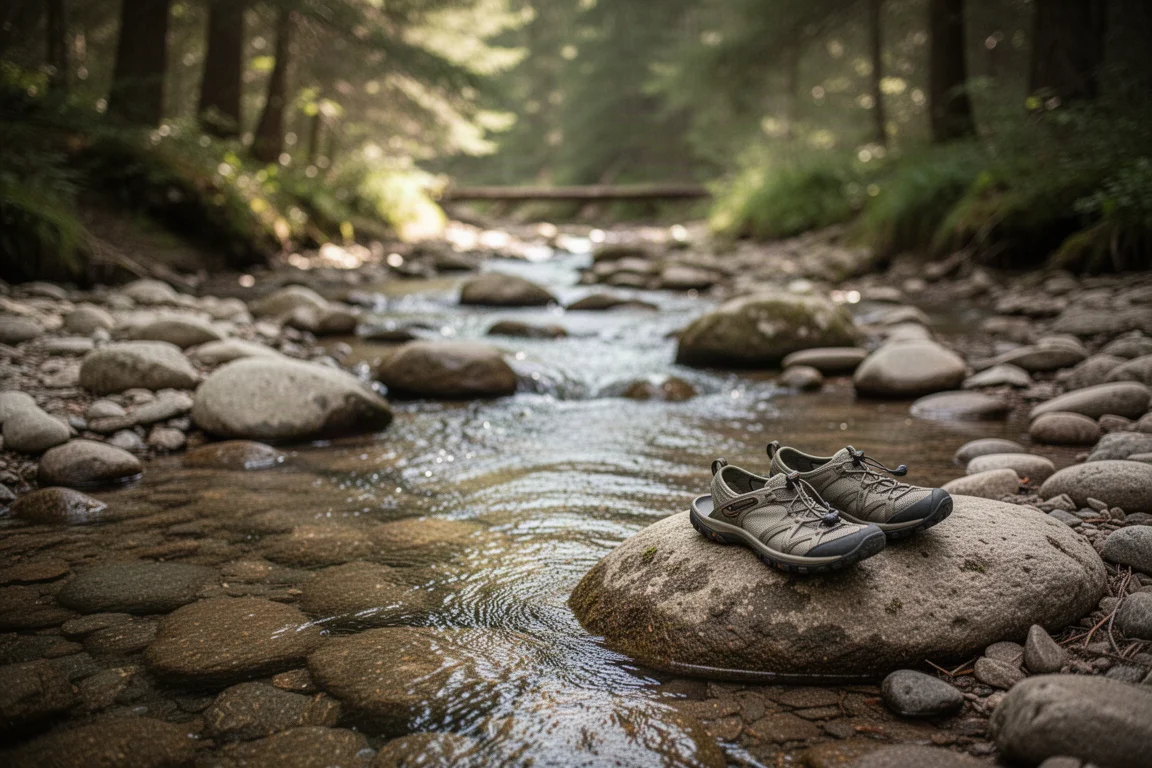
Durability is the trade-off. As an ultralight item, they will wear out over time, so they are best treated as camp and water-crossing shoes rather than hiking shoes.
Clothing: Arms of Andes Alpaca Shirt
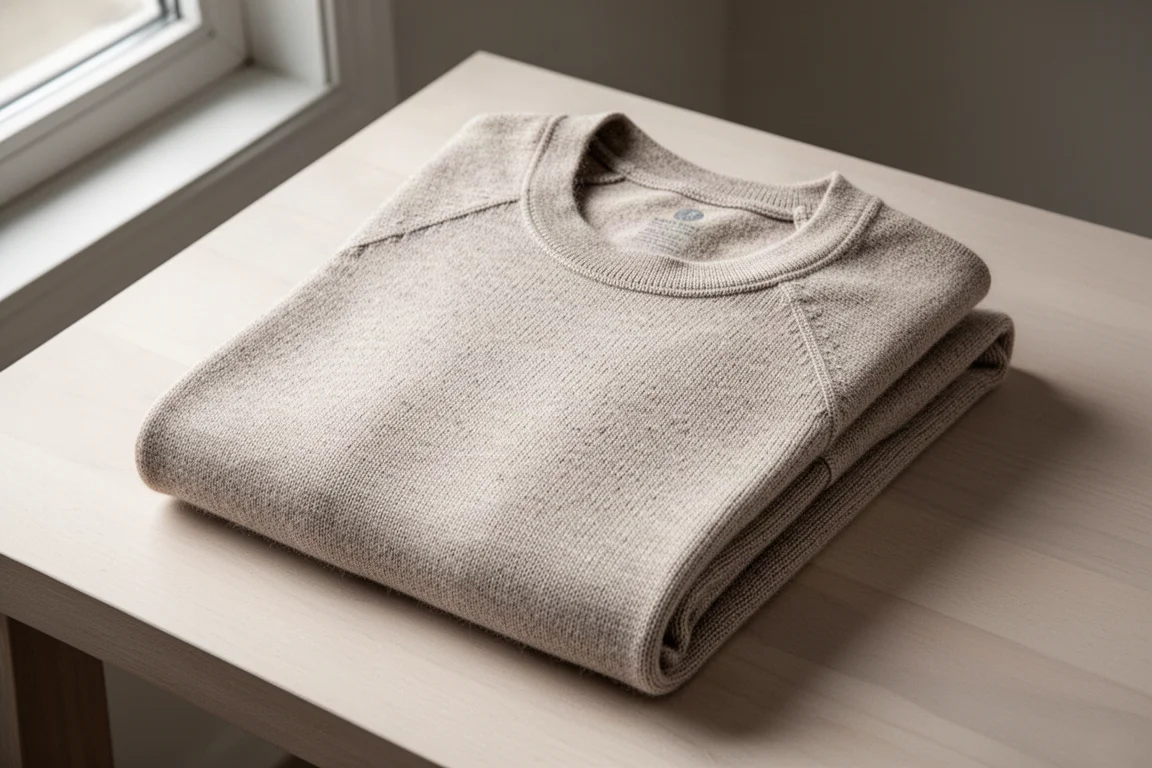
An extra shirt to sleep in makes a noticeable difference, and alpaca is a strong choice for that job. The Arms of Andes shirt is 110 gsm, very soft once washed, and free of the itchiness people sometimes associate with wool.
Alpaca also resists odour over long trips and does not hold much moisture, so sweat and light rain dry out quickly. Fleece layers made from Alpha Direct fabric make a good complementary warm layer for camp, with an excellent warmth-to-weight ratio and enough breathability to hike in.
The compromise is durability and price. At 110 gsm the fabric is not especially hard-wearing, and it is a very expensive piece of clothing for its weight.
The Warm Layer: Decathlon MT100
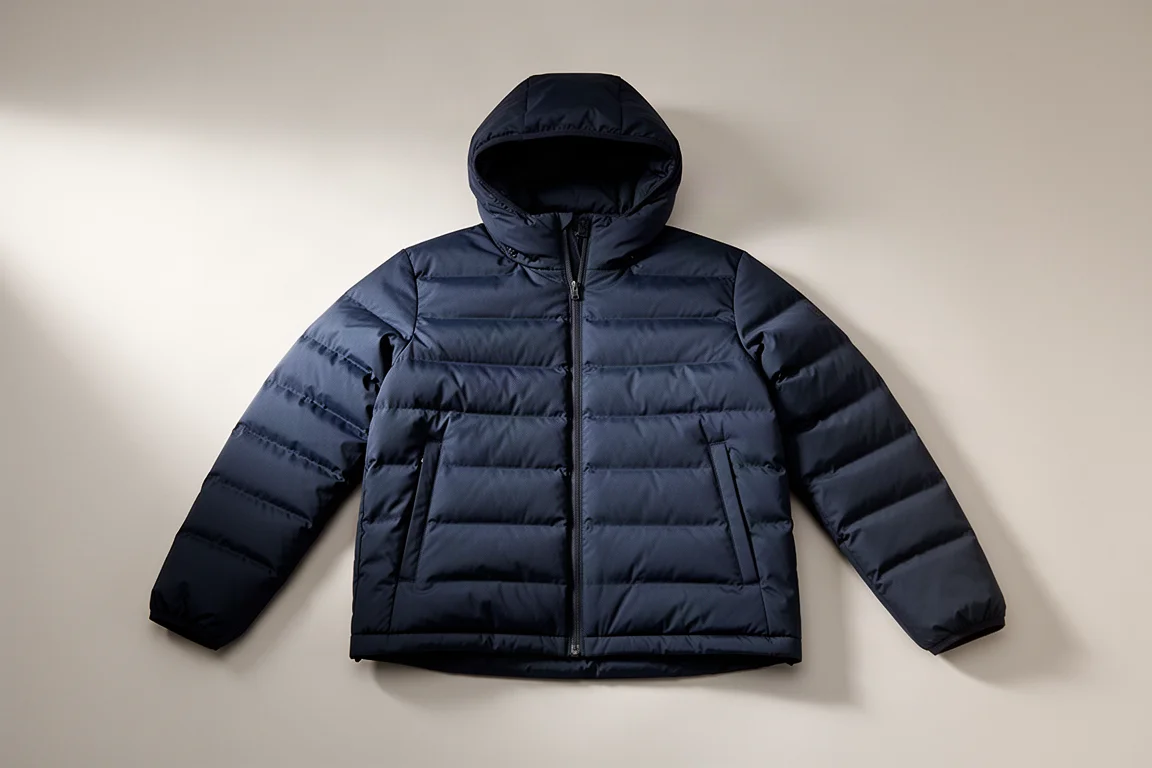
A down jacket is the main way to stay warm at camp once you stop moving, and it does not have to be expensive. The Decathlon MT100 costs around $100 or less outside the US and is still quite lightweight.
Down jackets are essentially a bag of down, so the differences between a budget model and a premium one come down to fill power, fabric weight and construction. The MT100 covers the basics at a fraction of the price.
The specification is lower than a high fill power jacket and pricing varies by region, but as a first down jacket or a spare for mild trips it is hard to beat.
The Warm Layer: Outdoor Vital Zulu Down Jacket
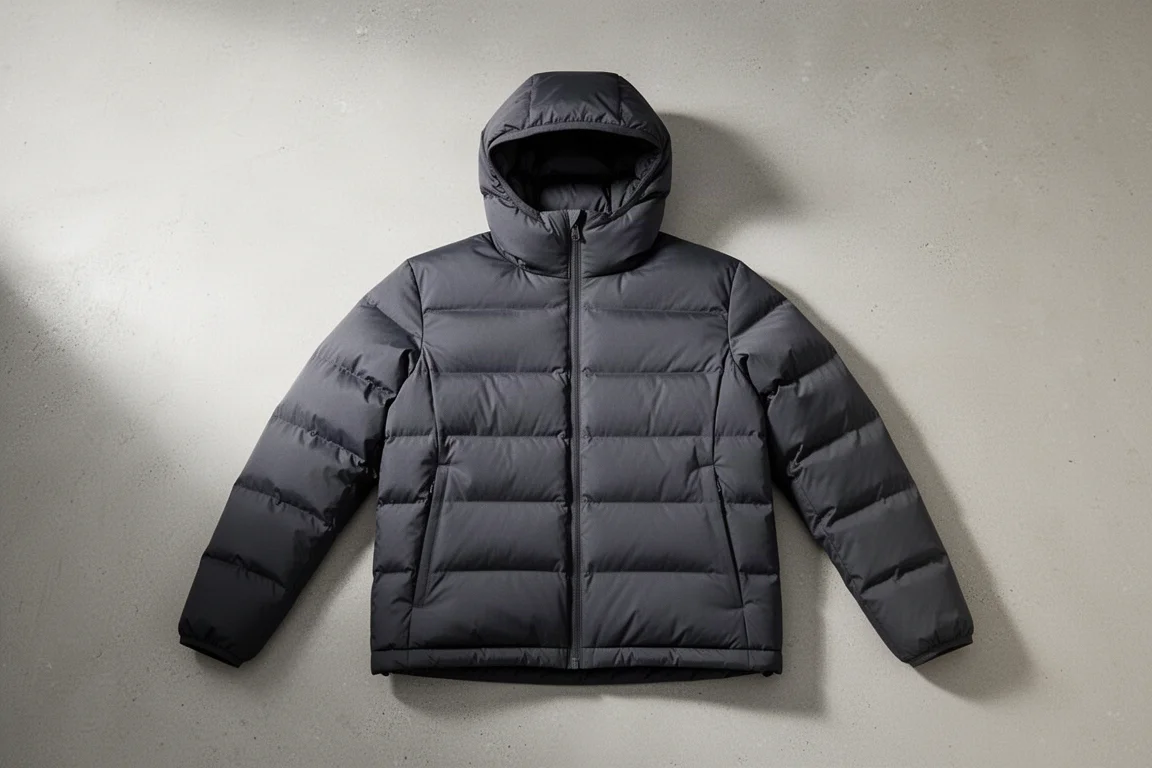
The Outdoor Vital Zulu is a newer option worth watching. It is fairly lightweight, lighter than the MT100, and still fairly affordable.
Its distinguishing feature is a no-stitch baffle construction for the down, which should help with warmth by reducing the cold spots that seams can create.
Because it is newly released, there is limited long-term field data on how it holds up, so it suits anyone willing to take a small risk on a newer design in exchange for a lighter, reasonably priced jacket.
Overall Buying Advice
Start with the big three. A pack that carries weight well, a shelter you can actually move around in, and a sleep system that matches how you sleep will do more for camp comfort than any accessory. Add camp furniture and a gravity filter if you spend long evenings in camp, and keep electronics simple: a pump, a power bank, and a satellite communicator if you travel in remote areas.
If the budget is tight, prioritise the pad and the pack. Both are used every night and every day, and both are difficult to work around when they are wrong. Down jackets, spoons and soap can be added later without changing the overall experience.
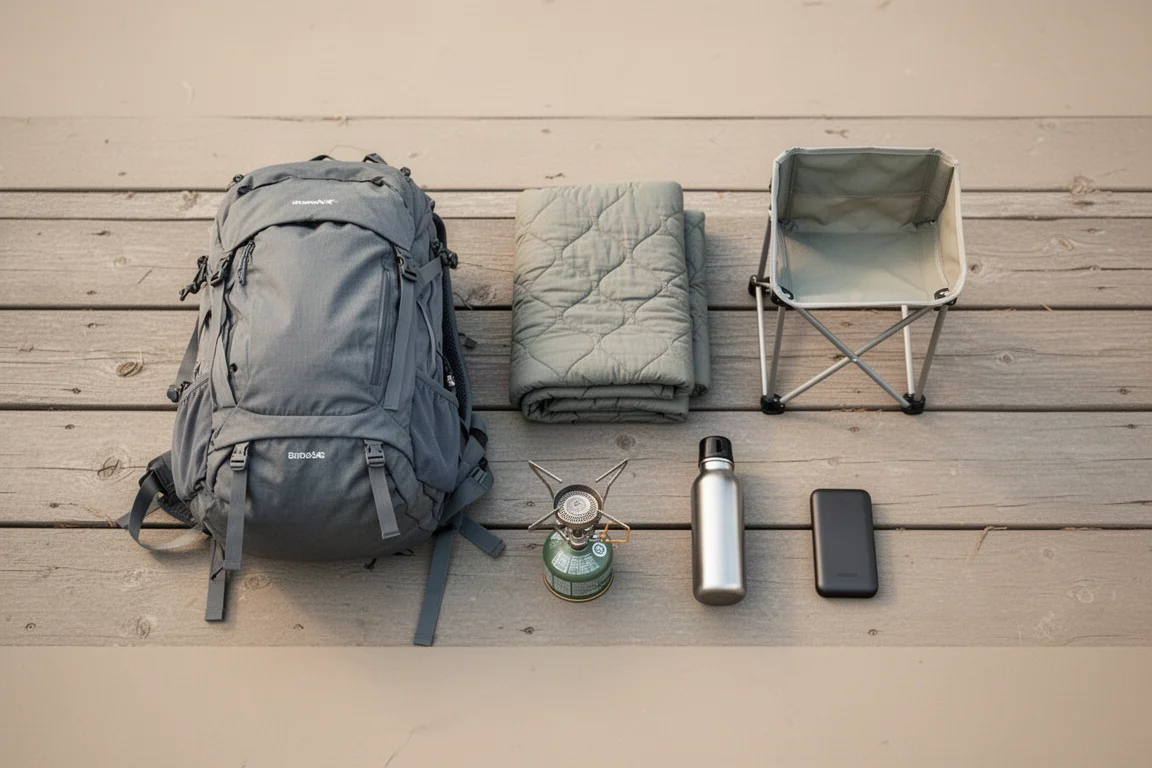
The thread running through all of it is that comfort is not the same as luxury. A forward-facing bottle pocket, a sheet that reaches the end of the pad, or a chair that does not sink into sand each remove a small irritation. Stack enough of those and the whole trip feels easier.
Conclusion
This kit works because every piece answers a specific comfort problem without adding much weight. The big three carry the load and the sleep, the camp furniture and gravity filter make evenings pleasant, and the small electronics and hygiene items remove the daily friction that wears people down.
Build it in stages if you need to. Start with the pack, the shelter and the sleep system, then add the pieces that suit the trips you actually take. That approach keeps the cost manageable and keeps the pack light enough to enjoy the walking.
Further reading
Related Reviews

Backpacking Gear
Building a 10 lb Base Weight: An Ultralight Backpacking Gear List
A practical walkthrough of the ultralight pieces behind a 10 lb base weight, from a 765 g pack and a roomy one-person tent to a full camp chair and a dependable water filter.

Backpacking Gear
A 15-Pound Lightweight Backpacking Gear List for Solo Trips
A beginner-friendly 15-pound backpacking setup built from easy-to-find gear, with notes on what each piece does, how it packs, and where to spend your attention.

Backpacking Gear
8 Ultralight Backpacking Gear Upgrades Worth Carrying
Eight small, affordable backpacking upgrades that solve real trail annoyances, from a pillow that stays put to a fuel valve that rescues leftover canister gas.