Insulated Jackets
Columbia Platinum Peak Hooded Jacket Review: Reflective Warmth in a Roomy Synthetic Layer
A practical look at the Columbia Platinum Peak Hooded Jacket, its Omni-Heat Infinity lining, recycled synthetic insulation, and the fit and features to weigh before buying.
Introduction
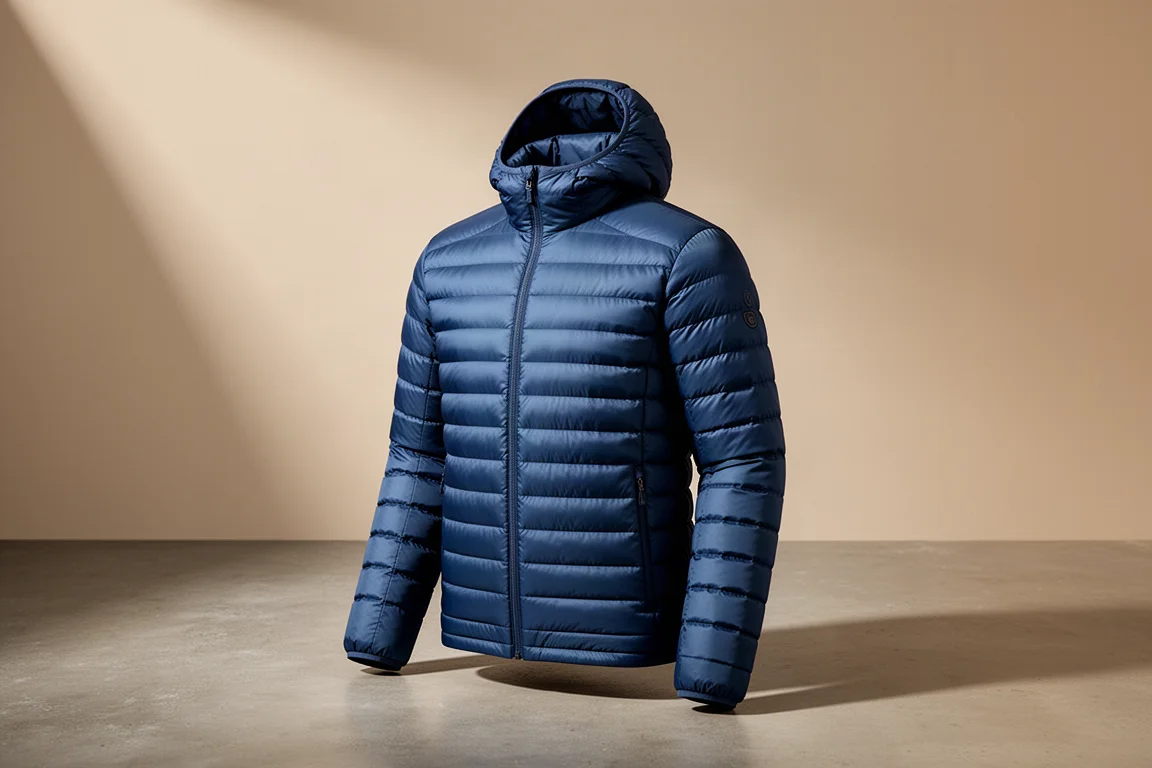
The Columbia Platinum Peak Hooded Jacket is a synthetic insulated jacket built around the brand’s Omni-Heat Infinity lining, a gold foil layer covered in reflective dots that is designed to bounce body heat back toward the wearer. The shell is 100 percent nylon, the inner lining is 100 percent polyester, and the insulation held between them is a 100 percent recycled synthetic down, contained in sewn baffles that keep it distributed across the jacket.
It comes in blue, black, and copper, in sizes from small to XXL, and the cut is deliberately roomy rather than athletic. That combination of a reflective inner surface, recycled insulation, and generous sizing makes it a genuinely interesting option for anyone who wants a warm layer that can sit close to the body on active days and still leave space for extra clothing underneath.
This review covers what the jacket does well, where the design holds back, and who will get the most out of it.
Who This Jacket Is For
The Platinum Peak is positioned for hiking, mountaineering, and skiing, and it makes the most sense for people who are moving rather than standing still. The reflective lining is designed to work best worn close to the body, so it rewards a snug base layer underneath rather than a thick fleece directly against the foil.
The fit is on the larger side for the stated size, which suits anyone who runs cold, layers heavily, or wants to share the jacket with another wearer of a similar build. A dropped tail hem extends the jacket below the waist to cover the lower back and seat, which helps hold warmth over the core trunk area while you are walking.

It also works well as a general cold-weather jacket away from the hills. The feature set is simple and durable rather than technical, so it is easy to live with on a daily basis.
Main Strengths
The standout strength is the heat reflection. The gold, dot-covered foil lining feels cold at first against a T-shirt and then warms up quickly, and it stays light rather than crinkly or metallic in the hand. Even if the outer fabric gets wet, that foil inner surface is still working to hold warmth against the body.
Storage is handled generously. There are two zippered hand pockets that are roomy enough for a folded paper map, finished with large toggles that are easy to use with gloves on. Inside there is a single internal pocket that comfortably swallows a large smartphone. The main front zip is a one-way design with a strip of fabric stitched behind it as a wind guard, so wind pushing against the front of the jacket is blocked before it reaches the body.
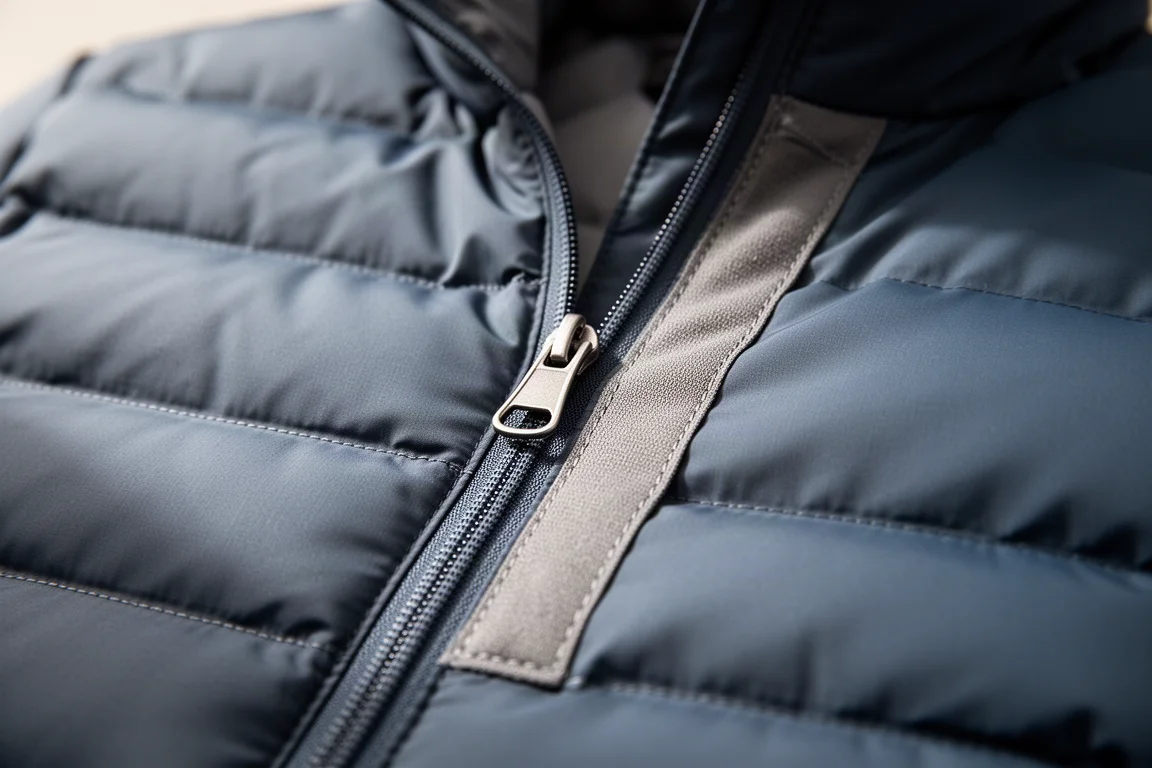
The baffle construction is another quiet advantage. Because the insulation is sewn into separate channels rather than left loose, it stays where it is meant to be instead of migrating down to the hem over time, which helps keep the warmth consistent across the jacket. The zips run smoothly without snagging, and the hem drawcord adjusts on both sides with two toggles for a snug fit at the waist.
How the Omni-Heat Infinity Lining Works
Omni-Heat Infinity is Columbia’s current generation of reflective insulation technology, and the visible difference is the gold foil decorated with a pattern of dots rather than a felted or furry lining. The idea is straightforward: the metallic surface reflects heat radiated by the body back toward the skin instead of letting it escape through the jacket.
In practice it changes how the jacket feels to wear. There is an initial cold sensation when you first put it on over a thin shirt, followed by a quick build-up of warmth. It is also remarkably light for the warmth it provides, and it does not carry the stiff, synthetic feel that foil-backed garments sometimes have.
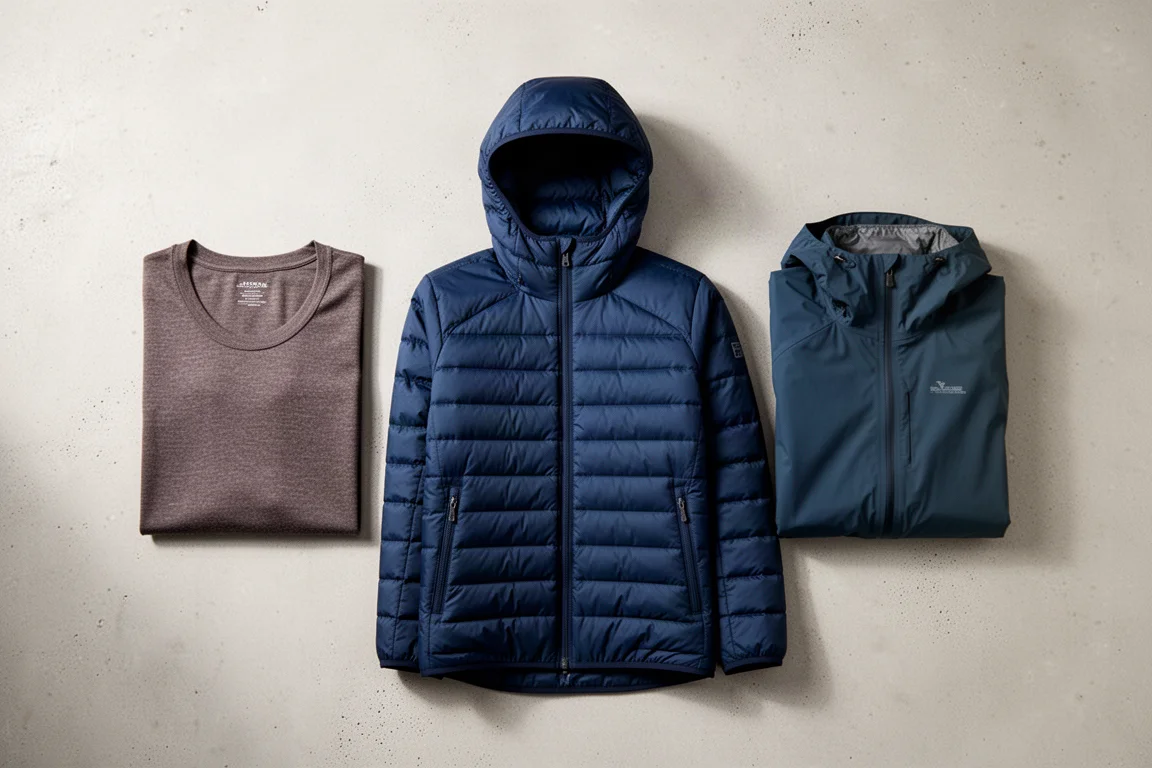
Because the reflective layer works best near the skin, this jacket slots naturally into a layering system: a base layer, an insulating layer such as this one, and a shell over the top when the weather turns. It is a useful piece of a system rather than a replacement for one.
Things to Consider Before Buying
The hood is the clearest compromise. It has no adjustment points at all, just an elasticated opening around the face, which leaves space for wind to work its way in and lift the hood away from the head. Since the head and hands are where a lot of body heat is lost, an adjustable hood is usually worth having on a jacket intended for serious mountain use.
The cuffs are similarly simple, with pure elastic and no adjustability. They do roll up comfortably, but there is no way to cinch them down. The roomy cut is a benefit for layering, yet it also means the jacket is not a slim or athletic design, and anyone who prefers a close-fitting silhouette will notice the extra volume.

Two smaller notes are worth knowing up front. The jacket can pack away into its own pockets, though stuffing it into the leftover gaps in a rucksack works just as well and is often quicker. And while the brand’s marketing around extended outdoor use is enthusiastic, no single jacket replaces a considered layering system in genuinely harsh conditions.
Layering, Packability, and Sizing
For reference, a size small worn by someone around five foot seven sits slightly large, with enough room for multiple layers underneath and space for a shell over the top. That makes the sizing forgiving, and it also makes the jacket easy to hand to another wearer on a group day out.
The jacket is light enough to carry as a spare insulating layer and simple enough to pack without fuss. The internal pocket, the roomy hand pockets, and the hem drawcord are the features that get used most in practice, while the glove-friendly toggles and smooth zips are the kind of details that quietly matter on a cold, wet day.
Buying Advice
The Platinum Peak makes the most sense for active use in cool, dry conditions, where the reflective lining can do its job close to the body and the roomy cut gives you space to layer. It is a strong choice as a warm mid layer for walking, hill days, and cold-weather everyday wear, and the recycled synthetic insulation is a meaningful point in its favour for buyers who care about material sourcing.
Where it asks you to compromise is on hood and cuff adjustment. If you spend time in exposed, windy terrain, that is the one detail to weigh honestly before committing, because a hood that cannot be cinched will not always stay where you want it.
It is also worth checking the second-hand market and outdoor gear exchange groups before buying new, since insulated jackets hold up well and a lightly used example can be excellent value. If the fit, the reflective warmth, and the simple feature set line up with how you actually use a jacket, this is an easy one to recommend.
Conclusion
The Columbia Platinum Peak Hooded Jacket gets the fundamentals right. The Omni-Heat Infinity lining delivers noticeable warmth for very little weight, the recycled synthetic insulation is held neatly in place by sewn baffles, and the pockets, wind guard, and hem drawcord are all thoughtfully done. The roomy cut makes it a flexible layering piece that suits a wide range of wearers.
The trade-offs are equally clear. An unadjustable hood and elastic-only cuffs hold it back from being a fully sorted mountain jacket, and the relaxed fit will not appeal to everyone. Buy it for what it is: a light, warm, well-made synthetic layer for active days and cold-weather layering, and it will earn its place in your rucksack.
Product link
View more details for Columbia Platinum Peak Hooded Jacket
This product is mentioned in the review. Check the specifications, options, and compatibility before buying.
View more details for Columbia Platinum Peak Hooded JacketFurther reading
Related Reviews
Insulated Jackets
Aerogel vs Down Insulation: Two Aerogel Jackets Compared
Aerogel is the lightest solid on record, but two aerogel jackets measured against a comparable down jacket tell a more complicated story about warmth.
Insulated Jackets
Arc'teryx Atom LT vs Decathlon Trek 50: Does the Premium Synthetic Jacket Earn Its Price?
A side-by-side look at two synthetic insulated jackets at very different prices, covering fit, weight, insulation, features, and warranty.
Insulated Jackets
Big Agnes Shovelhead Jacket Review: Does Treated Down Stay Warm When Wet?
A close look at the Big Agnes Shovelhead jacket and its bluesign approved, PFAS-free DownTek insulation, including what happened when it was soaked twice in near-freezing conditions.