Insulating Jackets
Columbia Pebble Peak Jacket Review: A Warm Down Layer With a Reflective Lining
A practical look at the Columbia Pebble Peak down jacket, covering its 700 fill power RDS down, Omni-Heat Infinity lining, boxy fit, simple hood, and the trade-offs worth weighing before you buy.
Introduction
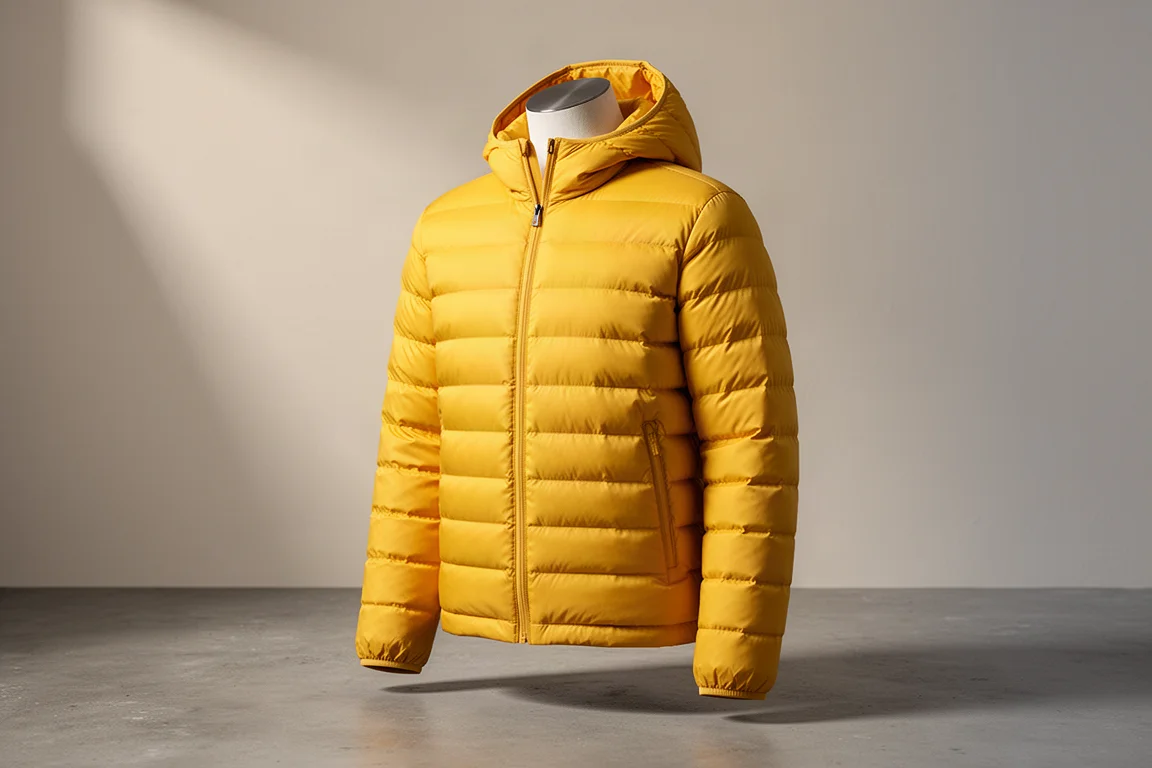
The Columbia Pebble Peak is a down jacket built around the brand’s Omni-Heat Infinity lining, a reflective material designed to bounce body heat back towards the wearer. It comes in three colourways: a bright sunshine yellow, a softer sky blue, and black. Sizing runs from small through to extra extra large.
Inside, the jacket uses 700 fill power down that carries Responsible Down Standard certification, which indicates responsibly and ethically sourced feathers. Columbia does not specify whether the down is duck or goose, but the fill power figure places the Pebble Peak in reasonable territory for cold-weather insulation.

The cut is deliberately roomy rather than athletic. Instead of hugging the body, the jacket leaves a layer of space that the reflective lining can warm, which is central to how the Omni-Heat system is intended to work.
Who This Product Is For
The Pebble Peak suits anyone who wants a warm insulating layer for cold, low-output days: walking, standing around camp, or waiting on a belay. Because the reflective lining is designed to hold heat rather than move moisture quickly, it works best when the wearer is not working hard enough to sweat heavily.
It is also a sensible choice for people who dislike close-fitting outdoor clothing. The boxy shape leaves room for a mid layer underneath without compressing the down, and the adjustable hem keeps the jacket from riding up under a rucksack.
If you rarely use a hood, or you plan to wear the jacket mostly as a mid layer beneath a shell, the simple hood design is unlikely to bother you.
Main Strengths
Warmth is the headline. The 700 fill power down sits inside baffles that are bonded rather than stitched through, which keeps the filling evenly distributed instead of sliding into one clump. That consistency matters: heat retention stays even across the torso rather than concentrating in a few spots.
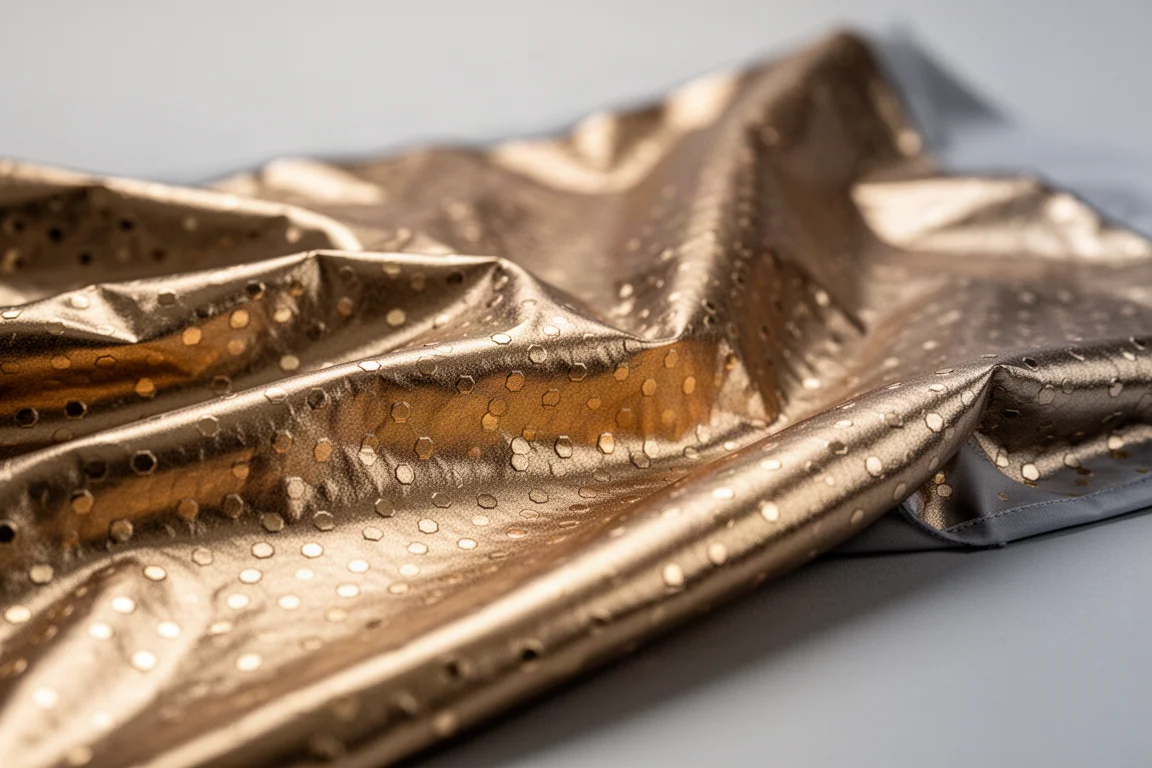
The Omni-Heat Infinity lining is a shiny gold foil-like material that reflects body heat back towards the wearer. It feels entirely synthetic to the touch and can come as a surprise against bare skin, but it warms up quickly and does not carry the clammy feel of a laminated waterproof membrane.
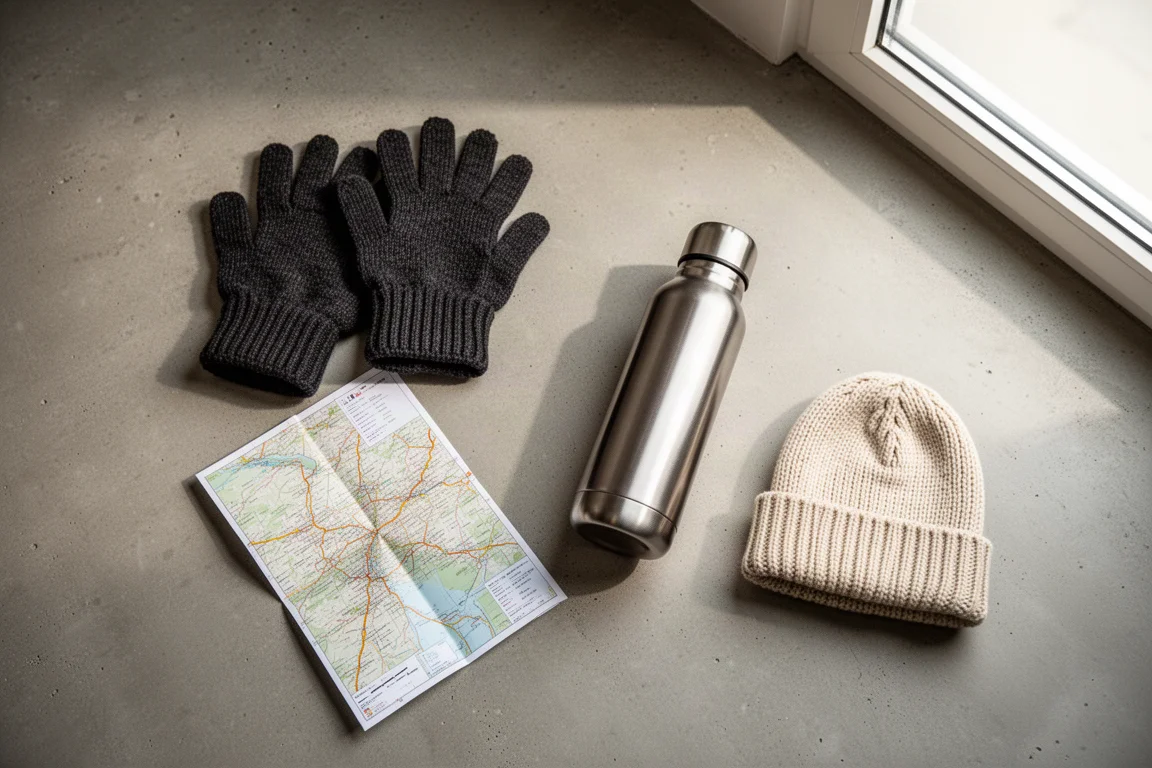
Storage is generous. The hand pockets are lined with a soft brushed fabric and are large enough to swallow a full-size paper map, reaching from roughly the middle of the jacket down to the hem. An external chest pocket takes a smartphone comfortably, and there is a large internal drop pocket for everything else.
Elsewhere, the details are simple and functional. Elasticated cuffs help keep the weight down without gripping the wrist too tightly, glove loops sit on the cuffs, a storm baffle behind the main zip blocks wind from reaching the body, and the hem adjusts on both sides to lock warmth in and stop the jacket creeping up under a pack. The whole jacket packs down into its own pocket.
Things to Consider Before Buying
Breathability is the main trade-off. Columbia focuses on heat retention with this lining, and the fabric does not move moisture as freely as some alternatives. Wear it for hard, sweaty efforts and you are likely to end up damp.
Layering also matters more than usual. Piling too many thick layers underneath prevents the reflective lining from doing its job, so the jacket works best over a light base layer or a thin mid layer rather than under a heavy stack.
The hood is the other compromise. It is insulated with the same down and elasticated around the whole opening, but there are no drawcords or rear adjustment to cinch it down. In wind it can lift and pull away from the head. That is a minor issue if you usually wear a hat, or if the jacket lives under a shell, but it is worth knowing if you rely on a hood for shelter.
Colour choice also affects how the jacket lives with you. The bright yellow is highly visible, which is useful in some settings, but marks and dirt show up quickly. The blue and black options are more forgiving for everyday outdoor use.
How It Performs in the Field
The reflective lining is the part that takes getting used to. Pulling the jacket on over a t-shirt produces a cool, slightly startling sensation at first, and then the warmth builds quickly. It does not feel like a stiff waterproof shell; the fabric and lining sit softly against the body.
Used for stationary cold-weather tasks, the jacket holds heat well and stays comfortable. Used for sustained, sweaty activity, the limited breathability becomes apparent and moisture builds up inside. The sensible approach is to treat it as a cold-weather insulating layer for lower-output days rather than a do-everything active piece.
Down also loses its insulating power when it gets wet, so keeping the jacket dry matters more than it would with a synthetic fill. Columbia offers synthetic jackets within the same Omni-Heat range for anyone who expects to be out in persistent rain.
Sizing and Fit Guidance
The Pebble Peak is cut loose and boxy rather than slim or athletic. A size small on a 5 foot 7 frame sits slightly on the larger side, which reflects the design intent: the jacket is meant to hold a pocket of warm air around the body instead of pressing against it.
Sizes run from small to extra extra large. If you prefer a closer fit, or you plan to wear the jacket as a mid layer under a shell, it is worth checking measurements before ordering. If you want maximum room for layering and freedom of movement, the standard size should be fine.
Buying Advice
The Pebble Peak makes most sense for cold-weather use where you are not producing much heat yourself: walking in winter, standing around camp, or adding a warm layer at the end of a day. In those conditions the 700 fill power down and the reflective lining combine well, and the generous pockets and adjustable hem make it easy to live with.
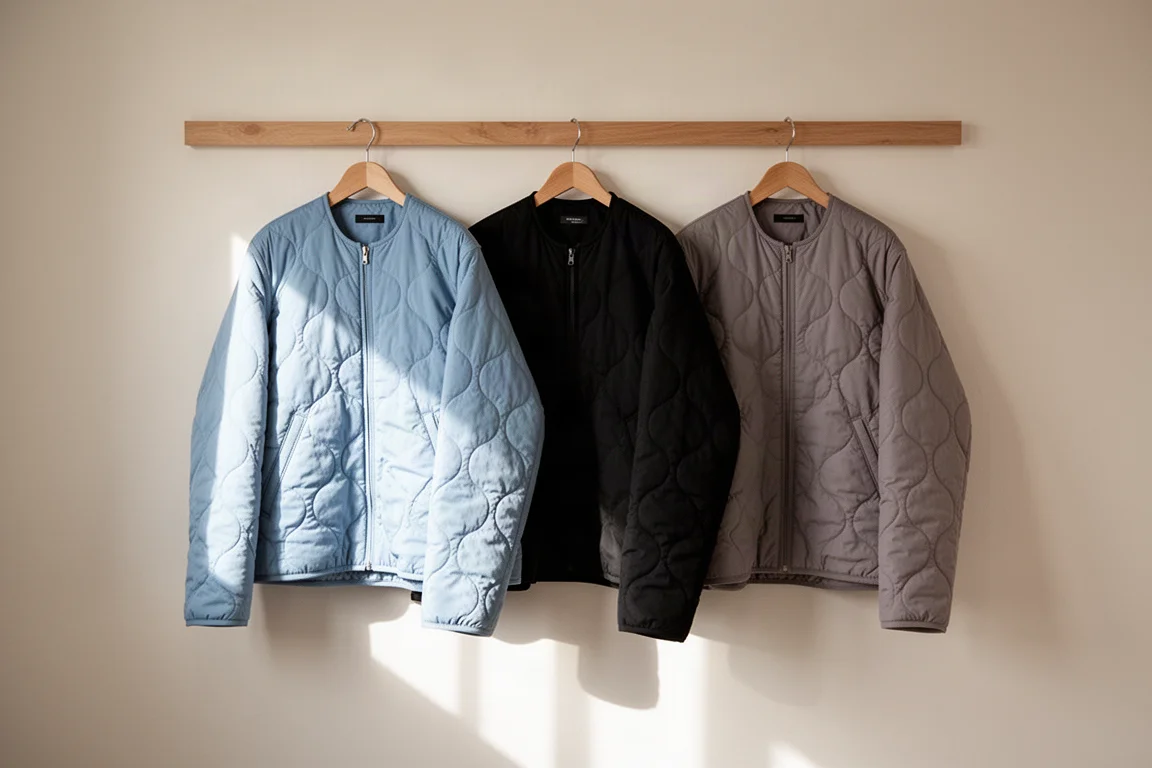
Choose the colour with your use in mind. The yellow is loud and highly visible but shows dirt fast, while the blue and black hide everyday marks far better. If you expect wet weather, a synthetic option in the same range is worth considering instead, since down loses insulation once it wets out.
Conclusion
The Columbia Pebble Peak is a warm, comfortable down jacket with a genuinely useful reflective lining, a roomy cut, and practical storage. It is at its best for low-output cold-weather use, and its main compromises, limited breathability and a simple unadjustable hood, are easy to work around if you know what you are buying it for.
Product link
View more details for Columbia Pebble Peak Jacket
This product is mentioned in the review. Check the specifications, options, and compatibility before buying.
View more details for Columbia Pebble Peak JacketFurther reading
Related Reviews
Winter Camping Gear
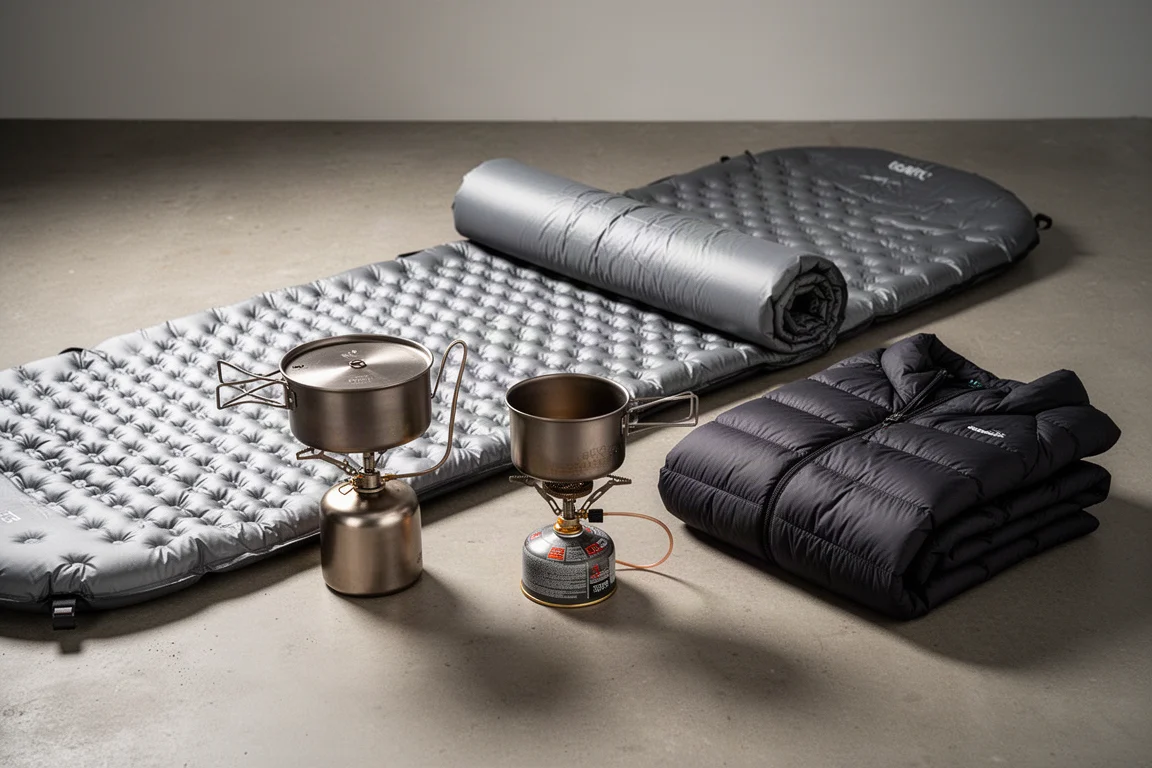
Affordable Winter Camping Gear: Six Budget Pieces Tested Below Freezing
Three reflective sleeping pads, an updated down jacket, a titanium pot and a $25 winter stove, assessed on frozen ground at around minus 12 degrees Celsius.
Outdoor Gear
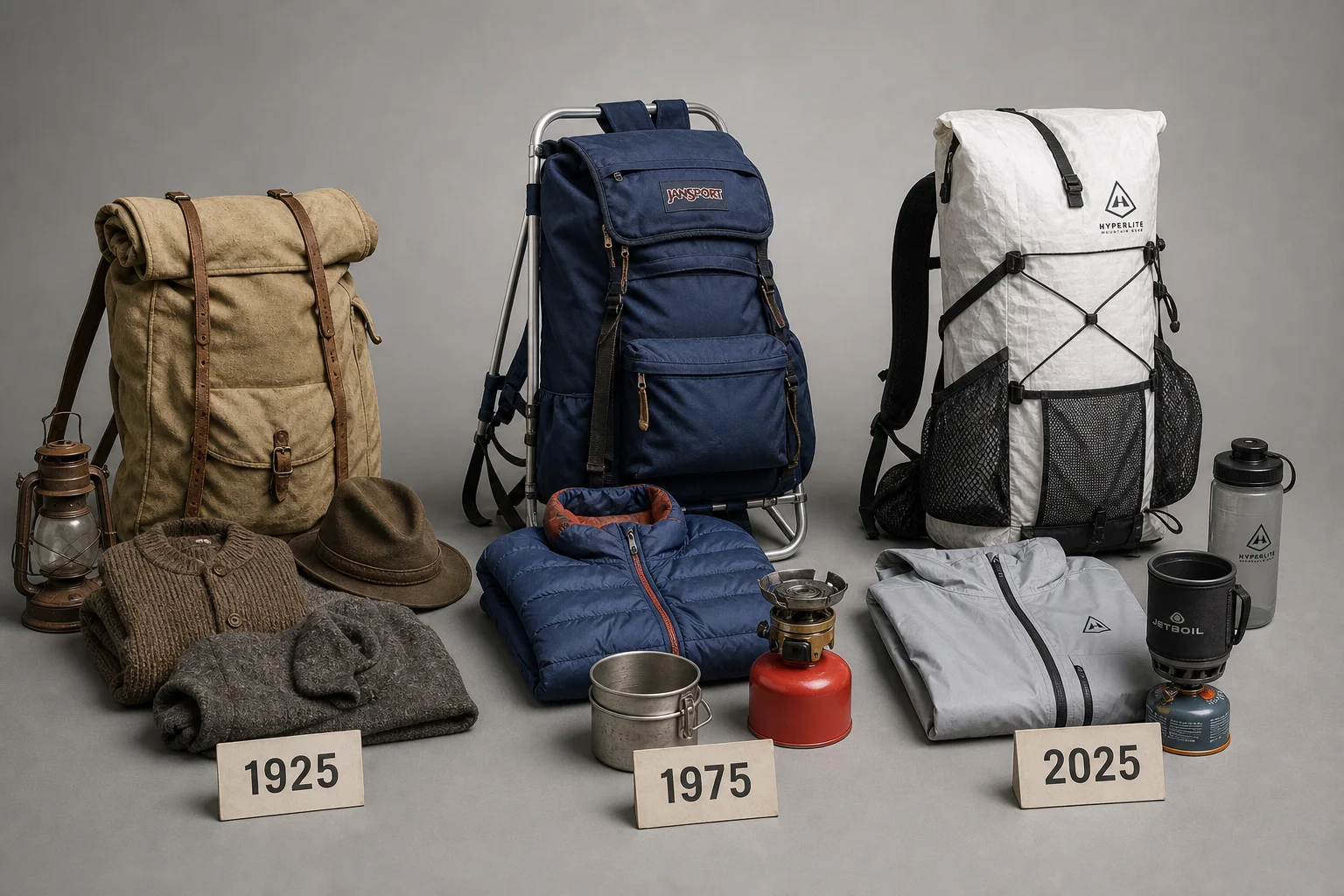
Backpacking Gear Evolution: 100 Years of Technology Compared
We tested backpacking gear from 1925, 1975, and 2025 across a three-day hike in Yosemite. Here's how technology has transformed comfort, weight, and the outdoor experience.
Backpacking Water Filters
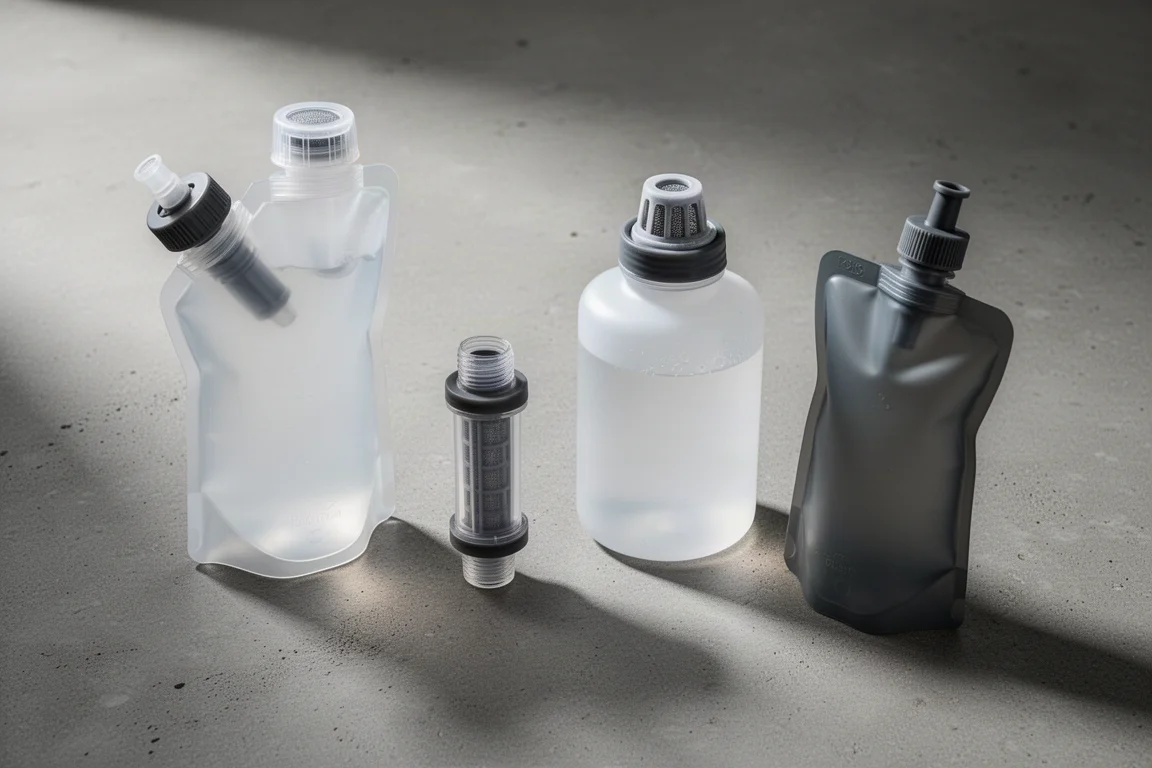
Backpacking Water Filters Compared: LifeStraw Peak Series, Sawyer Squeeze, Katadyn BeFree, and Platypus QuickDraw
A practical comparison of four hollow fiber squeeze filters, covering flow, filling, packability, weight, and thread compatibility.