Camping Tents
Coleman vs Ozark Trail: Best Family Camping Tents for Rain and Fair Weather
A practical comparison of four large family camping tents, covering rain performance, door and window layout, build quality, price and warranty.
Introduction
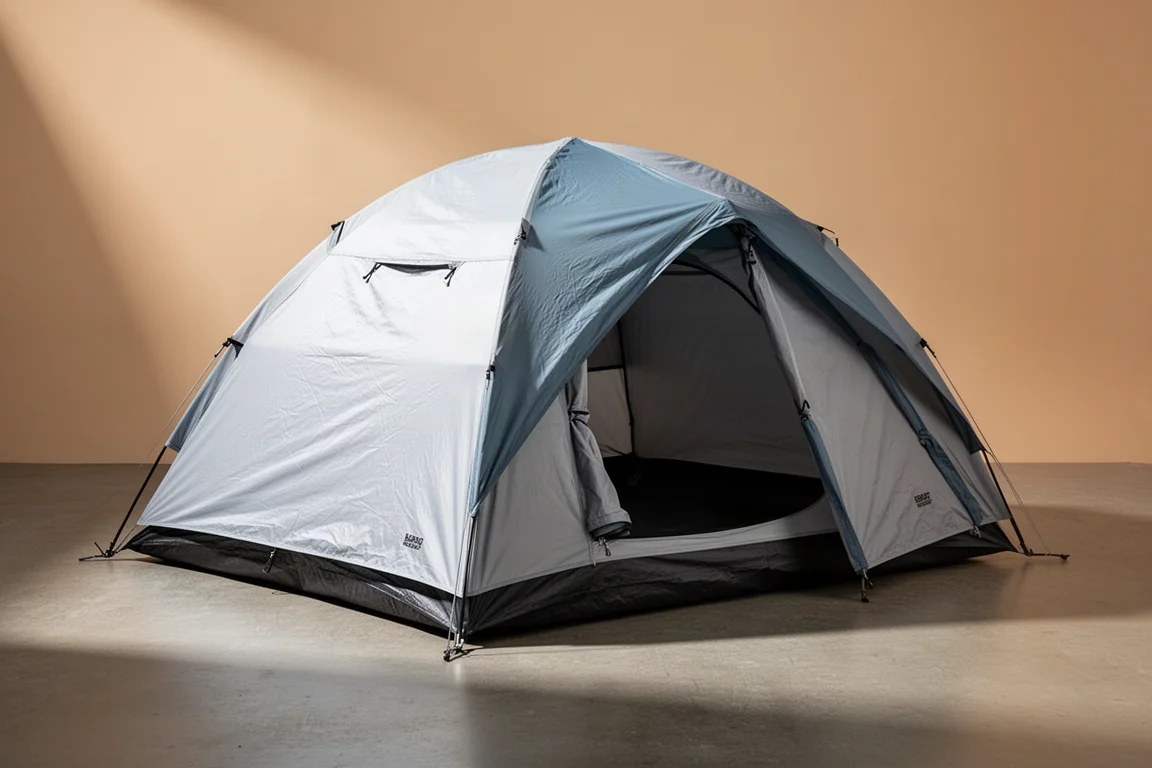
Large family tents in the 10-person class are a balancing act between price, weather protection and how easy they are to live with over several seasons. This comparison covers four tents that come up repeatedly for group and family trips: the Coleman 10-Person Instant Tent, the Coleman 4-Person Instant Tent, the Coleman WeatherMaster 10-Person Tent and the Ozark Trail 10-Person Tent.
The gap between them is not really about base materials, since all four use similar polyethylene flooring and 68D to 75D polyester for the tent body and rainfly. The differences show up in the details: how the seams are finished, how the doors and windows are arranged, how the poles go together, and how the tent holds up after a few years of use.
How These Tents Compare
Every tent here was judged against the same short list: rain performance through the body fabric and the floor seam, door and window layout, ventilation on hot days, how the poles and sleeves behave during setup, stitching and hardware quality, long-term durability, and finally price and warranty.
Up close, the construction is closer than the price tags suggest. Both brands rely on regular polyethylene flooring and 68D to 75D polyester for the body and the rainfly, so the practical differences come down to seam treatment and finishing rather than the raw materials.
Price and warranty carry real weight in this group, because the least expensive tent here costs less than half of the Coleman options while its warranty runs for six months instead of a full year. Both factors change what a tent is realistically worth across several seasons of camping.
Coleman 10-Person Instant Tent: Strong Waterproofing and Big Windows
For a 10-person tent, two doors are close to essential, and the 10-Person Instant Tent delivers them on opposite walls. One of those doors is a hinged D-door, which makes getting in and out with sleeping bags and coolers noticeably easier. The window layout is the other standout: oversized windows on every wall, which is exactly what you want when the tent is pitched in summer heat.
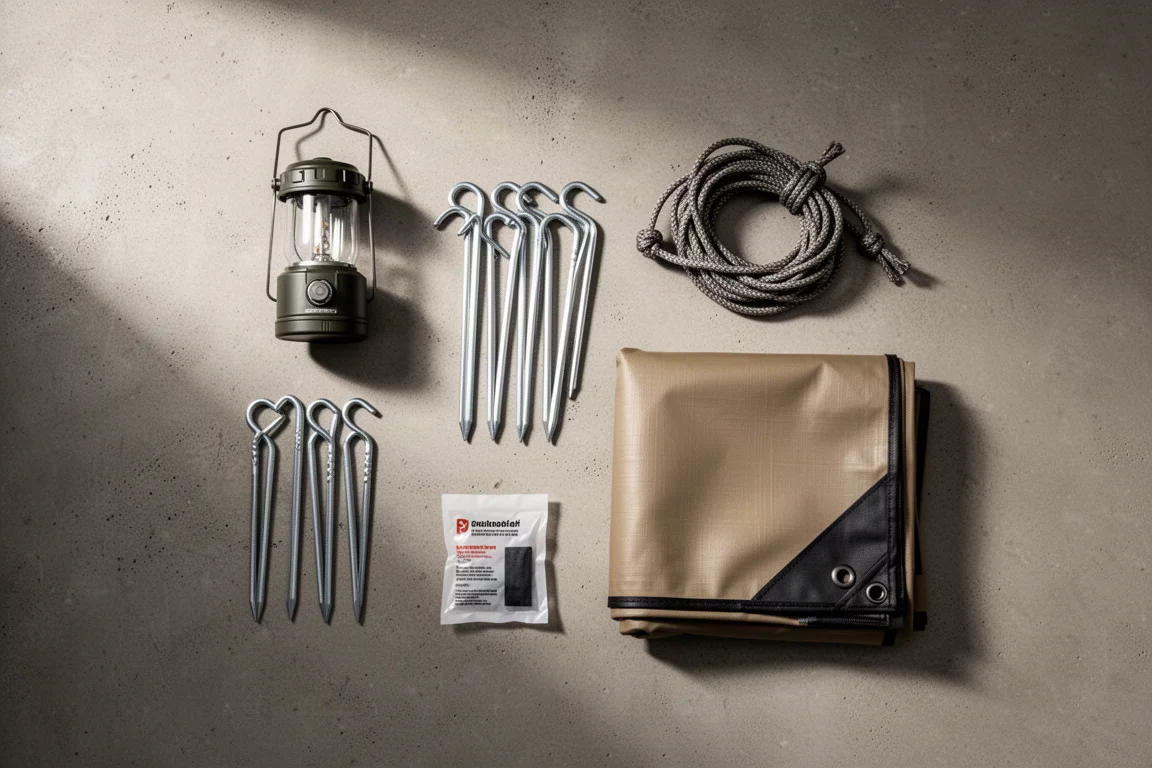
Rain performance splits into two parts. The body fabric stays dry through light to moderate rain and only starts getting wet after roughly 45 minutes to an hour of very heavy rainfall. The weak point is the inverted seam that joins the tent body to the bathtub flooring, which arrives untaped. In sustained heavy rain that seam can begin leaking after about 10 minutes, so a tube of seam sealer is a sensible addition for anyone who camps in wet climates.
Build quality is generally tidy. Stitching shows fewer loose threads, the stitch holes are smaller, and the door zippers snag less often than the budget alternative in this comparison. Coleman also keeps its pole sleeves short and relatively snag-free, which shortens setup time.
Coleman 4-Person Instant Tent: The Smaller Version of the Same Formula
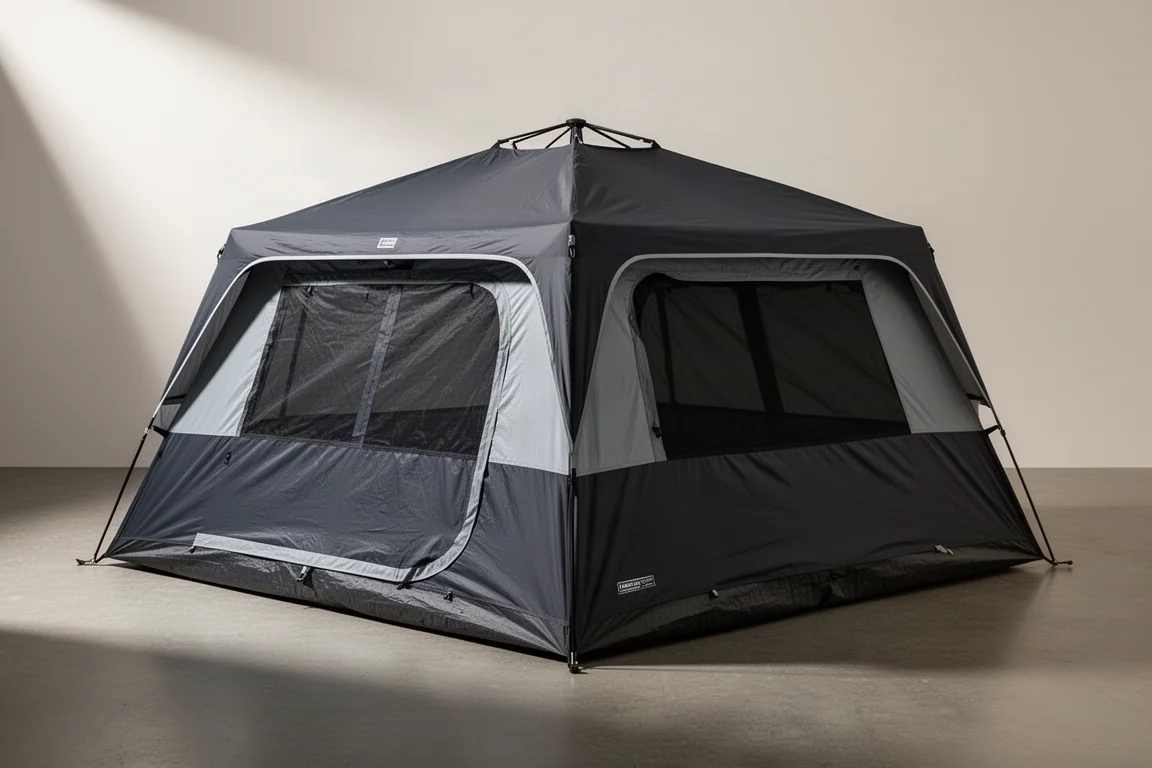
The 4-person version follows the same Instant Tent blueprint as its larger sibling, just scaled down. Setup logic, pole sleeves and door hardware carry over, so the tent pitches quickly and packs away without a fight. For couples or small families who do not need the footprint of a 10-person shelter, this is the more manageable option.
Rain behaviour tracks the larger model closely. Expect the body fabric to shrug off light to moderate rain comfortably, and expect the same untaped inverted seam above the bathtub floor to be the first place water finds a way in during heavy rain, at roughly the 10-minute mark. Taping or sealing that seam early is the simplest insurance.
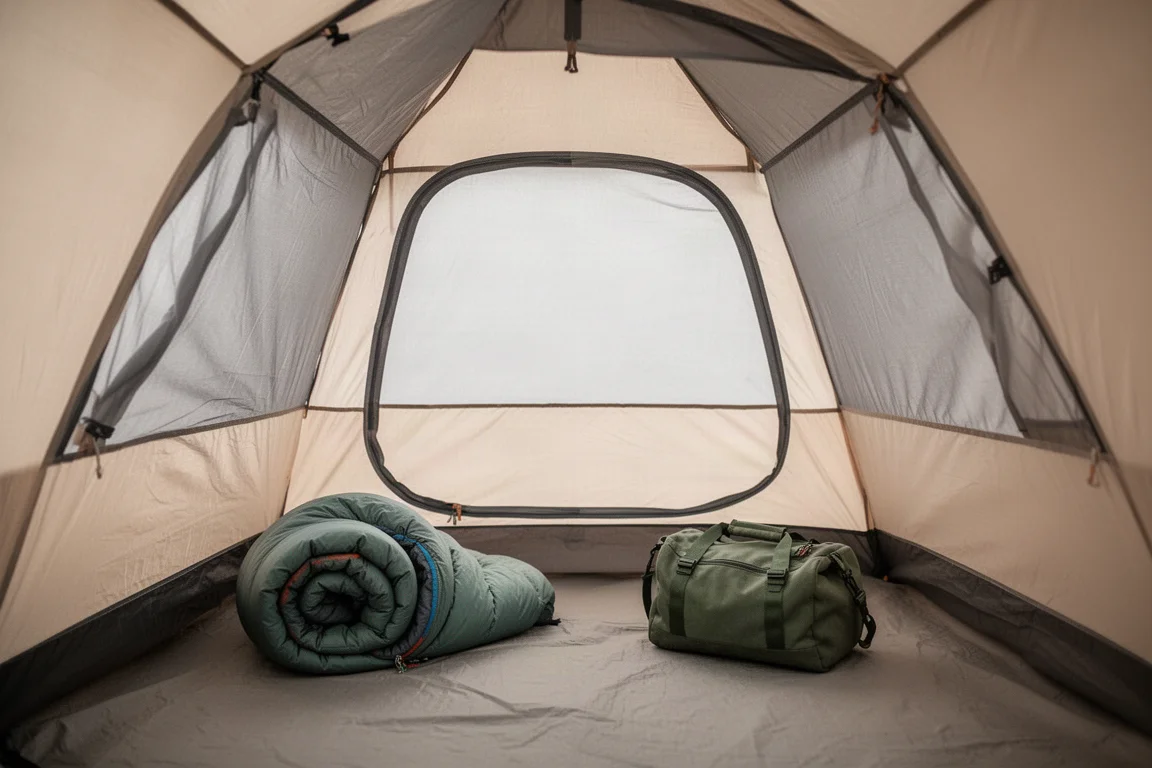
Inside, the smaller footprint means less standing room, so it suits sleeping and gear storage rather than serving as a basecamp living space. That trade-off is what makes it easy to transport and quick to dry.
Coleman WeatherMaster 10-Person Tent: Angled Windows for Rainy Days
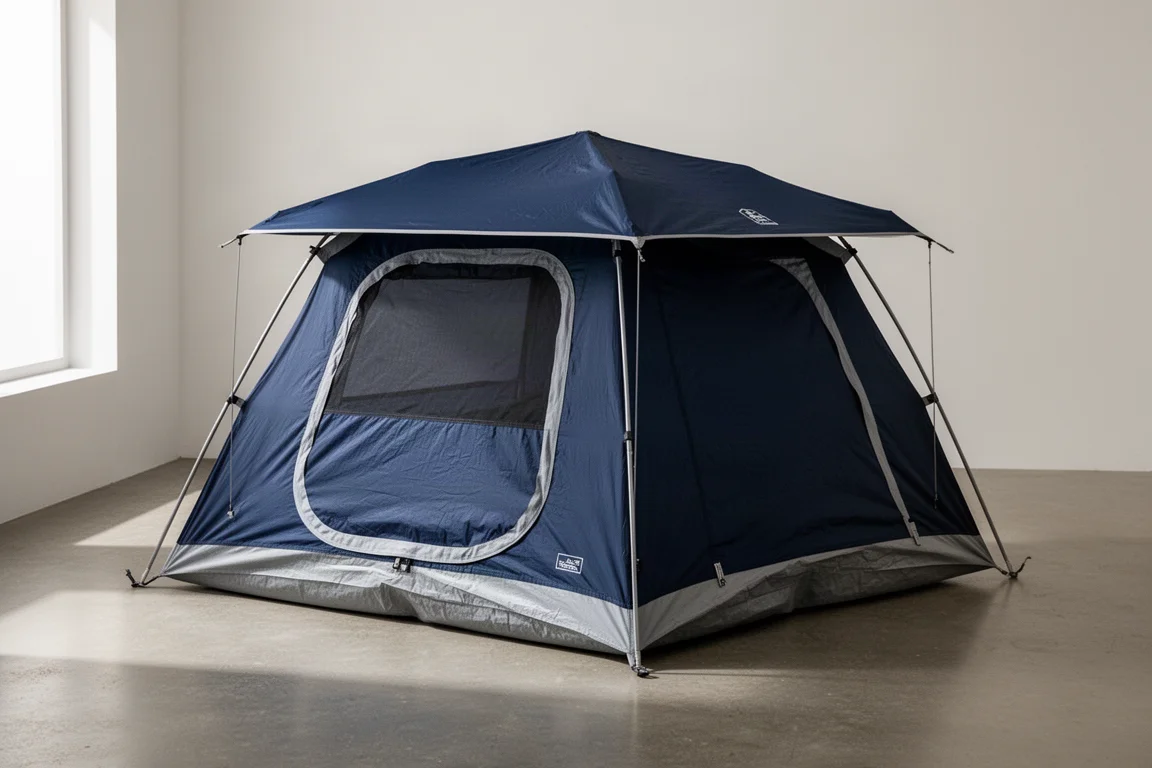
The WeatherMaster 10-Person Tent takes a different approach to ventilation. Instead of oversized windows on every wall, it uses two large angled windows that can keep air moving even when rain is falling, alongside two doors and a hinged D-door for easy access. Pole assembly is partly colour-coded, with a red band marking the middle wall pole, which removes some of the guesswork during setup.
Long-term durability is where this tent has proven itself. After several years of use, the steel poles are still holding up and the fabric has not turned sticky or degraded. In one case a Coleman tent was packed away while still damp and came out months later with no mould, which says a lot about how forgiving the fabric is when storage conditions are less than ideal.
Ozark Trail 10-Person Tent: The Budget Option With Real Limits
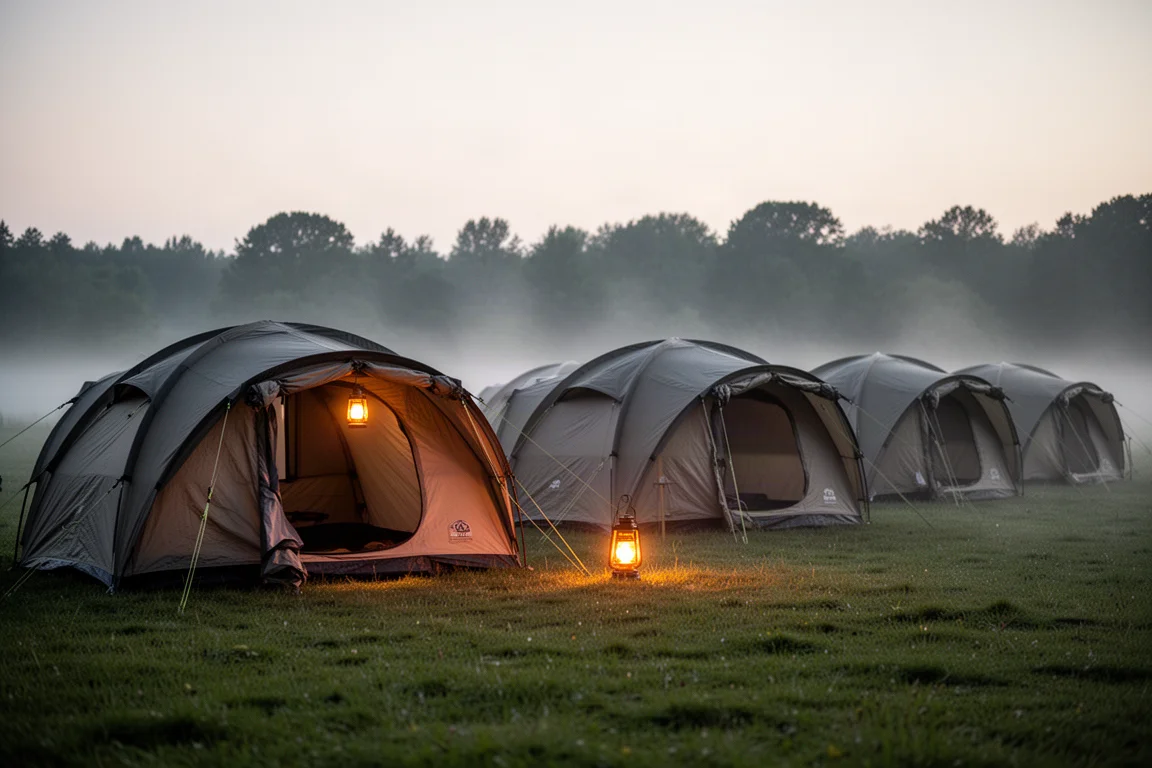
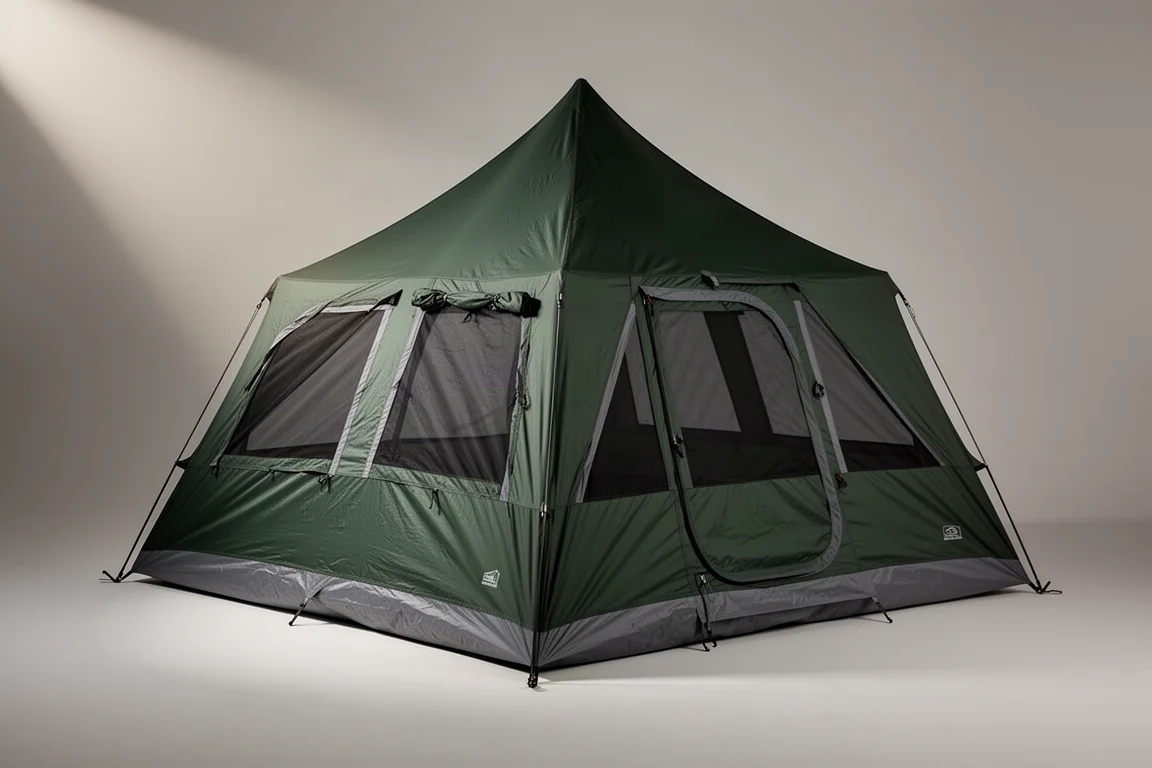
Price is the headline here. The Ozark Trail 10-Person Tent sells for about $100, occasionally just over that, which is less than half the cost of the Coleman 10-person tents. Ozark Trail is Walmart’s house brand, and that pricing is the main reason it appears on so many family shopping lists. The interior is genuinely roomy, tall enough that the ceiling is out of reach for most adults, and setup and pack-up are straightforward. There is only one door at the front, and it is a standard zip door rather than a hinged one.
Wet weather is the real limitation. The fabric soaked through after roughly 15 minutes of mostly light to moderate rain, well before any heavy rainfall entered the picture. Without a substantial amount of additional waterproofing, this tent is not built for rainy conditions of any kind, including light rain.
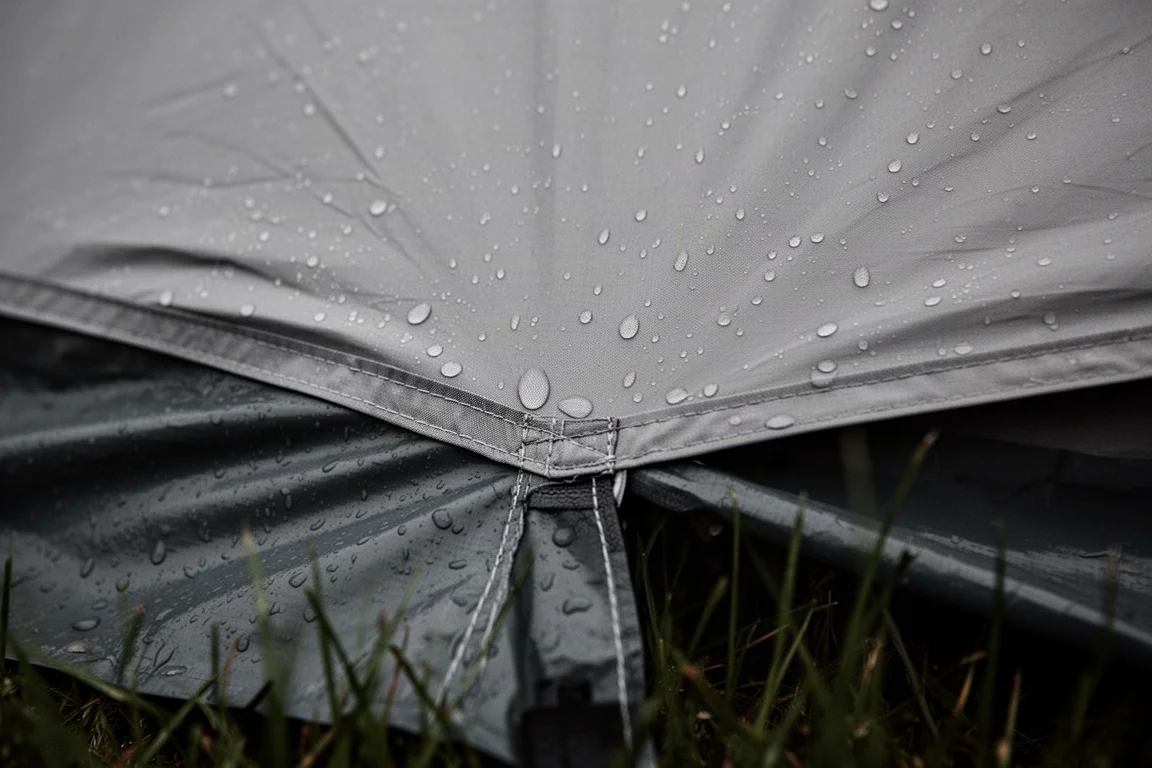
The smaller details also add up. The windows are small, which limits ventilation on hot days, and they all have to be closed when rain arrives. The room divider has no zip down the middle, so moving between the two halves is less convenient. Pole sleeves are long and snaggy, and the poles are all black with no colour coding to guide assembly. Stitching is the weakest area: loose threads throughout, larger holes where the guylines attach to the main body, a door zipper that snags from the outside almost every time, and inconsistent mesh in a couple of spots.
Durability over time is the other consideration. After a little over a year, the fabric began to degrade and turn sticky, and the steel wall poles showed signs of rust even after being dried before packing. Warranty coverage runs for six months, compared with a full year for Coleman.
Buying Advice: Matching the Tent to Your Trip
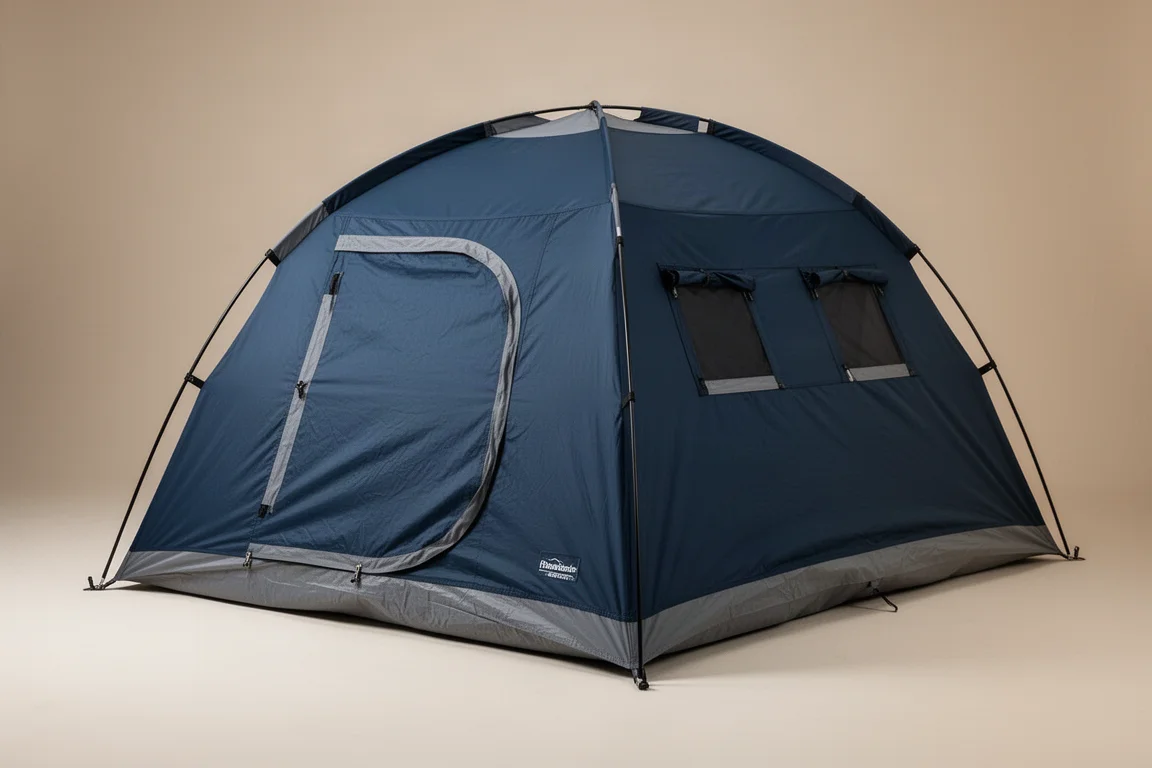
If rain is a realistic possibility on your trips, Coleman is the safer choice. The body fabric holds up far longer in wet weather, the doors and windows are more usable day to day, and the one-year warranty covers a longer stretch than the alternative. Between the two 10-person Coleman models, the Instant Tent leans toward hot, dry conditions with its oversized windows on every wall, while the WeatherMaster leans toward changeable weather with angled windows that ventilate while it rains.
If budget is the deciding factor, the Ozark Trail tent remains a reasonable purchase for fair weather and backyard camping, where its size and simple setup are genuine strengths. Plan on adding waterproofing from the start and accept the shorter six-month warranty, and it can still earn its place for a few seasons of dry-weather use.
Conclusion
These four tents sit at very different points on the price ladder, but the trade-offs are consistent. Coleman charges more and returns better rain resistance, a more thoughtful door and window layout, tidier stitching and a longer warranty. Ozark Trail undercuts everything on price and offers a genuinely spacious, easy-pitching tent that works well when the forecast is clear.
The simplest way to decide is to be honest about the weather you actually camp in. For mixed or unpredictable conditions, the Coleman tents are the more confident purchase. For a tight budget and reliable sunshine, the Ozark Trail tent does the job without pretending to be something it is not.
Further reading
Related Reviews
Camping Tents
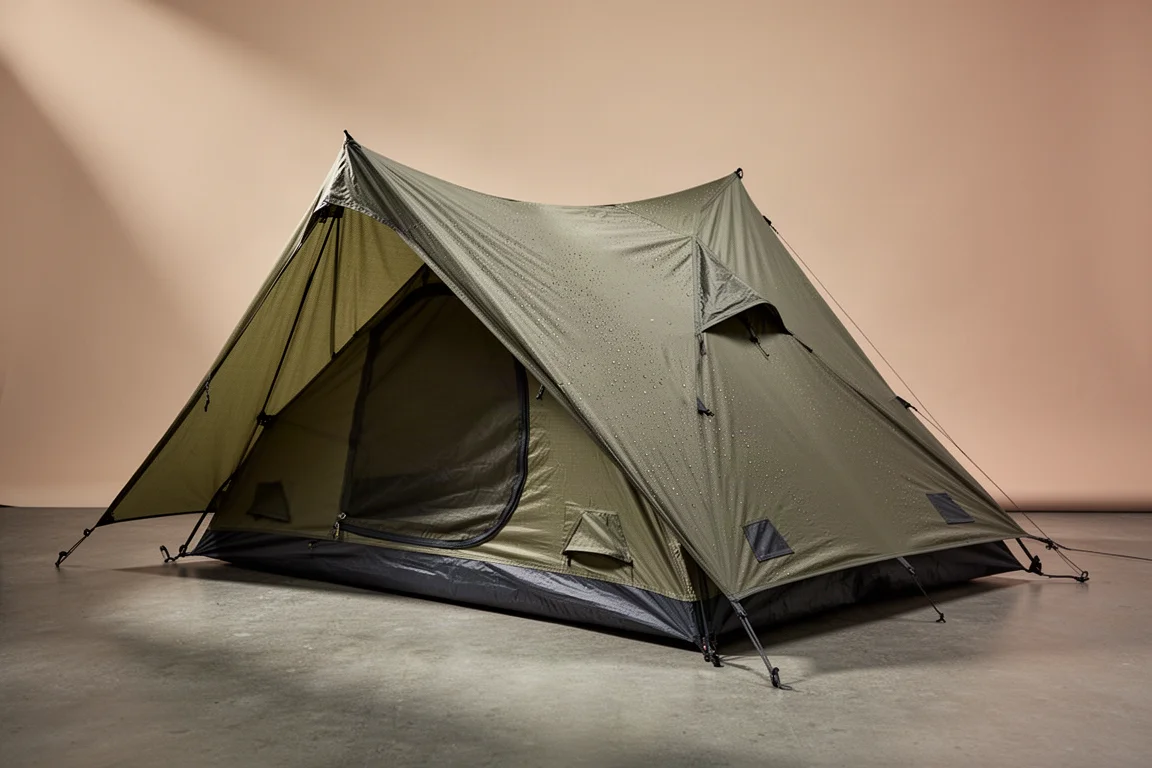
3F UL Gear Taiji Two-Person Tent Review: Field Waterproofing Results and Buying Advice
The Taiji pairs an attached fly with a removable inner, but sustained rain exposed untaped vent seams that need sealing before this shelter can be trusted.
Camping Tents
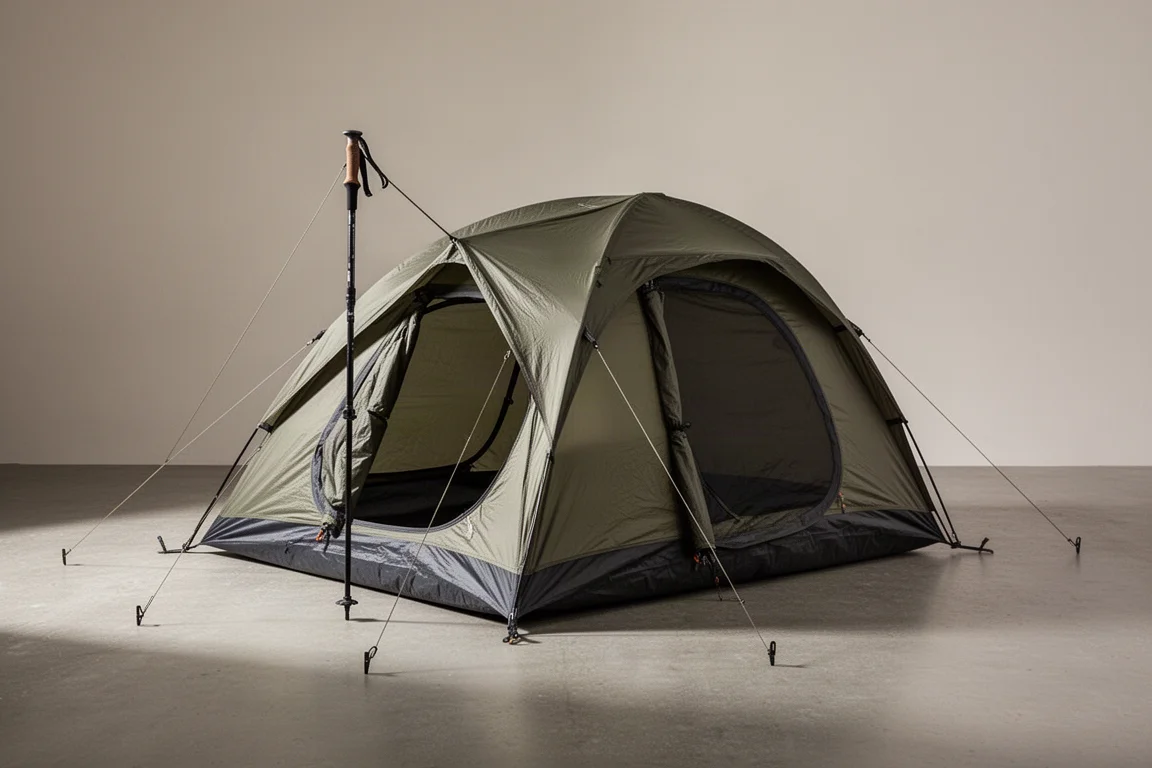
3FUL Gear Lanshan 2 Pro 4-Season Review: A Sub-$200 Single-Wall Trekking Pole Tent
An early look at the 3FUL Gear Lanshan 2 Pro 4-Season, covering its straightforward pitch, generous interior space, and the condensation and seam-sealing questions that come with any single-wall shelter.
Camping Tents
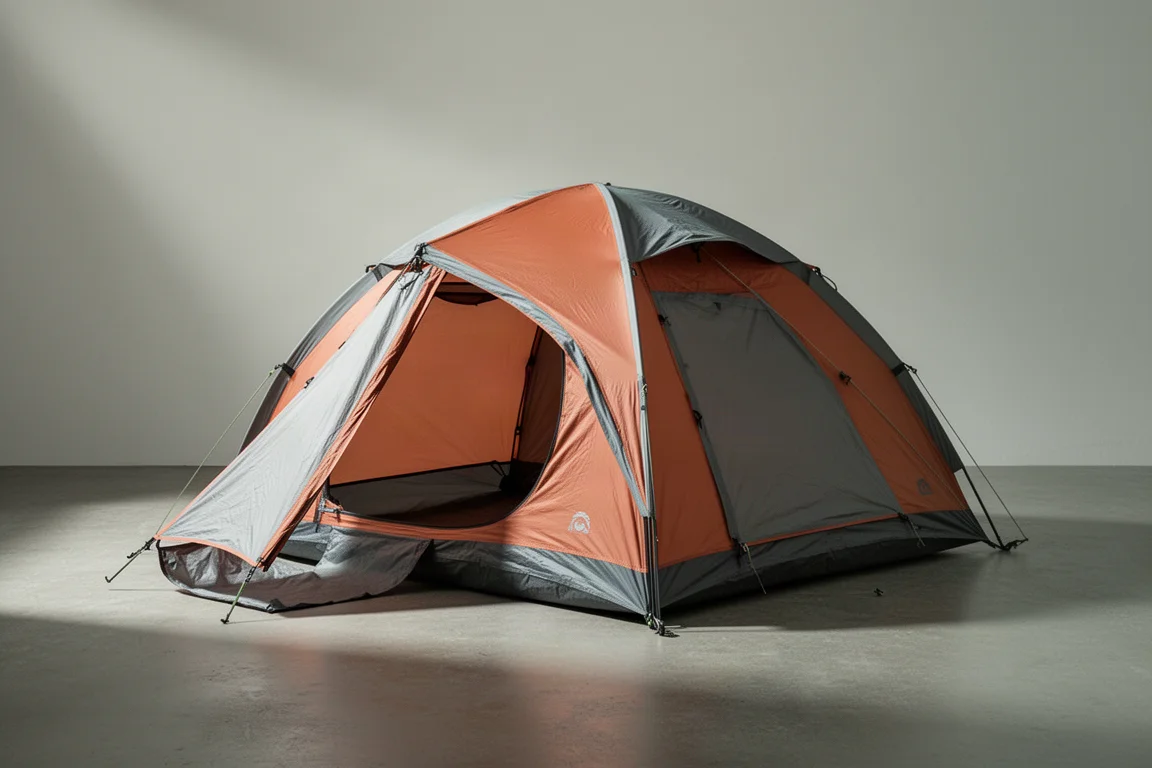
Alps Mountaineering Lynx 1-Person Tent Review: Big Value in a Small Budget Tent
A close look at the Alps Mountaineering Lynx 1-Person Tent, covering real interior dimensions, materials, setup time, ventilation limits, and who should buy it.