Camping Tents
Coleman vs Core Tents: Which Brand Should You Buy?
A practical comparison of Coleman and Core camping tents, covering waterproofing, ventilation, cabin space, instant setup, dark room fabric, and overall value.
Introduction
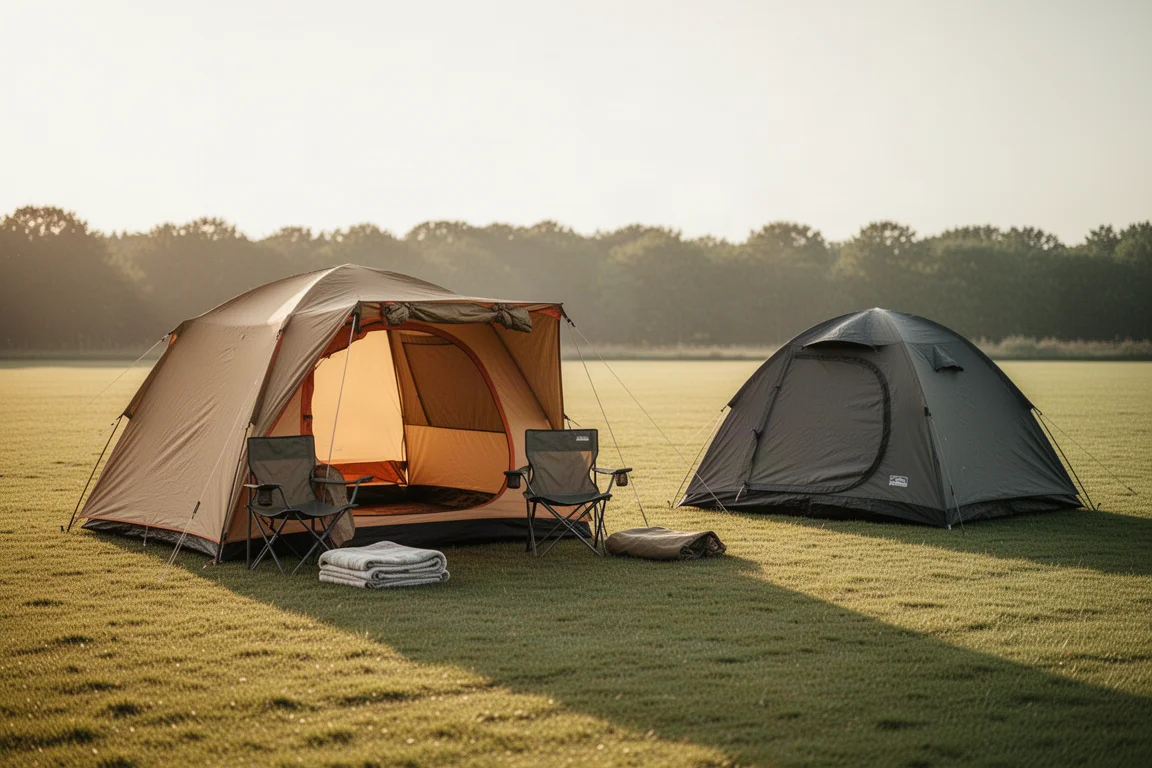
Coleman and Core Equipment build family camping tents that sit in the same price bracket and promise much the same thing: dry nights, quick setup, and enough headroom to stand up. Comparing a Core 10-person cabin tent, a Core 9-person instant cabin tent, and a much larger collection of Coleman models, the two brands finish almost neck and neck. Each takes a clear lead in specific areas, and the better pick depends on what matters most to you: waterproofing and light blocking from Coleman, or instant setup and cabin space from Core.
Waterproofing: Coleman WeatherTec vs Core H2O Block
Coleman’s WeatherTec System covers inverted seams around the entire tent, seam taping on selected seams such as those on the rainfly, a water-resistant coating on the fabric, welded corners on the floor, and zipper cuffs. Core’s H2O Block Technology reads remarkably similarly: inverted seams, taped seams, a water-resistant PU coating, welded corners, and zipper cuffs, plus a stated 600 mm hydrostatic head rating. In practice, both are branded names for the same core set of construction details.
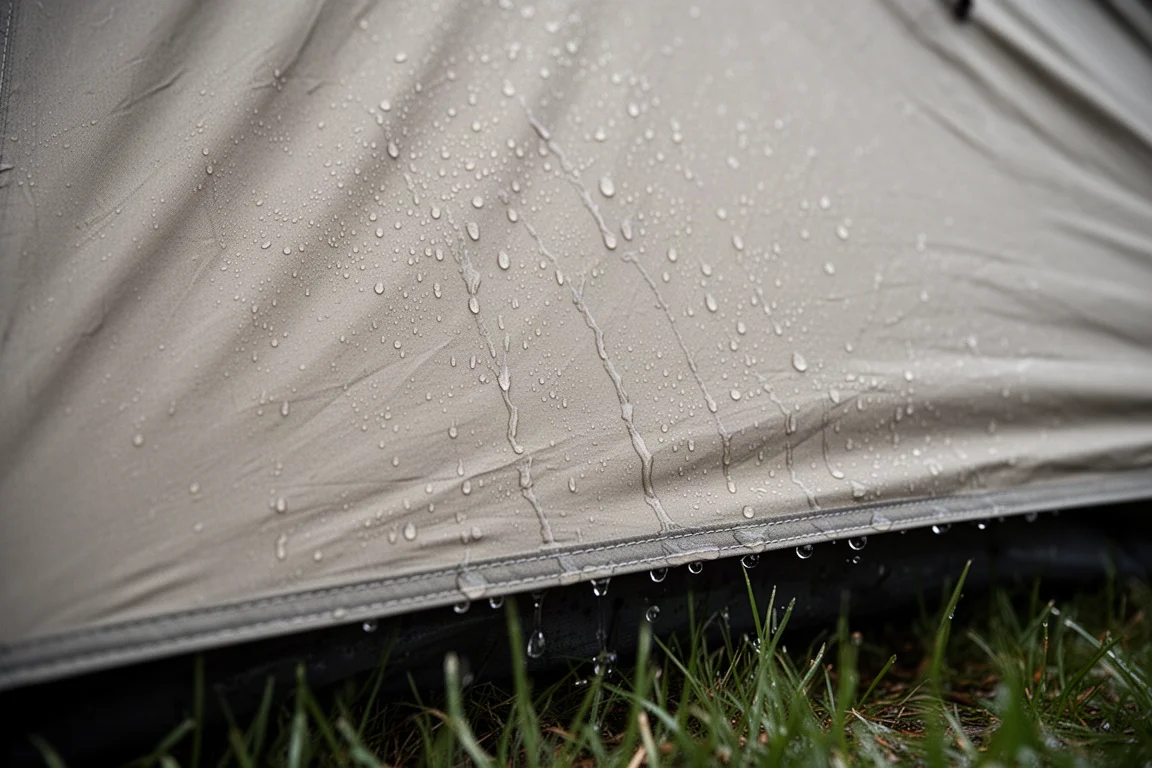
The differences appear once rain settles in. After an hour of heavy rain, the Core 10-person cabin tent began leaking along the seam that joins the tent body to the flooring, and the fabric near the ground vent felt damp. The Core 9-person instant cabin tent behaved the same way after an hour of natural rainfall, with slight leaking from the inverted seam between the flooring and the tent fabric and the fabric at the base feeling slightly damp. The Coleman WeatherMaster 10-person tent followed the same pattern, with water working through the inverted seam between the body fabric and the bathtub flooring.
The reason is consistent across both brands. Not every seam is taped, and the lowest seam, which takes the most water, is usually only inverted. The welded floor corners are not taped either, and both brands showed leaking there. Fabric coatings on both are described as water-resistant rather than fully waterproof, and hydrostatic head ratings on both stay below 1,000 mm. For trips that could bring hours of heavy rain, seam sealant and a waterproofing spray are worth adding to either brand.
Where Coleman pulls ahead is the tub floor. Coleman tents carry at least a few inches of tub flooring, around seven and a half inches on the WeatherMaster 10-person and four inches on the 10-person instant cabin tent, and it extends up the sides so a tent sitting in shallow water keeps more of it out. Core tents skip the tub floor and run the fabric straight down to the ground. On waterproofing alone, Coleman holds a slight edge.
Ventilation and Rainy-Day Airflow
On hot days the two brands are level. Window size varies by model rather than by brand: the Coleman 10-person instant cabin tent and the Core 9-person instant cabin tent have larger windows, while the Coleman WeatherMaster 10-person and the Core 10-person cabin tent use smaller ones.
Rainy-day airflow is where Core edges ahead. Most Coleman tents rely on mesh wall vents instead of ground vents, and those mesh panels cannot be closed from inside when wind drives rain against the wall. The Coleman WeatherMaster 10-person tent is the exception, with two angled windows that zip shut from inside. At the other end of the scale, the Coleman 10-person instant cabin tent has no openable windows and no vents at all. Both Core tents include ground vents: two relatively small ones on the 10-person cabin tent and two large ones on the 9-person instant cabin tent that can be opened and closed from inside.
Cabin Tent Space and Variety
Core offers the wider cabin tent range, spanning 4-person to 12-person capacities with a choice of conventional pole-sleeve construction or instant setup. Cabin tents earn their place through headroom: they have the highest peaks of any tent type and hold that height across most of the floor area. Conventional cabin tents, which thread poles through sleeves, reach higher peaks than instant cabin tents of a similar size.
The numbers make the gap concrete. The Core 10-person cabin tent peaks at 90 inches, or seven and a half feet, with roughly 65 inches at the corners, tall enough for an adult to stand anywhere inside, and the peak is high enough that it cannot be reached by hand from the floor. The Core 9-person instant cabin tent peaks at 75.5 inches. Among the Coleman tents compared here, the WeatherMaster 10-person is the tallest at 80.5 inches, a full ten inches below the Core 10-person cabin tent. For cabin tent variety and interior space, Core takes the lead.
Core 10-Person Cabin Tent
This is the roomiest tent in the comparison. Its conventional pole-sleeve frame produces a 90-inch peak with about 65 inches of clearance at the corners, so an adult can stand upright almost anywhere on the floor rather than only in the centre. Two relatively small ground vents handle airflow near the base, and the cabin walls stay close to full height across most of the interior, which makes it easy to fit cots or air beds along the sides.
Core 9-Person Instant Cabin Tent
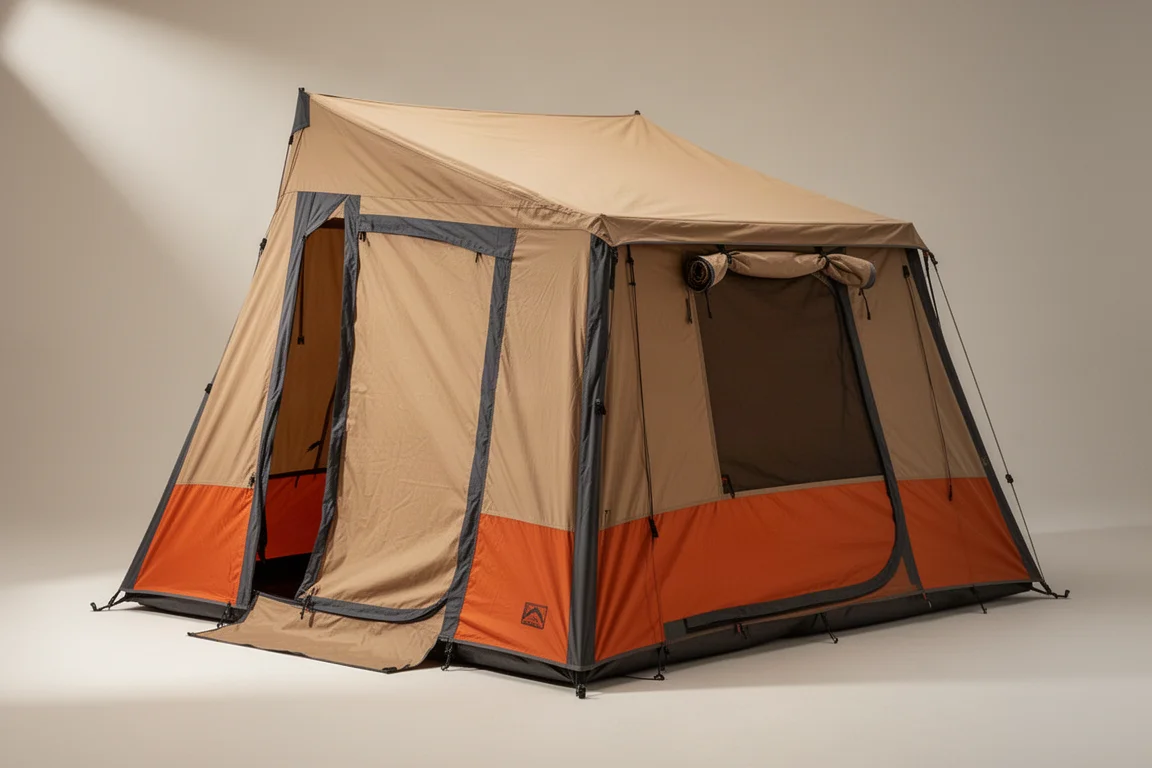
This model pairs an instant frame with genuine cabin proportions. The three-hub setup props up reliably and the 75.5-inch peak keeps most of the interior walkable, while larger windows and two large ground vents that open and close from inside make it one of the more comfortable tents in warm or unsettled weather. It is also the most affordable large tent here, priced at barely over $100.
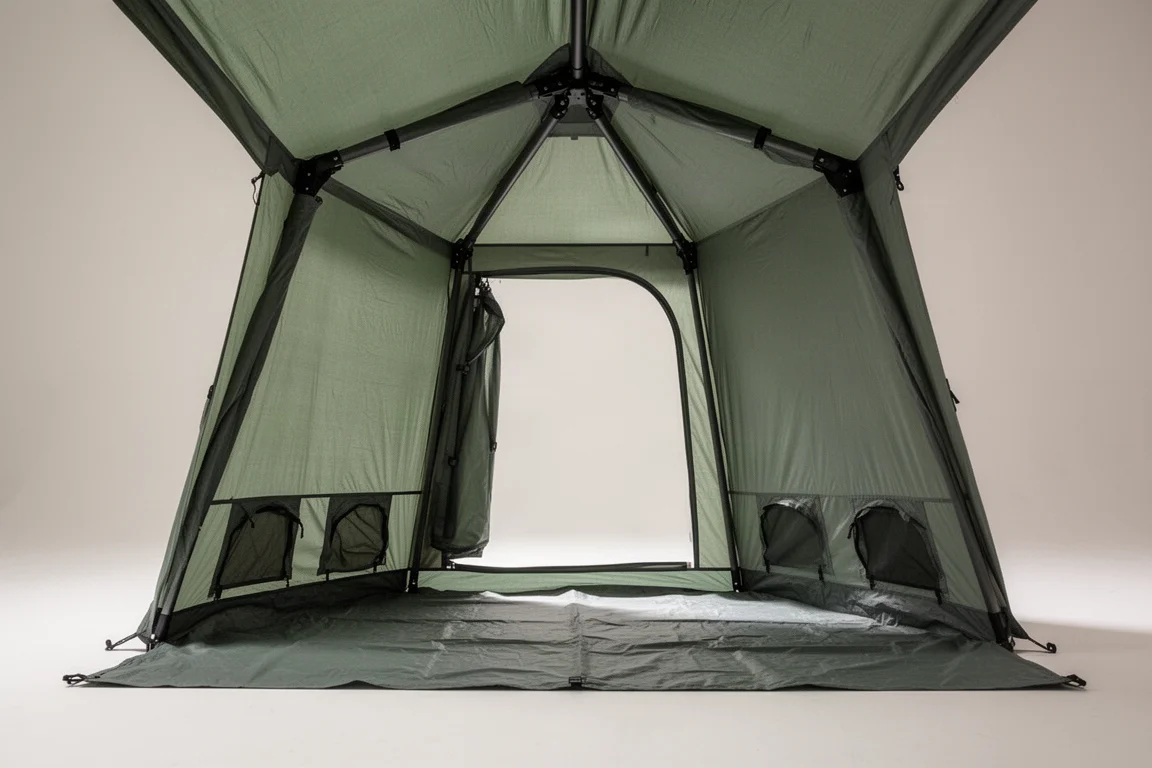
In rain, the inverted seam between the flooring and the tent fabric let a small amount of water through after an hour, and the fabric at the base felt slightly damp. There is no tub floor, so it is worth keeping this tent out of standing water and adding seam sealant along the bottom seam before a wet-weather trip. Those are small preparation steps rather than reasons to avoid it.
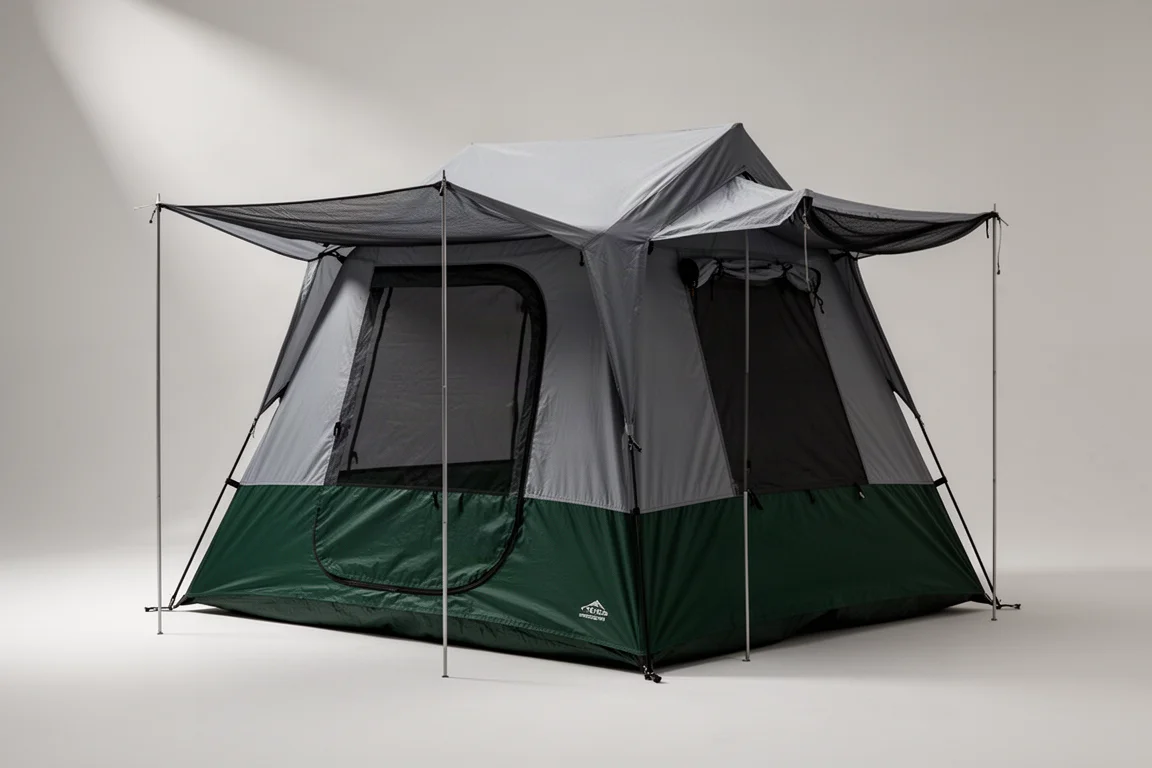
Coleman WeatherMaster 10-Person Tent
The WeatherMaster is the tallest Coleman tent in this comparison at 80.5 inches, and it brings about seven and a half inches of tub flooring that rises up the sides to keep shallow standing water away from the sleeping area. It also solves rainy-day ventilation better than any other Coleman model here, thanks to two angled windows that can be zipped shut from inside the tent. The trade-off is smaller windows than some Coleman models, which limits airflow on still, hot afternoons.
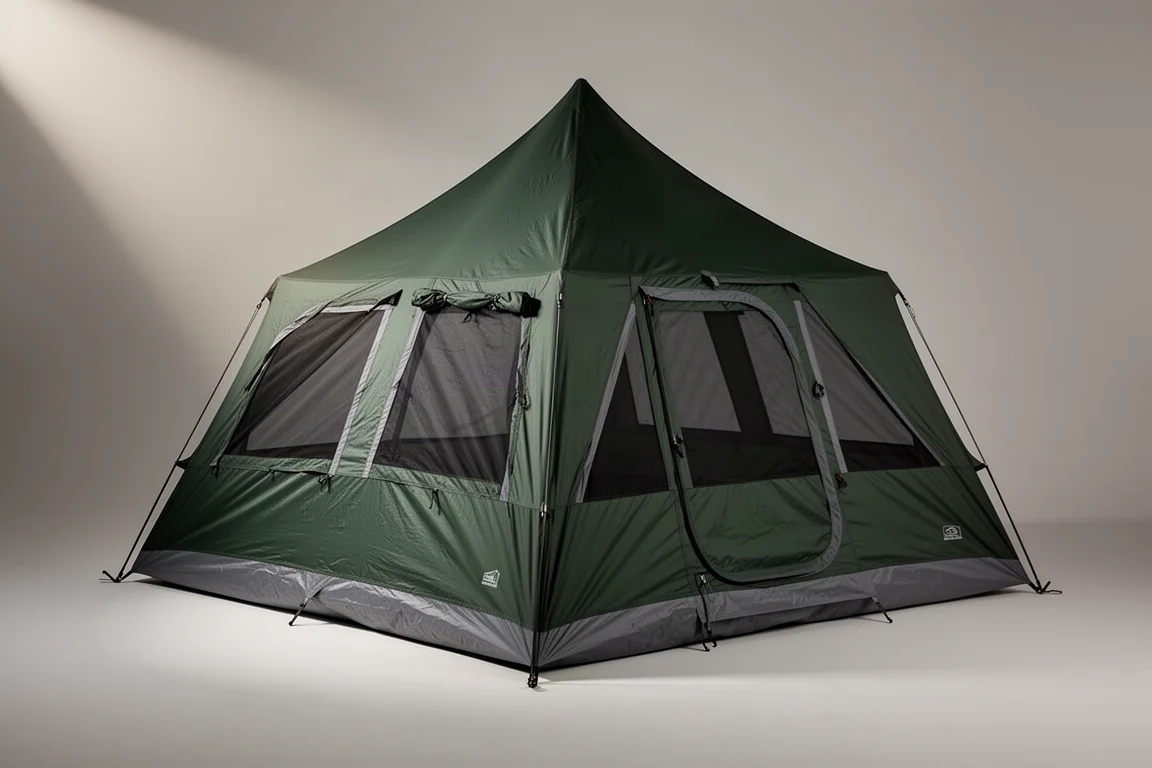
Coleman 10-Person Instant Cabin Tent
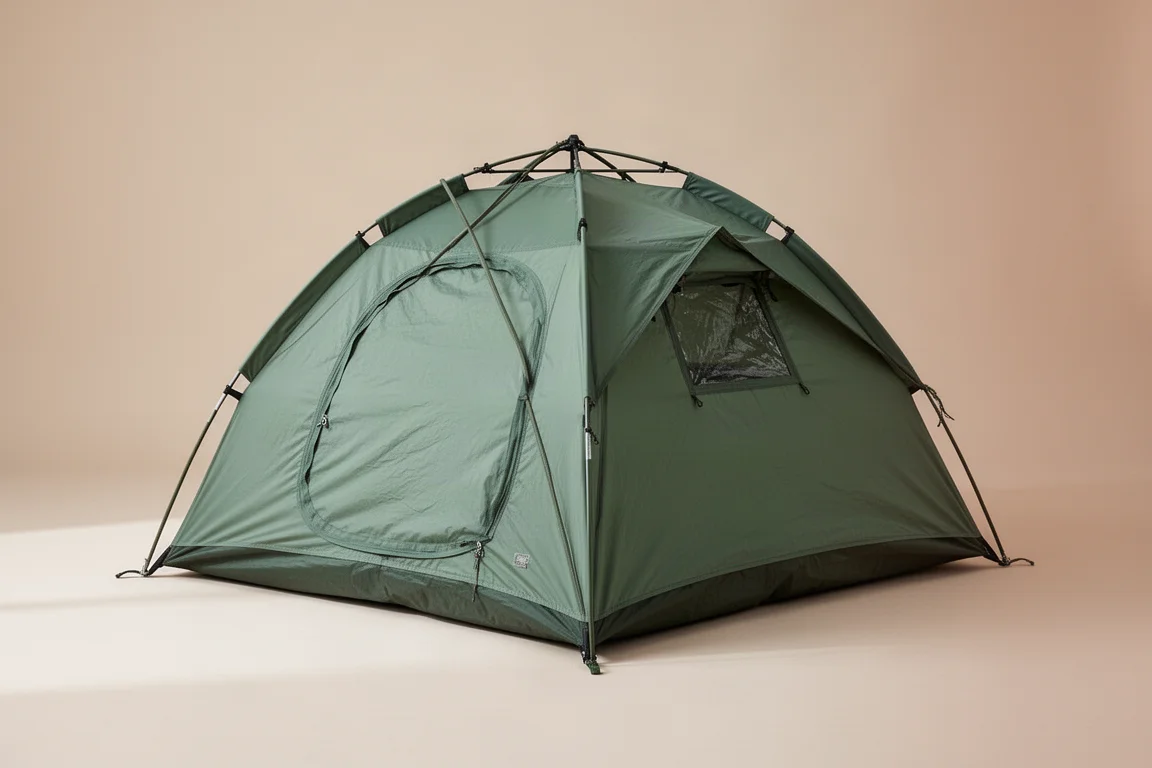
Two features set this tent apart. The first is the dark room fabric. With the windows open it looks like an ordinary cabin tent; close everything and only a thin band of light slips through the gap between the roof and the rainfly, plus a little around the bathtub flooring. At night it is close to pitch black even with street lights nearby, and the same fabric keeps the interior noticeably cooler during the day. The second is the hinged door, which gets you in or out in three to five seconds and reduces reliance on zippers. It also includes four inches of tub flooring.
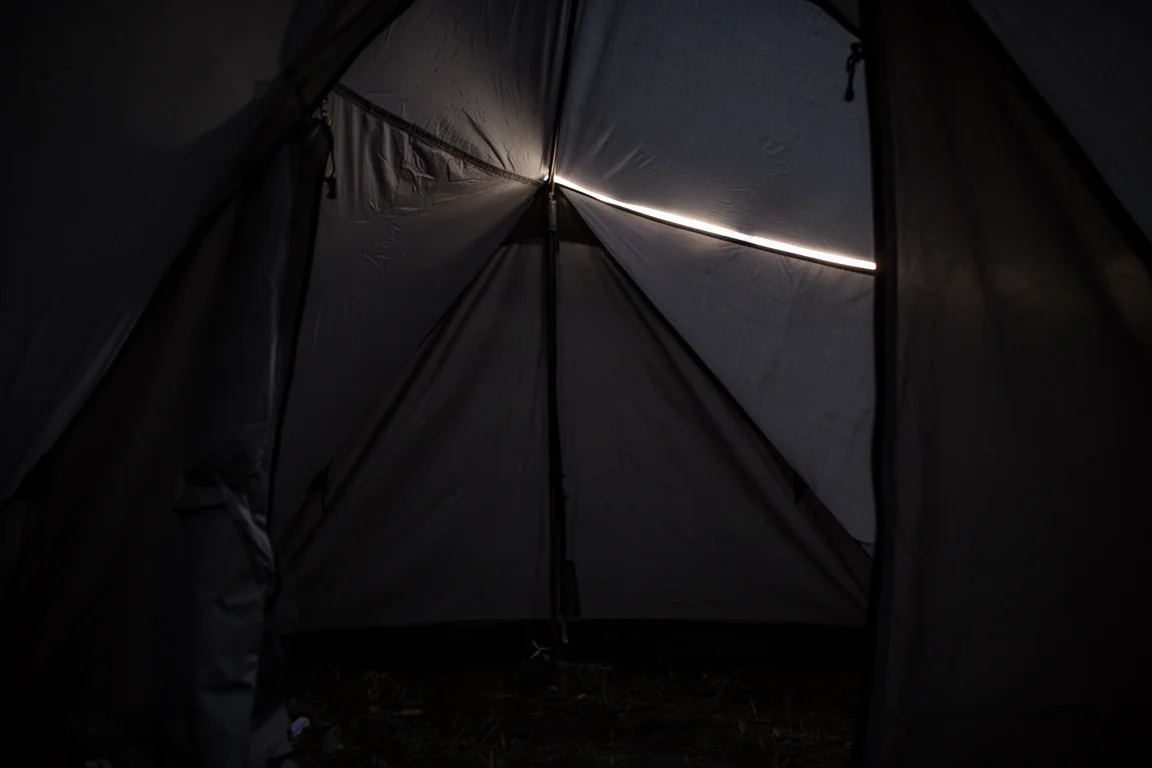
The trade-offs are worth knowing. A single centre hub leaves the walls droopier than the multi-hub design used elsewhere, which eats into livable space, and the pole elbow joints can jam mid-setup and need folding back before they will prop up. There are also no openable windows and no vents, so airflow depends entirely on leaving the door open. Between the two instant tents compared here, the Core frame is the more reliable of the pair and the stronger choice if instant setup is your priority.
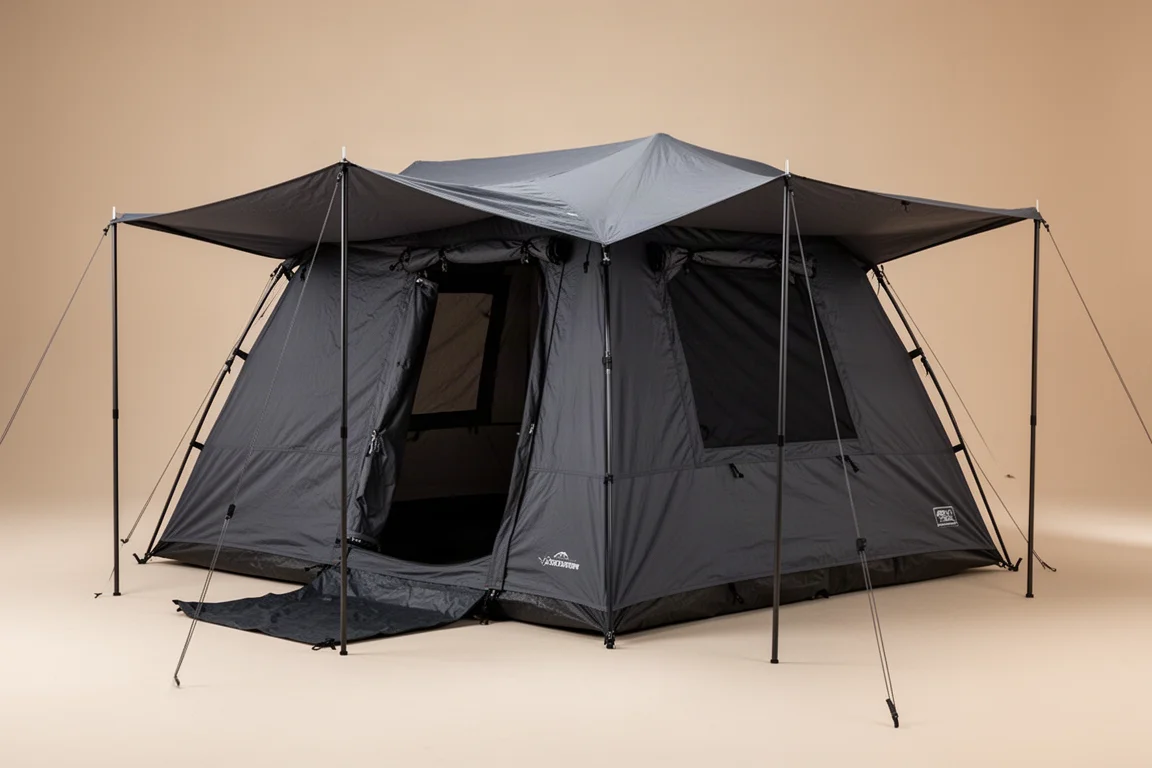
Coleman Sundome Dark Room Tent
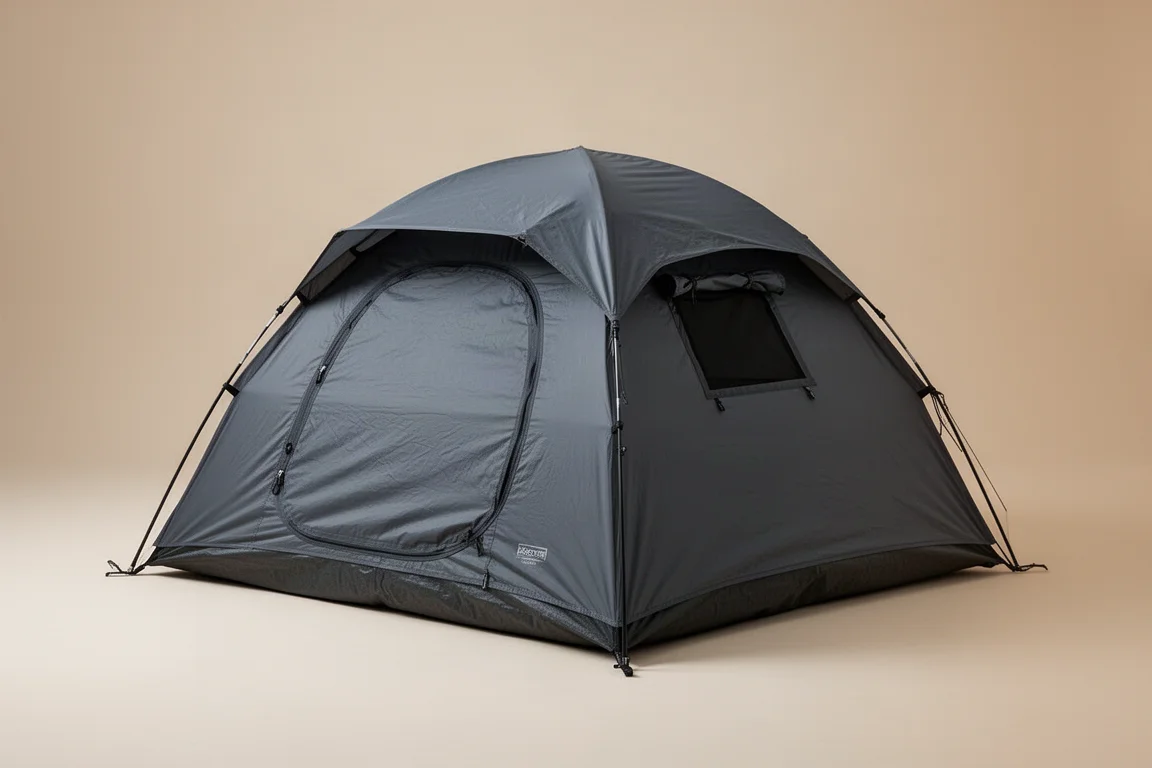
This dome tent brings the dark room fabric into a smaller, simpler format. It is part of a broad Coleman dark room family that also includes instant dark room, Skydome dark room, pop-up dark room, and dark room dome models with a screen room, so the blackout option is available across several shapes and sizes. If sleeping through bright mornings or napping in the middle of the day matters more to you than instant setup or maximum cabin space, Coleman is the better pick of the two brands here.
Coleman 2-Person Sundome Tent
At under $50, this is the most affordable tent in the comparison and a straightforward entry point. It uses the same polyethylene flooring and roughly 68D polyester fabric as the larger Coleman models, with a simple dome setup and a compact footprint that suits one or two sleepers on short trips. Interior space is naturally limited once two people and their gear are inside, and the lower seams are inverted rather than taped, so a tube of seam sealant is a sensible addition.
Materials, Zippers, and Warranty
Both brands use polyethylene flooring and tent fabric around 68D polyester. Stitching is generally sound on both, with a mix of inverted and taped seams and occasional loose threads that are not a practical problem. Mesh quality is good enough to keep out mosquitoes and larger insects, though not no-see-ums. Zippers on both brands are unbranded and rarely snag, except when the rain cover folds into the zip path; pushing the door outward while zipping from inside, or lifting the rain cover from outside, clears it. Both brands back their tents with a one-year warranty. Coleman tents tend to be made in China, while the Core tents were made in Bangladesh.
Buying Advice: Which Brand Fits Your Camping?
If your priorities are staying dry in sustained rain, blocking out light, and having a door you can simply walk through, Coleman is the safer choice. The tub floors add a real margin of protection when a tent sits in shallow water, the dark room fabric is genuinely effective for daytime sleeping and hot afternoons, and the hinged door on the instant cabin tent removes most of the friction from coming and going.
If you want an instant tent, a spacious cabin tent, or more choice in cabin sizes, Core is the better fit. The three-hub instant frame holds its shape better than the single-hub alternative, the conventional cabin tent reaches a 90-inch peak, the range spans 4 to 12 people, and both Core tents here include ground vents that can be closed from inside.
On price the two brands are level. A two-person Coleman Sundome comes in under $50, three- and four-person Core tents sit just above that, a nine-person Core tent runs barely over $100, and Coleman’s eight-person Montana and Red Canyon tents land slightly over $100.
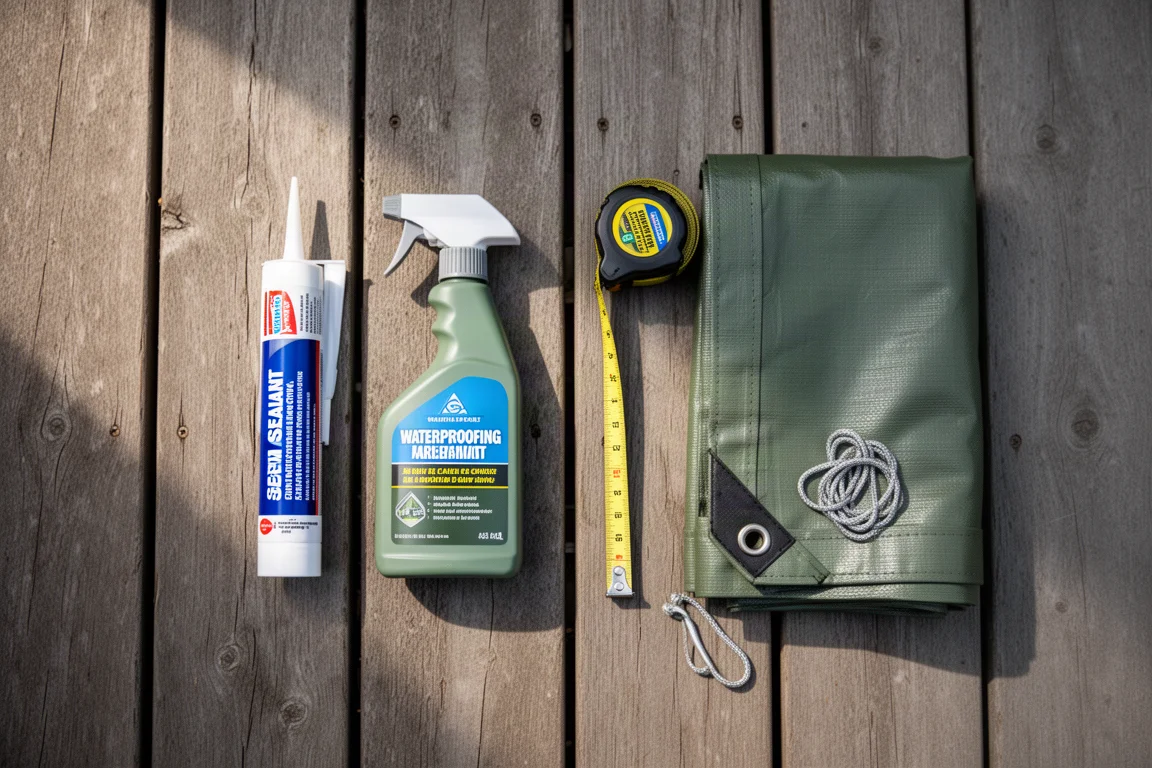
Whichever way you lean, both brands deliver decent quality for the money, and neither is a poor purchase. For trips with a wet forecast, budget for seam sealant and a waterproofing spray and apply them generously to the lower seams and floor corners, since that is where both brands are most exposed. If you camp mostly in warm, dry conditions, the decision comes down to setup speed and headroom, where Core has the advantage.
Conclusion
Coleman and Core Equipment are closely matched, and the deciding factor is what you need from a tent rather than which brand is objectively better. Coleman takes the edge on waterproofing thanks to its tub floors, and it is the clear choice for dark room fabric and a walk-through hinged door. Core takes the edge on instant tent mechanism quality, cabin tent spaciousness, and the breadth of cabin options from 4 to 12 people. Both are affordable, both use similar materials and construction, and both come with a one-year warranty.
Further reading
Related Reviews
Camping Tents
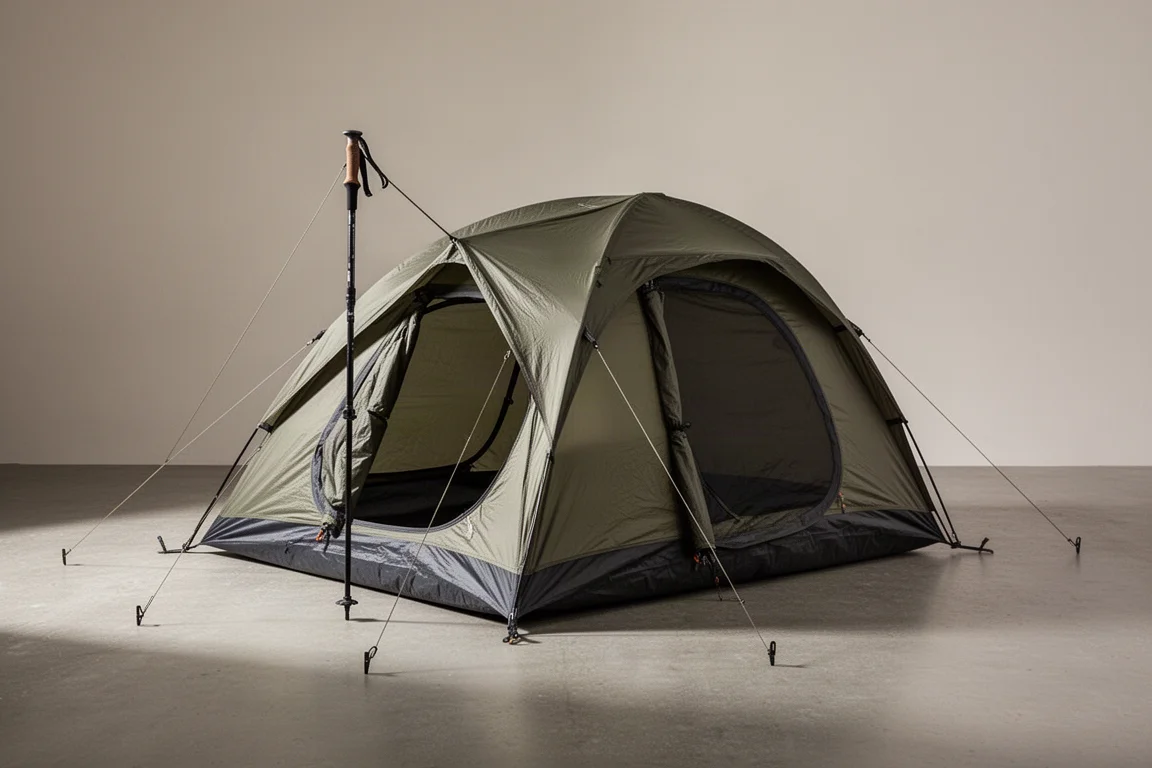
3F UL Gear Taiji Two-Person Tent Review: Field Waterproofing Results and Buying Advice
The Taiji pairs an attached fly with a removable inner, but sustained rain exposed untaped vent seams that need sealing before this shelter can be trusted.
Camping Tents
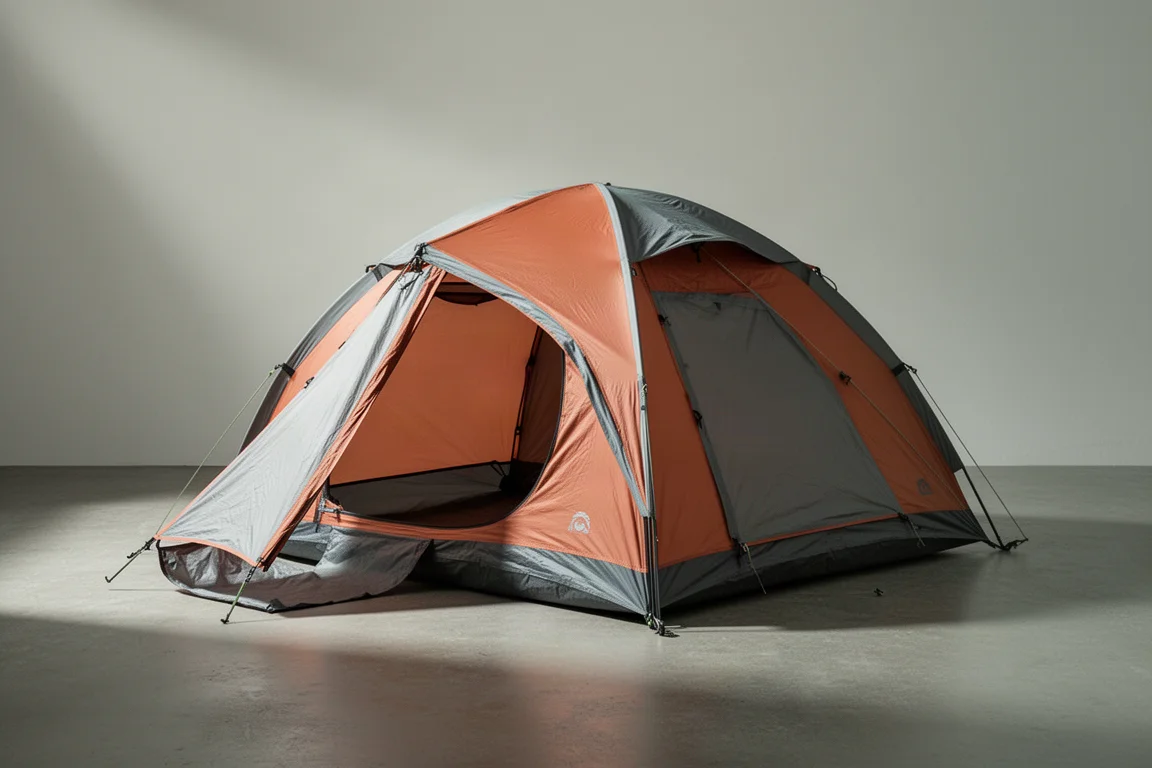
3FUL Gear Lanshan 2 Pro 4-Season Review: A Sub-$200 Single-Wall Trekking Pole Tent
An early look at the 3FUL Gear Lanshan 2 Pro 4-Season, covering its straightforward pitch, generous interior space, and the condensation and seam-sealing questions that come with any single-wall shelter.
Camping Tents
Alps Mountaineering Lynx 1-Person Tent Review: Big Value in a Small Budget Tent
A close look at the Alps Mountaineering Lynx 1-Person Tent, covering real interior dimensions, materials, setup time, ventilation limits, and who should buy it.