Camping Tents
Coleman Sundome vs Coleman Dark Room Sundome: Which Tent Should You Buy?
A practical comparison of the Coleman Sundome and the Coleman Dark Room Sundome, covering how blackout fabric changes light, heat, and sleep comfort inside the tent.
Introduction
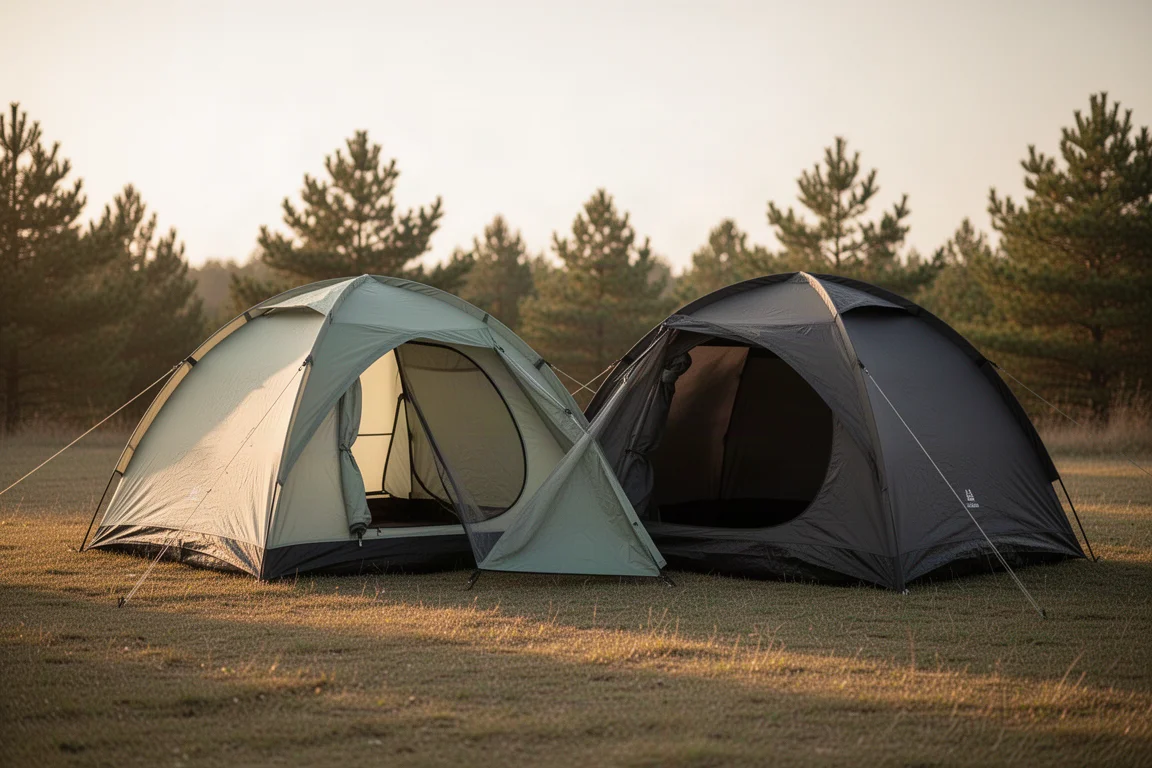
The Coleman Sundome line has long been a default choice for casual campers, and the Dark Room version adds a blackout fabric that changes how the tent feels inside. From the outside, the two tents look almost identical. Inside, the experience is noticeably different, especially in the middle of the day and in bright campgrounds.
This comparison covers how each version behaves inside, what the blackout fabric actually changes, and which one makes more sense depending on how and where you camp.
What Dark Room Fabric Changes Inside a Tent
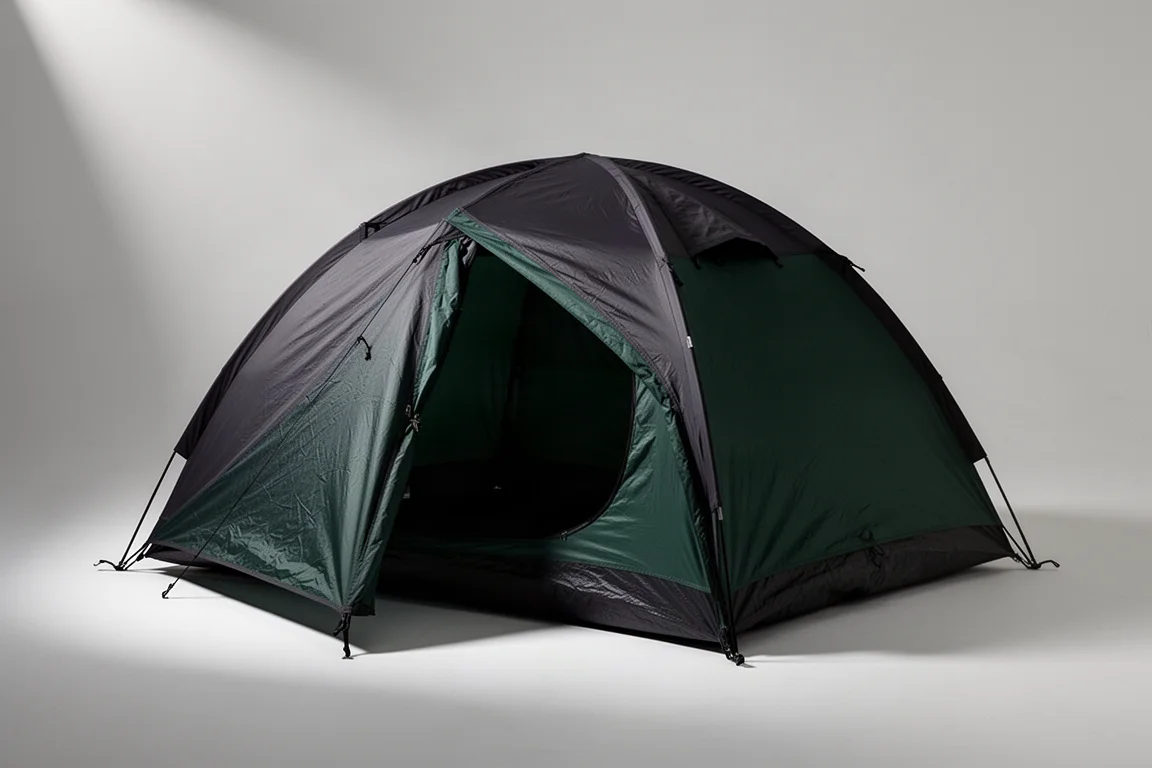
The core difference is the fabric. In a standard Sundome, daylight passes through the walls and roof, so the interior stays bright throughout the day. A Dark Room Sundome uses a blackout fabric that blocks most of that light, and the change is obvious the moment you step inside. In this setup, the Dark Room interior was dark enough that a lantern was needed during the day to check the seams during a heavy rain test.
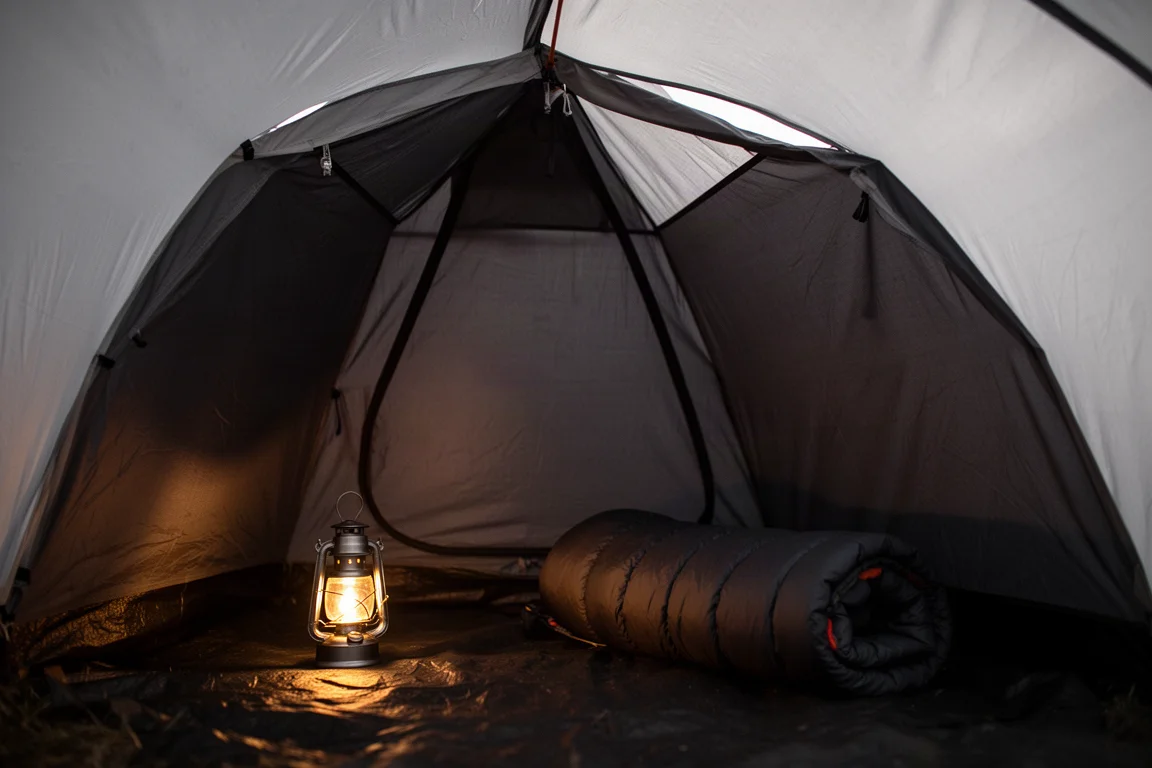
A few details are worth knowing before you buy. The flooring does not use the Dark Room fabric, and light can still come in through the gap between the roof and the rainfly and through the bathtub flooring at the base. If the rainfly is fully guyed out with the two large side vents open, more light enters than you might expect. Leave the rainfly less open and the interior becomes considerably darker.
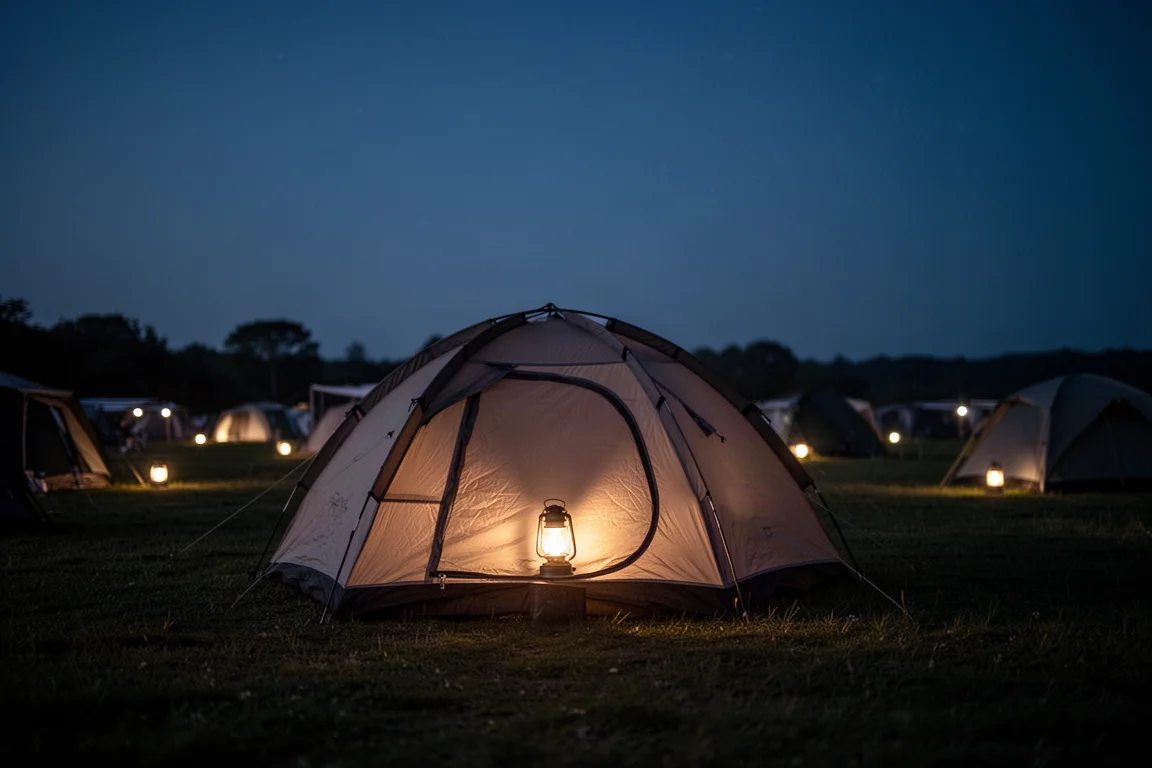
At night the same fabric works in reverse. With a 250-lumen lantern switched on inside, light escaped only through the open window, door, and vents, while the blackout walls held most of it in. The standard Sundome, by contrast, lights up brightly from the outside when a lantern is on.
Coleman Sundome
The regular Sundome is the straightforward version. During the day the interior is bright, which suits campers who want a light, open feel and mostly use the tent after dark. At night it is a different story. With the windows and door closed and no lighting inside, a noticeable amount of light still seeps in from outside, which can make it harder to sleep in a lit or busy campground.
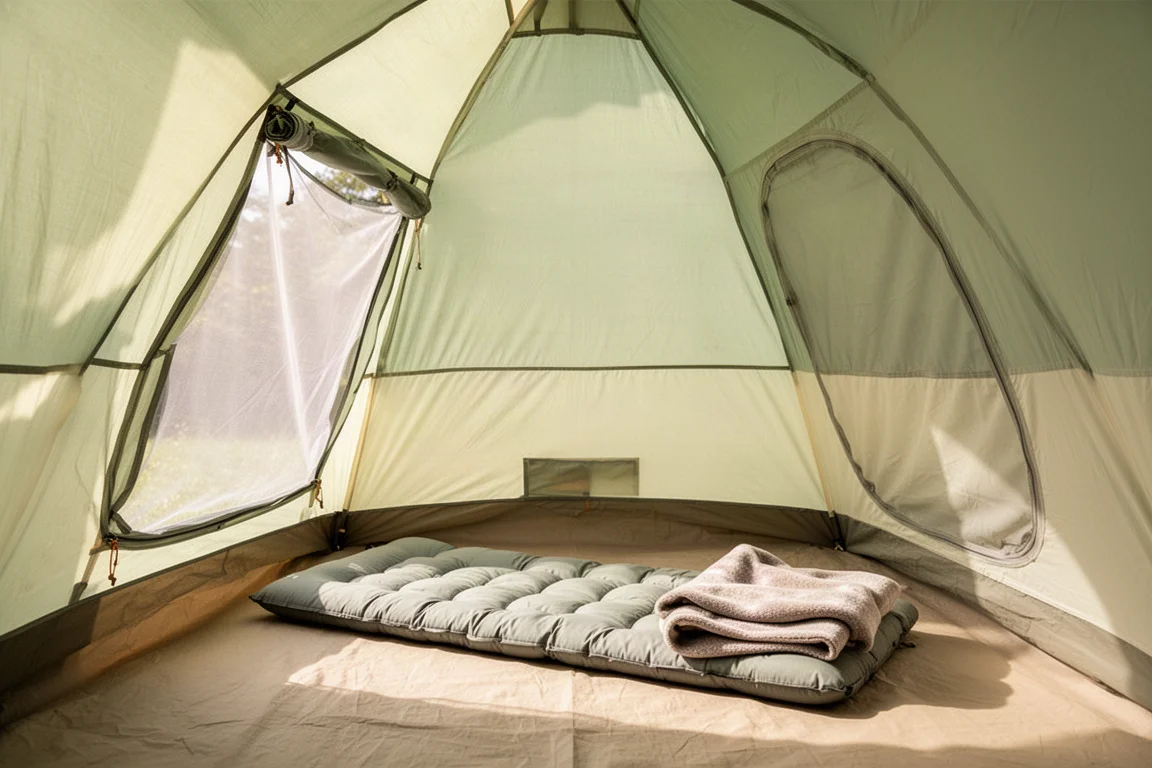
From the outside, the tent also glows clearly when a lantern is running inside, so it is easy for neighbours to notice. Warm weather is the other consideration: the interior heats up during the day, and this is the version that feels hottest in direct sun.
Coleman Dark Room Sundome
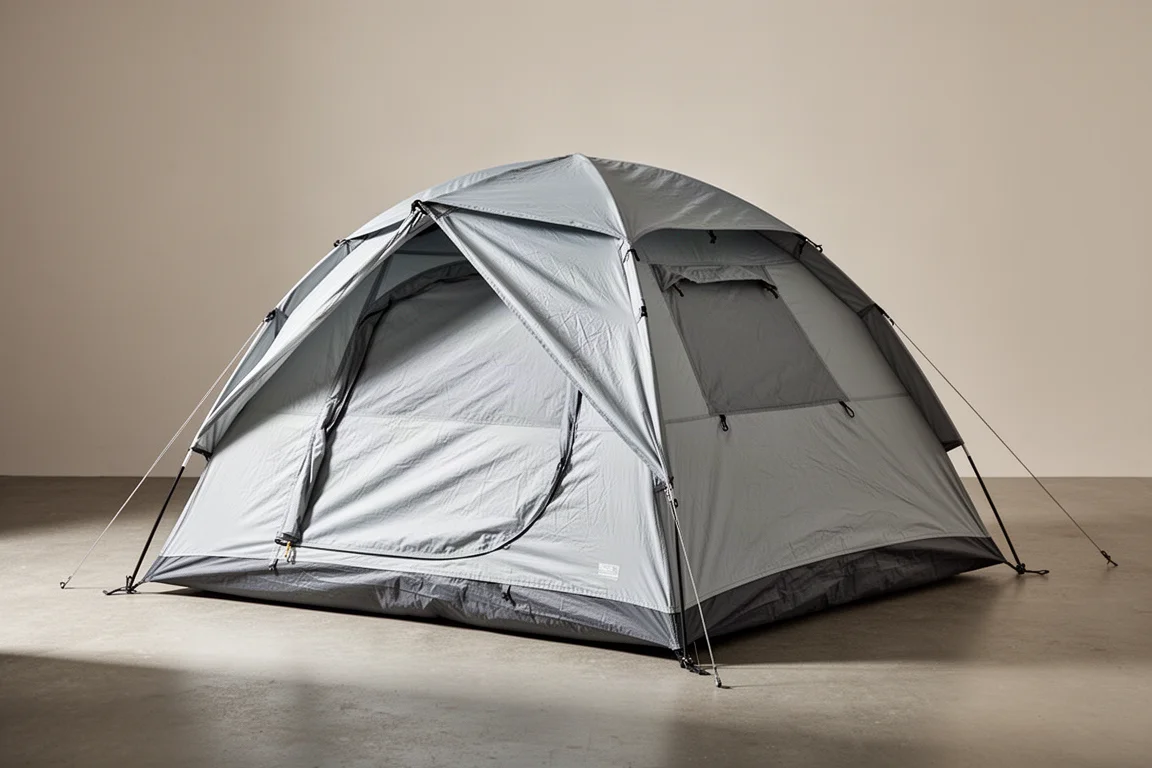
The Dark Room Sundome keeps the same overall tent and swaps in blackout fabric. Inside at night, with the window and door left open and no lantern running, very little outside light comes through, and the fabric reads as close to pitch black. Zipping the window shut makes it darker still, which is exactly what you want when sleeping in.
The tent also stays cooler inside, particularly during the day, and that difference is easy to feel when the tent is sitting in full sun. The main caveat is the setup described earlier: the window, door, vents, the rainfly gap, and the non-blackout floor are the places where light still gets through.
Light, Heat, and Sleep Quality
Two factors drive most of the day-to-day difference between these tents. The first is light control. The regular Sundome lets in daylight and campground light and lets interior light escape at night, while the Dark Room version blocks the large majority of incoming light and keeps more of it inside. The second is heat. The Dark Room fabric was noticeably cooler inside during the day, while the standard tents became uncomfortable in warm conditions.
If you like to sleep in, camp in a bright or busy campground, or want a darker place to rest during long summer days, those two factors matter more than almost anything else about the tent.
Which Version Makes Sense for You?
The Dark Room version is the one to choose when the price gap is small. In this comparison, about $100 covered both the regular Sundome and the Dark Room Sundome from Amazon, which made the blackout version close to a free upgrade. If a Dark Room version of the Coleman tent you are considering costs only a little more, it is the better buy for most people.
The standard Sundome still makes sense if you want the lowest possible price, rarely camp in bright conditions, and do not mind a brighter, warmer interior. Either way, check carefully which version you are ordering, because both carry the Sundome name and the exteriors look nearly identical.
Conclusion
The Sundome and the Dark Room Sundome are the same tent with very different interiors. The Dark Room fabric makes the inside dramatically darker during the day and at night, keeps more light in when a lantern is on, and stays cooler in warm weather. If the Dark Room version costs about the same as the standard model, it is the more comfortable choice for most campers.
Further reading
Related Reviews
Camping Tents
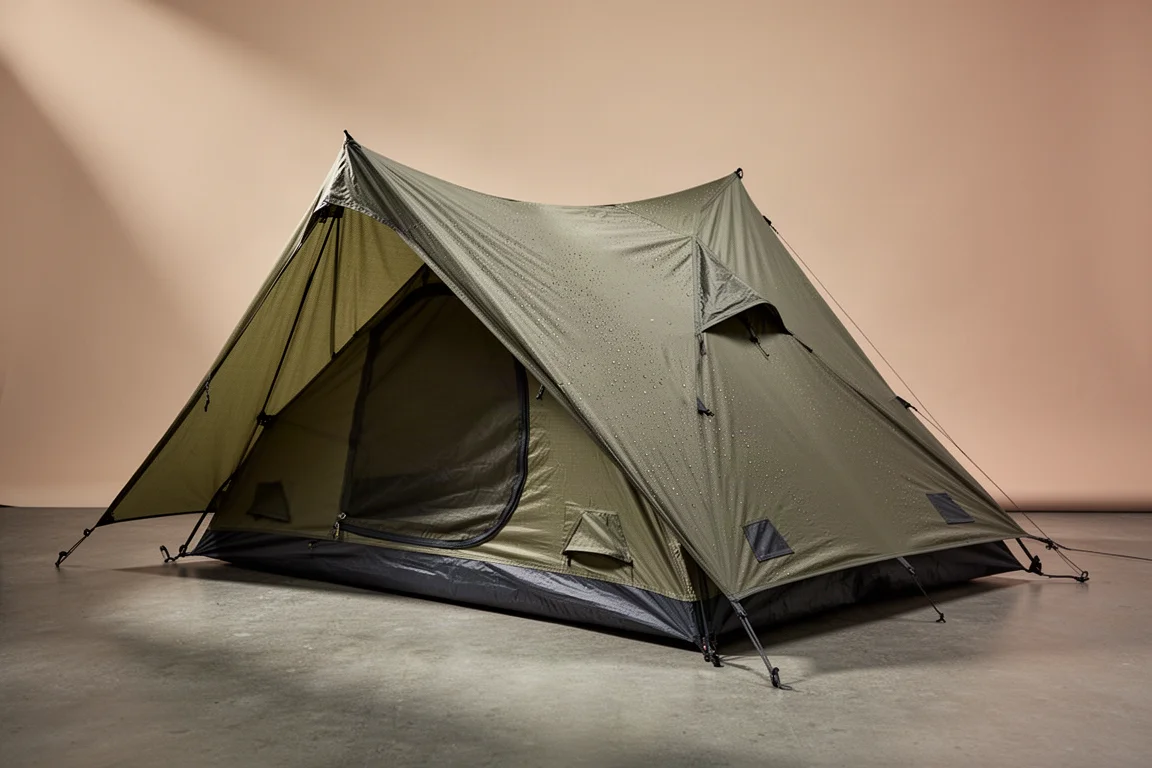
3F UL Gear Taiji Two-Person Tent Review: Field Waterproofing Results and Buying Advice
The Taiji pairs an attached fly with a removable inner, but sustained rain exposed untaped vent seams that need sealing before this shelter can be trusted.
Camping Tents
3FUL Gear Lanshan 2 Pro 4-Season Review: A Sub-$200 Single-Wall Trekking Pole Tent
An early look at the 3FUL Gear Lanshan 2 Pro 4-Season, covering its straightforward pitch, generous interior space, and the condensation and seam-sealing questions that come with any single-wall shelter.
Camping Tents
Alps Mountaineering Lynx 1-Person Tent Review: Big Value in a Small Budget Tent
A close look at the Alps Mountaineering Lynx 1-Person Tent, covering real interior dimensions, materials, setup time, ventilation limits, and who should buy it.