Camping Tents
Coleman Sundome Tents Compared: 2-Person vs 4-Person vs 6-Person
A measured comparison of the Coleman Sundome 2-Person, 4-Person, and 6-Person tents, covering setup time, peak height, floor space, weight, and price.
Introduction
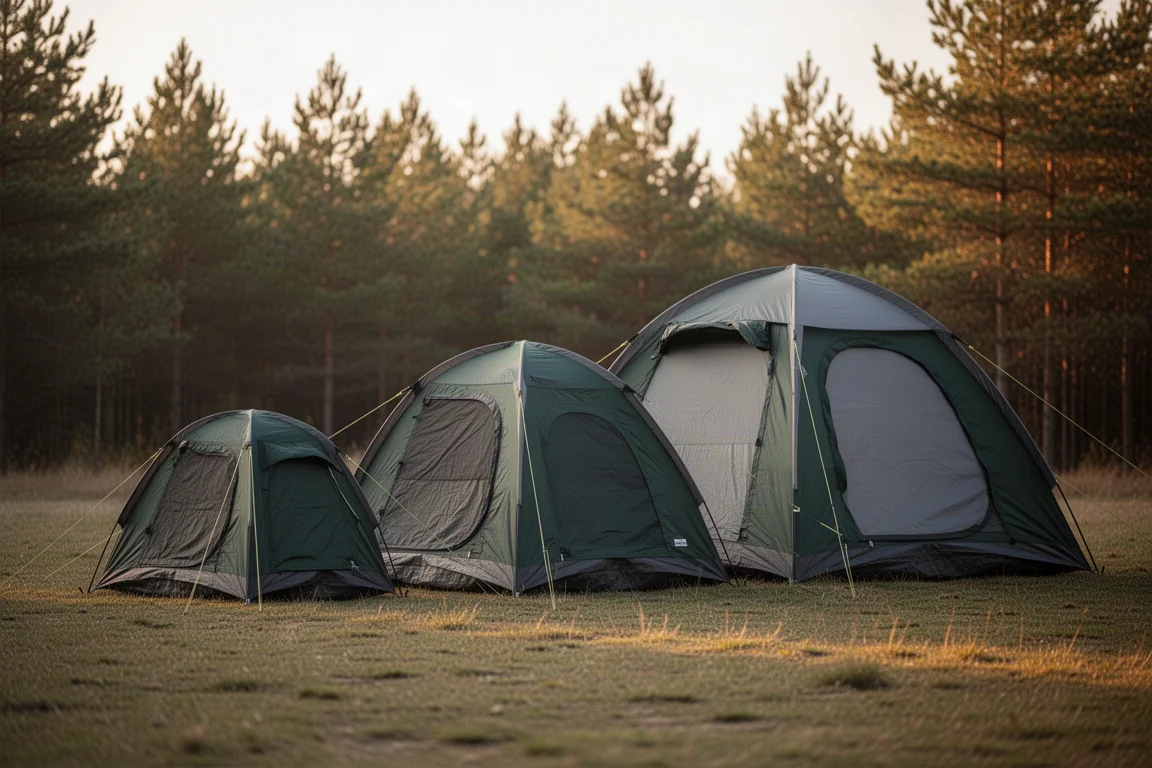
Coleman’s Sundome line covers several sizes that share the same basic shape and the same feature set, which makes the choice harder than it first appears. The 2-Person, 4-Person, and 6-Person versions are built around one design, so the differences that actually matter are interior height, floor area, weight, packed size, and price. This comparison sets out the measured numbers for each size so you can match one to the way you camp.
What All Three Sundome Tents Share
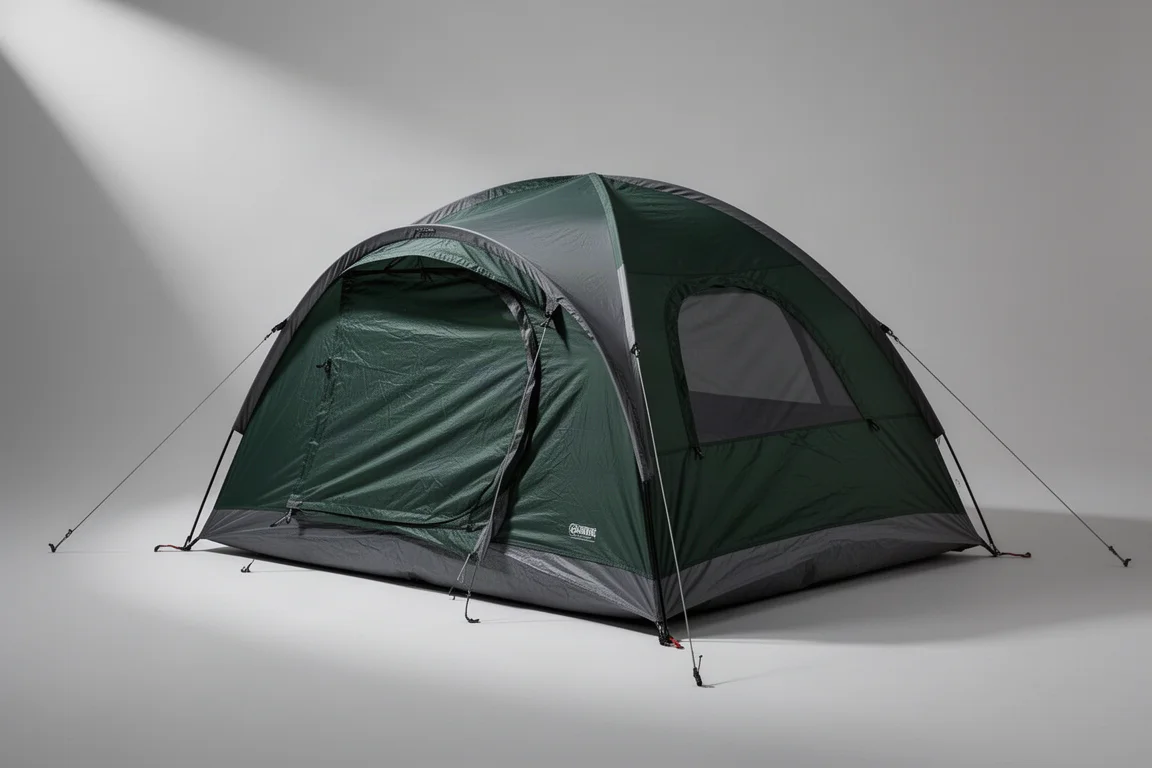
Across all three sizes the layout is identical: two windows, one door, and three vents. Storage does not scale with the tent either. Each size carries two pockets, one lantern loop, and one e-port for routing a power cable inside, so a larger Sundome does not add extra pockets or extra hanging points.
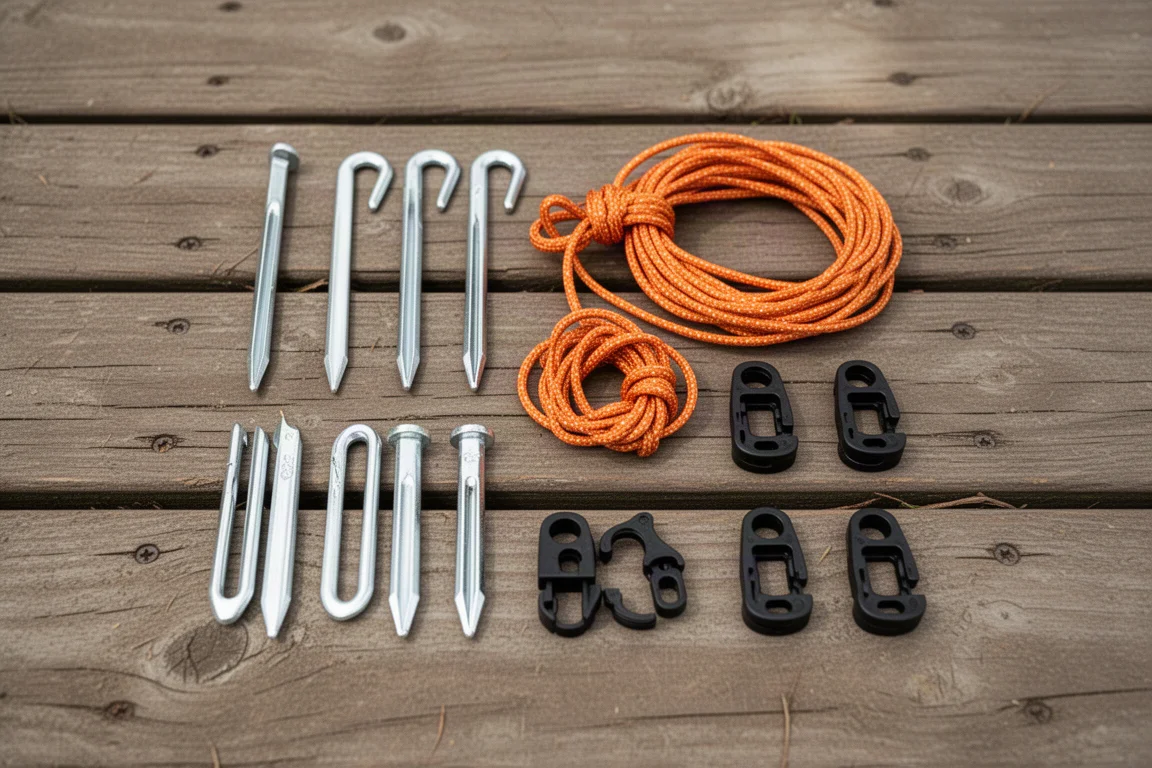
Pitching follows the same sequence on every size. The larger tent simply carries more hardware, and the 6-Person adds four extra pole clips, one extra stake loop under the door, and four extra guylines compared with the 2-Person. That extra hardware is the main reason setup time grows as the tent gets bigger.
Coleman Sundome 2-Person Tent
The 2-Person Sundome is the quickest of the three to handle, with setup taking about five and a half minutes and takedown about five minutes. It is also the lightest at roughly six and a half pounds, which matters if the tent has to travel any distance.
Peak height comes in at about 48.5 inches. That is a sitting and kneeling space rather than a standing one. Sleeping comfort depends on what goes underneath: a 4-inch sleeping pad felt perfectly comfortable, while a 9-inch thick mattress felt noticeably tighter, and anything thicker than that is not recommended.
Measured floor space is about 6 feet 9 inches by 4 feet 9 inches, a few inches under the marketed 7 by 5 feet. Even so, it fits two regular sleeping pads or one queen-sized bed. At under $50, it is also the least expensive way into the line.
Coleman Sundome 4-Person Tent
The 4-Person Sundome lands in the middle on nearly every measurement. Setup is estimated at around eight and a half minutes and takedown at about seven and a half, based on the step between the two sizes that were timed directly.
Peak height is listed at about 59 inches, and that figure holds up in practice. It is still not a standing tent. Most adults will need to slouch under the peak, so it works best as a space where you can sit up and move around comfortably rather than walk in.
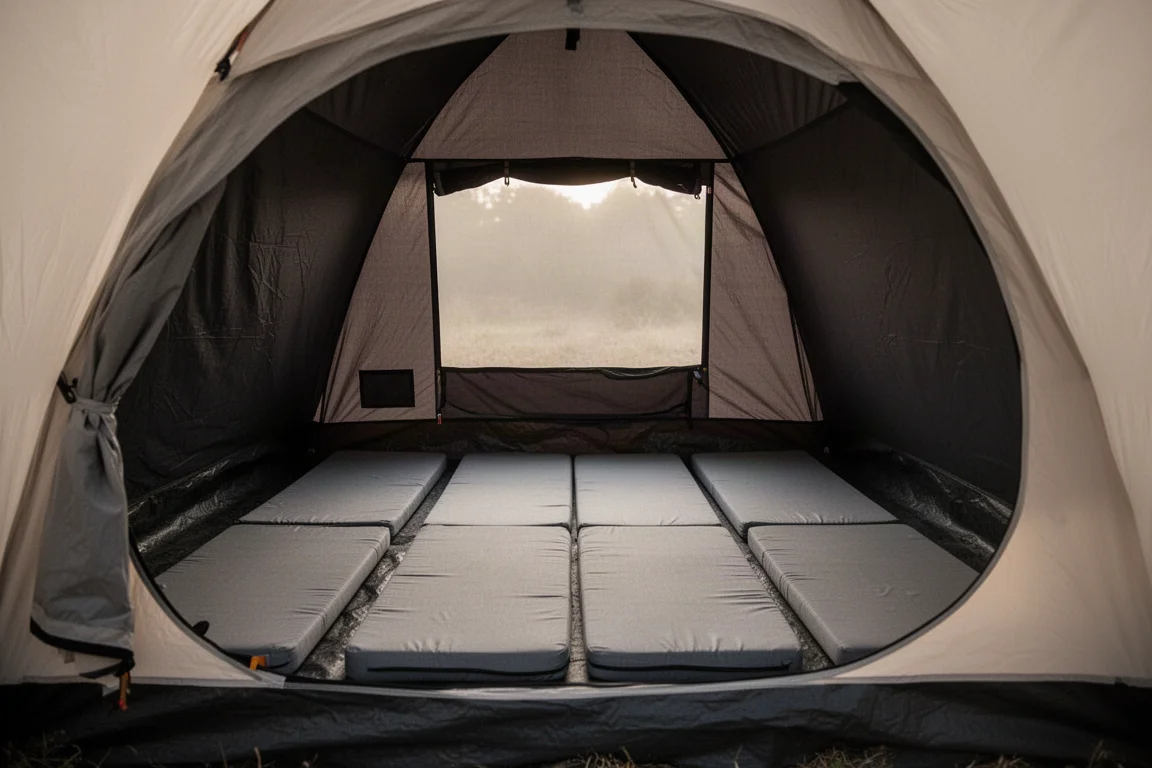
Floor area measures roughly 8 feet 8 inches by 6 feet 9 inches, again running a little under the marketed 9 by 7 feet. That is enough for four regular sleeping pads, or one queen bed with plenty of room left over. Weight sits around 10 pounds.
Expect pricing between the 2-Person and the 6-Person.
Coleman Sundome 6-Person Tent
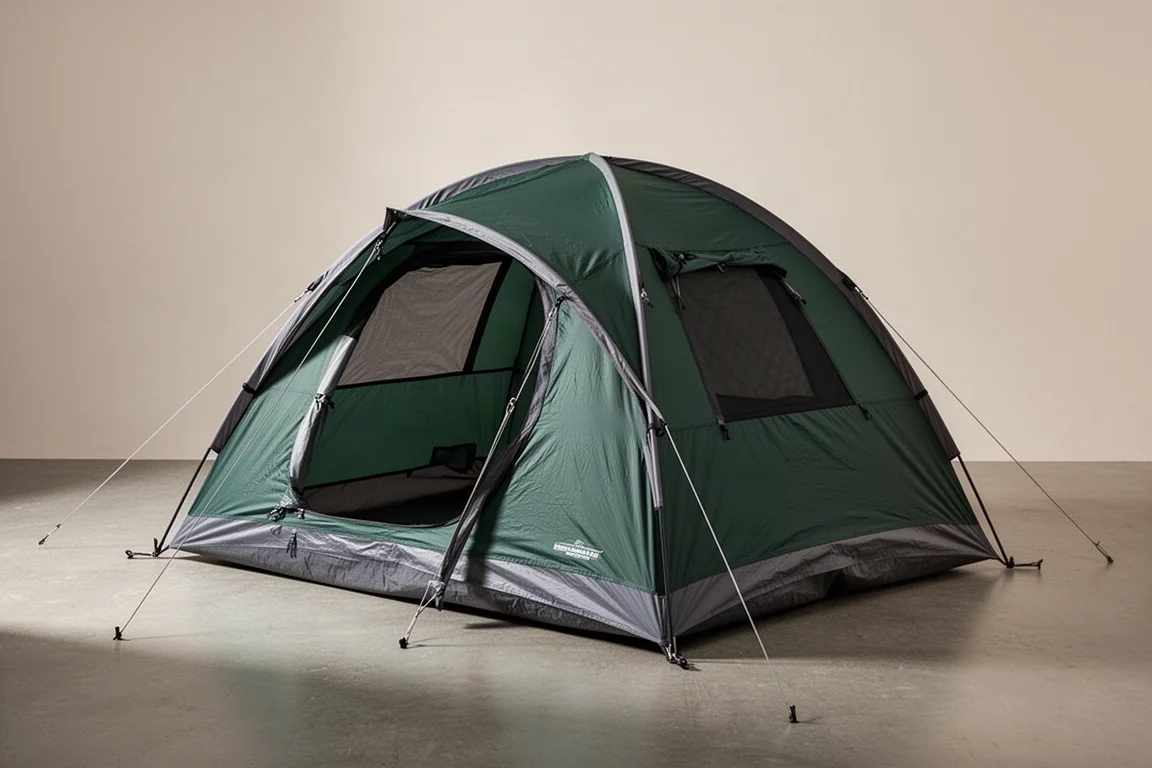
The 6-Person Sundome is the size that changes how the tent feels to use. Setup takes about eleven and a half minutes and takedown around ten, so it asks for more time and more hardware, but the interior height of about 74.5 inches is the payoff. Standing upright is easy with headroom to spare, and that holds true even on top of a thick air mattress.
Measured floor space is roughly 9 feet 8 inches by 9 feet 7 inches, slightly under the marketed 10 by 10 feet, and still generous enough for six regular sleeping pads or two almost queen-sized mattresses.
The trade-offs are weight and bulk. At about 16 pounds it is the heaviest of the three, and its packed size is roughly two and a half times that of the 2-Person. Price is around $100.
How Setup Time, Weight, and Packed Size Compare
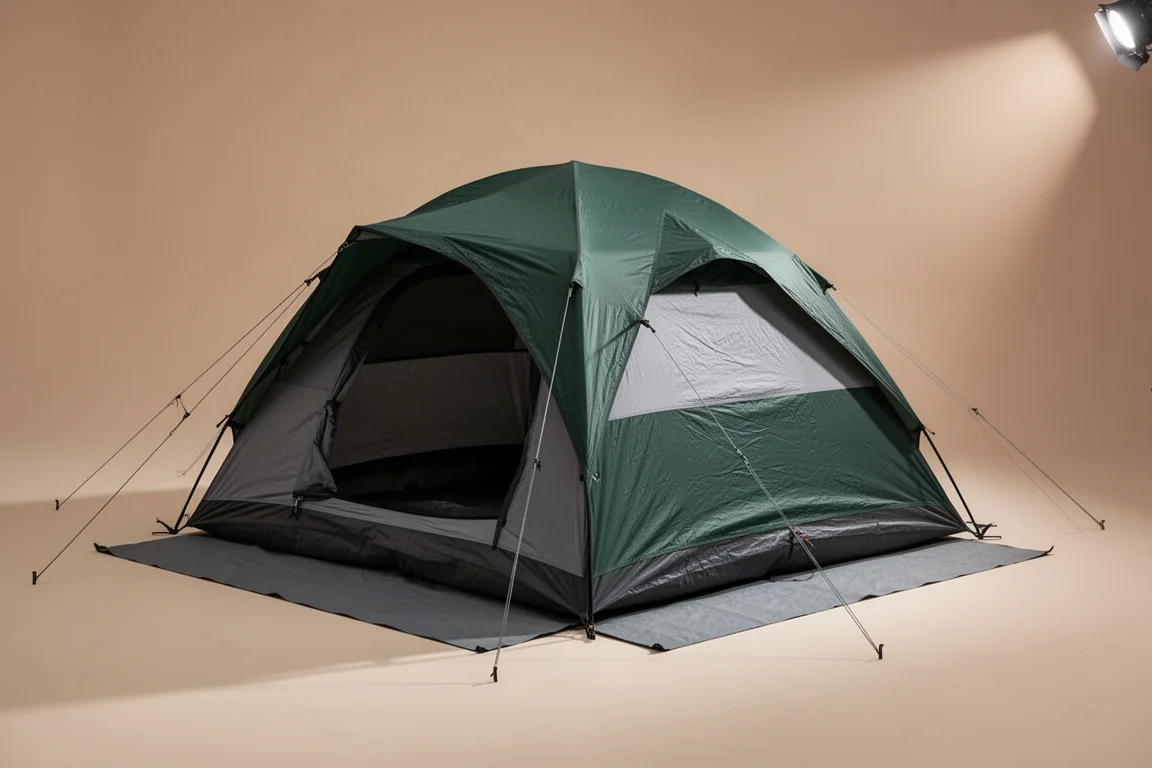
Setup time climbs with size: about five and a half minutes for the 2-Person, an estimated eight and a half for the 4-Person, and about eleven and a half for the 6-Person. Takedown follows the same pattern at roughly five minutes, seven and a half minutes, and ten minutes.
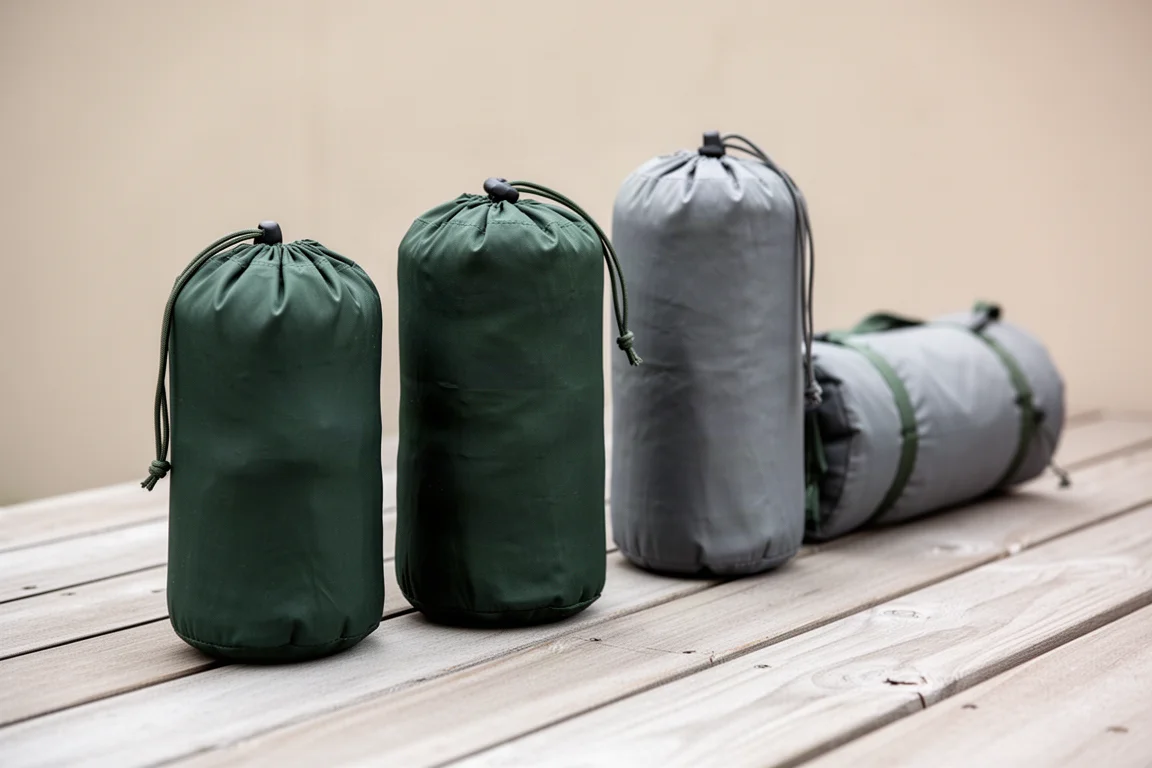
Weight moves in the same direction, from about six and a half pounds to an estimated 10 pounds and then to about 16 pounds. Packed size is the more dramatic difference, with the 6-Person taking up roughly two and a half times the volume of the 2-Person.
What to Check Before You Buy
Two details are worth knowing before you settle on a size. First, the measured floor areas run a few inches smaller than the marketed dimensions on all three tents, so plan the sleeping setup around the real numbers rather than the listed ones.
Second, the 4-Person figures for setup time, takedown time, and weight are estimates derived from the two sizes that were measured directly, so treat them as close approximations rather than exact readings. Interior height is the factor that separates these tents most clearly, and it is the one worth deciding on first.
Which Sundome Size Should You Buy?
If weight, packed size, and price are not constraints, the 6-Person Sundome is the strongest choice of the three. Being able to stand upright, and to stand on top of a thick air mattress with headroom still left, makes it feel considerably roomier than the smaller models, and for car camping that single difference outweighs the extra bulk.
If you carry your tent or want to spend as little as possible, the 2-Person is the practical pick at under $50 and roughly six and a half pounds. The 4-Person is the compromise for anyone who wants more floor space than the smallest size without taking on the weight and packed volume of the largest one.
Conclusion
All three Sundome tents share the same features and the same pitching process, so the decision comes down to how you camp. Choose the 6-Person for interior height and space, the 2-Person for light weight and a low price, and the 4-Person when you want a middle ground on both.
Further reading
Related Reviews
Camping Tents
3F UL Gear Taiji Two-Person Tent Review: Field Waterproofing Results and Buying Advice
The Taiji pairs an attached fly with a removable inner, but sustained rain exposed untaped vent seams that need sealing before this shelter can be trusted.
Camping Tents
3FUL Gear Lanshan 2 Pro 4-Season Review: A Sub-$200 Single-Wall Trekking Pole Tent
An early look at the 3FUL Gear Lanshan 2 Pro 4-Season, covering its straightforward pitch, generous interior space, and the condensation and seam-sealing questions that come with any single-wall shelter.
Camping Tents
Alps Mountaineering Lynx 1-Person Tent Review: Big Value in a Small Budget Tent
A close look at the Alps Mountaineering Lynx 1-Person Tent, covering real interior dimensions, materials, setup time, ventilation limits, and who should buy it.