Camping Tents
Coleman Sundome 6 vs The North Face Wawona 6: Budget and Premium Camping Tents Compared
A side-by-side look at the Coleman Sundome 6 and The North Face Wawona 6, covering vestibule space, weather protection, materials, and who each tent suits.
Introduction
Roughly $400 separates these two six-person tents, and the differences reach into almost every part of the camping experience. The Coleman Sundome 6 sells for around $100 and keeps things as simple as a large tent can be. The North Face Wawona 6 costs close to $500 and adds a deep vestibule, a more involved pole structure, and considerably heavier weather protection.
Neither approach is wrong. What matters is knowing which set of trade-offs matches how you actually camp, so the comparison below focuses on the features that change most between the two.
How These Two Tents Compare
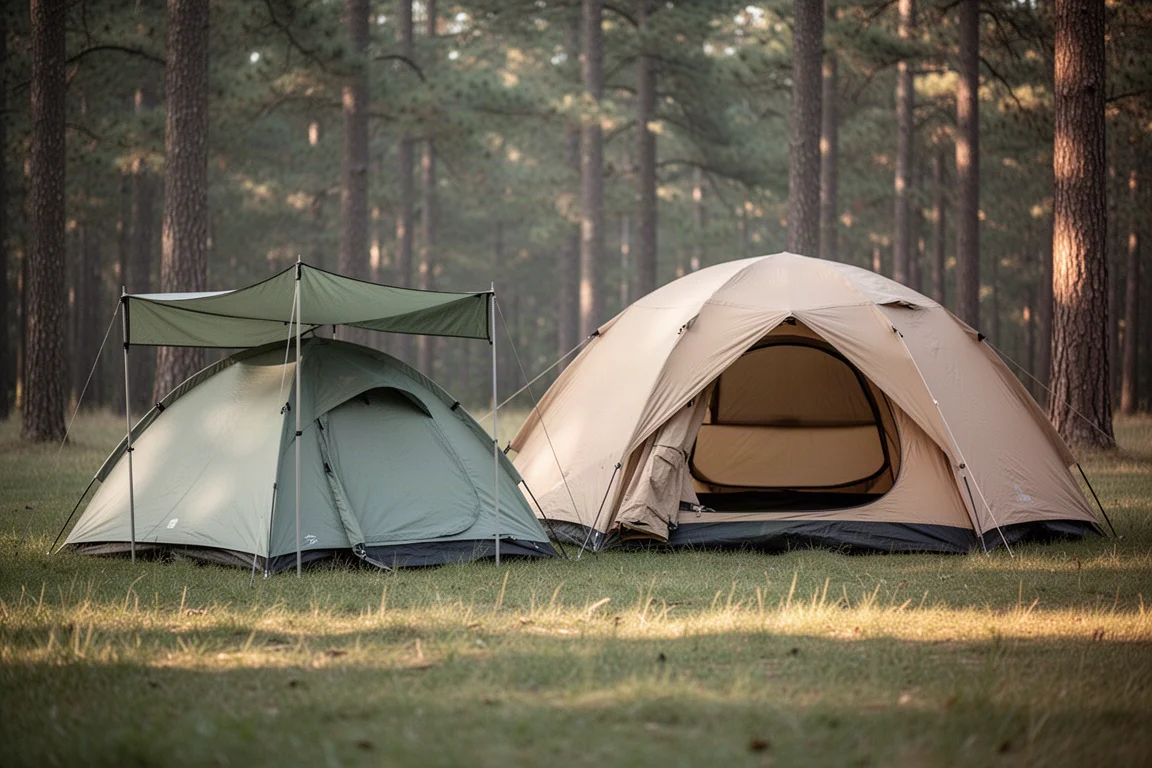
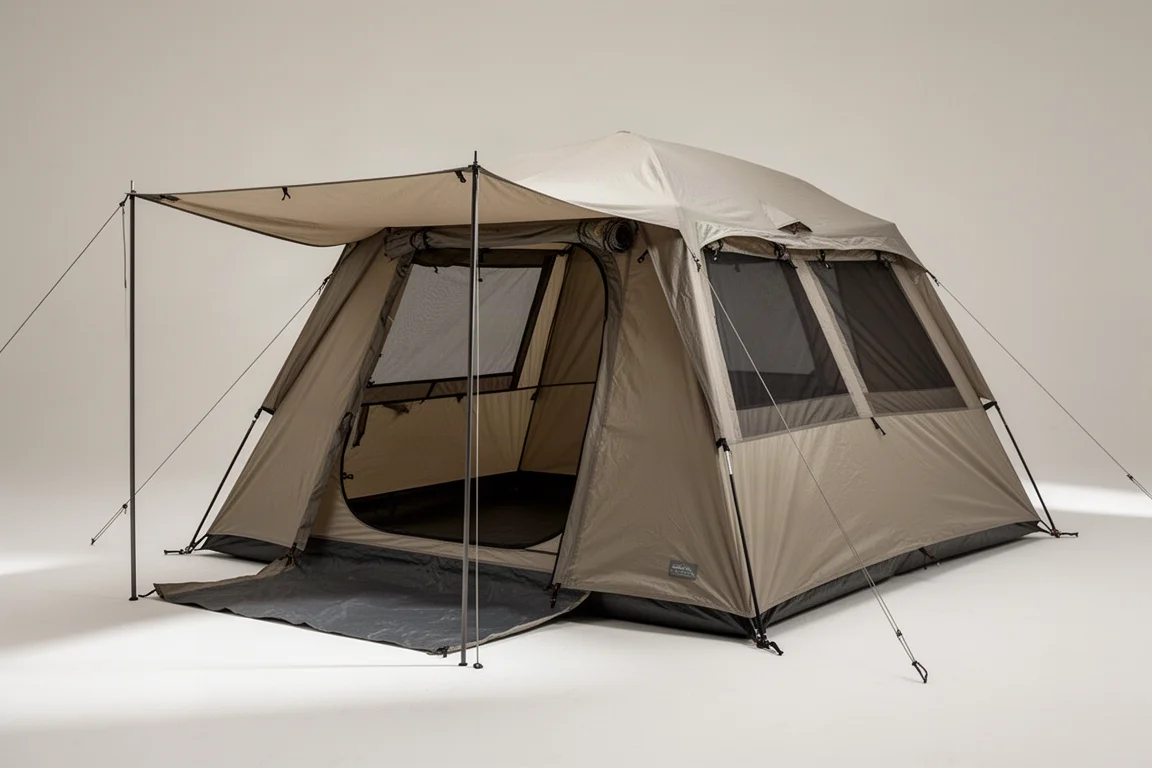
The clearest difference is the vestibule. The Sundome 6 has none. Its rainfly pole overhangs slightly and shields the door, but nothing outside the tent is covered, so boots left by the entrance will get wet in light rain.
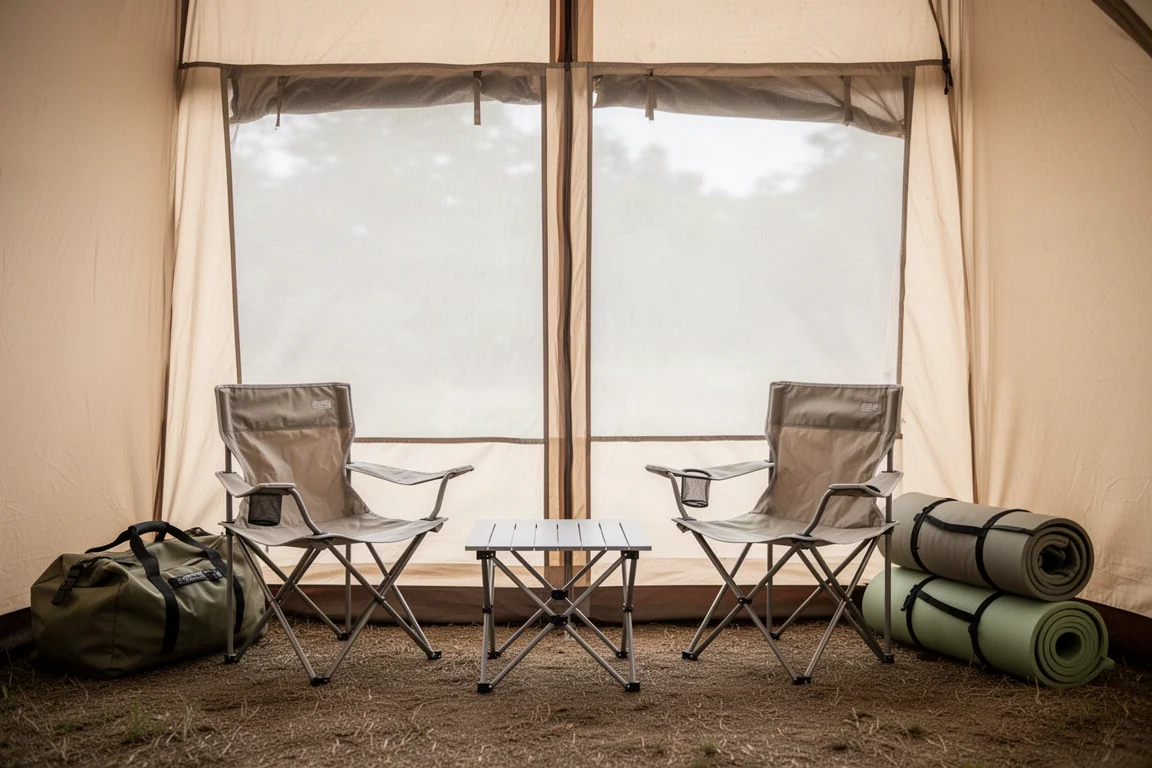
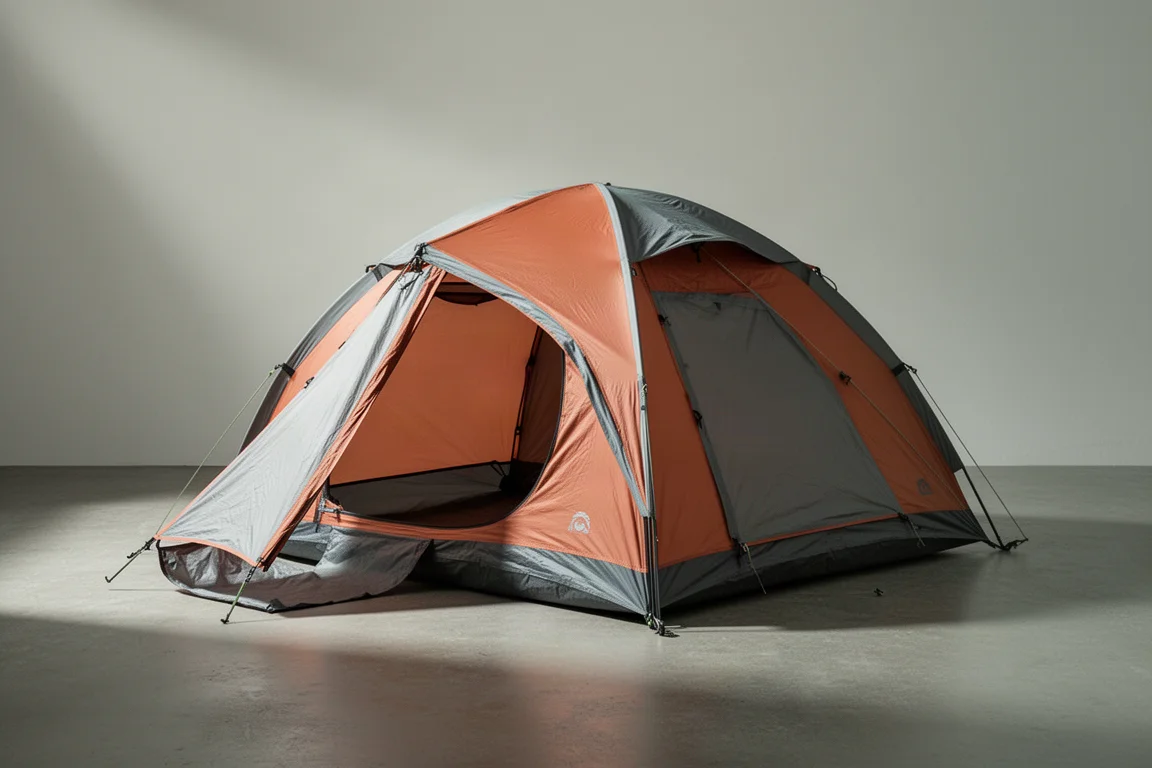
The Wawona 6 goes the opposite way. Its vestibule base area measures about 51 square feet, roughly two-thirds the base area of the inner tent body. That is enough room for two chairs plus a camping table, with space left over.
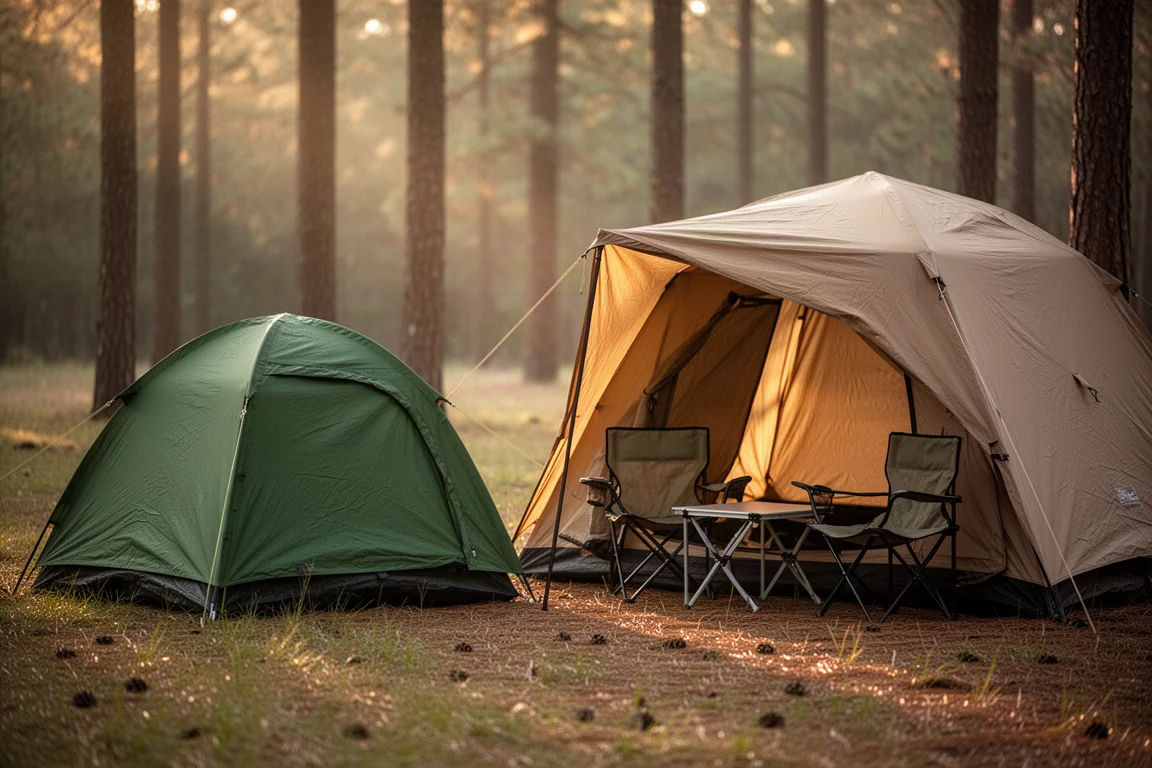
Inside, the two tents diverge further. The Sundome relies on a two-pole criss-cross structure, and its walls slope inward, so headroom falls away quickly as you move from the centre. The Wawona’s inner tent adds a third pole that pushes the fabric upward and outward, producing a vertical front wall you can stand directly against.
Coleman Sundome 6: The Budget Pick
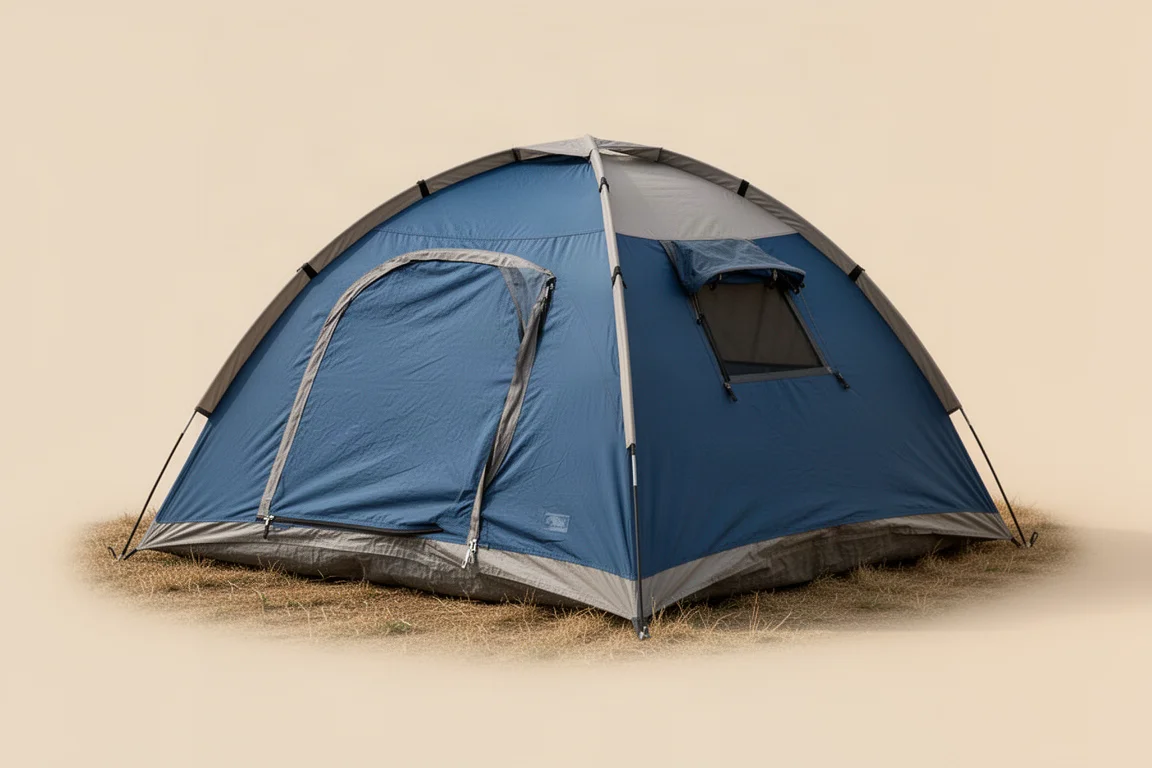
At around $100, the Sundome 6 is a straightforward two-pole dome tent with no pretence of being anything more. The poles cross to create the dome shape, and it ranks among the better budget-friendly family tents in this price bracket.
That simplicity shapes everything else. There is no vestibule, so sheltered space outside the sleeping area is essentially nonexistent. Because the walls slope inward, headroom drops off fast: move two steps back from the peak and your head meets the ceiling.
Materials follow the same logic. The floor is polyethylene, an inexpensive tarp-like material that feels less smooth underfoot and sounds crunchier when you step on it. The rainfly and tent body use 68-denier polyester, and the poles are fibreglass, which is less sturdy and more likely to break. Thin fibreglass poles of this type can snap straight out of the box.
The North Face Wawona 6: The Premium Pick
Close to $500 buys a noticeably different structure. The Wawona 6 pairs the same two criss-crossing poles with a third pole for the inner tent that extends the fabric upward and outward. The payoff is a completely vertical front wall. Standing directly against it, there is no need to stoop.
The vestibule is the headline feature. Its base area of roughly 51 square feet covers about two-thirds of the inner tent footprint, and it holds two chairs and a camping table comfortably.
Pricing also shows in the poles and fabric. The Wawona uses DAC MX aluminium poles, a high-grade aluminium that snapped together easily and held its shape without bending through weeks of use. The floor is 150-denier polyester, while the tent body and rainfly are 75-denier polyester.
The North Face backs the Wawona 6 with a limited lifetime warranty, against one year from Coleman, which is a fair indication of how long each brand is prepared to stand behind its product.
Setup Time and Day-One Usability
More poles and more fabric mean more time at the pitch. The Sundome 6 goes up in roughly 11 and a half minutes, thanks to its two-pole dome and the absence of a vestibule. The Wawona 6 runs closer to 20 minutes, since the vestibule and the extra inner pole both need to be pitched and tensioned.
That gap is worth planning around rather than treating as a flaw. It is the direct cost of the extra features, and it matters most on arrival in bad weather or on trips where you pitch and strike camp every day.
Rain Protection, Seams, and Materials
This is where the price gap carries the most weight. The Wawona 6 applies a 1,200 mm polyurethane coating to every part of the tent: the rainfly, the floor, and the tent body itself. Every rainfly seam is taped, and every interior seam not covered by the rainfly is taped as well. Through three hours of heavy, pouring rain, the interior stayed completely dry. Across three consecutive days of comparable rain, at least three hours each day, the back wall was only slightly damp to the touch after the third day, with no water entering the tent.
The Sundome 6 behaves differently. Under heavy rain, the first drop of water made it inside after about 35 minutes. Coleman does not typically publish a waterproof rating for its tents, and the fabric can absorb water rather than shed it. Coleman’s WeatherTec construction uses inverted but untaped seams, and those seams accounted for most of the leakage observed. Anyone expecting heavy rain should plan to seal them before the first trip.

It is worth keeping the Sundome’s performance in perspective. Within the Coleman range it is one of the stronger performers: the brand’s Instant tents and pop-up models leaked within about 15 minutes under comparable conditions, largely because their rainflies cover less area.
Storage, Doors, and Ventilation
Storage separates the two tents sharply. The Wawona 6 provides nine pockets in total: four above the small back door, three on the window fabric of the back door, and two at the sides, one on each side. It also has eight loops for hanging gear, including one at the very top centre, four around it, and three in the vestibule. The Sundome 6 offers two interior pockets and a single lantern loop at the top, which is a small amount of organisation for a six-person tent.
Placement matters as much as quantity. Premium tents tend to position pockets where door or rainfly fabric protects them, so pocket seams do not become a leak path. On some budget models, side-mounted pockets have allowed water into the tent during rain testing, so it is worth checking how pockets are positioned before buying.
Doors follow the same pattern. The Wawona 6 has a front door plus a smaller back door at the opposite end, both snag-free and operable one-handed, with the full door unzipping in about three seconds. The doors take up almost the entire wall, are large enough to move entire double pads in and out, and measure 70 inches from the ground to the top, so there is no ducking. Its SBS zippers sit a grade below YKK but are still branded. The Sundome 6 has one door, smaller and clearly not covering the whole wall, measuring 56 inches tall, which is 14 inches lower and requires ducking. Its zippers are unbranded, and the rain flap interferes with the track, so one hand is needed to hold the flap clear while the other zips.
Ventilation is the final divide. The Wawona’s mesh has very fine openings that keep out smaller insects, and it feels soft and silky to the touch. Roughly three-quarters of the front vertical wall above a certain height is mesh, the four walls have mesh panels that join at the top to form a mesh ceiling, and the back window opens for extra airflow. The Sundome’s mesh openings are larger, so smaller insects will get through, and the mesh feels less smooth. Even so, mesh coverage is reasonable for the price, and considerably better than many no-brand tents that use more fabric simply because it is cheaper to manufacture.
Buying Advice: Which Tent Makes Sense for You
The right answer depends on a handful of practical questions: how large your budget is, whether this is your first camping trip, how often you expect to camp, and whether you mostly camp in fair weather.
If camping is new, if it is unclear whether it will become a regular habit, and if trips are mostly fair-weather, the Sundome 6 is a sensible starting point at around $100. It delivers a decent family camping tent for the money and carries very little financial risk.
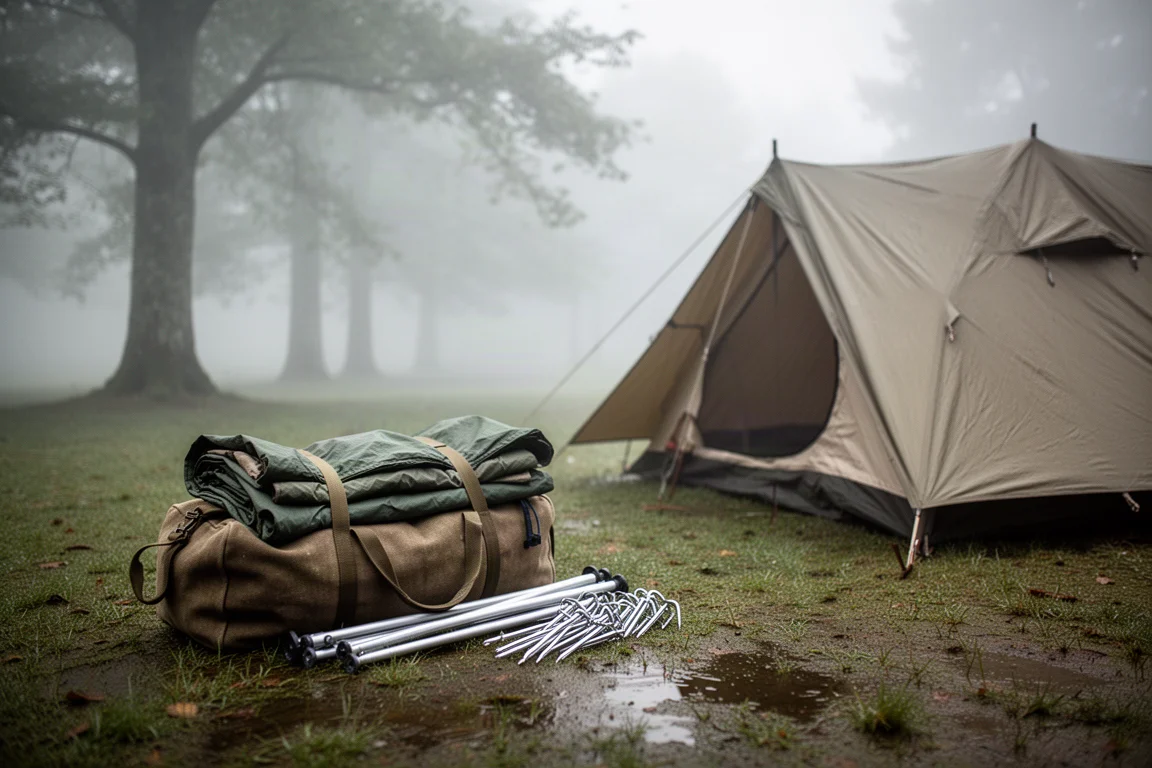
If you camp often through the summer and sometimes in unpredictable, heavy rain, the Wawona 6 is the more durable long-term purchase. At close to $500 it costs far more up front, but the build quality and the limited lifetime warranty point to years of service, which changes the per-year maths considerably compared with replacing a budget tent season after season.
A simple way to frame the choice: the budget tent is a low-risk way to find out whether you enjoy camping, while the premium tent is a decision to stop replacing gear.
Conclusion
Both tents do exactly what their price suggests. The Coleman Sundome 6 keeps the pitch short, the cost low, and the feature list minimal, which suits first-time campers and fair-weather family trips. The North Face Wawona 6 costs far more and returns a large vestibule, a vertical front wall, generous storage, finer mesh, and weather protection that held up through hours of heavy rain.
Match the tent to the trips you actually take, and either purchase will make sense.
Further reading
Related Reviews
Camping Tents
3F UL Gear Taiji Two-Person Tent Review: Field Waterproofing Results and Buying Advice
The Taiji pairs an attached fly with a removable inner, but sustained rain exposed untaped vent seams that need sealing before this shelter can be trusted.
Camping Tents
3FUL Gear Lanshan 2 Pro 4-Season Review: A Sub-$200 Single-Wall Trekking Pole Tent
An early look at the 3FUL Gear Lanshan 2 Pro 4-Season, covering its straightforward pitch, generous interior space, and the condensation and seam-sealing questions that come with any single-wall shelter.
Camping Tents
Alps Mountaineering Lynx 1-Person Tent Review: Big Value in a Small Budget Tent
A close look at the Alps Mountaineering Lynx 1-Person Tent, covering real interior dimensions, materials, setup time, ventilation limits, and who should buy it.