Camping Tents
Coleman Sundome 6-Person Tent Review: How It Handles Heavy Rain
A practical look at the Coleman Sundome 6-Person Tent, including seam construction, rainfly coverage, ventilation, and where it starts to leak in sustained heavy rain.
Introduction
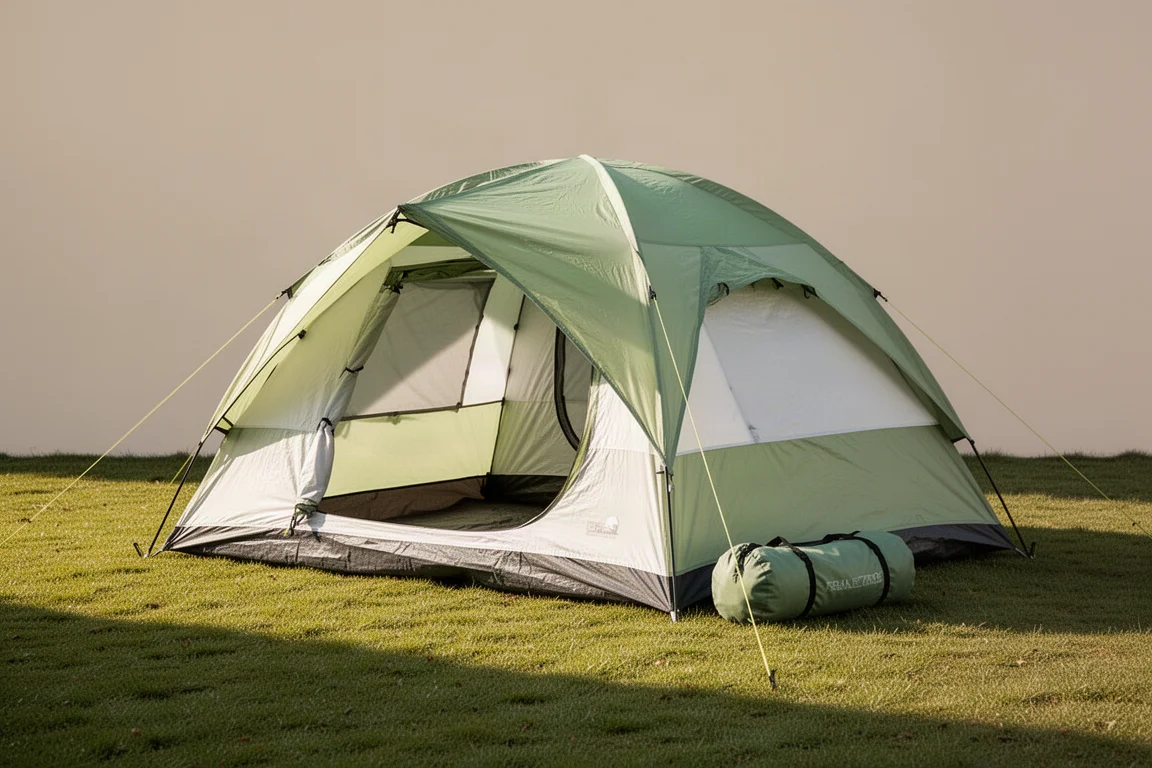
The Coleman Sundome 6-Person Tent is a familiar dome design aimed at campers who want a straightforward shelter at an accessible price. The question that matters most for anyone considering it is simple: what actually happens when the weather turns?
To find out, the tent was pitched and put through a sustained heavy rain simulation using a water hose, with the flow concentrated on two of its walls. No additional waterproofing spray or seam sealant was applied beforehand. The tent held up to roughly 30 to 35 minutes of heavy, continuous rainfall before the first drops appeared inside.
That result is best understood in context. This is not the most waterproof tent on the market, and it does not pretend to be. But for the price, the performance is reasonable, and the way it reaches its limit is predictable, which is often more useful to know than a headline number.
Who This Tent Is For
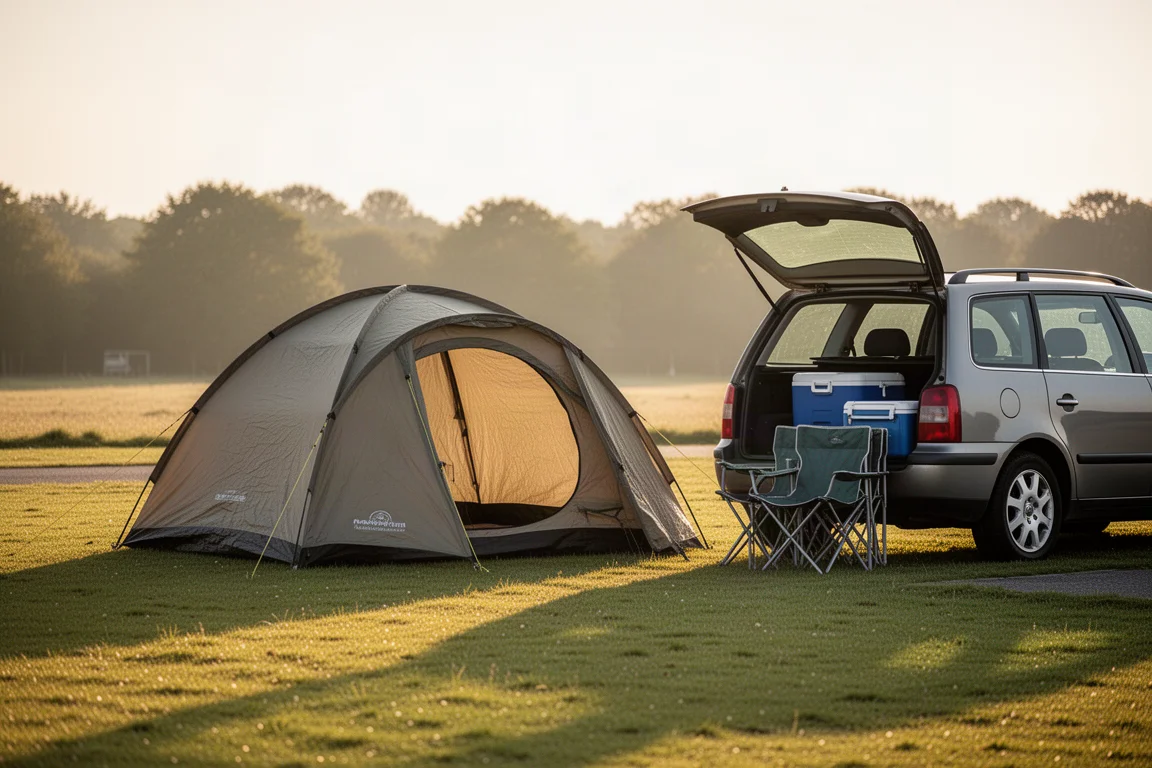
This tent suits campers who want a roomy six-person dome for fair-weather trips and who accept that a sudden downpour is a possibility rather than a certainty. It is a sensible choice for car camping, festival weekends, and family trips where the tent is pitched close to a vehicle and a dry backup exists.
It is less suited to anyone who regularly camps through multi-day storms or pitches in exposed, wind-driven rain. Campers who expect that kind of weather should look at a tent with fully taped seams and more generous rainfly coverage on every side.
Main Strengths
Several design decisions work in the Sundome’s favour when rain arrives.
The rainfly is the first line of defence, and every seam on it is taped. That matters because the rainfly takes the brunt of the water before it ever reaches the inner tent body.
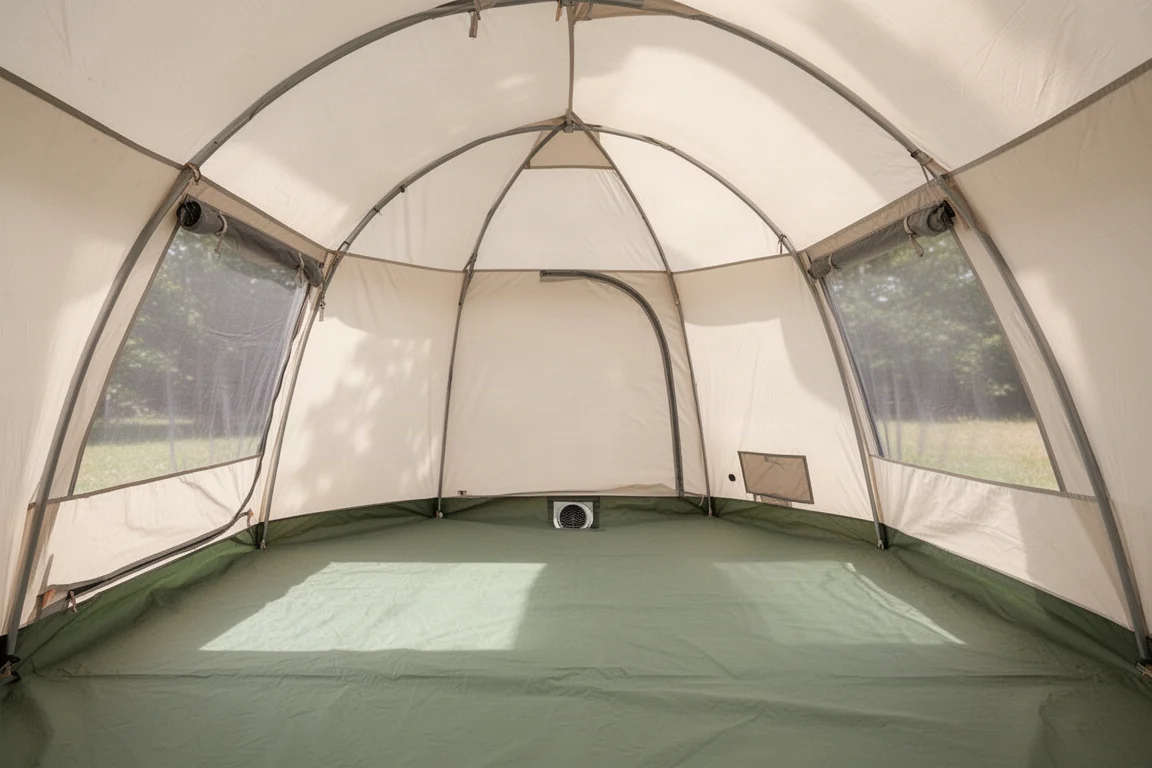
The bathtub flooring is the second. It extends up the walls to about eight and a half inches, creating a continuous waterproof tray rather than a flat floor with a stitched edge at ground level. In testing, this kept the floor and the lowest fabric completely dry even after more than half an hour of heavy water.
Ventilation is the third. Mesh walls, windows that can be cracked open when the wind is light, and a ground vent all allow air to move through the tent. In wet weather this reduces condensation, which is often what makes a tent feel damp even when rain has not entered it.
Rain Performance and Seam Protection
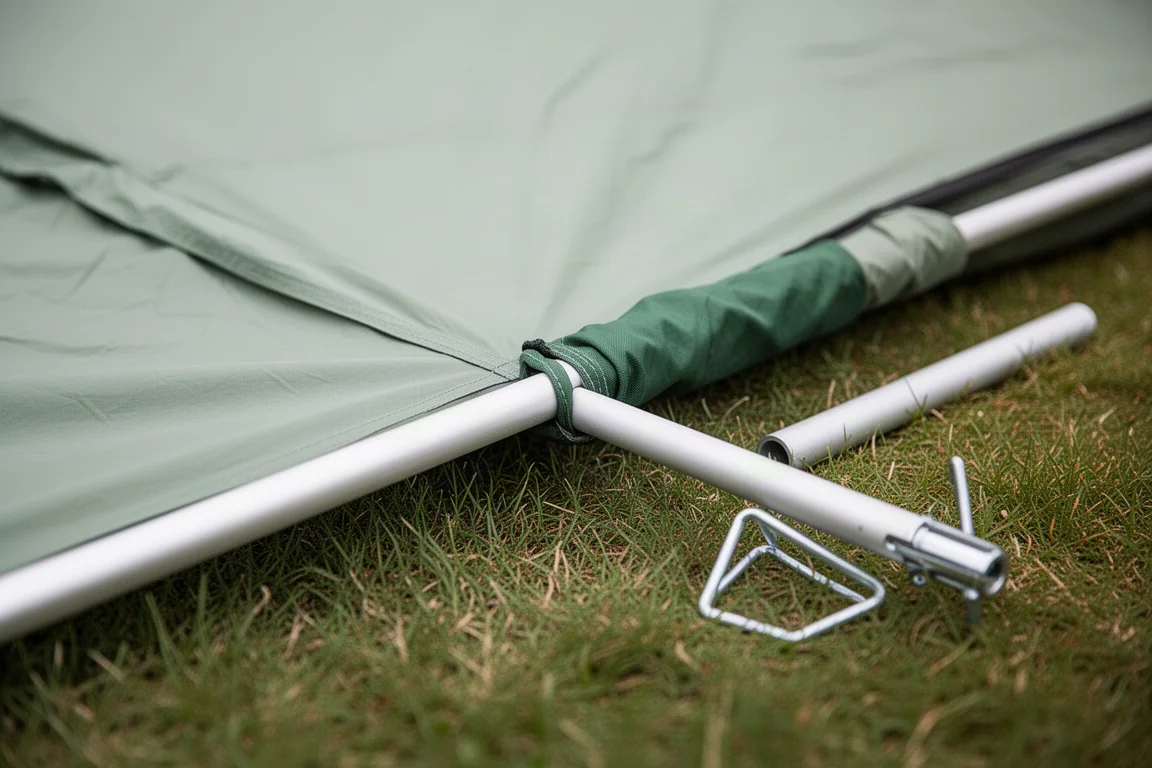
The seam construction is where the tent’s limits become clear. Inside, only the vent is seam taped. The remaining seams are untaped, though several have been inverted, including the seam where the green tent body meets the bathtub flooring, the vertical seams, and some middle seams. These inverted seams sit in areas with less rainfly protection, so the inversion adds a measure of defence. Seams that already benefit from more rainfly coverage, such as the window seam, door seam, and mesh wall seam, are not inverted.
The test exposed an important asymmetry. One wall, the one under the lighter-coloured section of rainfly, received noticeably less coverage than the opposite wall. Water dripped onto the mesh of the window on that side, and after about 30 minutes a small amount of leaking appeared through a corner. The bathtub flooring seam on that same side began to feel slightly damp, and water could be seen sitting inside the seam before it had dripped through. Five minutes later, at roughly the 35-minute mark, the first drops came through that seam.
The other wall told a different story. With the longer rainfly coverage, the mesh wall stayed dry, the fabric inside stayed dry, and the bathtub flooring seam was still completely dry after the same 35 minutes of heavy rain. The difference came down to rainfly length: more coverage means less water running down the inner walls and fewer opportunities for water to reach a seam.
One practical caution emerged during the test. If the door is left to droop back into the tent, rainwater pooling on it will end up inside. Keeping the door staked or secured matters more than it might seem.
Ventilation in Wet Weather
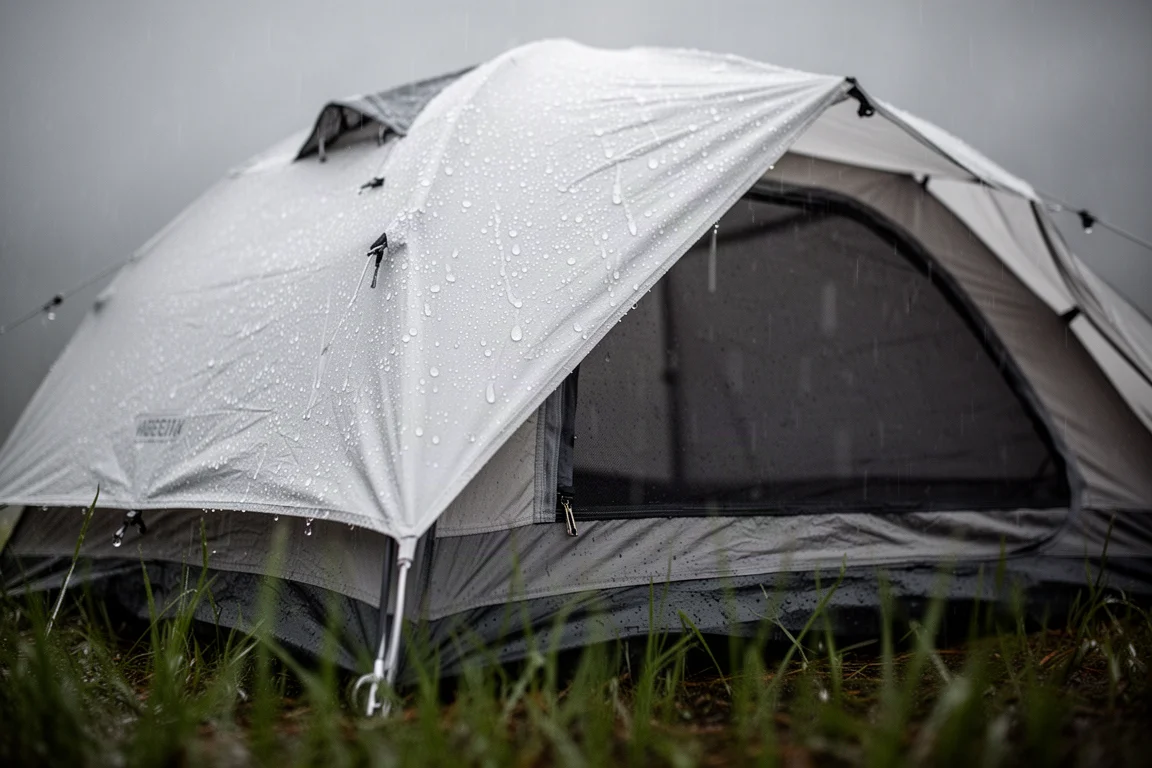
Closing a tent up against rain usually means trading airflow for dryness. Here, the rainfly does a good job of shielding the mesh walls, so air can still move through them without rain entering. Windows can be cracked slightly when the wind is not strong, and the ground vent adds a little more circulation near the floor.
The result is a tent that stays reasonably breathable in wet conditions rather than turning into a sealed, condensation-prone box. All the fabric inside remained dry through the test, including the mesh wall on the better-protected side.
Things to Consider Before Buying
Expectations should be set carefully. This is a decent tent for the price, not a storm-proof shelter. Roughly 30 to 35 minutes of heavy rain is the practical limit in the configuration tested, and that window will be shorter in wind-driven rain or on exposed ground.
The untaped seams outside the vent are the main structural compromise. The bathtub flooring seam is the first place water will appear, which makes it the highest-priority area for anyone who wants more margin.
Rainfly coverage is uneven between the two sides, so it is worth pitching the tent with the longer, lighter-coloured rainfly section facing the direction weather usually arrives from. That single decision meaningfully changes how much protection the inner walls receive.
Buying Advice
If the Sundome 6-Person Tent matches your budget and your camping style, the sensible approach is to treat seam sealing as part of the setup rather than an optional extra. Sealing the bathtub flooring seam in particular addresses the first point of failure observed in testing, and it is a straightforward job to complete before the first trip.
Beyond that, pitch with the better-covered wall facing the weather, keep the door secured so it cannot droop inward, and use the ventilation options when conditions allow. Do that, and the tent performs as a capable, affordable shelter for ordinary camping weather, with a clear understanding of where its limits sit.
Conclusion
The Coleman Sundome 6-Person Tent is not the most waterproof tent available, and it does not claim to be. What it offers is predictable behaviour, useful ventilation, a bathtub floor that keeps the interior dry, and a taped rainfly that handles the bulk of the water. For campers who want a roomy six-person tent at an accessible price and are willing to seal one seam, it is a reasonable and honest choice.
Product link
View more details for Coleman Sundome 6-Person Tent
This product is mentioned in the review. Check the specifications, options, and compatibility before buying.
View more details for Coleman Sundome 6-Person TentFurther reading
Related Reviews
Camping Tents
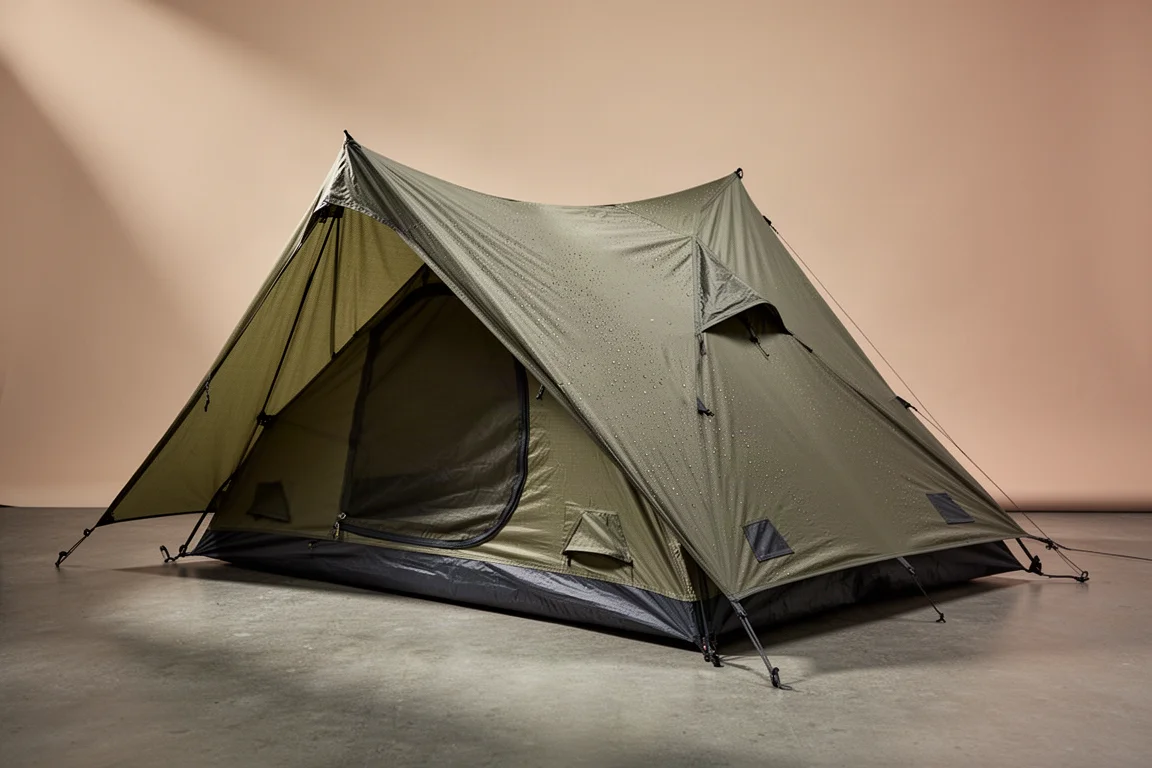
3F UL Gear Taiji Two-Person Tent Review: Field Waterproofing Results and Buying Advice
The Taiji pairs an attached fly with a removable inner, but sustained rain exposed untaped vent seams that need sealing before this shelter can be trusted.
Camping Tents
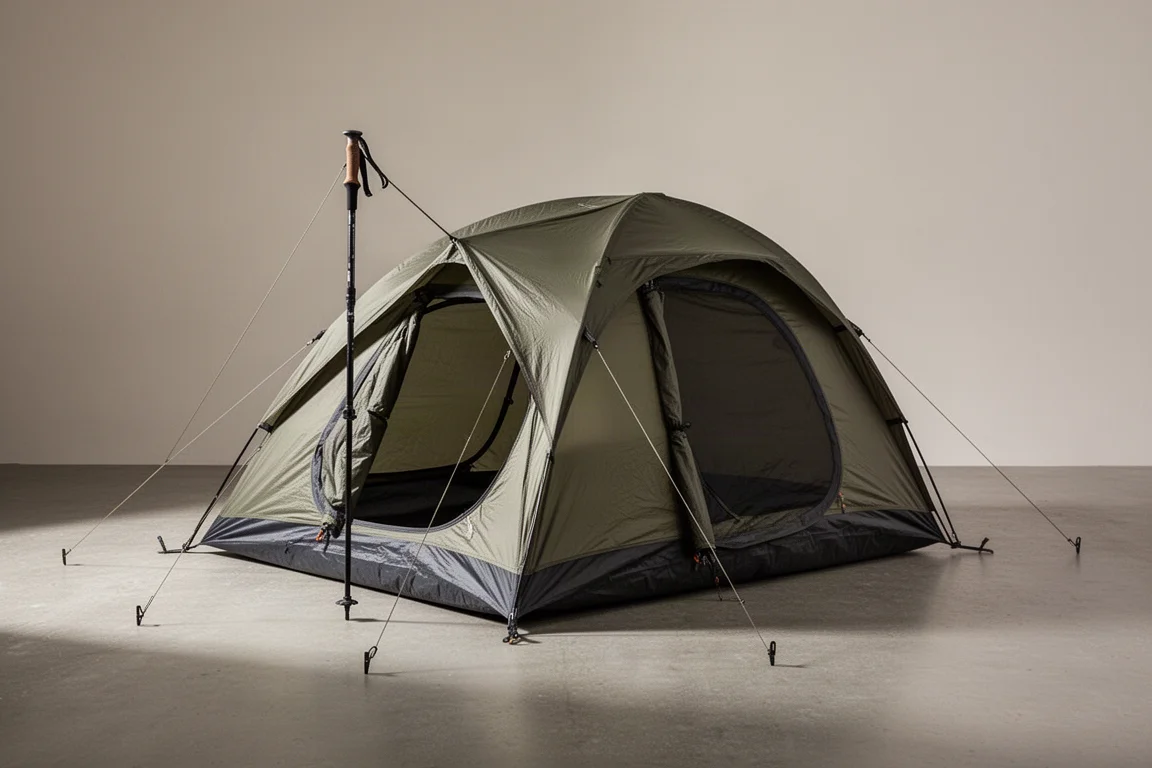
3FUL Gear Lanshan 2 Pro 4-Season Review: A Sub-$200 Single-Wall Trekking Pole Tent
An early look at the 3FUL Gear Lanshan 2 Pro 4-Season, covering its straightforward pitch, generous interior space, and the condensation and seam-sealing questions that come with any single-wall shelter.
Camping Tents
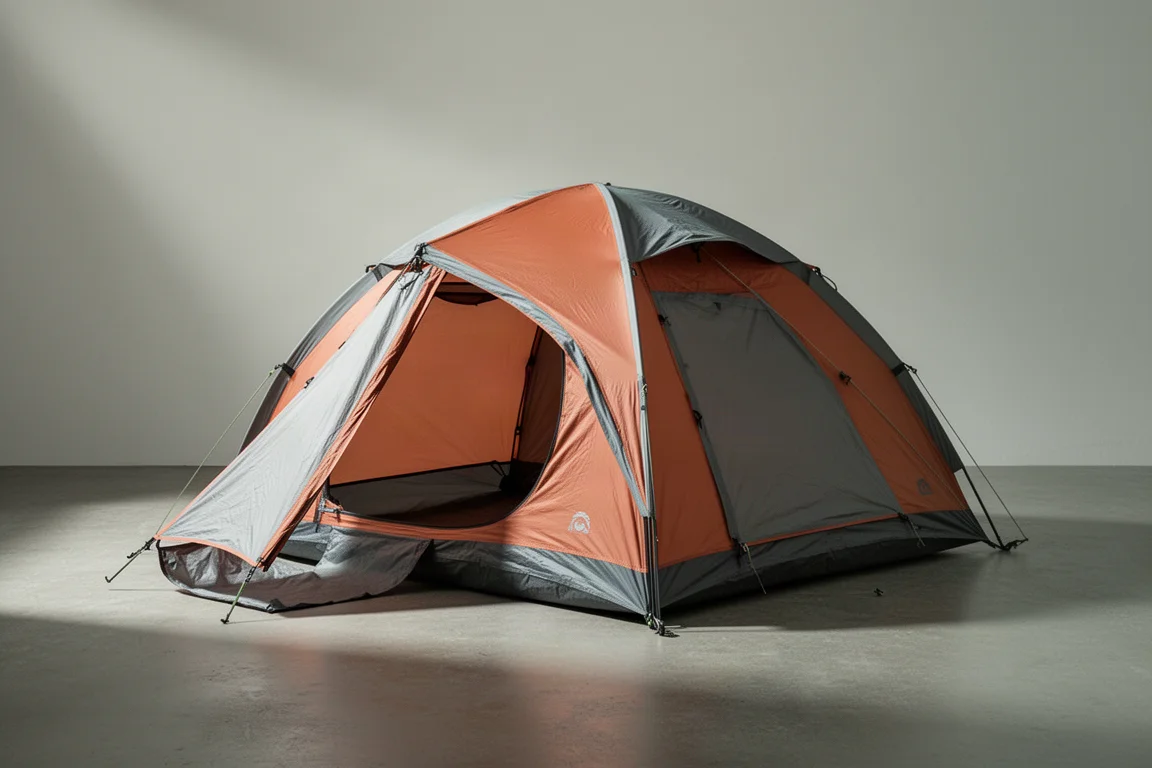
Alps Mountaineering Lynx 1-Person Tent Review: Big Value in a Small Budget Tent
A close look at the Alps Mountaineering Lynx 1-Person Tent, covering real interior dimensions, materials, setup time, ventilation limits, and who should buy it.