Camping Tents
Coleman Skydome vs Sundome: Two Dome Tents Compared for Setup, Space, and Rain
A practical comparison of the Coleman Skydome 4-Person Tent and the Coleman Sundome 2-Person Tent, covering setup times, interior space, storage, and heavy rain performance.
Introduction
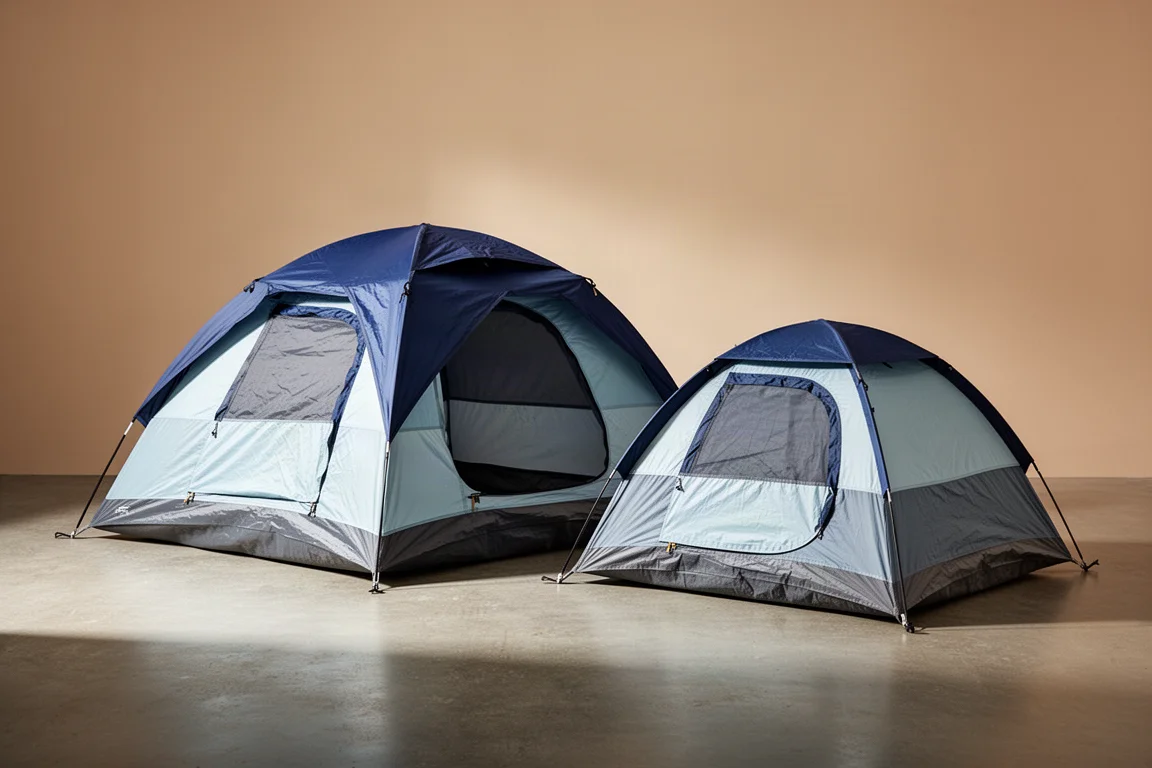
Coleman’s dome tents are a familiar starting point for casual camping, and two models sit close together in the lineup: the Skydome 4-Person Tent and the smaller Sundome 2-Person Tent. On paper they look similar. On a campsite, the differences show up in how long setup takes, how much headroom you get, how much gear you can store, and how the tent behaves when the weather turns.
This comparison works through both tents using measured dimensions, a timed solo setup, and a 45-minute heavy rain test on the Skydome. The aim is straightforward: help you work out which one suits the kind of camping you actually do.
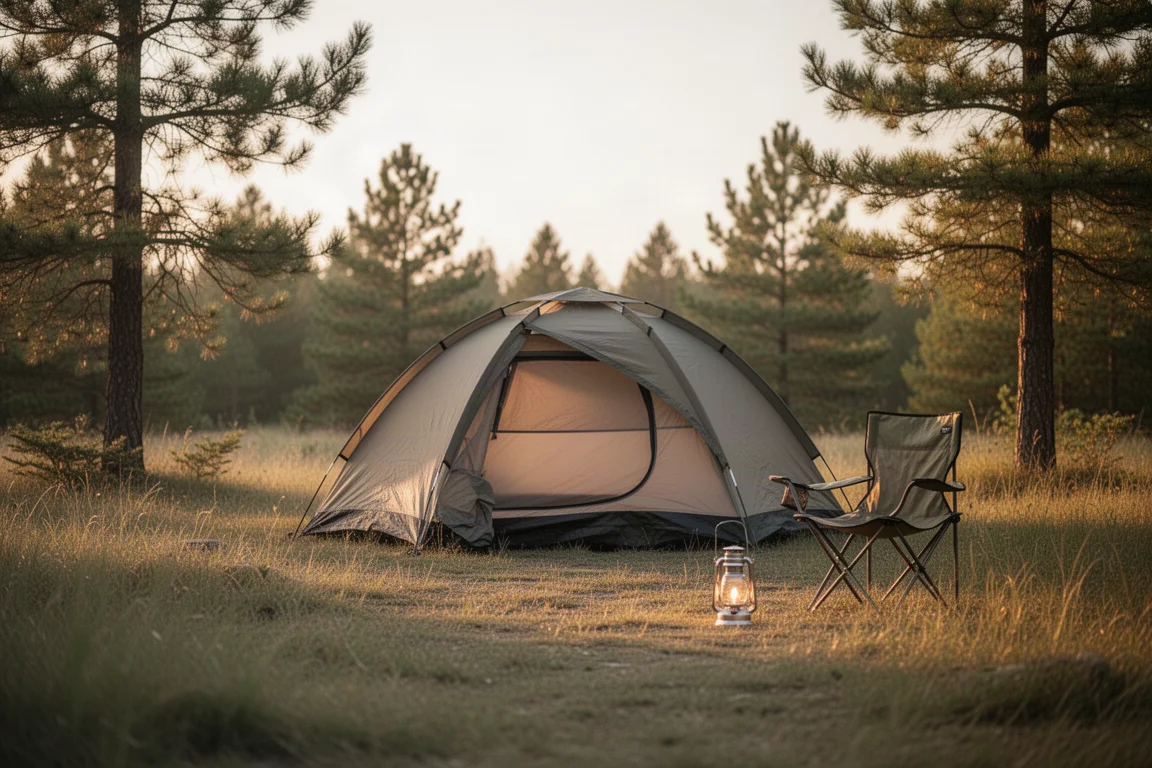
Both tents are polyester-and-fiberglass domes with Coleman zippers, and both pitch in roughly the same amount of time. The Skydome is the roomier, feature-heavier option. The Sundome is smaller, taller at the peak, and more tolerant of sustained rain.
What Comes in the Box and How Setup Works
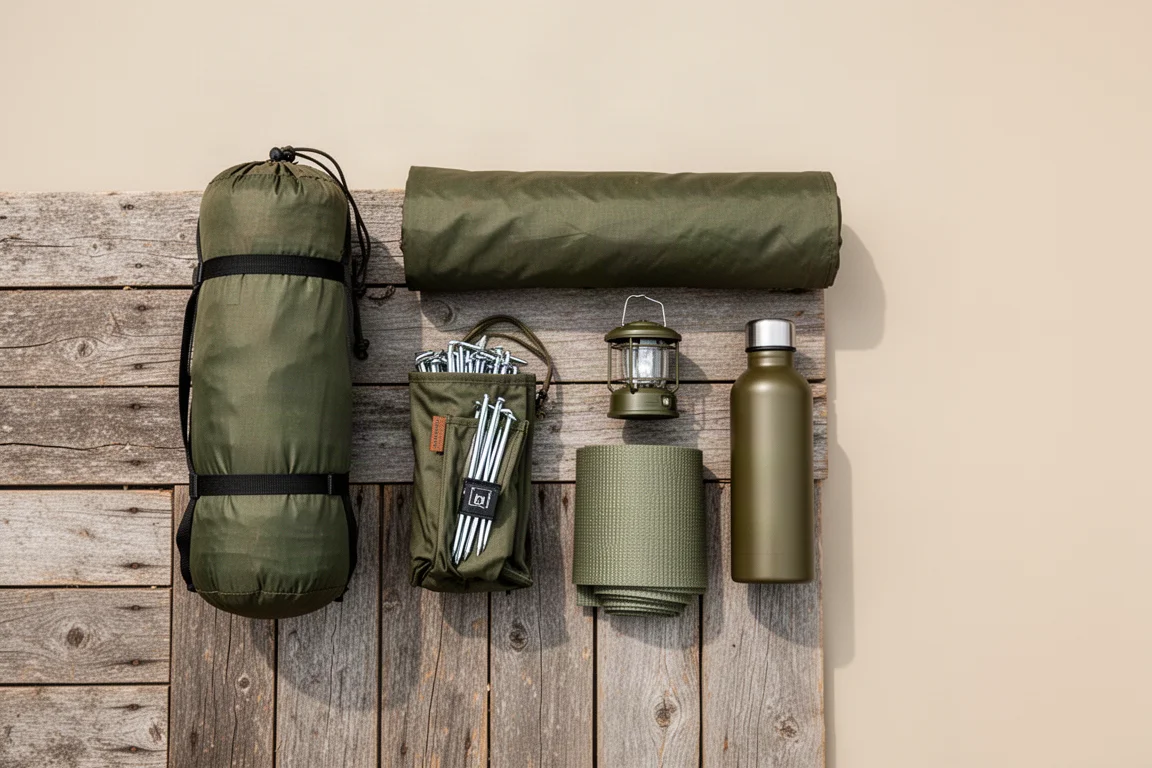
The Skydome 4-Person Tent arrives with a carry bag, a gear loft, the tent body with poles attached at one end, a blue rainfly, 13 stakes in a carry case, a separate rainfly pole in its own case, and a foot mat.
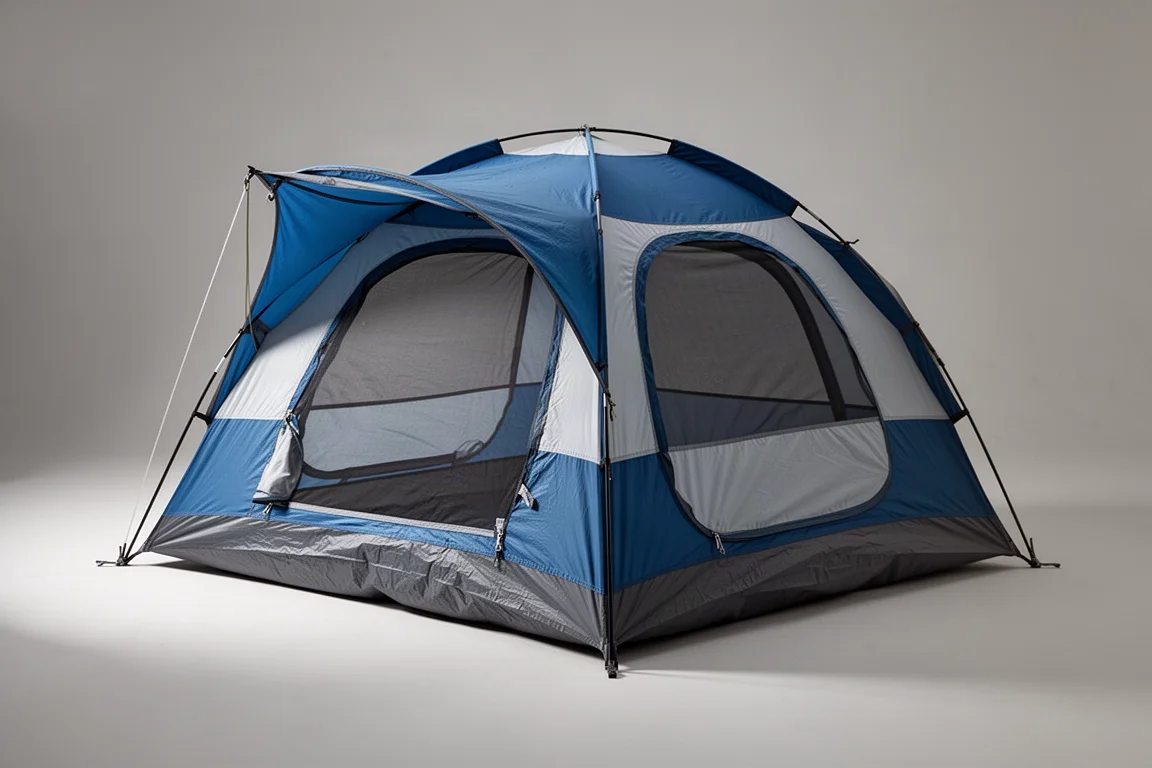
Setup follows a fixed sequence. Lay the tent body on the ground, bring the two black fiberglass poles together at the back, and insert the ball end of each pole into the pocket sewn to the bathtub flooring. Lift both poles until they crisscross at the top, then attach the two center pole clips to the middle of each fiberglass pole. The remaining clips go onto the nearest pole. Drape the rainfly over the tent with the shortest edge at the front above the door, and hook the four S-hooks to the loops at the tent’s four corners. A rainfly pole slides into the sleeve above the door, with each end seated in a ring on a pole clip. Four stakes hold the body down, and seven pre-attached guylines finish the pitch.
A solo setup took about nine and a half minutes in practice, with take down and pack up adding roughly ten minutes. That is a reasonable pace for one person, but it is noticeably slower than the sub-five-minute pitch Coleman advertises for the Skydome.
Coleman Skydome 4-Person Tent: Big Door, Practical Storage, Tight Headroom
Peak height inside the Skydome measures 59 inches, so most adults will not stand upright even at the highest point and will spend time slouching or bending at the knees. Interior length measures about 7 feet 10 inches and width about 6 feet 11 inches, slightly under the marketed 8 by 7 feet. Four regular sleeping pads fit comfortably, or two double pads, although the two-double layout means sleeping shoulder to shoulder with almost no room left for gear. A queen-size bed leaves far more usable space for two people plus bags.
The single door is the tent’s standout feature. It measures 4 feet in length and 39 inches in width, large enough to move gear in and out without a struggle, and it uses two Coleman zippers. A triangular pocket on the side holds the door fabric open. The one window sits on the front wall, measures about 47 inches by 21 inches, and includes a bug net and a latch, though the fabric can simply be tucked against the net for quicker zipping.
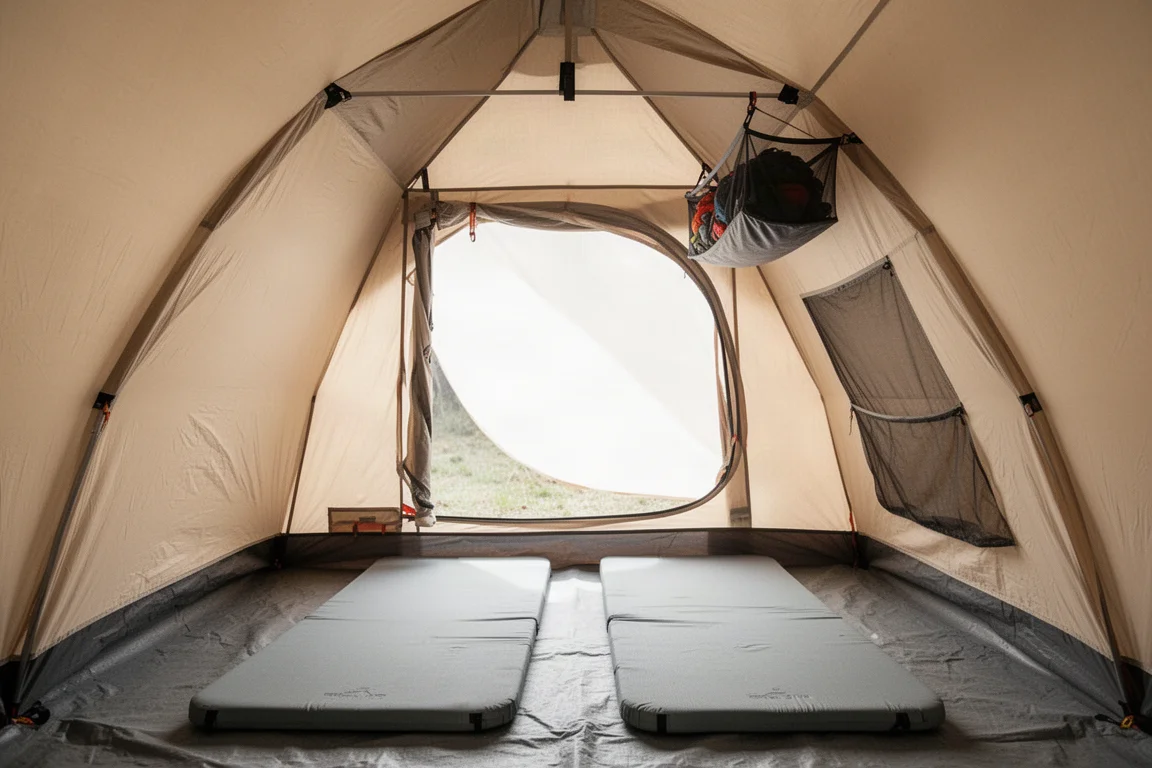
Storage is better than average for a Coleman tent. There is a triangular pocket behind the door pocket, roughly 17 inches by 16 inches, and a larger pocket about 24 inches by 7 inches that is split into four sections. A lantern loop sits at the top center of the ceiling with four additional loops around it for the included 23 by 19 inch gear loft, which hooks on with S-hooks. The loft partially covers the lantern loop, so a large lantern will not fit while the loft is in place. There is no e-port for routing a power cable.
The flooring is polyethylene with a bathtub edge that rises about six and a half inches, and no water seeped through the floor itself during the rain test. The rest of the tent is polyester. Rainfly seams are taped, while most seams inside the tent are inverted rather than taped, including the seam where the light blue fabric meets the bathtub flooring, the vertical seams, and the full door seam. Stitching is double-stitched and generally sound, with one loose thread on the sample. The mesh is standard rather than no-see-um. Zippers are good quality: the window zipper ran completely catch free, while the door zipper occasionally catches the outside rain cover, which needs holding back when zipping. One quality control problem showed up on the sample tested: the front pole pockets were sewn shut at the top instead of the bottom, which required removing the stitches and a temporary fix with binder clips.
Coleman Sundome 2-Person Tent: The Taller, Simpler Option
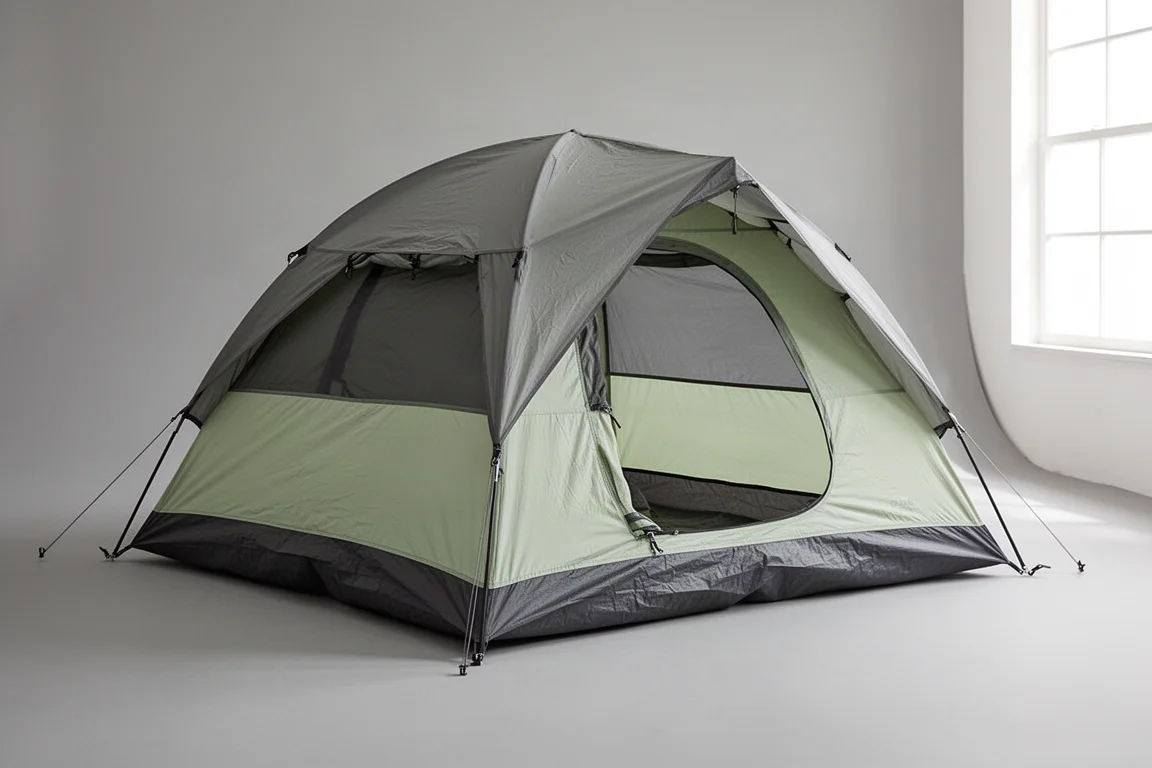
The Sundome 2-Person Tent is the smaller dome in this comparison. It pitches in roughly the same time as the Skydome, and its peak height is taller, which matters if you want more vertical room when sitting up or changing. In sustained rain it held up longer, staying dry through about 30 minutes of heavy rain compared with roughly 15 minutes before the Skydome’s front flooring seam began to leak.
The trade-off is capacity. It is a two-person tent, so it will not match the Skydome’s four-pad footprint or its oversized door, and there is less floor area for gear. For solo campers or couples who pack light and want a simpler, taller dome with better rain tolerance, it is the more direct choice.
Rain Protection and Ventilation Compared
The Skydome went through 45 minutes of heavy rain in a yard with little wind. Water pooled at the front of the tent and leaked through the bathtub flooring seam, starting as a few drops around the 15-minute mark and worsening from there. That seam is inverted rather than taped, which is usually the first place a tent leaks. The other three walls stayed dry because the rainfly is much longer on those sides and covers at least three-quarters of the tent body, so rain barely touches the fabric. The front rainfly is shorter, so water ran over the lower tent fabric and the flooring seam instead.
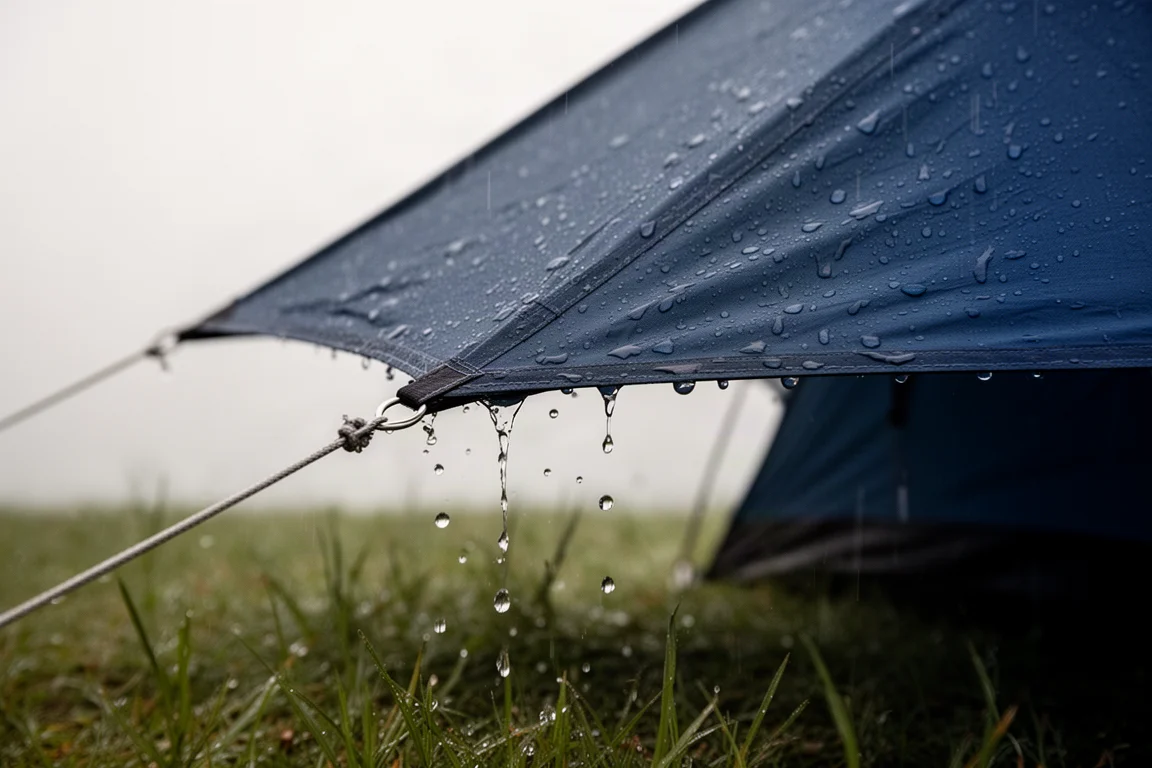
The rainfly pole does useful work diverting water away from the window and toward the sides, and the window mesh stayed mostly dry after 45 minutes. It does not shade the door enough, however, so water on the roof drips into the tent when the door is opened after the rain stops. There is also no vestibule, so footwear and gear cannot be left outside under cover.
Ventilation is a genuine strength. Three large vents run almost the entire length of the tent and measure about twelve inches wide from the outside. They stayed dry even when staked open in heavy rain. With the rainfly removed, those vents become large mesh walls, which is excellent on a hot day and good for stargazing. The trade-off is privacy: with the rainfly off, the interior is visible from nearly every angle.
Packed Size, Weight, and Everyday Handling
Packed, the Skydome measures 25 by 9 by 9 inches and weighs about ten and a half pounds including the carry bag, stakes, rainfly, and foot mat. That is manageable for car camping and short walks from the vehicle, and the package is compact next to a Coleman 2-Person Sundome and a 32-ounce bottle for scale.
The pre-attached poles deserve a note. They are fixed to the tent body only at the back, so you still assemble the full pole and secure the far end, which is the more awkward half of the job. Pre-attachment saves little time, and it makes cleaning and packing slightly harder because the poles cannot be taken off the body. The pole clips also put noticeable tension on the mesh walls.
Buying Advice
Choose the Skydome 4-Person Tent if you want a four-person dome with a genuinely large door for moving gear, above-average storage for a Coleman tent, and ventilation that works well in hot weather. Go in knowing that you will not stand up inside, that a two-double-pad setup is shoulder to shoulder, and that the shorter front rainfly leaves the flooring seam exposed in long downpours.
Choose the Sundome 2-Person Tent if a smaller, taller dome suits your trips better and you want the longer rain tolerance of the two. It pitches in about the same time, and for one or two people who pack light, the simpler layout is easier to live with.
If you expect sustained rain with either tent, sealing the bathtub flooring seam before the trip is a sensible precaution, and using the included foot mat on the Skydome helps keep the floor clean and dry underfoot.
Conclusion
Both tents are straightforward Coleman domes that pitch solo in about ten minutes. The Skydome wins on interior volume, door size, and storage, but its 59-inch peak height limits standing room and its front rainfly coverage left the flooring seam leaking in prolonged heavy rain. The Sundome is the smaller, taller, more rain-tolerant option for two. Match the tent to how you camp, and either one will do the job it was designed for.
Further reading
Related Reviews
Camping Tents
3F UL Gear Taiji Two-Person Tent Review: Field Waterproofing Results and Buying Advice
The Taiji pairs an attached fly with a removable inner, but sustained rain exposed untaped vent seams that need sealing before this shelter can be trusted.
Camping Tents
3FUL Gear Lanshan 2 Pro 4-Season Review: A Sub-$200 Single-Wall Trekking Pole Tent
An early look at the 3FUL Gear Lanshan 2 Pro 4-Season, covering its straightforward pitch, generous interior space, and the condensation and seam-sealing questions that come with any single-wall shelter.
Camping Tents
Alps Mountaineering Lynx 1-Person Tent Review: Big Value in a Small Budget Tent
A close look at the Alps Mountaineering Lynx 1-Person Tent, covering real interior dimensions, materials, setup time, ventilation limits, and who should buy it.