Camping Tents
Coleman Skydome vs Carlsbad 4-Person Tent: Which Fits Your Camping Style?
A practical comparison of two Coleman four-person dome tents, covering setup time, base area, screen room space, ventilation, weight, packed size, and rain performance.
Introduction
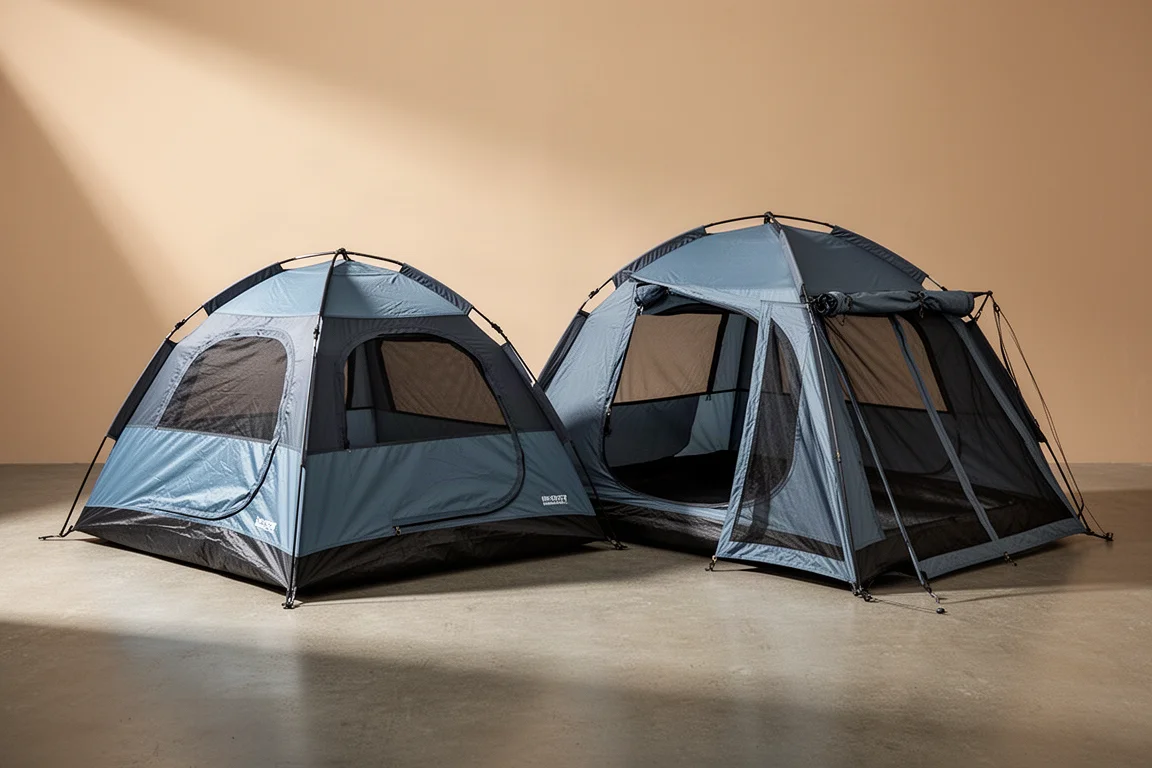
Coleman’s four-person dome tents cover a wide range of camping habits, and two of the most closely compared models are the Skydome and the Carlsbad. Both sleep four, both use a familiar dome layout, and both belong to the same practical family of Coleman shelters. The real differences appear in how they pitch, how much covered space they add, and how they behave when the weather turns.
The Skydome leans toward a lighter, simpler shelter with more usable headroom and a faster setup. The Carlsbad adds an attached screen room that expands the footprint considerably, at the cost of extra weight, a longer pitch, and a larger packed size.
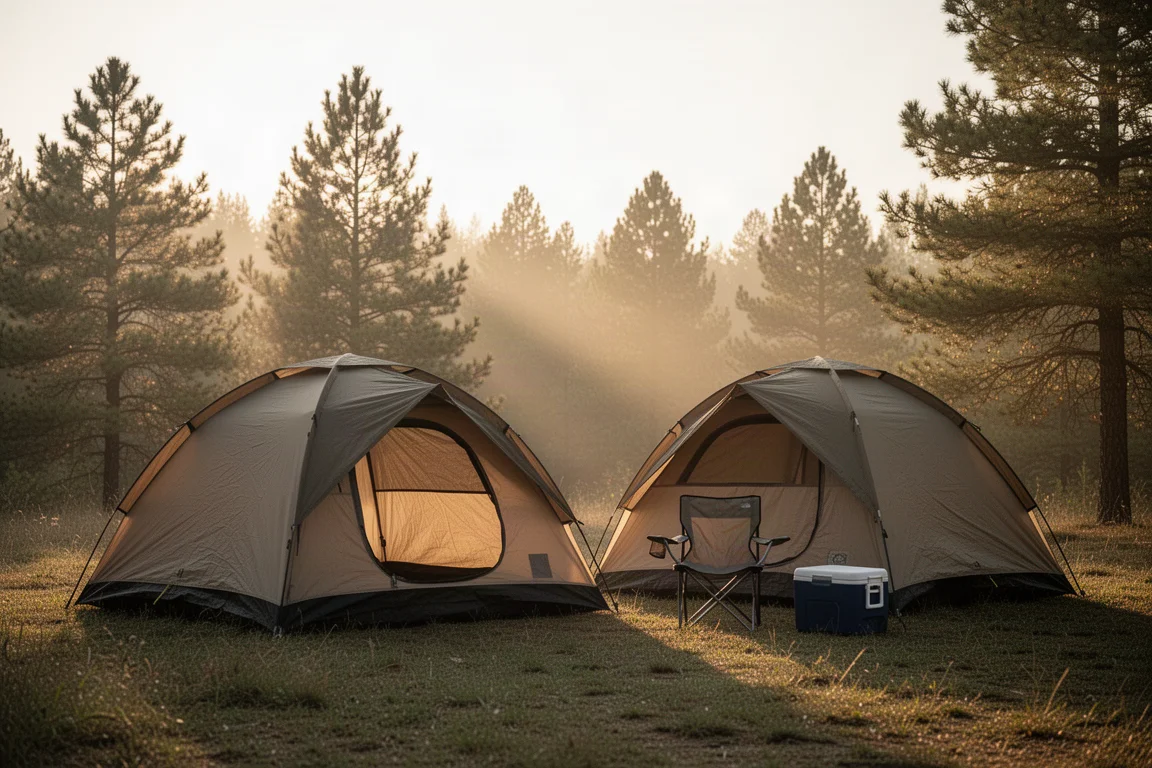
This comparison works through measured setup times, base areas, door and storage details, ventilation design, and heavy rain performance, so you can match one of these tents to the way you actually camp.
Coleman 4-Person Skydome Tent: Roomier and Quicker to Pitch
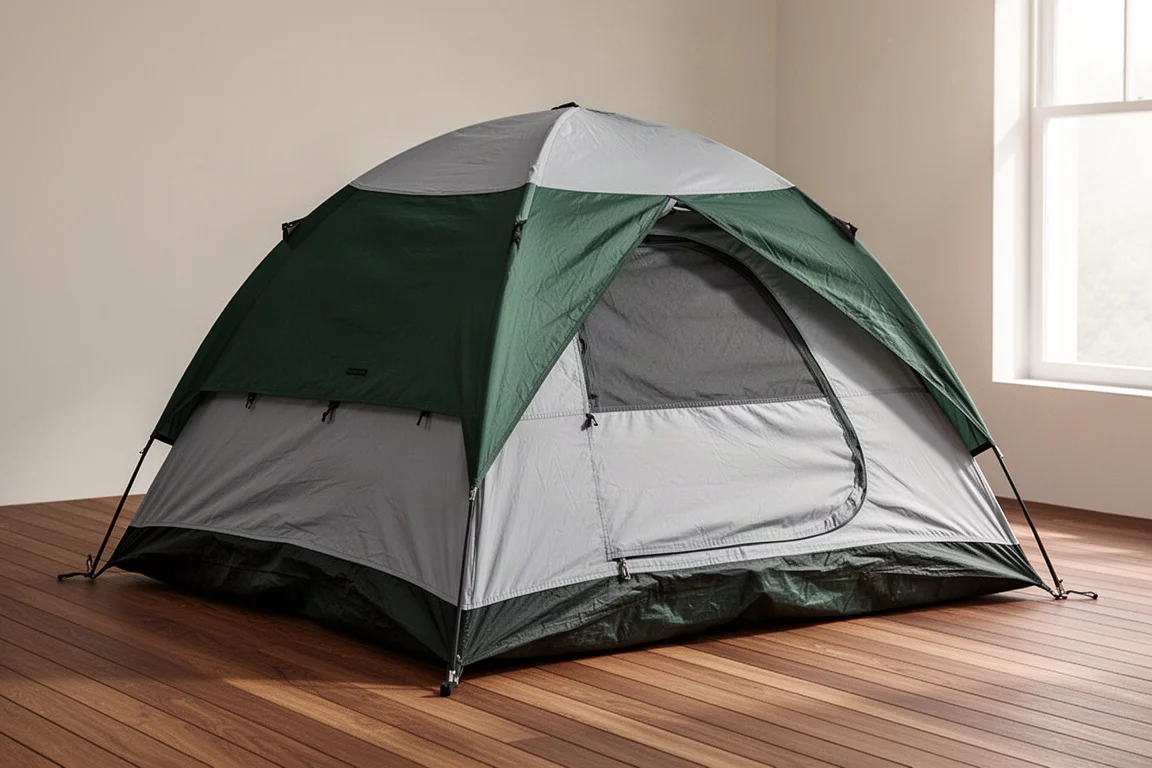
The Skydome sets up in roughly nine and a half minutes, including staking and guying out the whole tent. Its peak height is 59 inches, and Coleman markets it as offering 20% more headroom. The pole clips at the top pull the tent body upward and outward, which does make the interior feel roomier, though whether the gain reaches a full 20% is difficult to confirm.
Marketed floor dimensions are 8 by 7 feet, which works out to a measured base area of about 54.2 square feet. Four regular sleeping pads fit easily, as do two double pads, and a queen bed fits as well. Ventilation comes from three mesh walls and one window. The door measures 4 feet in length and 39 inches in width, and it includes a side pocket so the door fabric can be stuffed away when open. Inside there are two pockets plus a gear loft, and a single lantern loop. There is no e-port and no screen room. Total weight is 10.4 pounds. In a heavy rain test, the rainfly runs long on three sides but stays short at the front, and that front wall was the first to leak, after 15 minutes, through the un-taped bathtub flooring seam.
Coleman 4-Person Carlsbad Tent: A Screen Room Changes the Footprint
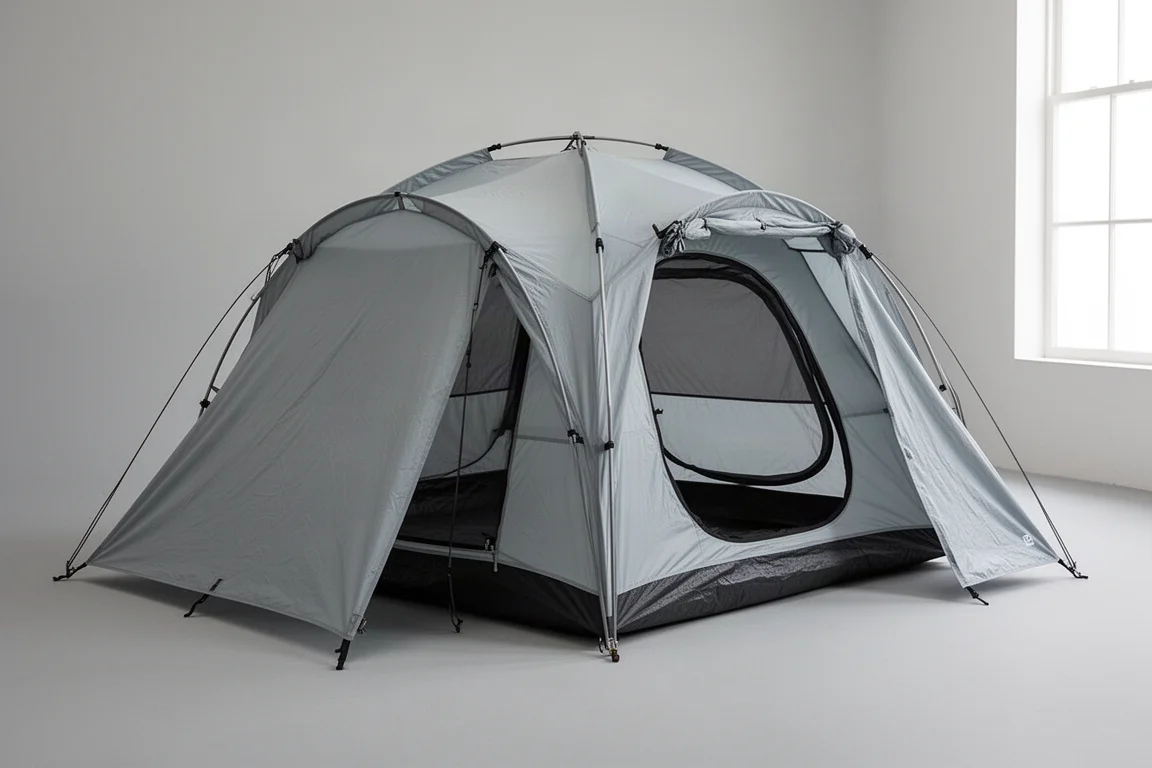
The Carlsbad takes slightly longer to pitch, around 11 minutes, mainly because of one extra pole for the screen room and two extra stake loops needed to secure it. Peak height is 60 inches. Marketed floor dimensions are 9 by 7 feet, giving a measured base area of roughly 58.5 square feet, a little larger than the Skydome. Four sleeping pads fit with some space between them, so slightly wider pads are an option, and a queen bed fits too.
The screen room adds 27.6 square feet for a total base area of about 86.1 square feet. It measures approximately 3 feet 10 inches wide, 8 feet 8 inches at its longest point, and 5 feet 9 inches at its shortest point at the front, with a peak height of 54 inches. The main door is about 47 inches long and 35 inches wide, and it uses two side latches rather than a pocket. The screen room has its own door spanning nearly its entire length, also with two latches. Storage includes two pockets and two lantern loops, one inside and one outside, plus an e-port. Airflow comes from one mesh wall and three windows that can be zipped open or closed. Weight is 14.4 pounds, exactly four pounds more than the Skydome, and packed size is about 20% larger. Rainfly coverage reaches roughly one third of the tent body, and in a heavy rain test leaking began after 30 minutes through the un-taped bathtub flooring seam at the sides where the rainfly is shorter.
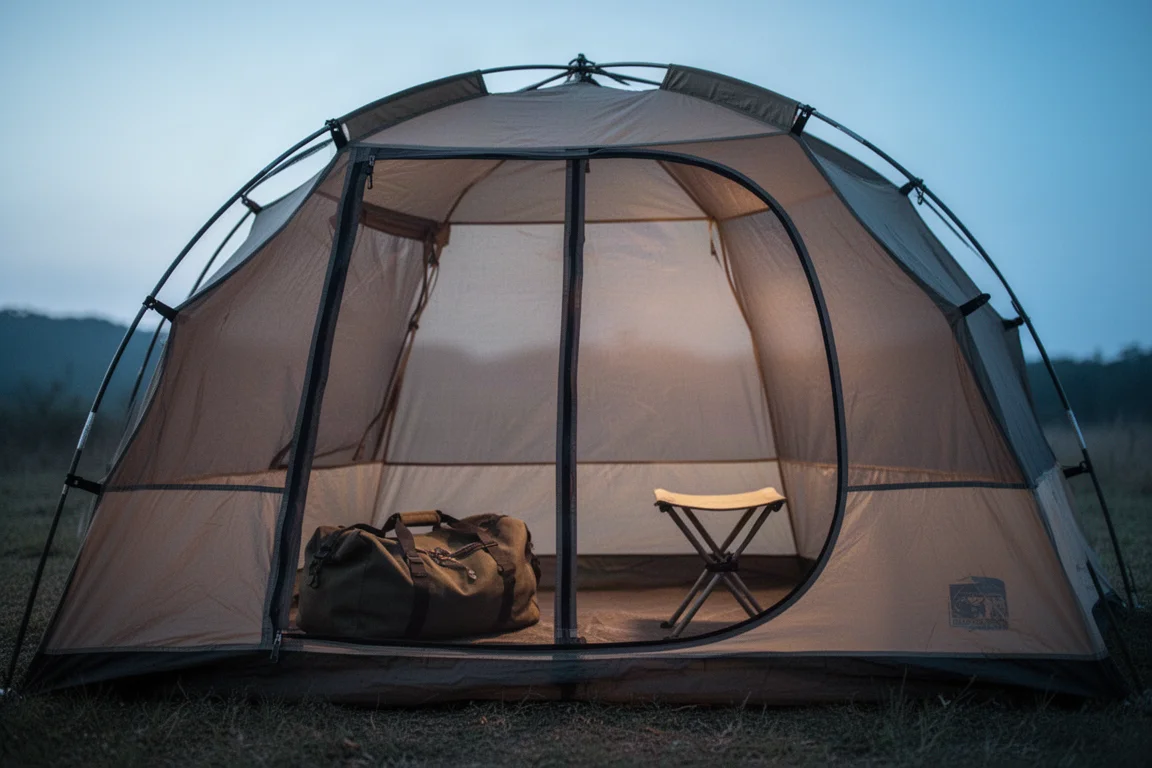
The Carlsbad is sold in a dark room version only, while the Skydome is available with or without the dark room feature. Dark room performance can vary, since the fabric used at the bottom of the tent can let in more light than the window panels do, so the effect is not always as strong as expected.
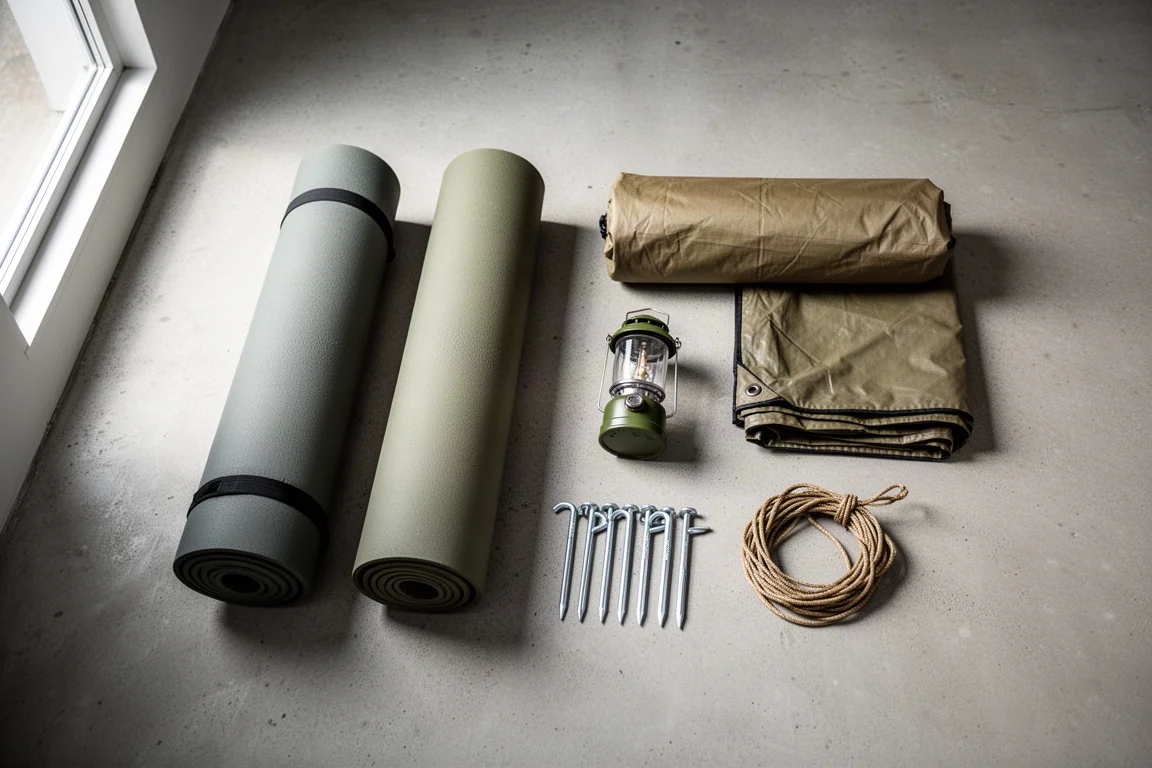
The screen room itself has no rainfly and no rain protection at all, which makes an extra tarp worth packing when rain is likely. Water drains through a mesh panel, although cleanup after a wet trip still takes some effort.
Setup Time, Weight, and Packed Size
The numbers behind the two designs are straightforward:
- Setup time: about 9.5 minutes for the Skydome, about 11 minutes for the Carlsbad.
- Weight: 10.4 pounds for the Skydome, 14.4 pounds for the Carlsbad.
- Packed size: the Carlsbad is roughly 20% bigger, close in size to a 6-Person Sundome Tent.
- Base area: 54.2 square feet for the Skydome, 58.5 square feet for the Carlsbad dome, plus 27.6 square feet of screen room.
Those four extra pounds and the larger pack are the direct price of the screen room. If trunk space or carrying distance matters, the Skydome is the easier tent to live with, while the Carlsbad rewards anyone who wants a much larger covered footprint at the campsite.
Weather Protection and Ventilation
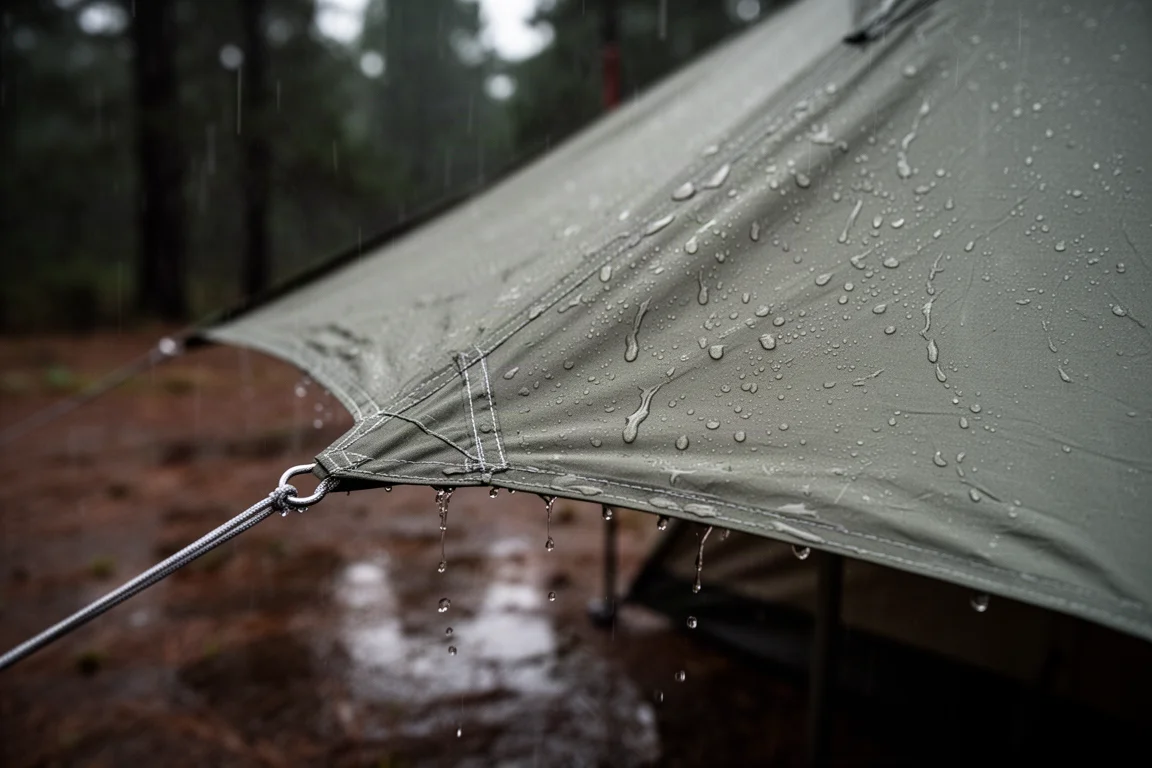
The two rainfly designs behave differently in sustained rain. The Skydome has a long rainfly on three sides but a short one at the front, and that front wall was the first point of failure in testing, leaking after 15 minutes. The Carlsbad’s rainfly covers about one third of the tent body, and leaking started after 30 minutes at the sides where the rainfly length is shorter. Both leaks came through the un-taped bathtub flooring seam, and a little seam sealant should let either tent handle at least a couple of hours of heavy rain.
Ventilation follows a similar trade-off. The Skydome’s three mesh walls and single window provide more airflow than windows alone when the rainfly is off, and they create useful mesh wall vents when the rainfly is on. The downside is that you cannot see out once the rainfly is on, and the mesh walls cannot be zipped closed; slackening them means adjusting the guyline from outside. The Carlsbad’s three windows and one mesh wall move less air overall, but the windows let you see out with the rainfly in place, and you can zip them open or shut as conditions change.
Storage, Doors, and Everyday Details
Both tents include two pockets. The Skydome adds a gear loft, which the Carlsbad does not have, and its larger door with a dedicated fabric pocket is quicker to manage. The Carlsbad counters with two lantern loops, one inside and one outside, plus an e-port for routing a power cord, while the Skydome has a single interior lantern loop and no e-port. The Carlsbad’s smaller door uses two latches to tie the fabric back, which takes noticeably longer than stuffing the Skydome door into its pocket. The screen room door also relies on two latches, one on each side.
Buying Advice
Choose the Skydome if weight, pack size, and setup speed matter most, and if you want a roomier interior, better ventilation, and a gear loft. Plan on sealing the front seam where the rainfly is short. Choose the Carlsbad if you want a substantially larger covered footprint, a screen room for gear, seating, or muddy boots, window views with the rainfly on, and an e-port. Accept the extra weight, the larger pack, the longer pitch, and the fact that the screen room needs a tarp when rain is in the forecast.
Either tent becomes a more dependable shelter with seam sealant applied to the bathtub flooring seam before the first wet trip, and the Carlsbad’s screen room is best treated as a dry-weather living area rather than a rain shelter.
Conclusion
The Skydome and the Carlsbad are both capable four-person dome tents, and the choice comes down to how you camp. The Skydome is lighter at 10.4 pounds, pitches in about nine and a half minutes, feels roomier thanks to its pole clips, and offers the stronger ventilation setup. The Carlsbad is heavier at 14.4 pounds and packs 20% larger, but it delivers a bigger dome floor, 27.6 square feet of screen room, two lantern loops, and an e-port, and it held up longer in heavy rain before leaking. Match the tent to your priorities, seal the seams, and either one will serve well for years of fair-weather camping.
Further reading
Related Reviews
Camping Tents
3F UL Gear Taiji Two-Person Tent Review: Field Waterproofing Results and Buying Advice
The Taiji pairs an attached fly with a removable inner, but sustained rain exposed untaped vent seams that need sealing before this shelter can be trusted.
Camping Tents
3FUL Gear Lanshan 2 Pro 4-Season Review: A Sub-$200 Single-Wall Trekking Pole Tent
An early look at the 3FUL Gear Lanshan 2 Pro 4-Season, covering its straightforward pitch, generous interior space, and the condensation and seam-sealing questions that come with any single-wall shelter.
Camping Tents
Alps Mountaineering Lynx 1-Person Tent Review: Big Value in a Small Budget Tent
A close look at the Alps Mountaineering Lynx 1-Person Tent, covering real interior dimensions, materials, setup time, ventilation limits, and who should buy it.