Camping Tents
Coleman Pop Up Tent Comparison: 2-Person vs 4-Person
A practical comparison of Coleman's 2-person and 4-person pop up tents, covering setup times, floor area, headroom, mattress fit, weight, and packed size.
Introduction
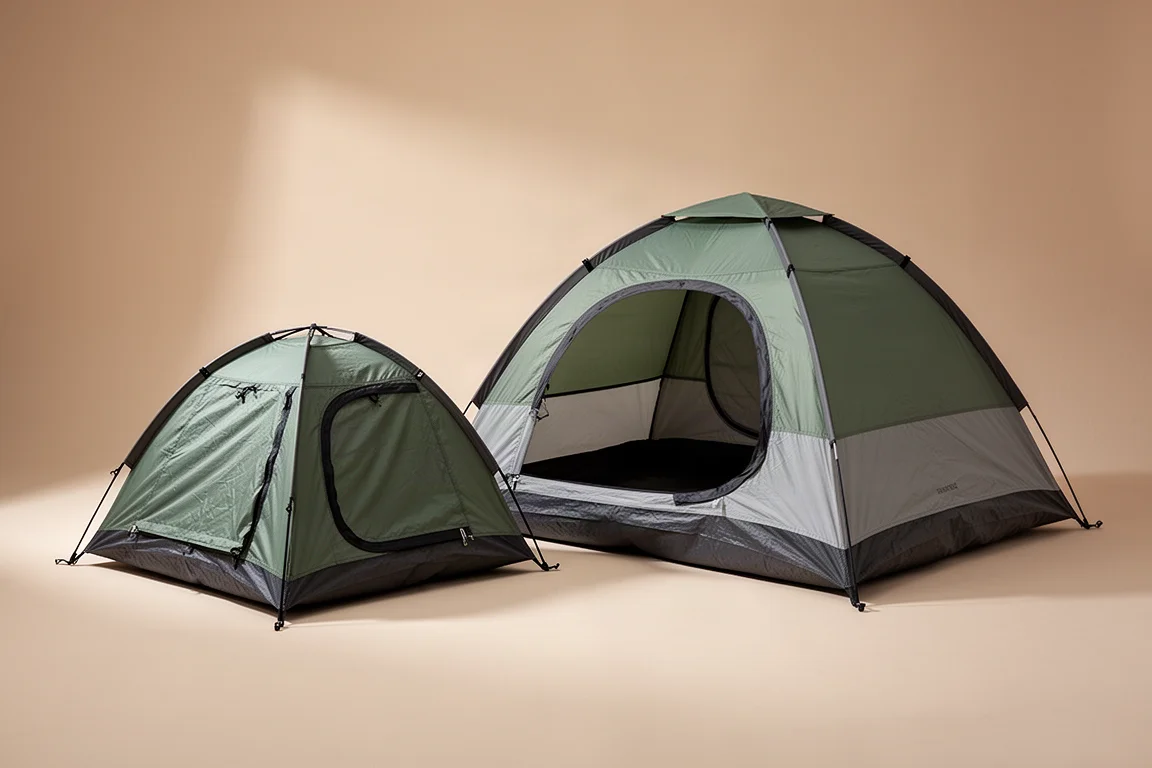
Coleman’s pop up tents trade a conventional pole-and-sleeve pitch for a single unfolding motion. The range covers a two-person model and a four-person model, and on paper the two look like simple size variants of the same design. In practice, the differences that matter are floor area, peak height, mattress compatibility, packed bulk, and the realistic number of sleepers. This comparison covers those differences so the choice between the two sizes is easier to make.
What Both Tents Share
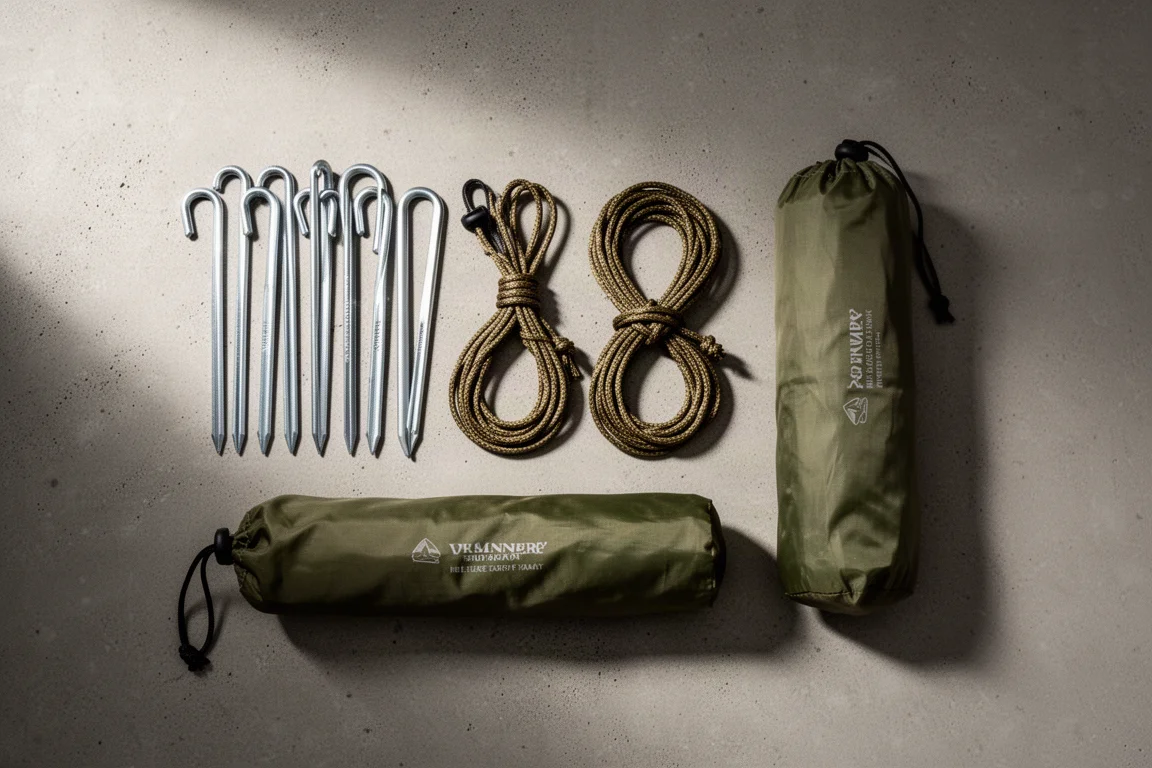
Both tents arrive as complete kits: the tent inside a carry bag, eight stakes, and two pre-attached guylines. Pitching starts the same way on each model, by removing the black strap that holds the folded tent closed and letting the frame spring open. Because the staking points and guylines are laid out identically, the two tents are pitched in the same sequence rather than with different techniques.
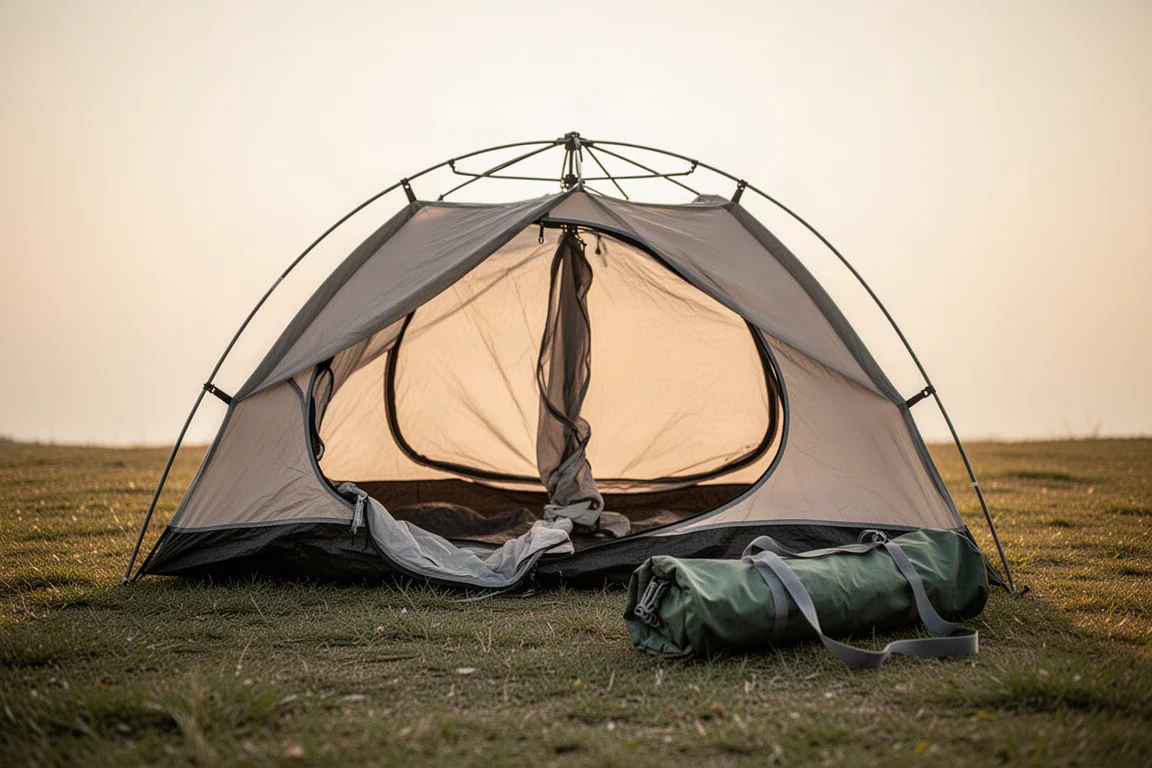
That shared design means the smaller tent is not a simpler product to operate, and the larger tent is not a more technical one. The choice comes down to interior volume and transport, not to learning a different setup routine.
Coleman 2-Person Pop Up Tent
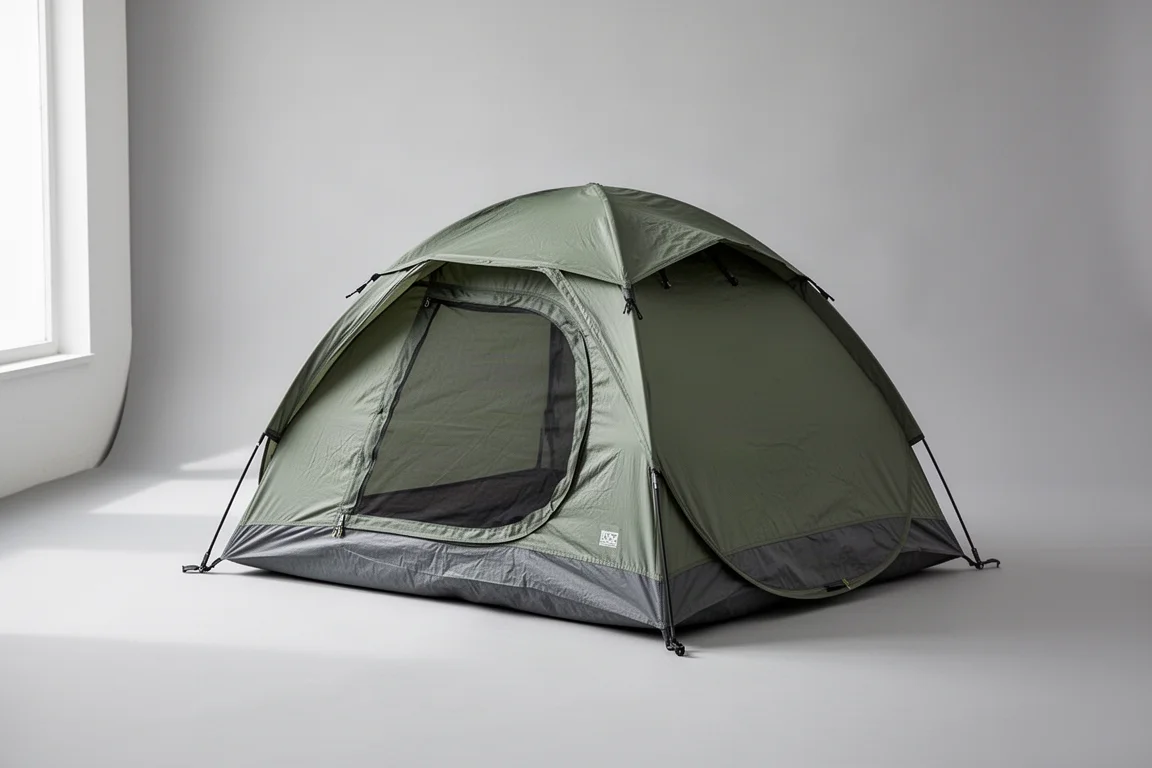
The two-person model measures 7 feet 7 inches at its longest length and 4 feet 6 inches at its longest width. Peak height at the centre is about 32.5 inches, and a sleeping pad up to four inches thick is the practical maximum. On a four-inch mat, a seated camper with a slight slouch clears the roof, while sitting fully upright brings the head into contact with the top of the tent.
This is the lighter and more compact of the two, which makes it the easier option to store and carry between trips.
Coleman 4-Person Pop Up Tent
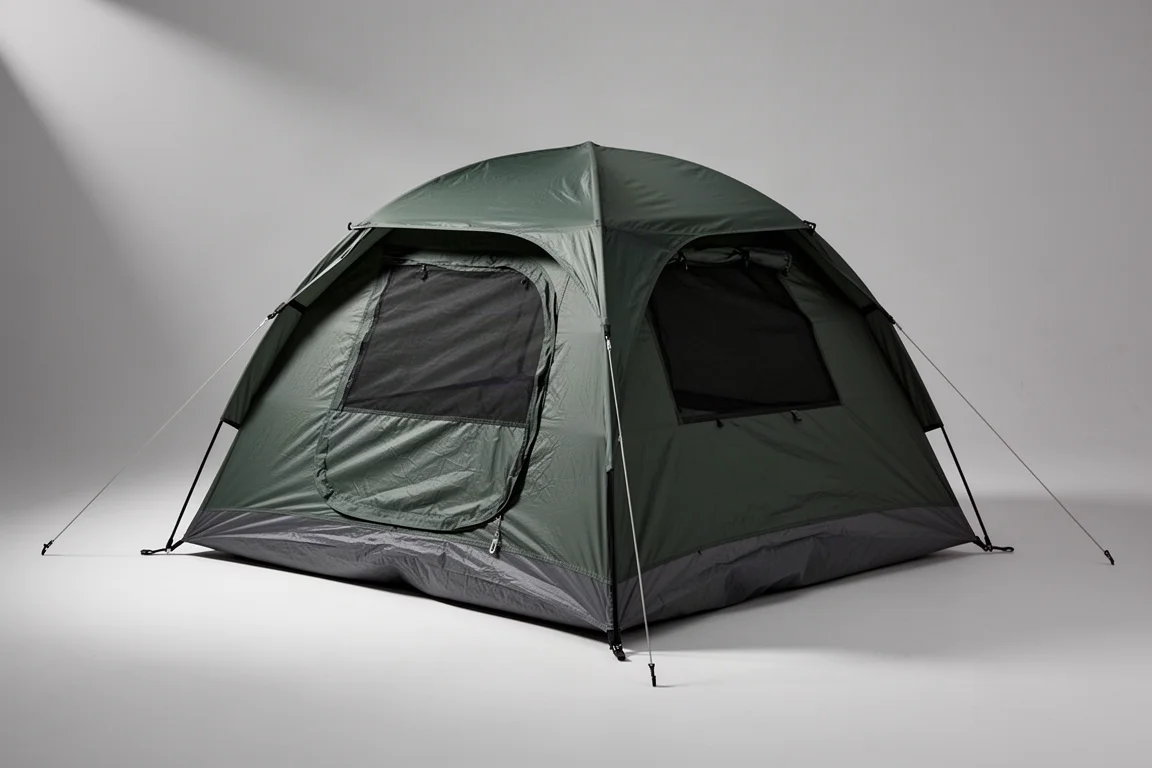
The four-person model measures 9 feet 1 inch at its longest length and about 6 feet 8 inches at its longest width, with a peak height of 39 inches at the centre. That extra headroom supports a mattress up to six inches thick, although on a six-inch airbed a fully upright seated position puts the head against the mesh at the top of the tent.
The additional floor area is the main reason to choose this size. It accommodates a queen-size camping mattress with space left over for gear, and it is the model that adds genuine versatility to a car camping kit.
Setup and Pack-Up in Practice
Popping either tent open takes about 15 seconds. Securing it with six stakes, three on each side, and tensioning the two pre-attached guylines adds roughly a minute and 15 seconds, so both tents reach a fully pitched state in about a minute and a half.
Packing away is slightly different. The two-person tent folds down in about 1 minute 45 seconds, while the four-person tent takes about 2 minutes, largely because getting a firm grip on the larger body of fabric takes a little longer. The four-person tent looks far more intimidating when it is fully open, but the folding motion is identical and becomes routine with repetition. A 15-second gap is small enough to ignore when weighing the two.
Sleeping Capacity and Mattress Fit
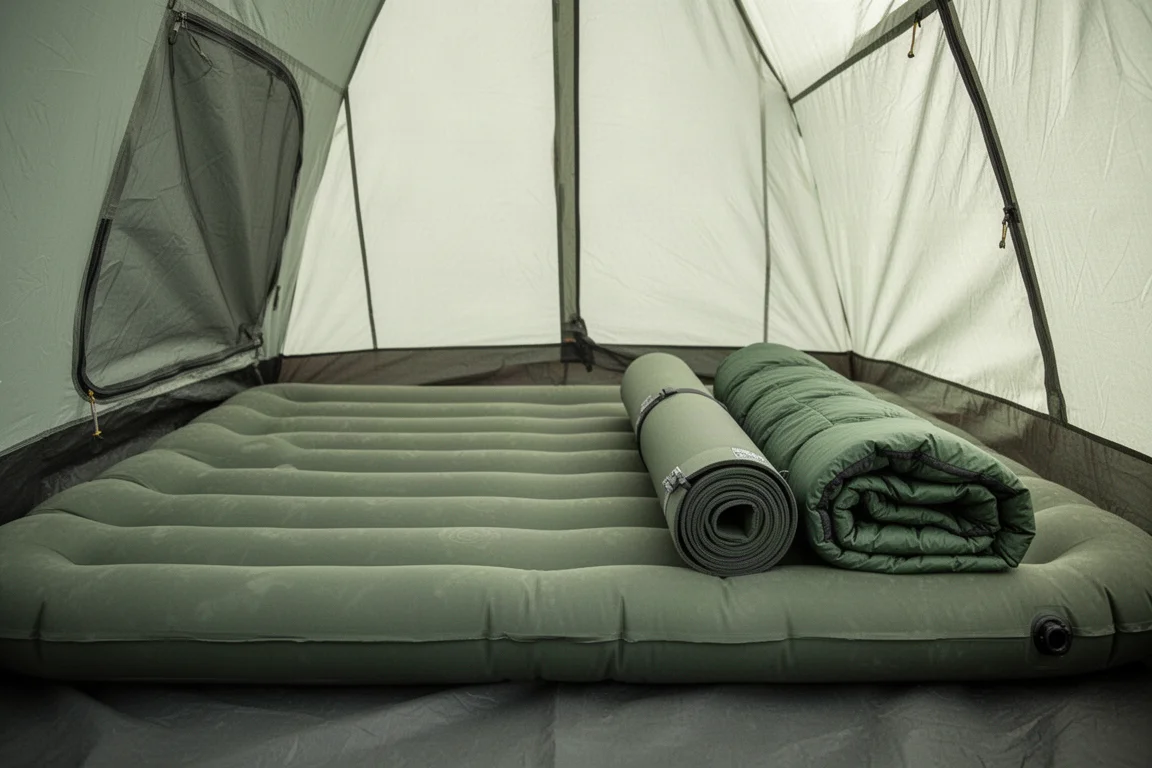
Inside the two-person tent, an Exped MegaMat Duo 10, which is effectively two regular sleeping pads side by side, fits neatly with its corners touching the walls. A nearly full-size Coleman Quickbed is too much: one side inflates properly while the other cannot fully inflate.
The four-person tent takes three regular sleeping pads rather than four, and it also fits a queen-size camping mattress with plenty of space left over for gear. Realistically it suits two people very comfortably, three adults sleeping shoulder to shoulder, or two adults with two children. Four adults is not a fair expectation, because the base is more oval than rectangular, so usable space narrows toward the sides.
Weight and Packed Size
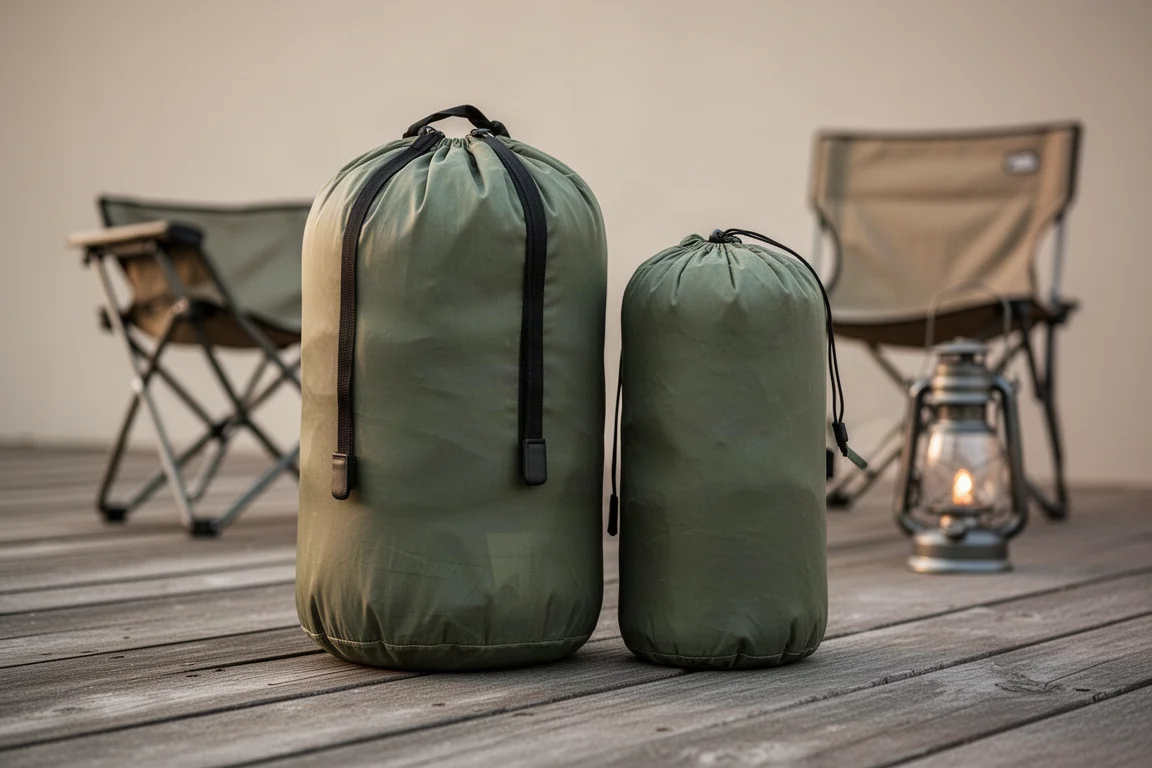
The two-person tent weighs about 5.4 pounds including its carry bag. The four-person tent weighs about 7 pounds with its bag, roughly 30 percent heavier. Packed size follows the same pattern: 29 by 29 by 3 inches for the smaller model and 36 by 36 by 5 inches for the larger one, a little more than double the packed volume.
Buying Advice
Both tents are affordable, both set up and pack down quickly, and both have seen plenty of use over several years of ownership. The four-person model cost about $25 more than the two-person model at the time of purchase, and that difference buys a queen mattress footprint, six extra inches of headroom, and room to sleep three adults shoulder to shoulder.
Choose the two-person model if packed size and weight matter most, since it stores in a noticeably smaller space and is easier to move around. Choose the four-person model if versatility matters more, particularly for couples who want a larger mattress or for families with two children. Both are straightforward purchases at their price point, and neither one asks you to change your routine.
Conclusion
These two pop up tents share the same quick pitch and the same simple pack-down, so the decision comes down to how much interior space is genuinely useful. The two-person model wins on packed bulk and weight. The four-person model wins on headroom, mattress compatibility, and flexibility, which makes it the easier recommendation for anyone who camps with a partner, with children, or with a full-size airbed.
Further reading
Related Reviews
Camping Tents
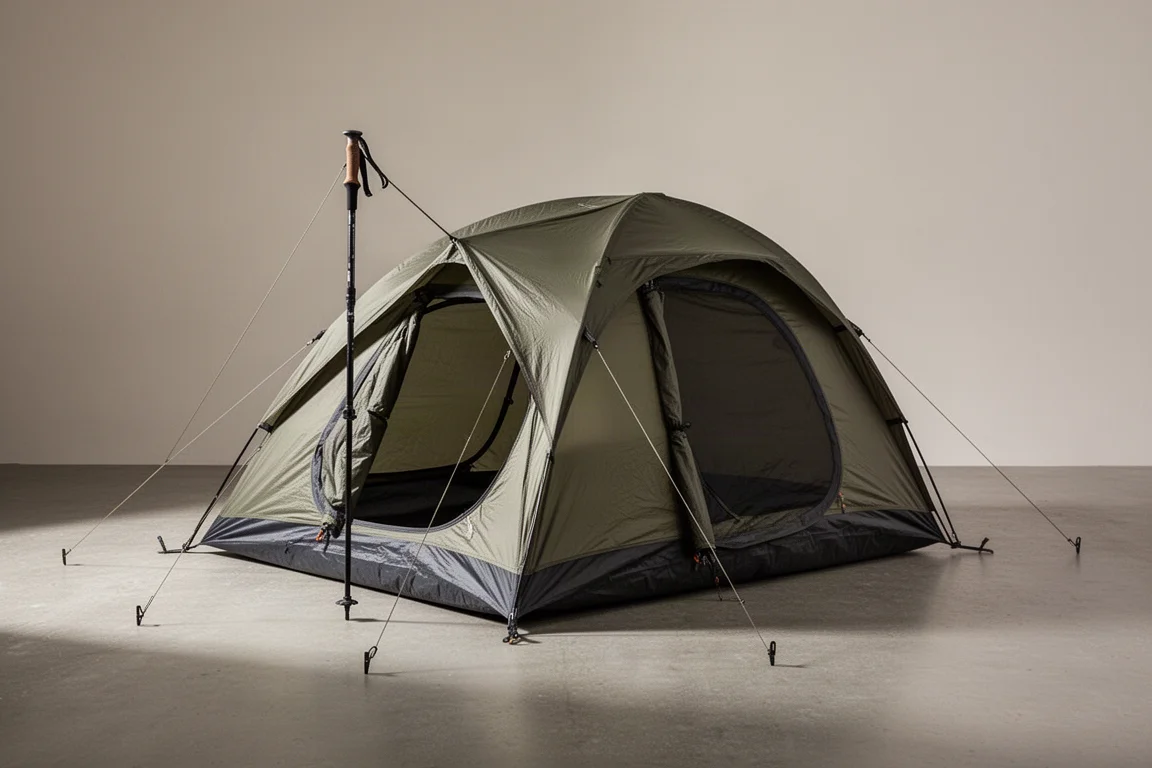
3F UL Gear Taiji Two-Person Tent Review: Field Waterproofing Results and Buying Advice
The Taiji pairs an attached fly with a removable inner, but sustained rain exposed untaped vent seams that need sealing before this shelter can be trusted.
Camping Tents
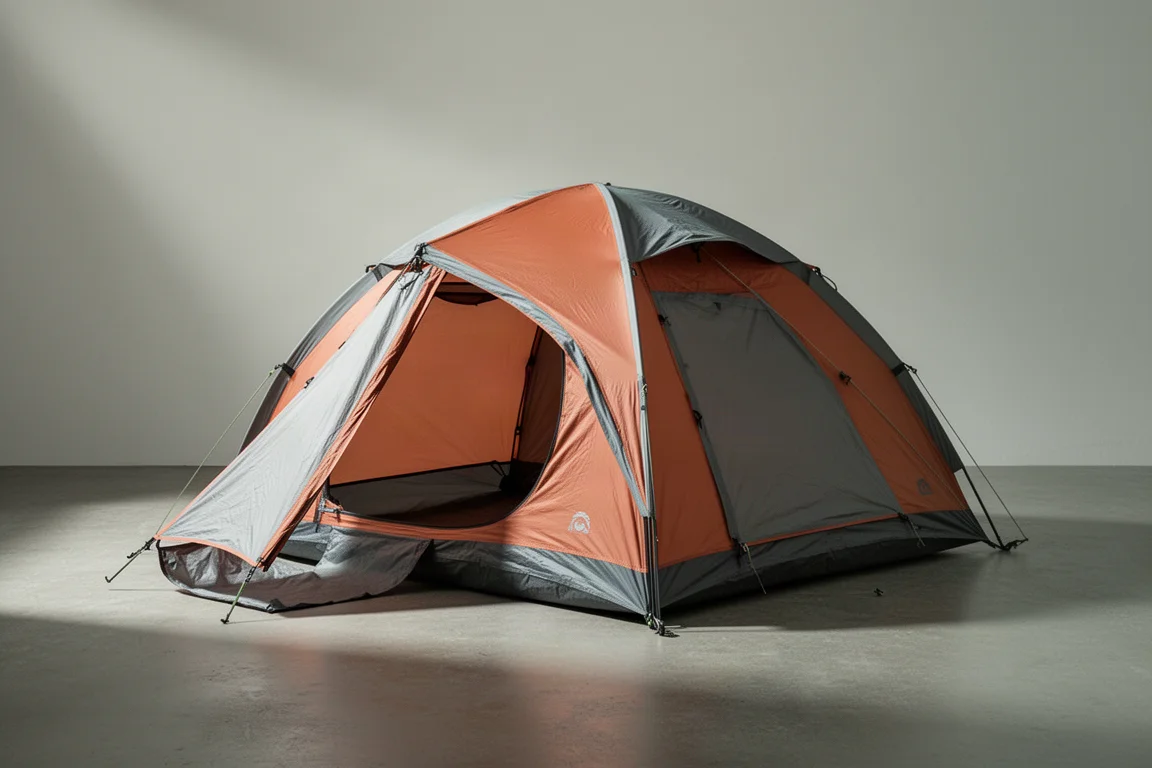
3FUL Gear Lanshan 2 Pro 4-Season Review: A Sub-$200 Single-Wall Trekking Pole Tent
An early look at the 3FUL Gear Lanshan 2 Pro 4-Season, covering its straightforward pitch, generous interior space, and the condensation and seam-sealing questions that come with any single-wall shelter.
Camping Tents
Alps Mountaineering Lynx 1-Person Tent Review: Big Value in a Small Budget Tent
A close look at the Alps Mountaineering Lynx 1-Person Tent, covering real interior dimensions, materials, setup time, ventilation limits, and who should buy it.