Camping Tents
Coleman PEAK1 Two-Person Tent Review: More Room and Better Rain Protection
A practical look at the Coleman PEAK1 two-person tent, from its seven-minute setup and 2,000 mm rain protection to the interior space, packed size, and the trade-offs worth knowing.
Introduction
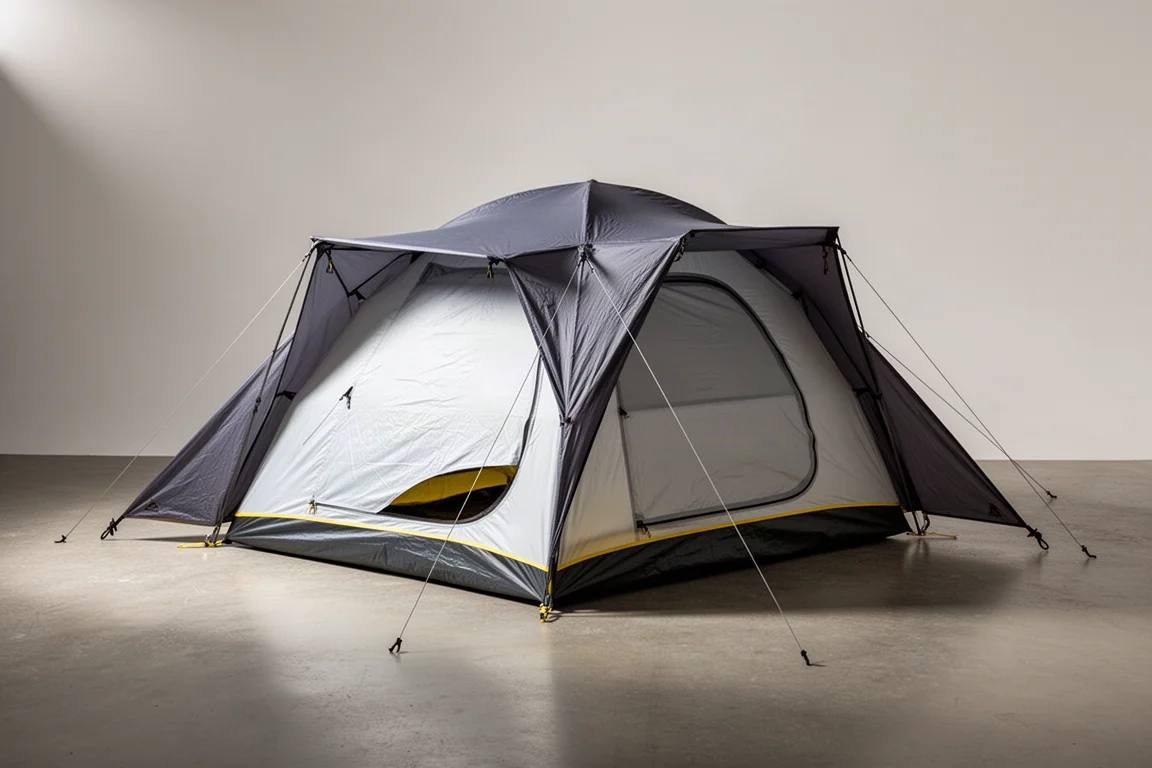
The Coleman PEAK1 two-person tent sits above Coleman’s familiar budget lineup, and the differences show up in weather protection, materials, and headroom rather than in styling. The package includes the tent body, a footprint, a rainfly with pre-attached guylines, two long poles, a short ridge pole, and 10 stakes, all carried in a roll-top bag.
Setup follows a straightforward sequence. Lay the footprint on the ground, set the tent body on top, cross the two long poles, and seat each pole tip through both the footprint grommet and the tent body grommet. Thirteen clips attach the body to the poles, so there are no pole sleeves to feed. The ridge pole sits above the long poles and locks into two extra grommets above the doors, then the rainfly goes on with a red webbing tab matching the one on the tent body. Staking both vestibules and tensioning the four guylines completes the process, which runs about seven minutes. Takedown takes slightly over six minutes, and the carry bag is not a tight fit, so everything packs back in without a struggle.
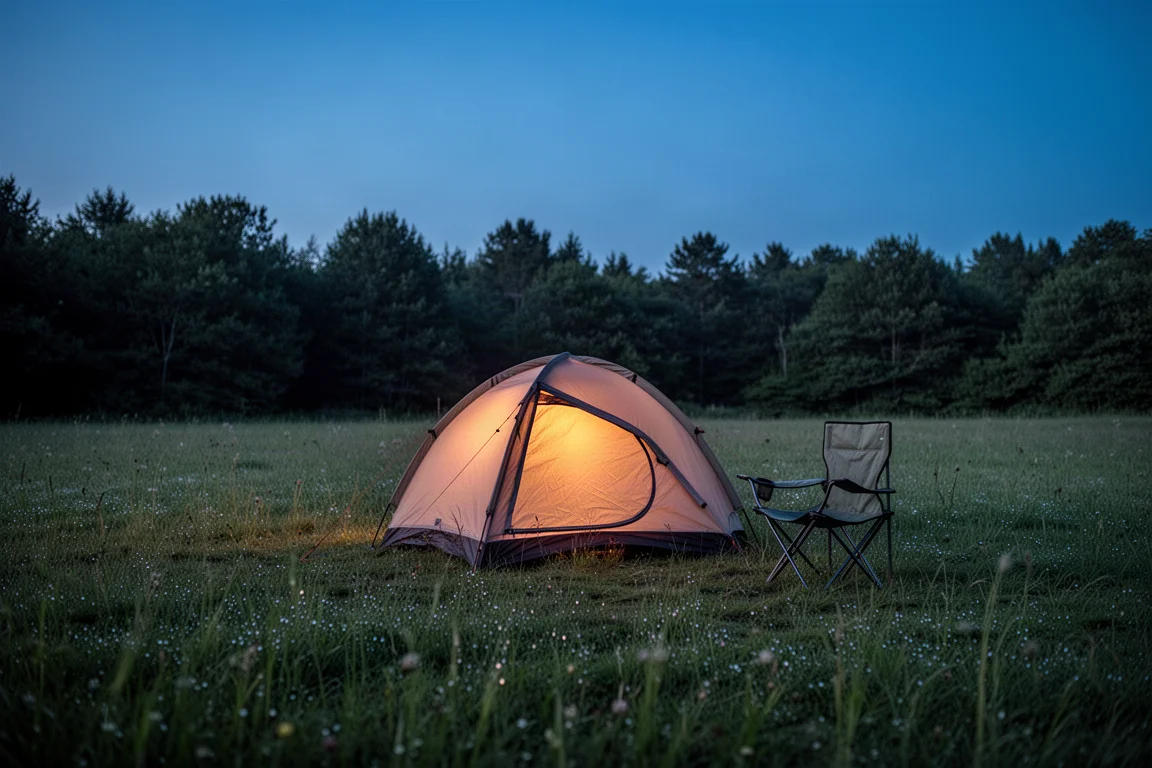
The canopy and the rainfly use the same 68D polyester, the poles are 7000 series aluminium, and the mesh panels are micromesh. The rainfly carries a 2,000 mm hydrostatic head rating, and the tent is covered by a five-year warranty, which is longer than the one-year cover on Coleman’s entry-level tents.
Who This Tent Is For
This is a tent for car campers, festival goers, and weekend campers who want interior space and dependable rain protection rather than the lightest possible load. At about 5.9 pounds packed, and with poles that measure close to 22 inches when carried separately, it is not aimed at backpackers covering long distances on foot.
Campers stepping up from Coleman’s budget tents will notice the difference quickly. Against a similarly sized Sundome, the PEAK1 offers more interior room thanks to the ridge pole, considerably more mesh for ventilation, and a rear window that most backpacking tents do not include at all.
Couples and solo campers who want a two-person shelter with genuine vestibule storage will get the most from it, while anyone expecting a lightweight trekking tent should look elsewhere.
Main Strengths
Weather Protection and Seam Taping
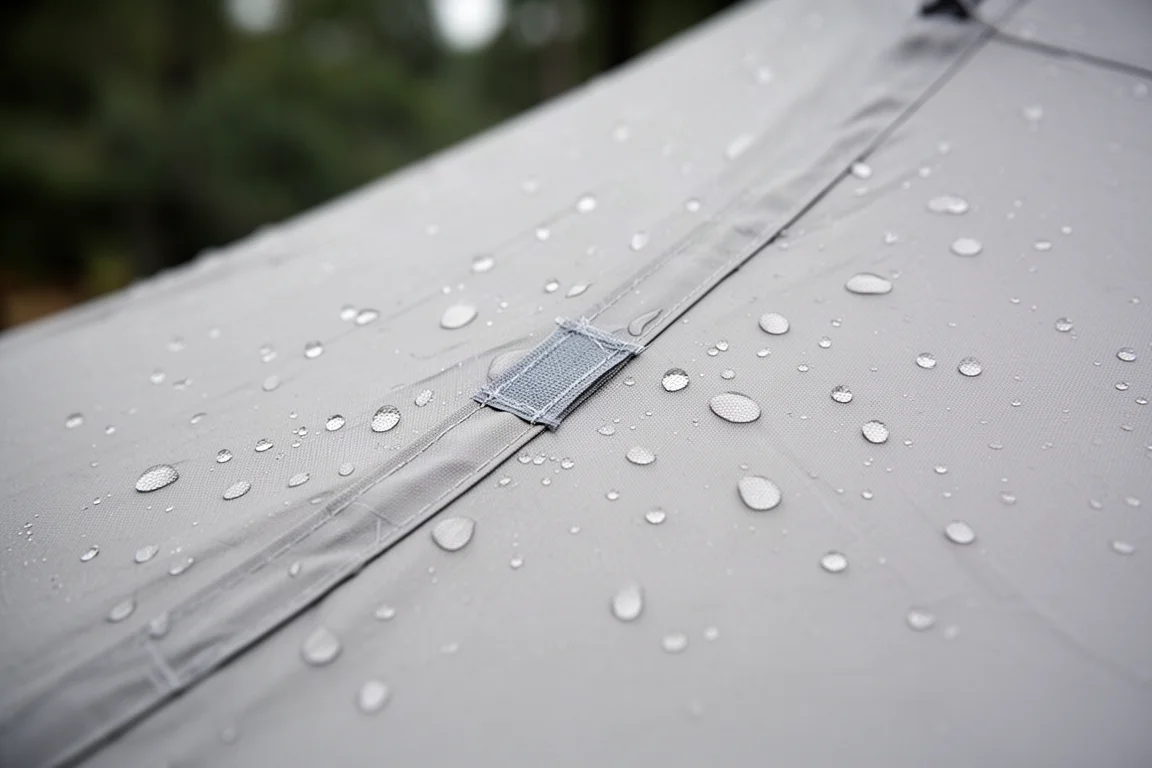
The PEAK1’s 2,000 mm hydrostatic head rating sits well above the roughly 450 mm to 1,000 mm found on most of Coleman’s budget tents, and the gap widens in real conditions. One hour of light rain produced no leaks at all, and one hour of heavy rain left not a single drop inside the tent. Corner seams and the sections outside the rainfly coverage held firm, the fabric stayed dry despite water running over it, and the underside of the rainfly showed no leakage or dampness.
Seam taping is thorough here. Every seam not covered by the rainfly is taped, all rainfly seams are taped, and the tub-like floor, which has no seams around its edges, is taped as well.
Interior Space and the Ridge Pole
The ridge pole is the reason the interior feels larger than the footprint suggests. Peak height comes in slightly over 40 inches, while the extreme left and right widths measure about 34 inches, because the ridge lifts the ceiling along its length and creates two vertical walls inside the tent.
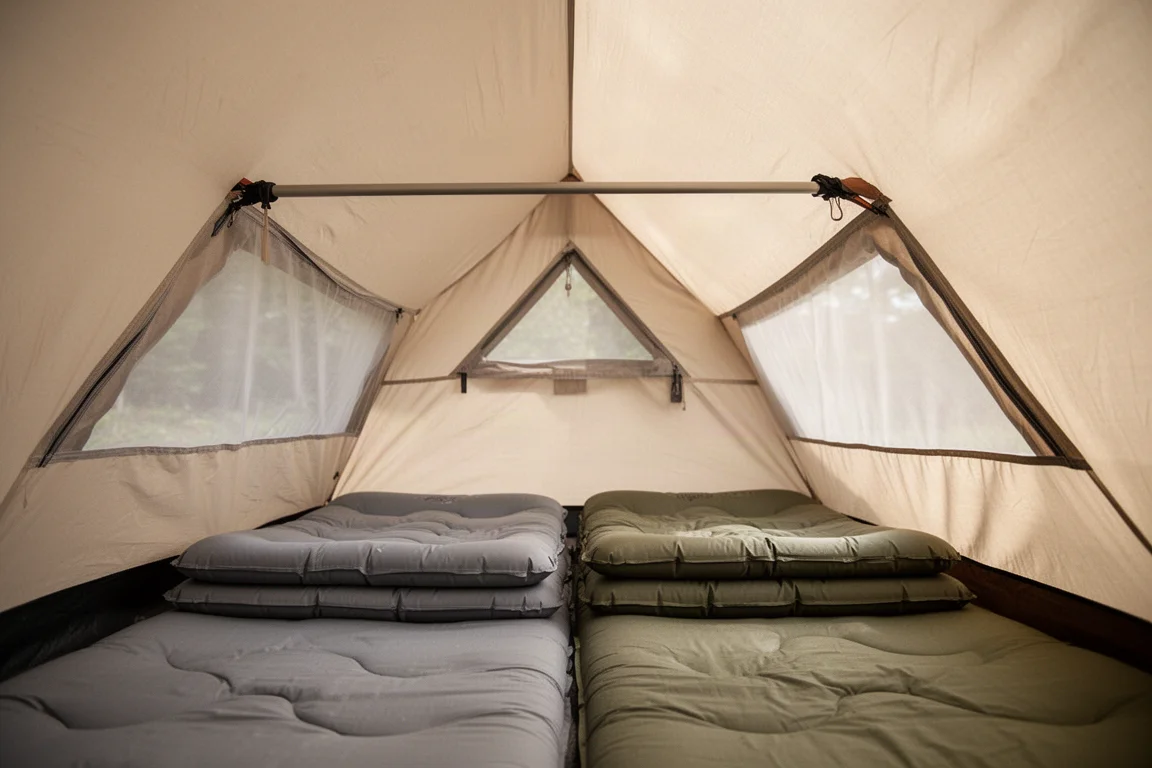
The floor measures about 88 by 50.5 inches, close to 31 square feet, and each of the two vestibules adds roughly 8 square feet, for just under 16 square feet of covered storage in total. A double-wide sleeping pad the size of two regular pads fits with usable floor space left over, although that leftover width is only around seven inches, so 25-inch wide pads will be a very snug fit and anything wider will not fit at all. A near-queen air bed fills the tent to the point of bulging against the walls, which puts stress on the fabric rather than sitting comfortably.
Ventilation, the Rear Window, and Night Sky Views
With the rainfly removed, the body is roughly half mesh and half fabric, with the most mesh concentrated at the foot end. The rear window is an unusual feature for this category: a triangular opening about 24 inches at its longest and 22 inches at its widest, with a mesh layer and a fabric layer that can each be tied back independently. With the fabric layer closed, the window becomes a rainfly vent held open by a kickstand, and it can be opened or closed from inside or outside the tent. The vent faces downward, so it stayed dry through the heavy rain test.
The mesh openings are not the finest available, but they are smaller than standard mosquito netting. With the window open and the rainfly in place, stargazing from inside the tent is possible without removing anything.
Setup, Packing, and Portability
Setup runs about seven minutes and takedown slightly over six, helped by the absence of pole sleeves and by the colour-matched rainfly tab. The 10 stakes are Y-stakes, which hold better than thin hook-style stakes, and the four guylines use shock cord with simple tensioners.
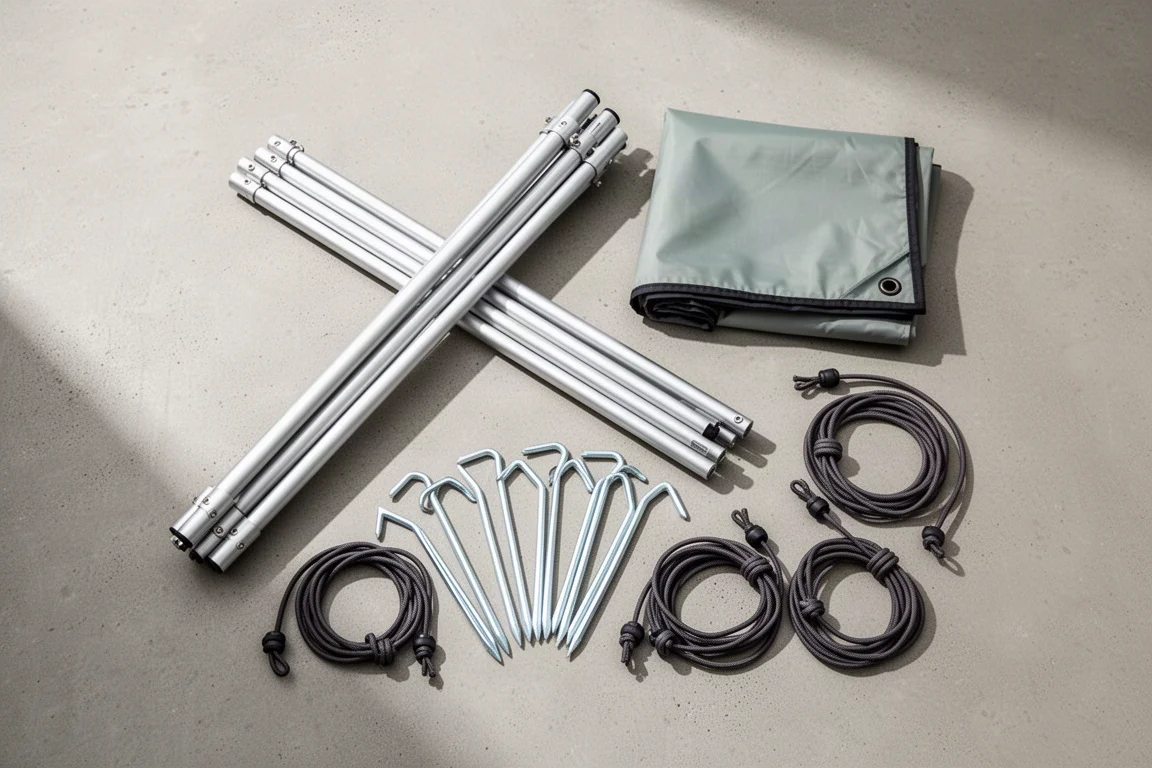
Packed dimensions are 22.5 by 9 by 6.5 inches. The roll-top carry bag has a wide mouth that compresses the load, a buckle that doubles as a handle, and a second handle at the base. Total weight is about 5.9 pounds, roughly 8 ounces less if the footprint stays at home.
Things to Consider Before Buying
The rainfly is not full coverage in the way a backpacking tent’s would be. A triangular gap near one end is intended for ventilation, but it also means rain can reach the tent body in prolonged storms; after 6 to 12 hours of heavy rain, that area will start to leak. On the opposite side, the rainfly is full length but cannot be pulled away from the tent body, which reduces both ventilation and rain protection there.
Storage is modest. The two head-end pockets are triangular and about 12 by 10 inches, and the gear loft above them measures roughly 13 by 11 inches. The three felt loops are small, so a larger lantern has to be dropped into the gear loft rather than hung from a loop.
Zippers are small and unbranded. They run smoothly with almost no snags, but the long door zippers can be awkward to pull past the bend when opening, so slowing down or using both hands protects the track. The door fabric is also a little droopy, which slightly cuts into cross-ventilation when both doors are open.
Finally, the poles pack long, so this is not a tent to carry on a multi-day hike.
Buying Advice
If your priority is a roomy two-person tent that keeps heavy rain out through a full storm, the PEAK1 is a sensible step up from Coleman’s budget models. The included footprint, taped seams, aluminium poles, Y-stakes, and five-year warranty all address the weak points that typically show up on cheaper tents, and the ridge pole makes the interior genuinely more usable for two people.
The main decision point is how you camp. Campers who drive to a site and expect long, wet nights will appreciate the weather protection and the vestibule space. Campers who hike in should weigh the packed length and the 5.9-pound weight carefully, and anyone expecting a fully sealed rainfly should plan around the triangular vent gap and think about how exposed the pitch will be.
For two people who want space, headroom, and dependable rain protection at a campsite, this is a well-judged package.
Conclusion
The Coleman PEAK1 two-person tent earns its place above Coleman’s budget range. It came through an hour of heavy rain without a leak, sets up in about seven minutes, offers more headroom and more mesh than the brand’s entry-level tents, and includes a footprint and a five-year warranty. Its limitations are real but predictable: a rainfly gap that will not tolerate day-long storms, small pockets and zippers, and poles that are too long for backpacking. For car camping couples who value interior comfort and rain protection, it is a confident choice.
Product link
View more details for Coleman PEAK1 Two-Person Tent
This product is mentioned in the review. Check the specifications, options, and compatibility before buying.
View more details for Coleman PEAK1 Two-Person TentFurther reading
Related Reviews
Camping Tents
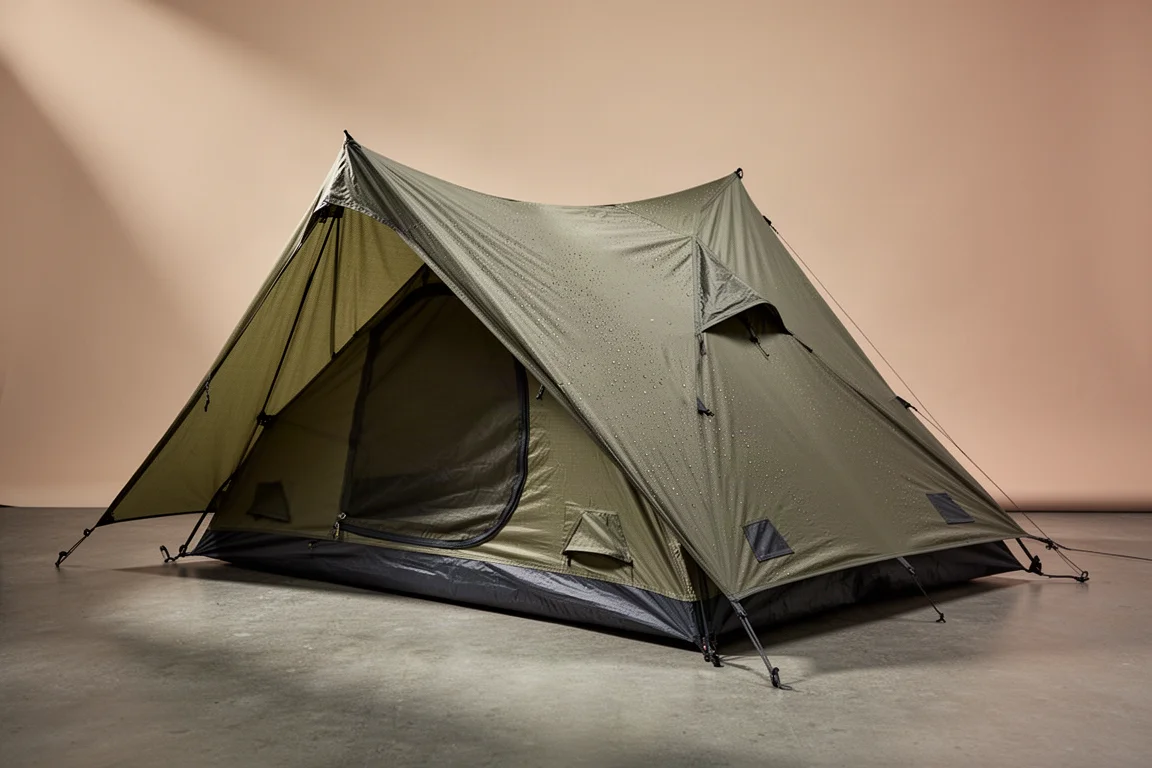
3F UL Gear Taiji Two-Person Tent Review: Field Waterproofing Results and Buying Advice
The Taiji pairs an attached fly with a removable inner, but sustained rain exposed untaped vent seams that need sealing before this shelter can be trusted.
Camping Tents
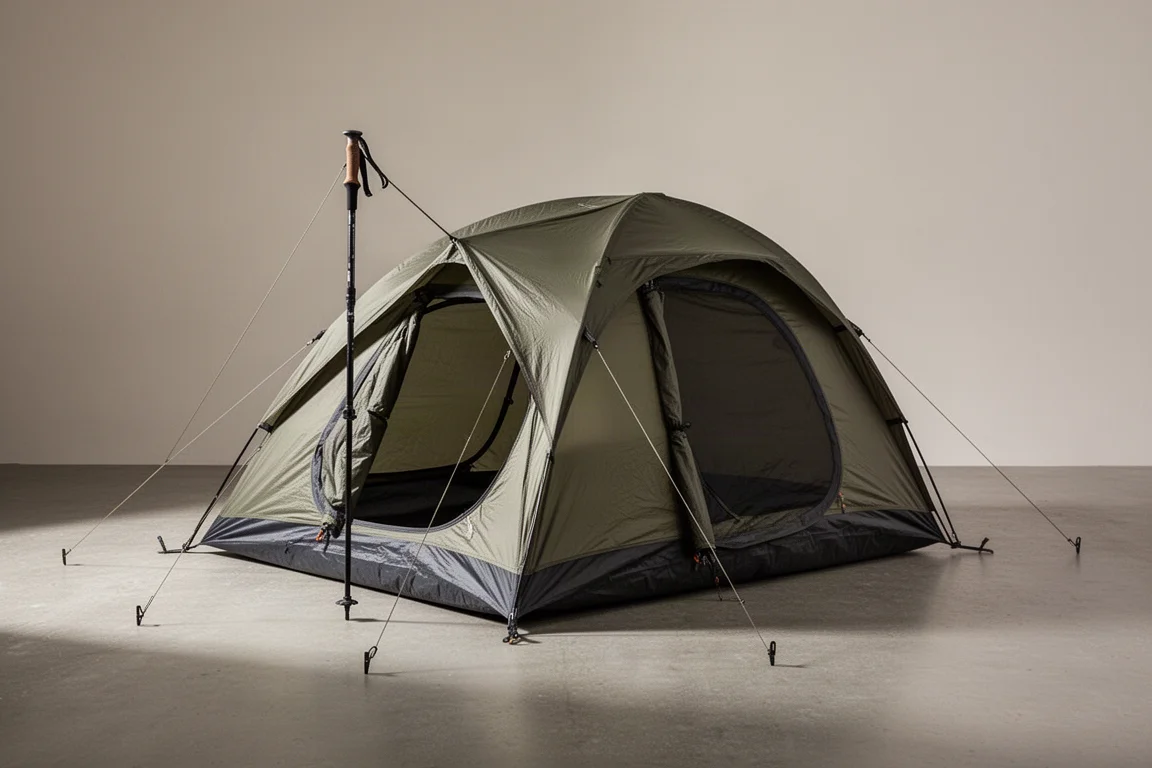
3FUL Gear Lanshan 2 Pro 4-Season Review: A Sub-$200 Single-Wall Trekking Pole Tent
An early look at the 3FUL Gear Lanshan 2 Pro 4-Season, covering its straightforward pitch, generous interior space, and the condensation and seam-sealing questions that come with any single-wall shelter.
Camping Tents
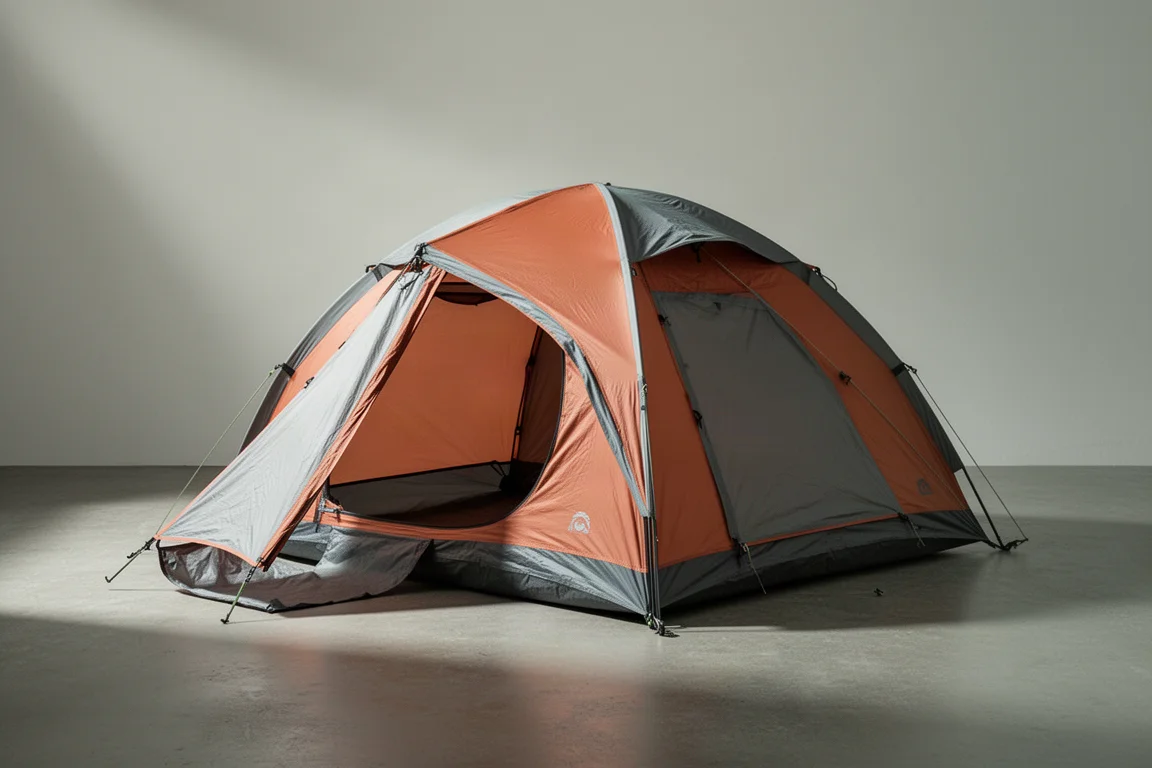
Alps Mountaineering Lynx 1-Person Tent Review: Big Value in a Small Budget Tent
A close look at the Alps Mountaineering Lynx 1-Person Tent, covering real interior dimensions, materials, setup time, ventilation limits, and who should buy it.