Camping Tents
Coleman Exponent Riel X2 Review: A 15-Year-Old Ultralight Tent Put to the Test
A 960g single-skin two-person tent from around 2009, picked up secondhand for £35. What still works, what has aged badly, and who should consider one.
Introduction
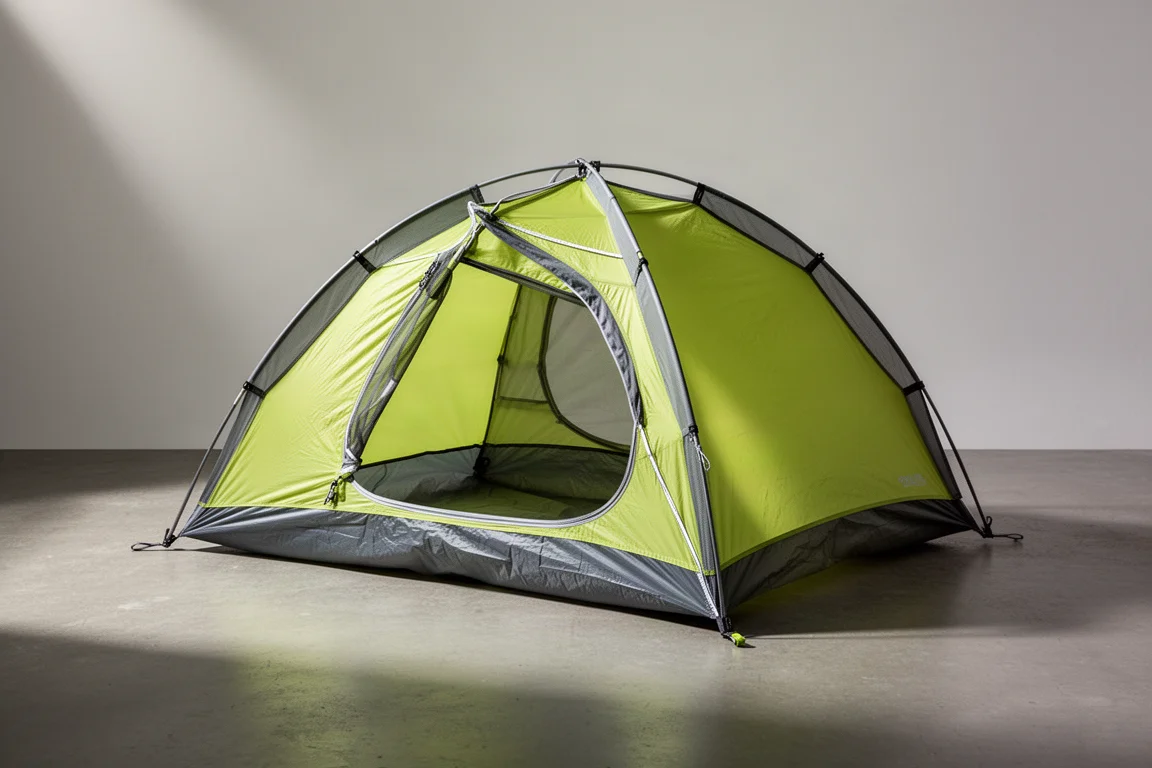
The Coleman Exponent Riel X2 is a 15-year-old ultralight two-person tent that turned up secondhand for around £35. It is a single-skin backpacking design with a claimed packed weight of just 960g, which is still a striking figure today, and it dates from somewhere between 2009 and 2011. Very little information about this model survives online, so the honest way to judge it is to pitch it and look closely at how the materials and hardware have held up.
The appeal is obvious. Under a kilo, room for two in theory, and a secondhand price that undercuts almost any modern ultralight shelter. The open question is whether a tent this old can still do the job it was built for, and whether the compromises made to reach that weight are ones a buyer can live with.

What follows is a close look at what the Riel X2 actually is, how it pitches, which parts still work well, and where age and design decisions show through.
Who this product is for
This is a fair-weather tent. It suits someone who wants a very light shelter for a back garden, a festival, or a relaxed overnight in settled conditions, and who is happy to spend an afternoon on maintenance before using it.
It is not a tent for exposed hill or summit camping. The single-skin construction, the lack of side guylines and the limited headroom all point to sheltered, predictable weather. It also makes a reasonable project for anyone who enjoys restoring old gear and is comfortable working with seam sealant.
Design and build quality
The Riel X2 is a single-skin tent, so there is no separate inner and fly. The colour scheme is deliberately loud, with reflective trims that make the tent easy to spot at night. That is genuinely useful for visibility, but it rules the tent out for anyone who prefers to camp discreetly. Storage is unusual too: instead of a separate stuff sack, the bag is integrated into the tent body itself.
The poles are a mix of aluminium and Scandium, sold at the time under the Air Hercules name. The bungee cord still had life in it, and each pole section carries a small lip where the sections meet, rather than the flush butt joints found on most current poles. The pole sleeves are made from a mesh material, and the frame seats into small grommets at the corners. Along with the tent came five small aluminium pegs and a small repair kit with patches and glue.
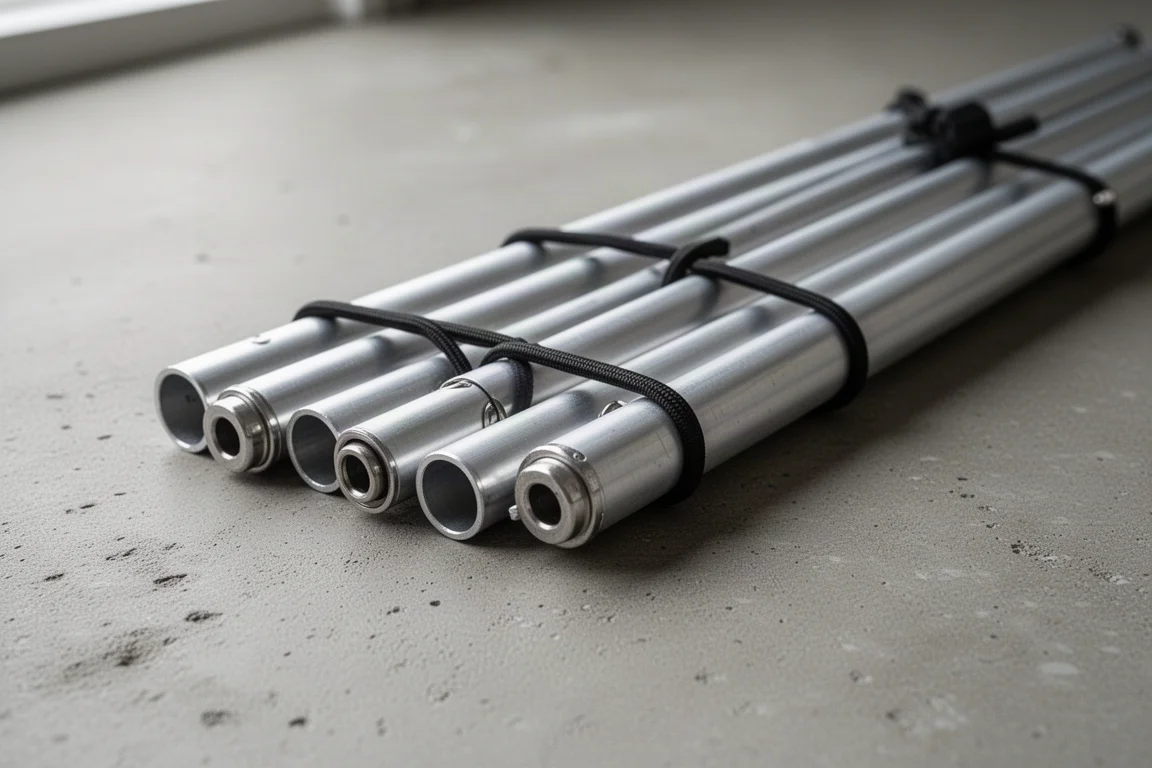
The overall impression is of a shelter engineered to hit a weight target first and to survive hard weather second. The hardware is intact, but the margins are thin, and five small pegs do not offer much holding power once the wind picks up.
Setup and pitching
Pitching is straightforward once the sequence is clear. There are three pegging points at the head end and two at the foot end, which gives the floor a basic rectangle before the poles go in. The poles feed through the mesh sleeves and drop into the corner grommets, and small toggles clip the roof section into place.
Because the tent sits so low, it goes up quickly and presents very little to the wind. The trade-off is that the fabric is baggy in places and the pitch never feels fully taut, so the shape relies more on the low profile than on tension to stay put.
Main strengths
The headline strength is the weight. A claimed 960g for a two-person shelter was ambitious in its era, and it remains competitive now. The second surprise is the main coating. When water was poured directly onto the outer fabric, it beaded and ran off rather than soaking straight in, which is better than the age of the tent would suggest.
The low profile also helps in a breeze. Even without guylines, the tent stayed reasonably settled in gusty conditions because there is so little of it standing up to catch the wind. Ventilation mesh at the top of the tent allows warm air to escape, and on a clear night it opens up a view of the sky from inside, a genuinely pleasant feature for fair-weather camping. Reflective trim and the bright colour make the tent easy to find with a torch after dark, and the included repair kit means small punctures can be dealt with on the spot.
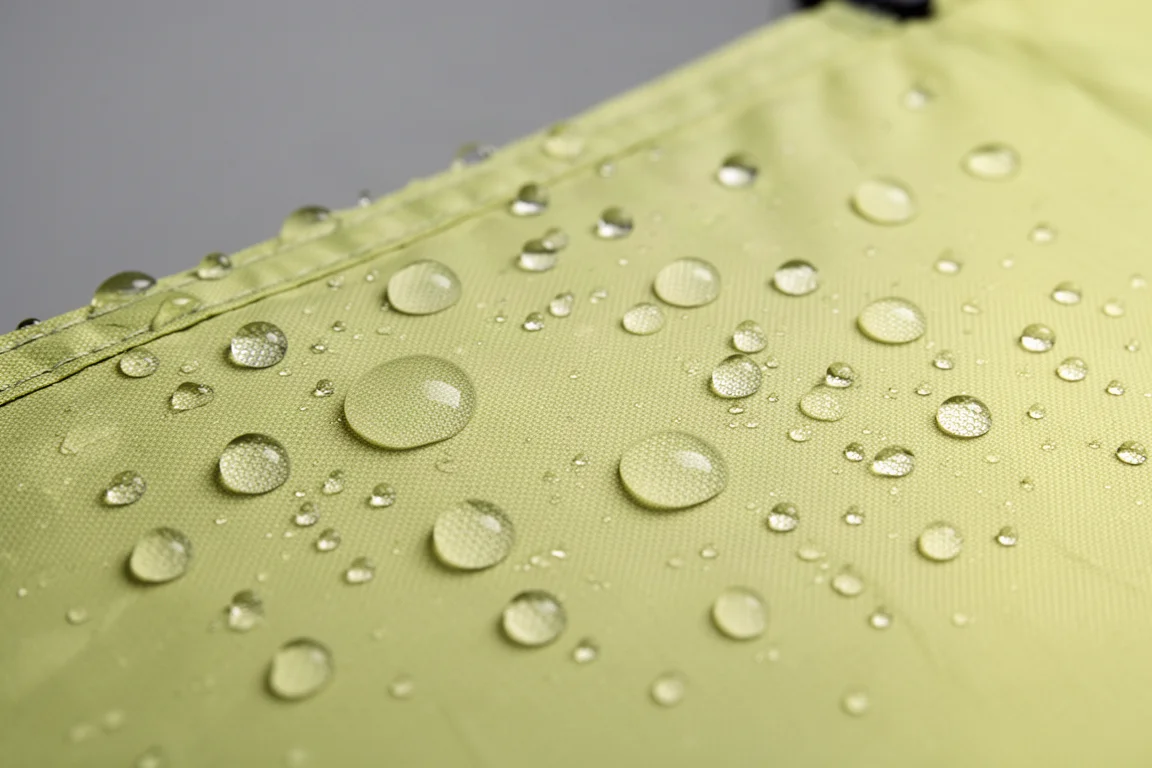
Taken together, these are real, usable strengths rather than marketing points. For calm nights in a sheltered spot, the tent does the basic job of keeping the weather off at a very low weight.
Things to consider before buying
Age is the main issue. The taped seams on this example are coming away from the fabric, which is where water will get in. The coatings used on older polyester tents deteriorate over time whether or not the tent has seen much use, and this one will need seam sealant work before it can be trusted in rain. The groundsheet also began to feel damp soon after being sat on, which is a warning sign for anyone planning an overnight on wet ground.
Design contributes as well. Older user reports describe water entering from the top through the flap when it is windy. There are no guylines running from the sides, so the side walls cave inward in gusts, and if the outer fabric touches a sleeping bag in the rain, that contact will transfer moisture. Headroom is limited to the point where the interior feels closer to a large bivvy than a conventional two-person tent, and the two-person claim looks optimistic for two adults with kit. The five supplied pegs are small and offer modest holding power, so replacements are worth budgeting for.
Buying advice
Secondhand ultralight tents are always a gamble, and this one shows why. Before buying anything comparable, check three things: whether every pole and peg is present, whether the bungee cord in the poles still returns under tension, and whether the seam tape is still bonded to the fabric. A tent that beads water on the main panels can still leak badly at failing seams.
The Riel X2 originally sold for around £59 when new, and £35 for a used example is not a wild price for a sub-kilo shelter. Whether that is good value depends entirely on condition and on your willingness to reseal it. If the goal is genuine three-season hill use, a double-skin design such as the Coleman Cobra is a much more robust proposition. If the goal is a lightweight, low-commitment shelter for a garden or a calm summer night, this tent can still earn its place.
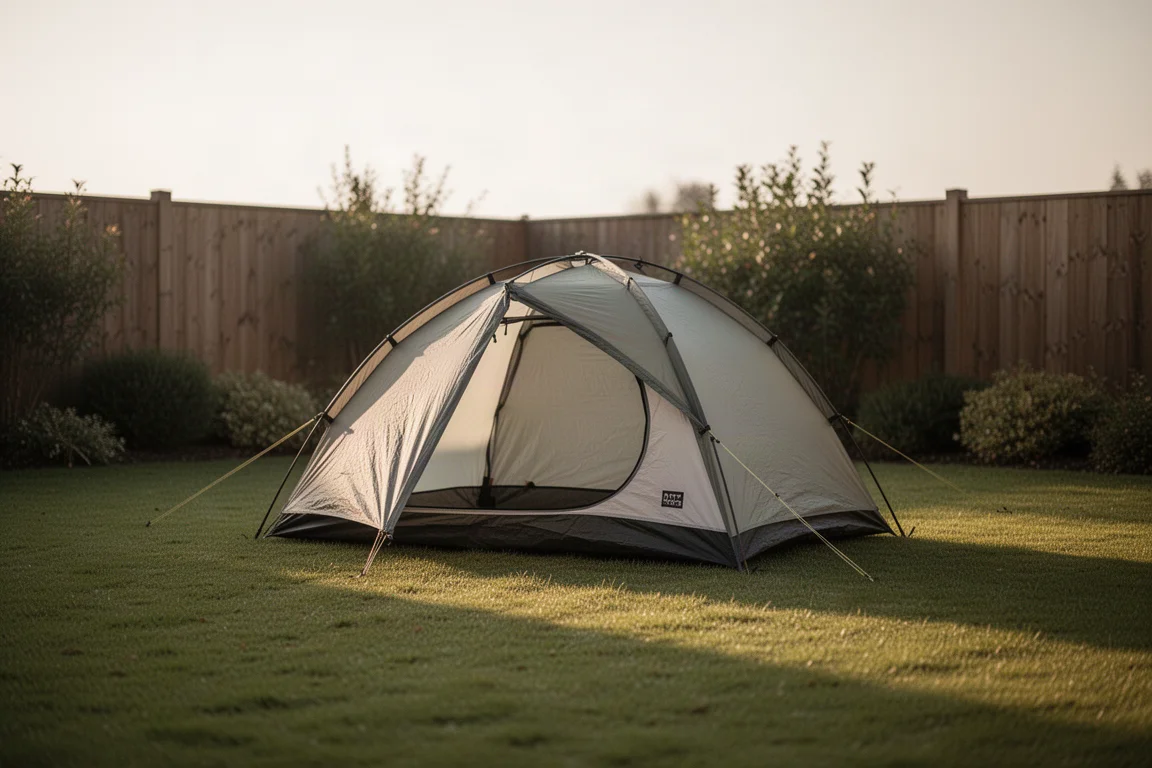
The sensible approach is to treat any purchase like this as a project rather than a finished product, and to budget for seam sealant, a few proper pegs and a spare evening before the first trip.
Conclusion
The Coleman Exponent Riel X2 is an interesting piece of ultralight history that still does a few things well: it is genuinely light, its main coating still repels water, and it stays settled in a breeze thanks to its low profile. What it cannot offer is confidence in bad weather. Failing seam tape, a single skin, no side guylines and very limited headroom make it a fair-weather shelter rather than a hill tent.
For garden camping with children on a warm, settled evening, or for someone who enjoys a restoration project, it makes sense. For anyone heading for exposed ground in uncertain conditions, it is worth spending more on a double-skin alternative.
Product link
View more details for Coleman Exponent Riel X2
This product is mentioned in the review. Check the specifications, options, and compatibility before buying.
View more details for Coleman Exponent Riel X2Further reading
Related Reviews
Camping Tents
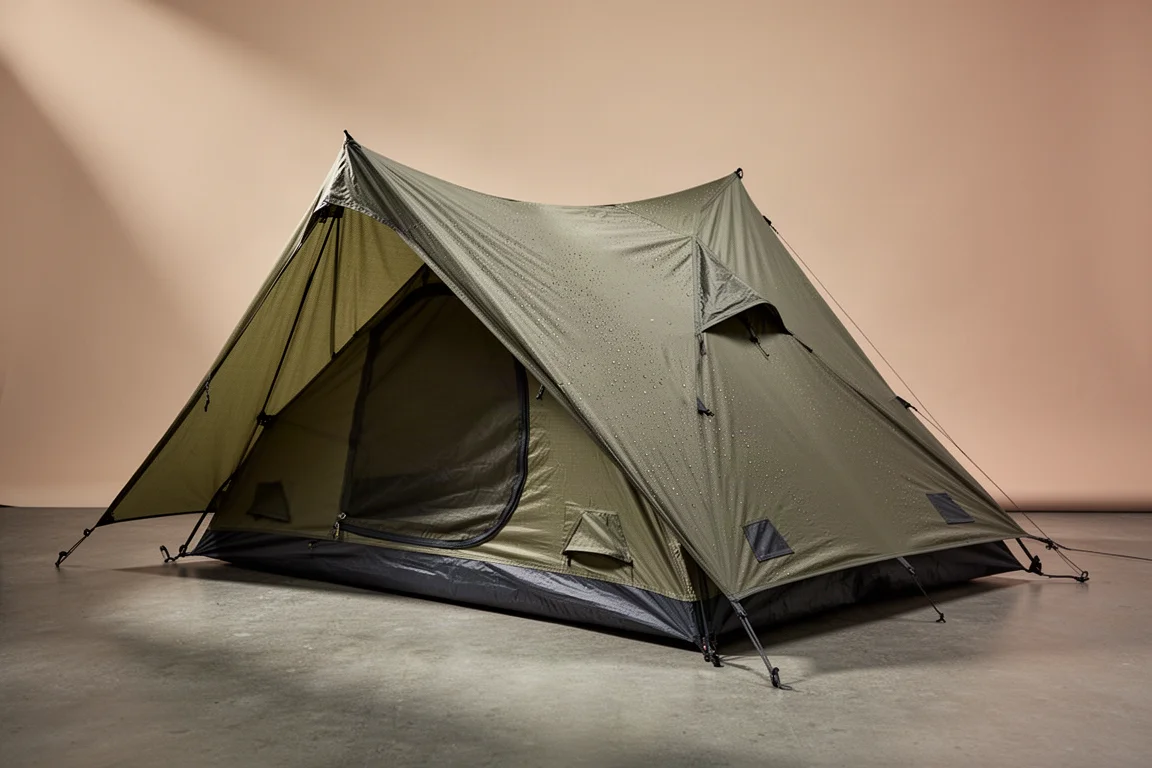
3F UL Gear Taiji Two-Person Tent Review: Field Waterproofing Results and Buying Advice
The Taiji pairs an attached fly with a removable inner, but sustained rain exposed untaped vent seams that need sealing before this shelter can be trusted.
Camping Tents
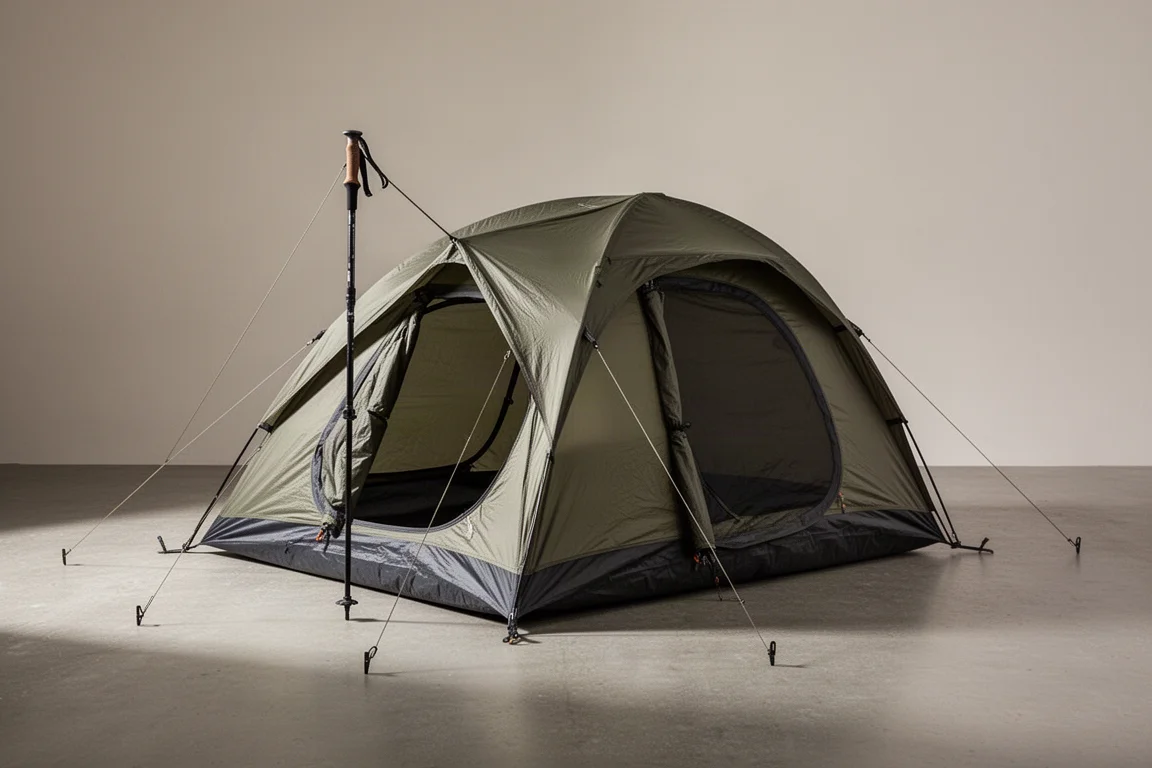
3FUL Gear Lanshan 2 Pro 4-Season Review: A Sub-$200 Single-Wall Trekking Pole Tent
An early look at the 3FUL Gear Lanshan 2 Pro 4-Season, covering its straightforward pitch, generous interior space, and the condensation and seam-sealing questions that come with any single-wall shelter.
Camping Tents
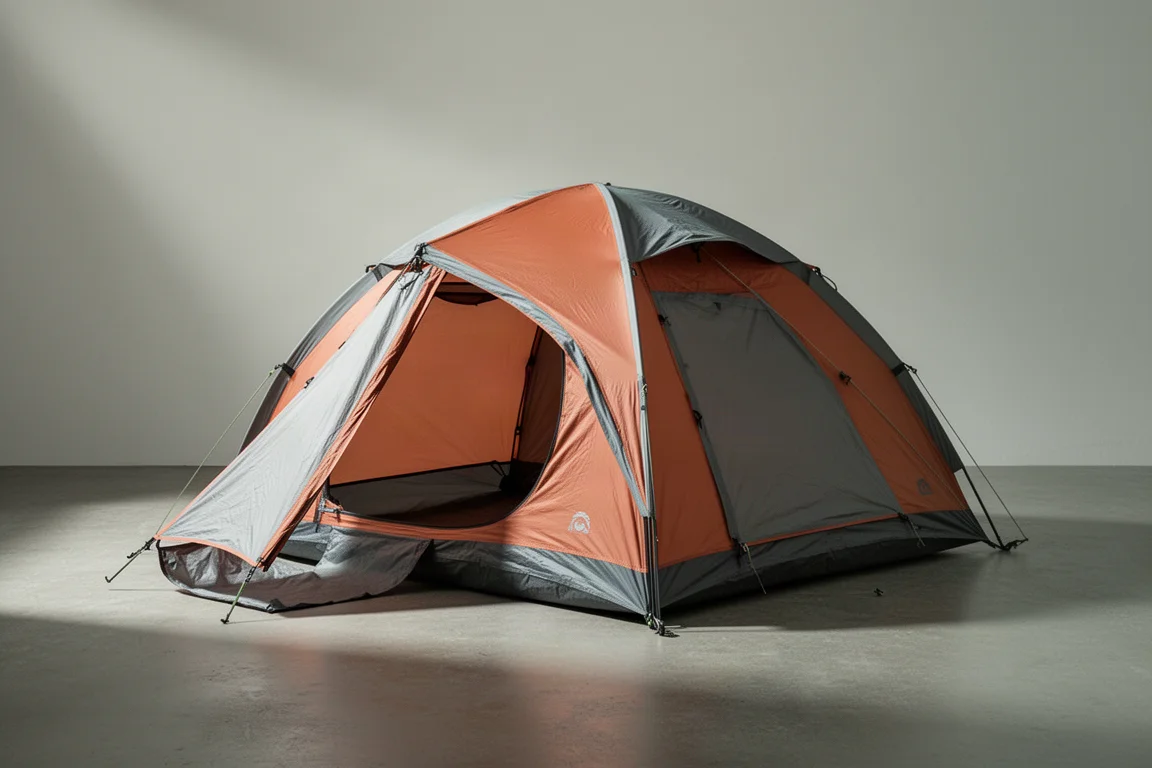
Alps Mountaineering Lynx 1-Person Tent Review: Big Value in a Small Budget Tent
A close look at the Alps Mountaineering Lynx 1-Person Tent, covering real interior dimensions, materials, setup time, ventilation limits, and who should buy it.