Camping Tents
Coleman Elite Sundome 6-Person Tent Review: Space, Features, and Rain Performance
A detailed look at the Coleman Elite Sundome 6-Person Tent, covering setup time, interior space, the hinged door, the auto-rolling windows, and how it handles heavy rain.
Introduction
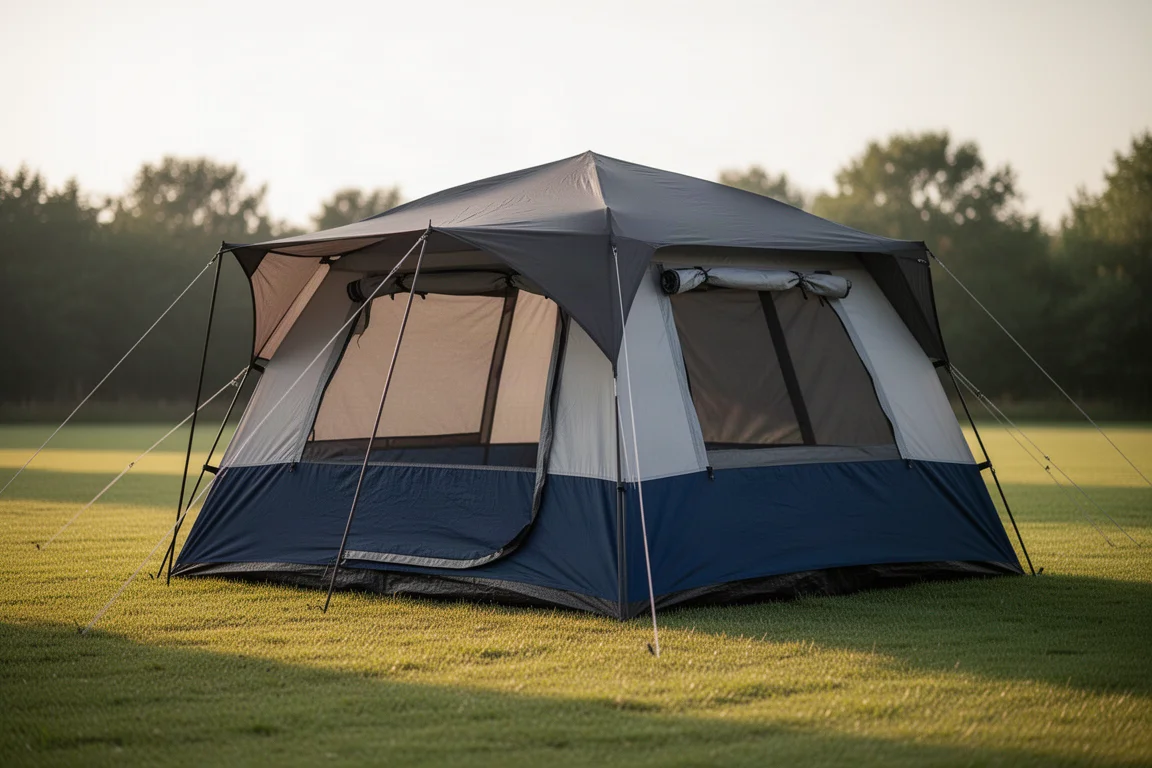
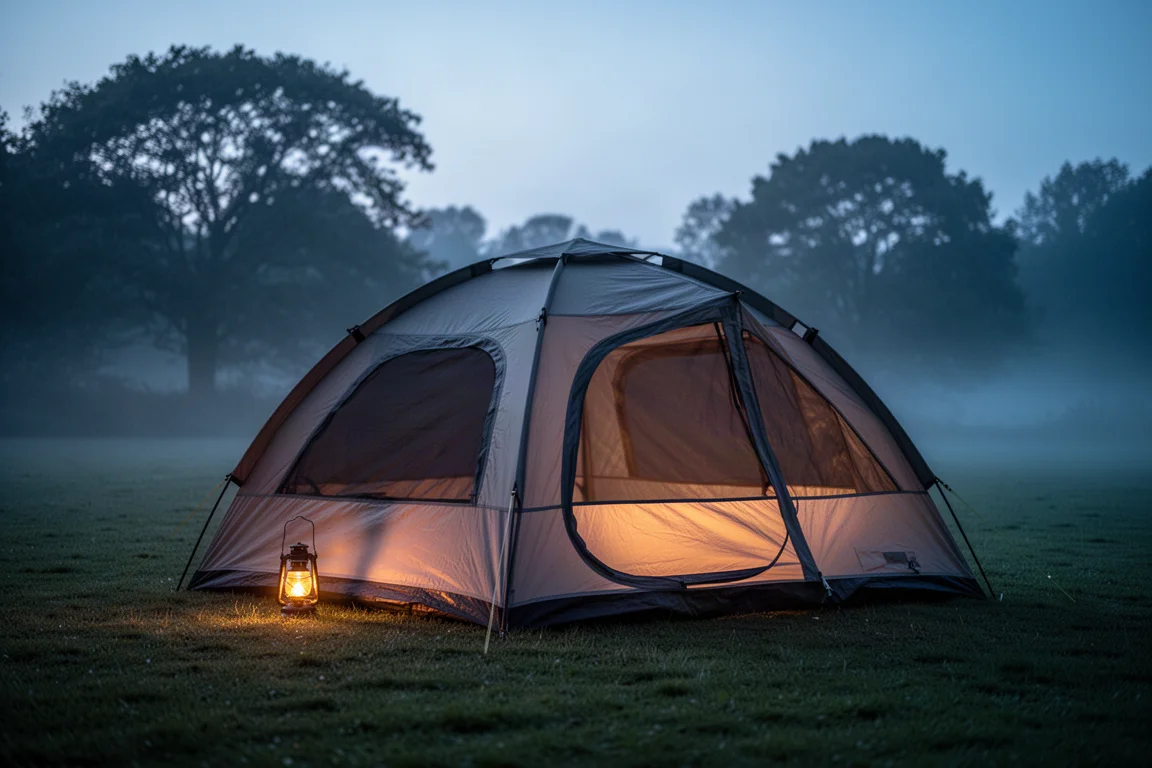
The Coleman Elite Sundome 6-Person Tent is the feature-heavy version of a familiar camping shape. Where the standard Sundome keeps things simple, the Elite trim adds a hinged front door, a second door at the back, a removable room divider, windows that roll themselves down, and a pre-attached light with a power pack.
That is a lot of extra hardware on one tent, and the question worth answering is whether those features earn their place once the tent is actually pitched. This review covers what comes in the box, how long setup takes, how much room you really get inside, how the seams and fabrics behave in sustained rain, and which trade-offs are worth accepting.
Who This Tent Is For
This is a tent for groups that want standing room and separate sleeping areas rather than the lightest possible pack weight. Packed size is about 30 by 13.5 by 10 inches and the full kit weighs roughly 21.4 lbs, so it is best suited to car camping, base camps, and trips where the vehicle carries the load.
Capacity is genuinely generous. Seven regular sleeping pads fit inside the main floor area, though occupants sleep shoulder to shoulder. There is still a little leftover floor space for gear at that density, but not enough length for an eighth pad. A more comfortable arrangement is four people with two queen camping mattresses, which leaves plenty of room for bags and equipment.
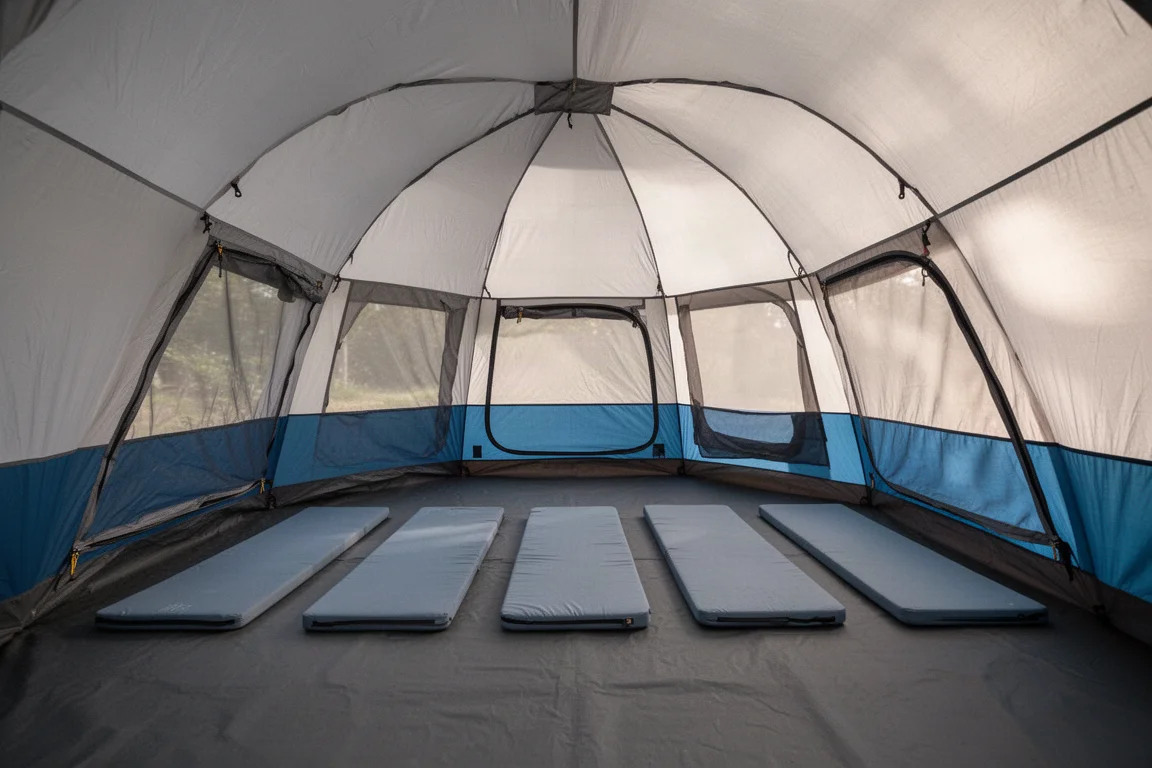
The room divider lets you split the interior into two rooms, each holding three pads or one queen mattress plus gear. For families, that means adults and children can have their own space while still sharing one tent.
Main Strengths
The Elite package is the main draw, and most of the extras are the kind you notice every single day of a trip.
The hinged D-door turns the front entrance into something closer to a normal door, with handles on both the inside and the outside, and it can be pushed open and held behind the rainfly pole. There is a second, larger door at the back for a total of two entrances, so nobody has to climb over anyone else. The room divider creates two separate sleeping zones. The auto-rolling windows make venting effortless once the strap mechanism is installed. The carry bag is made from a thicker, higher-quality material than typical Coleman bags and expands when you unzip the bottom.
Setup is manageable solo. A full pitch took about 16 minutes working alone, and takedown with pack-up took about 12 minutes. Peak height reaches roughly 74.5 inches, which is enough to stand upright comfortably, and enough to stand and move around on top of thick queen mattresses.
Setup and Interior Space
Setup follows a clear sequence. The two longest and thickest fiberglass poles slide into the blue sleeves at the centre of the tent, then each pole end is seated on the pins at the corners. Eight pole clips around the body hold everything in place. The rainfly goes over the top with its blue section aligned over the hinged D-door, secured by four S-hooks to the corner rings.
From there, the tent is staked with seven stakes and guyed out with six pre-attached guylines. Two black-tipped poles hold the rainfly away from the body, one over each door, using a short sleeve at the tip of the rainfly and two rings in the tent body. The final two poles support the hinged door, with the shortest pole on the straight side and the longest on the curved side.
Interior measurements are slightly smaller than the marketed footprint. Length comes in around 11 feet 7 inches and width around 9 feet 6 inches, against a stated 12 by 10 feet. Peak height of about 74.5 inches applies only at the centre, since the dome slopes downwards on every side. Take two steps away from the middle and the ceiling drops close to head height.
Two queen mattresses fit easily across the floor, and the leftover strips along the walls are where the gear ends up. It is a layout that works well for four people and their equipment rather than six people packed edge to edge.
Features and Build Quality
The room divider attaches with six latches onto six loops in the tent, three per side. It is not very see-through, which is a plus for privacy, and it has a zip down the middle for access between rooms. When fully open it clips back at the sides with two latches. The one weakness is coverage: small gaps remain at the top, along the sides, and at the bottom.
Both windows sit within the two doors, one on each width of the tent. The rear window measures about 42 by 25 inches and the front about 29 by 22 inches. Each has white zippers and a bug net to keep larger insects out when open. The auto-roll feature uses black circular straps that straighten out by clicking both ends into place, with an orange sticker marking the rear window strap and a yellow sticker for the front. Once installed, pressing the top section into its click position lets the strip bend as the window rolls down.
The hinged D-door measures roughly 47 by 29 inches and about 49 inches from ground to top. The rear door is larger at about 52 by 42 inches and roughly 54 inches tall, and it must be zipped open and closed rather than swung. Both require a slight duck when walking through. Inside there are two pockets measuring about 9 by 8 inches, plus one e-port at the bottom with a zippered closure. Because the light is pre-attached, there is no lantern loop at the ceiling, though a divider hook can hold a personal lantern.
The included light and power pack take four D batteries and connect to a plug at the corner of the tent, with a switch near the hinged door controlling the lantern at the top. On our unit the plug did not fit, so the light could not be powered at all. The system is removable: undo the Velcro strips along the wire, unplug the switch and lantern, and pull the remaining wire out. The power pack and light store in a small black carry bag that hangs from an S-hook.
Weather Protection and Ventilation
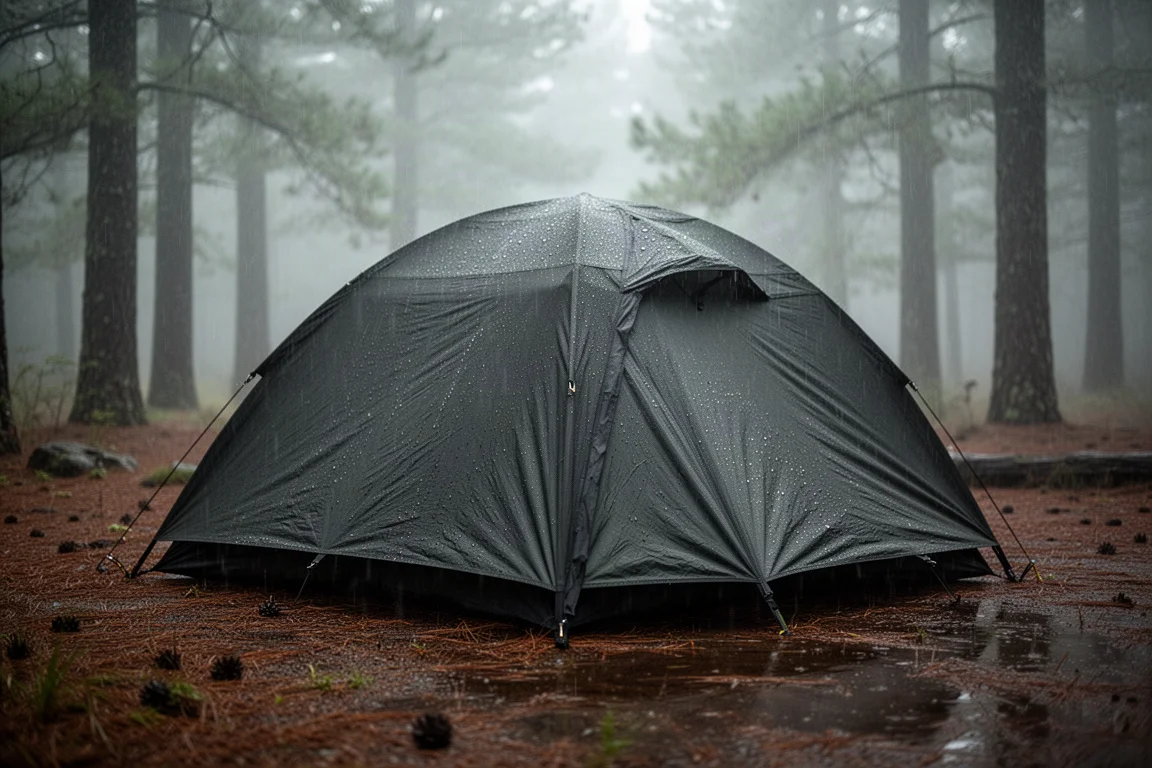
In a 30-minute rain test with heavy spray directed at two walls, the two sides behaved very differently.
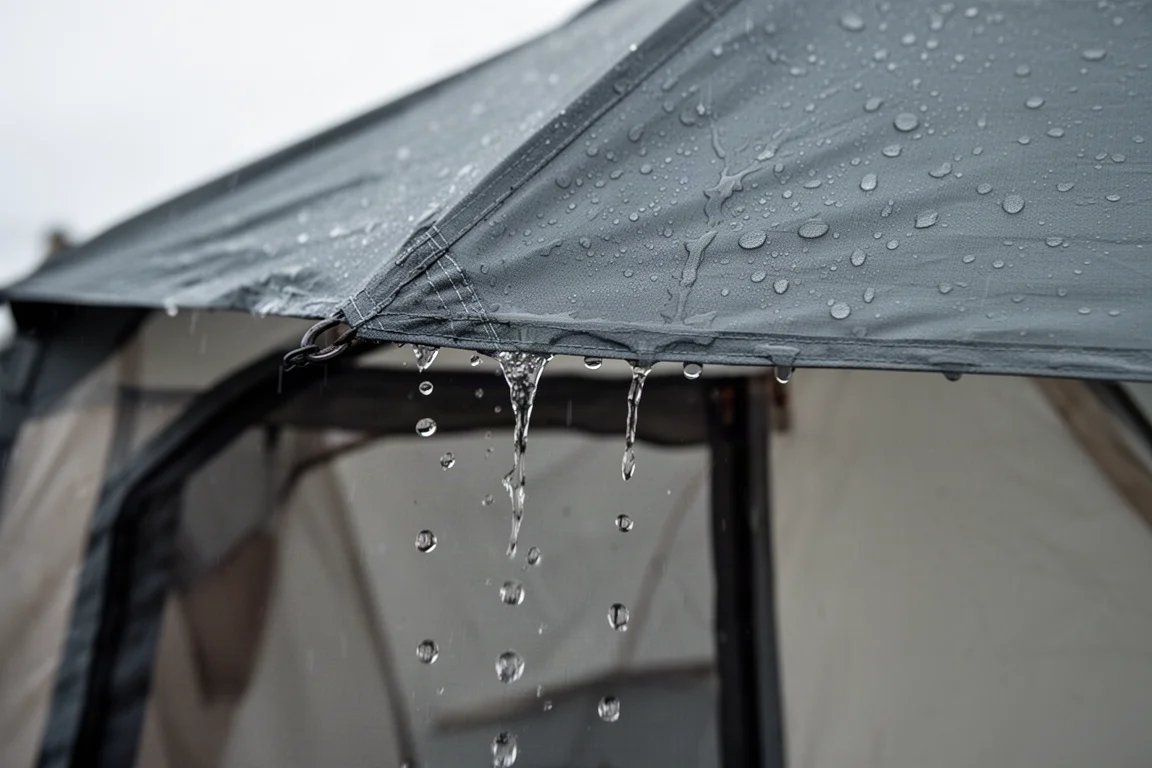
On one wall, the first droplets appeared after about 30 minutes, seeping through the untaped seam where the tent body meets the bathtub flooring, with a little more leaking at the corner. The bottom section of the window mesh became damp while the top stayed dry, which means the windows can be cracked open slightly in heavy rain without letting water in. The white upper fabric, the blue lower fabric, and the rainfly all stayed dry.
On the second wall there was no leaking at all. The mesh, the fabrics, and the untaped seam were all dry after the same 30 minutes.
The flooring is polyethylene with a bathtub section rising about nine inches, and no water passed through the floor itself. The rainfly is 75D polyester taffeta while the rest of the tent is 68D polyester. No seams are taped, and the seams exposed to rain are inverted, including the body-to-floor seam, the vertical seams, the white-to-blue fabric seam, and the door seams. Stitching is double stitched and consistent, with no loose threads or large openings. The mesh is standard mesh rather than no-see-um grade, and the zippers are catch-free, though the rain cover over the zipper track sometimes needs to be held out of the way while closing.
Ventilation is one of the stronger points. Two mesh walls span the full length of the tent, and with the rainfly on and guyed out they become vents roughly 14 inches wide. On hot days the rainfly can be removed from the outside for much more airflow through those mesh walls and both doors, at the cost of privacy.
Things to Consider Before Buying
The rainfly poles are the clearest weak point. They are thin and carry a lot of load when pitched, and both bent permanently after a few days of use. The single thicker pole design used on the standard Sundome is sturdier and does not warp as easily, while offering comparable rainfly coverage. None of the fiberglass poles are colour-coded either, which slows setup slightly.
The rainfly poles also protect only the door area, not the space outside the tent, so footwear left by the entrance will get wet even in light rain.
The integrated lighting is the other feature to think about honestly. It requires four D batteries, which are heavy and relatively expensive, and it adds a fixed element to the ceiling. If you already carry rechargeable lanterns, the removable wiring is more appealing than the light itself.
Expect a few other small compromises: the divider leaves gaps at the top, sides, and bottom, and the untaped seams are the reason one wall showed slight seepage in prolonged heavy rain. Elite tents also tend to cost more than the standard Sundome models.
Buying Advice
This tent makes sense if you want the feature list and will use it. The hinged door, the second entrance, the room divider, the auto-rolling windows, and the larger base area are all things you interact with on every trip, and together they make the Elite version noticeably more convenient than a basic dome.
The practical step is to compare the price against the regular Sundome and the blackout Sundome before deciding. If the Elite is only slightly more expensive and those extras appeal to you, it is worth the difference. If your priority is simple, durable rain protection with fewer parts to bend or break, the standard model covers the same ventilation and rain performance with a stronger rainfly pole design.
Conclusion
The Coleman Elite Sundome 6-Person Tent is a spacious, genuinely well-ventilated tent with a feature set that suits families and small groups. Setup and takedown are reasonable for one person, the interior comfortably handles four people with two queen mattresses and gear, and the fabric and floor stayed dry through sustained heavy rain on one wall while the other showed only minor seam seepage.
The trade-offs are the thin rainfly poles that bent permanently, the D-battery lighting system, and the price premium over the standard Sundome. Weigh those against the hinged door, the second entrance, and the auto-rolling windows, and the Elite becomes an easy recommendation for campers who value convenience over minimalism.
Product link
View more details for Coleman Elite Sundome 6-Person Tent
This product is mentioned in the review. Check the specifications, options, and compatibility before buying.
View more details for Coleman Elite Sundome 6-Person TentFurther reading
Related Reviews
Camping Tents
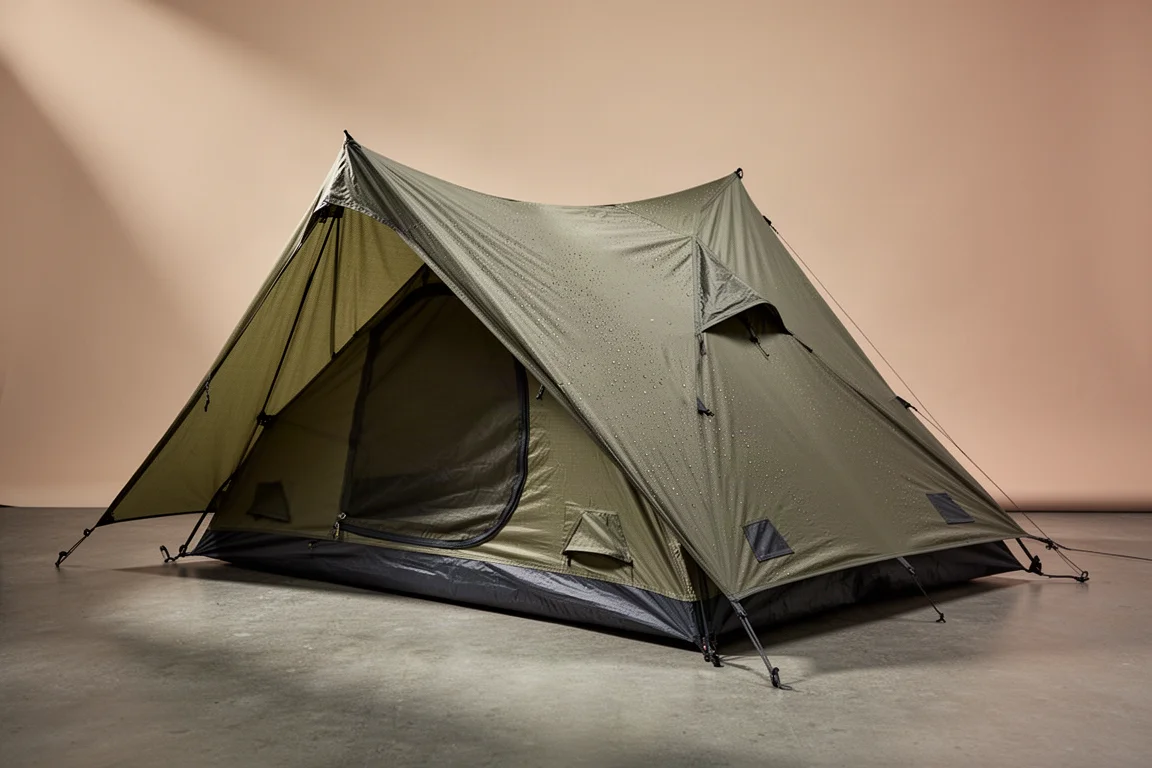
3F UL Gear Taiji Two-Person Tent Review: Field Waterproofing Results and Buying Advice
The Taiji pairs an attached fly with a removable inner, but sustained rain exposed untaped vent seams that need sealing before this shelter can be trusted.
Camping Tents
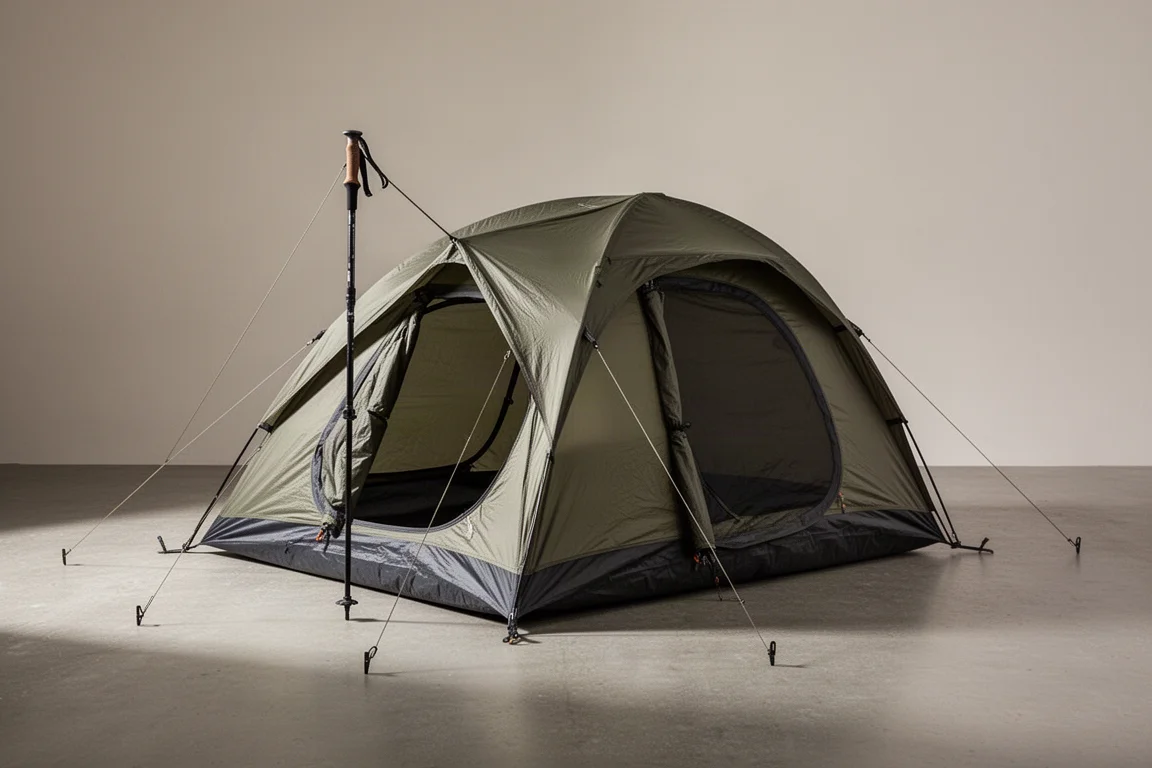
3FUL Gear Lanshan 2 Pro 4-Season Review: A Sub-$200 Single-Wall Trekking Pole Tent
An early look at the 3FUL Gear Lanshan 2 Pro 4-Season, covering its straightforward pitch, generous interior space, and the condensation and seam-sealing questions that come with any single-wall shelter.
Camping Tents
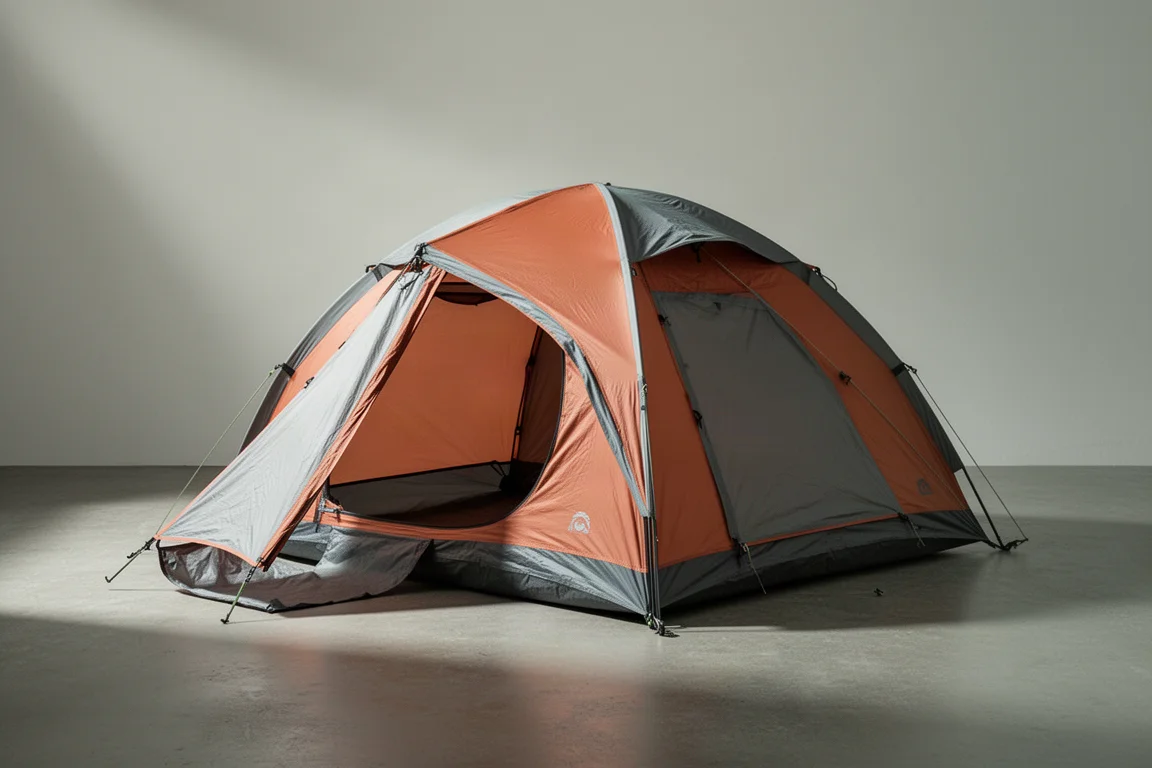
Alps Mountaineering Lynx 1-Person Tent Review: Big Value in a Small Budget Tent
A close look at the Alps Mountaineering Lynx 1-Person Tent, covering real interior dimensions, materials, setup time, ventilation limits, and who should buy it.