Camping Tents
Coleman Carlsbad 4-Person vs Evanston 6-Person Tent: Which Dome Tent With a Screen Room Is Right for You?
A side-by-side comparison of the Coleman Carlsbad 4-Person Dome Tent and the Coleman Evanston 6-Person Tent, covering interior space, screen room rain protection, headroom, dark room fabric, and setup.
Introduction
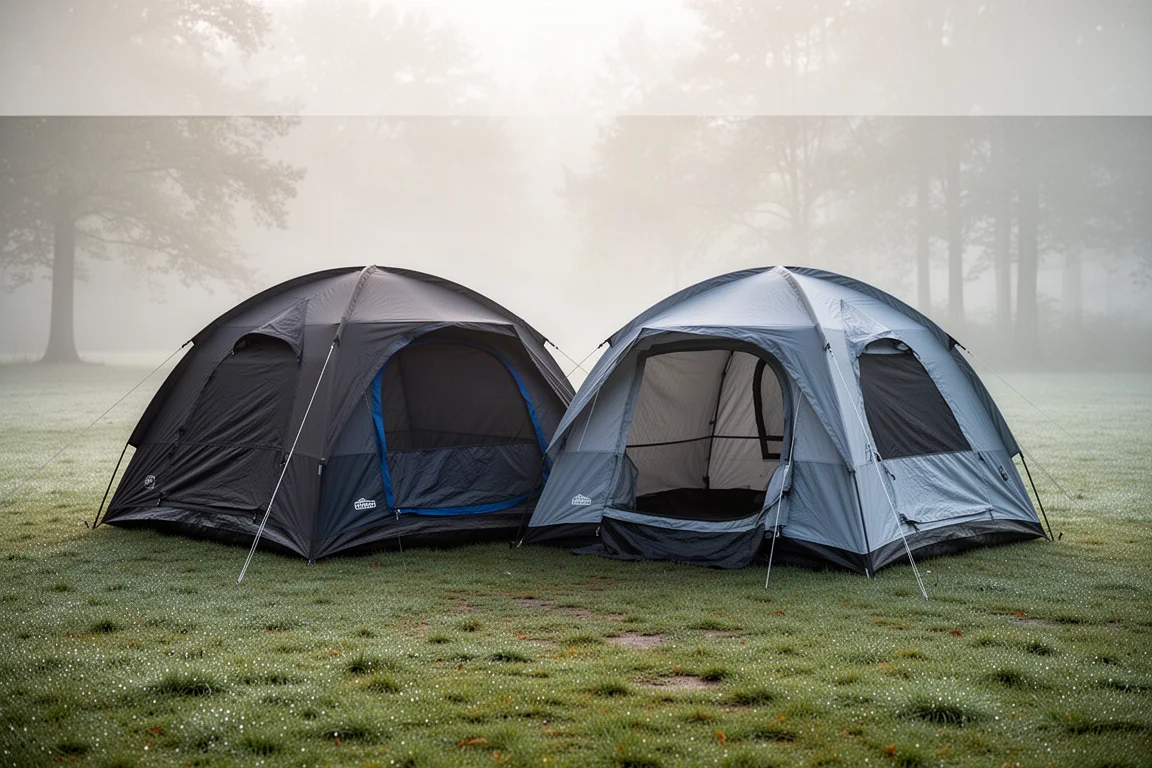
Two Coleman dome tents with attached screen rooms, bought for roughly the same money, but built around different priorities. The Carlsbad 4-Person pairs Coleman’s dark room fabric with a front screen room, while the Evanston 6-Person drops the light blocking and adds usable headroom and a rainfly that reaches further over the screen room.
This comparison covers measured interior space, how the screen rooms behave in rain, setup and pack-up, ventilation, and build quality, so you can pick the one that matches the trips you actually take.
How We Evaluated These Two Coleman Dome Tents
Both tents were pitched and used the same way: solo setup and pack-up timing, measured interior and screen room dimensions, sleeping pad and mattress fit, light blocking with the windows and doors open and closed, ventilation with the rainfly on and off, and rain exposure in light rain followed by a concentrated heavy spray.
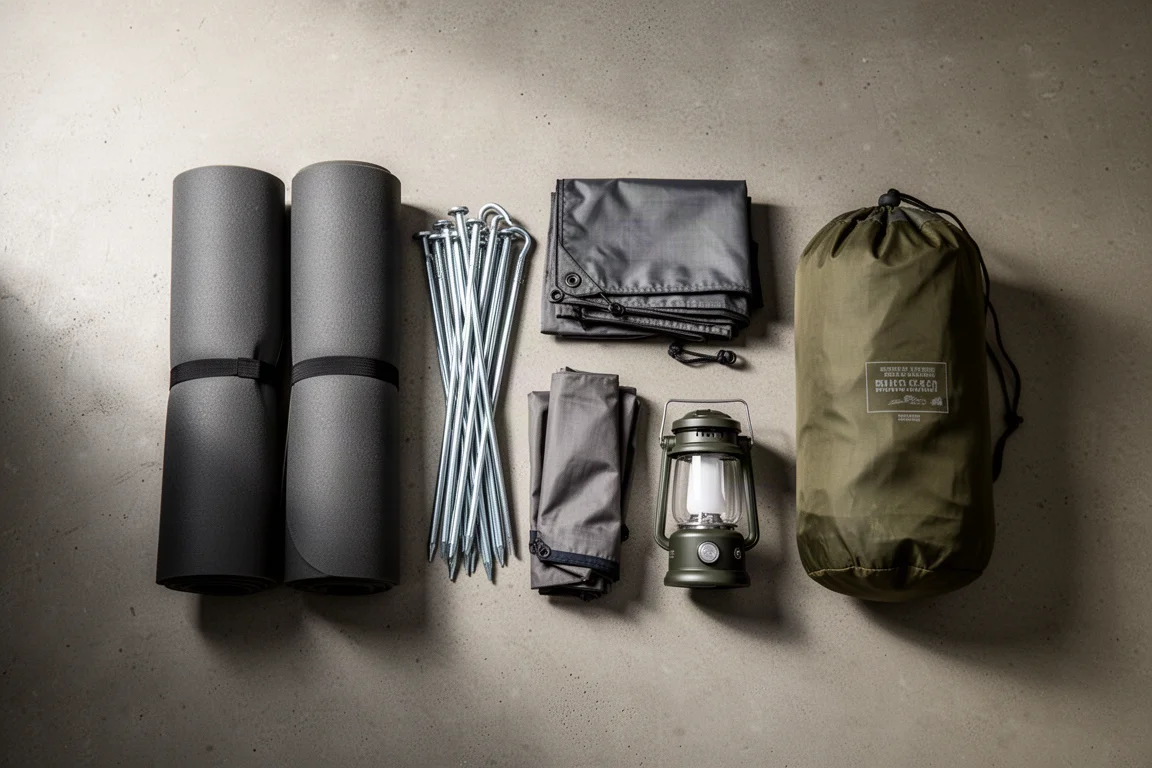
Setup on the Carlsbad took about eleven minutes on a solo pitch including the screen room, and takedown with full pack-up took about ten minutes. Everything went back into the carry bag without needing to expand it. The Carlsbad packs to roughly 26 by 11.5 by 8 inches and weighs about 14.5 pounds for the complete kit, which is about the size of a six-person dark room dome tent package.
The two tents cost roughly the same amount, so the differences below come down to design choices rather than price tiers.
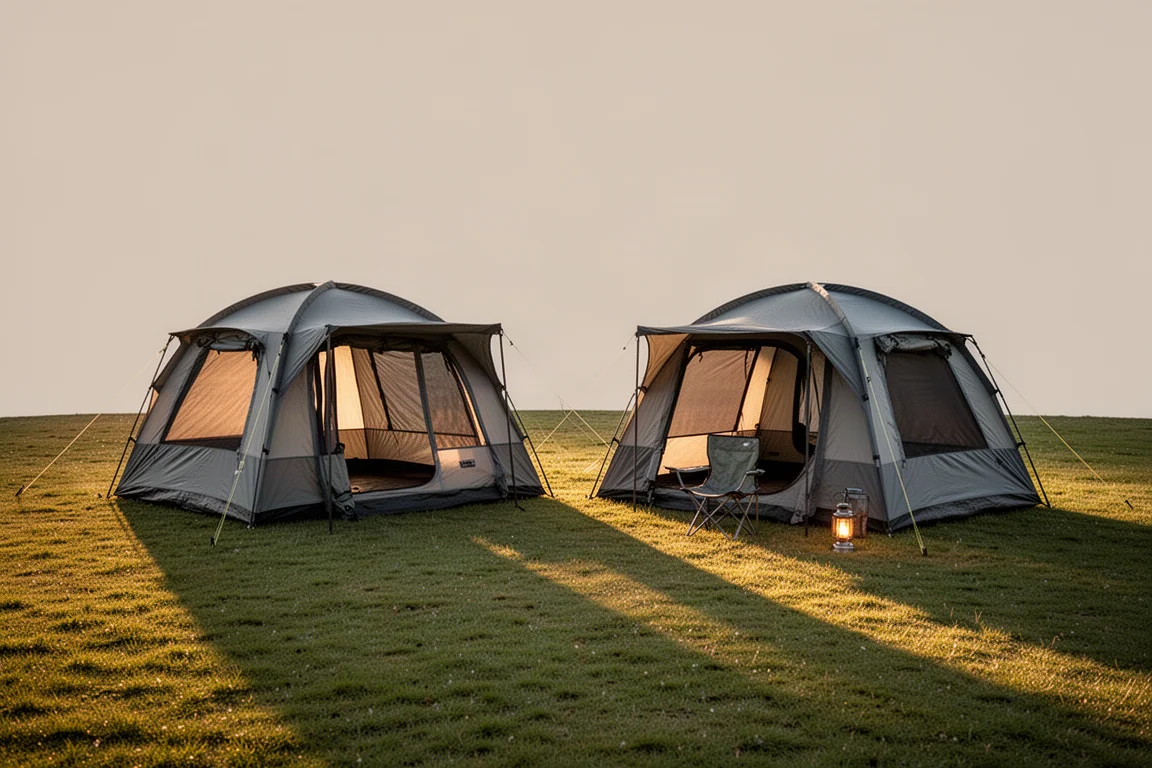
The main trade-offs worth weighing are interior volume against packed size, and covered screen room space against how well that space handles rain. Those two questions decide most of the choice here.
Coleman Carlsbad 4-Person Dome Tent: Space and Layout
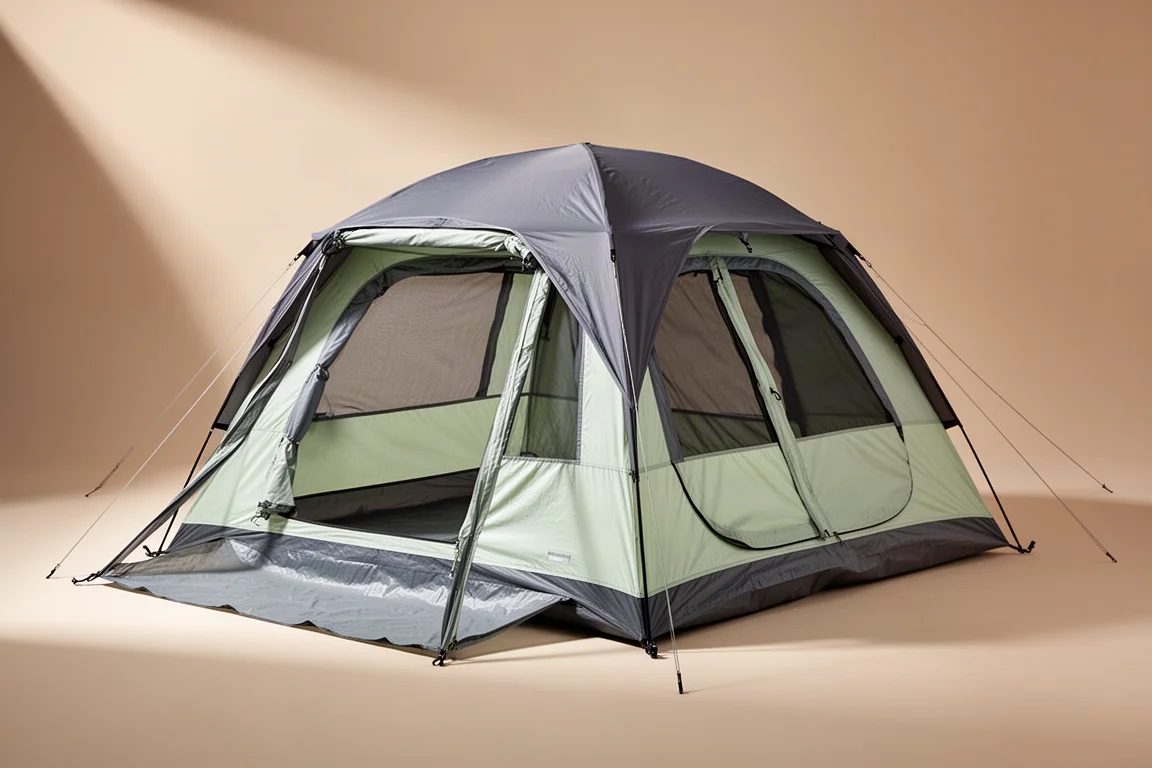
Peak height in the Carlsbad is about 60 inches, and only at the center, because the dome slopes downward from there. Most adults will be slouching slightly with their head near the roof. Interior length measures about 8 feet 8 inches and width about 6 feet 9 inches, which is slightly under the marketed 9 by 7 feet.
Four regular sleeping pads fit inside shoulder to shoulder, with a small gap between pads, so slightly wider pads will also work. There is no leftover space for gear in that configuration. A single queen camping mattress is the more comfortable setup for two people: even at about nine inches thick there is room to sit up and lounge, plus leftover space for storing gear. Placed vertically, the queen mattress takes up the entire width of the tent.
There are three windows, one on each wall, with the fourth wall made of mesh. The side windows measure about 35 by 18 inches and the window built into the door measures about 34 by 20 inches. Each window has a latch to hold the fabric open, two white zippers, and a bug net.
The single door sits on the front length of the dome and measures about 47 inches long, 35 inches wide, and about 52 inches from the ground to the top. Most adults will need to duck. It uses two latches and two black zippers. Inside, there are two storage pockets measuring about nine by seven inches each, one lantern loop at the very top of the tent, a second lantern loop just outside the screen room, and an e-port at the bottom with a zippered closure.
Carlsbad Screen Room and Weather Protection
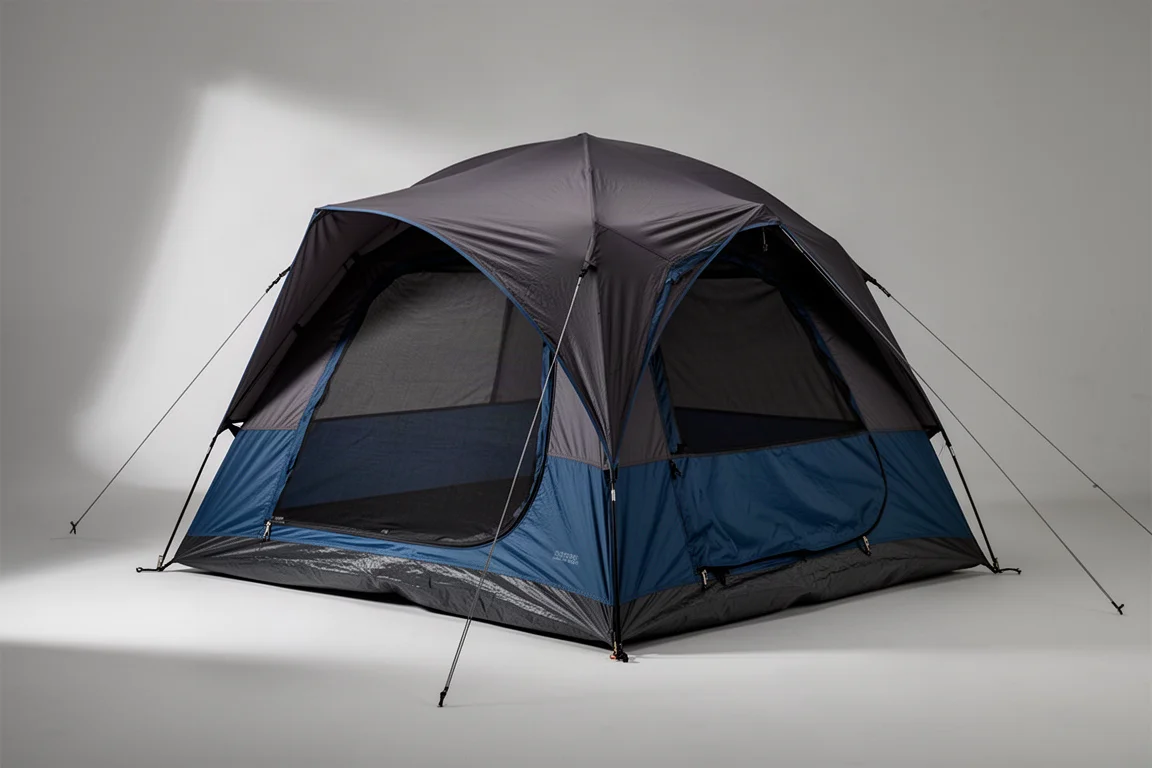
The screen room is the Carlsbad’s headline feature, and it is genuinely roomy. It measures about 3 feet 10 inches wide, with a longest length of about 8 feet 8 inches matching the dome, tapering to about 5 feet 9 inches at the front. Peak height is about 54 inches, shorter than the dome, so you will duck even more here than inside the tent. The screen room door spans almost the full length at about 5 feet 2 inches and about 50 inches of height, with two latches and three black zippers.
Rain is where the screen room falls short. In light rain lasting around 30 minutes, the entire screen room got wet, along with everything stored inside it. The rainfly does not cover it, there is very little fabric above, and the sides are largely mesh, so water passes straight through. Small puddles formed on the screen room floor once the rain stopped. The dome tent itself stayed dry with no leaks during that same light rain.
A concentrated heavy spray told a similar story. After about 30 minutes, a few small puddles had formed inside the dome tent from a leaking seam at the bathtub flooring, and the black fabric along the bottom of the tent felt slightly damp. The screen room was soaked through again.
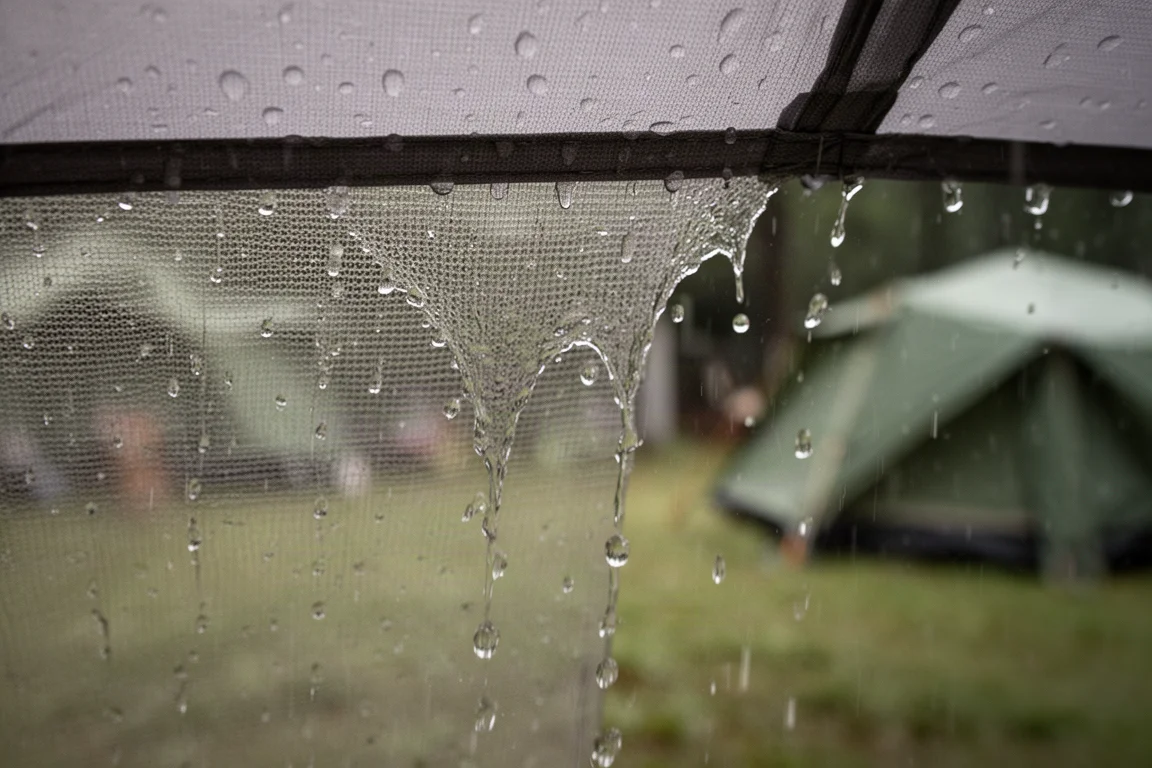
Ventilation is better than the rain performance suggests. In light rain the windows could stay open because rain did not reach the window mesh, and the door could stay open thanks to partial shelter from the screen room. The rear mesh wall also stayed dry once the rainfly came off. In heavy rain, the rainfly and window awning protected most of the window mesh, though the lower mesh got wet because of the rain angle, so windows can be cracked open a little. The rainfly can be staked down with the rear mesh wall left open as a vent.
The floor is polyethylene with a bathtub that extends about nine inches up the walls. It kept the tent dry during light overnight flooding on wet ground, though grass and leaves that washed against the tent got trapped in the mesh and were tedious to clear out.
Carlsbad Setup, Packing, and Build Quality
Setup follows a clear sequence: two longer poles slide into the blue sleeves at the center of the tent to form an X, their ends go into the pins at the base, and then the pole clips attach around the tent. A shorter green pole runs through the front sleeve for the screen room and pins down the same way. The rainfly pole has black tips at both ends, threads down the center of the rainfly, and secures with two small pockets and two Velcro strips. The rainfly then drapes over the tent and attaches with four S-hooks to the rings at the pole bases. Six stakes hold the tent body and screen room down, and seven pre-attached guylines complete the pitch. Takedown is the reverse.
The tent body and rainfly are polyester. Rainfly seams are taped, while seams inside the tent are not, and a few interior seams are inverted where there is less rainfly protection. Seam quality is good overall: double-stitched and consistent, with one tiny loose thread. The mesh is standard mesh rather than no-see-um, and of decent quality. All zippers are catch-free, with no snagging on the windows or either door. Zippers are color-coded white and black, though the fiberglass poles come in a single color, and the screen room pole sleeve is long and prone to snagging.
One long-term note: after a few years of light use, some of the dark room fabric has begun scraping off slightly, which is minor but worth knowing.
Coleman Evanston 6-Person Tent: Headroom and Rainfly Coverage
The Evanston takes a different approach. It has no dark room fabric, so the interior is noticeably brighter. In exchange, peak height is considerably greater, enough to stand up and walk around inside rather than ducking through the doorway.
Its rainfly also covers a little more of the screen room than the Carlsbad’s rainfly does, which matters given how exposed the Carlsbad screen room proved to be. Given that both tents were bought for roughly the same money, the Evanston delivered more usable space for the price in this pairing.
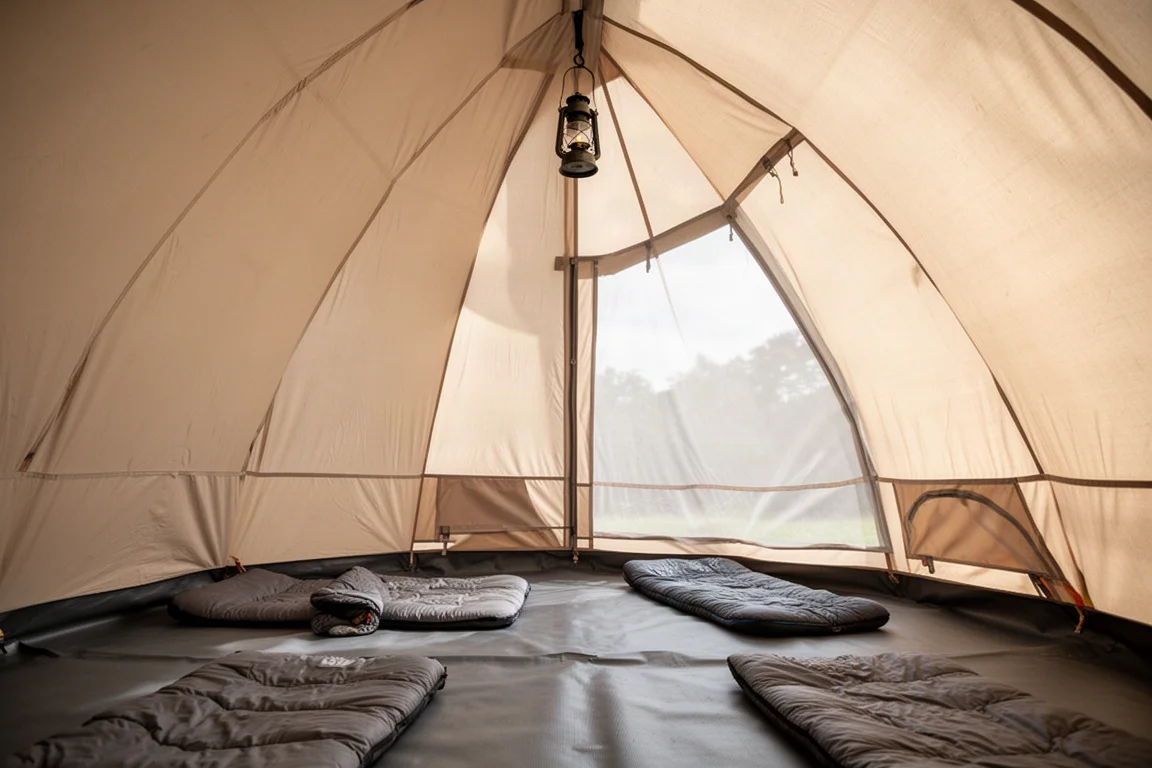
If standing room, easier movement, and a brighter interior matter more to you than light blocking, the Evanston is the more comfortable tent of the two. Campers who want a darker sleeping space should look at the Carlsbad instead.
Dark Room Fabric and Ventilation Compared
Coleman’s dark room technology is designed to reduce light inside the tent, and in this particular Carlsbad it does not block out 90 percent of the light. With the windows and door closed it is darker than a standard Coleman tent without the feature, but noticeably brighter than other Coleman dark room tents, which use a completely black fabric. The Carlsbad’s fabric is somewhat see-through by comparison, and the difference appears to come from the fabric Coleman uses on the lower part of the tent.
Ventilation on the Carlsbad is a genuine strength. Air moves through the windows, the door, and the large rear mesh wall, and on a hot day the rainfly can be removed from the outside for maximum airflow. The screen room’s top fabric is fixed in place, so that panel cannot be removed.
The Evanston’s brighter interior is a direct result of leaving the dark room fabric out, which is a reasonable trade for campers who want daylight inside and easier movement.
Buying Advice: Which Coleman Dome Tent Fits Your Camping Style
Choose the Carlsbad if you want a four-person dome with a screen room and light-reducing fabric, plan to sleep two on a queen mattress with gear space, or need to seat four sleeping pads shoulder to shoulder. Plan for an extra tarp if rain is likely, since the screen room has no rainfly coverage and mostly mesh sides, and expect to duck through both doorways. Budget a little time for clearing grass and debris from the mesh after camping on wet ground.
Choose the Evanston if headroom matters most: it lets you stand and walk around, keeps the interior brighter, and its rainfly reaches a little further over the screen room. At a similar price to the Carlsbad, it offers more vertical space and better screen room coverage.
Conclusion
Both tents are capable family dome tents with usable screen rooms, and the decision comes down to priorities rather than price. The Carlsbad gives you light-reducing fabric, a four-person sleeping footprint, and a straightforward setup, provided you accept a lower profile and a screen room that needs a tarp in wet weather. The Evanston gives you stand-up headroom, a brighter interior, and a rainfly that covers more of the screen room. Match the tent to the trips you take most often, and either one will serve you well.
Further reading
Related Reviews
Camping Tents
3F UL Gear Taiji Two-Person Tent Review: Field Waterproofing Results and Buying Advice
The Taiji pairs an attached fly with a removable inner, but sustained rain exposed untaped vent seams that need sealing before this shelter can be trusted.
Camping Tents
3FUL Gear Lanshan 2 Pro 4-Season Review: A Sub-$200 Single-Wall Trekking Pole Tent
An early look at the 3FUL Gear Lanshan 2 Pro 4-Season, covering its straightforward pitch, generous interior space, and the condensation and seam-sealing questions that come with any single-wall shelter.
Camping Tents
Alps Mountaineering Lynx 1-Person Tent Review: Big Value in a Small Budget Tent
A close look at the Alps Mountaineering Lynx 1-Person Tent, covering real interior dimensions, materials, setup time, ventilation limits, and who should buy it.