Camping Tents
Coleman Carlsbad and Evanston Screen Room Tents: Rain Performance Compared
A practical look at how the Coleman Carlsbad 4-person and Evanston 6-person screen room dome tents handle light and heavy rain, and which one to choose.
Introduction
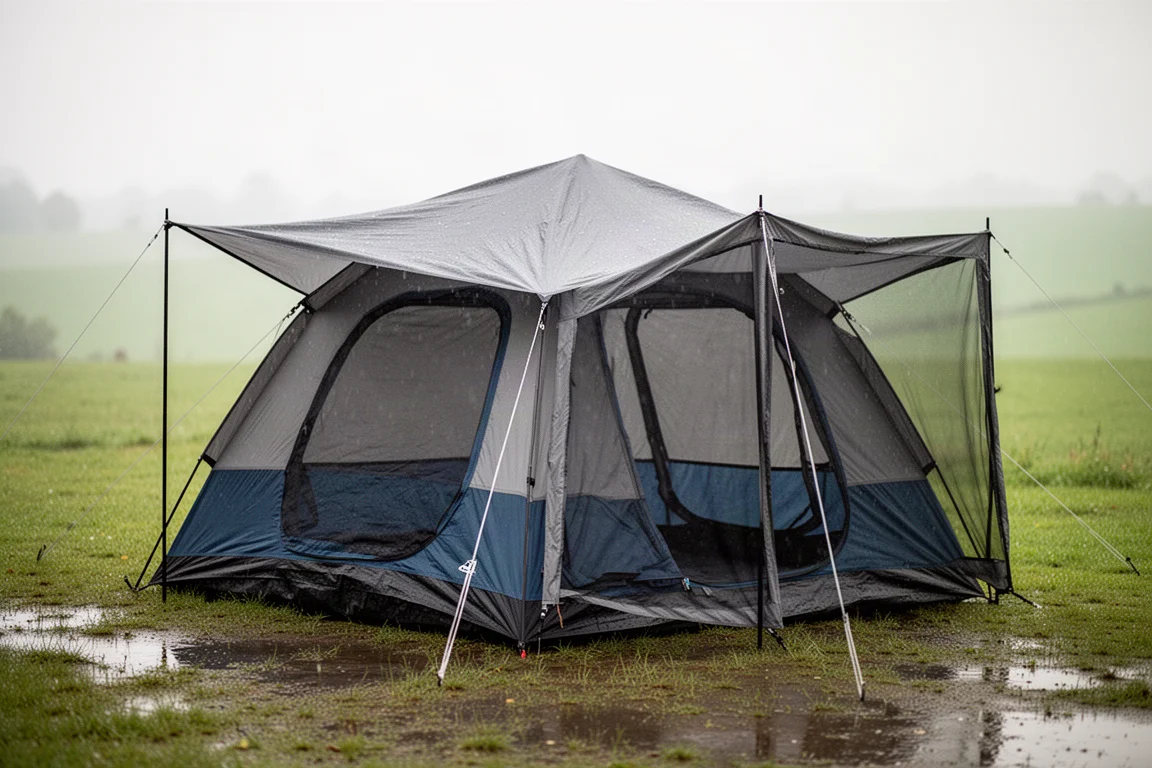
Coleman’s screen room dome tents add a covered front porch to a familiar dome layout. The two models covered here sit at different sizes: the Carlsbad is a four-person dome, while the Evanston is a six-person dome. Both pair a sleeping dome with a mesh-fronted screen room, and on both tents the rainfly is built around the dome rather than the screen room. That single design decision explains most of what happens when rain arrives.
This guide covers how each tent behaves in sustained light rain and in concentrated heavy rain, where water finds its way in, and which of the two makes more sense depending on how and where you camp.
What to Expect from a Screen Room Tent
A screen room is best understood as a sheltered porch rather than a waterproof room. On these tents the screen room has very little overhead fabric, and the sides are made up almost entirely of mesh. Rain reaches the interior directly, and anything stored there will get wet once the weather turns.
The dome section behind the screen room is a different story. Because the rainfly covers the dome, the sleeping area has a genuine layer of protection, and that is where the difference between a dry night and a damp one usually shows up.
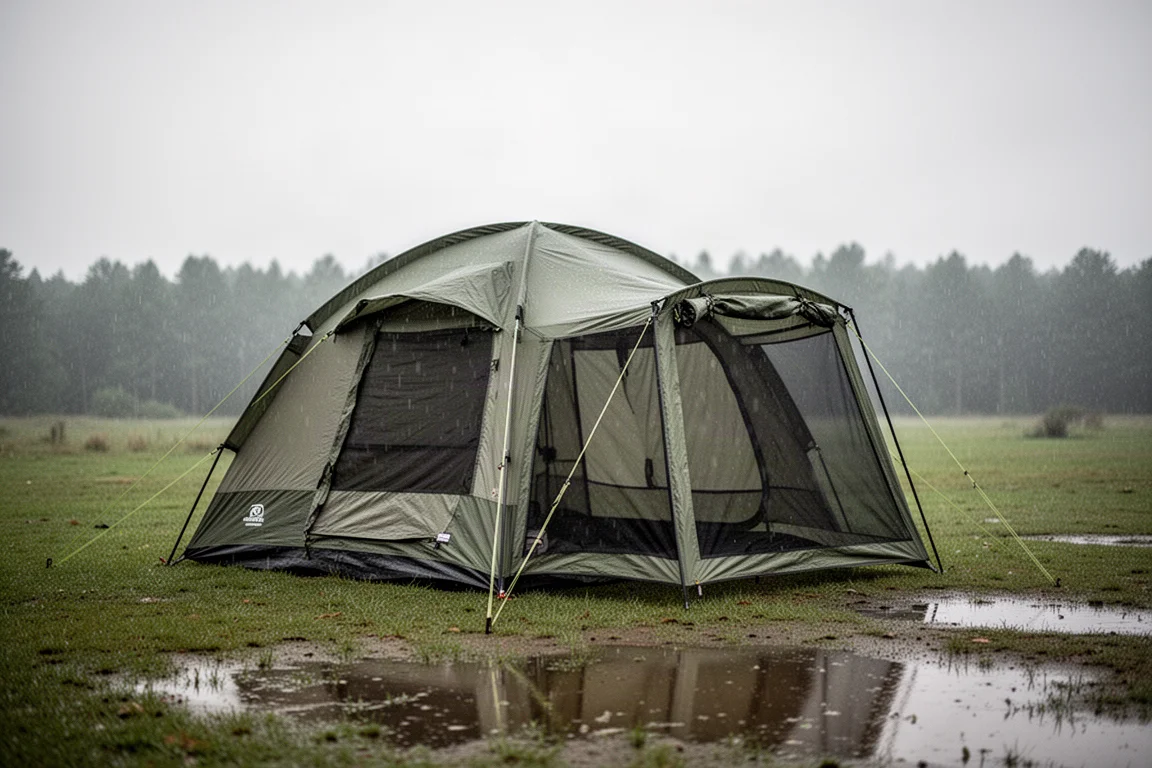
When comparing tents in this class, three details matter most: whether the body seams are taped or left bare, how high the bathtub flooring rises up the walls, and how much of the tent body sits underneath the rainfly. Those three factors determine how much water a tent can shrug off before it starts to seep.
Coleman Carlsbad 4-Person Dome Tent with Screen Room
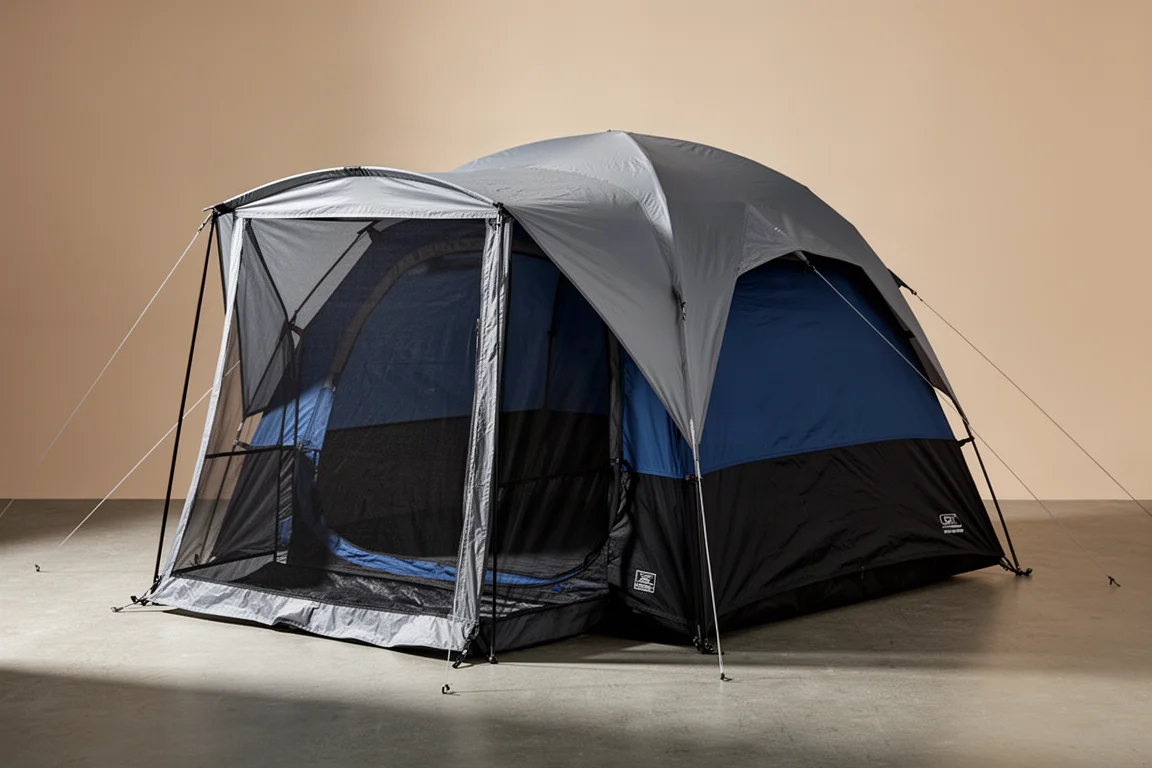
The Carlsbad is a four-person dome with a screen room across the front and bathtub flooring that extends roughly nine inches up the walls. That flooring height is a genuine plus, since it gives the lower walls a raised barrier against shallow standing water and splashing.
Seam treatment is mixed. The rainfly seams are taped. The body seams are not, and several of them are inverted, including the seam where the black tent body meets the bathtub flooring, a vertical seam on the body, and the seam joining the black lower fabric to the blue upper fabric. Those inverted seams sit in the areas that receive the least rainfly coverage. Seams that sit higher up and under more rainfly protection, such as the window seams, are not inverted.
How the Carlsbad Handles Sustained Light Rain
In roughly half an hour of light rain, the screen room got wet from end to end. Everything stored inside it got wet as well, since there is no rainfly coverage over that area, very little fabric overhead, and mesh on all sides that lets water straight through. Once the rain stopped, small puddles were sitting on the screen room floor.
The dome itself came through cleanly. There were no leaks inside the Carlsbad, and the sleeping area stayed dry. Ventilation was still workable: the windows could be left open because the light rain did not reach the window mesh, and the door could be left open thanks to the small amount of cover the screen room provided. The mesh wall at the back of the tent was also still dry once the rainfly came off.
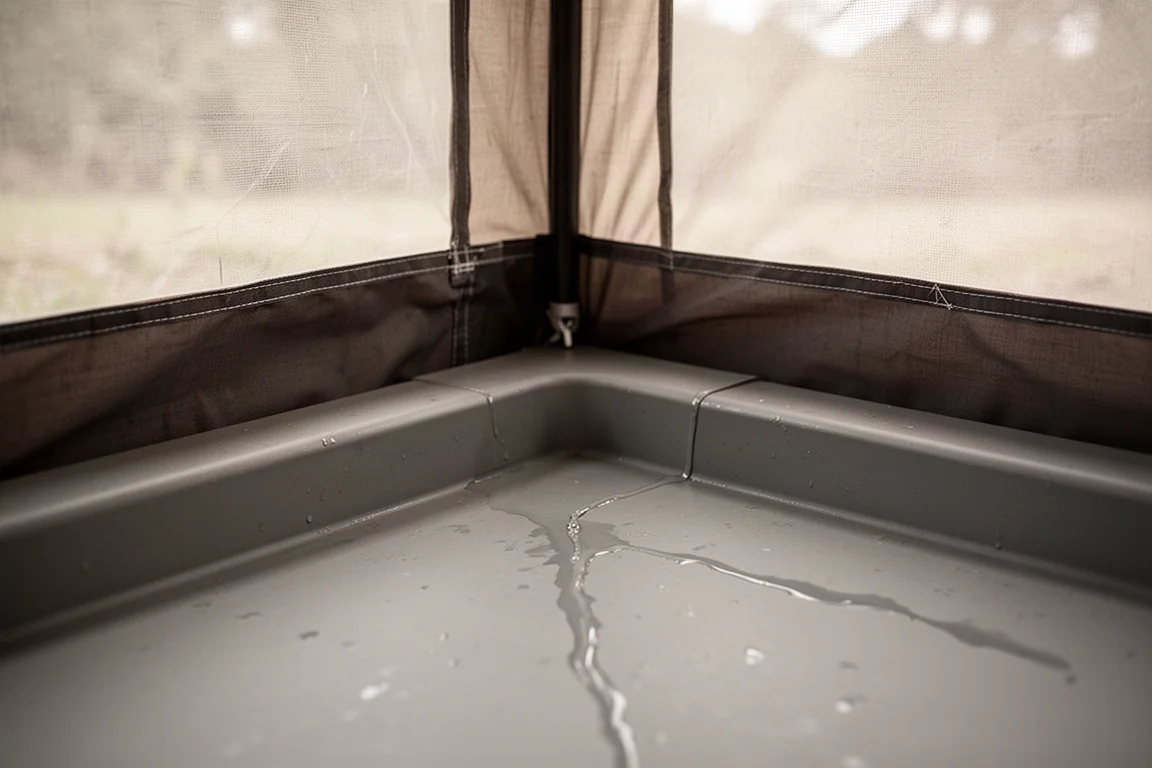
Overnight, light to moderate rain fell for many hours. By morning there were a few tiny puddles on the flooring, seeping in at the corners and through the inverted but untaped seam of the bathtub flooring. The black lower fabric was soaked through, while the blue fabric nearer the top, which sits under more rainfly protection, was still dry. The window mesh stayed dry as well.
One extra note from that night: standing water in the surrounding ground washed dead grass and leaves up against the tent, and the debris collected in the screen room mesh. It was not difficult to fix, but it took some effort to clear out.
How the Carlsbad Handles Heavy Rain
To push the tent harder, concentrated water was directed at the front and at the screen room. The rainfly did a good job of shielding the window mesh from the heaviest spray, though the bottom of the mesh still got wet because of the angle the water was coming in at. The top of the window stayed fine, which suggests the window can be cracked open a little even in heavier rain.
At the 30 minute mark, small puddles had already appeared inside the tent, leaking through the bathtub flooring seam, and the black fabric at the bottom was starting to feel slightly damp. The large unprotected mesh panels on the sides of the screen room let water spray straight in, and everything in that space got wet.
Taken together, the Carlsbad held up to a few hours of light rain and roughly 20 minutes of concentrated heavy rain. For a tent of this age with no additional waterproofing or seam sealant applied, that is a reasonable outcome. The clear weak point is the screen room, which has very little rain protection because the rainfly stops at the dome and covers none of it.
Coleman Evanston 6-Person Dome Tent with Screen Room
The Evanston is the larger of the two: a six-person dome with a screen room across the front. It carries slightly more rainfly coverage than the Carlsbad, and in comparable wet conditions it held up slightly better. That extra coverage is the main practical difference between the two tents, and it is the reason the Carlsbad can feel like the less capable design in a side-by-side comparison.
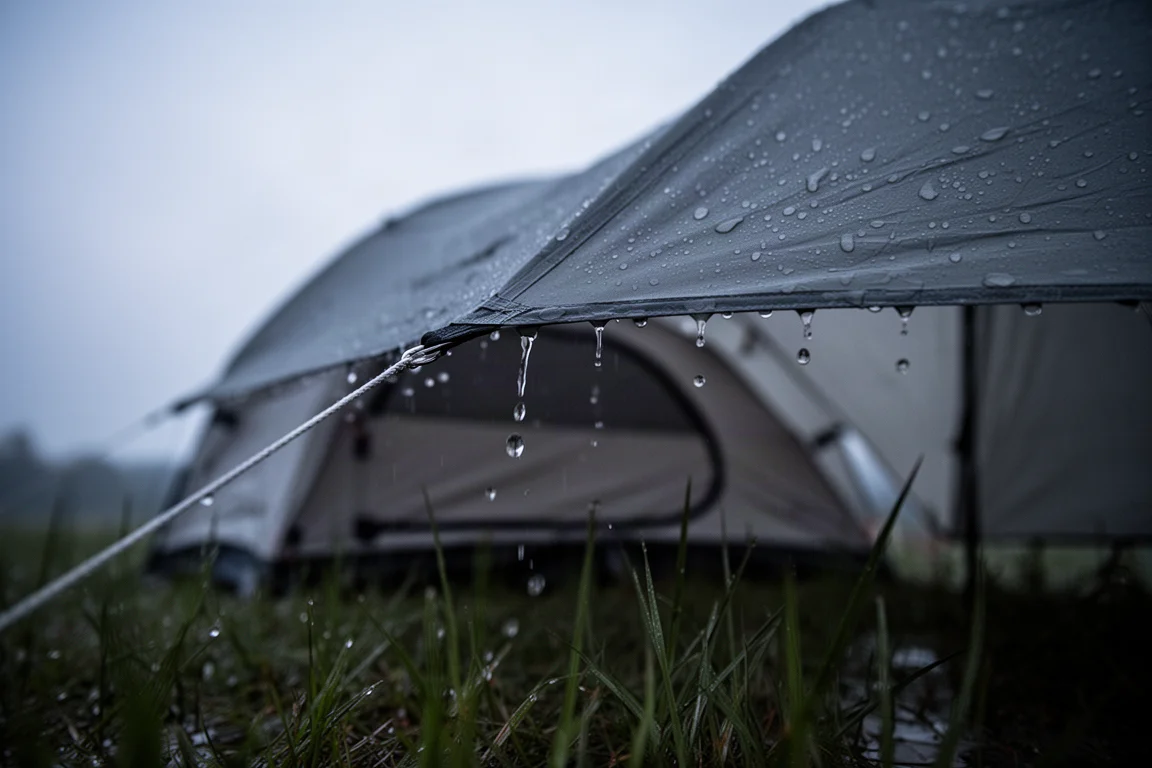
If your trips regularly include wet weather, the Evanston’s extra rainfly protection is the more useful of the two arrangements. If capacity matters more than weather margin, it also accommodates larger groups.
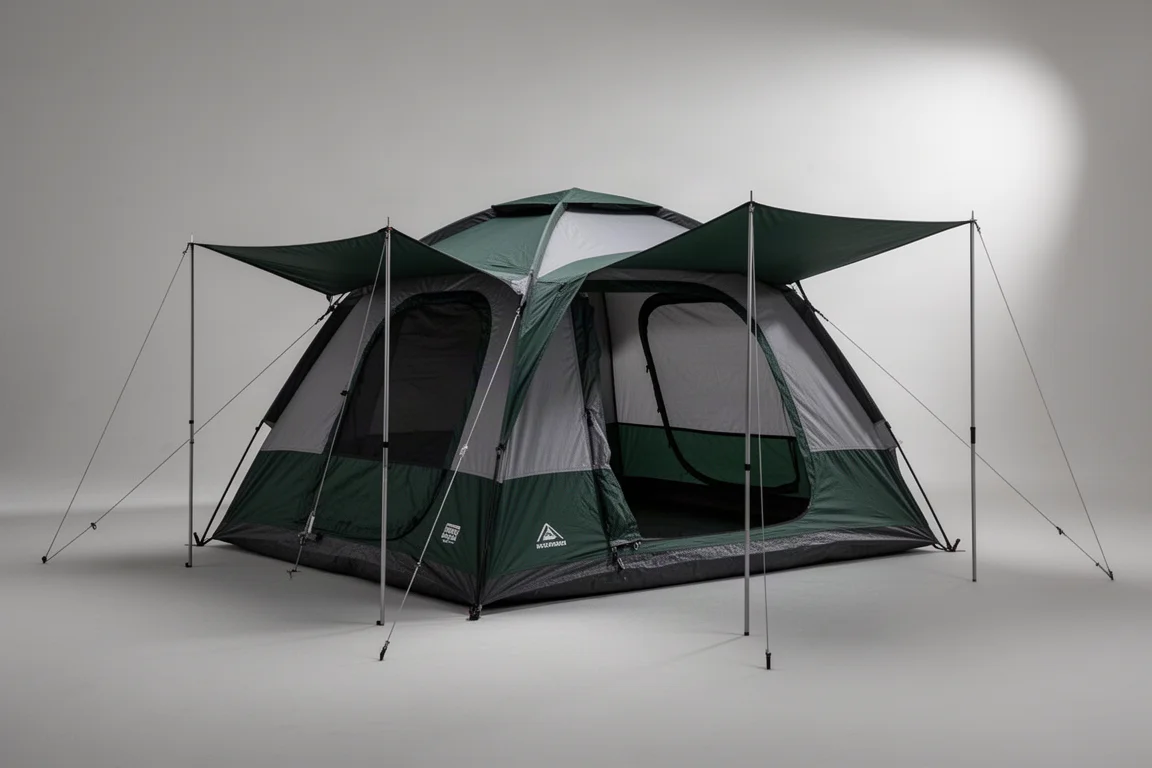
Coleman Screen Room Tents Compared
Both tents share the same basic limitation. The screen room is a mesh porch, and neither design turns it into a rain-proof space. Water reaches the screen room floor and anything left there.
Where they differ is in how much protection the dome receives. The Evanston’s extra rainfly coverage gives it a slight edge in the rain, while the Carlsbad’s untaped, partly inverted body seams make the lower walls and the floor edge the places to watch. The Carlsbad counters with a smaller four-person footprint and bathtub flooring that rises about nine inches.
If you want the better rain performance of the two, the Evanston is the stronger pick. If a smaller tent suits your trips and you mainly camp in dry conditions, the Carlsbad is a sensible choice.
Buying Advice for Screen Room Tents
Plan for the screen room to get wet. Treat it as a porch for daytime use in good weather, and keep sleeping bags, electronics, and dry clothing inside the dome. That single habit removes most of the frustration these tents can cause.
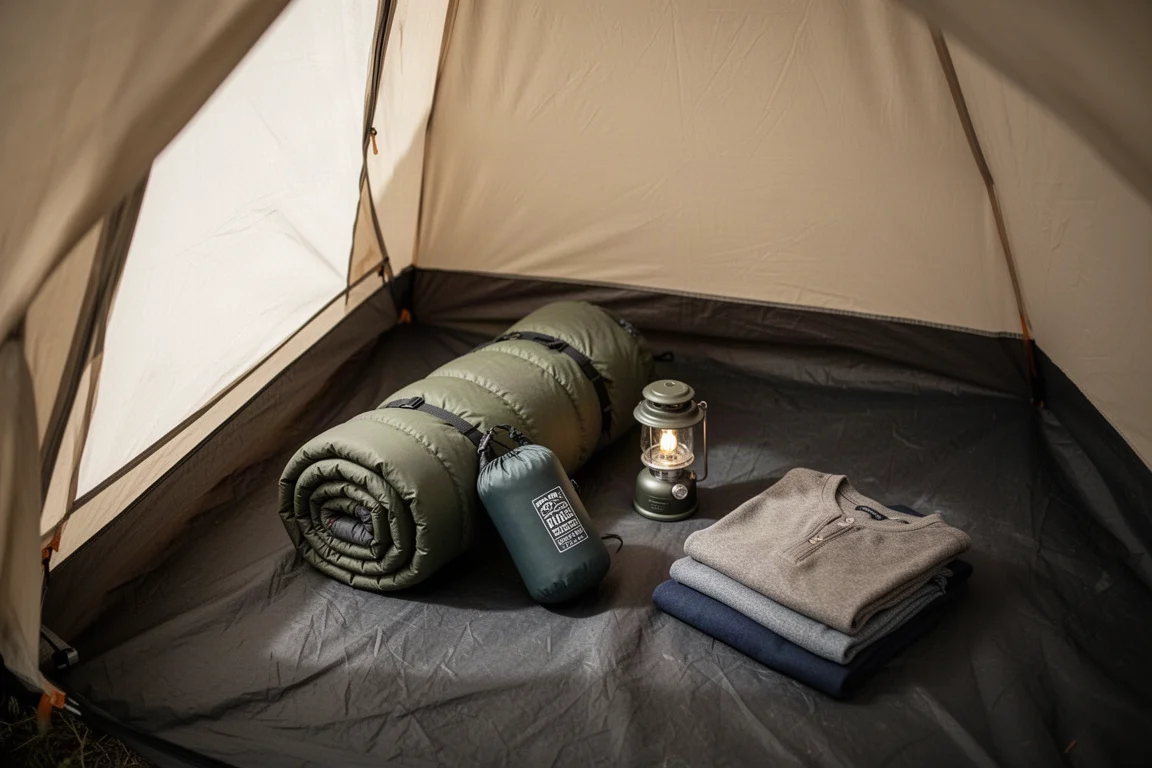
Check the seams on any tent before you rely on it. On the Carlsbad, the rainfly seams are taped but the body seams are not, and the inverted seams near the bathtub flooring are the first place water appears. A bathtub floor that rises around nine inches helps with shallow water, but the seam at its top edge is still the weak link.
Finally, match the tent to the weather you actually camp in. The Evanston’s slightly greater rainfly coverage makes it the better wet-weather option, while the Carlsbad works well for fair-weather trips where a front porch space is the main appeal.
Conclusion
Both tents deliver the same core idea: a dome to sleep in and a mesh porch to sit in. The dome holds up, and the screen room does not, because the rainfly stops short of covering it.
If rain is a regular part of your trips, the Coleman Evanston 6-Person Dome Tent with Screen Room is the more capable of the two thanks to its extra rainfly coverage. If you want a smaller tent for dry-weather camping, the Coleman Carlsbad 4-Person Dome Tent with Screen Room does the job, with the caveat that its untaped body seams and exposed screen room will show their limits once conditions turn wet.
Further reading
Related Reviews
Camping Tents
3F UL Gear Taiji Two-Person Tent Review: Field Waterproofing Results and Buying Advice
The Taiji pairs an attached fly with a removable inner, but sustained rain exposed untaped vent seams that need sealing before this shelter can be trusted.
Camping Tents
3FUL Gear Lanshan 2 Pro 4-Season Review: A Sub-$200 Single-Wall Trekking Pole Tent
An early look at the 3FUL Gear Lanshan 2 Pro 4-Season, covering its straightforward pitch, generous interior space, and the condensation and seam-sealing questions that come with any single-wall shelter.
Camping Tents
Alps Mountaineering Lynx 1-Person Tent Review: Big Value in a Small Budget Tent
A close look at the Alps Mountaineering Lynx 1-Person Tent, covering real interior dimensions, materials, setup time, ventilation limits, and who should buy it.