Camping Tents
Coleman 4-Person Pop Up Tent vs Skydome Tent: Two Very Different Camping Tents
A practical comparison of the Coleman 4-Person Pop Up Tent and the Coleman 4-Person Skydome Tent, covering setup times, interior space, storage, ventilation, and rain performance.
Introduction
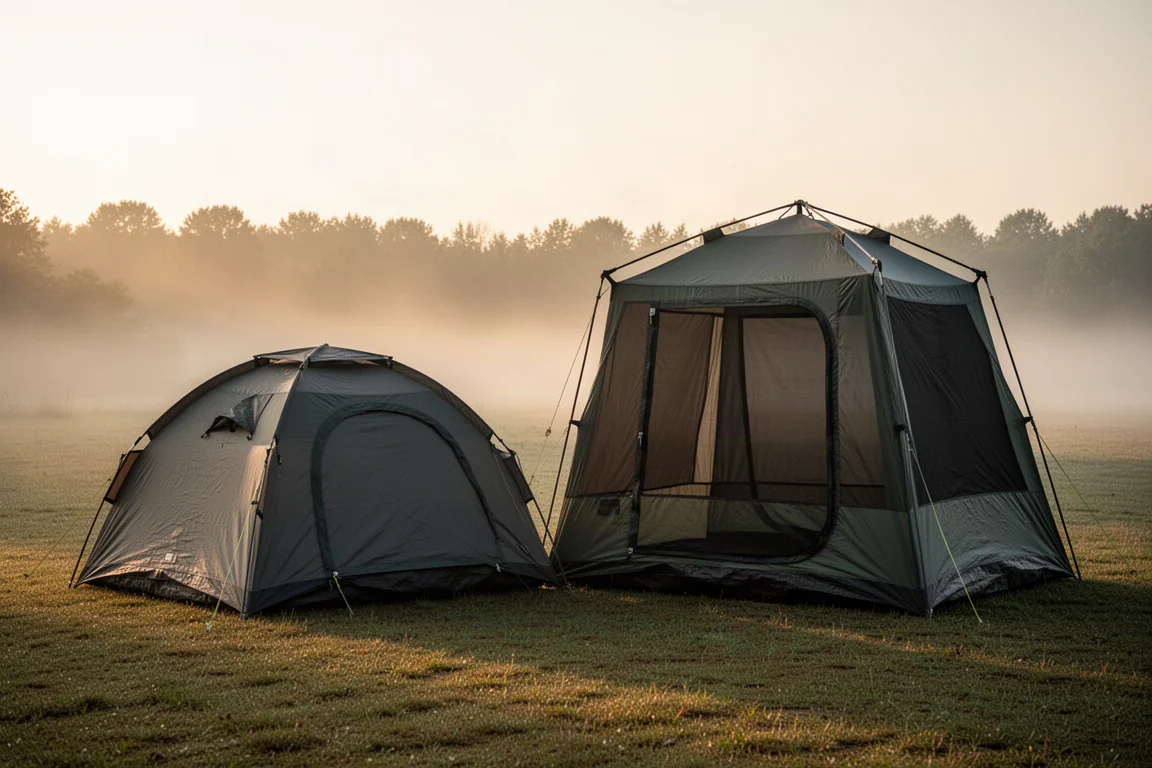
Two four-person Coleman tents, two completely different design philosophies. The Coleman 4-Person Pop Up Tent is built around a single idea: get the tent standing almost instantly. The Coleman 4-Person Skydome Tent takes the conventional route, with poles you assemble yourself, and spends that extra effort on headroom, storage, and airflow.
Both tents cover roughly the same footprint, and both can hold a queen bed with a decent amount of space left over for gear. The differences show up in how long each one takes to pitch and pack, how tall they stand, how well they breathe on a hot day, and how they behave when the weather turns.
This comparison works through setup and pack-up times, interior space, storage features, ventilation, and rain performance, so you can match the tent to the way you actually camp.
What Both Coleman 4-Person Tents Have in Common
Start with the shared numbers, because they frame every trade-off that follows. Both tents offer a base area of around 55 square feet, and both fit a queen bed with room remaining for gear. Each has a single door, and each is rated for four people.
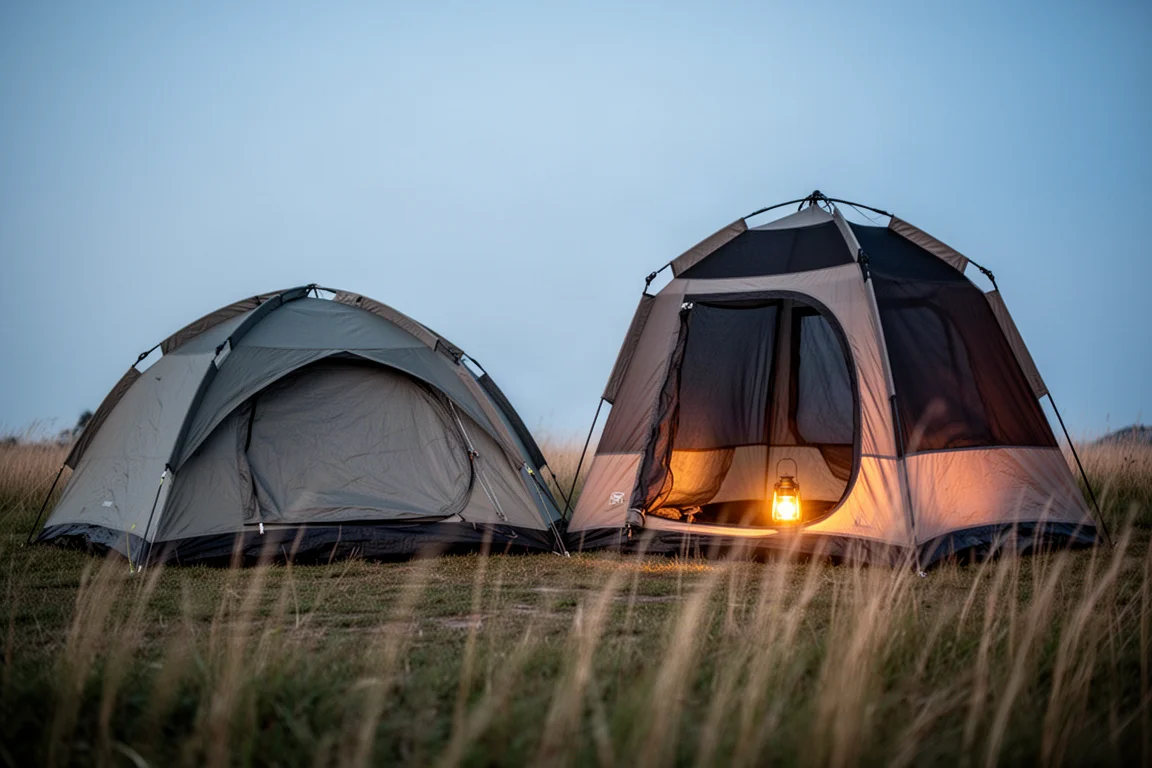
What separates them is not floor space but everything above and around it: peak height, storage, ventilation, weather protection, packed size, and the minutes you spend pitching and striking camp. Those are the areas worth weighing before you choose.
Coleman 4-Person Pop Up Tent: Setup and Pack-Up Speed
The Pop Up Tent is the easiest Coleman tent to set up. Take it out of the carry bag, remove the black strap holding the tent together, toss it away from you, and it pops open with the rainfly already attached. That step takes about 15 seconds. Guying out and staking down adds roughly 1 minute and 15 seconds, for a total setup time of around one and a half minutes.
Packing up is nearly as quick. Fold the tent until it looks like a taco, then fold the taco down. With a little practice, the whole process takes about two minutes.
The trade-off is bulk. This tent weighs slightly over 8 pounds, which is lighter than the Skydome, but it packs into a large circle that is roughly 50 percent bulkier than a conventionally packed tent. It fits in a car boot or truck bed easily enough, but it will not tuck into a tight corner the way a standard stuff sack does.
Coleman 4-Person Pop Up Tent: Space, Storage, and Weather Limits
Peak height inside the Pop Up Tent is just 39 inches, so sitting up is the realistic posture. A camping mattress thicker than six inches is not a good match for this interior.
The base area is around 55 square feet, but the floor is oval rather than rectangular. That shape limits you to three regular sleeping pads side by side; a fourth will not fit. A queen bed does fit, with a decent amount of space left over for gear.
The single door has a longest length of about 41 inches, and holding it open means tying it up with the latches at the top, which takes more fumbling and more time than a dedicated door pocket. Storage is minimal: one pocket split into two, no gear loft, and no lantern loop, so hanging a light means using the door latch attachment instead.
Ventilation comes down to one small window built into the door plus some mesh at the ceiling. Once the rainfly is on, no window can be opened and there are no vents at all.

In 15 minutes of heavy rain, the small rainfly left the entire tent soaked through. Water came in through the door, the taped seam between the flooring and the tent body leaked, and all the fabric inside was soaked, including the underside of the rainfly. This model has no bathtub flooring feature.
Coleman 4-Person Skydome Tent: Room, Door, and Storage
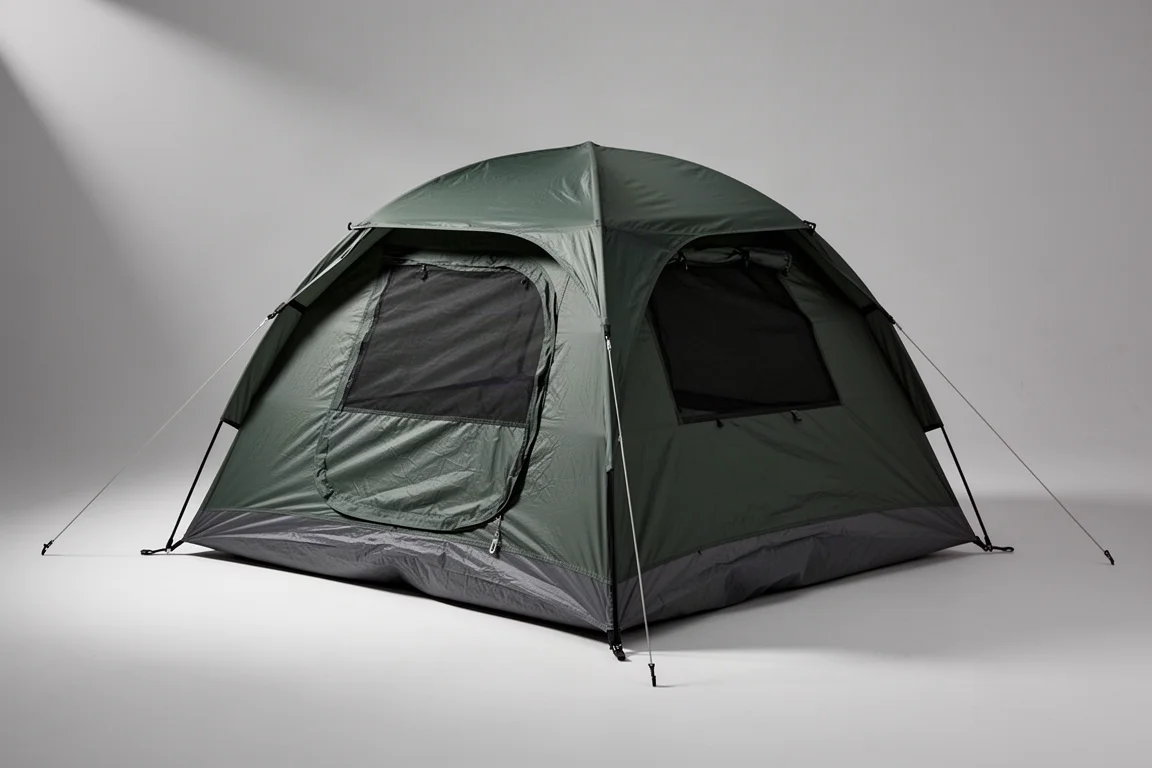
Skydome setup is more traditional. The poles are pre-attached only to the back of the tent, so you still assemble both poles, secure the other end, and clip the 14 pole clips around the body. After that, the rainfly goes on and gets guyed out. Total setup time lands around nine and a half minutes, roughly the same as a regular Coleman Sundome tent.
Packing up takes between seven and ten minutes: fold the tent body in half about three times, roll it up, fold the rainfly, and squeeze everything back into the carry bag. Removing the strip at the bottom of the bag makes that final step noticeably easier.
The payoff is interior height. Peak height is about 59 inches, which is close to standing height inside the tent. The base area is again around 55 square feet, and this layout fits four regular sleeping pads nicely, alongside a queen bed with gear space to spare.
The door is a genuine highlight: 4 feet in length, with a pocket beside it that holds the door fabric neatly when the door is open. Storage goes well beyond a typical Coleman tent, with a pocket behind the door pocket, a main pocket split into four sections, a gear loft at the top, and a lantern loop above the gear loft.
Coleman 4-Person Skydome Tent: Ventilation and Rain Protection
Without the rainfly, three large mesh walls plus a window on the fourth wall make hot-day ventilation very effective. With the rainfly on, the three mesh wall vents still move a decent amount of air even in heavy rain, and the window can be cracked open when there is no wind.
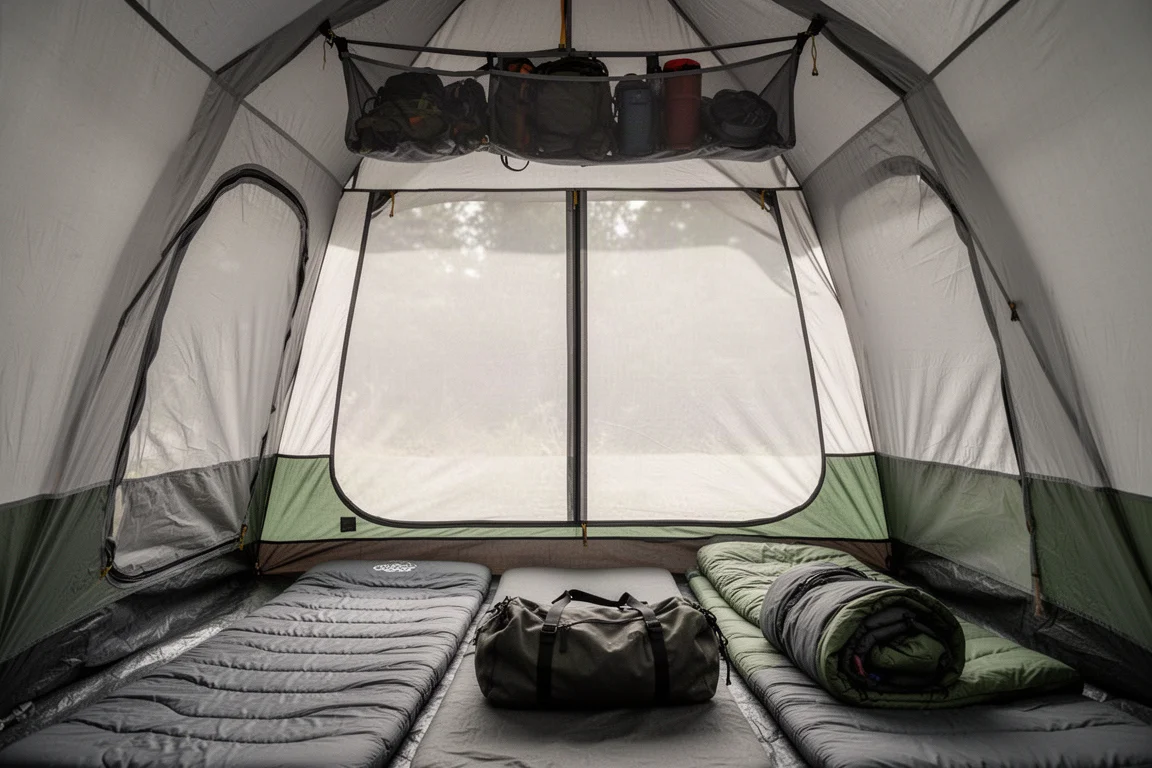
Rain performance is better than the Pop Up Tent, though not flawless straight out of the box. Three sides have a decently long rainfly, while the front has a much shorter rainfly length and offers less coverage. In a heavy rain test, the first drop of water began seeping into the flooring seam after 15 minutes. A little seam sealant applied to that seam changes the picture considerably, and the tent can then hold up for at least a couple of hours of very heavy rain, if not more.
The bathtub flooring extends about six and a half inches up the sides, which helps keep ground water away from the sleeping area. The Skydome weighs 10.5 pounds and packs down to a normal, manageable size.
Setup, Pack-Up, and Weight Compared
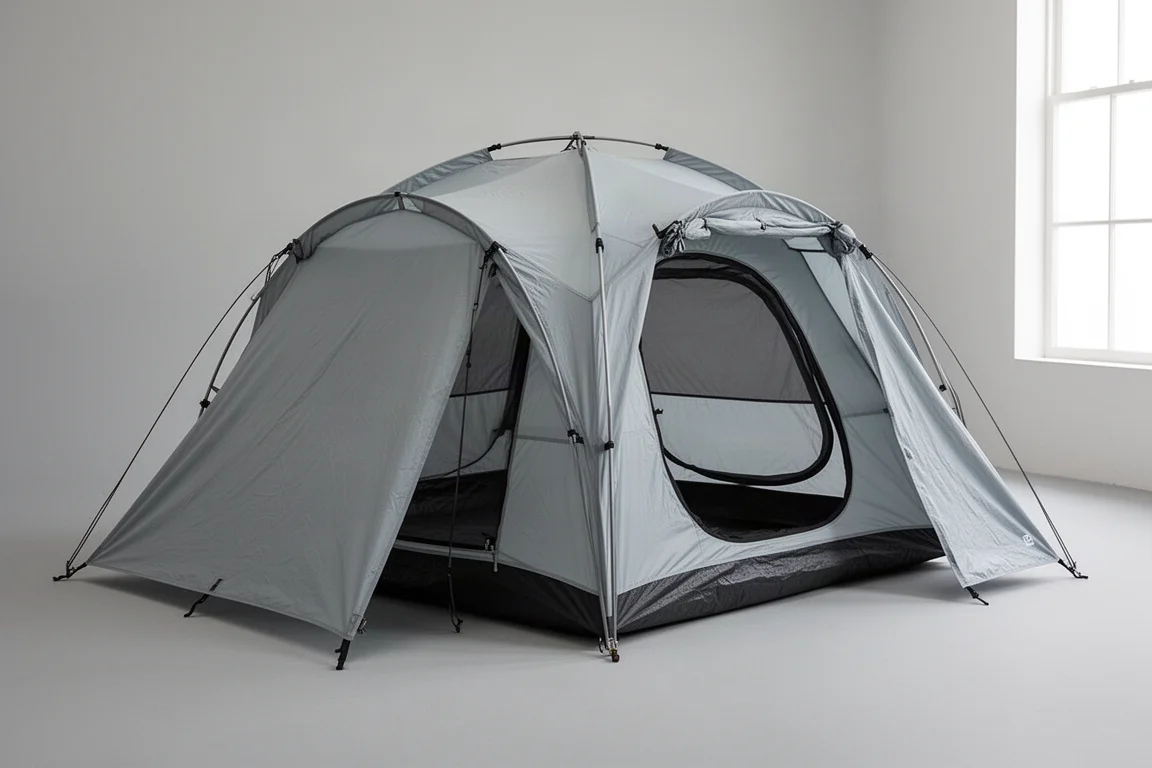
On paper, the two tents sit at opposite ends of the convenience scale. The Pop Up Tent goes from bag to standing in about one and a half minutes and packs down in roughly two minutes once you are used to the taco fold. The Skydome needs around nine and a half minutes to pitch and seven to ten minutes to pack away.
Weight runs the other direction. The Pop Up Tent is the lighter of the two at slightly over 8 pounds, but it carries that weight in a large circular package that is about 50 percent bulkier. The Skydome is heavier at 10.5 pounds and travels in a conventional packed shape that stows far more easily.
Headroom, storage, ventilation, and rain protection all favour the Skydome. Setup speed, packed weight, and simplicity favour the Pop Up Tent.
Which Tent Fits Your Camping Style?
If your trips are short, local, and mostly fair weather, the Pop Up Tent does its job well. Backyard camping, festival weekends, and quick overnights where you want the tent up before the kettle boils are exactly where this design makes sense. It is also the lighter tent to carry, as long as you have room for the bulky circular package.
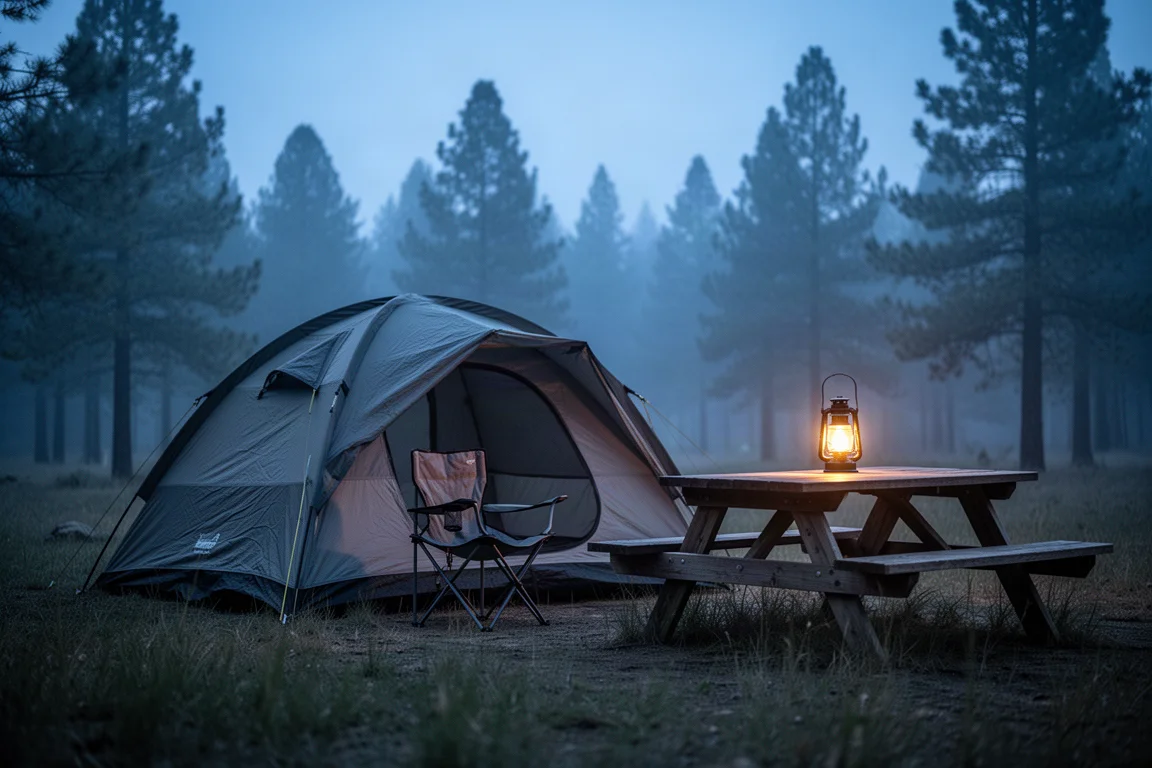
If you camp in the rain, spend longer stretches outdoors, or simply want to stand up and move around inside your tent, the Skydome is the stronger choice. The taller peak, four-pad floor plan, generous door with its fabric pocket, gear loft, lantern loop, and three mesh wall vents all add up to a more liveable tent. Adding a little seam sealant to the front flooring seam is a sensible step before a wet-weather trip.
Conclusion
These two Coleman tents are not really competitors so much as answers to different questions. The 4-Person Pop Up Tent answers “how fast can this be up?” with a genuine one and a half minute pitch and a two minute pack-up, at the cost of headroom, storage, ventilation, and heavy-rain protection.
The 4-Person Skydome Tent answers “how comfortable can a four-person Coleman tent be?” with near-standing headroom, a four-pad floor, a 4-foot door, proper storage, and ventilation that works with the rainfly on. It asks for roughly nine and a half minutes of setup and 10.5 pounds of carrying weight in return.
For fair-weather backyard camping and quick pitches, the Pop Up Tent is a perfectly reasonable buy. For everything else, the Skydome is the tent that will keep more campers comfortable for more nights.
Further reading
Related Reviews
Camping Tents
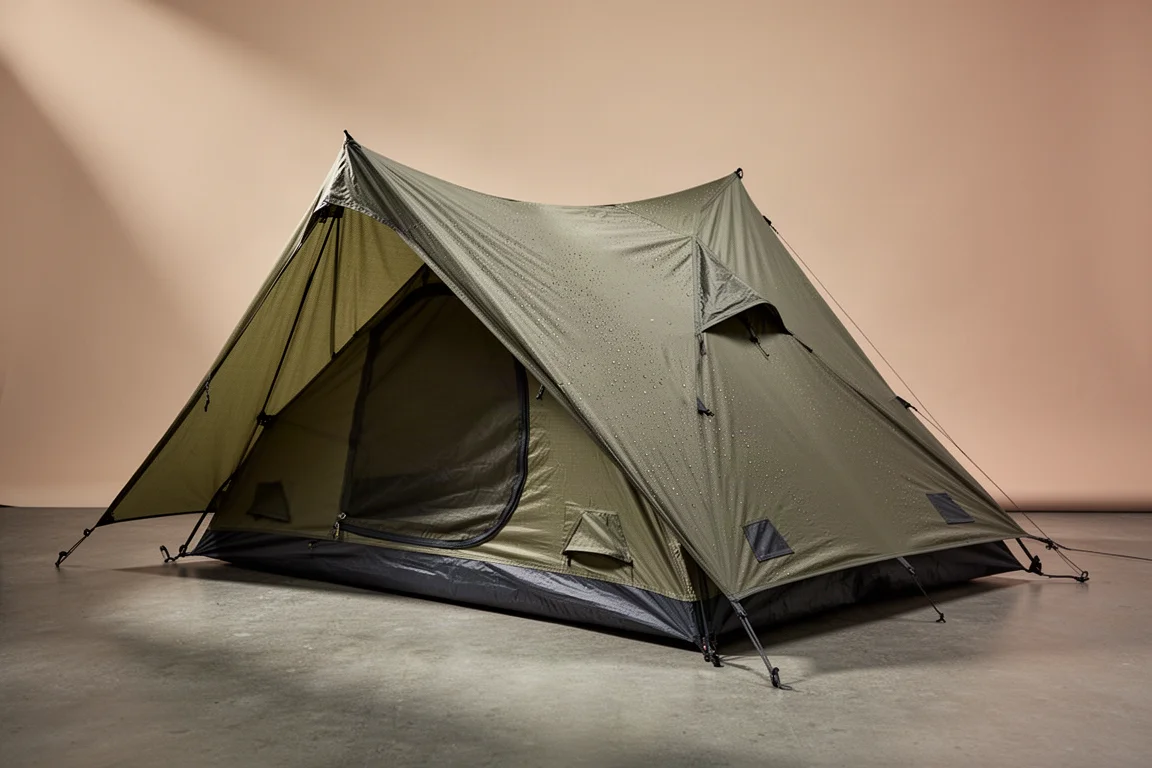
3F UL Gear Taiji Two-Person Tent Review: Field Waterproofing Results and Buying Advice
The Taiji pairs an attached fly with a removable inner, but sustained rain exposed untaped vent seams that need sealing before this shelter can be trusted.
Camping Tents
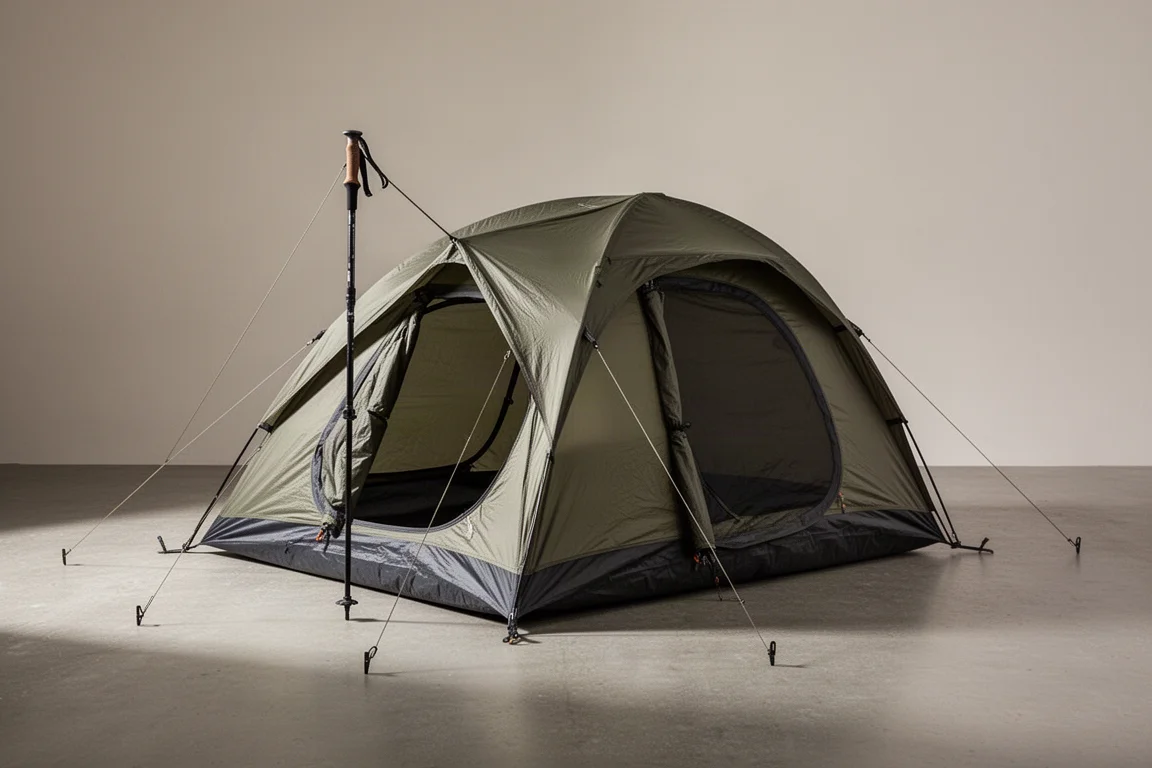
3FUL Gear Lanshan 2 Pro 4-Season Review: A Sub-$200 Single-Wall Trekking Pole Tent
An early look at the 3FUL Gear Lanshan 2 Pro 4-Season, covering its straightforward pitch, generous interior space, and the condensation and seam-sealing questions that come with any single-wall shelter.
Camping Tents
Alps Mountaineering Lynx 1-Person Tent Review: Big Value in a Small Budget Tent
A close look at the Alps Mountaineering Lynx 1-Person Tent, covering real interior dimensions, materials, setup time, ventilation limits, and who should buy it.