Camping Tents
Coleman 10-Person Instant Dark Room Cabin Tent Review: How It Handles Rain
A practical look at the Coleman 10-Person Instant Dark Room Cabin Tent in light rain, covering seam taping, zipper leaks, and the four-inch bathtub floor.
Introduction
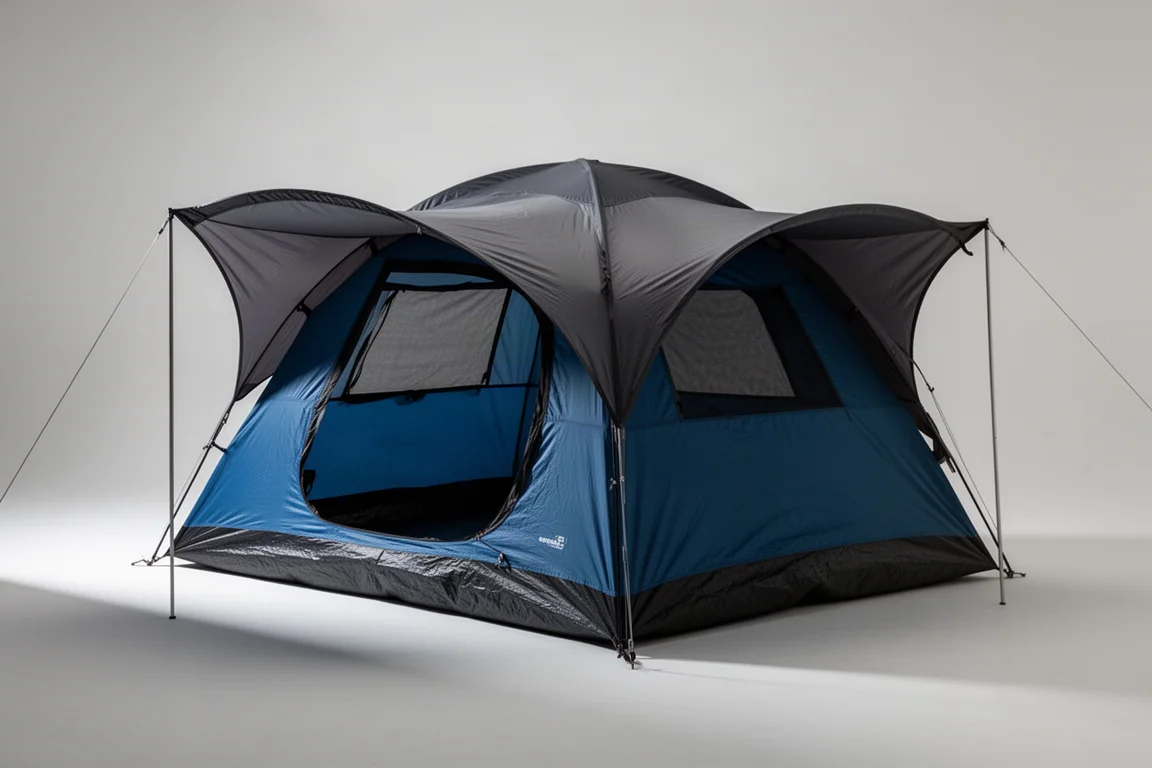
The Coleman 10-Person Instant Dark Room Cabin Tent is a large cabin-style shelter built to sleep a big group under one roof. Its most interesting design decisions show up when the weather turns: a curved roof that sheds water, a rainfly that only partially covers the tent, and a bathtub-style floor that rises about four inches up the sides.
That combination produces a mixed picture in light rain. Some parts of the tent stay completely dry, while a few seams and zipper areas let water through faster than most campers would expect. This article walks through what holds up, what does not, and how to prepare the tent before a wet trip.
Who This Tent Is For
This is a tent for campers who need space: families, groups of friends, and anyone who wants a cabin footprint and standing room rather than a low, tapered dome. A 10-person capacity makes it a practical choice for one large group or for splitting into two sleeping areas.
It suits fair-weather camping best. If your trips usually fall in dry seasons, or if you can choose your window of weather, the tent’s size and floor design work in your favour.
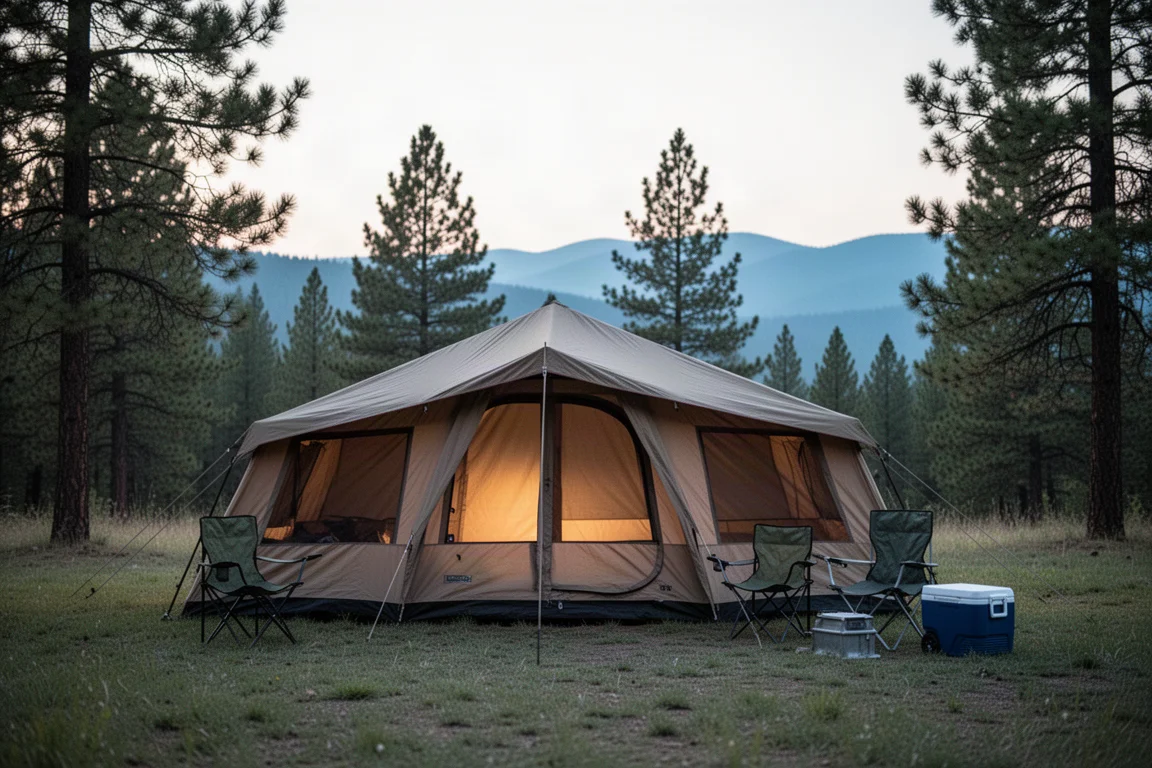
Campers who regularly pitch in steady rain should treat the wet-weather setup as a project rather than an afterthought, because the lower seam and the zipper areas need attention before the first storm.
Main Strengths
The bathtub flooring is the standout feature in wet conditions. It rises roughly four inches up the sides of the tent, and after three hours of light rain no water had seeped through the floor itself. The floor was still dry at that point.
The main tent fabric performed well too. After three hours of light rain, the inside of the tent body was dry, including the blue fabric nearer the top and the black fabric nearer the bottom, even though the lower section was more exposed to rainfall.
Several construction details support that result. The roof is curved, so water runs off instead of pooling on top. The rainfly seams are sealed, the window seams are fully taped on every window, and all of the doors are seam taped as well. The horizontal seam that joins the blue upper fabric to the black lower fabric is taped too.
How It Performs in Light Rain
The rainfly is the part that divides opinion. It only partially covers the tent, which is a deliberate choice to stop water from seeping in through the ceiling mesh. Because the rainfly is small and the tent body slants outwards, coverage around the sides is limited.
Even in light rainfall, water reaches the window mesh. Rain simply drips off the edge of the rainfly and lands on the mesh below. The practical takeaway is straightforward: keep the windows closed while it is raining, since damp mesh is the first sign that water is finding its way in.
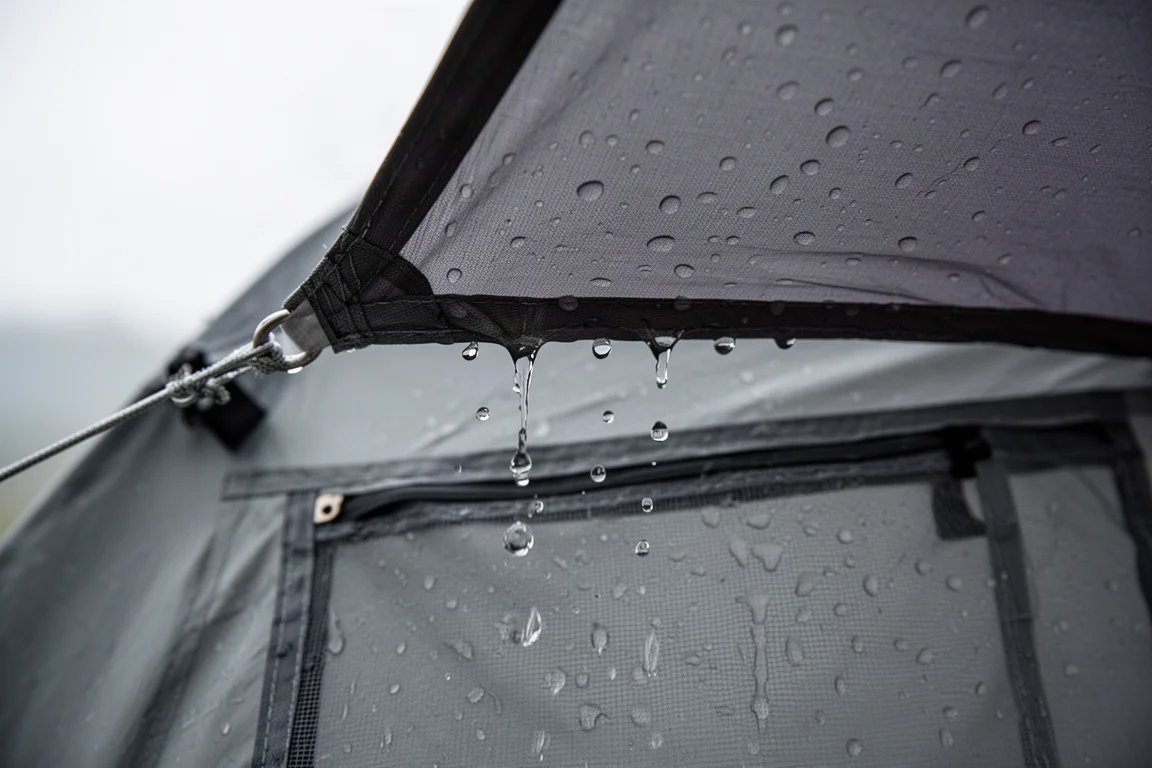
That limited reach is why the sides offer so little shelter. On a body that slants outwards, water running off the rainfly has almost nothing beneath it except the window mesh, so the mesh takes the drips rather than the rainfly deflecting them away.
Seam Taping and Zipper Design
The tent uses a mix of taped and untaped seams, and the difference matters. The vertical seams on the tent body are inverted seams, so they were not sealed or taped. The topmost horizontal seam between the tent body and the mesh roof is not inverted and not taped, but the rainfly covers it. The second horizontal seam down is not taped, but it is inverted and largely protected. The third horizontal seam, which connects the blue and black fabrics, is not inverted and has been taped.
The bottommost seam, where the tent body meets the bathtub flooring, is an inverted seam that was not seam taped. That is where the trouble starts: water began leaking around the sides of the tent after roughly 30 minutes of light rain, and after about three hours a significant amount of water was coming through. The seam stays soaked in extended light rain.
The zippers have their own weakness. A noticeable pool of water appeared from a leaking zipper after about 30 minutes of light rain, which suggests it may have started at around the 15 minute mark. By the three hour point the area was soaked and leaking steadily. The yellow rain cover on the outside of the zipper became waterlogged and appeared to make the leaking worse rather than better.
Things to Consider Before Buying
The amount of water that collects inside after only three hours of light rain is the main caveat. This was light rain, not moderate or heavy rain, so the tent’s wet-weather margin is narrow in its factory configuration.
Two fixes are worth planning for. First, seal the inverted seam near the bathtub flooring before relying on the tent in rain. Second, think about zipper placement: keeping the zippers higher up, where the rainfly offers more protection, works better than leaving them lower down where water can seep in.
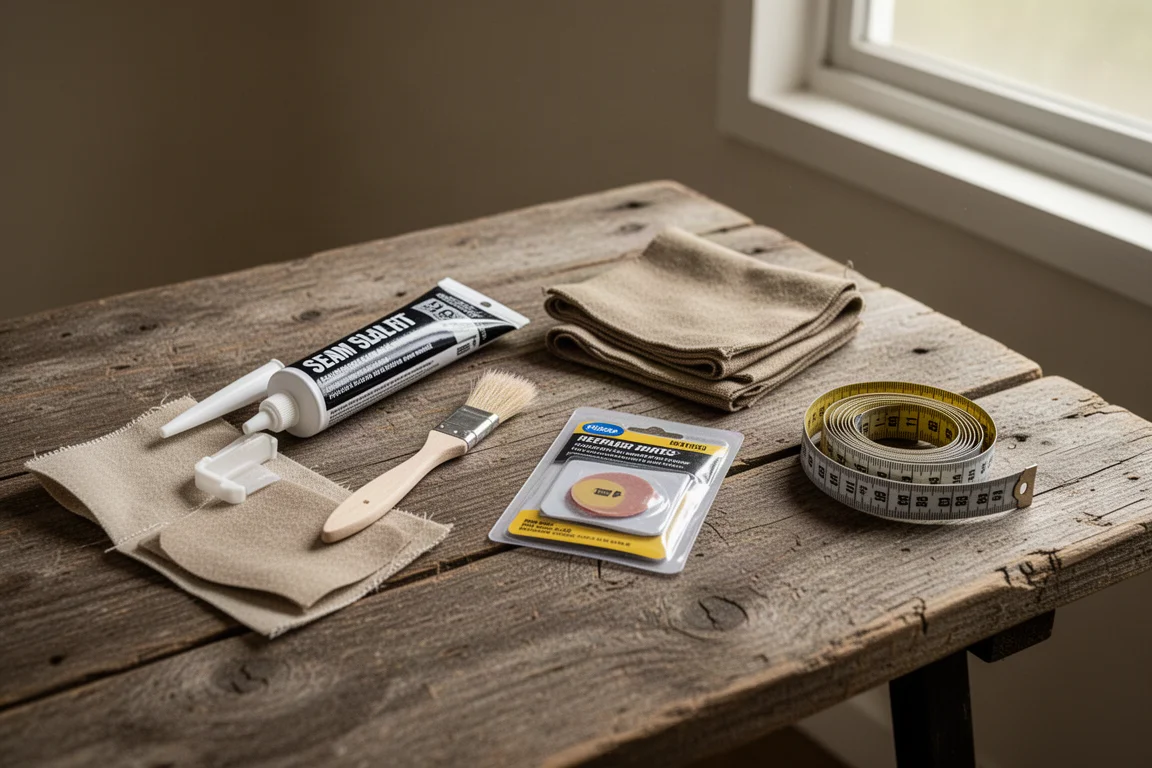
If you are not willing to do that preparation, plan around the weather instead. The tent is far more convincing as a dry-conditions shelter than as a rain-ready one.
Buying Advice
Buy this tent for its size, its cabin shape, its four-inch bathtub floor, and the reassurance that the floor and main fabric stay dry in light rain. Those are real strengths, and they matter most for families and groups who camp in predictable dry weather.
Be realistic about the rain question. If wet weather is a regular part of your camping season, budget time for seam sealing and be deliberate about how you position the zippers and the rain cover. Read the setup instructions carefully the first time, because where the doors and zippers sit relative to the rainfly changes how much water reaches them.
Treat the rainfly as a shield for the ceiling mesh rather than full coverage for the tent. That framing sets the right expectations for how the tent behaves when the sky opens.
Setup and Care Tips
Before the first wet trip, work along the bottom of the tent and seal the inverted seam where the body meets the bathtub flooring. This is the single change that addresses the largest source of leaking.
Position the zippers as high as your setup allows so the rainfly shelters them, and keep the windows closed whenever rain is falling. Check the yellow rain cover over the zippers during wet weather; if it becomes saturated, it can channel water rather than block it.
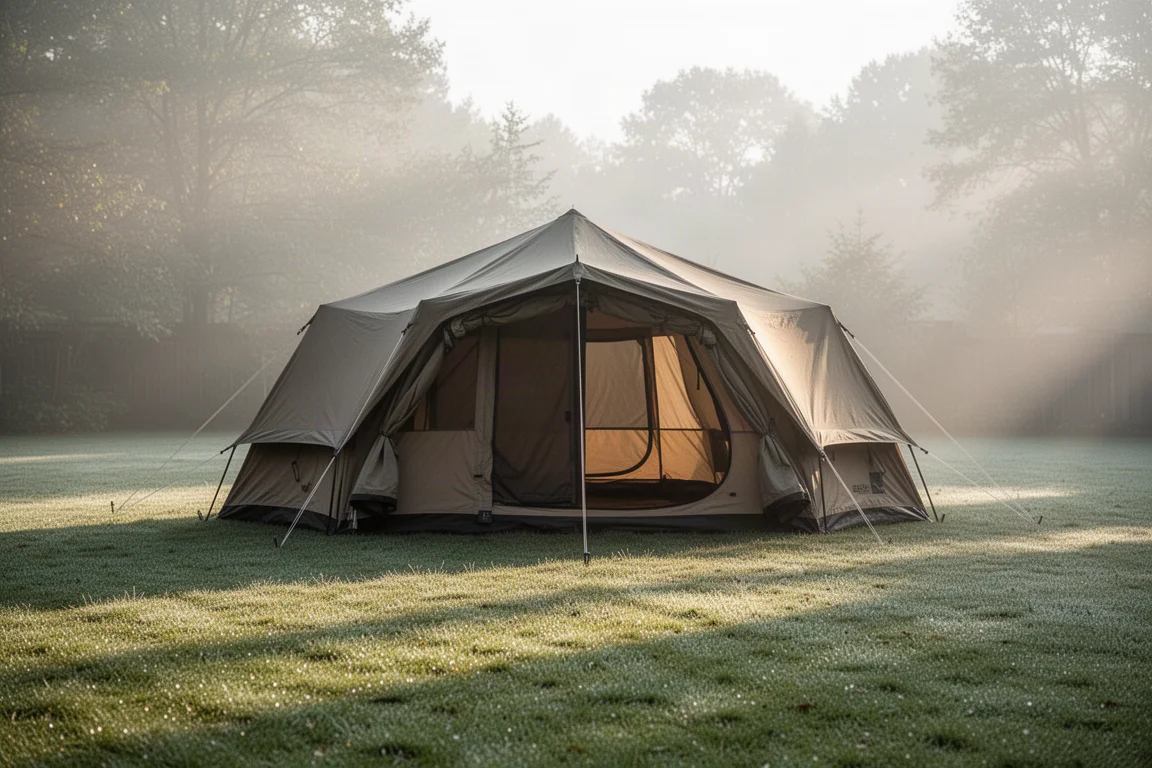
After any wet night, dry the tent thoroughly before packing it away. Pay attention to the lower seam and the zipper areas, since those are the points that take on the most water.
Conclusion
The Coleman 10-Person Instant Dark Room Cabin Tent gets the fundamentals of a large family shelter right: a dry bathtub floor, a dry main body, taped windows and doors, and a curved roof that sheds water. Where it falls short is rain protection at the lower seam and around the zippers, and the small rainfly leaves little margin on the sides.
Buy it for space and fair-weather camping, and treat seam sealing as part of the setup if rain is likely. With that preparation, the tent’s strongest features have room to work.
Product link
View more details for Coleman 10-Person Instant Dark Room Cabin Tent
This product is mentioned in the review. Check the specifications, options, and compatibility before buying.
View more details for Coleman 10-Person Instant Dark Room Cabin TentFurther reading
Related Reviews
Camping Tents
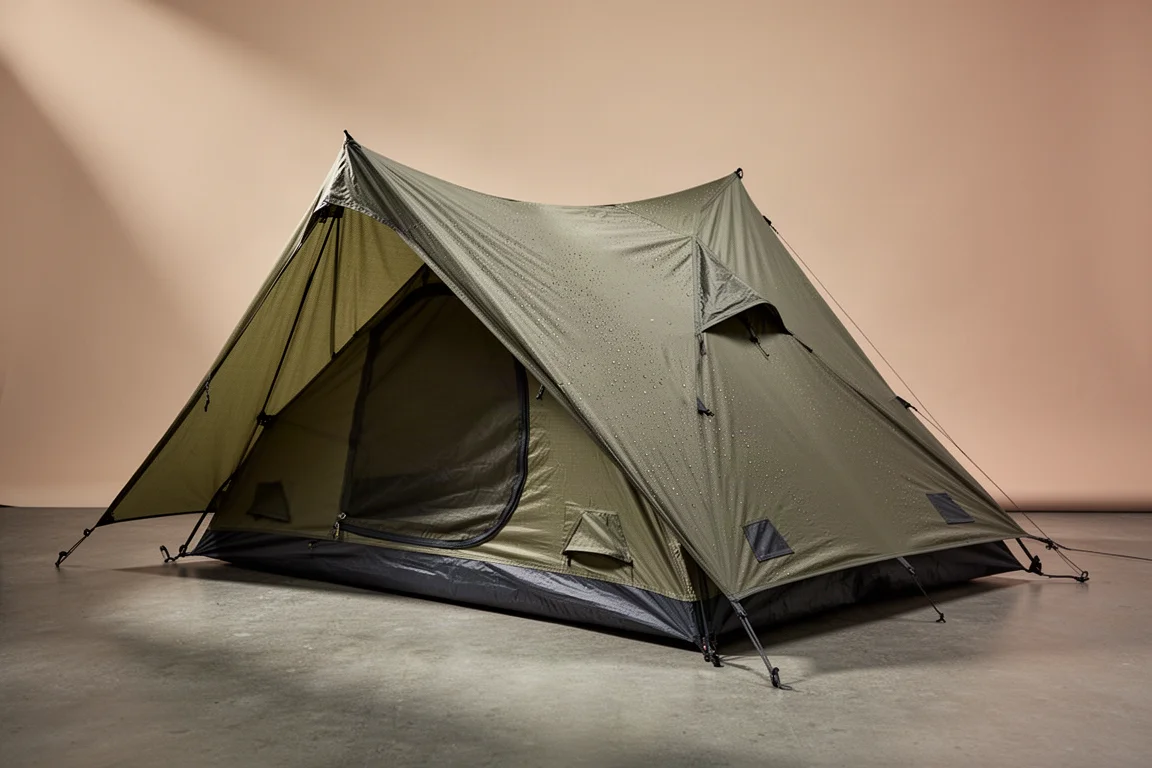
3F UL Gear Taiji Two-Person Tent Review: Field Waterproofing Results and Buying Advice
The Taiji pairs an attached fly with a removable inner, but sustained rain exposed untaped vent seams that need sealing before this shelter can be trusted.
Camping Tents
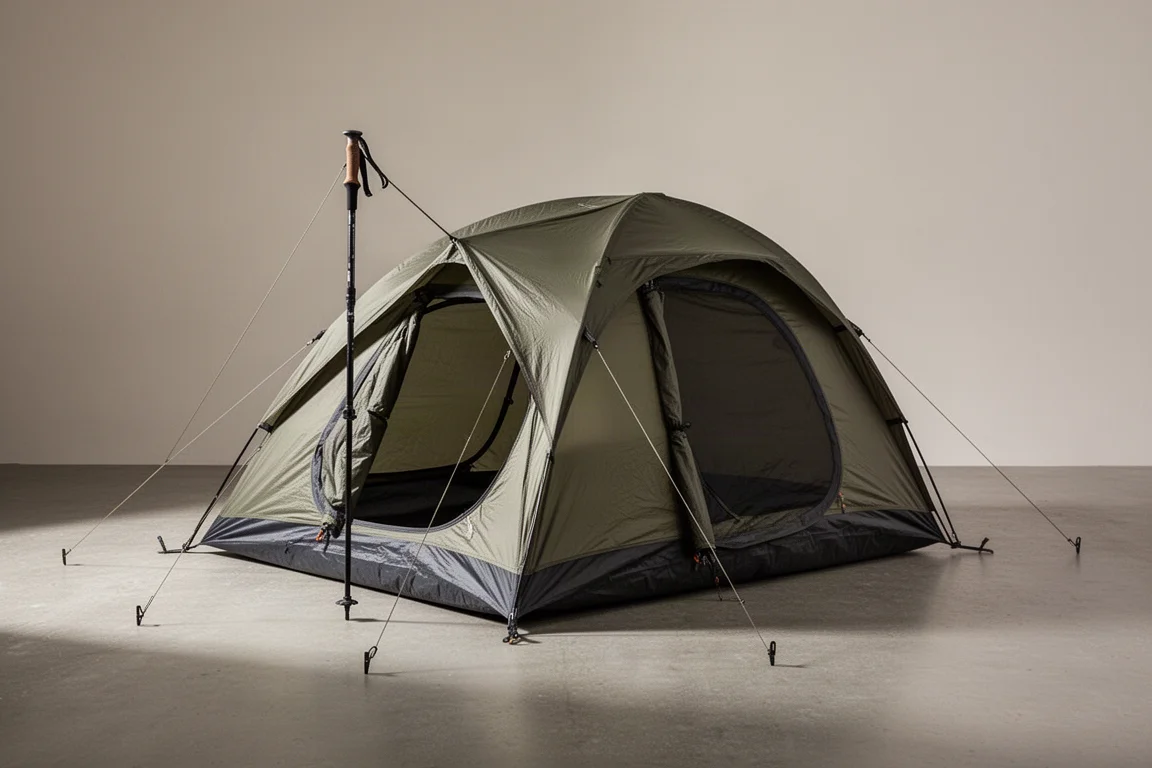
3FUL Gear Lanshan 2 Pro 4-Season Review: A Sub-$200 Single-Wall Trekking Pole Tent
An early look at the 3FUL Gear Lanshan 2 Pro 4-Season, covering its straightforward pitch, generous interior space, and the condensation and seam-sealing questions that come with any single-wall shelter.
Camping Tents
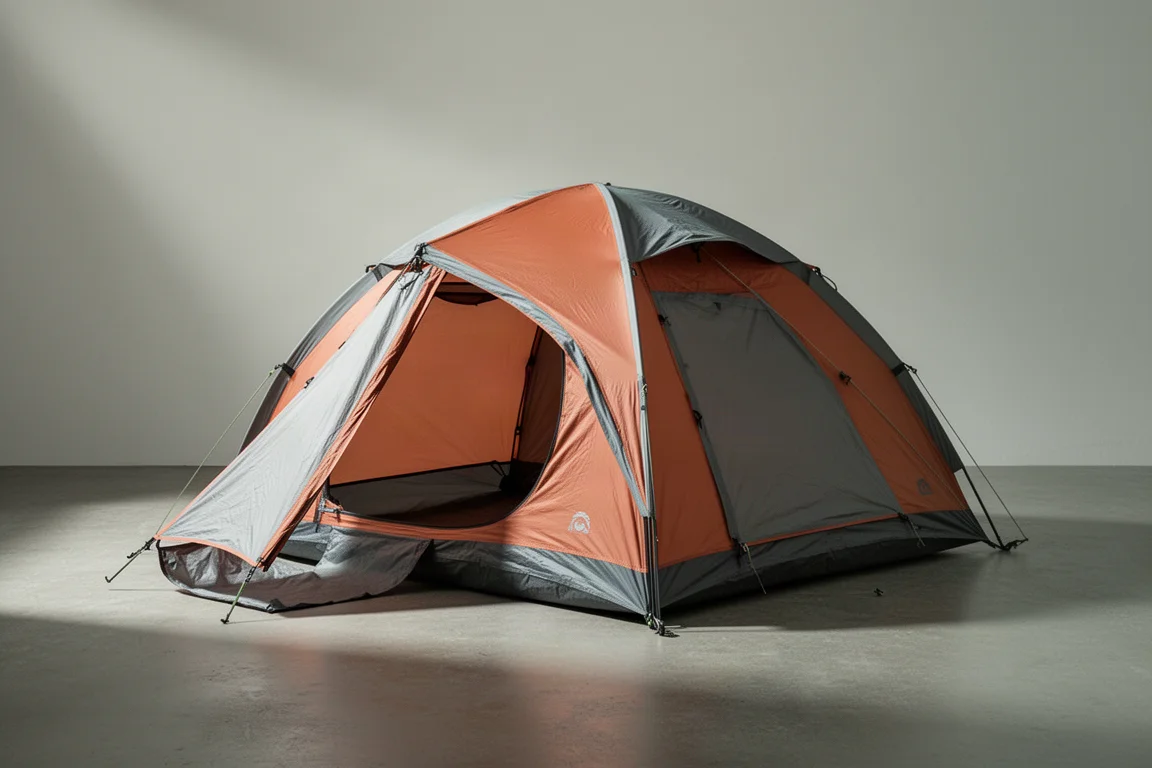
Alps Mountaineering Lynx 1-Person Tent Review: Big Value in a Small Budget Tent
A close look at the Alps Mountaineering Lynx 1-Person Tent, covering real interior dimensions, materials, setup time, ventilation limits, and who should buy it.