Camping Gear
Three Cold Weather Sleeping Pads Compared: Exped Ultra 6.5R, OneTigris Noble Jade and Bestway Alpinite
Three new sleeping pads with headline R values, compared on frozen ground at temperatures falling from -5 °C to -13 °C.
Introduction
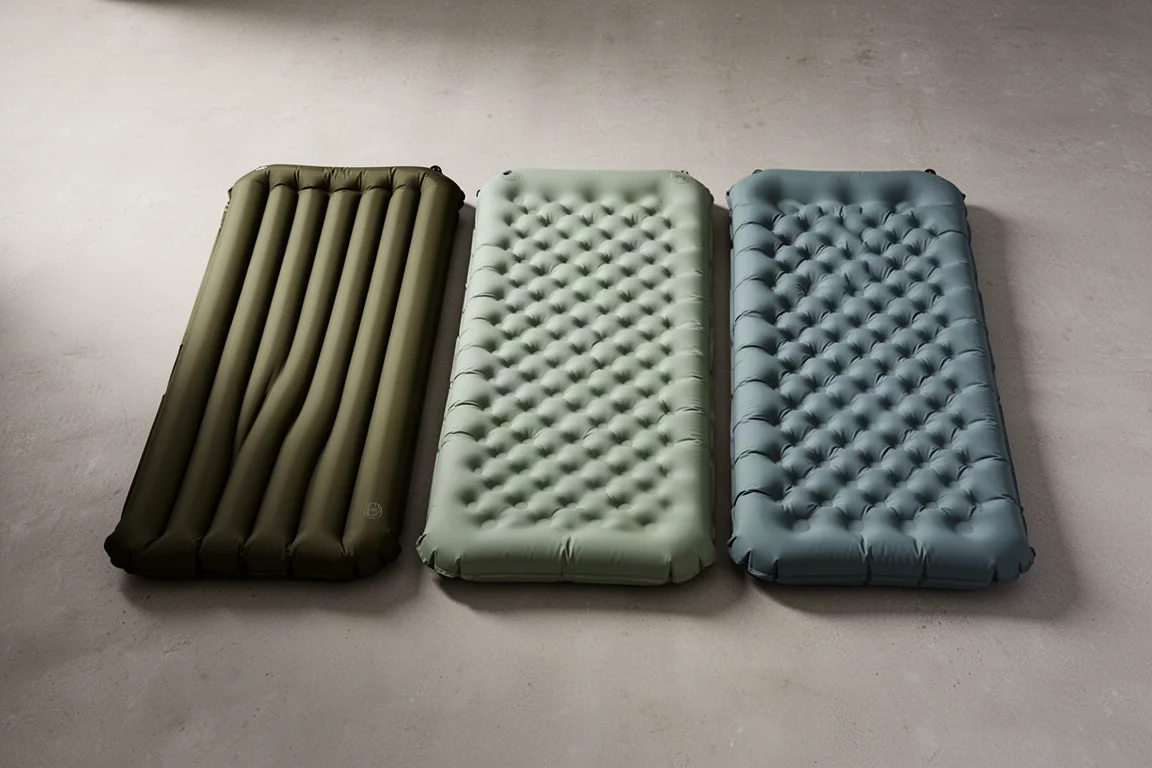
Three sleeping pads have arrived with headline numbers that look almost too good to be true: an R value of 6.9 from a pad weighing around 550 g, an R value of 7.3 pad priced near $110, and a pad claiming an R value of 7.6 for about $40. Specs like that deserve scrutiny, so all three were taken onto frozen ground in the Canadian Rockies to find out how they actually sleep.
This comparison covers the Exped Ultra 6.5R, the OneTigris Noble Jade and the Bestway Alpinite. Each pad was inflated inside a tent over ice, slept on in rotation, and one was carried through a full overnight test as air temperatures fell from roughly -5 °C to a low near -13 °C.
How These Three Pads Were Tested
Each pad was slept on for around 30 to 40 minutes at the start, which is normally long enough to tell whether a pad is losing heat into the ground or holding it. Air temperature at the beginning was about -5 °C, and the surface underneath was ice rather than snow. That distinction matters: ice tends to sleep colder than snow because snow traps a little insulating air, while frozen ground pulls heat away directly.
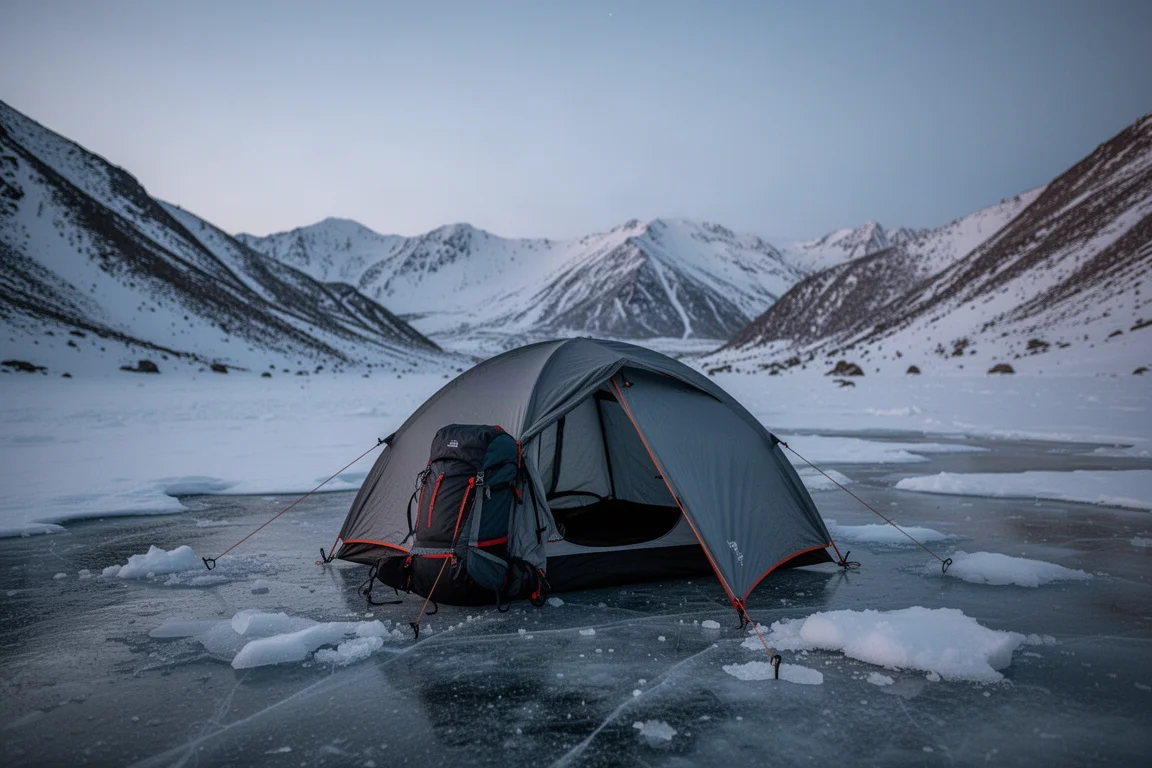
One detail is worth keeping in mind when reading the ratings. All three pads are rated using ASTM standard testing, which is carried out at room temperature. For a pad built for cold conditions, a warm test environment can flatter the result, so real-world performance on frozen ground is the more useful guide.
Exped Ultra 6.5R: Ultralight and Comfortable, With Winter Limits
The Ultra 6.5R carries an R value of 6.9 and, in the medium wide rectangular size, weighs 551 g. That is roughly 100 g less than the equivalent XTRM pad, which works out to about a 5 percent advantage in warmth to weight.
The insulation layout is unusual. A layer of synthetic insulation is welded to the top of the pad, with a reflective film welded to the underside of that insulation, so only the upper portion carries insulation while the lower part is air. The vertical baffles are also separated from one another, which should help reduce convective heat loss. Combined with the stretchy top fabric that Exped Ultra pads are known for, it makes for a very comfortable sleeping surface on both the back and the side.
In practice the pad took about 15 minutes to warm up, and once it did, the cold spots disappeared. Comfort was on par with other Ultra pads. Warmth was a different story. Heat loss became noticeable at around -7 °C, and the pad was too cold to continue on through the night. Compared with the older Ultra 5, the 6.5R is lighter and more compact while staying about on par for warmth and comfort.
The takeaway is that this is a strong three-season pad that does not deliver the winter performance its R value suggests.
OneTigris Noble Jade: Comfortable, But Not Warm on Cold Ground
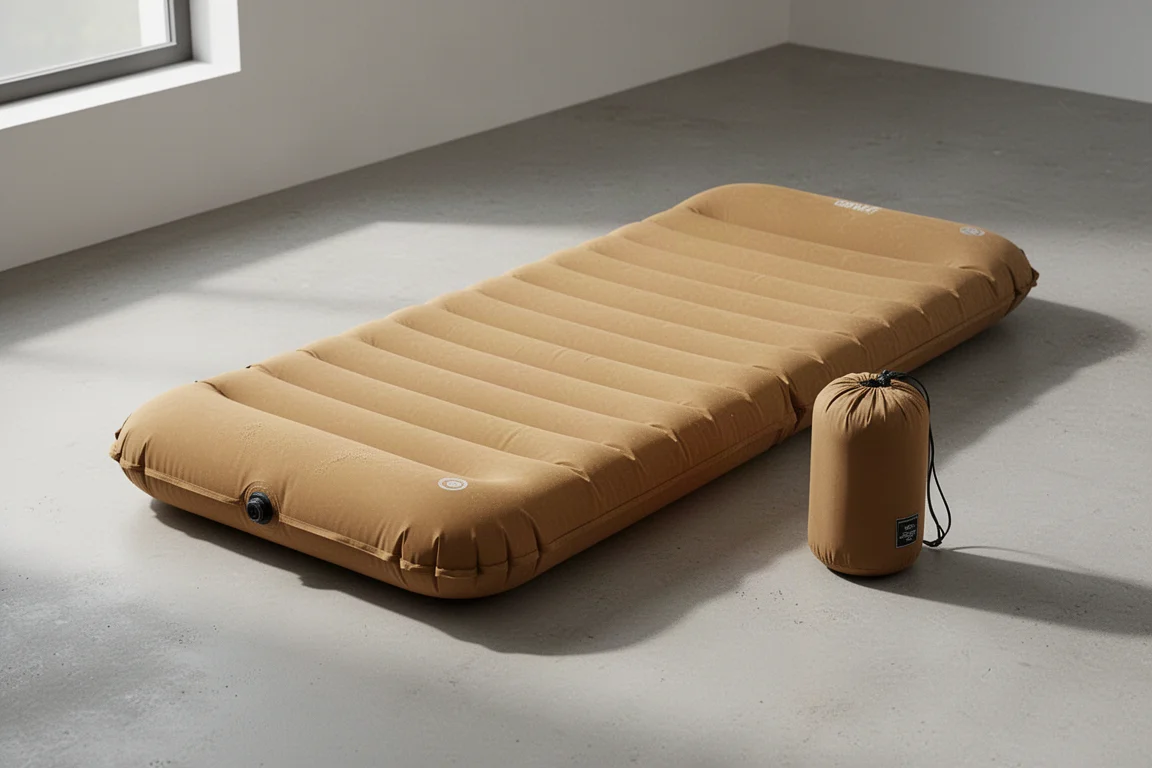
The Noble Jade lists an R value of 7.3 and is advertised at 710 g, though it weighed in at 767 g. It now sells for around $110, up from an earlier $80.
Comfort is where it delivers. The dimpled baffling provides good pressure relief, and it felt fine on both the back and the side.
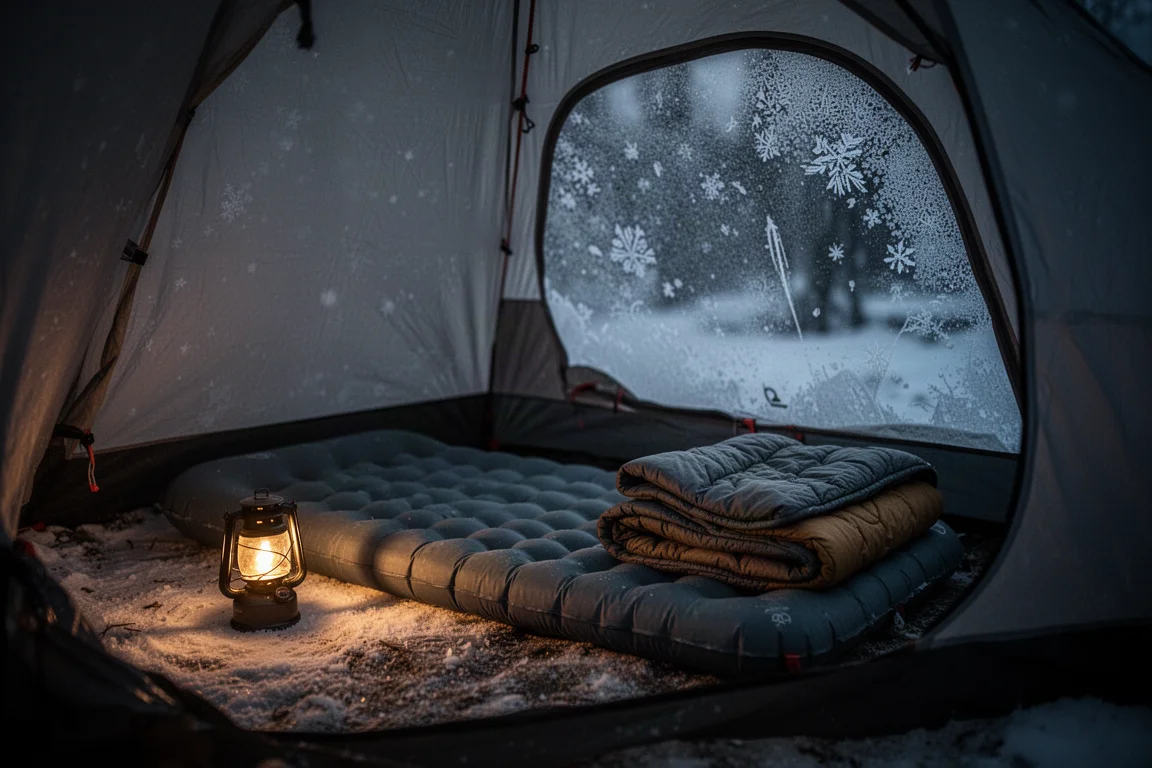
Warmth is where it falls short. From the moment of lying down through a full 30 minutes, the cold ground could be felt through the pad, with no hint of warmth at any point. That is a meaningful gap between the rated R value and how the pad behaves on ice.
Weight also limits its usefulness. At 767 g it is too heavy to work as a summer pad, and there are other pads in the $100 range that are just as comfortable.
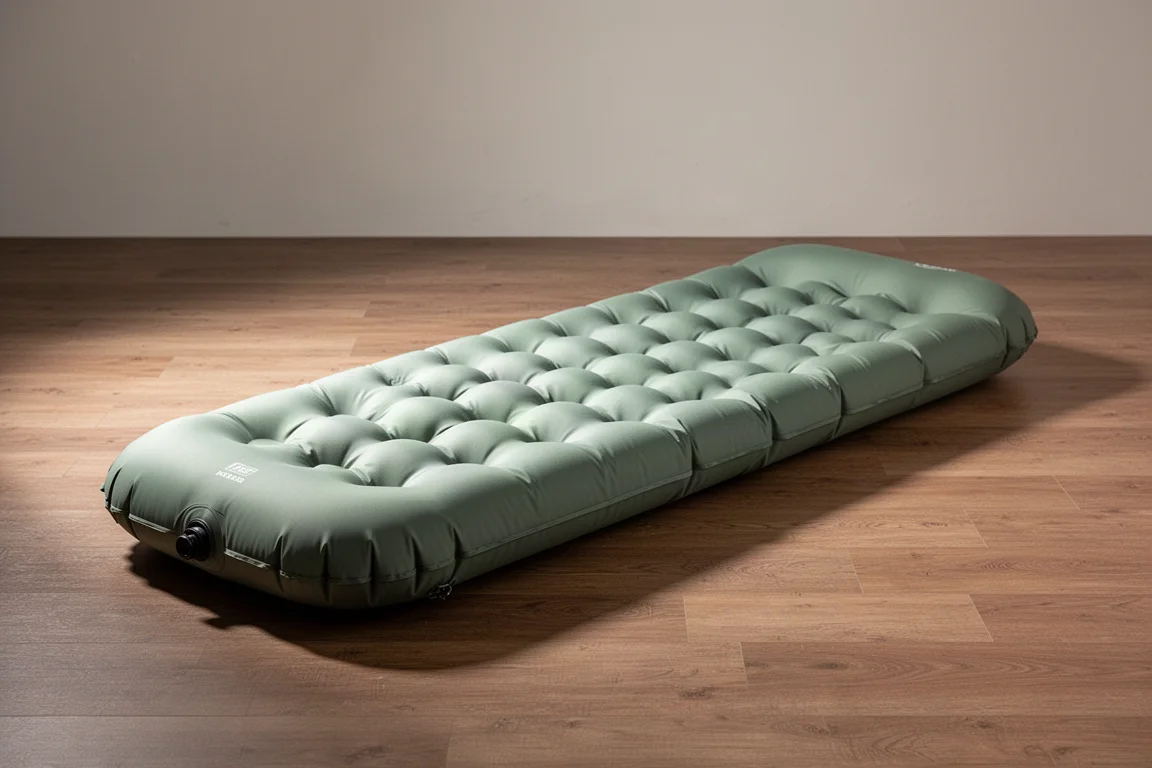
Bestway Alpinite: The Budget Pad That Impressed
The Alpinite has the highest R value of the three at 7.6, measured under ASTM standard testing, and it costs around $40. It weighs 746 g.
Its baffling uses raised and lowered sections to create a dimpled surface pattern, similar to the REI Helix, which is very effective at relieving pressure points. In this comparison it was the most comfortable of the three pads.
Warmth was the surprise. It took about 10 minutes to warm up, after which no cold spots could be felt anywhere on the body. Initial warmth was roughly on par with the Exped Ultra 6.5R. The Alpinite stayed comfortable at -7 °C, remained warm down to about -10 °C on frozen ground, and only began to lose heat close to -13 °C.
The catch is availability. The brand is best known for pool products, and this pad has mostly been sold in the UK, though it does appear on Amazon from time to time. At $40 it is one of the cheapest pads in this group, and the main risk is that rising popularity pushes the price upward.
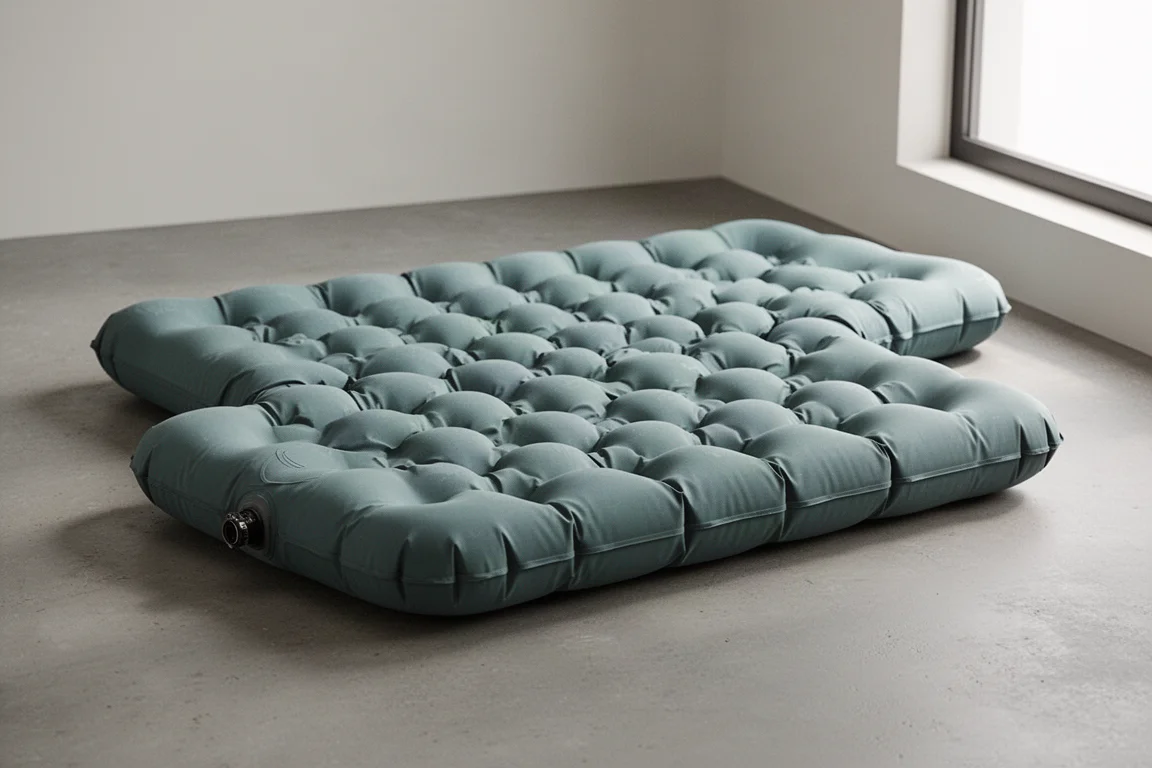
What the Overnight Cold Ground Test Showed
The overnight test went to the Exped Ultra 6.5R, and it started well. At bedtime, around -5 °C, the pad felt warm and the night looked promising. As temperatures slipped to -7 °C and then -8 °C, heat loss through the pad became obvious and the pad had to be swapped out. The OneTigris Noble Jade was never a candidate for the overnight test after its performance in the initial rotation.
Switching to the Bestway Alpinite changed the night immediately. At -7 °C it felt distinctly warmer, warm enough that a layer of socks could come off. It stayed comfortable down to about -10 °C, and only around -13 °C did heat loss become noticeable, at which point the pad was clearly at its limit rather than failing outright.
The pattern across all three pads points to the same conclusion. Room-temperature R value testing is a starting point, not a promise, and a high number does not automatically translate into warmth on frozen ground.
Buying Advice: Matching a Pad to Your Conditions
For anyone who wants a single light pad for three seasons and mild conditions, the Exped Ultra 6.5R is the strongest of the three. At 551 g it is lighter and more compact than the older Ultra 5 while staying just as comfortable, and it sleeps warm enough for summer and shoulder-season trips on cold ground. It simply should not be counted on as a winter pad.
If budget matters and most trips fall in three seasons, with occasional nights around freezing, the Bestway Alpinite is the standout. It was the most comfortable of the three, it stayed warm down to about -10 °C on frozen ground, and it costs around $40. Its limitation is availability rather than performance, so it is worth checking whether it can be found where you live.
The OneTigris Noble Jade is difficult to recommend at around $110. It is comfortable, but the measured weight came in above the advertised figure, and it did not hold warmth on cold ground. Other pads in that price bracket offer comparable comfort with better warmth.
A final practical note: because these ratings come from room-temperature testing, treat any high R value as an indicator rather than a guarantee, and match the pad to the coldest ground you actually expect to sleep on.
Conclusion
Three pads, three very different outcomes. The Exped Ultra 6.5R is a light, comfortable three-season performer that falls short of its winter billing. The OneTigris Noble Jade is comfortable but heavy and cold on frozen ground. The Bestway Alpinite, at around $40, was the most comfortable pad of the group and held warmth further into the cold than either of the others. On this evidence, the budget option is the one worth hunting down, as long as the price stays where it is.
Further reading
Related Reviews
Camping Gear
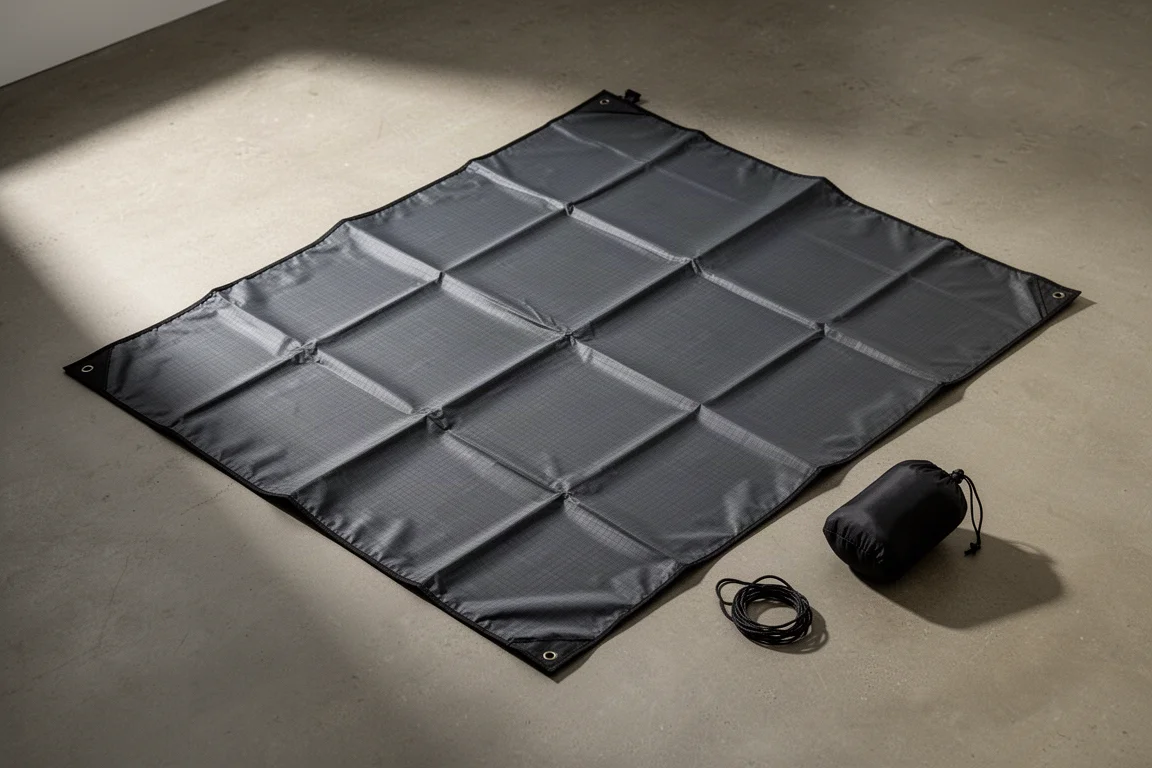
3FUL Ultralight Ground Sheet Review: A Two-Person Footprint Worth Packing
A 6.7 oz two-person ground sheet in ripstop silnylon, priced around $30. Here is what it protects, what it does not do, and who should pack it.
Camping Gear
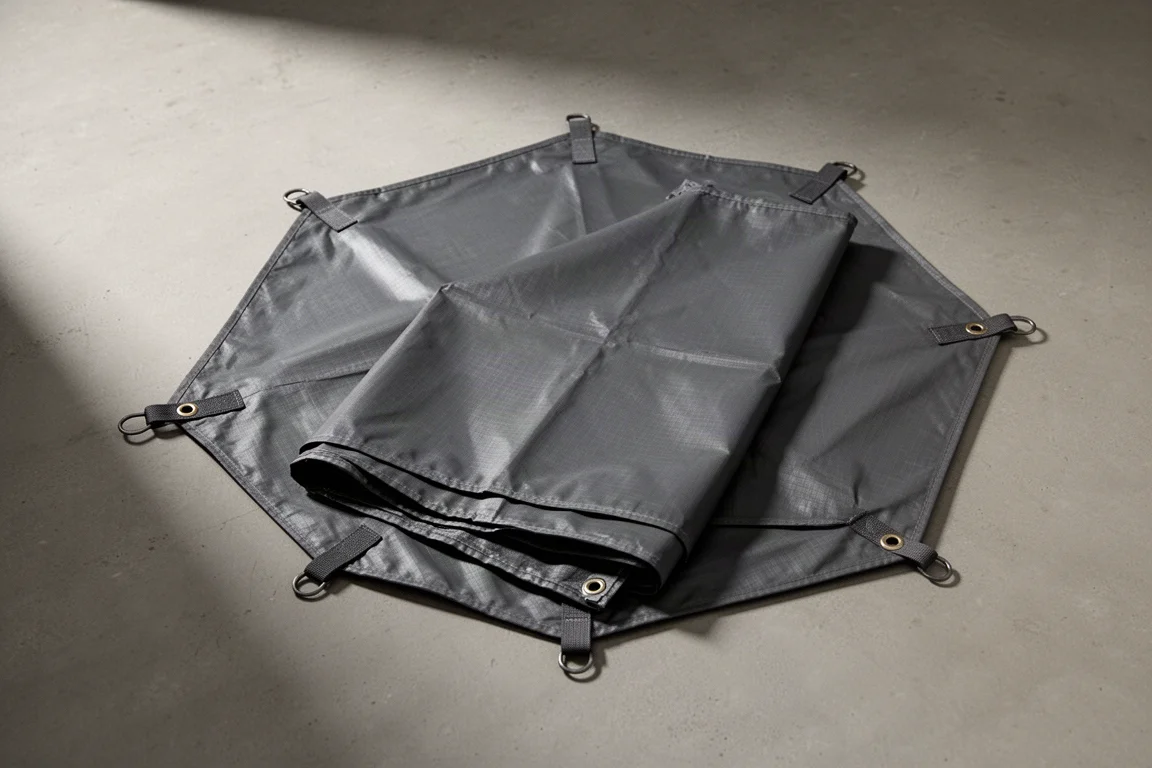
Backcountry Light Dual-Function Tarp and Floor Review: A Footprint First
A dual-purpose tent floor and tarp that keeps falling rain off you, but cannot block wind. Here is where it works and where it does not.
Camping Gear
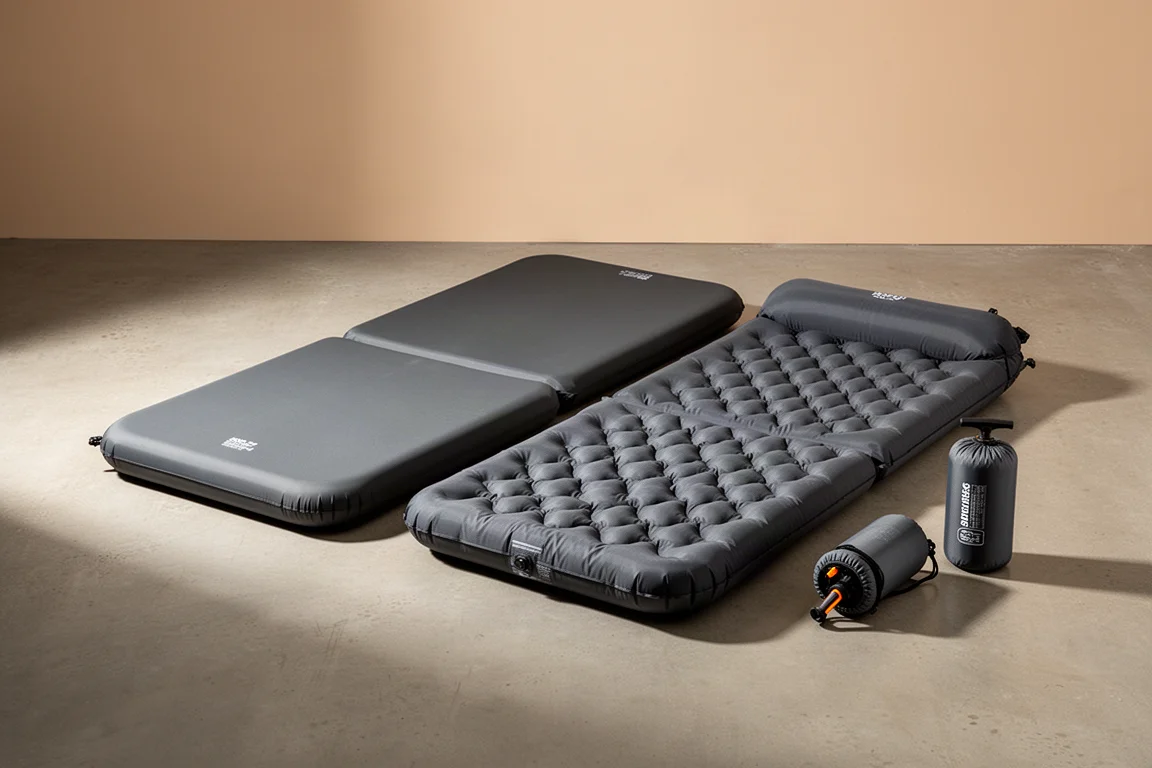
Best 2-Person Camping Mattresses for Couples: 10 Options Compared
A practical comparison of ten two-person camping mattresses, covering self-inflating pads, air pads and air mattresses for couples.