Backpacking Gear
Cold-Weather Backpacking Gear Tested: Stakes, a Sleeping Pad, and a Hoodie
Field notes on three cold-weather backpacking pieces: MSR Groundhog stakes, a Sea to Summit Ether Light XT Extreme sleeping pad, and the Outdoor Vitals Ventus hoodie.
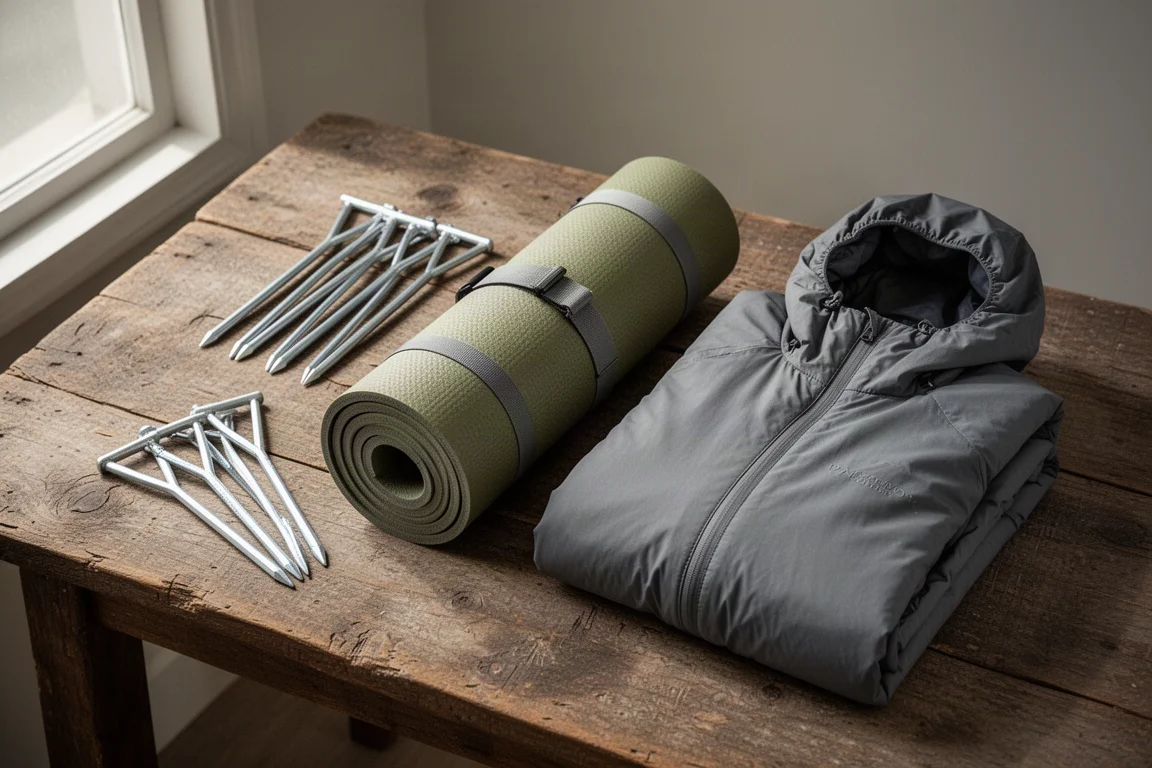
Introduction
Late-season backpacking in Wisconsin delivers two things at once: some of the best fall colour of the year and ground that refuses to cooperate. On an overnight trip, night temperatures dropped to roughly 22 degrees Fahrenheit, colder than expected for the time of year, and the combination of rocky soil and steady wind made every piece of kit earn its place.
Three items stood out for very different reasons: a set of lightweight tent stakes that held in terrible ground, a large sleeping pad that split opinion between comfort and warmth, and a hoodie that delivered far more warmth than its weight suggests.
How These Three Pieces Were Tested
Testing took place on a short backpacking trip with around 10 miles of rolling trail and a night in a three-sided shelter. Conditions were typical late-fall Wisconsin: bright foliage, hard rocky ground, and wind strong enough that staking and anchoring deserved real attention.
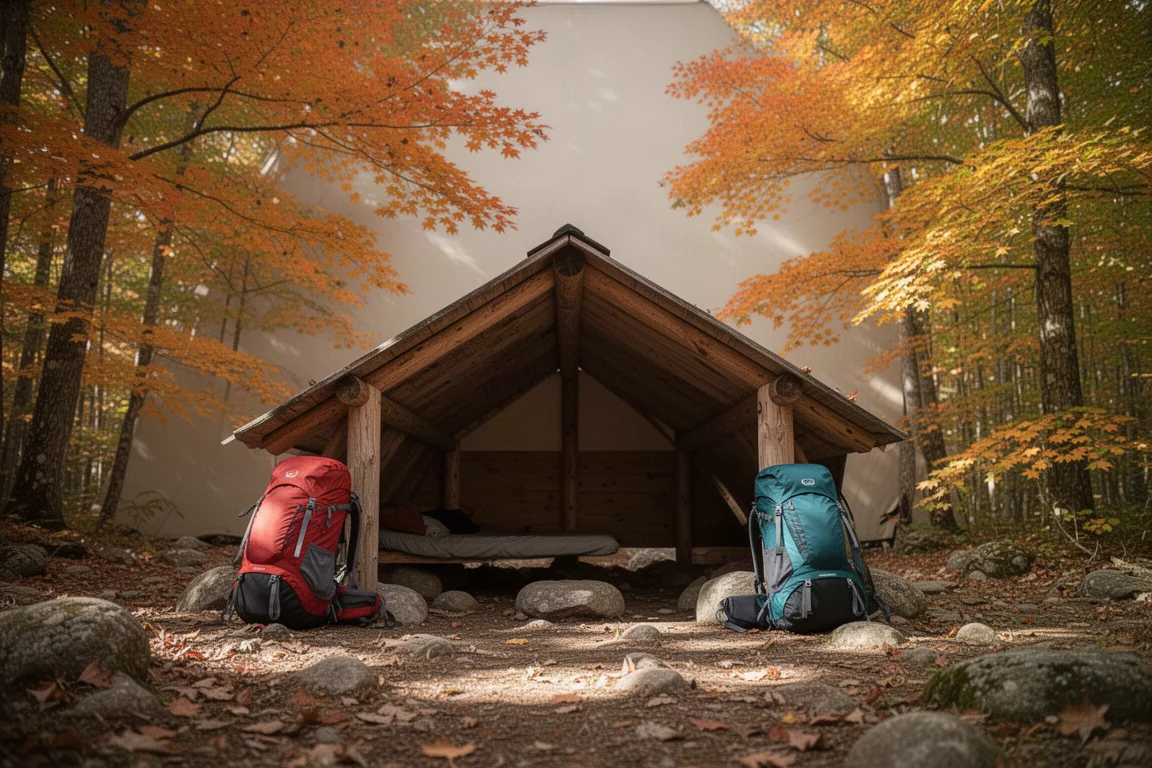
The trip was deliberately short, which matters when reading the notes below. One night is enough to expose a serious problem, such as a pad that runs cold, but it is not enough to judge long-term durability. Each piece was used the way it would be on a real cold-weather trip rather than in a controlled setting.
MSR Groundhog Stakes: Holding Power on Rocky Ground
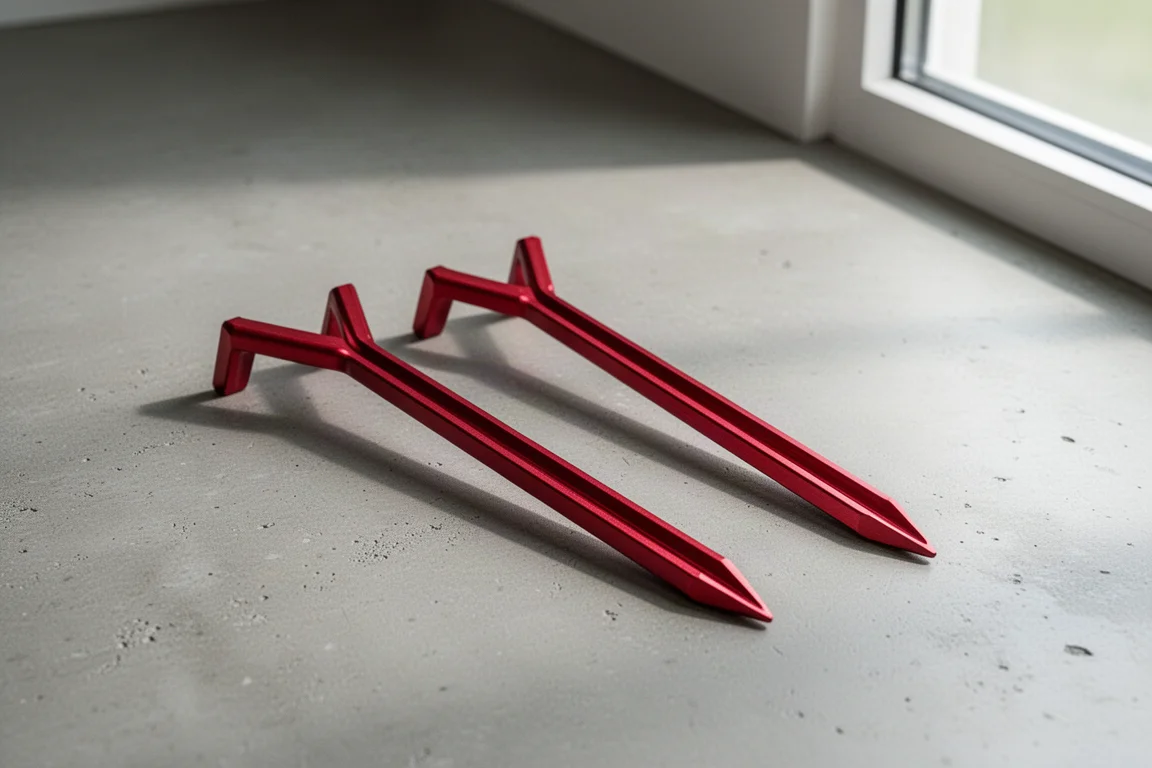
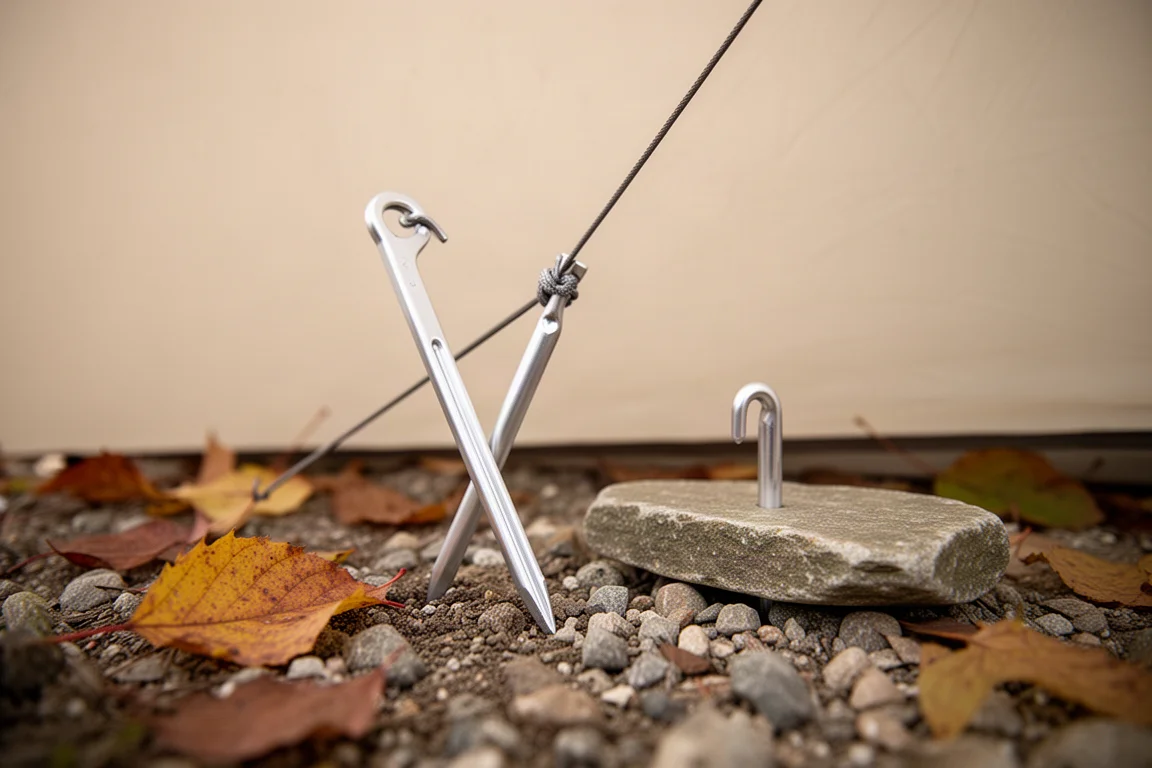
The ground on this route is close to worst-case for tent stakes: a thin layer of soil over rock, with stones scattered throughout. The MSR Groundhog stakes handled it better than their weight suggests. They are lightweight backpacking stakes that still hold well, though they are not unbreakable, and this particular ground is genuinely difficult.
When soil is shallow, driving a stake in at an angle and then weighting it with a rock is often the difference between a taut pitch and a collapsed one. That approach matters more on a windy night, when a shelter pulls steadily against every stake rather than in short gusts.
Stepping on a stake to seat it is a common habit and one worth treating with some care. A stake can work loose from hard ground, and knowing when it is about to move comes from repetition rather than luck.
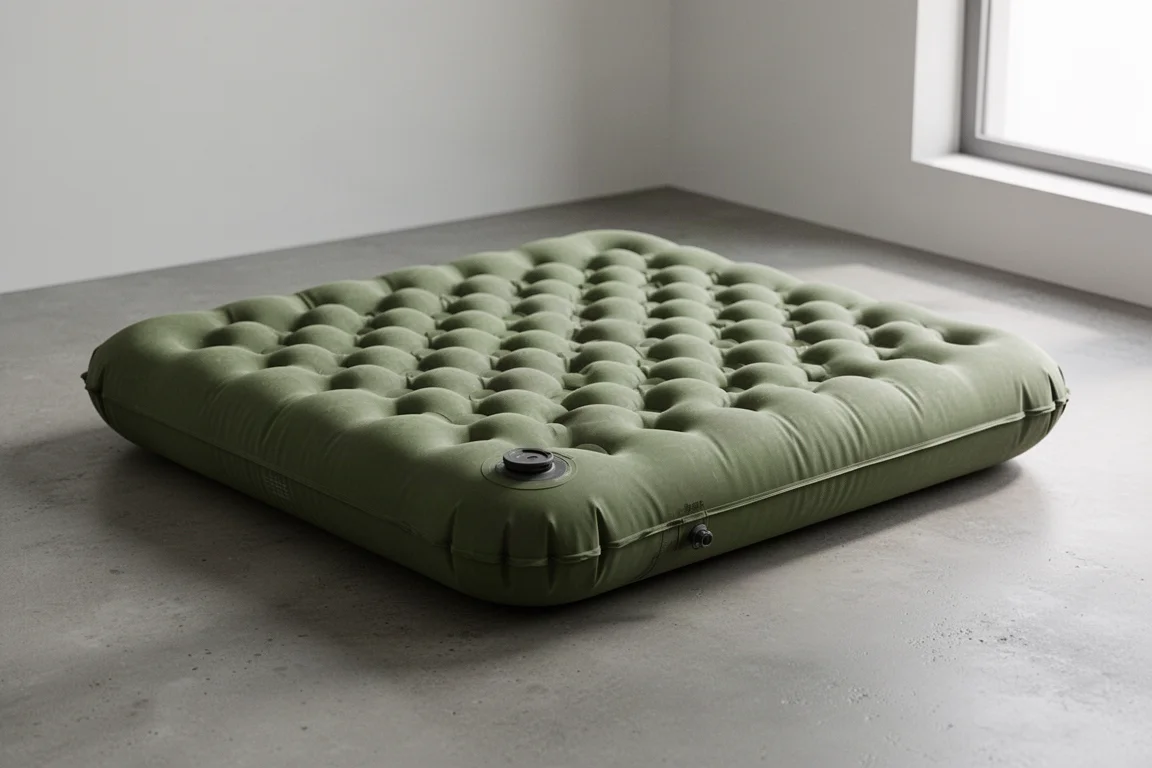
Sea to Summit Ether Light XT Extreme: Big Comfort, Real Caveats
The Ether Light XT Extreme is a genuinely large sleeping pad. Inflated, it fills a lot of space inside a shelter, which is a real benefit for anyone who shifts position during the night. Comfort is the headline here, and it is easy to see why the pad carries a strong reputation among cold-weather campers.
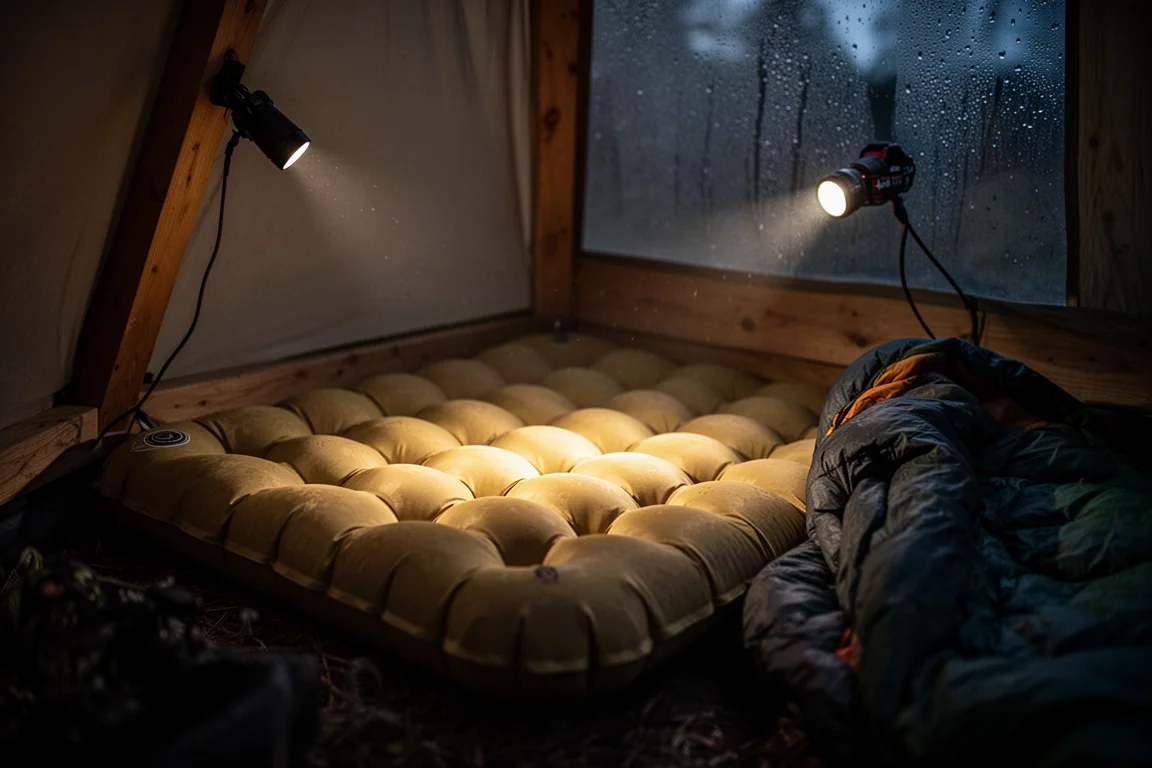
Warmth was the problem. On a night that dropped to roughly 22 degrees Fahrenheit, the pad felt cold from below all night, even when paired with a 20 degree sleeping bag that had performed well in colder conditions. One night of that is enough to raise questions.
The most useful finding came from adjusting inflation. After sleeping on a fully firm pad, releasing a little air through the valve made it noticeably more comfortable, but within about five minutes the cold returned underneath. Fully inflated, the pad stayed warmer but felt firm enough to press against a hip. That trade-off is worth understanding before committing to the pad for winter use.
Noise is the other thing to plan for. The pad crunches audibly with small movements, which is noticeable in a quiet shelter. Packed away, it is secured with a broad strap rather than a compact stuff sack, so it takes up a meaningful amount of room in a pack.
Outdoor Vitals Ventus Hoodie: Seven Ounces of Warmth
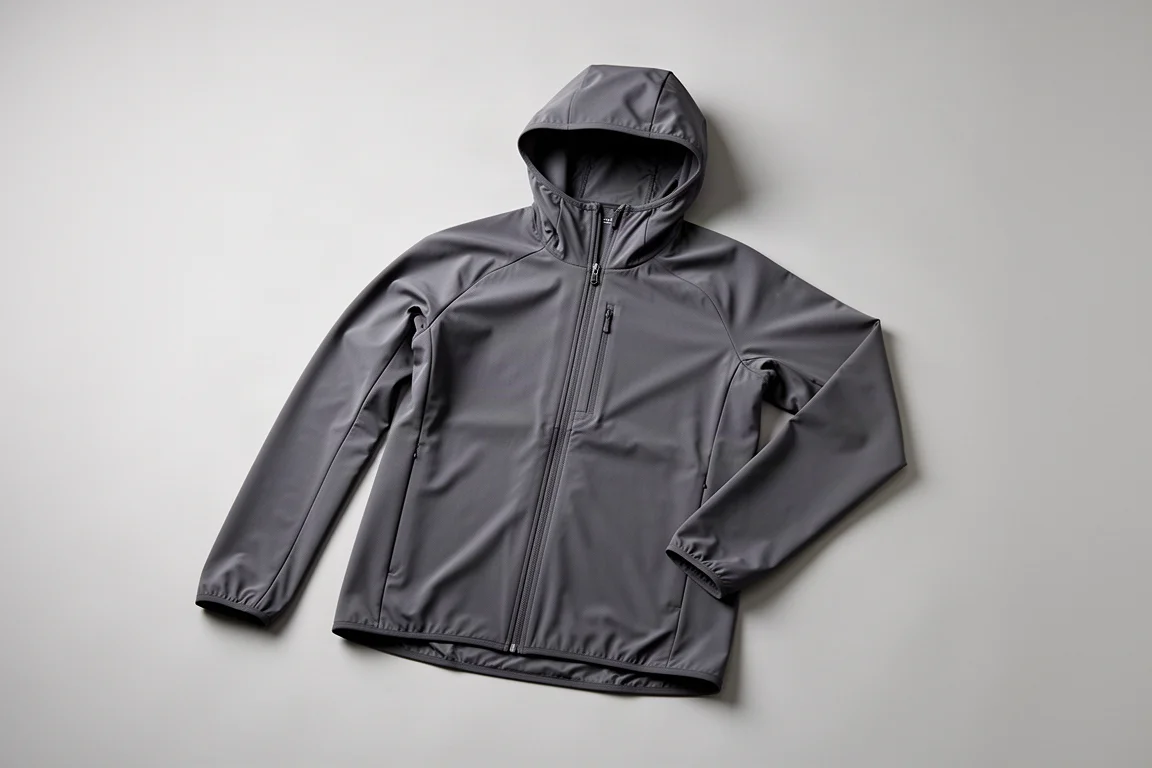
The Ventus hoodie is the piece that surprised most. It weighs around seven ounces, uses synthetic insulation, and does not feel thick in the hand, yet it is immediately warm when pulled on. That combination is what makes it useful both as a camp layer and as a midlayer on the move.
The current version adds an elastic cord at the hem. Earlier versions lacked it and tended to ride up and let air circulate underneath while hiking. Cinching the hem down closes that gap, which makes a noticeable difference in wind.
It is a supporting layer rather than a replacement for a heavy belay-style puffy in serious cold, but as a light piece that adds real warmth for very little weight, it earns its place in a pack.
How the Pieces Work Together on a Cold Trip
Cold-weather comfort is rarely about a single item. A shelter that stays taut in wind, a pad that insulates against the ground, and a layer that holds warmth close to the body all address different parts of the same problem, and a weak link in any of them is felt all night.
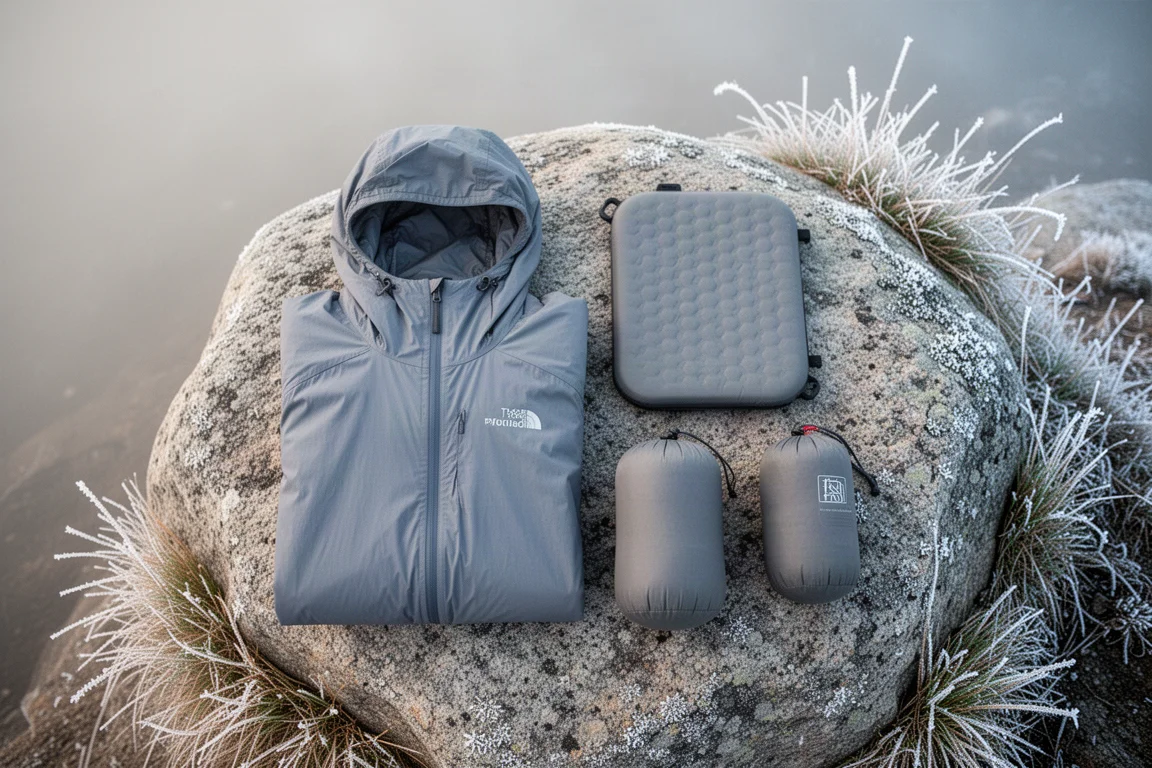
The clearest lesson from this trip is that ground insulation deserves as much scrutiny as a sleeping bag rating. A bag rated for 20 degrees performed well in genuinely cold conditions, but a cold pad underneath undermined it entirely. Matching the two matters more than upgrading either one on its own.
Layering works the same way. A light synthetic hoodie with a cinched hem traps warmth efficiently and can be worn while moving or added in camp without much bulk or weight penalty.
Buying Advice: Matching Gear to Real Conditions
If your trips involve rocky, shallow ground, a set of lightweight stakes that hold well is one of the cheapest reliability upgrades available. They are not indestructible, but they perform well above their weight, and weighting them with rocks in strong wind is a simple habit worth adopting.
For sleeping pads, be honest about how you sleep and where. A large, comfortable pad suits anyone who values space and moves around at night, but if you plan to sleep in sub-freezing temperatures, plan on keeping it fully inflated and confirm that the firmness works for you.
A hoodie like the Ventus makes sense for anyone who wants a light, packable layer that adds warmth without much weight. It works best as part of a system rather than as a standalone answer to deep winter.
Conclusion
Three pieces, three different verdicts. The MSR Groundhog stakes are a straightforward win for difficult ground. The Sea to Summit Ether Light XT Extreme is spacious and comfortable but comes with real cold-weather caveats that are worth understanding before buying. The Outdoor Vitals Ventus hoodie delivers an unusual amount of warmth for its weight and slot easily into a cold-weather layering plan.
Match each piece to the conditions you actually camp in, and the whole system gets warmer without getting heavier.
Further reading
Related Reviews

Backpacking Gear
Building a 10 lb Base Weight: An Ultralight Backpacking Gear List
A practical walkthrough of the ultralight pieces behind a 10 lb base weight, from a 765 g pack and a roomy one-person tent to a full camp chair and a dependable water filter.
Backpacking Gear
A 15-Pound Lightweight Backpacking Gear List for Solo Trips
A beginner-friendly 15-pound backpacking setup built from easy-to-find gear, with notes on what each piece does, how it packs, and where to spend your attention.
Backpacking Gear
8 Ultralight Backpacking Gear Upgrades Worth Carrying
Eight small, affordable backpacking upgrades that solve real trail annoyances, from a pillow that stays put to a fuel valve that rescues leftover canister gas.