Backpacking Gear
Cold Weather Backpacking Gear: Nine Picks for Below-Freezing Nights
A practical cold weather backpacking kit covering footwear, ground anchors, shelter, camp insulation, sleep systems, and a regulated canister stove.
Introduction
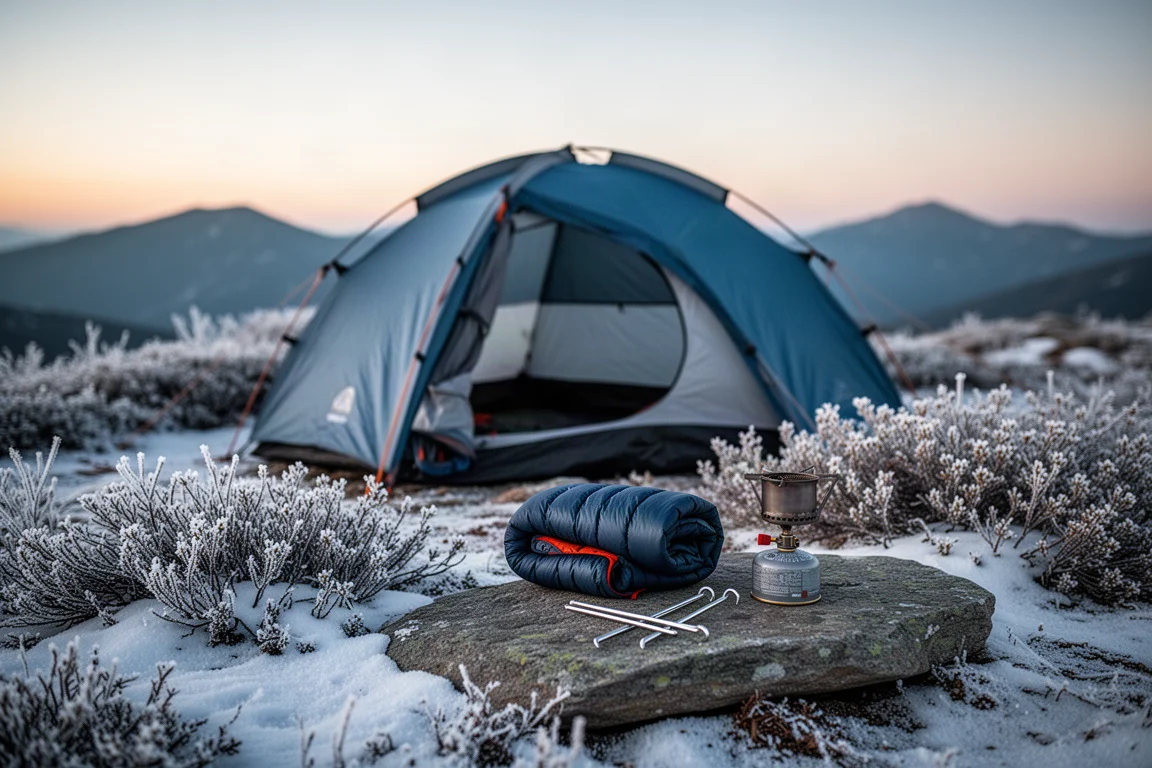
Cold weather backpacking rewards preparation. The solitude and the challenge are the appeal, but staying warm, sourcing water, cooking, and even pitching a tent all change once temperatures drop.
On a shoulder-season overnight in the Canadian Rockies, the temperature started just below freezing with a forecast overnight low of -10°C. The route climbed toward higher elevation in an area that is among the first to receive snow, so the ground ranged from slush to bare ice to drifted snow.
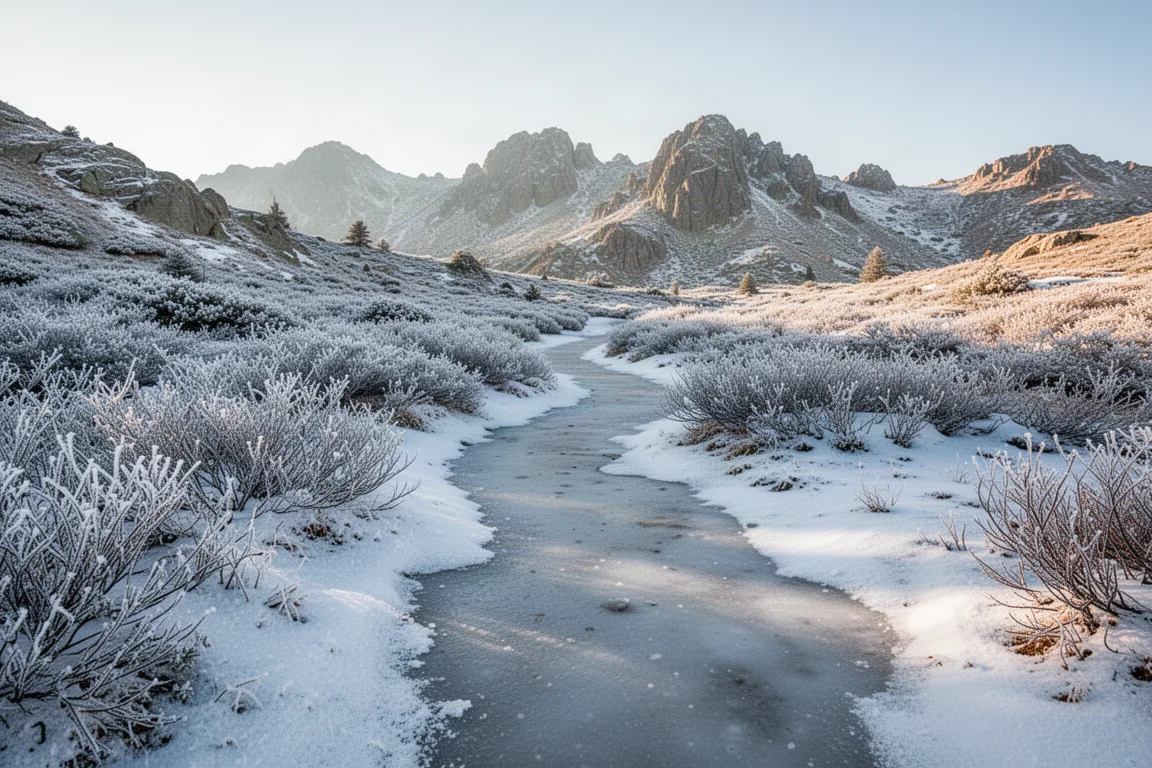
This guide covers the gear that carried that trip: footwear, ground anchors, shelter, camp layers, sleep insulation, and a cold-weather cook setup.
How These Picks Were Evaluated
Five things decide whether gear works when the mercury falls.
Footwear needs waterproof protection, insulation tuned for active use rather than standing still, and grip that survives the ice left behind by freeze-thaw cycles. Ground anchors need to be drivable into semi-frozen soil, fully frozen soil, or snow without bending. Shelter needs wind protection, the ability to pitch on frozen ground or snow, enough interior room to sit out long nights, low weight, and ventilation that keeps condensation in check. Camp insulation has to hold heat while stationary and dump it quickly when moving again. Sleep and cooking come down to a system rated for the overnight low, and a stove that keeps running when canister pressure drops.
Footwear: Keen Revel 4
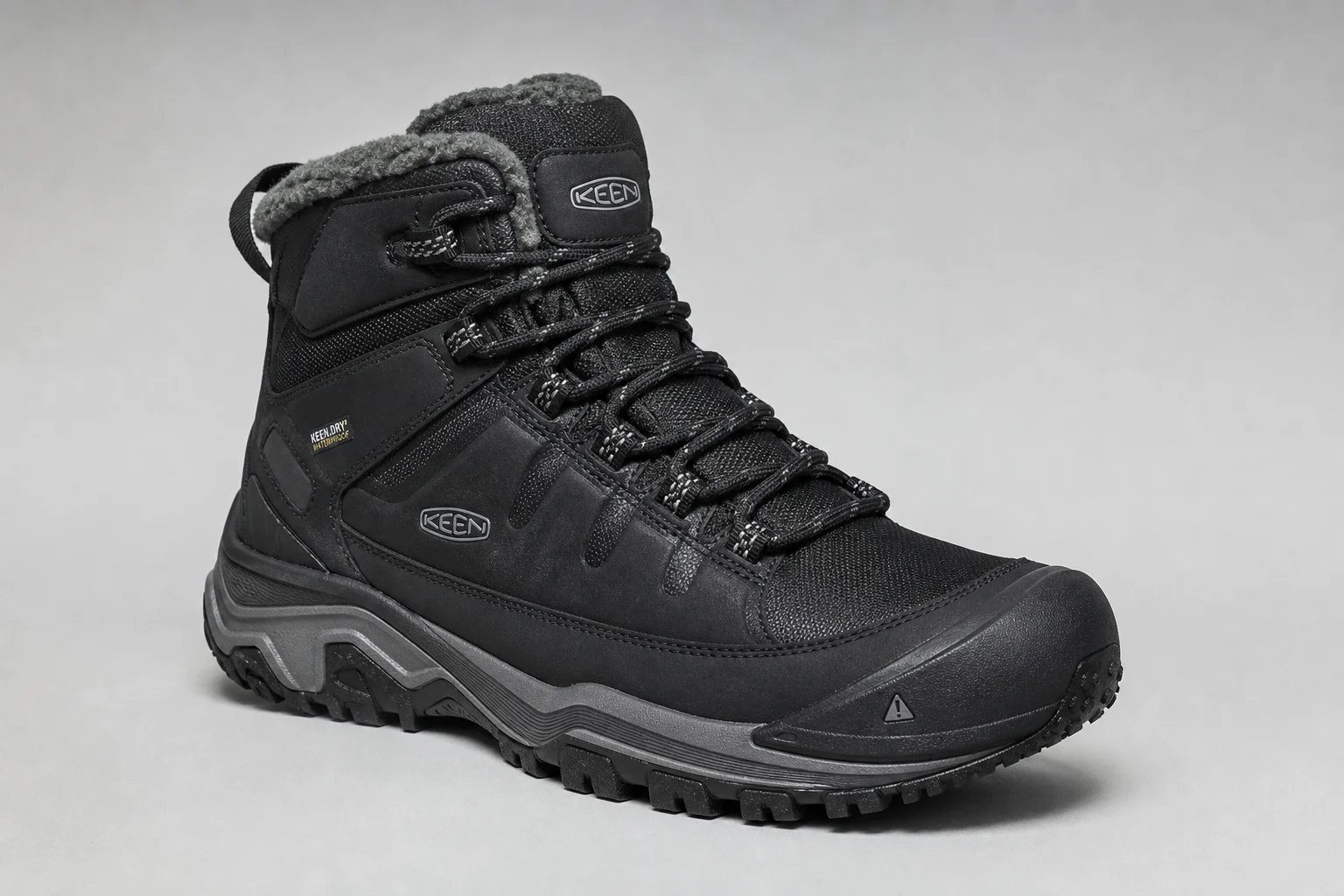
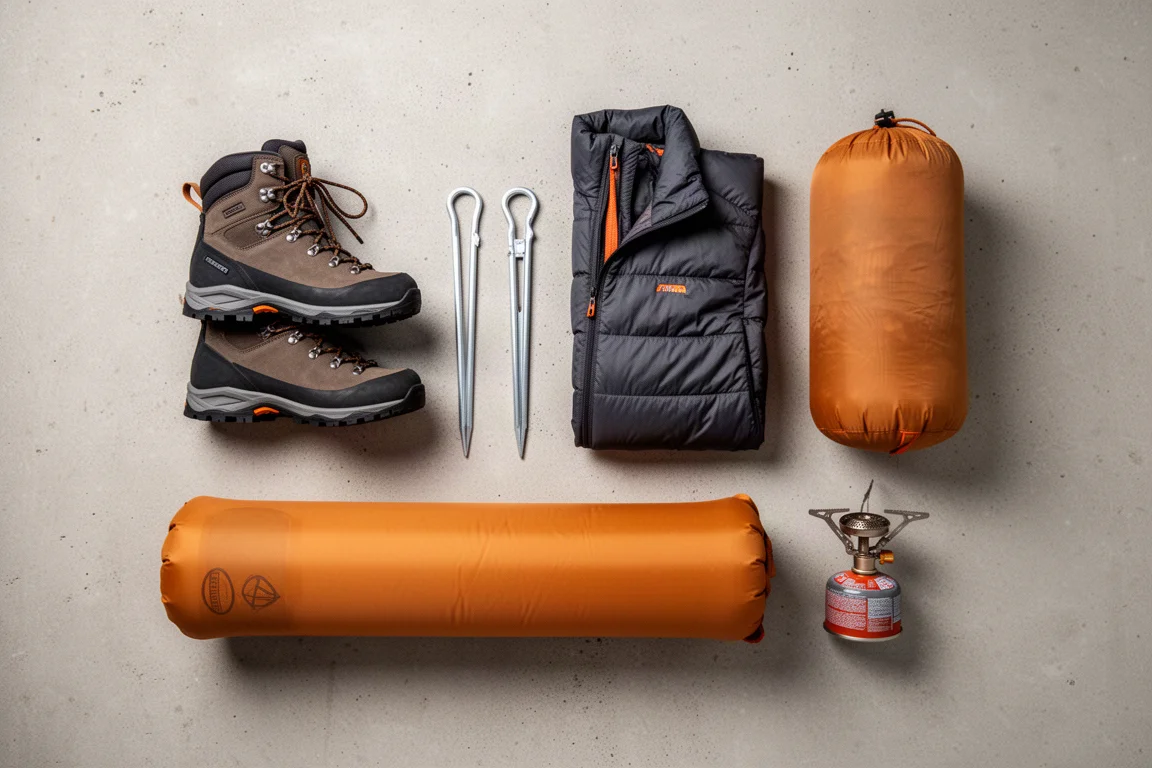
Footwear sets the tone on a shoulder-season trip. The Keen Revel 4 uses a waterproof lining, so slushy snow and wet ground do not soak through, and its insulation is tuned to keep feet warm without overheating them on the move.
Grip is where the boot stands out. The tread uses glass-infused rubber and holds on the ice that freeze-thaw cycles leave across the trail, making it one of the best treads used in these conditions.
Snow Anchors: MSR Blizzard Snow Stakes
The first problem at camp is the ground itself. In shoulder seasons it can be snow, semi-frozen soil, or soil frozen solid, and one stake type rarely covers all three.
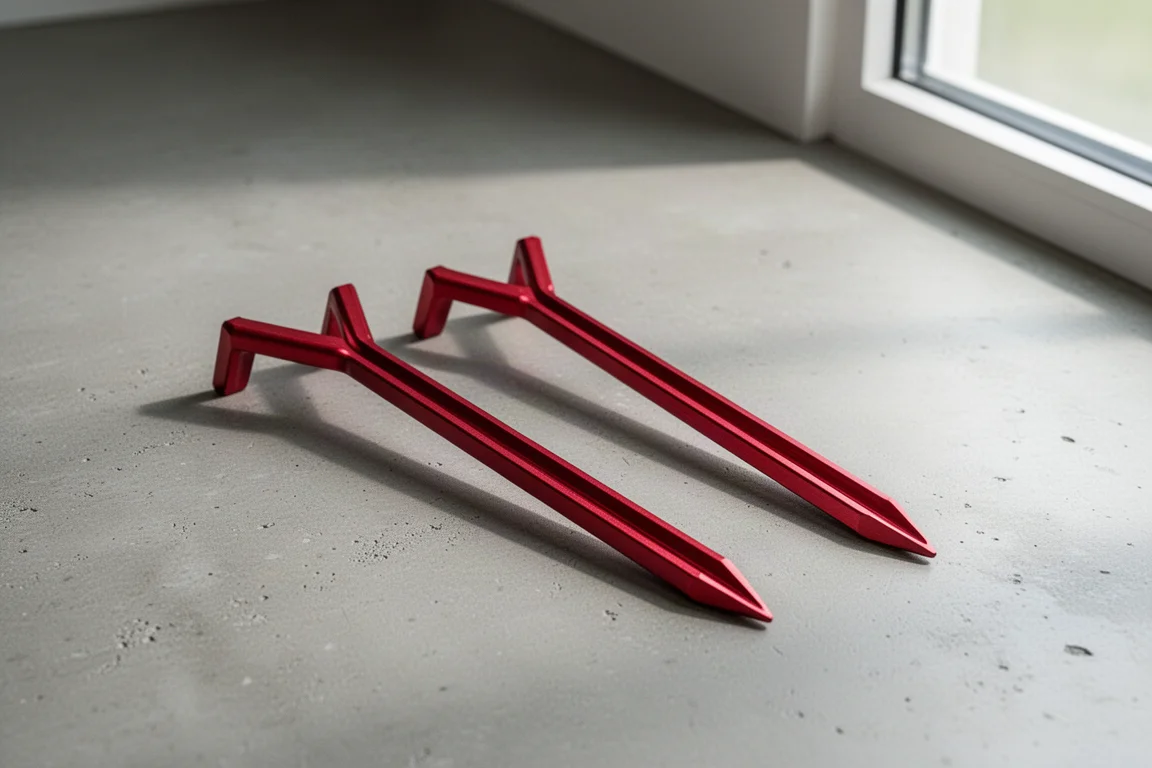
MSR Blizzard snow stakes are built from a hard aluminium that holds well in snow and can be hammered into semi-frozen ground without bending.
Frozen Ground Anchors: MSR Groundhog Stakes
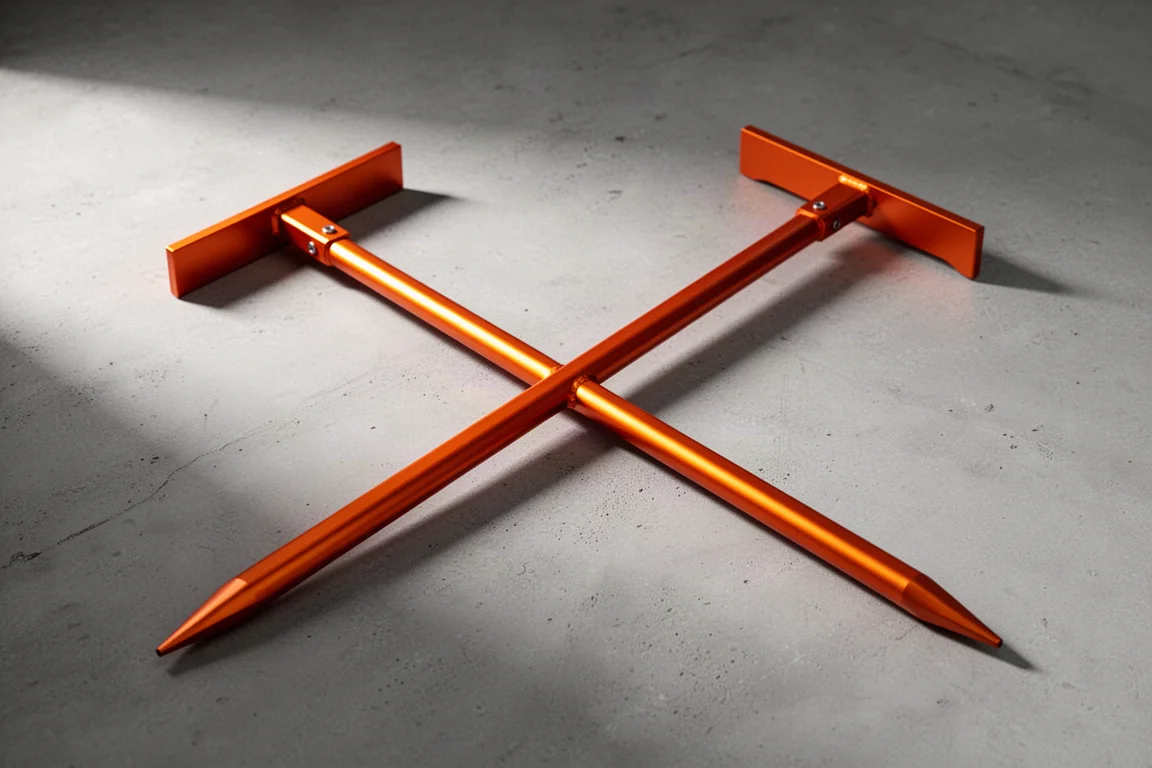
When the ground is completely frozen, a wide snow stake has nothing to bite into. That is the gap the MSR Groundhog fills. Its strong aluminium construction has been driven into very frozen ground and held up without any problem.
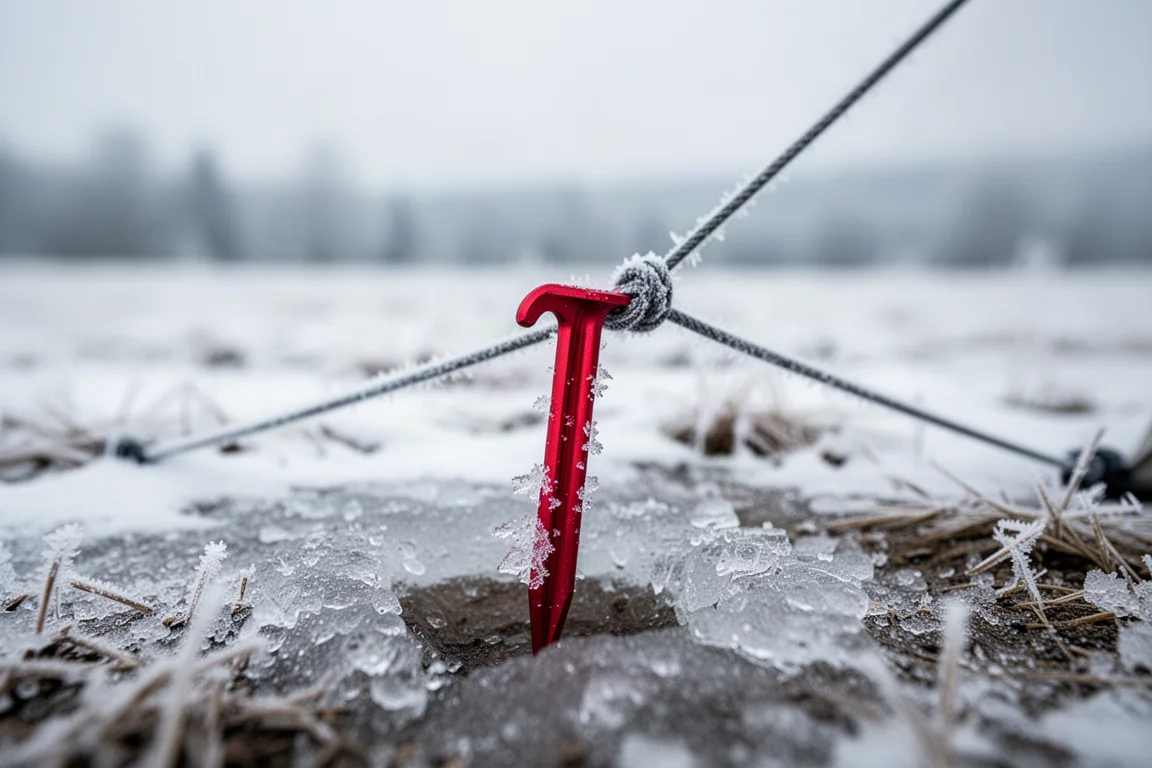
Carrying both stake types covers the full range of ground a shoulder-season pitch can offer, from drifted snow to soil frozen hard overnight.
Shelter: Durston X-Dome Tent
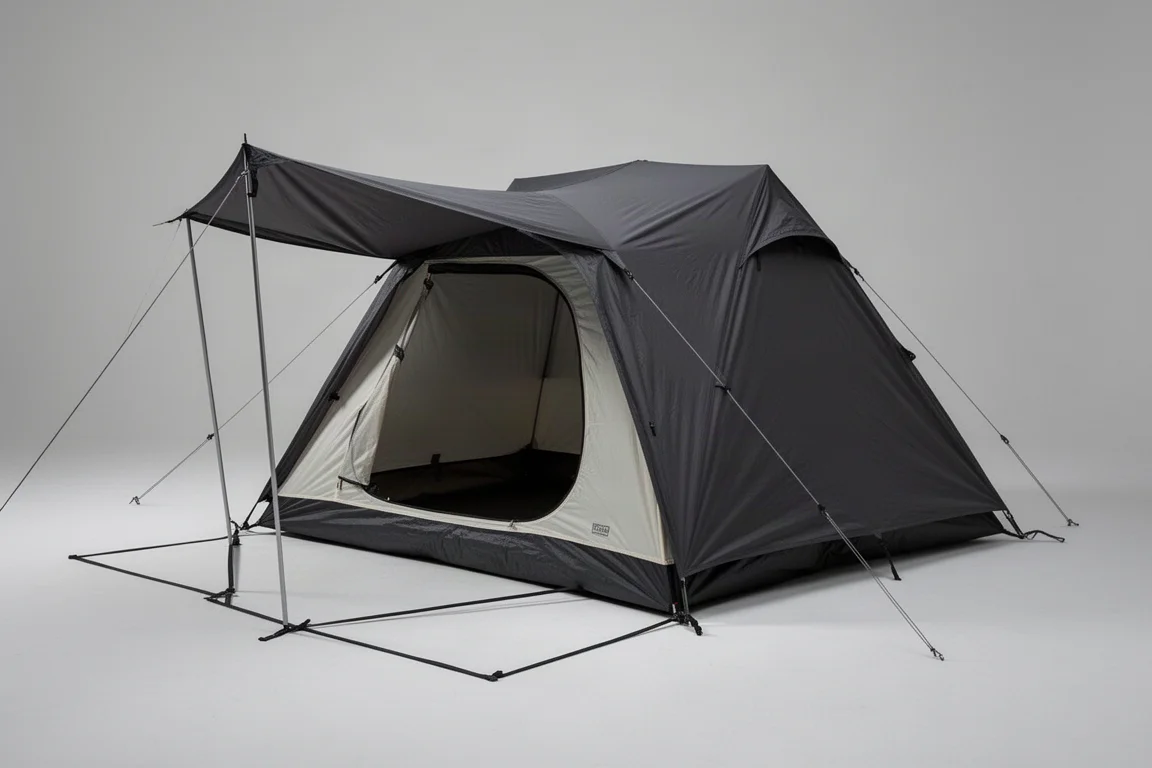
Choosing a tent for cold conditions comes down to wind protection, the ability to pitch on frozen ground or snow, room to wait out long nights, low weight, and enough ventilation to manage condensation. The Durston X-Dome Tent addresses all five, and at under a kilogram it is one of the lightest one-person tents available.
It is also fully freestanding. The rectangular floor plan runs the poles to all four corners, so the shelter stands without a single stake. That same rectangle makes it one of the roomiest one-person tents used on trail. One end uses the full width of the tent for the inner, while the opposite corner is cut away to create a generous vestibule, so the inner narrows slightly at that end. Either end works for sleeping, and the narrower end still fits virtually any sleeping pad, though sleeping with your head at the wider end keeps items closer to hand.
For wind, the fly pitches close to the ground, which limits drafts and keeps spindrift from blowing inside, and a solid inner panel extends partway up the sides for extra protection. Ventilation comes from generous mesh on the inner plus two large vents, one at each end. The wide brow pole over the door also provides enough coverage to leave the door open in rain without water getting in.
Camp Layers: Decathlon MT500 Down Jacket
Once the sun drops, the layering system does the work. The approach used on this trip pairs a fishnet base layer with a windshirt: the mesh traps small pockets of warm air, and unzipping the windshirt dumps that heat quickly on climbs. The same combination stayed warm in exposed, windy sections.
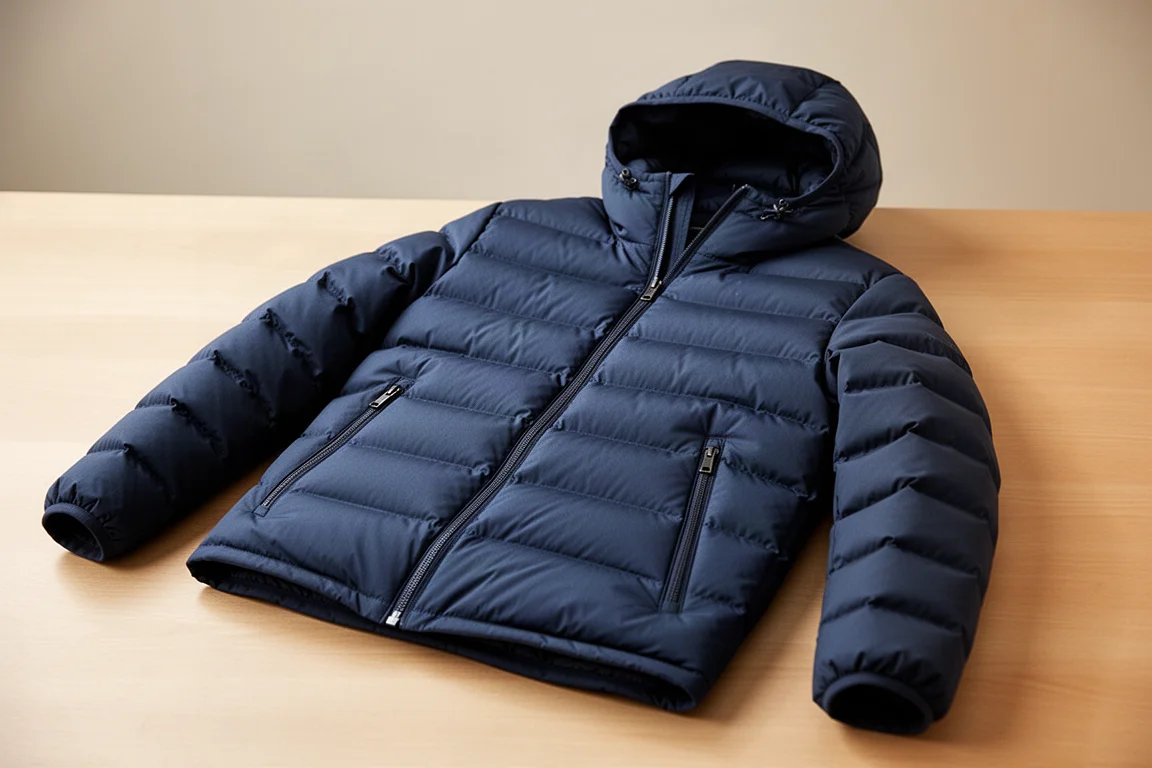
On top, the Decathlon MT500 down jacket is not a lightweight summer piece. It is geared toward three-season use, and in warmer climates it can stretch into winter. Its 20 denier shell fabric is highly wind resistant, which is a large part of why it feels so warm for its class.
Sleep System: Zenbivy 10°F Quilt System
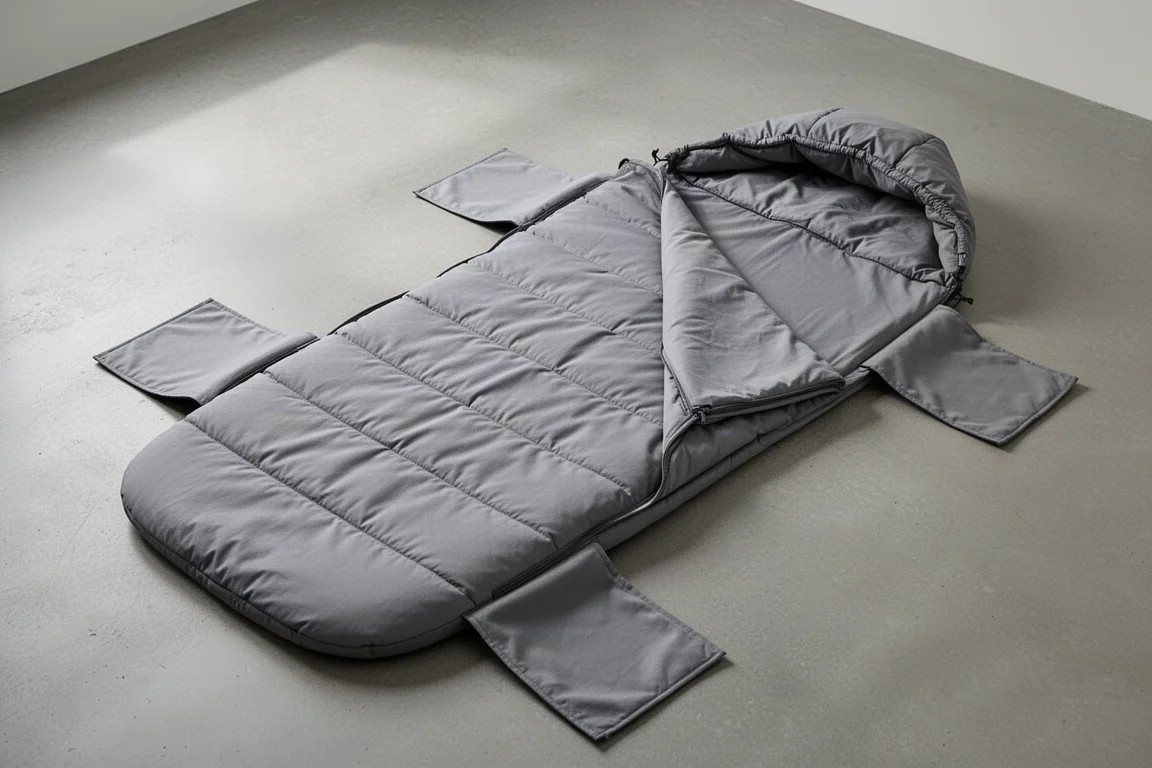
The overnight forecast called for -10°C and the actual low came in at -11°C, so the sleep system had to deliver. The Zenbivy 10°F setup is a hybrid: a quilt on top, plus a sheet with flaps that locks the quilt to the sleeping pad and reduces drafts in a meaningful way. An insulated hood at the head end provides the coverage a sleeping bag would.
The open question was the head end. Unlike a traditional quilt, there is no neck cinch or snap to seal around the neck and shoulders, so heat can escape through that opening. In use it was not a major issue, but it did mean tucking the quilt back in after every major position change, such as rolling from one side onto the other.
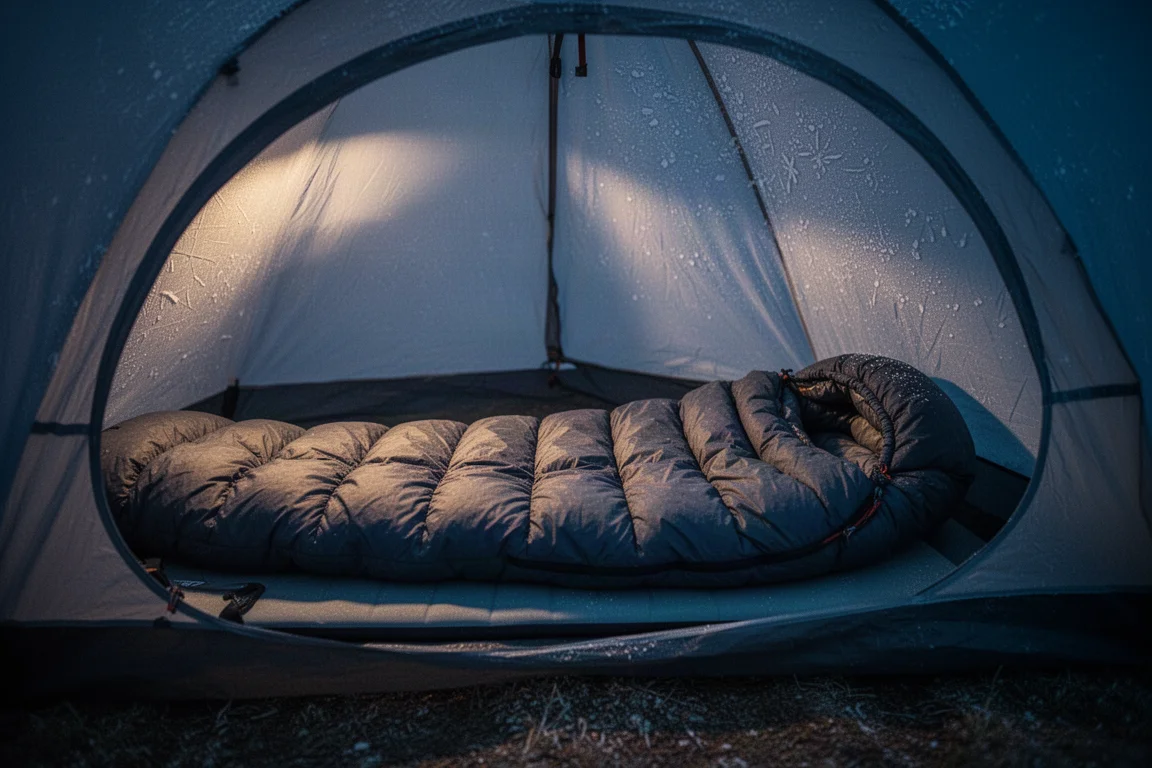
Despite being pushed close to its limit, the system stayed warm through the night, and the pairing of pad and quilt proved unusually comfortable for cold conditions.
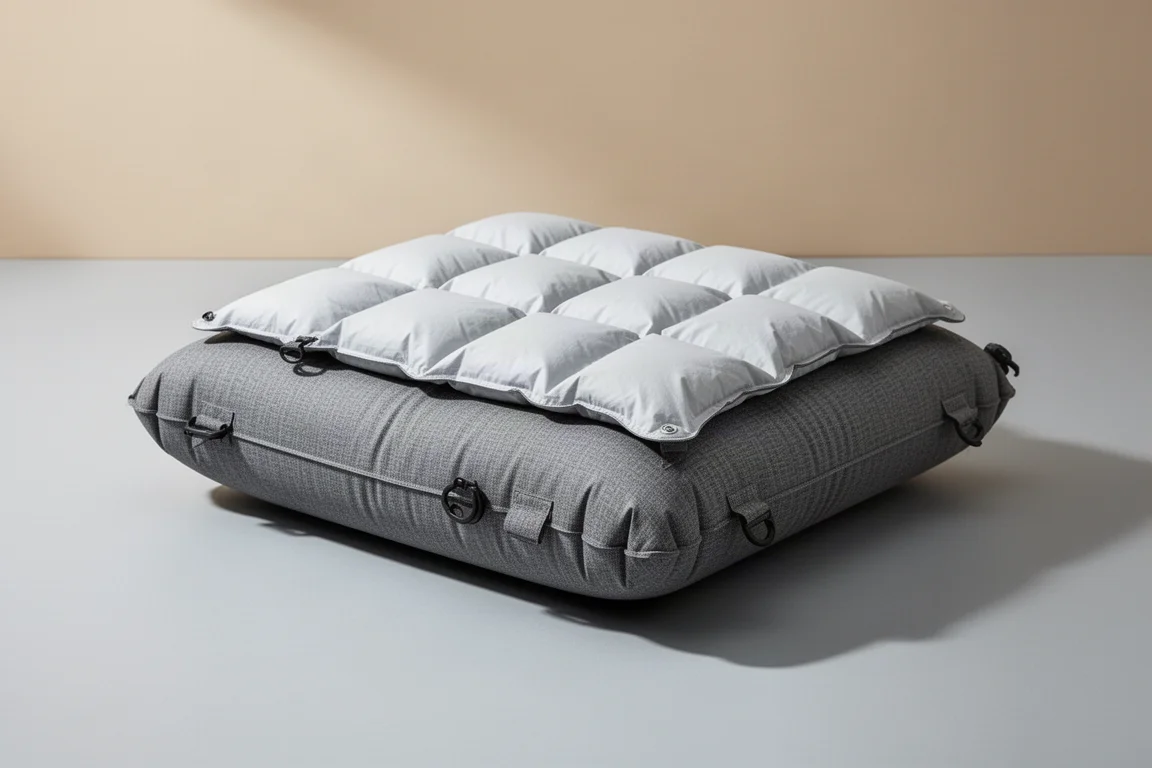
Zenbivy Pillow
The Zenbivy pillow pairs with the same system and uses a down topper, which adds a genuine comfort upgrade at camp.
Sleeping Pad: Nemo Tensor Extreme
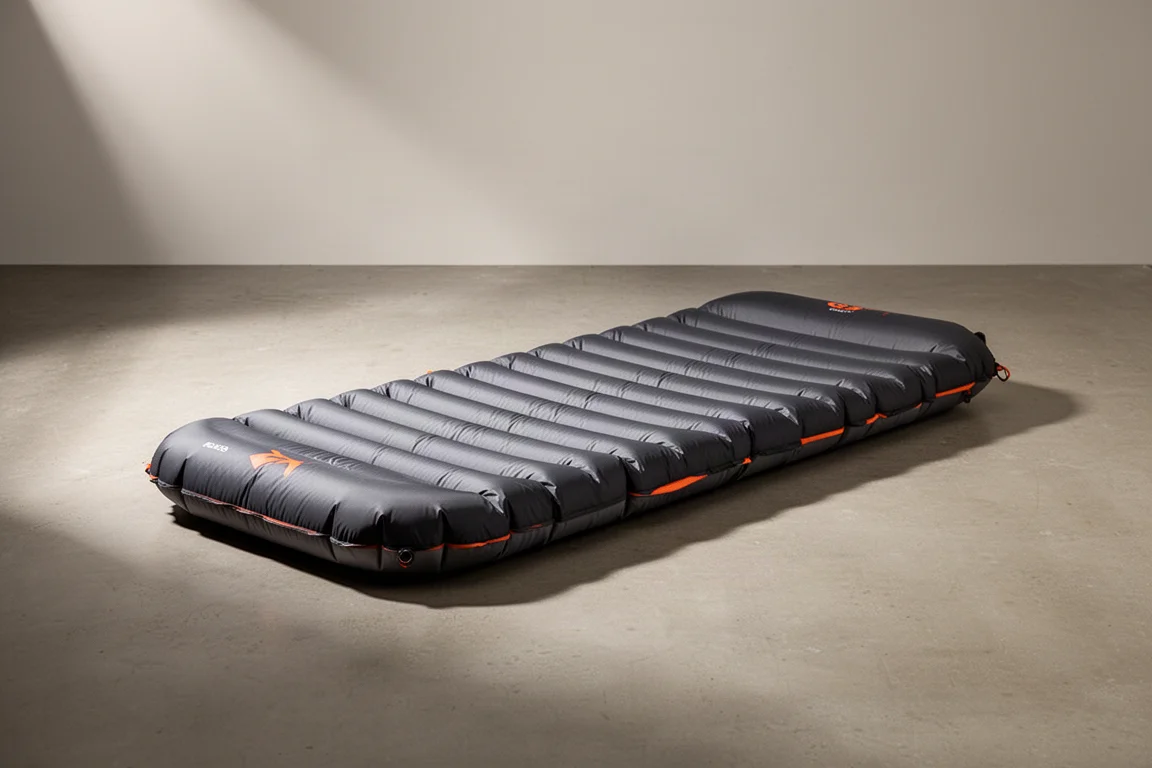
For shoulder-season nights there is no need for the most extreme pad on the market. The Nemo Tensor Extreme is a warm pad, and it is more comfortable than the coldest-weather alternative because it adds small dimples to its horizontal baffles for pressure relief. It is also half an inch thicker, which allows the pad to be deflated slightly for comfort. Deflating a pad does lower its R-value and warmth, but a pad with this much warmth in reserve can afford it.
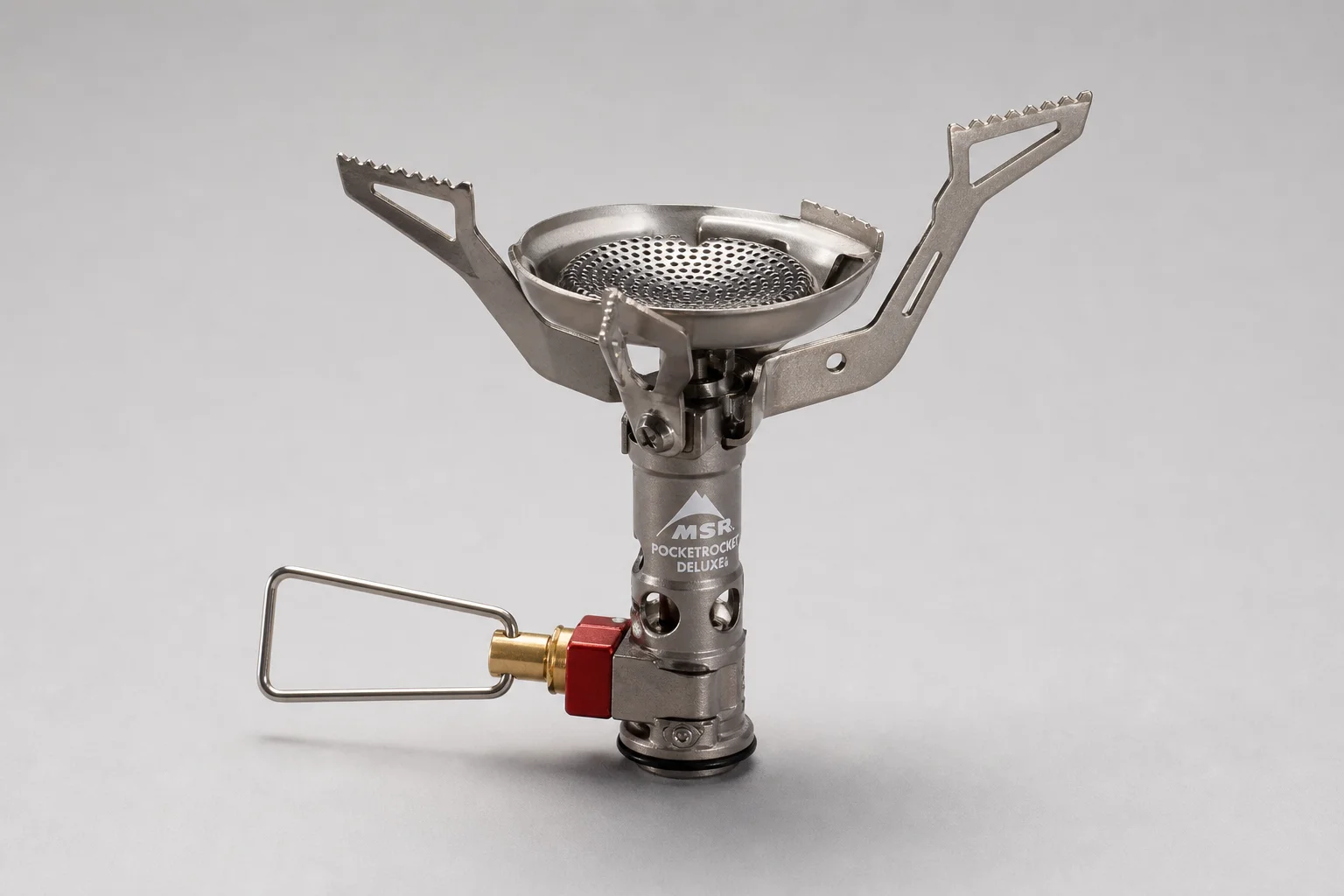
Cooking: MSR Pocket Rocket Deluxe
Cold weather changes cooking more than almost anything else. With every lake frozen over, melting snow became the only source of water, and a regulated canister stove makes that job easier. The MSR Pocket Rocket Deluxe has an internal regulator that keeps canister output pressure constant, which is why it keeps performing at temperatures where many other canister stoves struggle. Keeping the canister warm inside a jacket helps further.
The real lesson from the trip was about volume rather than the stove. A small 600 ml pot made melting snow slow work, and a larger pot paired with an inverted-canister stove would have been far more comfortable. On the food side, a home freeze-dried chicken burrito bowl rehydrated perfectly in ten minutes inside an insulating cozy, which is a strong argument for preparing meals ahead of time.
Buying Advice
Match the gear to the conditions you actually expect. If the forecast sits near freezing with snow on the ground, a waterproof insulated boot with a glass-infused tread covers most trail surfaces, and one pair of snow stakes plus one pair of frozen-ground stakes covers most pitches.
For shelter and sleep, weight and warmth are the two levers. A sub-kilogram freestanding tent makes long nights inside far more pleasant, and a hybrid quilt system rated for the overnight low keeps the pack lighter than an equivalent bag and pad combination. For cooking, size the pot for melting snow rather than for boiling water, and choose a regulated stove when temperatures are expected to fall well below freezing.
Conclusion
Cold weather backpacking is intimidating for a reason: the margin for error shrinks along with the temperature. The gear above earned its place by solving specific problems, waterproofing and grip on trail, anchors that hold in snow or frozen ground, a shelter that stands without stakes and vents properly, layers that can dump heat, a sleep system that stays warm at its rating, and a stove that keeps running in the cold. Get those pieces right and the shoulder season becomes one of the most rewarding times of year to be outside.
Further reading
Related Reviews

Backpacking Gear
Building a 10 lb Base Weight: An Ultralight Backpacking Gear List
A practical walkthrough of the ultralight pieces behind a 10 lb base weight, from a 765 g pack and a roomy one-person tent to a full camp chair and a dependable water filter.

Backpacking Gear
A 15-Pound Lightweight Backpacking Gear List for Solo Trips
A beginner-friendly 15-pound backpacking setup built from easy-to-find gear, with notes on what each piece does, how it packs, and where to spend your attention.
Backpacking Gear
8 Ultralight Backpacking Gear Upgrades Worth Carrying
Eight small, affordable backpacking upgrades that solve real trail annoyances, from a pillow that stays put to a fuel valve that rescues leftover canister gas.