Backpacking Gear
Cold Weather Backpacking Gear List: Six Pieces That Earned Their Place
A cold weather backpacking kit put through a sub-zero overnight in deep snow, with six pieces worth the weight and the trade-offs to weigh before buying.
Introduction
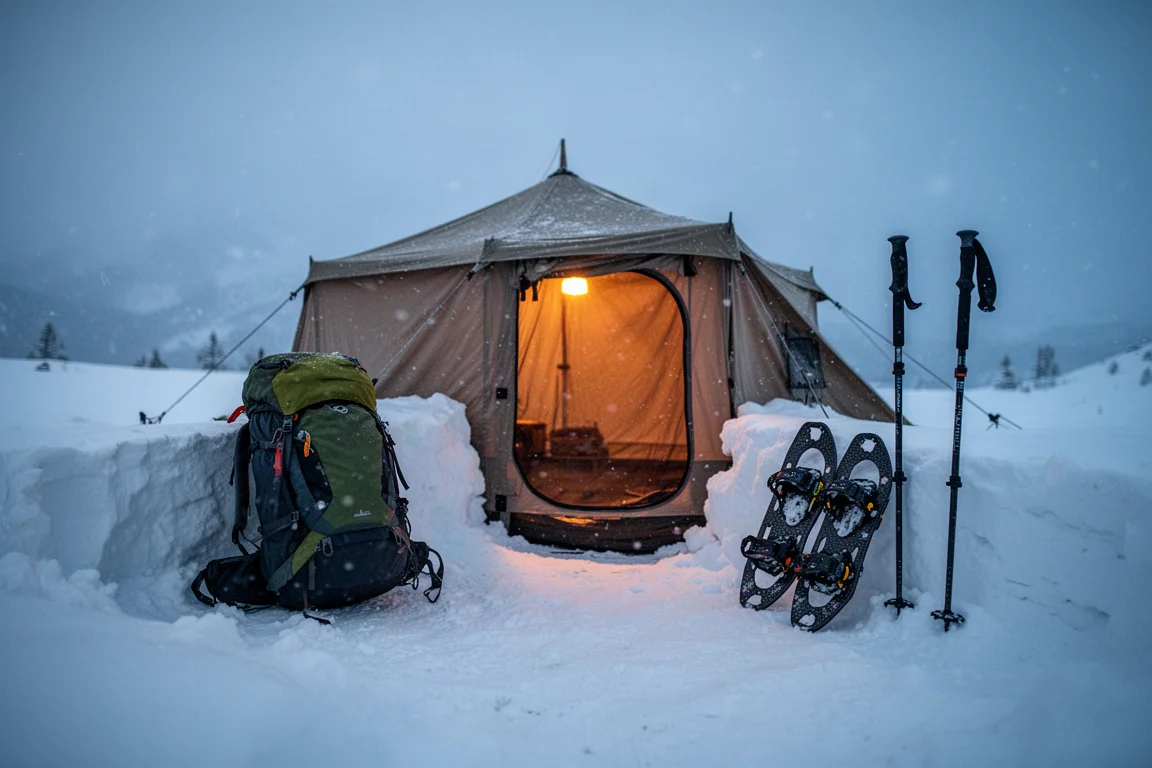
A cold weather kit only proves itself when the temperature drops well below freezing and the plan does not change. This list comes from a winter overnight toward Delano Peak in an extremely cold scenario, with snow still holding on the ground and camp pitched into it. Some pieces were brand new and being tested for the first time. Others have been through many seasons. Together they covered a starting load of roughly 32 pounds, which dropped closer to 20 pounds on the way out once food and water were gone.
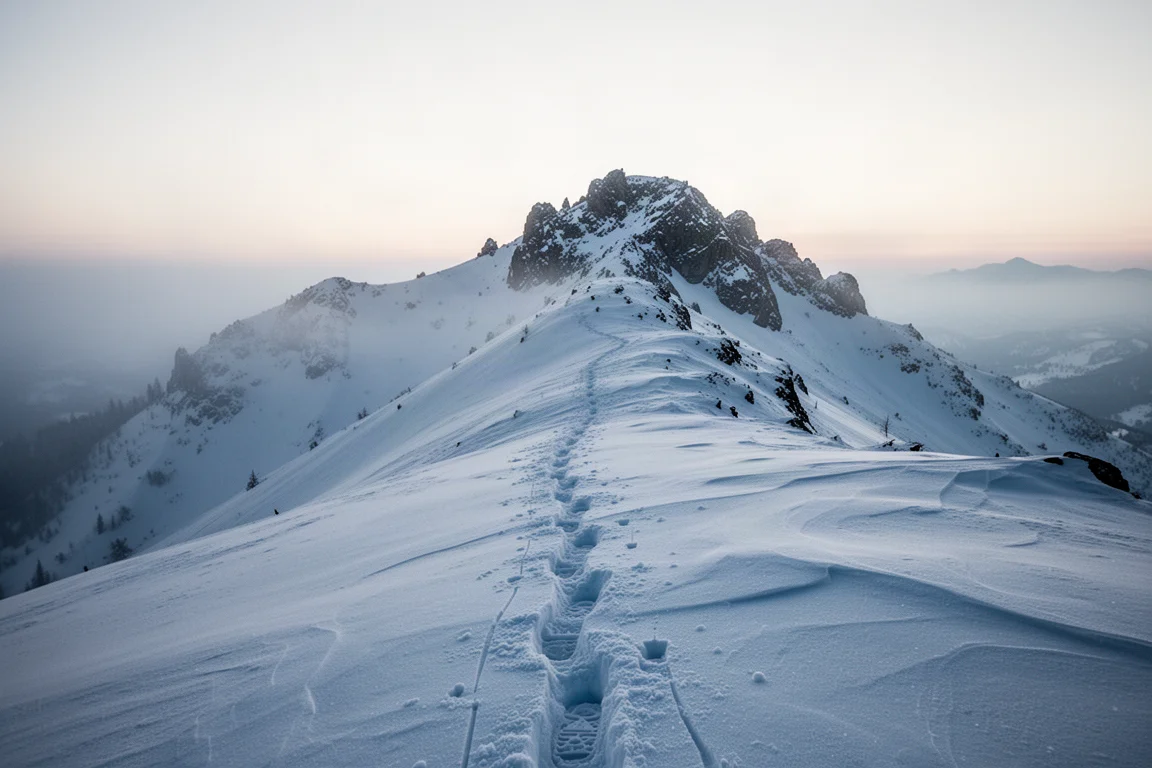
What follows is not an inventory of everything that went into the pack. It is a focused look at the pieces that did real work on a hard, cold trip, what they handled well, and the trade-offs worth understanding before you buy the same approach.
How This Kit Came Together
Everything here was chosen around one problem: staying warm and functional in deep snow without carrying a pack that fights you. That meant light boots with serious insulation, snowshoes that would not add unnecessary weight, a shelter that could take a wood stove, and a sleep system built to be layered rather than replaced.
The layering logic is worth repeating. A 30 degree top quilt covers summer, a 15 degree bag handles shoulder seasons, and stacking the two together pushed the setup to around minus 15 degrees, which was the coldest night recorded on trail. Down booties and a hood filled in the rest. On the move, a wind jacket managed sweat on the climb while cutting the wind, and gaiters kept snow out of the boots. The gaiters turned out to be critical, because a short pant cuff on its own would have been overwhelmed.
Weight was the other constant. The shelter and stove combination, the pack, and the camera gear all had to justify their place, and the numbers worked out to a hot tent setup that came in well under four pounds.
Seek Outside Silex: The Shelter That Made the Trip
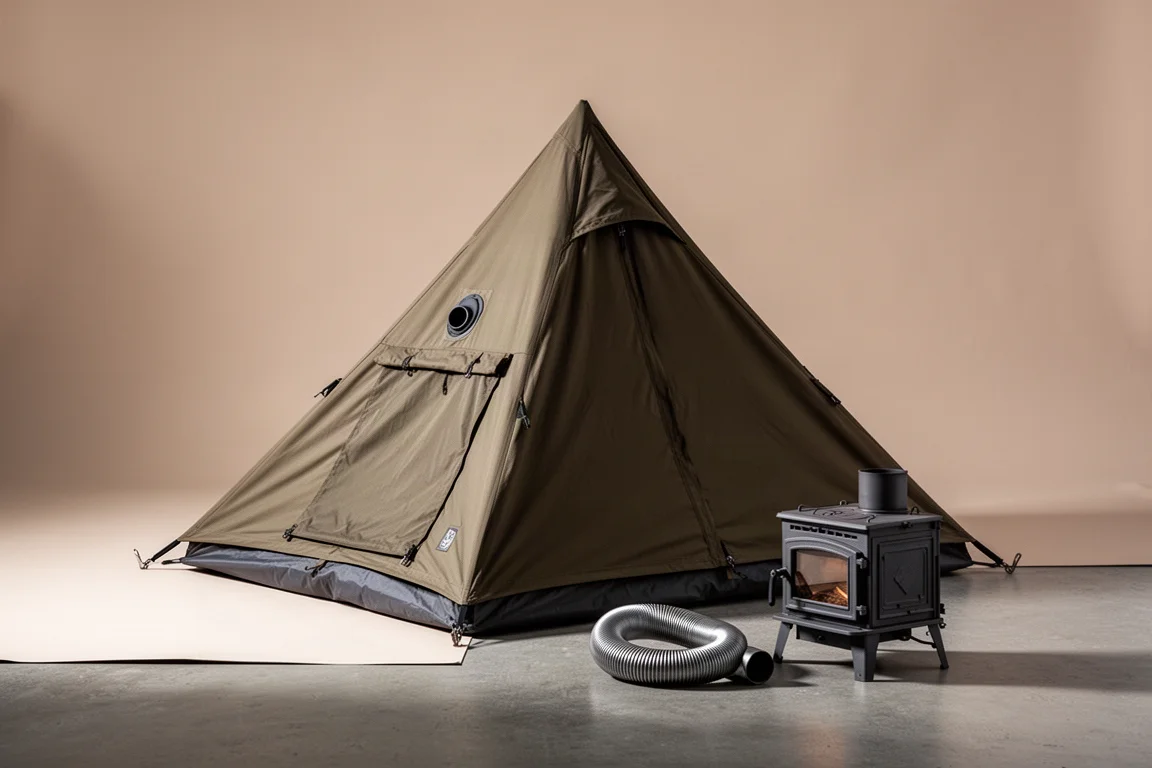
The Seek Outside Silex is the piece that changed the character of the trip. It is a hot tent with a stove jack, which means a wood stove can run inside it while snow falls outside. This one replaced an earlier hot tent that never felt enjoyable to use, and the difference was obvious. Pitched properly, it held up well and gave a genuinely comfortable place to spend a long, cold night.
The shelter packs down with a footprint and a set of stakes, and the whole thing is light enough that adding a stove still keeps the total shelter weight under four pounds. That combination is what makes a hot tent practical for cold overnights rather than a luxury.
Shadow Light 45L Backpack: One Pack for Every Season
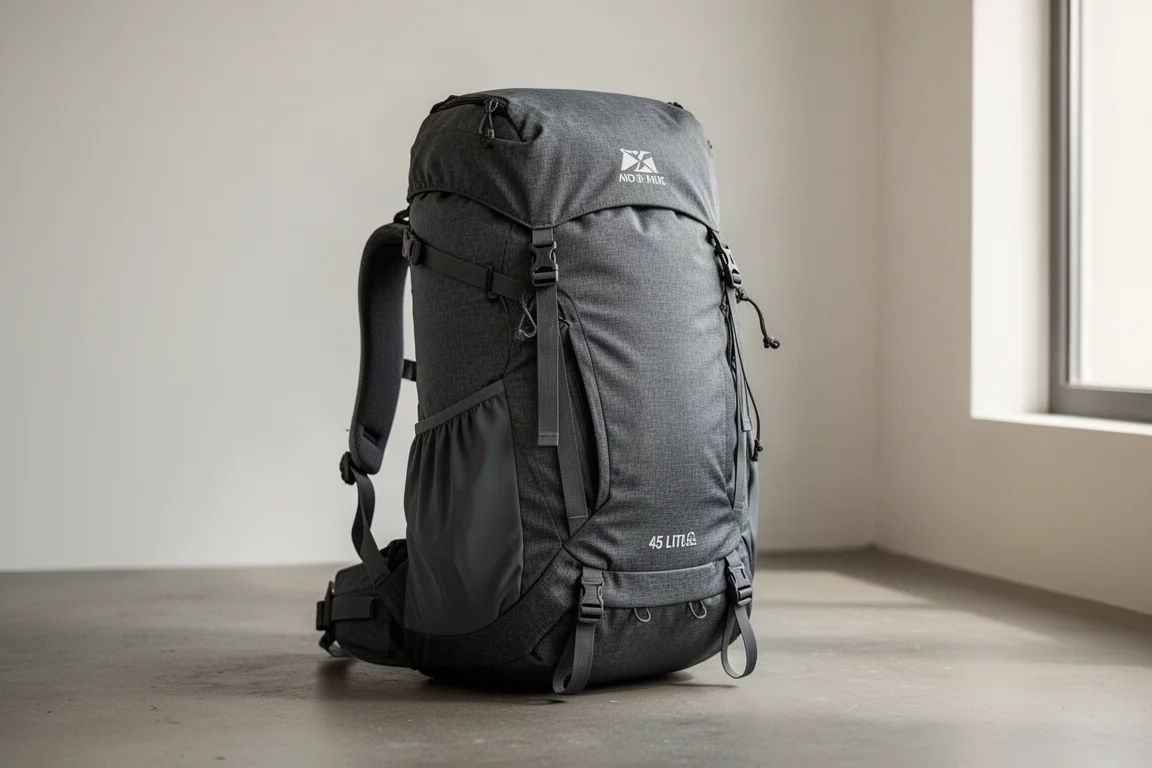
The Shadow Light 45L is the pack that gets used winter and summer alike, simply because everything needed fits inside it. The layout matters as much as the volume. Large outer pockets take wet items like stakes and a footprint, which are often the last things packed before walking out, and an upper pocket keeps small essentials within reach.
On this trip it carried roughly 32 pounds at the start, including six pounds of water, food, camera gear, and a tripod. On the way out, with food and water consumed, it sat closer to 20 pounds. The pack handled both ends of that range without complaint, which is a large part of why it stays in rotation.
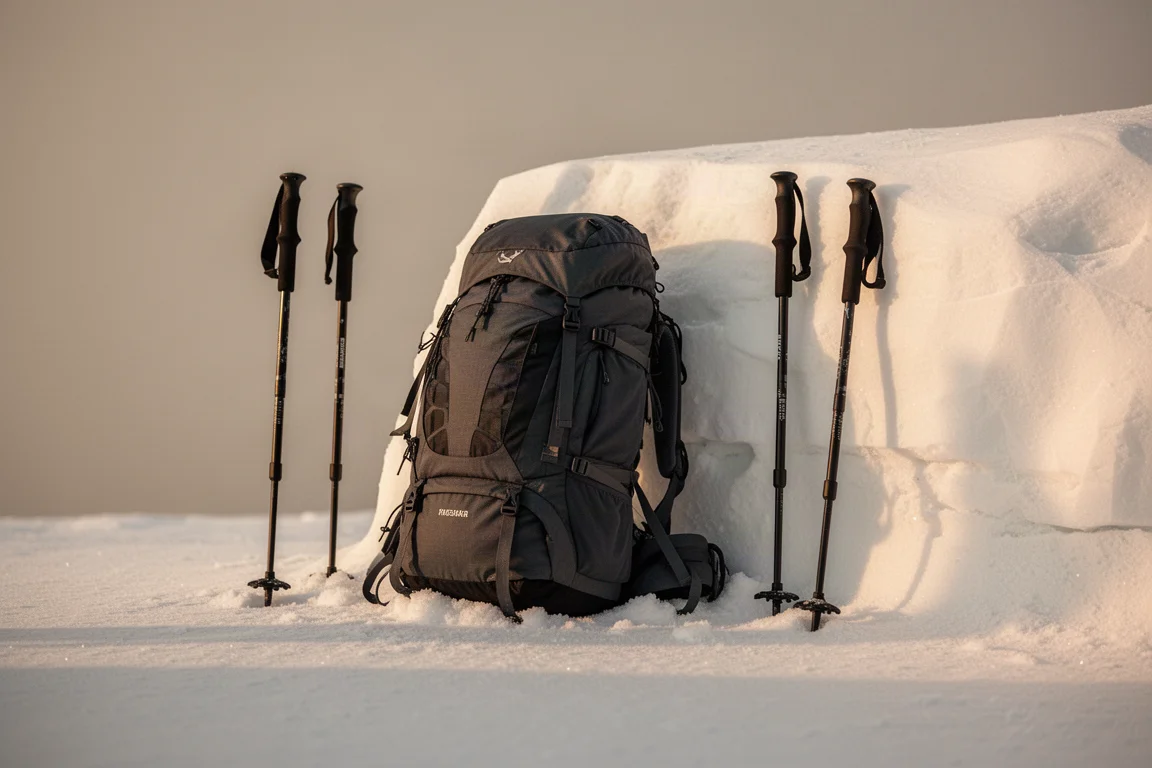
Quick access mattered more than expected. A rain jacket, a buff, a spoon, and a small cloth case for sunglasses all lived in the outer pockets, so nothing required unpacking a loaded bag in the cold.
Salomon Tundra: Warmth Without the Weight
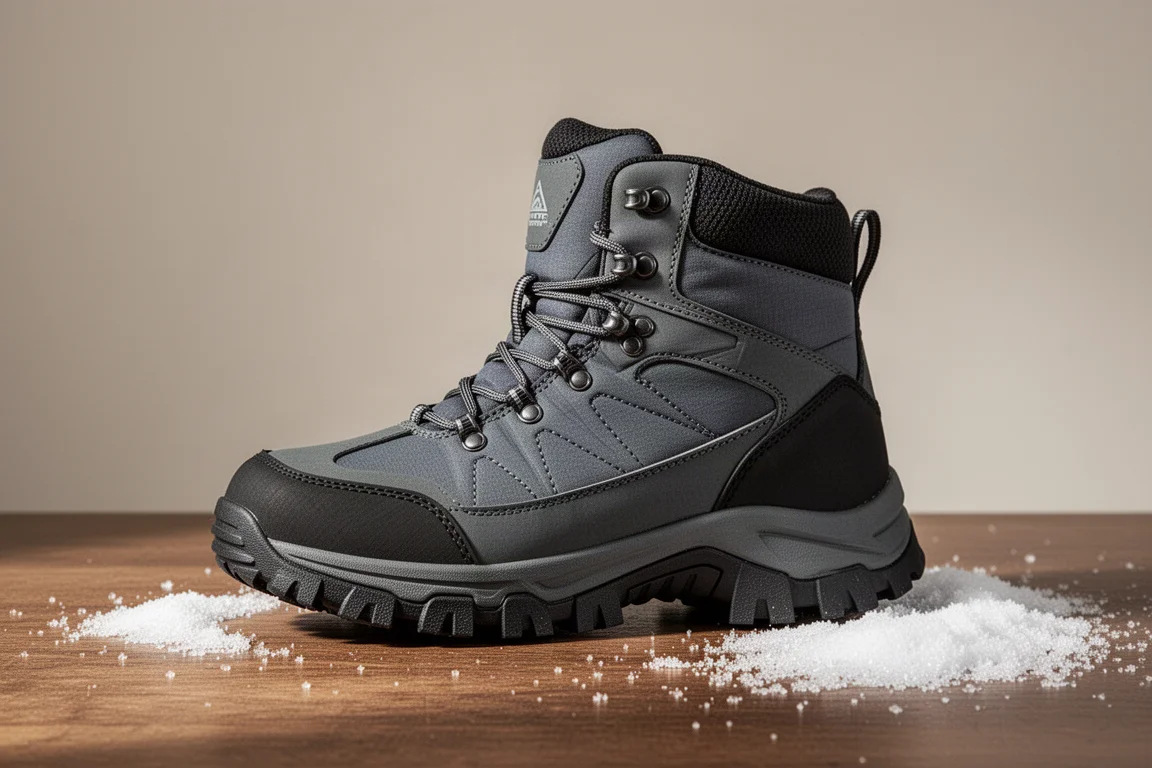
The Salomon Tundra boots were on their first trip here, and they delivered exactly what was needed: serious insulation and genuine warmth at a weight that does not punish you over long miles. In deep snow, with snowshoes attached for much of the day, the feet stayed warm and the boots stayed comfortable.
Finding a winter boot that is both warm and light is the hard part, and that is the balance this pair strikes. For anyone building a cold weather kit around long days rather than short ones, that combination is the reason to look closely at this boot.
Komperdell Carbon Airframe Snowshoes: Lightweight Flotation
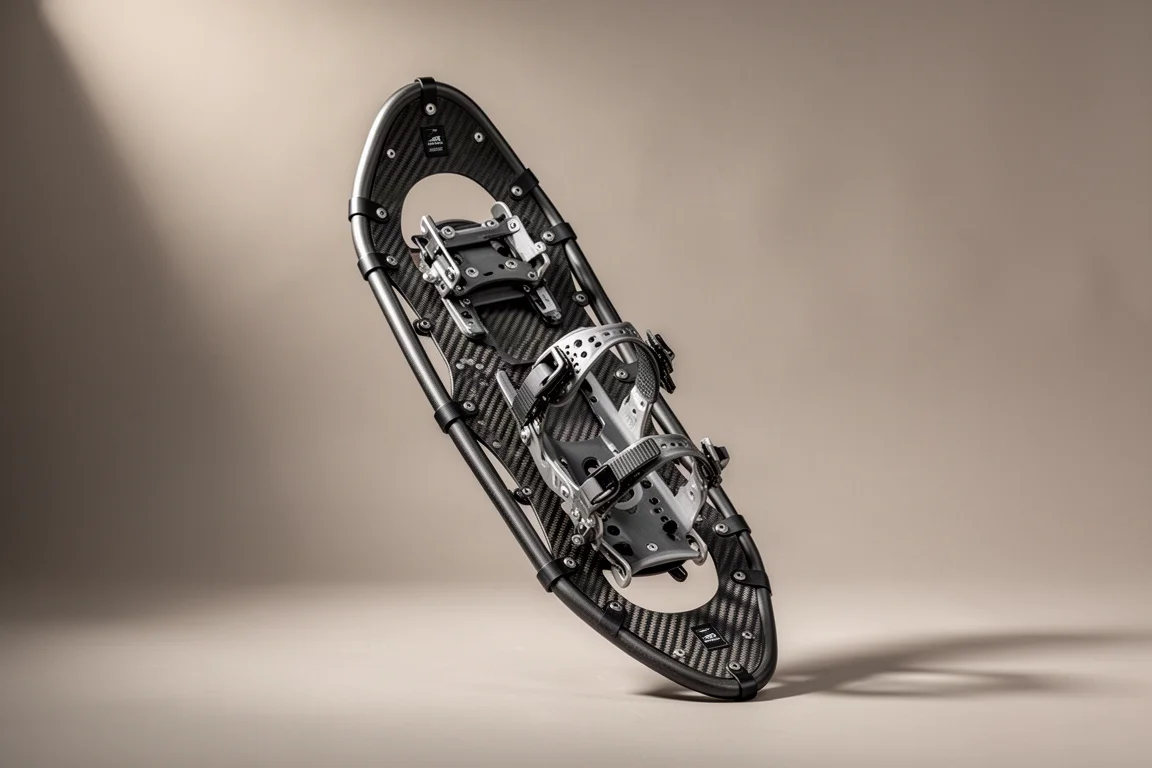
The Komperdell Carbon Airframe snowshoes are carbon fiber, and the weight is the first thing you notice. Carrying them is far less of a tax than most snowshoes, and on the feet they were quick and easy to manage through a long day of climbing.
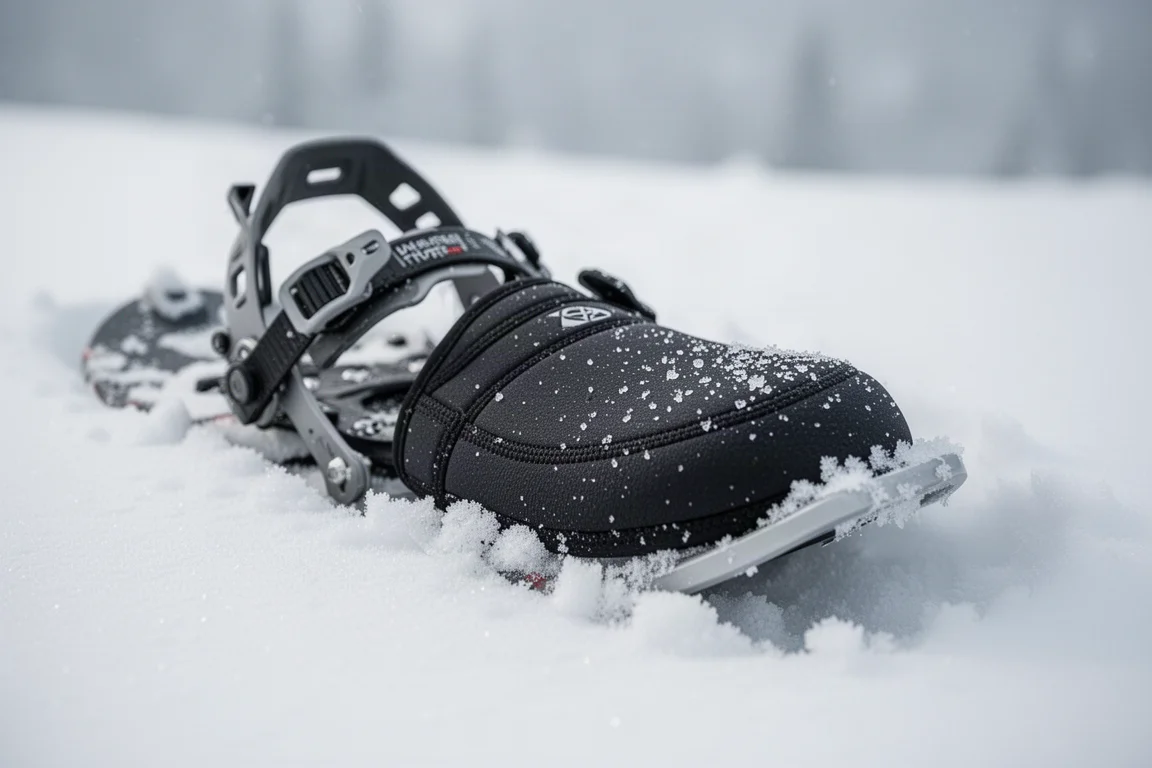
The neoprene toe cover that came with them turned out to be a quiet win. It kept moisture off the boot, which matters because even a good boot will eventually let water work into the seams when snow sits on it for hours. Conditions on this trip were not ideal for snowshoes in every section, but they still performed well.
Toaks 700ml Titanium Stove: Packable Heat for the Tent
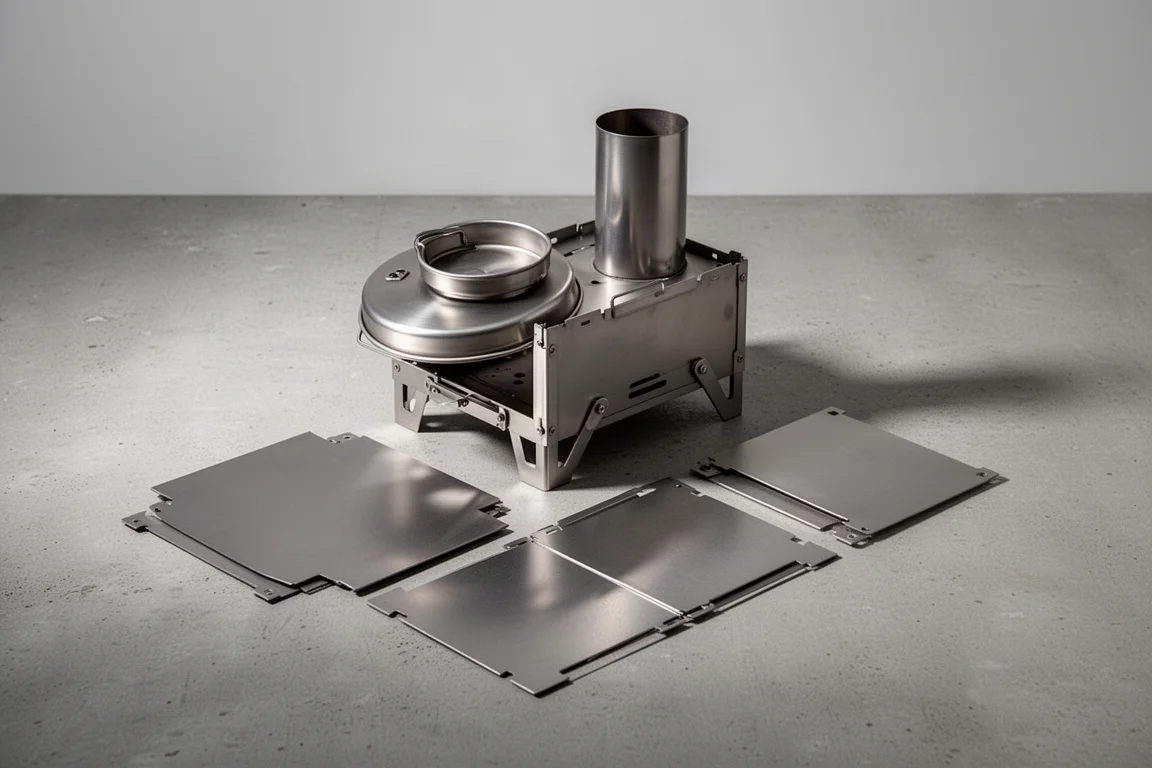
The Toaks titanium stove is what turns the shelter into a hot tent. It packs flat, with the lid stored on the bottom to save space, and the stove pipe and remaining parts nest together. Everything together adds roughly two pounds, which paired with a light shelter keeps the whole hot tent setup under four pounds.
One thing to know: a top piece snapped when the stove was pulled out in extreme cold, which is a reminder that thin titanium parts deserve a careful hand in sub-zero conditions. A small folding saw handled firewood for the stove and earned its place in the kit.
Kuiu Glomitts: Warmth With a Moisture Trade-Off
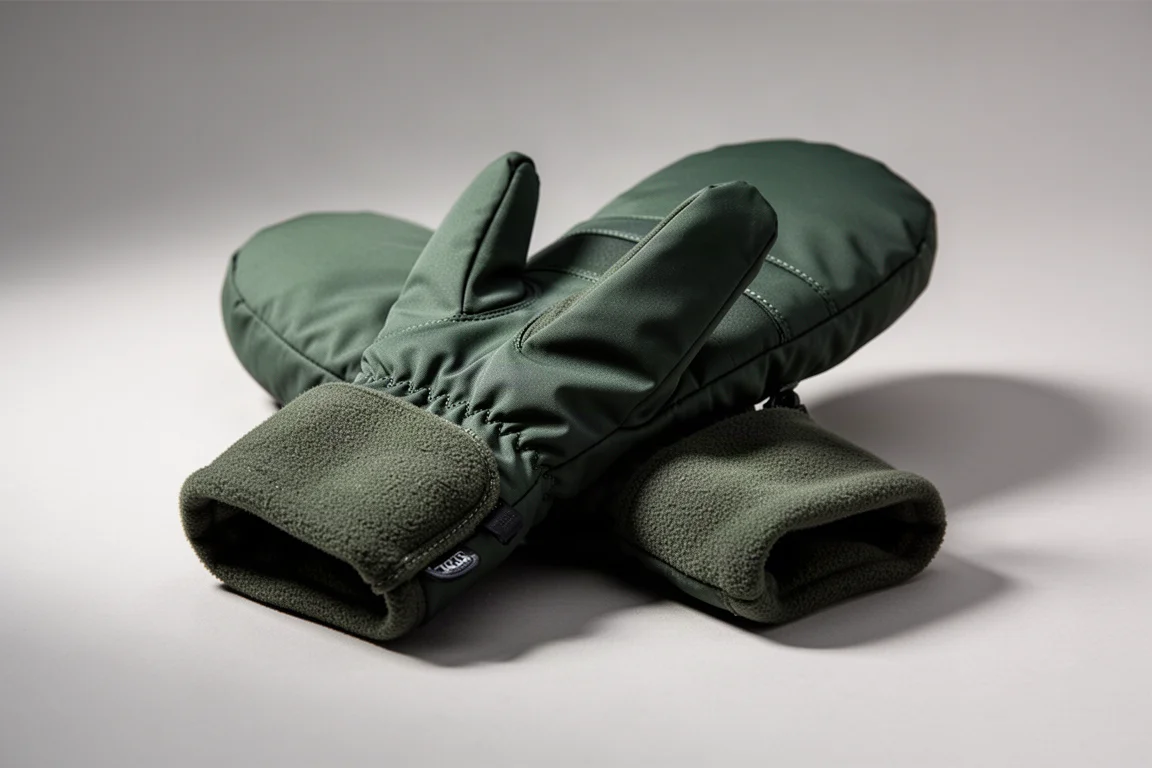
The Kuiu Glomitts are insulated gloves with a membrane, and they are a familiar style for cold weather. On this trip they kept hands protected, but they also trapped moisture inside, and once that happened the hands got cold. That is a common tension with membrane gloves during sustained output.
Hands were the one area that never fully settled on this trip, and the gloves were the main reason. It is worth thinking about how much moisture your hands produce and whether a more breathable layering approach would suit you better, especially if you run warm on the climb.
What I Would Leave Behind Next Time
Two categories went unused: down pants and rain gear. Both were carried for safety, and neither is a bad decision on a trip where the forecast could shift. Knowing the conditions in advance, both could reasonably stay home and save weight. The down pants remain a sensible safety item for genuinely uncertain weather, and the rain gear is a judgment call rather than a mistake.
Buying Advice
Cold weather gear works best as a system, not as a shopping list. Prioritize the pieces that solve your hardest problem first. If long, cold overnights are the goal, a shelter that accepts a stove changes how comfortable camp feels. If you cover serious mileage in snow, light boots and light snowshoes pay off on every step. If your budget is limited, a layered sleep system is one of the most efficient ways to cover a wide temperature range without buying two separate setups.
Buy the version of each item that matches how you actually travel. A 45 liter pack that fits everything for winter and summer removes both a purchase and a daily decision. A titanium stove that packs flat and nests is easier to live with than one that does not. And pay attention to breathability in gloves and shells, because moisture management is what keeps warmth working.
Conclusion
Nothing in this kit felt like dead weight, and only a couple of items went unused. The strongest performers were the shelter and stove combination, the boots, and the pack, all of which handled a genuinely cold night and a long day in deep snow. The gloves are the piece most worth reconsidering. If you are assembling a cold weather setup, start with the shelter and sleep system, then build outward from there.
Further reading
Related Reviews

Backpacking Gear
Building a 10 lb Base Weight: An Ultralight Backpacking Gear List
A practical walkthrough of the ultralight pieces behind a 10 lb base weight, from a 765 g pack and a roomy one-person tent to a full camp chair and a dependable water filter.
Backpacking Gear
A 15-Pound Lightweight Backpacking Gear List for Solo Trips
A beginner-friendly 15-pound backpacking setup built from easy-to-find gear, with notes on what each piece does, how it packs, and where to spend your attention.
Backpacking Gear
8 Ultralight Backpacking Gear Upgrades Worth Carrying
Eight small, affordable backpacking upgrades that solve real trail annoyances, from a pillow that stays put to a fuel valve that rescues leftover canister gas.