Kitchen & Bar Tools
The Cocktail Capsule Bar: Six Essentials Worth Buying for Home Cocktails
Six tested bar tools that cover jiggering, juicing, shaking, straining, and stirring so you can make almost any cocktail at home.
Introduction
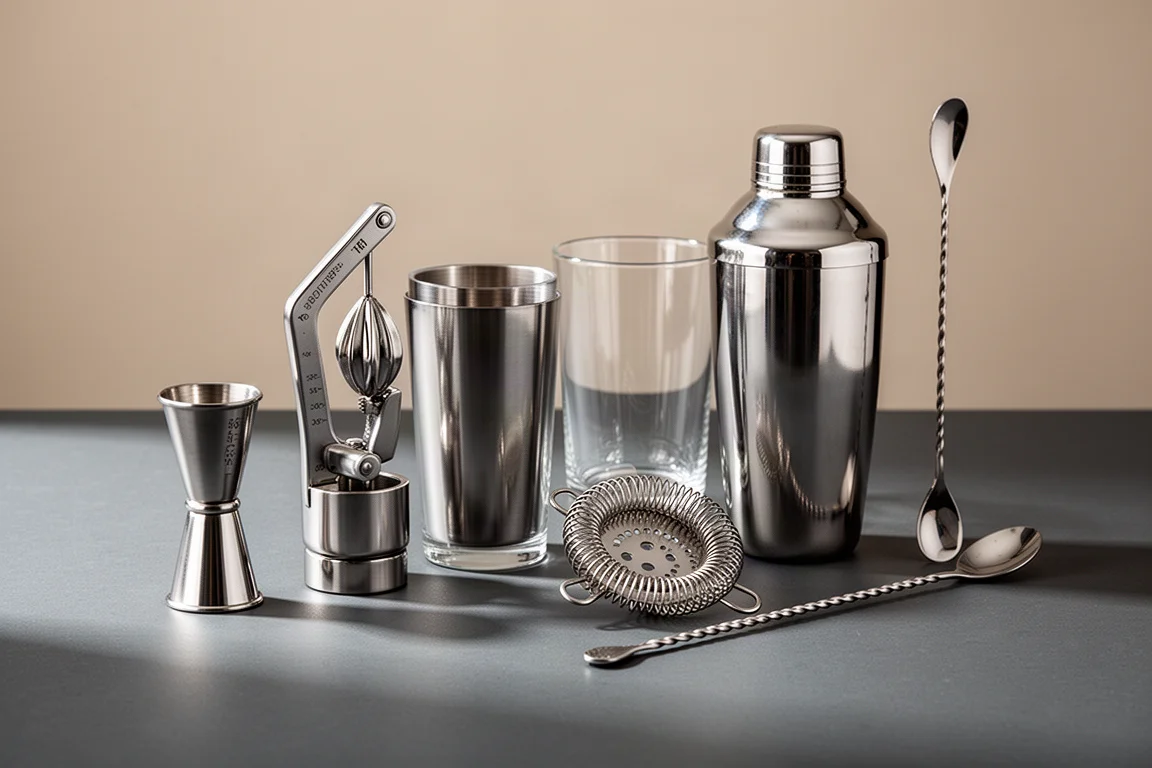
Setting up a home bar can feel overwhelming. Jiggers, shakers, strainers, muddlers, juicers, bar spoons: the equipment list seems endless. The good news is that you only need a small set of versatile pieces to make almost any cocktail or mocktail at home. Think of it like a capsule wardrobe: five key essentials, all hands-on tested winners, that together cover the vast majority of drinks. Most cocktails are either shaken or stirred, so with a shaker, a strainer, a jigger, a juicer, and a bar spoon, you can make around 90% of the cocktails in a comprehensive recipe book. Here are the six tools worth owning.
A Jigger That Actually Shows You the Measurement
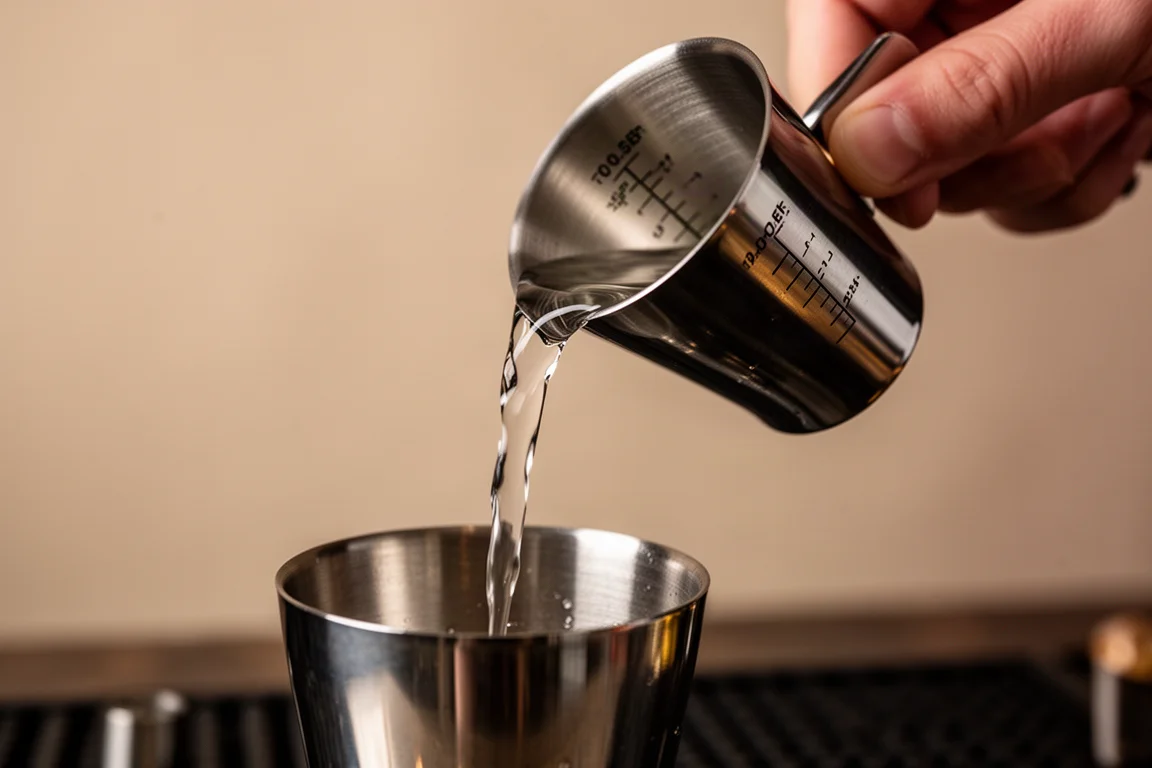
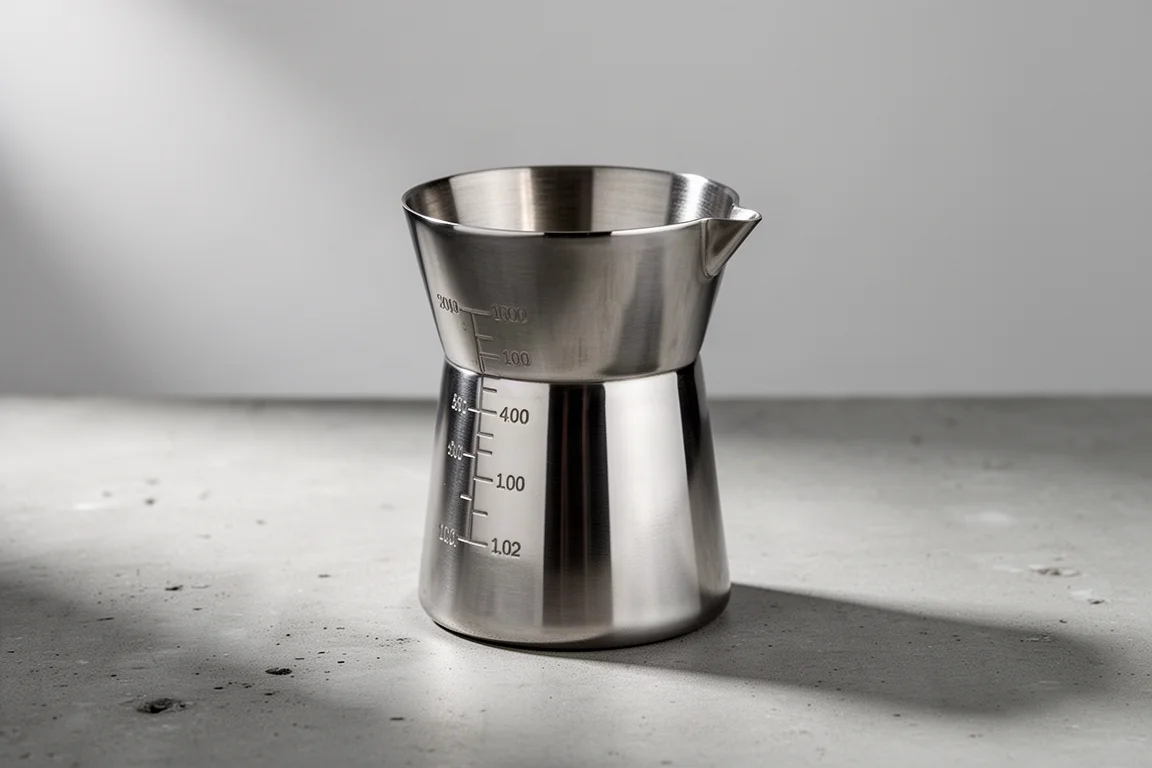
Accurate measurements matter. Mixology is a bit like chemistry or baking: if you measure carefully and get the proportions right, the result is better. Most jiggers we tested had a common flaw: no measurement markings at all. You are just expected to know that a cup is one or two ounces. Dual-sided jiggers also tend to be messy, because once you turn the cup over to use the other side, drips go everywhere.
The Oxo Good Grips Angled Measuring Jigger fixes all of that. It comes in stainless steel and plastic, and the stainless version gives you a classic, classy bar look. The top opening is two to three times wider than a typical jigger, so it is much easier to pour without spilling or wasting. A built-in spout pours neatly, which many jiggers lack entirely. It measures up to four tablespoons, which is a quarter of a cup or two ounces, so it doubles as a handy tool for salad dressings and cooking recipes well beyond the bar cart.
A Citrus Juicer That Gets Every Last Drop
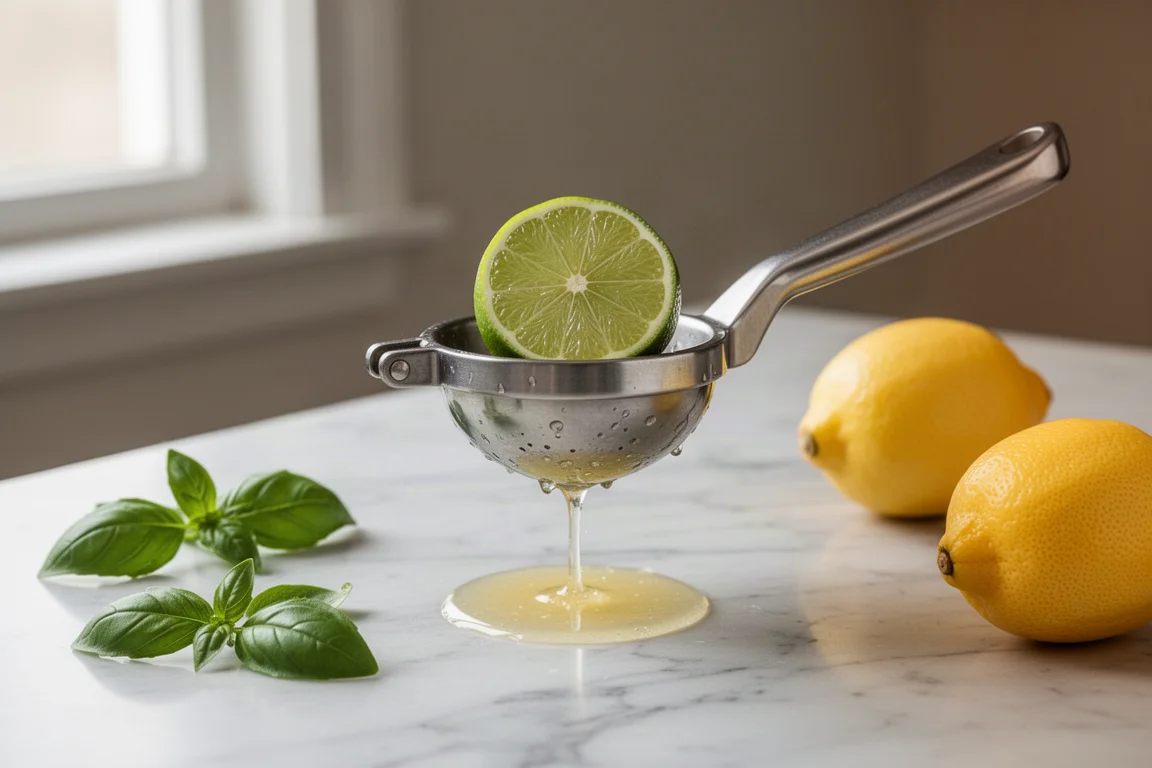
Freshly squeezed juice adds brightness and acidity to so many drinks, and it is a big part of why pre-made mixes taste flat and boring. A good juice press makes this step quick and painless.
The Chef’n FreshForce yielded the most juice with the least amount of effort in testing, and it holds back seeds and chunky pulp so you get everything you want from a lemon or lime and nothing you don’t. You place the fruit in cut-side down, with the drainage holes on the bottom, and the pressing mechanism works on the back of the fruit. That also presses fragrant oil from the peel right into the juice, which makes a noticeable difference in the finished drink.

Cobbler vs. Boston: Picking a Shaker Style
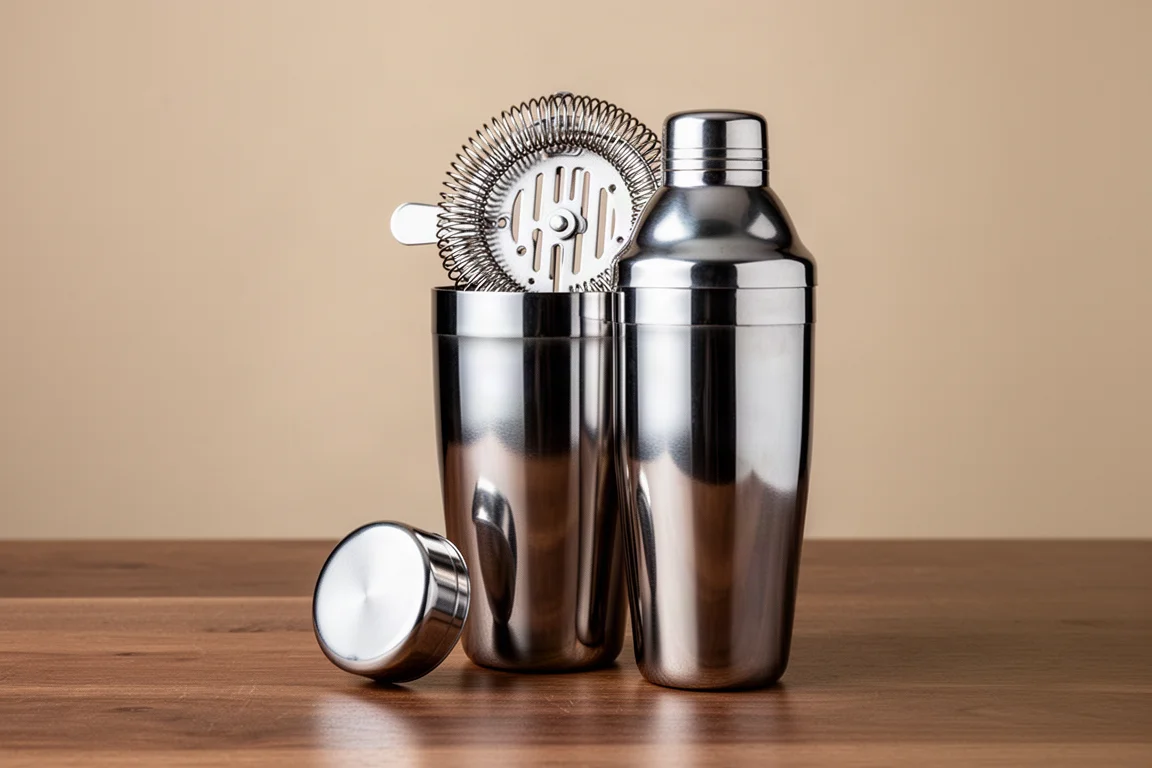
The shaker is essential: it blends ingredients and chills them fast once you add ice. There are two basic kinds. The cobbler shaker has three parts: a bottom half, a top half with a built-in strainer, and a cap. The Boston shaker has just two tumblers, both metal or one metal and one glass, and requires a separate strainer.
If you like the cobbler style, the Yukiwa Cobbler Shaker is the standout. Cobbler shakers that are metal on metal can glue themselves together when the cup gets very cold, but this one was less difficult to pull apart, and its cap is slightly larger than most. Its built-in strainer still has fairly large holes, so ice chips, pulp, and herbs can escape, meaning you will eventually want a separate strainer anyway. There are also more finicky parts to keep track of; lose the little cap and the whole thing no longer works. A more self-contained cobbler style, with a built-in juicer and strainer and a comfortable waisted shape that is easy to grip while shaking, is a good pick for beginners or for taking along camping.
The Shaker We Kept Reaching For: A Boston Shaker
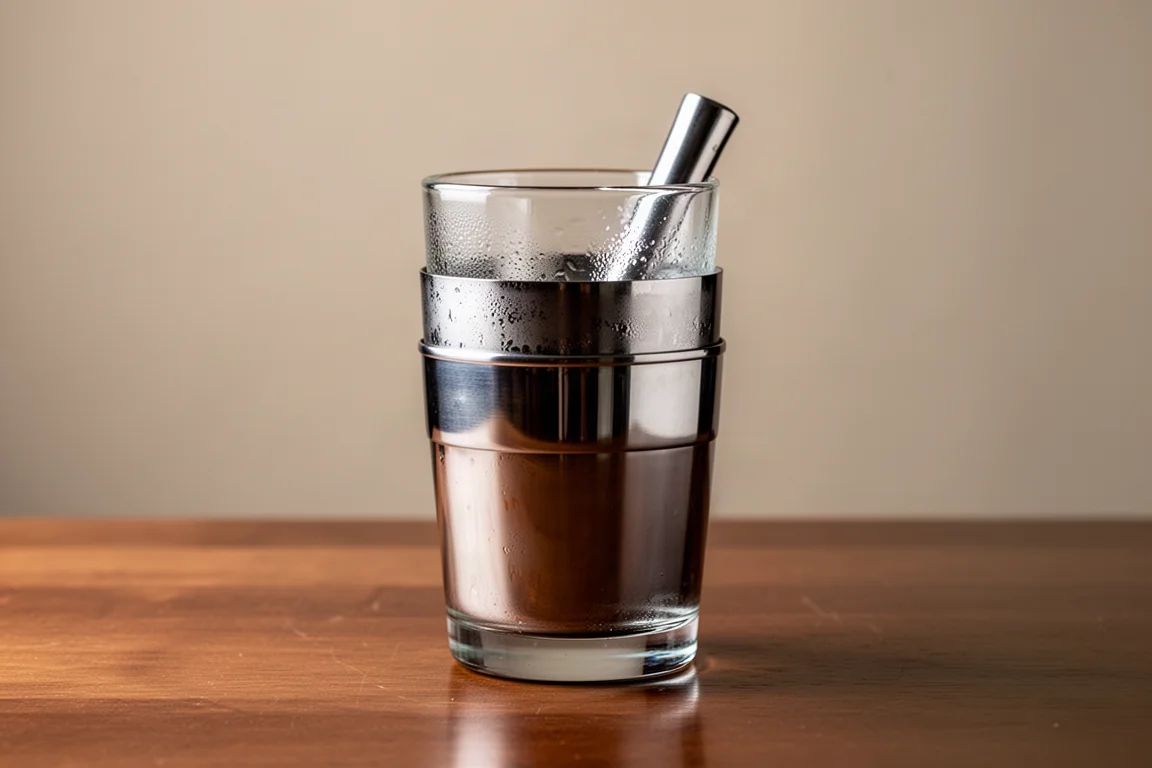
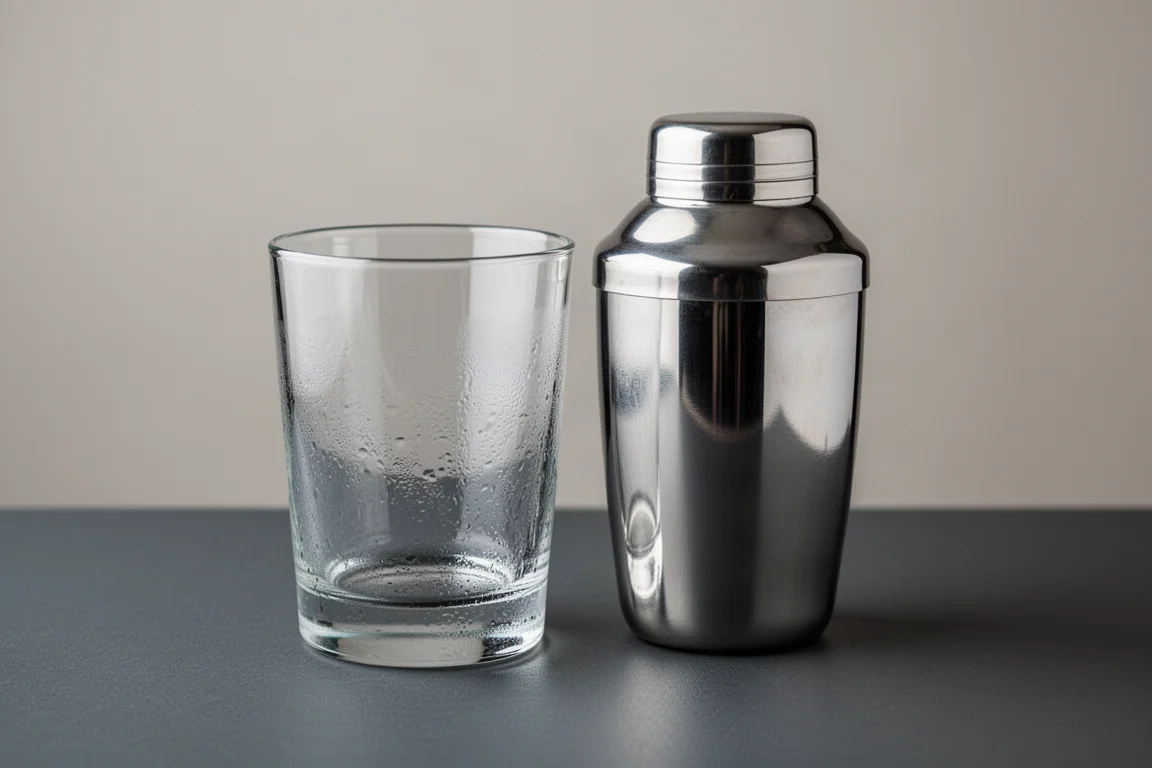
Overall, a Boston shaker is the better choice, and the Houdini by Rabbit is the winner. It is inexpensive, easy to clean, and once you learn the technique, it is fail proof.
The metal-and-glass version is especially practical for home use. Professional bartenders often use all-metal tins because they never worry about breaking glass, and metal chills drinks faster than glass, which acts as an insulator and takes longer to get cold. But being able to see what is happening through the glass side is genuinely useful, and the two parts are a little easier to separate. A small technique tip: build the drink in the smaller tin so you don’t overfill it, invert it into the larger tin, and give it a firm tap to seal. When a wet shake creates a vacuum that makes the tins stick, break the seal by tapping about a quarter turn from where the glass meets the tin.
A Strainer With Just the Right Coil Tension
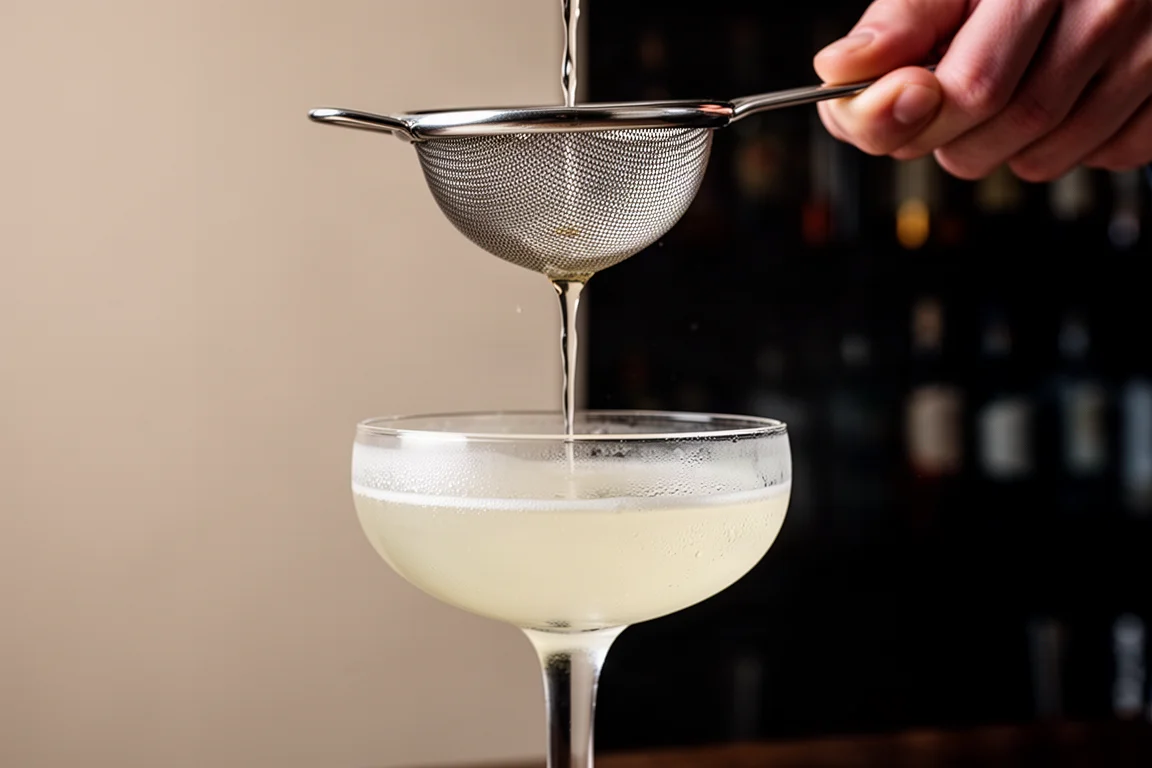
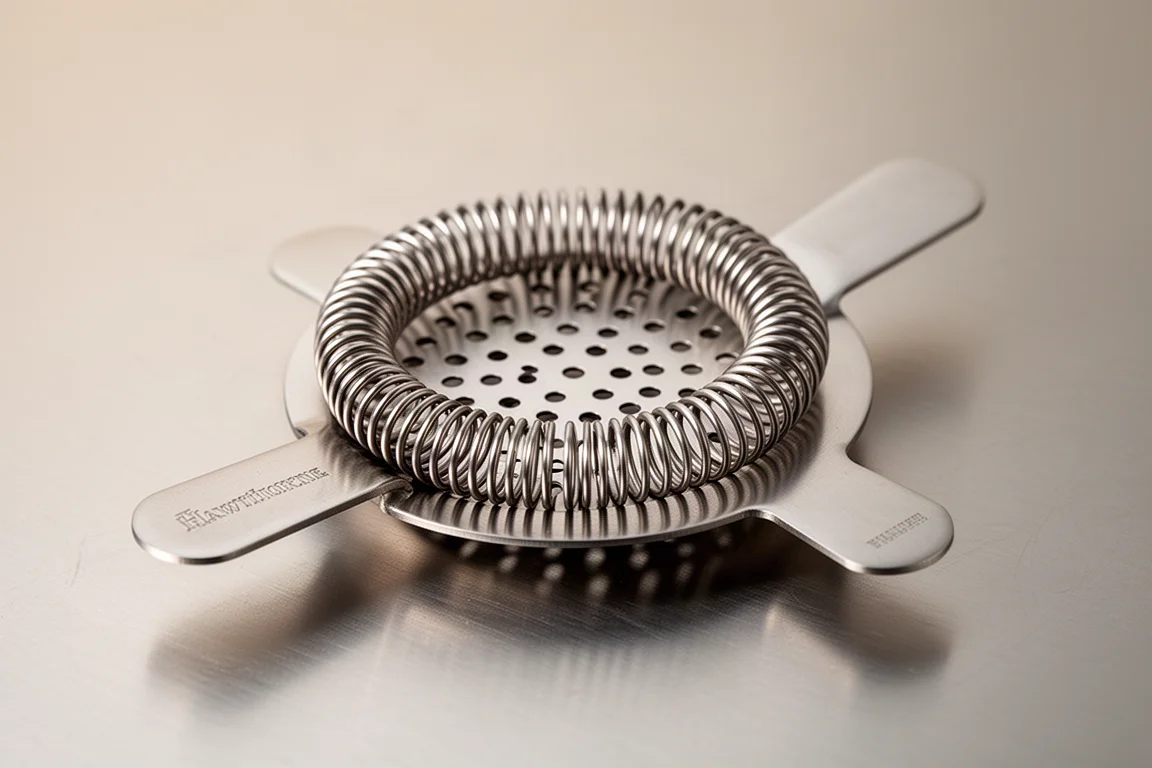
If you use a Boston shaker, you need a Hawthorne strainer to hold back ice and ingredients like herbs and citrus wedges. Named after the Hawthorne Cafe in Boston, where it was invented in the late 1800s, it is essentially a perforated disc with a spring mounted along part of the perimeter, and that spring is what strains the liquid.
Testing revealed real differences between strainers. A very loose coil strains poorly, while a tightly coiled one gives more control. The Cocktail Kingdom Koriko Hawthorne Strainer strained the best thanks to a light, moderately tensioned coil: a Goldilocks tension that is just right. Its large wings fit securely on different containers, and a finger tab makes it easy to keep a grip and adjust how finely you pour. Pressing down tightens the coil for a finer strain, useful when a drink has chopped herbs you do not want ending up in your guests’ teeth. Easing off lets more liquid through faster.
A Bar Spoon Built for Stirring
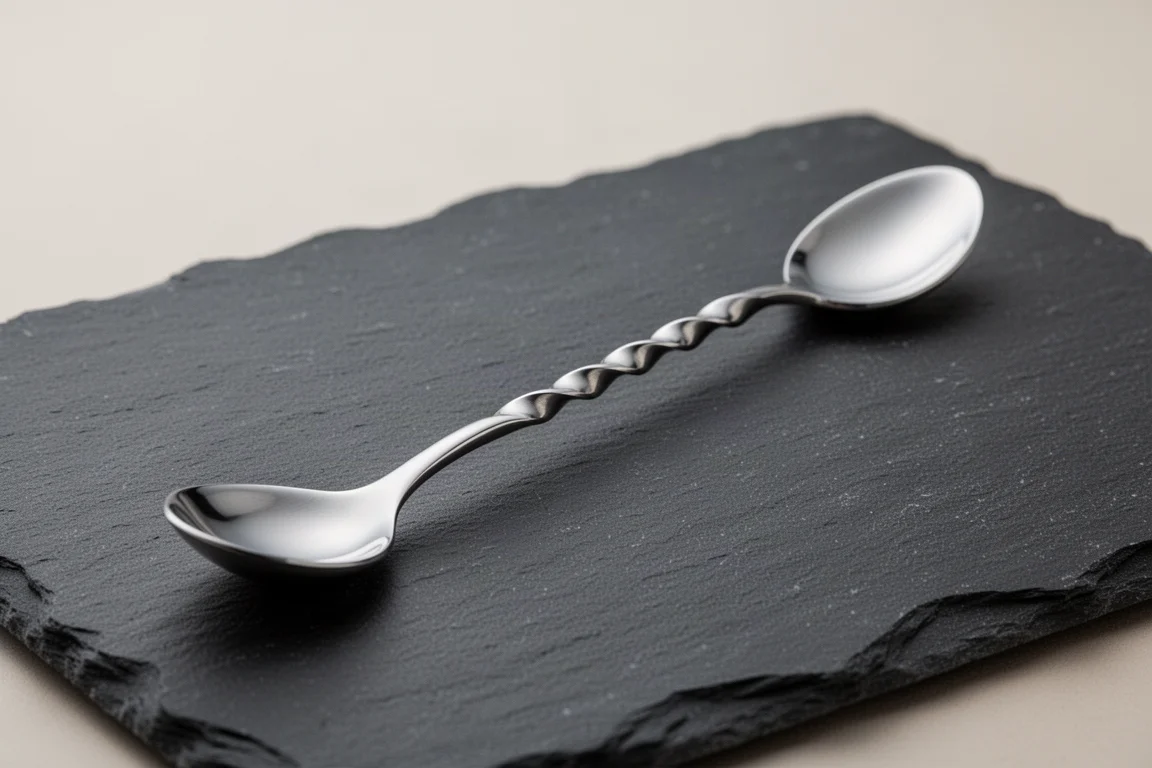
Not every cocktail is shaken. Stirring gives you maximum chilling with minimal dilution, which is why drinks like martinis and negronis are stirred. Bar spoons are extra long so they reach the bottom of a tall glass or shaker, and their small-to-medium bowl is also perfect for fishing garnishes like olives or cherries out of jars.
Many bar spoons add a tool on the opposite end, a muddling disc or a little garnish fork, but in testing these extras were mostly ineffective and just made both ends dirty. The Cocktail Kingdom Teardrop Bar Spoon skips the gimmicks. Its moderately long twisted handle makes it easy to grip, and a good grip is essential when you are stirring for 30 seconds or more. It even doubles as a pour tool: pouring a red wine float over the convex side of the spoon softens its landing so it layers on top of the drink instead of mixing straight in.
Putting the Capsule Bar to Work
To see how the pieces perform together, a basil daiquiri uses four of the five: two ounces of white rum, three quarters of an ounce each of simple syrup and freshly pressed lime juice, and three quarters of a cup of fresh basil. Shake vigorously for about 15 seconds so the ice smashes against the herbs and extracts their flavor, then strain into chilled glasses. Notably, no muddler is needed: for delicate ingredients like herbs or citrus zest, the ice in the shaker does the work for you. Muddlers earn their keep with hardy ingredients like lemongrass or ginger.
A few extra tips go a long way. Ice is arguably the sixth piece of gear: a well-made martini ends up around 35% water after proper stirring, and that dilution softens gin and vermouth into something much more subtle. Bagged clear ice holds up better in a shaker than thin freezer ice, and large hand-cut clear cubes melt slowly for spirits served on the rocks. For an upgrade with wow factor, a portable smoke infuser with wood chips adds a smoky garnish effect that ties a drink like a whiskey sour variation together beautifully. And a small hack for egg white cocktails: instead of a long 45-second dry shake, a milk frother emulsifies the egg white into the whiskey in 10 to 20 seconds and builds a lovely foam.
Overall Buying Advice
If you buy just one piece of gear, make it the cocktail shaker. It is the chef’s knife of the cocktail world and the one tool you will use every single time. From there, the jigger matters most for consistency, since cocktails have ratios just like baking. This capsule set covers shaken drinks, stirred drinks, fresh citrus, precise measuring, and clean straining, which is genuinely everything a home bartender needs to get started.
Conclusion
A well-chosen capsule bar beats a drawer full of gadgets. A readable jigger, an efficient juicer, a dependable Boston shaker, a well-tensioned Hawthorne strainer, and a solid bar spoon will handle nearly any recipe you care to make, and each pick here earned its spot through hands-on testing rather than marketing claims.
Further reading
Related Reviews
Backpacking Gear
Building a 10 lb Base Weight: An Ultralight Backpacking Gear List
A practical walkthrough of the ultralight pieces behind a 10 lb base weight, from a 765 g pack and a roomy one-person tent to a full camp chair and a dependable water filter.

Road Bikes
10 New Road Bikes Worth Watching: Aero, Titanium, Steel and Endurance Standouts
A practical roundup of 10 new road bikes, from aero flagships chasing single-watt gains to titanium, steel and endurance platforms built for real roads.
Bikepacking Gear
11 Bikepacking Essentials for Long-Distance Cycling
Eleven bikepacking essentials for long-distance cycling, from a steel gravel frame and a two-person tent to helmet lights, packable gloves, and a frame bag that puts weight in the right place.