Hi-Fi Speakers
Closer Acoustics Fourlane: A Crossoverless Single-Driver Floorstander
One handmade driver, no crossover, and a transmission line cabinet. What the Closer Acoustics Fourlane does brilliantly, and where it asks for careful matching.
Introduction
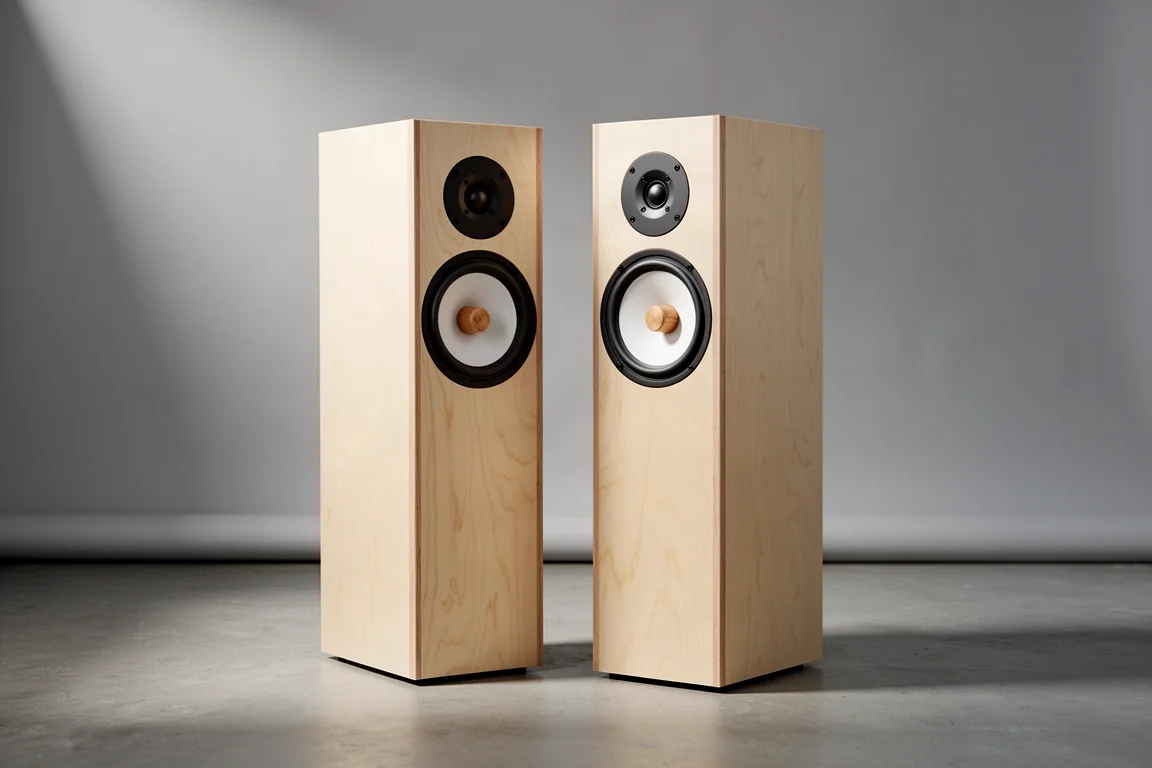
Most loudspeakers divide the work between two, three, or more drivers, then use a crossover network to decide which driver plays which frequency band. The Closer Acoustics Fourlane does none of that. It is a crossoverless single driver floorstander: one handmade driver covers everything from the lowest notes it can reach to the top of the treble, with nothing in the signal path between the amplifier and the driver itself. That single design decision shapes how the speaker sounds, what it does exceptionally well, and where it asks for patience.
Who the Closer Acoustics Fourlane Is For
This is a speaker for listeners who put coherence and imaging ahead of sheer output. Because a single driver produces every frequency from one point in space, the Fourlane sidesteps the phase, blending, and time alignment problems that multi-driver designs have to solve with crossover work. If you have spent years chasing a convincing phantom centre and a stage you can almost walk around, this is the design philosophy aimed squarely at you.
It also appeals to listeners who enjoy shaping a system. The Fourlane is rated at 94 dB sensitivity, which means it can be driven by relatively low powered amplifiers, including tube designs, and it responds audibly when you change the amplifier, DAC, streamer, or preamplifier upstream. Anyone who likes to tune and experiment will find plenty to work with.
It is less suited to listeners who play music loudly. This is a speaker that behaves beautifully at low and moderate levels, but it has real limits at high volume, and that trade-off should be understood before you commit.
Crossoverless Design and the Case for a Direct Signal Path
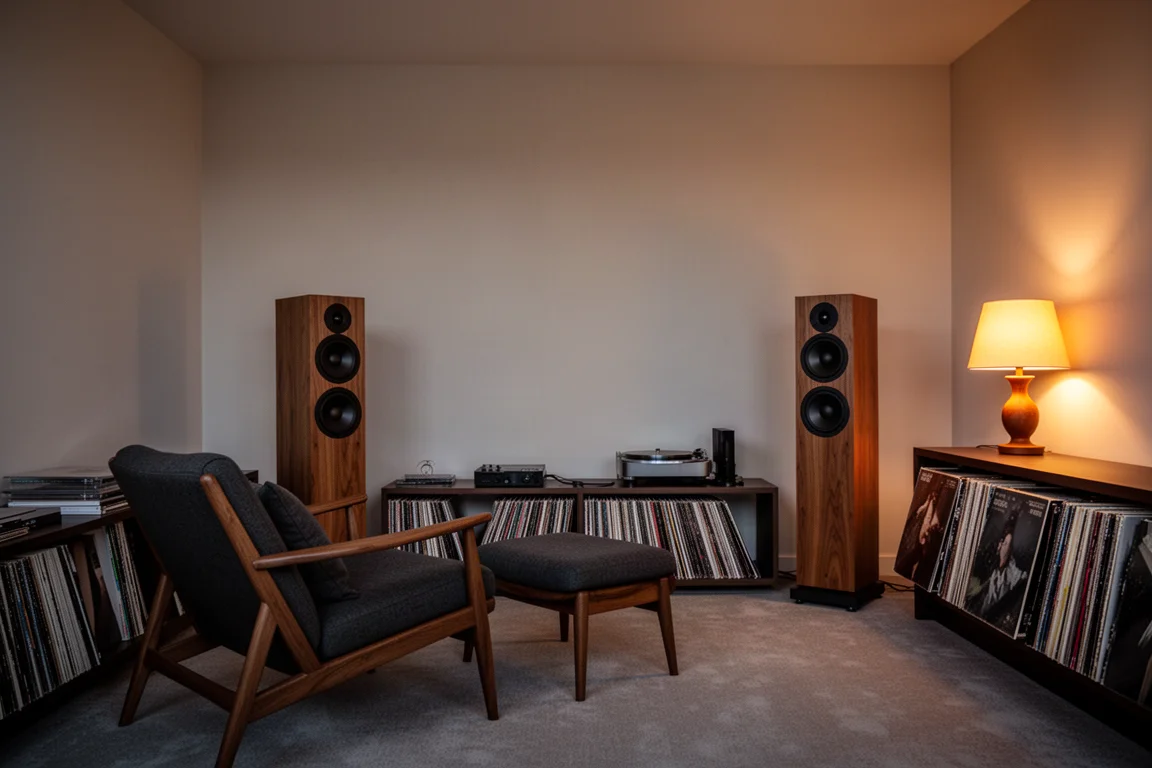
With a multi-driver speaker, the crossover is a dividing network that keeps a tweeter away from low bass and sends each driver only the range it can handle safely. Designers spend heavily on high quality crossover parts precisely because they want the network to disappear from the signal path. A single driver removes the problem altogether. There is no crossover, so there are no crossover parts to upgrade and no network to disguise. The amplifier is effectively wired straight to the driver.
That is the core argument behind the idea of purity in single driver designs, and the Fourlane makes it unusually easy to hear. Transparency here goes a step beyond what a well executed crossover design delivers. The presentation never feels filtered, softened, or mediated. Vocals carry the small details that make a performance feel present, from lip movement to breath, and the illusion of a singer standing in the room is genuinely convincing.
The same quality applies to instruments. Strings, saxophone, and percussion arrive with their texture intact, and the speaker never sounds as though it is adding a layer of its own character between you and the recording.
A Transmission Line Cabinet and the Bass Question
Single drivers are more accurately described as wideband drivers than full range drivers, because no single driver realistically covers the entire audible range on its own. The usual consequence is a roll off at both extremes, and the bass end is where that hurts most. The Fourlane addresses this with a transmission line cabinet: a folded, maze like internal structure that demands far more calculation, experimentation, and abandoned prototypes than a simple sealed box.
The payoff is bass. Transmission line loading is known for rolling off low frequencies gradually and extending the low end further than a straightforward cabinet would. The Fourlane does not simply have less bass because it uses one driver. It produces a genuinely surprising amount of low end for a single driver design, and the cabinet deserves as much credit for that as the driver does.
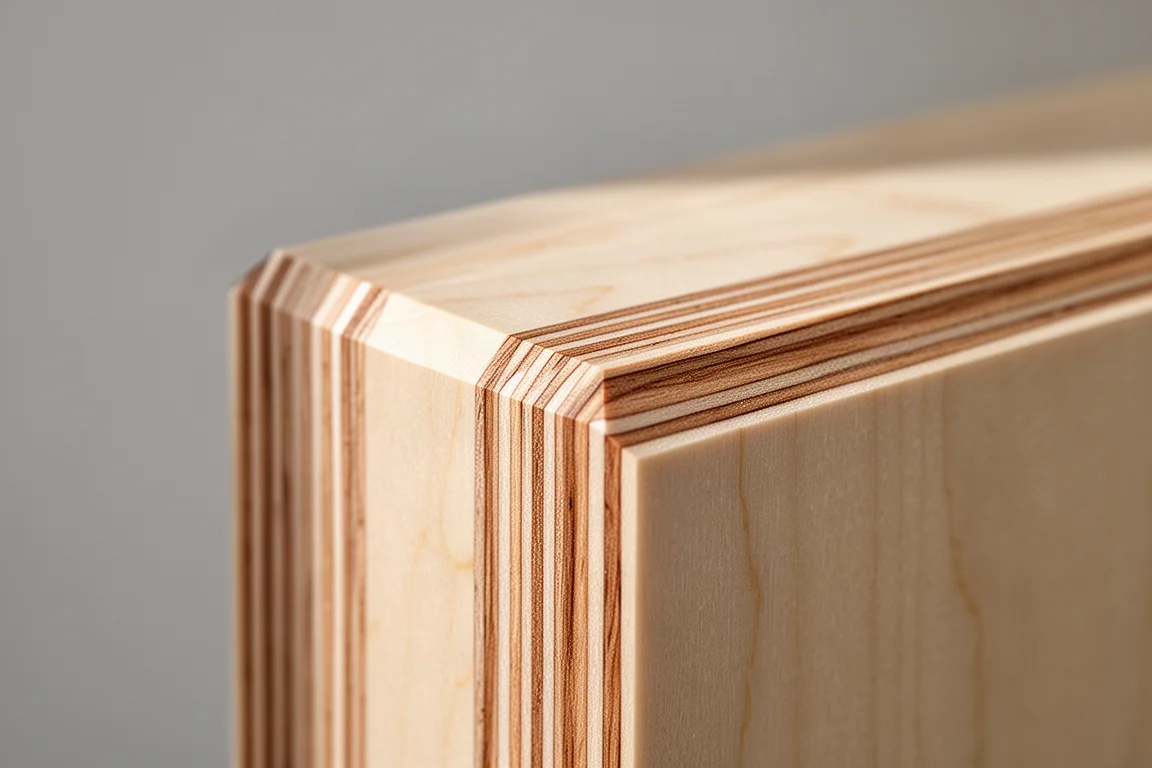
The cabinet itself is built from Baltic birch plywood, a higher grade material than the MDF or HDF used in many speakers. The cabinet is designed and manufactured in Poland, while the driver is handmade in France by EMS. Closer Acoustics also fits WBT binding posts, so the connection hardware matches the standard of the rest of the build.
High Sensitivity and How the Fourlane Reveals Your System
At 94 dB sensitivity, the Fourlane does not demand a powerful amplifier. Low powered tube amplifiers are a realistic match, and the differences between amplifiers are anything but subtle. With a low powered tube design, the speaker takes on a warm, midrange forward character with a strong sense of space and a nostalgic, almost film like atmosphere. Switch to a Class D amplifier and the bass becomes noticeably fuller, the overall balance more neutral, and the treble clean but less airy. Both presentations are enjoyable, and they are drastically different from one another.
That responsiveness extends to everything upstream. Changes to the streamer, DAC, or preamplifier are easy to hear, and the character of the system shifts accordingly. Some pairings flatter the speaker and some do not, but the Fourlane is never indifferent to what is feeding it. For anyone who wants to hear their components, that is a strong argument in its favour.
Imaging, Soundstage, and the Listening Experience
Because everything radiates from a single point, the Fourlane images with a precision that multi-driver speakers struggle to match. Instruments and voices are placed with enough specificity that you can map out the stage, and the depth of the presentation is as impressive as the width. The width in particular is unusually large.
The practical advantage is that you can toe the speakers out into the room to widen the stage without losing the phantom centre or the focus of the image. With most speakers, opening up the angle trades imaging for scale. Here, the imaging holds regardless of how far the speakers are angled.
Play a well recorded vocal or a solo string instrument and the effect is immediate. The body of an acoustic guitar, the scrape of a string, the position of a saxophone in the room: all of it arrives with the sense of a live performance rather than playback. Adding a subwoofer for extra low end does not appear to cost the speaker that quality.

Things to Consider Before Buying
The most important limitation is volume. The Fourlane is at its best at low to moderate listening levels, and it is exceptionally good there, holding on to nuance and detail even when the music is quiet. Push it to 80 or 90 dB and the treble starts to beam: directivity narrows at high frequencies and the top end can turn brittle and bright. A wooden plug in the centre of the driver helps control this behaviour, and the Fourlane can be played louder than many single driver designs before it becomes an issue, but the effect does not disappear entirely.
Track selection matters for the same reason. Dense, heavily compressed, or sibilant material, including a great deal of metal and hard rock, can sound harsh through this speaker, and poor recordings are not flattered either. Well recorded acoustic music, vocals, and jazz are where the design shines.
Finally, be honest about the bass. The Fourlane delivers impressive low end for a single driver, but it cannot move the air that a large dedicated woofer moves. If you are coming from a multi-driver speaker with big woofers, plan on adding a subwoofer. If you are coming from a smaller single driver or a panel speaker, the Fourlane’s bass will likely exceed your expectations on its own.
Buying Advice
Approach the Fourlane as a specialist rather than an all rounder. It is not built to play everything loudly. It is built to make well recorded music sound immediate, coherent, and spatially convincing at the levels most people actually listen at. If that describes how you use a system, this is a speaker worth serious consideration.
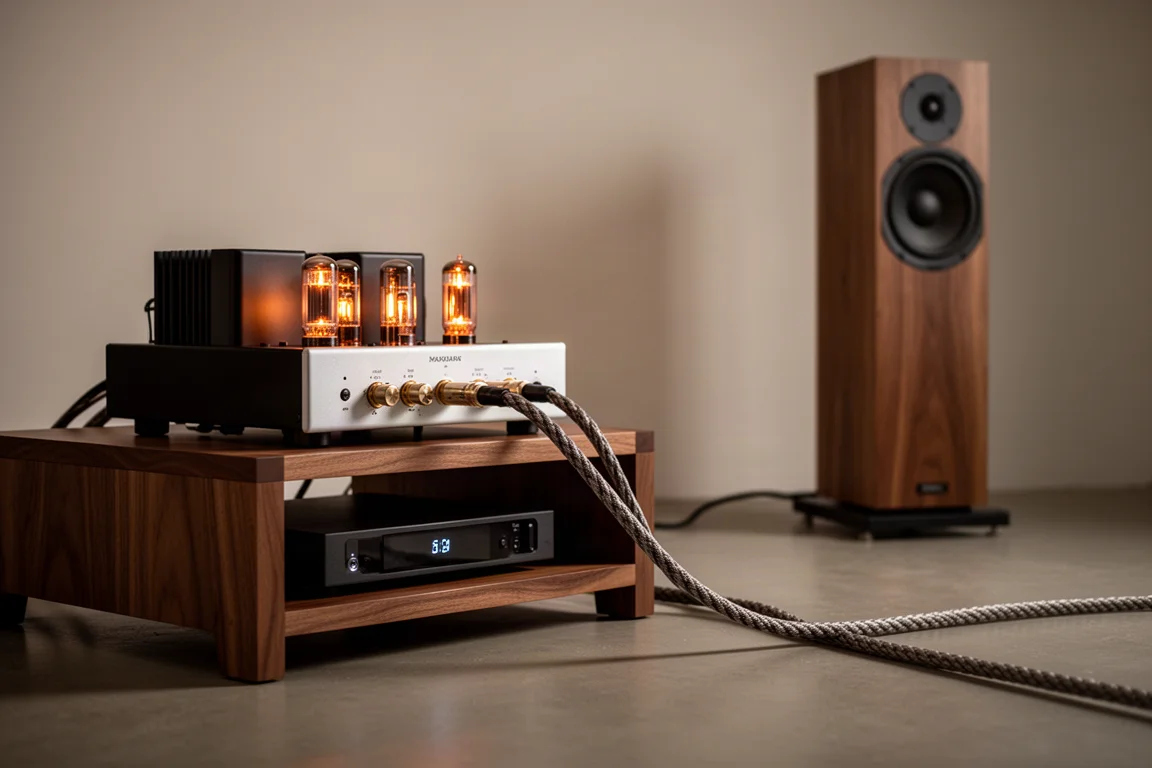
Budget for the pairing as carefully as for the speaker. Sensitivity of 94 dB opens the door to low powered tube amplification, and that combination produces a warm, characterful presentation with a strong sense of space. A neutral solid state or Class D amplifier will give you more bass weight and a more even balance, with slightly less air at the top. Both routes work, but they sound meaningfully different, so audition with the amplifier you intend to use if the opportunity exists.
Then decide on low frequency support. If your reference point is a large multi-driver speaker, add a subwoofer from the start. If your reference point is a small single driver or a panel design, you may find you do not need one. Either way, the Fourlane will let you hear exactly what your system is doing, which is both its greatest strength and the reason it rewards careful matching.
Conclusion
The Closer Acoustics Fourlane is a compelling example of what a crossoverless single driver design can achieve when the driver and the cabinet are developed together with real discipline. The handmade EMS driver, the transmission line cabinet in Baltic birch plywood, and the 94 dB sensitivity combine into a speaker with remarkable coherence, pinpoint imaging, and a level of transparency that is difficult to describe until you hear it.
Its limits are equally clear. It will not play loudly without the treble turning brittle, and it will not match a large woofer for pure bass output. Buyers who understand those boundaries and match the speaker to a suitable amplifier will find a floorstander that makes well recorded music feel live, present, and unusually immediate.
Product link
View more details for Closer Acoustics Fourlane
This product is mentioned in the review. Check the specifications, options, and compatibility before buying.
View more details for Closer Acoustics FourlaneFurther reading
Related Reviews
Hi-Fi Speakers
1723 THX Tower vs 1528 Bookshelf: Which Speaker Fits Your Room?
Two speakers at roughly the same price, built very differently. How the 1723 THX tower and the 1528 bookshelf compare on construction, bass, power needs, and sound.
Hi-Fi Speakers
Acoustic Energy AE 300 Review: Deep Bass From a Compact Standmount
A two-way standmount with real wood veneer, surprising low-end weight, and a warm, easygoing character. Here is what to know before buying.
Hi-Fi Speakers
Acoustic Energy AE1 40th Anniversary Review: A Modern Take on a British Classic
A compact standmount that revives a 1980s favorite with all-new parts, a warm mid-centric balance, and a price of £1,499 per pair.