Cycling Components
Clipless Pedal Systems Compared: Road and Off-Road Options Explained
A practical comparison of the most common clipless pedal systems, covering contact patch, cleat float, stance options, and the trade-offs worth weighing before you buy.
Introduction
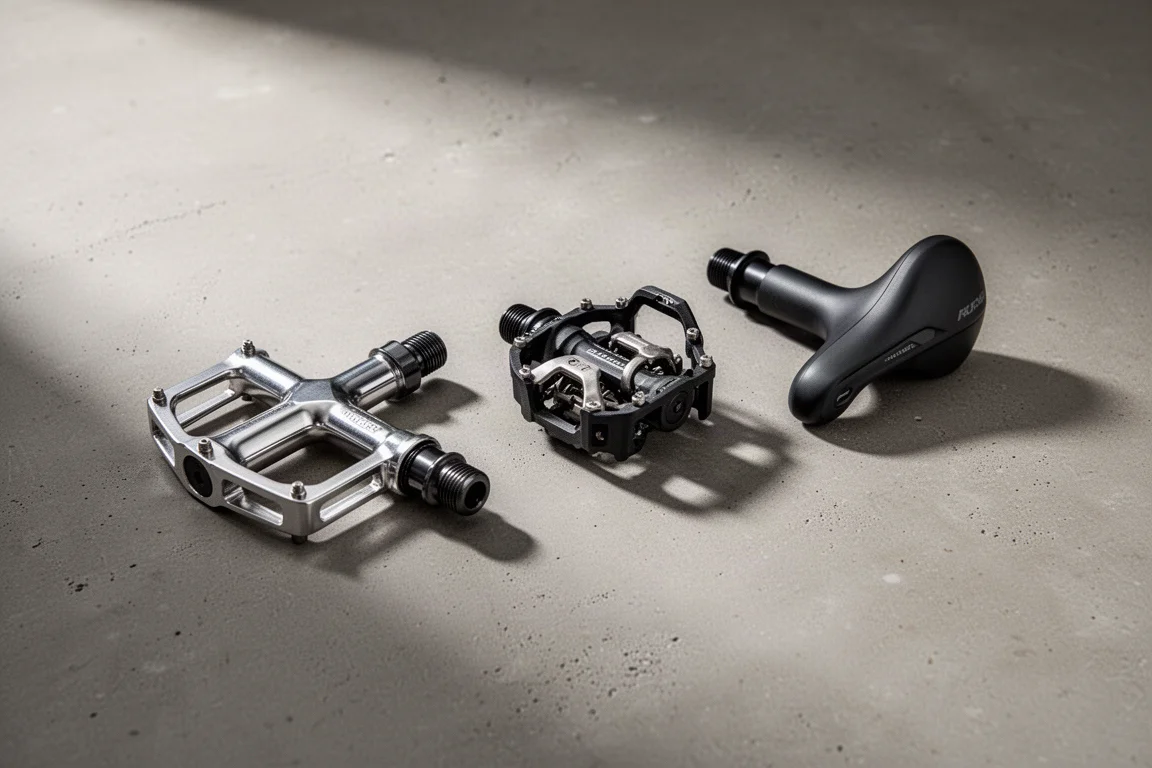
Clipless is one of cycling’s small jokes. These pedals carry the name because they replaced the old toe clip and strap, yet they are the systems you actually clip into. The choice between them is not cosmetic. Pedal body design decides how wide the contact patch is, how much float the cleat allows, how much stance adjustment is available, and how easily you can walk when you stop for coffee.
This guide walks through the systems most commonly found in shops today, covering what each one does well and where the trade-offs sit.
How to Evaluate a Pedal System
A handful of physical characteristics separate one system from another, and they matter far more than branding.
Contact patch size comes first. A wider platform spreads load across the foot and generally feels more stable under hard efforts. Float is second: it describes how much rotation the cleat allows inside the pedal. Most systems offer a choice of cleat, and the zero-float options lock the foot completely, which is worth avoiding if you value knee comfort. Stance adjustment is third, covering both axle length and how far back the cleat can sit on the shoe. Bearing quality and cleat durability round things out, since they determine how the pedal holds up over thousands of kilometres.
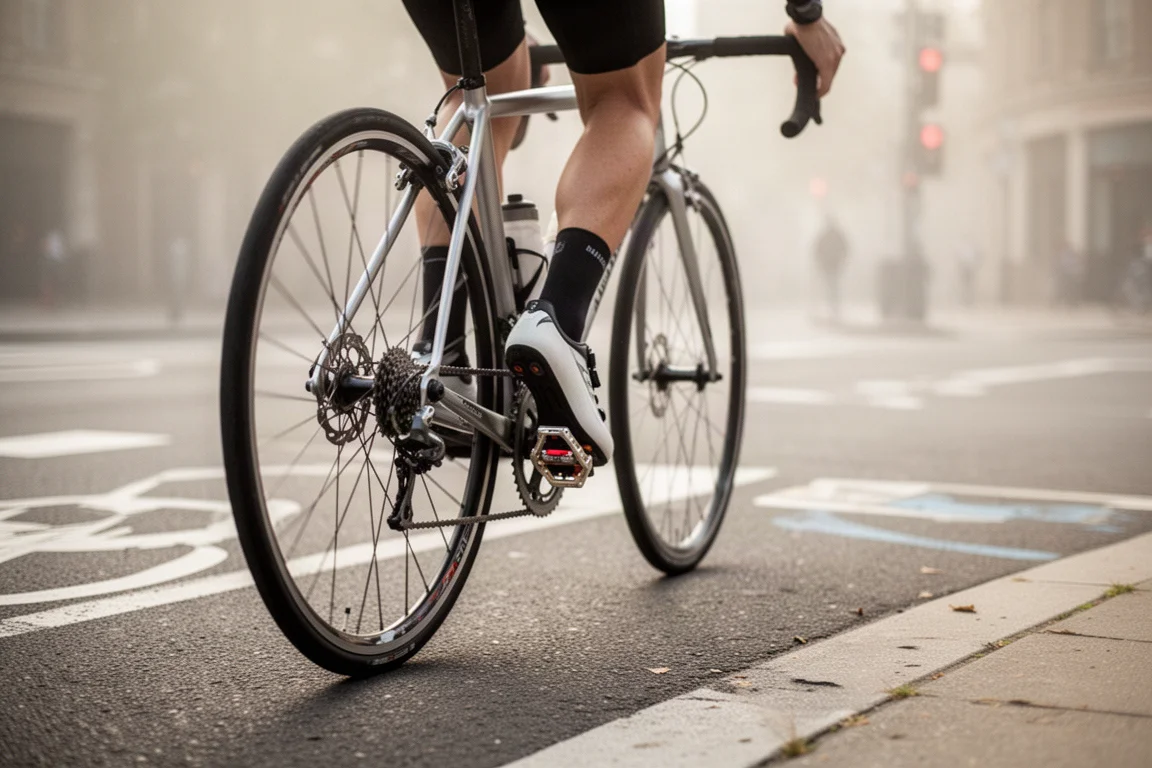
Riders who push high power, and riders who simply ride a lot, tend to notice differences in stability and retention far more than occasional riders do.
Look Keo 2 Max: Adjustable Tension With Brand-Neutral Appeal
Look produced the original clipless pedal, initially with a fixed black cleat that caused problems for a good number of athletes before the brand developed a free-float system. The range now spans a wide spread of materials, axle options including chromoly, steel, and titanium, and several bearing qualities. High-end models use a carbon leaf spring for retention, which offers no adjustment and can wear out.
The Keo 2 Max is the version worth pointing at, because it adds adjustable release tension. The resistance is lighter than on some competing systems, which makes it a sensible pick for lighter or smaller riders, and it is effectively brand neutral, so it suits SRAM or Campagnolo builds where Shimano pedals would look out of place. Engagement and performance sit close to SPD-SL, though the platform is not quite as stable and can develop rock relatively quickly.
Three cleats are available: grey with 4.5 degrees of float, red with 9 degrees, and black with none. The range runs from roughly £30 to £250 for a top-end titanium axle with needle roller bearings, and the threads are slightly longer than usual, which allows a wider stance.
Shimano PD-R540 SPD-SL: The Entry Point to the Most Stable Platform
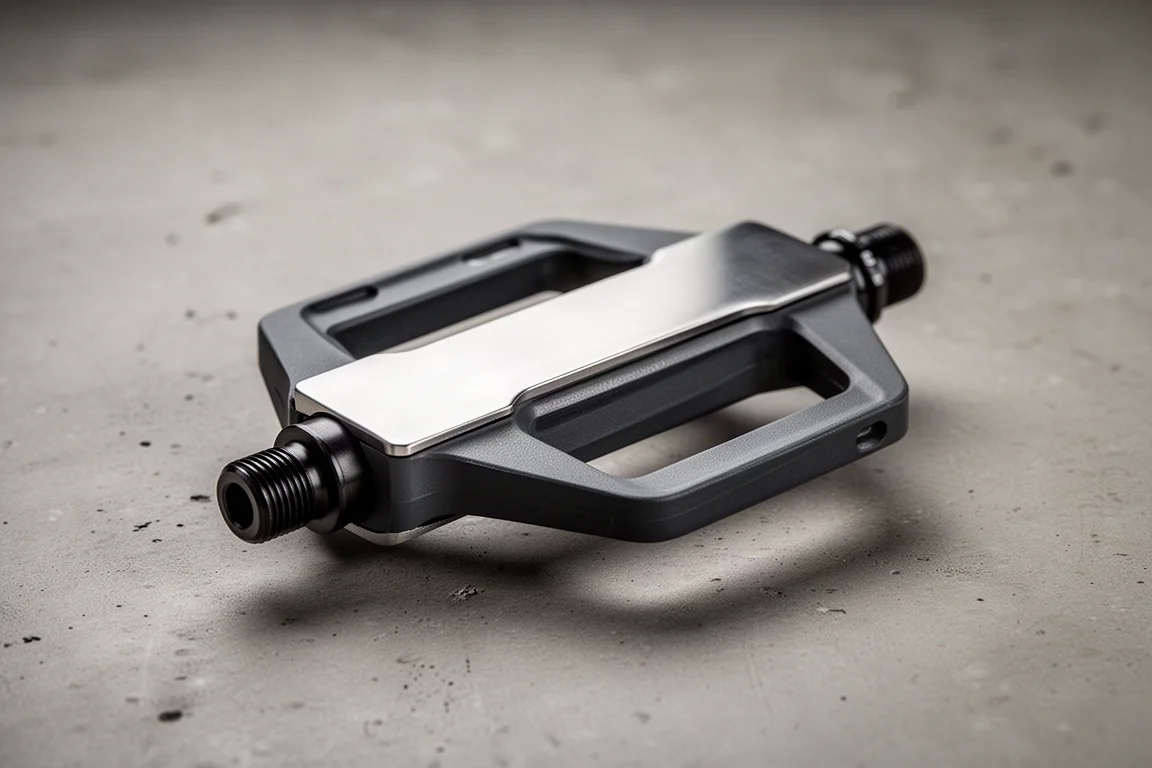
SPD-SL is the most popular system and, on contact patch, durability, and bearing quality, the most stable one here. The metal-bodied PD-R540 is the entry point and can be found online for around £20 to £30.
The platform is the widest of the group, and the cleats are both durable and inexpensive to replace at roughly £20. Three cleat options cover the usual spread: yellow with 6 degrees of float, blue with 2.5 degrees, and red with none.
Shimano Dura-Ace SPD-SL: Top-End Bearing Quality
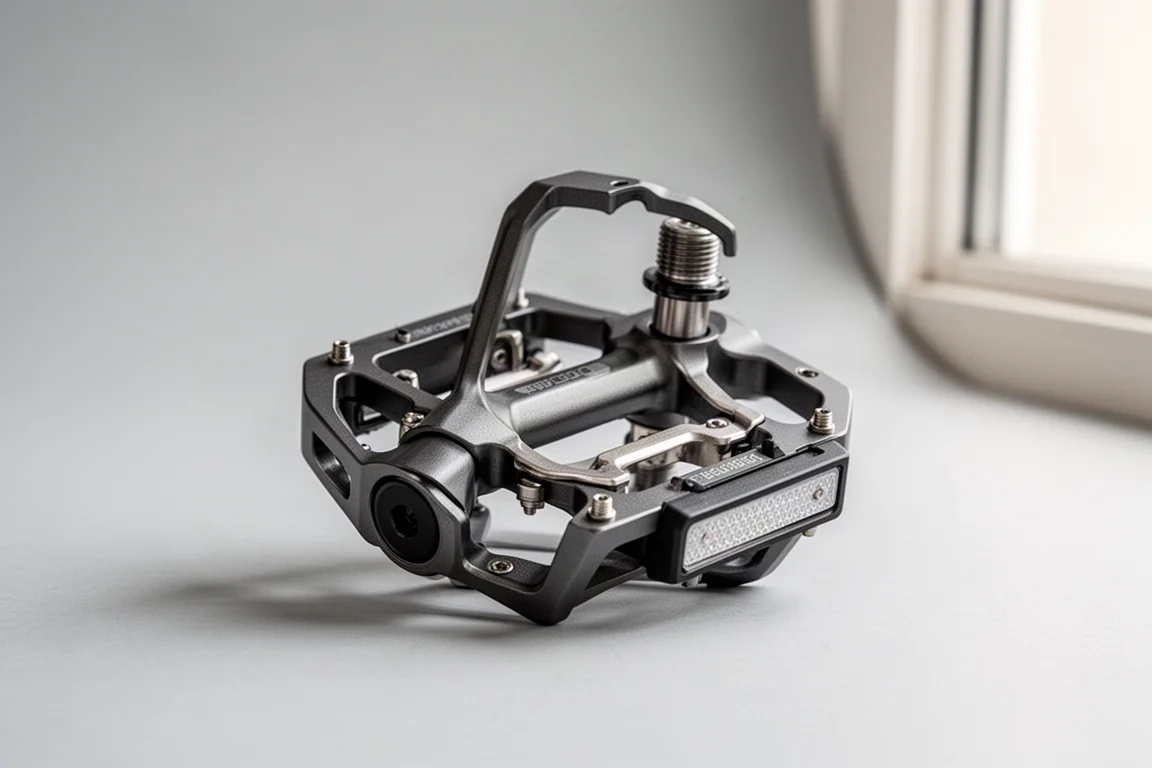
At the other end of the same family sits the Dura-Ace pedal, built with a carbon fiber body and Japanese needle roller bearings. It shares the platform’s reputation for stability and durability while adding the best bearing quality in the range.
For riders who want the SPD-SL platform at its most refined, this is the version to look at. The main consideration is simply where it sits in the range.
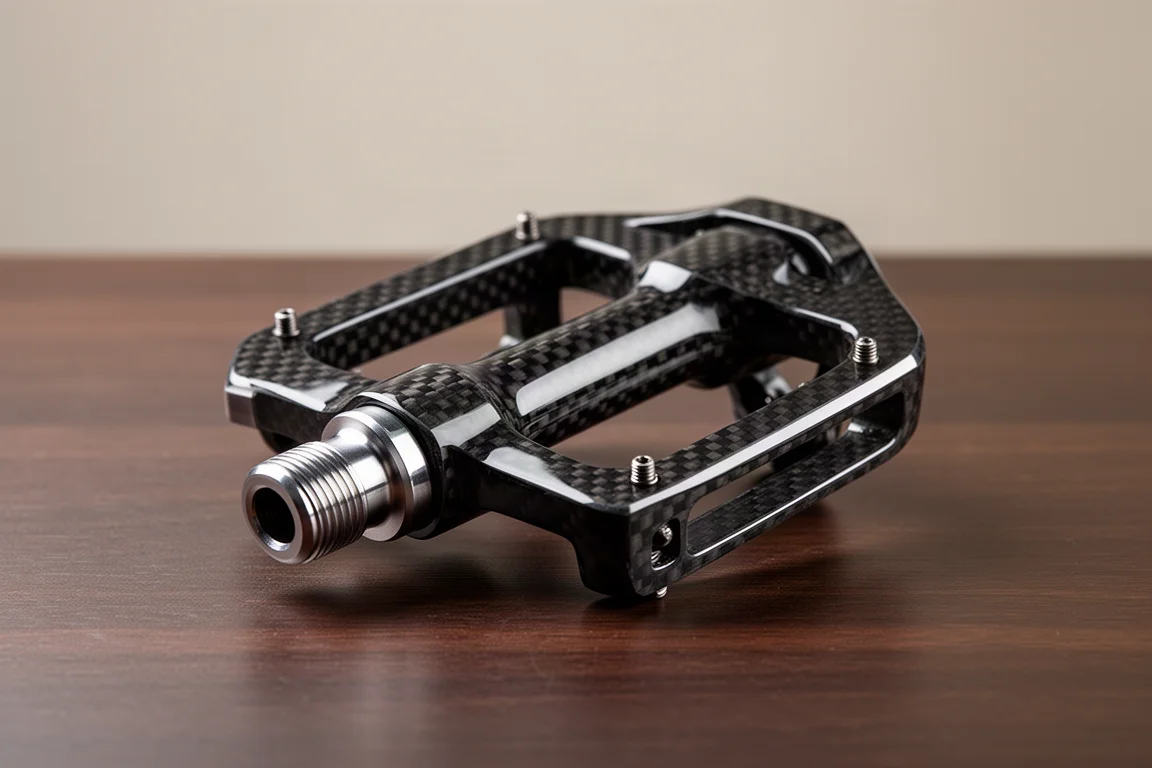
Shimano SPD-SL E Extended Axle: A Wider Stance for a Better Connection
The SPD-SL E, or extended axle version, adds a four millimetre axle extension. That sounds like a small change, but it answers a real mismatch: bicycles are often designed around a 20-year-old athlete weighing around 60 kilos, which does not describe most of the people buying them.
The wider stance tends to produce a noticeably better connection with the pedal and is particularly useful for relieving pressure on the outside of the foot. This version accounts for the large majority of pedal sales, and it carries the same strong bearing quality, stiffness, and durability as the standard platform.
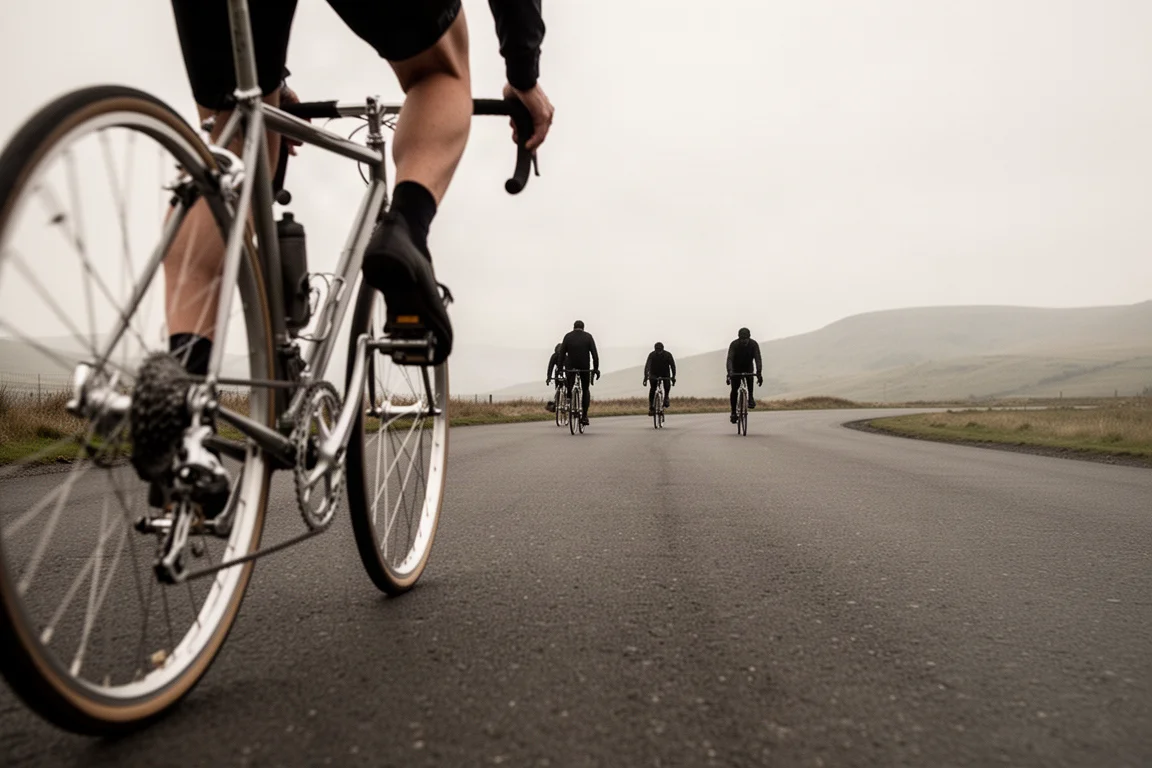
Riders of larger proportions and older riders are the usual candidates, though the right answer depends on the individual rather than on a category.
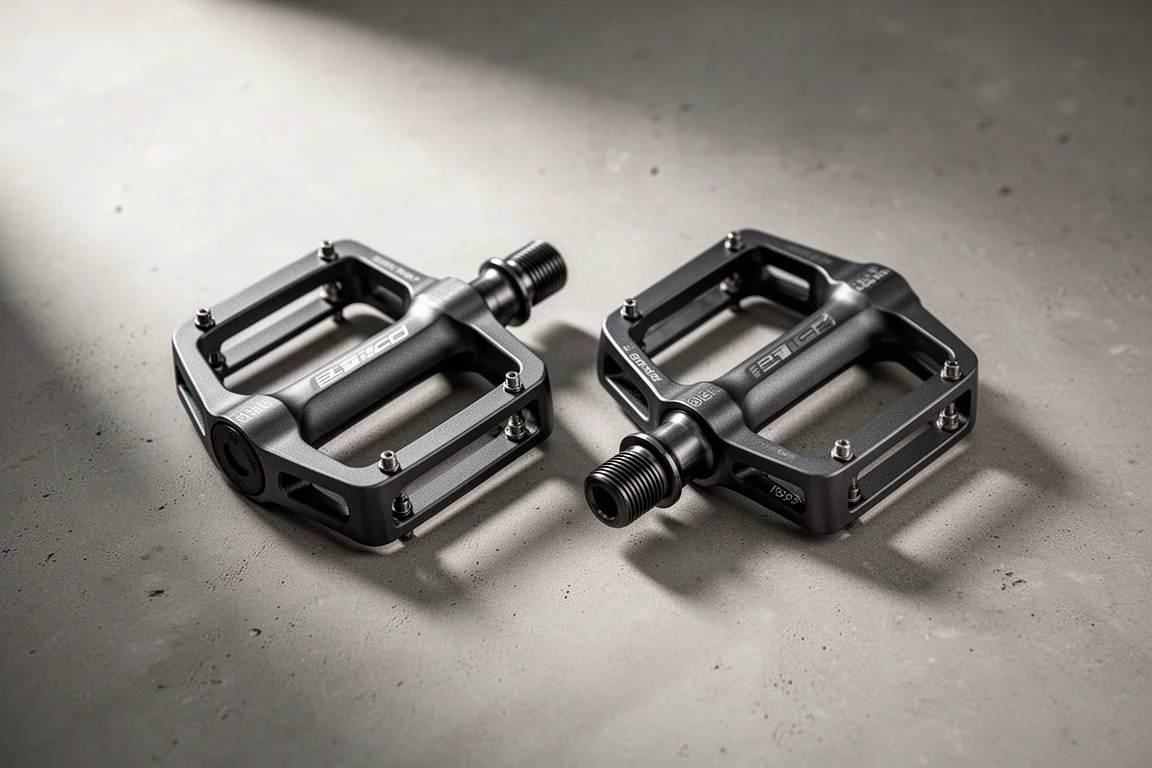
Wahoo Speedplay: Maximum Adjustability With Real Trade-Offs
Speedplay, now produced by Wahoo, offers more adjustability than anything else here, arguably more than most riders need. Entry is dual sided, so you can simply stamp down and go, and the system ships with aero covers for the cleats. The pedal body is very light, though the cleat is heavy enough to offset much of that saving. The system has long carried a reputation for resolving knee discomfort, and that reputation is less clear cut than it sounds.
Two points deserve attention. The contact patch is considerably smaller than SPD-SL, and the c-spring that retains the cleat can wear at a noticeable rate, often within around a thousand miles, after which the pedal tends to develop rock. Large riders in particular may find that limiting. Wahoo has also removed two features that once justified the system: the fore-aft extender plate that moved the cleat further back on the shoe, and the range of axle lengths that allowed a wider stance.
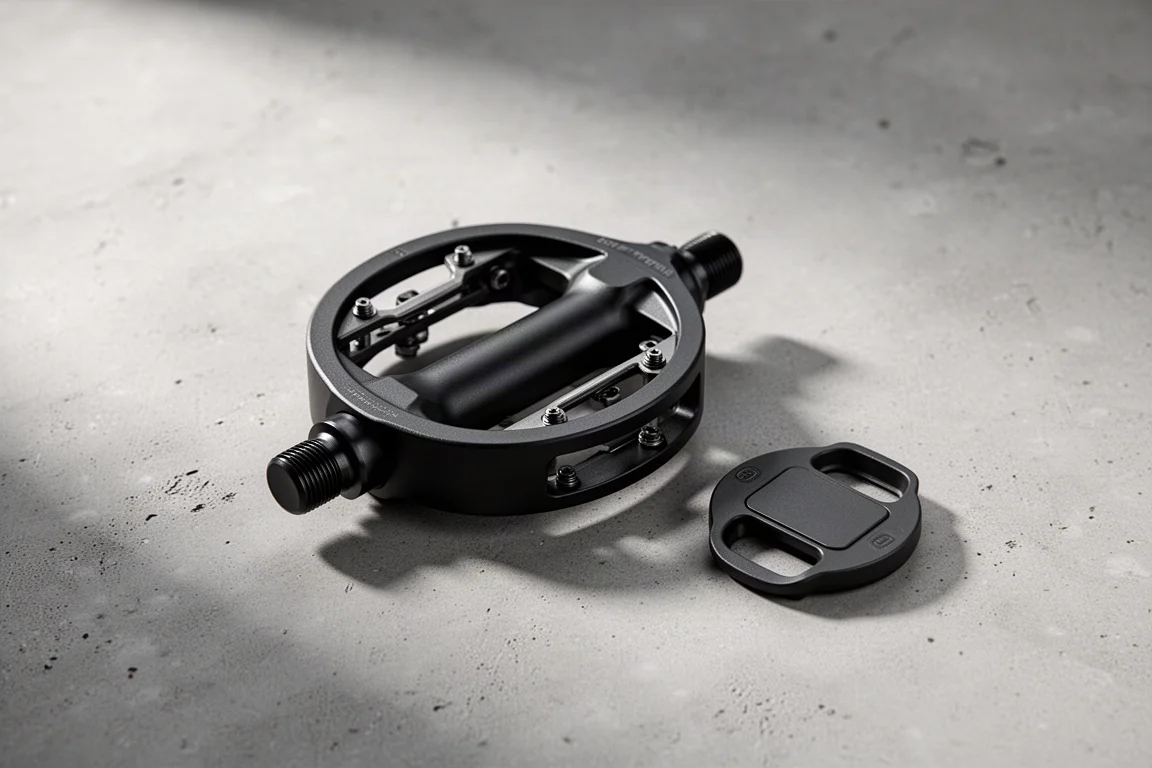
Shimano SPD: The Recessed-Cleat Standard for Off-Road
Off-road systems use a recessed cleat, which sits up under the sole of the shoe so you walk on the shoe rather than on the cleat itself. Shimano SPD is the most common of these, with mud shedding, dual-sided entry, and a large amount of adjustment. Some versions add a cage around the outside of the body, which improves stability slightly and gives the foot a bigger target when clipping back in mid-trail.
Prices start at around £30 and reach a couple of hundred for top-end XTR models with titanium axles. The platform and cleats are smaller than a road system, so the contact patch is smaller and stability slightly lower. A stiffer, more supportive shoe helps, particularly for bikepacking and gravel riding.
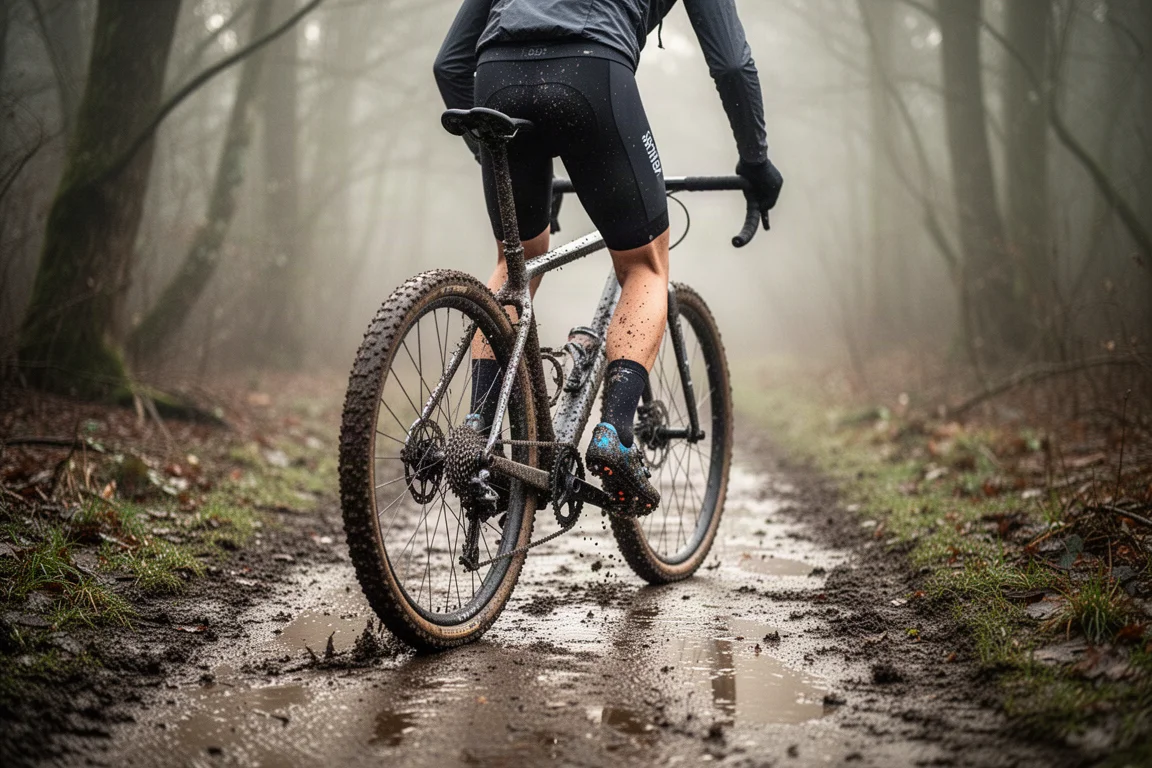
The payoff is walkability, which makes SPD the practical choice for anyone who spends time off the bike during a ride.
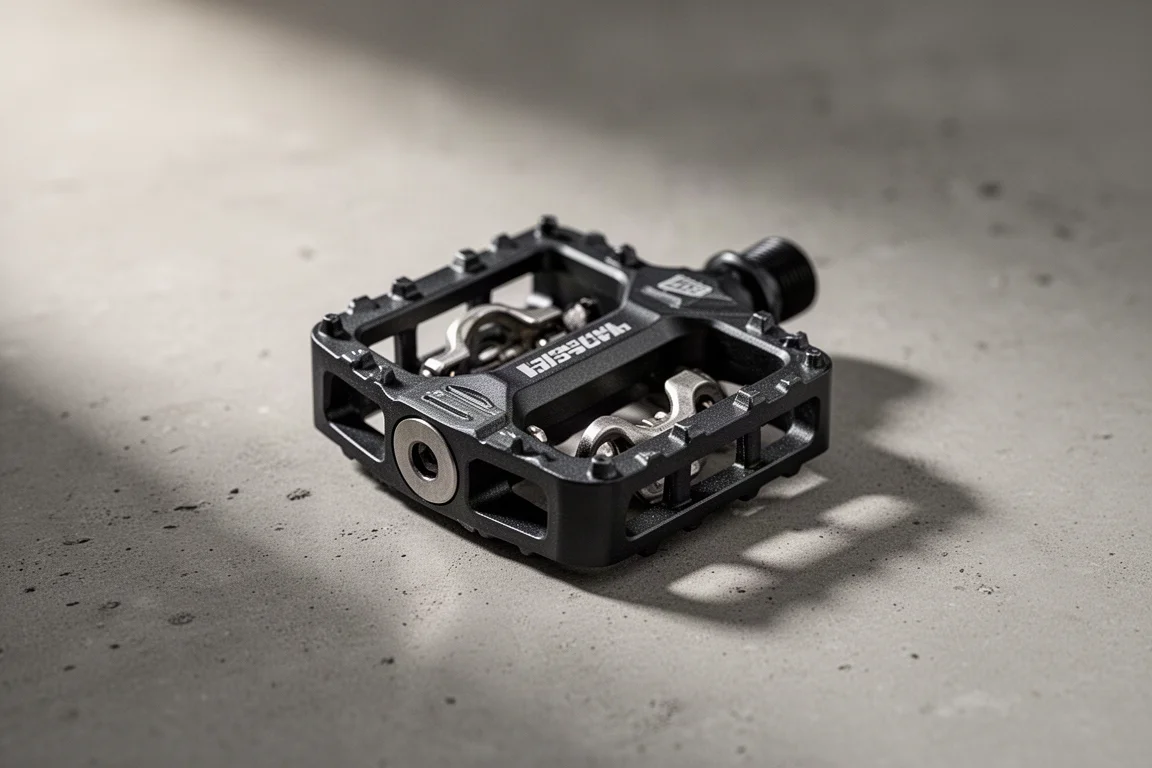
SQlab Extended Axle SPD: Longer Stance for Off-Road Riders
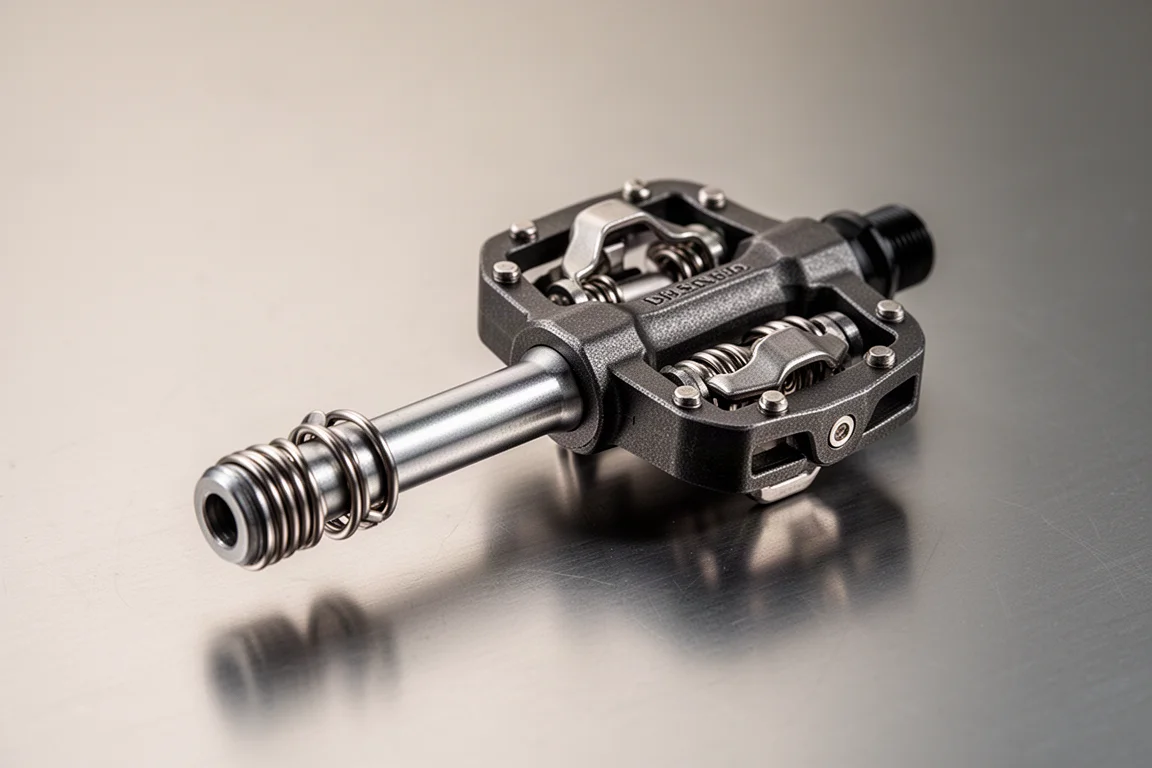
The SQlab extended axle SPD is an uncommon sight. Mountain bikes generally have a wider bottom bracket than road bikes, so most off-road riders will not need the extra width, but the same logic that makes a long-axle road pedal useful applies here. The extended axle adds roughly six to eight millimetres of stance while otherwise behaving like a standard SPD.
Availability is the practical obstacle at the moment. Riders considering a long-axle pedal of any kind should involve a bike fitter, since a wider stance is not automatically the right answer, especially for very slim or relatively short riders.
Buying Advice: Matching the Pedal to the Rider
Start with the platform rather than the price. SPD-SL is the most stable and durable option here and the cleats are inexpensive to replace, which makes it a straightforward default for road riding. The PD-R540 covers the entry point, while the Dura-Ace version adds carbon construction and the best bearings in the range.
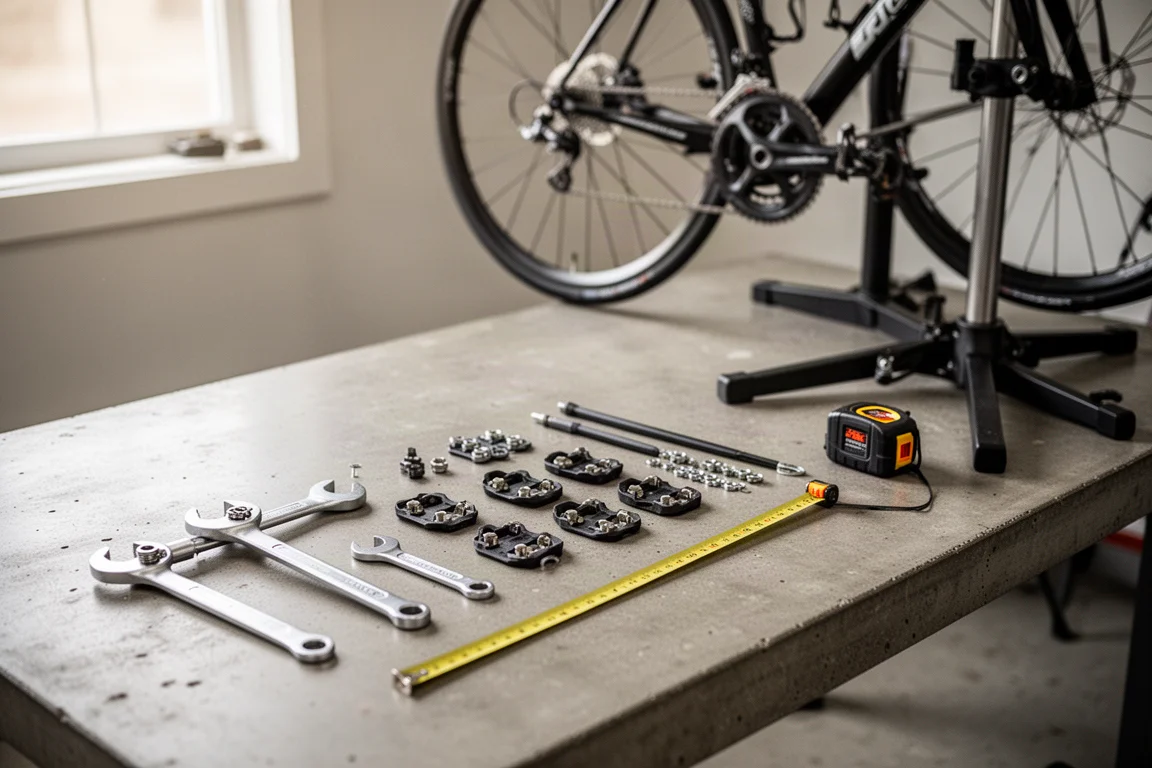
If your build is SRAM or Campagnolo, or if you are a lighter rider who wants lighter release tension, the Look Keo 2 Max is the natural alternative. If you feel pressure on the outside of your foot, or you simply need a wider stance, the SPD-SL E extended axle version addresses that directly, and it accounts for the large majority of pedal sales.
Off-road, SPD is the practical standard thanks to its recessed cleat, mud shedding, and dual-sided entry. Pair it with a stiff shoe for gravel and bikepacking, and consider an extended axle version only with guidance from a fitter.
Wahoo Speedplay suits riders who want maximum adjustability and easy dual-sided entry, and who are light enough that the smaller contact patch and the c-spring wear are not a concern.
On cleats, the pattern is consistent across systems: choose float. The zero-degree options lock the foot in place, and every system compared here offers a float alternative.
Conclusion
Pedal choice comes down to a small number of physical factors: contact patch, float, stance, and durability. SPD-SL leads on stability and bearing quality, Look Keo 2 Max offers adjustable tension and brand neutrality, extended axle options solve a genuinely common fit problem, and SPD remains the standard for off-road riding and walking. Match the system to how and where you ride, and the decision becomes much simpler.
Further reading
Related Reviews
Cycling Components
A 20,000-Mile Budget Race Bike Build: Five Parts Worth Knowing
A rim brake race bike assembled from low-cost components and ridden for 20,000 miles. Here is what delivered real speed, what caused problems, and what to weigh before copying the formula.
Cycling Components
7 Bike Fit Products Fitters Avoid: What to Check Before You Buy
Seven bike components that regularly cause knee, foot and saddle problems, with the specific concerns behind each one and what to look for instead.
Cycling Components
Four Affordable Bike Upgrades That Improve Ride Feel
Four low-cost cycling products that make a real difference to ride feel, plus the free setup changes worth trying first.