Indoor Gardening
Click & Grow Smart Garden 3 Review: A Deliberately Simple Way to Grow Indoors
A hands-on unboxing and first impressions of the Click & Grow Smart Garden 3, covering its nutrient-free pods, minimal design, and who it actually suits.
Introduction
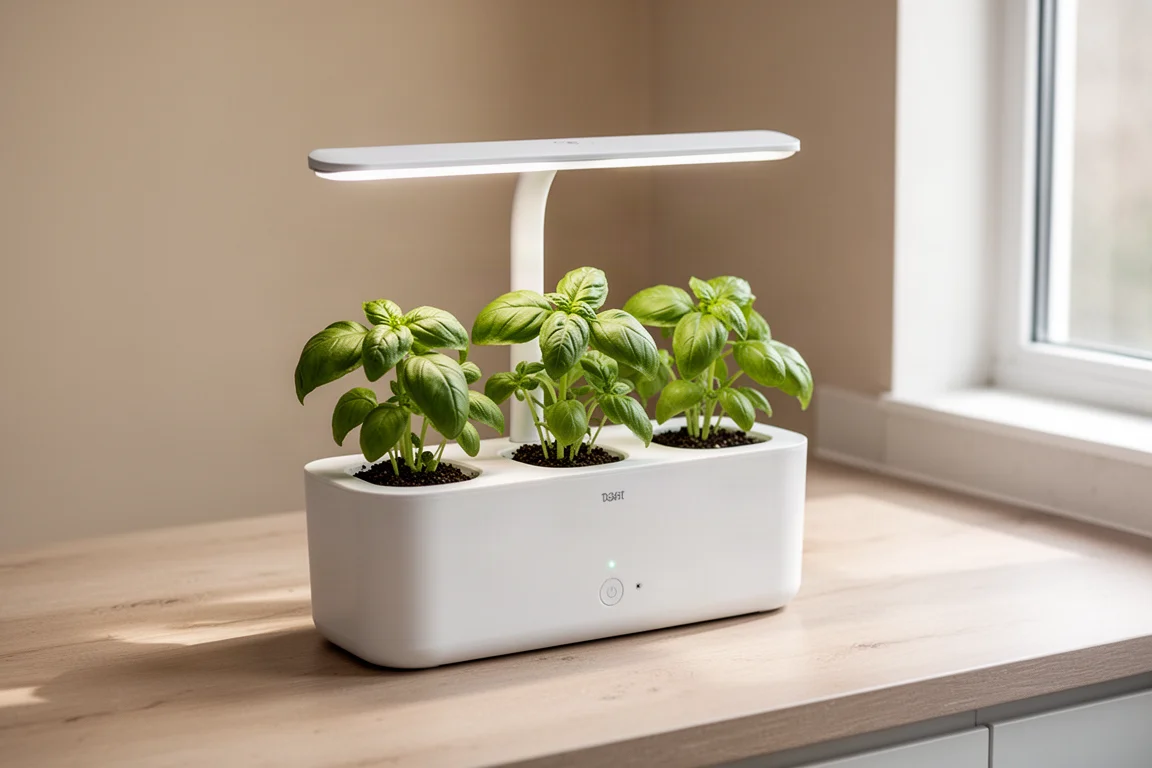
If you have been curious about Click & Grow, this one goes out to you. The Smart Garden 3 is the brand’s small countertop system, and it stands out from other indoor gardens in one major way: it does not use any liquid nutrients. Everything the plant needs is built into the soil-less pod itself.
That claim is both intriguing and worth some skepticism, so we picked up the three-pod unit, took it out of the box, and set it up. This article covers what comes in the box, how the system works, and the first impressions that matter before you commit to a full grow cycle. Planting and harvest results come later, but there is already plenty to say about who this machine is really for.
Who This Product Is For
The Smart Garden 3 is aimed squarely at beginners. Because there are no nutrients to dose, no pump to maintain, and no settings to adjust, it removes nearly all of the fiddling that scares people away from indoor growing. If you feel like you have a black thumb or you are just starting out and nervous about getting things wrong, this could be a genuinely good option.
The brand offers over 50 types of edible and decorative plants, with examples including mini tomato, parsley, strawberries, green lettuce, polka dot plants, and purple chilies. There are also “grow anything” pods that let you use your own seeds, which is a big plus if you want flexibility beyond the official catalog.
Unboxing and First Look
The unit reviewed here is the white version, and out of the three available colors (white, gray, and beige) the white genuinely looks nice on a counter. The aesthetic is clean and unobtrusive, which matters for something that will sit in your kitchen.
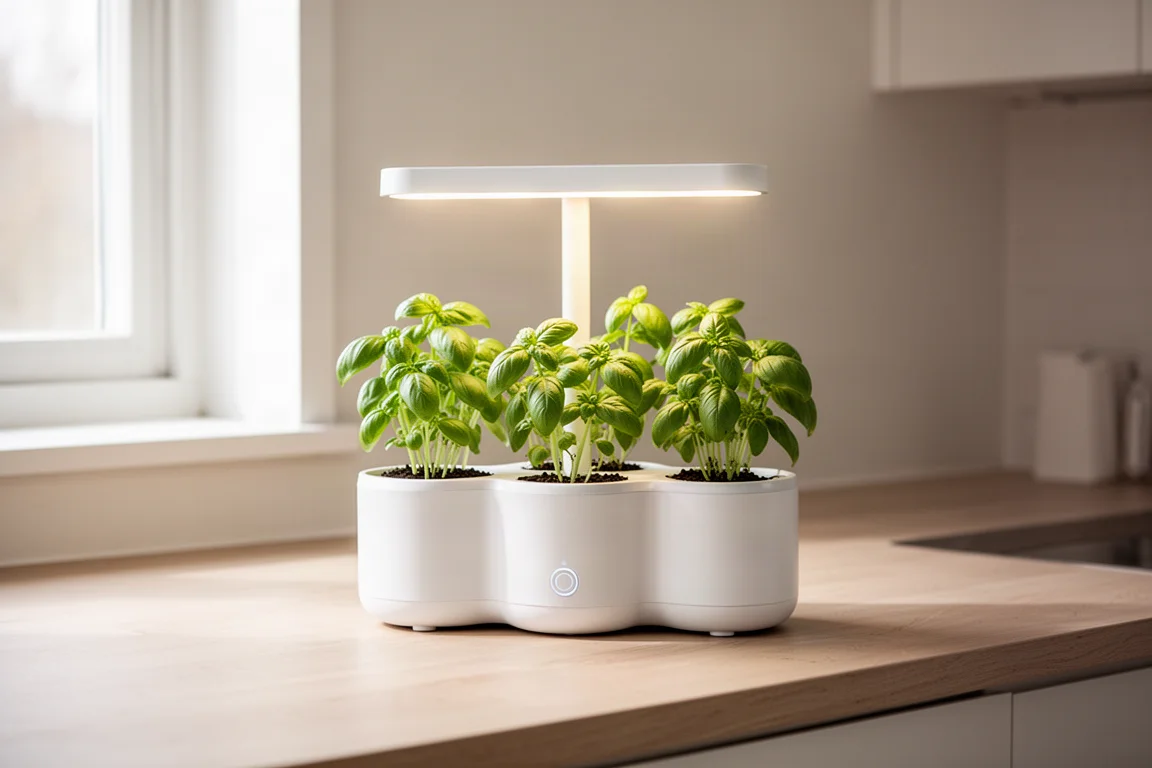
Inside the box you get the Smart Garden itself with three pod slots, the light, two extension pieces for raising the light, the plug adapter, and three complimentary soil pods pre-seeded with basil. There is also a small welcome card, and you should be careful when removing the contents because the plug is attached to the instructions.
How the Pod System Works
The pods are small. Compared to a hand, they are compact units, wider than the pods used by AeroGarden systems and a bit meatier than Rise Garden pods, but still not large. Each pod holds the plant, the growing medium, and a built-in nutrient supply, which is how Click & Grow gets around asking you to add nutrients.
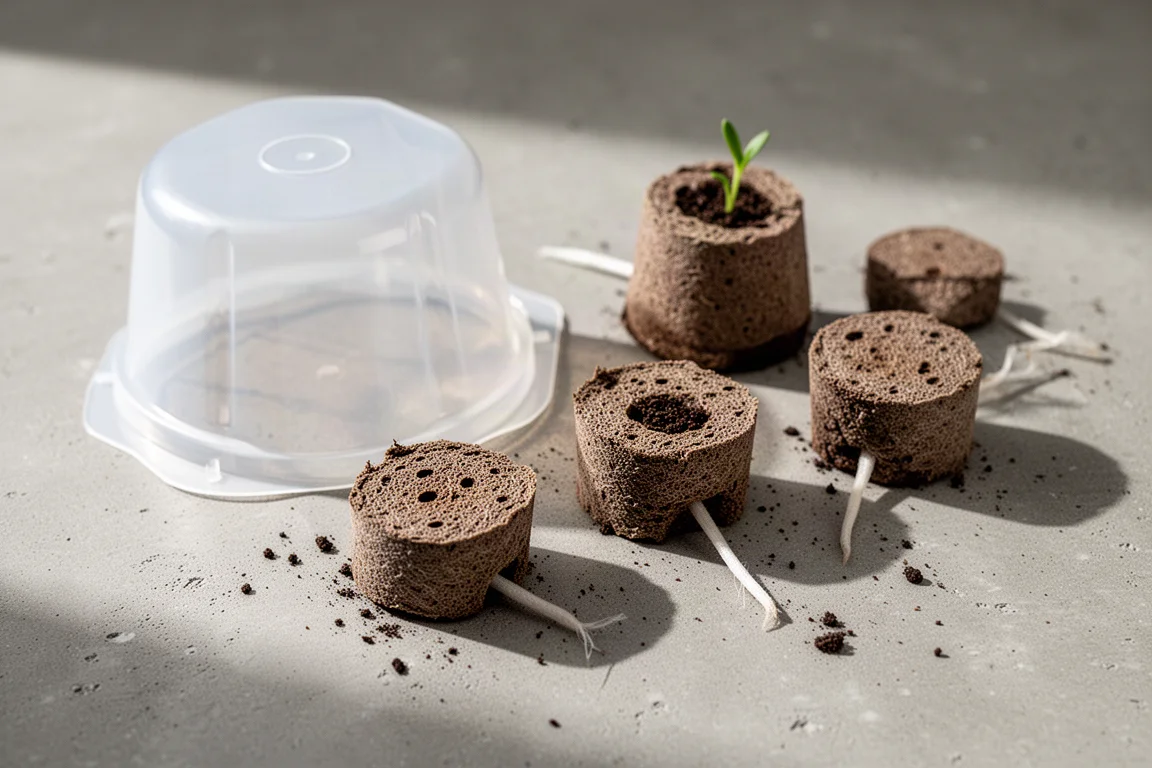
Each pod has a wick at the bottom that draws water up from the reservoir. A U-shaped cover sits on top of the pod to block light from reaching the water, which helps prevent algae growth. A small grow dome goes on top at the start to boost humidity and support germination; take it off once seedlings get tall enough to touch it, since trapped moisture against leaves can burn them.
The catch is root space. Everything stays inside the pod, and roots are not encouraged to grow down into the water reservoir, so there is not much room for a large root system. That is worth keeping in mind if you have grown large lettuces in other systems before.
Setup and Everyday Use
Setup is about as simple as it gets. Fill the tank with water (1.5 liters, or 50.7 fl oz) until the float rises level with the top of the garden, drop in a pod, add the lid and dome, and plug it in. Without the narration, this is arguably the quickest setup of any countertop garden.
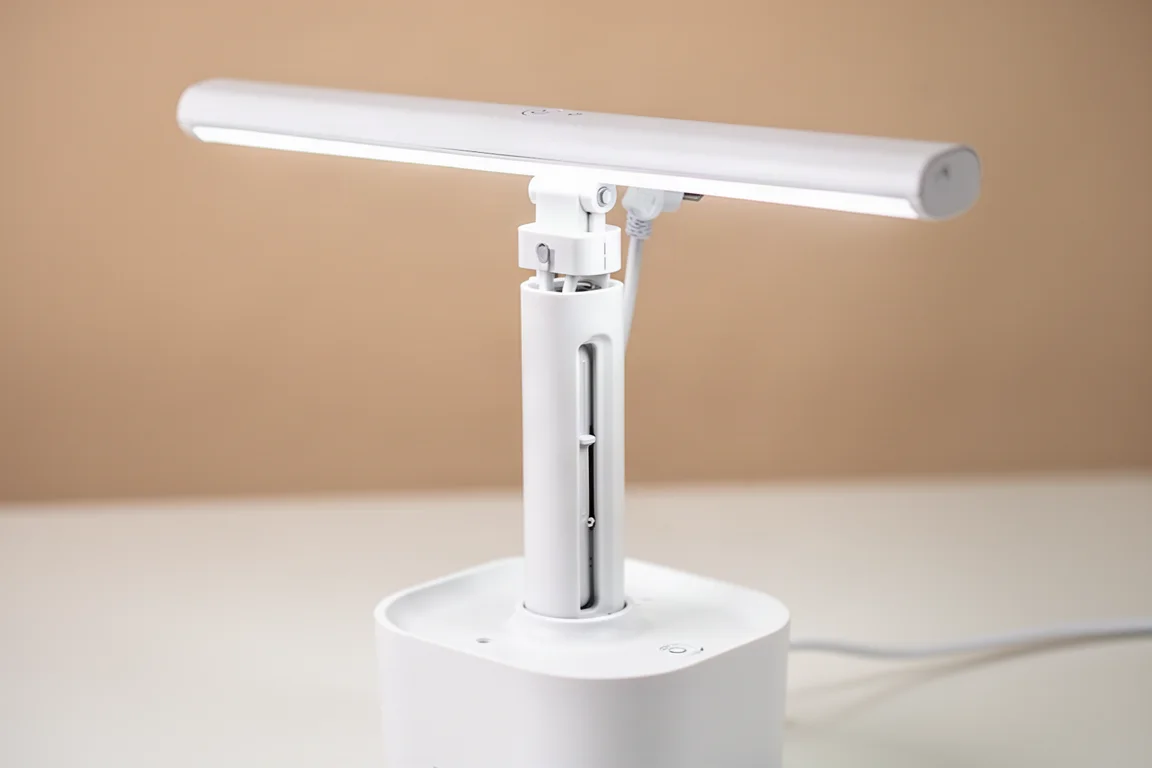
The light runs on a 16 hours on, 8 hours off cycle, and it comes on when you plug the unit in, so plug-in time effectively sets your light schedule. Leave the light in the lowest position for germination and seedlings, then add the extension pieces as plants grow taller. The extensions click onto the back with the cable groove facing rearward, and the whole light bar simply lifts off its mount. It is a bit more manual than some other systems, but it works.
Two small details help day to day. The back of each pod slot has a little label area where a washable marker lets you note what is planted where. And because there is no display at all, the floating water level indicator is your only gauge for the reservoir, which is simple but effective.
Design Trade-Offs Worth Knowing
This is a very low-tech machine. The only powered component is the light. There is no pump, which means the water sits relatively stagnant rather than circulating like it does in some competing countertop gardens. Fewer parts means fewer things to break, and that simplicity is a real selling point for first-time growers, but it is a trade-off you should make consciously.
The nutrient question is the big one. The built-in nutrient supply sounds reasonable for short-lifecycle crops like leafy greens, where the plant finishes quickly. It is harder to imagine a small pod sustaining a fruiting plant such as a tomato or pepper that can grow and produce for over a year. A long-term trial with a compact tomato variety is planned to see whether the pod holds up, and that is exactly the kind of experiment skeptical buyers should watch for.
First Impressions
After unboxing and setup, the summary is straightforward: very basic, nice styling, no pump, no tech beyond the light, and limited root space. The lack of nutrients is the most interesting and most uncertain part of the whole package.
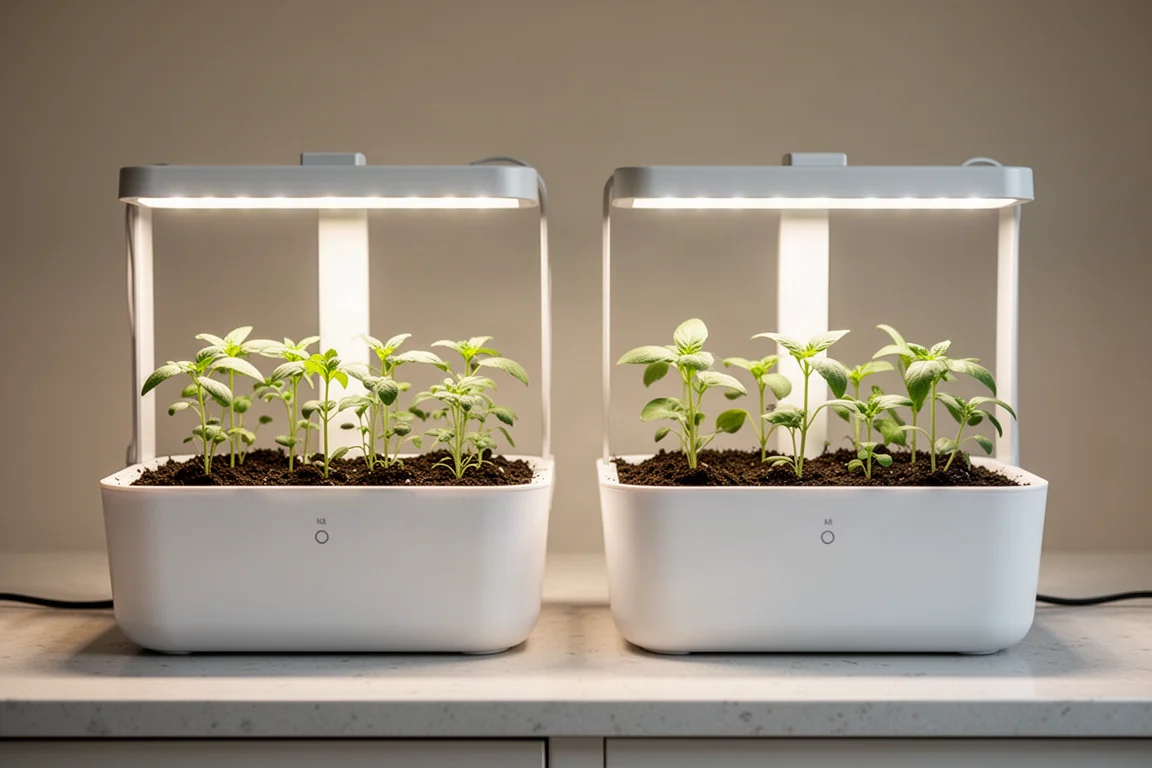
A side-by-side comparison is the natural next step, pairing the Smart Garden 3 against another small countertop system growing the same plants at the same time, including a compact tomato, to see whether the nutrient-free approach makes a visible difference. For now, the honest assessment is that this is an appealing, low-effort starter garden whose long-term growing claims still deserve real-world testing before full trust.
Buying Advice
Choose the Smart Garden 3 if you want the lowest-maintenance possible introduction to indoor growing: no nutrient bottles, no pump, and a light you raise by hand. Leafy greens and herbs are the safest first crops given the pod size and nutrient capacity. If you plan to grow long-lived fruiting plants, go in knowing the built-in nutrients are the main open question. If you want to experiment, the grow-anything pods make it easy to try your own seeds.
Conclusion
The Click & Grow Smart Garden 3 is a well-designed, genuinely simple countertop garden that trades tech and flexibility for ease of use. It is hard to beat for beginners who want to plant a pod, add water, and forget about maintenance. Whether its nutrient-free pods can sustain long-lived plants over many months is the key question still to be answered by an actual grow, but as a stylish, low-effort entry into indoor gardening, it makes a strong first impression.
Product link
View more details for Click & Grow Smart Garden 3
This product is mentioned in the review. Check the specifications, options, and compatibility before buying.
View more details for Click & Grow Smart Garden 3Further reading
Related Reviews
Indoor Gardening
AeroGarden Eight-Pod System Review: A Budget Hydroponic Garden That Works
After a few months of growing dill, a shishito pepper, and micro tomatoes, here is what this eight-pod hydroponic system gets right and what to watch for before buying.
Indoor Gardening
AeroGarden Buying Guide: How to Choose the Right Model for What You Want to Grow
From the 3-pod Sprout to the 24-hole Farm Plus, here is what actually matters when picking your first AeroGarden, plus the growing tips nobody tells beginners.
Indoor Gardening
AeroGarden Farm After 8 Years: What I Wish I Knew Before Buying
A long-term look at the AeroGarden Farm, the 12XL alternative, and why a Rise Garden won out on space efficiency.