Indoor Gardening
Click and Grow 25 Review: A Succession-Planting Garden Built for Leafy Greens
A hands-on look at setting up the Click and Grow 25, how its five-week tray cycle works, and who it actually makes sense for.
Introduction
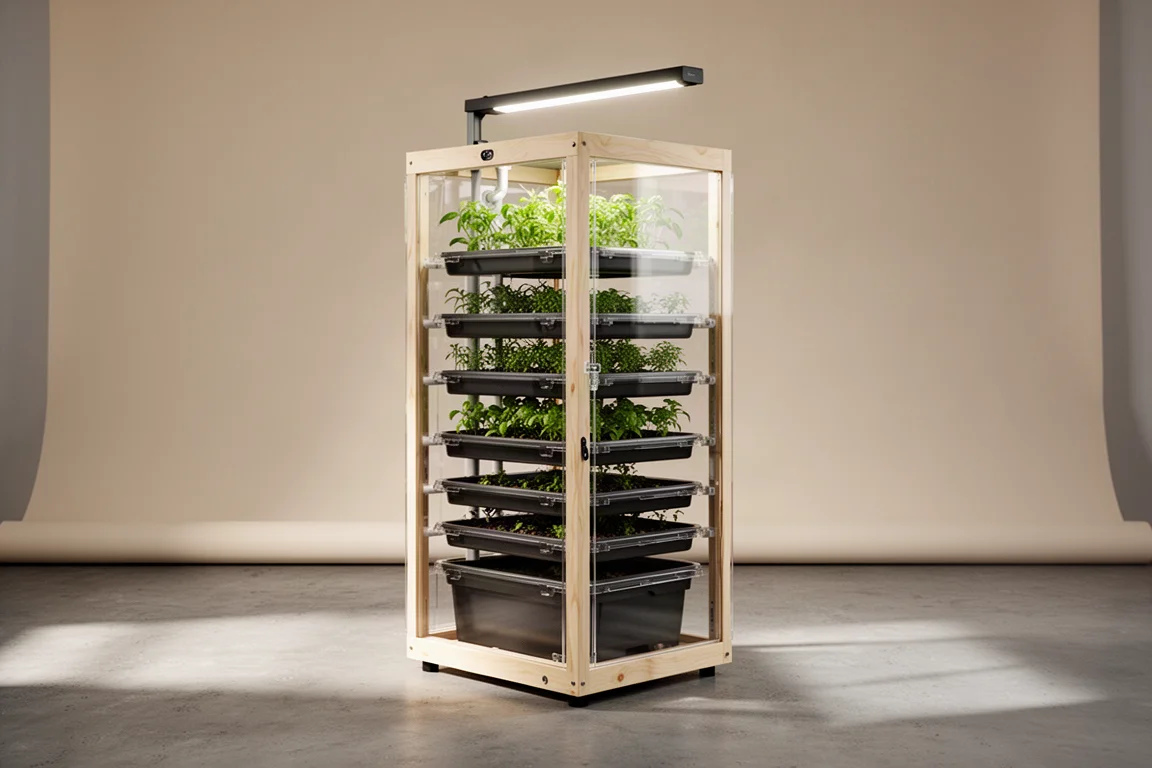
The Click and Grow 25 is the largest garden in the Click and Grow lineup, and it takes a different approach from most countertop hydroponic units. Instead of one dense planting tray, it is built around five trays that cycle through the same five-week growth schedule, so a new tray of plants goes in every week and a mature tray comes out for harvest.
That design makes it less of a general-purpose garden and more of a leafy green production line. Here is what setting it up is actually like, what it does well, and the trade-offs worth knowing before you buy.
Setup and Build Quality
The unit arrives in a large, heavy box, and the heaviest single component is the water drawer, which slides in and out of the base. Keep that in mind while unboxing so it does not slide out unexpectedly. Assembly itself is straightforward: attach the legs and end pieces with the included hardware and Allen key, tighten everything down, and recheck the bolts afterward since they can loosen as you work around the frame.
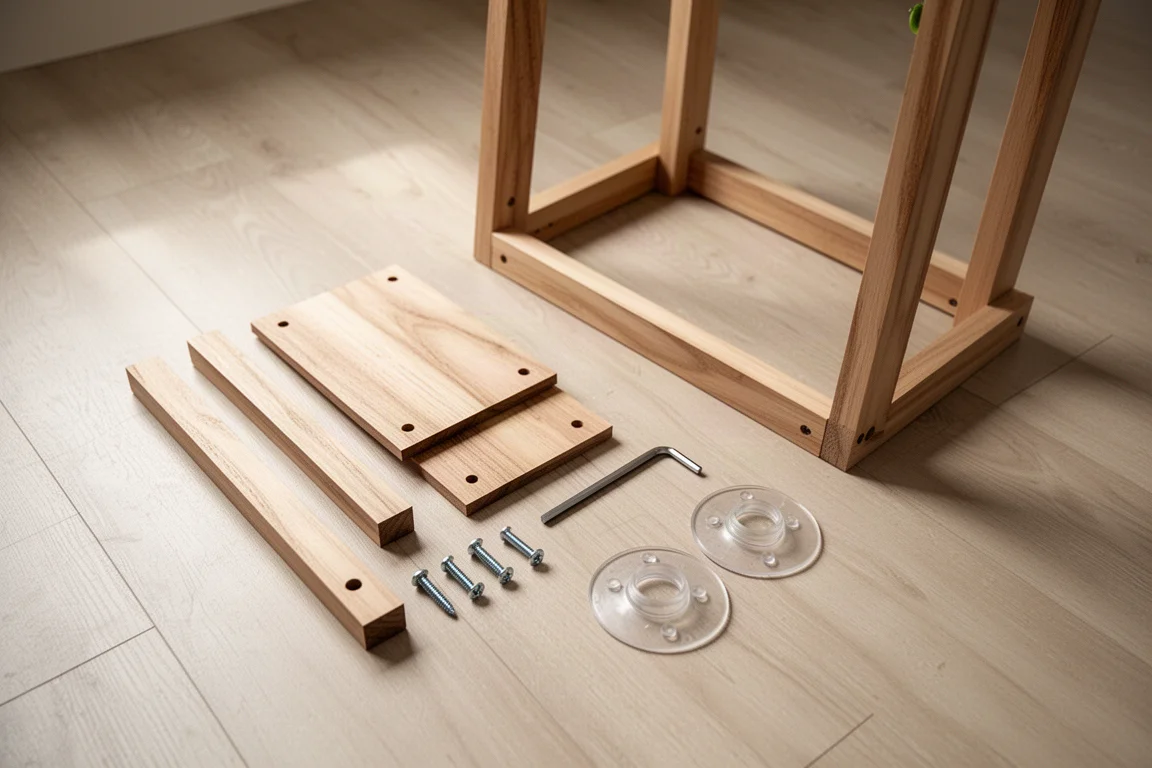
A few setup details are worth flagging. The legs are asymmetric, with bolt holes spaced differently top and bottom, so they only fit one way. Clear silicone pads go on the feet to prevent slipping, and the unit is stackable: if you buy two, the pads and included brackets only go on the bottom unit. The clear side panels come with protective film that is genuinely stubborn to peel, and the plastic end pieces can take some wiggling to seat fully.
One practical lesson learned the hard way: install the power adapter and cable clips before pushing the unit flush against a wall. The power port sits at the back, and the box includes interchangeable plug adapters for different regions, which is a nice touch.
How the Pod System Works
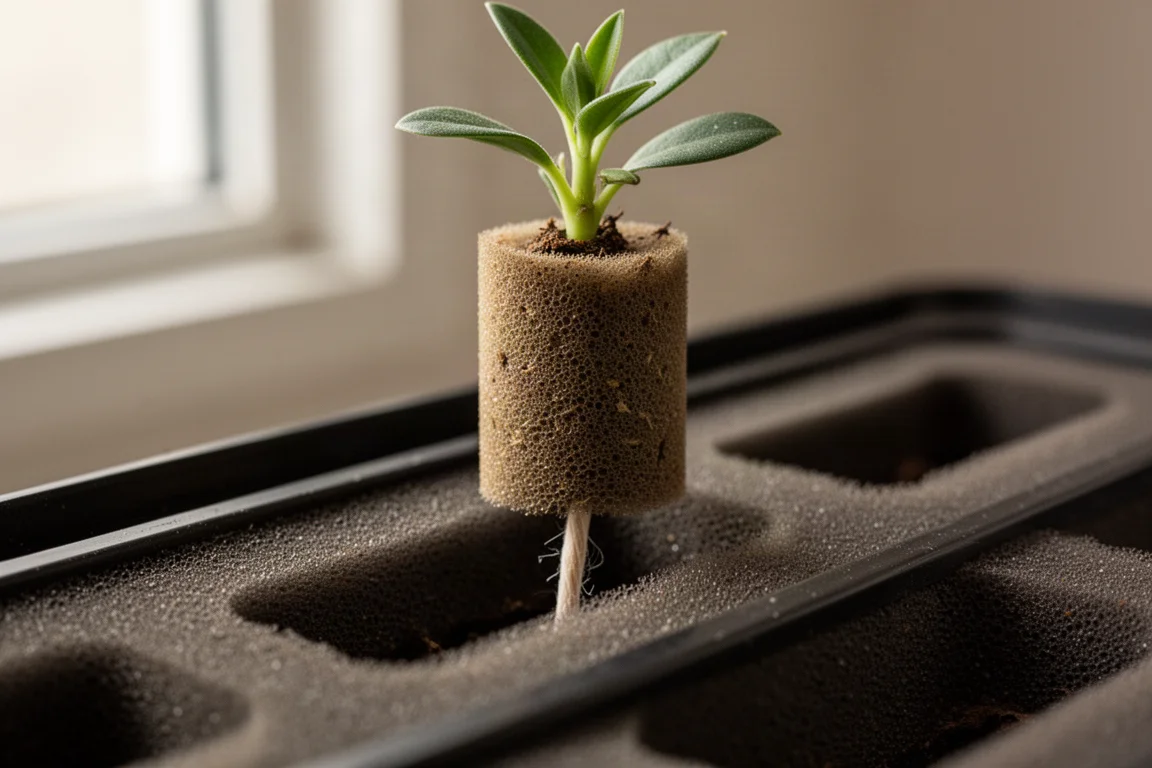
Like other Click and Grow systems, there is no pump and no nutrients to dose into the water. Everything the plant needs, including the seeds, is preloaded into a small pod. The pod sits in a tray, a wick draws moisture up from the reservoir, and that is essentially it. It is a set-and-forget approach.
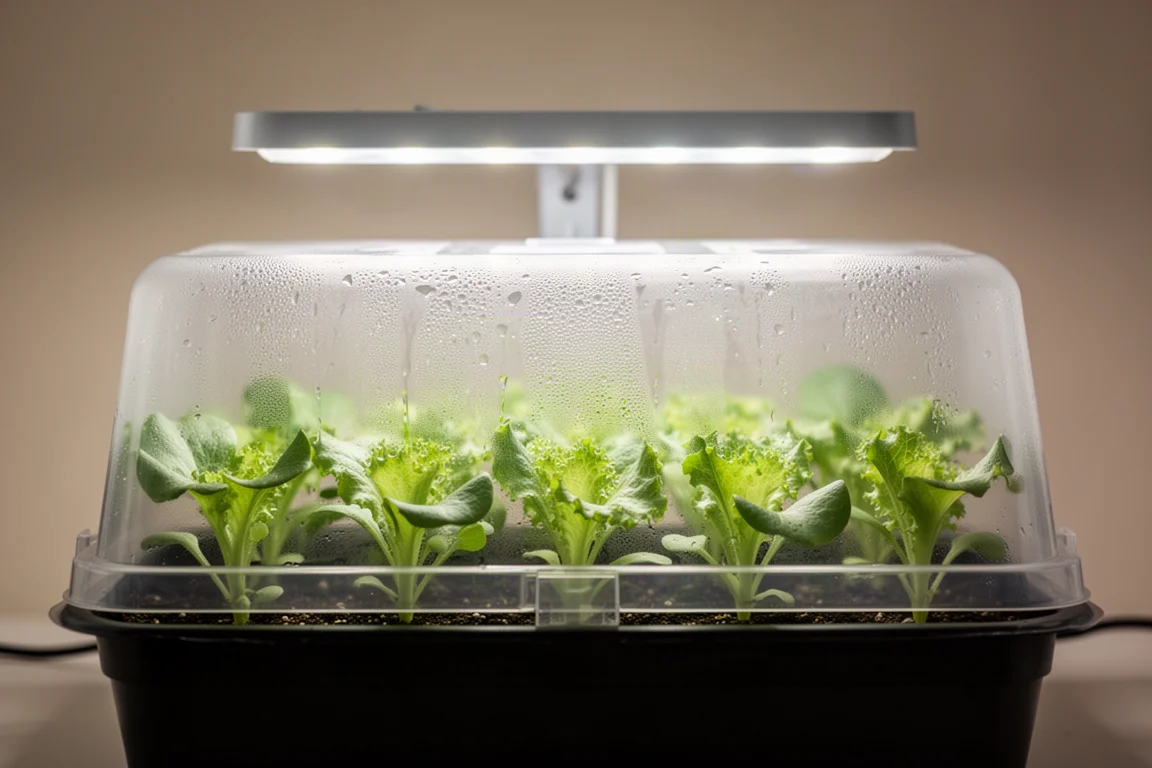
The included lid doubles as a humidity dome for germination. You start one tray of seeds under it, and once they sprout, you move the dome to the next tray of fresh seeds. The unit tracks water level with min and max markings plus a low-water indicator that flashes, and pairing with the app over Bluetooth lets you set up your planting schedule and choose which side to harvest from.
The app supports a five-week cycle with one new tray each week, effectively automating succession planting. By the time all five trays are filled, your first planting is ready to harvest, giving you a continuous supply of greens.
Who It Is For
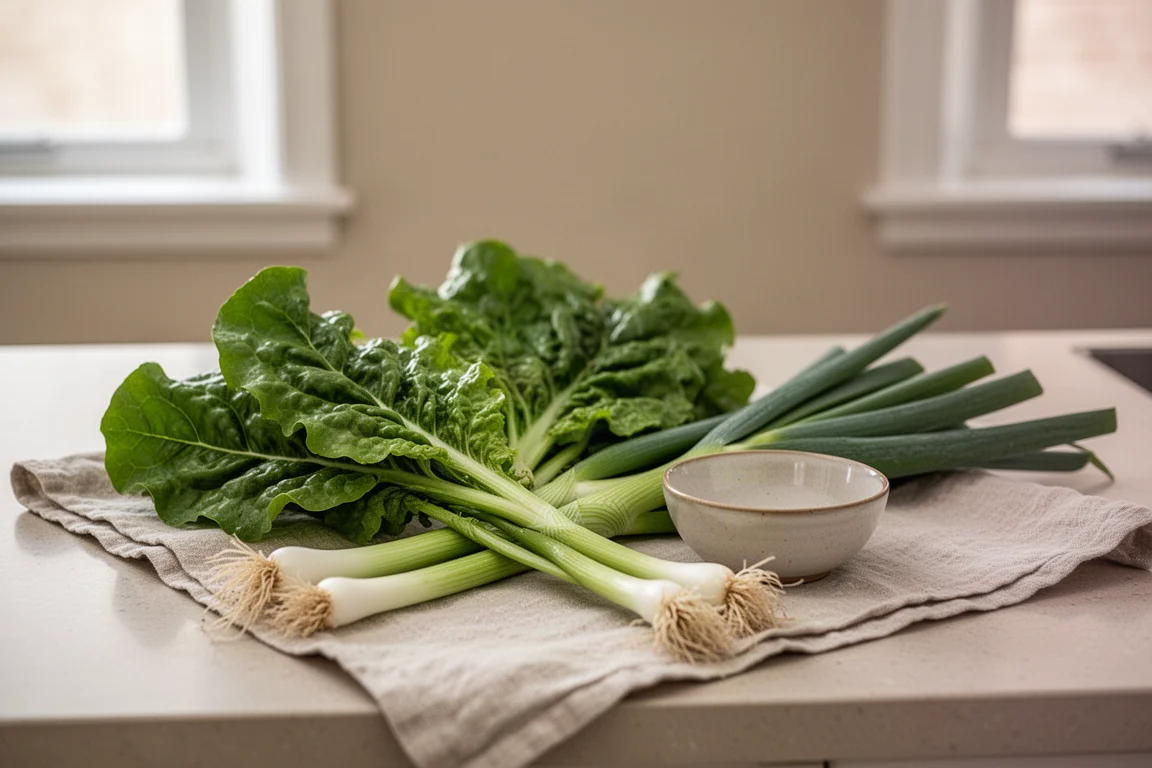
This unit is clearly geared toward leafy greens and herbs. Lettuce, herbs, and things like green onions fit the weekly harvest rhythm perfectly. The built-in handle clicks into the trays so you can lift a mature tray out cleanly, which makes the harvest step simple.
If you eat a lot of salad, the continuous supply is the main appeal, and buying a second unit to stack is a sensible way to scale up. It is also a genuinely good fit for beginners who do not want to research pumps, nutrients, or feeding schedules.
Things to Consider Before Buying
The biggest thing to understand before purchasing is that this is not the garden for fruiting plants. A tomato or pepper will not want to be moved along a tray cycle, and even with the grow-anything optimized pods that carry extra nutrients, there is a real question of whether the pods alone can support heavy-feeding plants long term. If you want to grow flowering or fruiting crops, a system that lets you add nutrients and dial in feeding is the better tool.
The succession concept can also catch you off guard if you did not realize what you were buying. Five trays of lettuce a week is a lot of lettuce, so plan your crops accordingly. Finally, the low-water alert is a flashing light on the unit itself; pairing with the app for notifications is worth doing if you are not always in the room.
Buying Advice
Buy the Click and Grow 25 if you want a dedicated, low-effort machine for salad greens and herbs and you like the idea of harvesting every single week. Skip it if your main goal is tomatoes, peppers, or other fruiting plants, or if you want full control over nutrients. It does one job, and it does it with almost no fuss.
Conclusion
The Click and Grow 25 is best understood as a succession-planting system rather than an all-purpose garden. For leafy greens and herbs, its weekly tray cycle, app pairing, and pod-based simplicity make it one of the easiest ways to keep a steady harvest going indoors. Just match it to the right crops and it delivers exactly what it promises.
Product link
View more details for Click and Grow 25
This product is mentioned in the review. Check the specifications, options, and compatibility before buying.
View more details for Click and Grow 25Further reading
Related Reviews
Indoor Gardening
AeroGarden Eight-Pod System Review: A Budget Hydroponic Garden That Works
After a few months of growing dill, a shishito pepper, and micro tomatoes, here is what this eight-pod hydroponic system gets right and what to watch for before buying.
Indoor Gardening
AeroGarden Buying Guide: How to Choose the Right Model for What You Want to Grow
From the 3-pod Sprout to the 24-hole Farm Plus, here is what actually matters when picking your first AeroGarden, plus the growing tips nobody tells beginners.
Indoor Gardening
AeroGarden Farm After 8 Years: What I Wish I Knew Before Buying
A long-term look at the AeroGarden Farm, the 12XL alternative, and why a Rise Garden won out on space efficiency.