Cycling Drivetrain
Classified Powershift Review: A Two-Speed Gear Hub Built to Replace the Front Mech
A closer look at the Classified Powershift two-speed gear hub, from its virtual compact gearing and drag-free feel to the price and integration questions buyers should weigh first.
Introduction
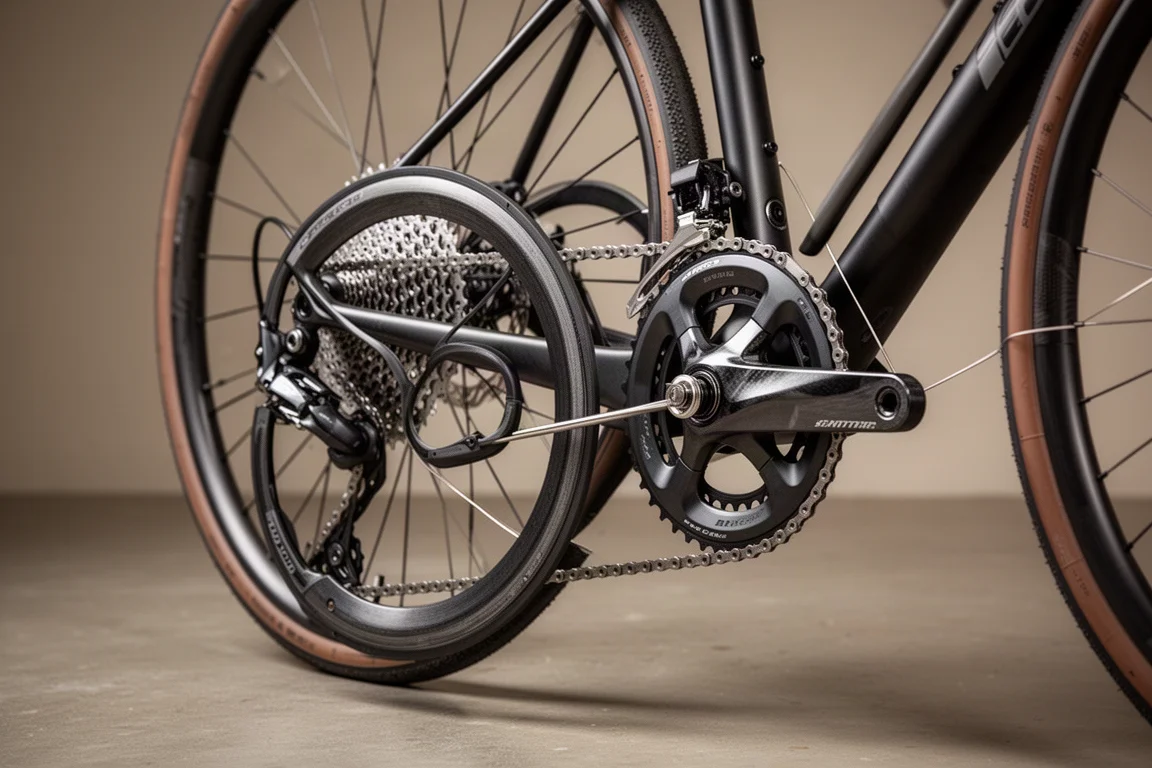
A genuinely new drivetrain idea does not come along very often in cycling, and the Classified Powershift two-speed gear hub is one of the more interesting arrivals in years. Mounted at the rear wheel, it packs two ratios into the hub itself: a direct one-to-one drive and a reduction gear that drops output by roughly 30 percent.
That second ratio is the trick. Paired with a large single chainring, it creates what amounts to a virtual small chainring. With a 52-tooth ring up front, the reduced gear behaves much like a 34-tooth ring, which is close to the compact gearing many riders already run on a drop bar bike. The appeal is straightforward: the clean lines and aerodynamic profile of a one-by setup, but without the wide jumps that come with an oversized single-ring cassette.
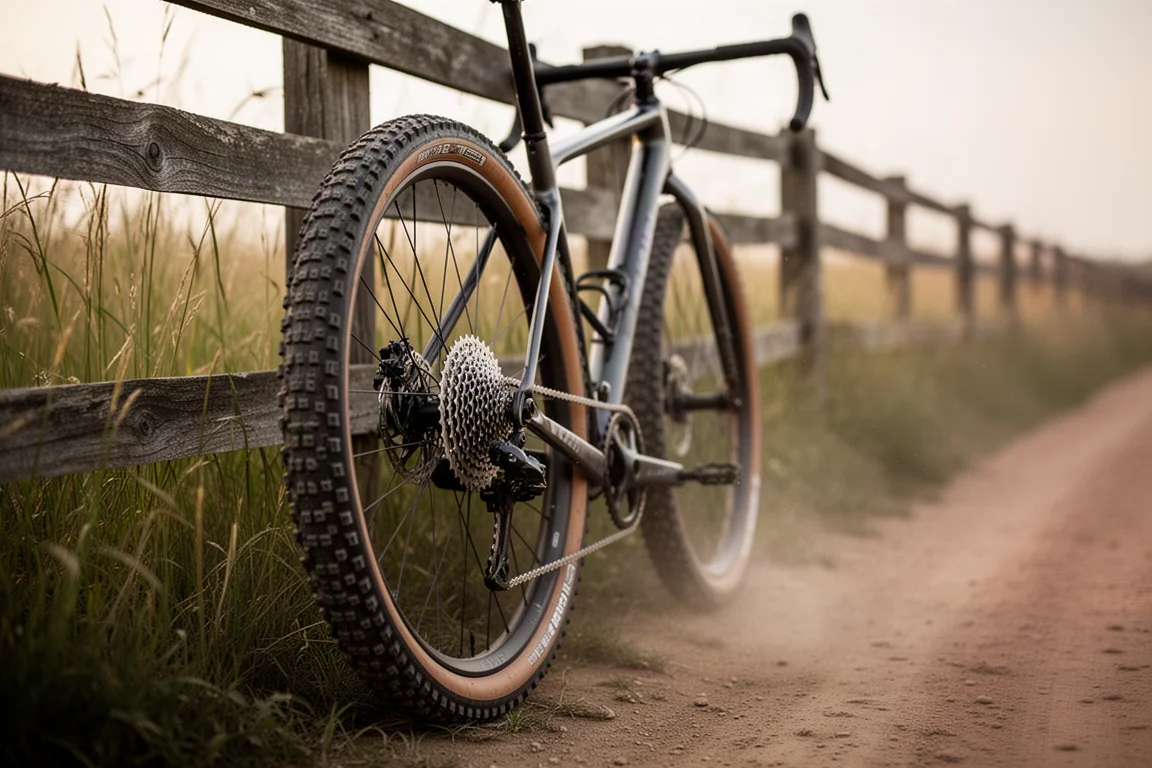
The system is sold as a complete package rather than a loose component, and the price puts it firmly in early-adopter territory. Whether it earns a place on your bike depends on where you ride and what you actually want from your gearing.
Who This Product Is For
This is a system for riders who want the simplicity of one-by without giving up a usable climbing gear. If you spend most of your time on fast rolling gravel, flat roads, and long sustained efforts where a big chainring keeps you moving quickly, the two-speed hub makes a lot of sense.
It is also worth a serious look from anyone who dislikes front derailleur maintenance, chainring management, and cross-chaining compromises. Because the two ratios live in the hub, there is no cross-chaining to worry about, and both gears can be used across the entire cassette. Riders who like to ride undulating terrain and switch ratios as the gradient changes will find the logic easy to follow.
Where it becomes a harder sell is for riders on terrain that is relentlessly steep. If your local climbs are short and brutal and you spend more time grinding than spinning, a single large chainring can leave you over-geared regardless of how clever the hub is.
Main Strengths
The headline benefit is range flexibility without the drawbacks of a conventional one-by drivetrain. Classified makes several efficiency claims for the design: a larger single chainring, a straighter chain line, and a smaller, more compact cassette with fewer of the large gaps that show up on increasingly wide-range gravel groupsets.
In practice, that combination is what makes the system feel like more than a novelty. You can run a big ring for high-speed road and gravel riding and still have a reasonably low gear for steep off-road climbs. You manage it much like a front derailleur: spend most of your time in the big ring, then drop to the reduced ratio when the gradient bites, and shift back once the terrain flattens out. The difference is that you are not obliged to think that way. Off-road, on rolling terrain, you can sit in the lower ratio for a while and return to the big ring when the surface speeds up.

Just as important, drag is not a factor here. Other gear hub systems, particularly on commuting and city bikes, can show noticeable resistance in certain gears. In this application there is no real detectable drag in either the high or the low ratio, and it rides like a normal one-by gravel bike. On the road, on grassy tracks, and bumping along gravel, nothing feels like it is holding you back.
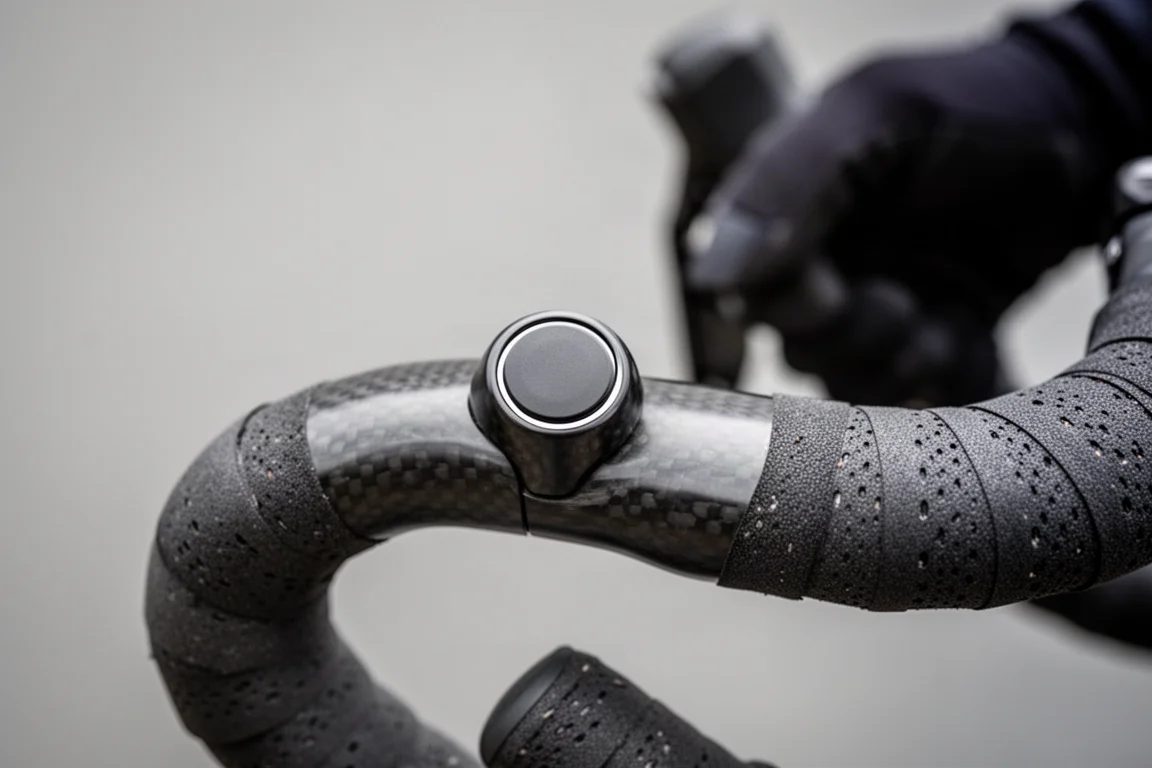
Shifting itself is simple too. A small button on the drops handles ratio changes, and it works whether you are moving or stationary. Classified claims it can shift under loads of up to 1000 watts.
Shifting Feel and Efficiency in Practice
The button placement is familiar to anyone who has used a satellite sprint shifter, and the action becomes second nature quickly. Under heavy power on a climb, though, the shift can land with a loud clunk. It is alarming the first time you hear it, but it does not affect function and there are no side effects. Riders who prefer mechanical sympathy and ease off slightly when changing gear under load will find the whole process quieter and smoother.
Weight is the other obvious question, and here the numbers are reassuring. Classified claims the system sits within 10 grams of a Shimano GRX Di2 two-by groupset with DT Swiss 350 hubs, which puts the hub concept roughly on par with a conventional drivetrain rather than at a disadvantage.
Efficiency is harder to judge without instrumented testing. What is clear is that the system does not feel slower than a regular one-by gravel bike on mixed terrain, and the low ratio does its job on steep climbs.
Things to Consider Before Buying
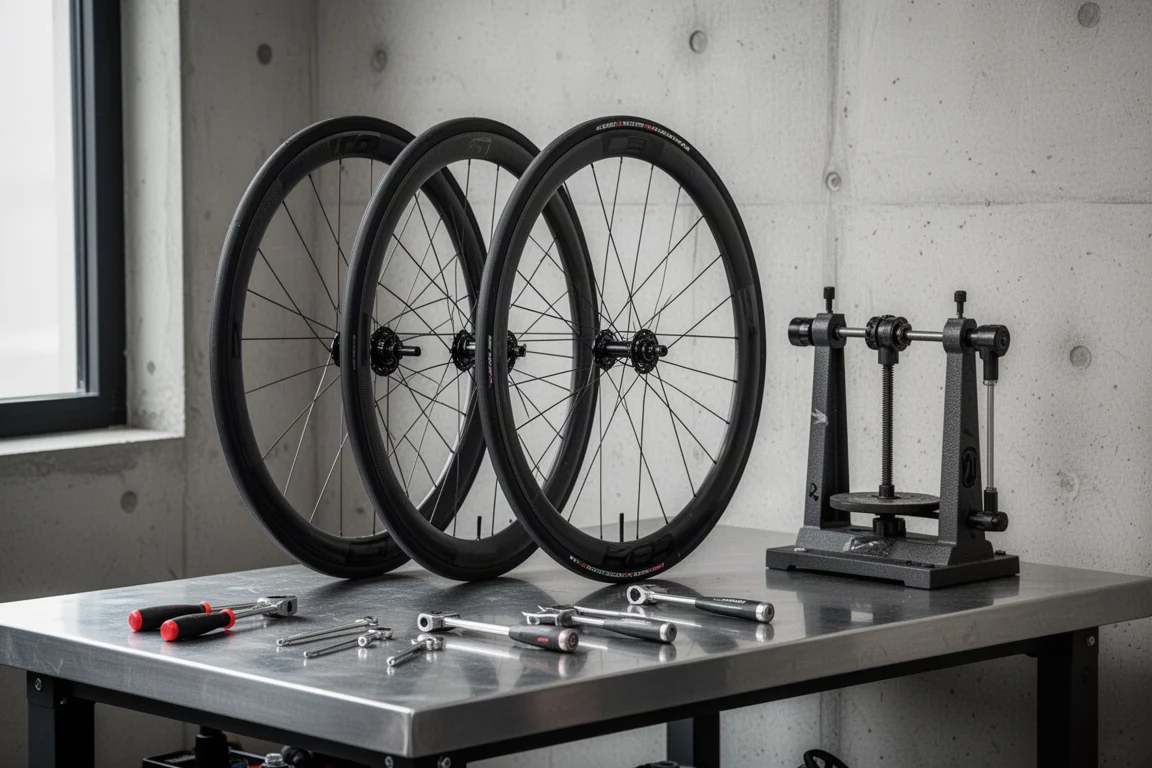
The first hurdle is cost. In the UK, a complete system runs to £2,300, and that package includes the rear hub with the gear hub internals, a set of carbon fibre wheels, the thru axle with its wire transmitter, and the handlebar shifter. That figure is a real barrier for mainstream adoption, and the more likely path to wider uptake is a cheaper option that lets riders build the hub into their own wheels from whichever brand they already trust.
There are two other practical points. The system uses Classified’s own cassette because of the way the hub is designed, so you cannot simply fit whatever you have in the spares box. The good news is the pricing is sensible: around £170 each, which undercuts a comparable SRAM Eagle GX cassette, with 11-speed and 12-speed options ranging from 11-27 up to 11-34. Machined from a single piece of steel with excess material removed, it is a genuinely well-finished part.
Then there is integration. Being unable to change ratio from the existing Shimano GRX Di2 or SRAM one-by eTap shifters feels like a missed opportunity. If you are used to shifting from the levers, the separate button takes some adjusting to, and it would be easier to manage on a rattling gravel track if the two systems talked to each other properly.
Gearing, Terrain, and Integration
Gearing choice matters more than it might first appear. A 52-tooth chainring gives you speed on the flat, but it can feel like too much on genuinely steep local climbs. Fitting a smaller chainring is the obvious fix, and it is the change most riders would want to make before committing to the setup long term.
That points to a broader question about fit. If you live somewhere flat, ride fast gravel and road surfaces, and want to hold a high average speed while keeping a reasonable climbing gear, this system is close to ideal. If your terrain is short and steep, a wide-range one-by with a very low bottom gear, or a two-by setup with a genuinely small inner ring, may serve you better. The hub does not remove the need to think about what your riding actually demands.
Buying Advice
The Powershift system is a clever, well-executed piece of engineering, and it is easy to see why it attracts attention. It brings the clean looks, aerodynamics, and simplicity of one-by together with fewer of the yawning gaps you get on a huge single-ring cassette, and it does so without adding noticeable drag or weight.
Buy it if you ride fast terrain, want a big chainring for speed, and still want a usable lower gear for the climbs you do meet. If you can commit to a complete package today, the system works well and shifts reliably. If you would rather keep your existing wheels, wait for the hub to be offered on its own, or want native shifting from your current Di2 or eTap levers, it is reasonable to hold off and see how the platform develops.
A front derailleur is not going to disappear. It is cheap, it works for a great many riders, and it has plenty of loyal users. But a growing niche for a system like this in the gravel and road sectors looks very plausible, and it has already appeared in professional racing. That alone makes it one of the more exciting drivetrain developments to watch.
Conclusion
Classified Powershift is not reinventing the gear hub so much as applying it in a lightweight, efficient way that finally makes sense on a high-performance drop bar bike. The ride quality is the strongest argument: no detectable drag, simple shifting, and a virtual compact gear range that lets a big chainring coexist with genuine climbing ability.
The reservations are equally clear. At £2,300 for a complete system, the price limits it to early adopters. Integration with the major electronic groupsets is not there yet, and the proprietary cassette adds a small amount of lock-in. For riders on fast, rolling terrain who want one-by simplicity without one-by compromises, it is a genuinely compelling option worth considering.
Product link
View more details for Classified Powershift
This product is mentioned in the review. Check the specifications, options, and compatibility before buying.
View more details for Classified PowershiftFurther reading
Related Reviews

Backpacking Gear
Building a 10 lb Base Weight: An Ultralight Backpacking Gear List
A practical walkthrough of the ultralight pieces behind a 10 lb base weight, from a 765 g pack and a roomy one-person tent to a full camp chair and a dependable water filter.

Road Bikes
10 New Road Bikes Worth Watching: Aero, Titanium, Steel and Endurance Standouts
A practical roundup of 10 new road bikes, from aero flagships chasing single-watt gains to titanium, steel and endurance platforms built for real roads.
Bikepacking Gear
11 Bikepacking Essentials for Long-Distance Cycling
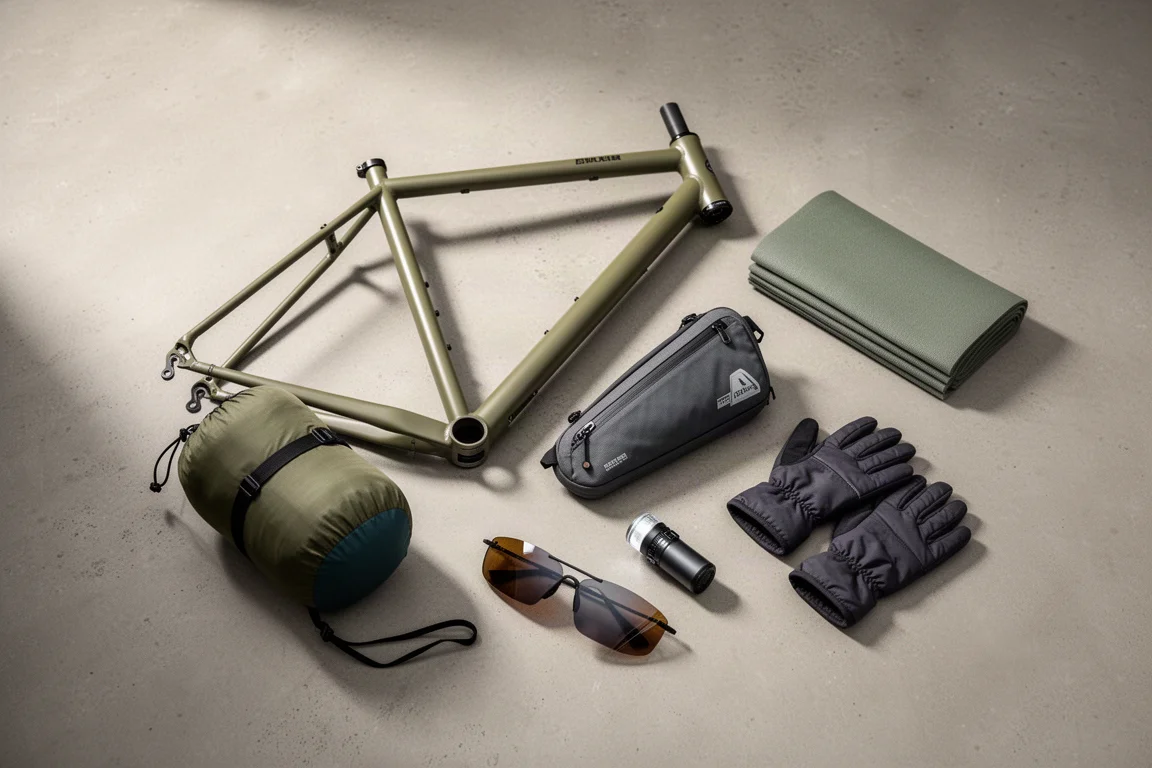
Eleven bikepacking essentials for long-distance cycling, from a steel gravel frame and a two-person tent to helmet lights, packable gloves, and a frame bag that puts weight in the right place.