Power Amplifiers
Classé Audio Fifteen Power Amplifier Review: Vintage Warmth With Modern Clarity
A used-market Classé Audio Fifteen delivers 175W into 8 ohms, balanced inputs, and a warm, spacious presentation that still holds up against far pricier modern amplifiers.
Introduction
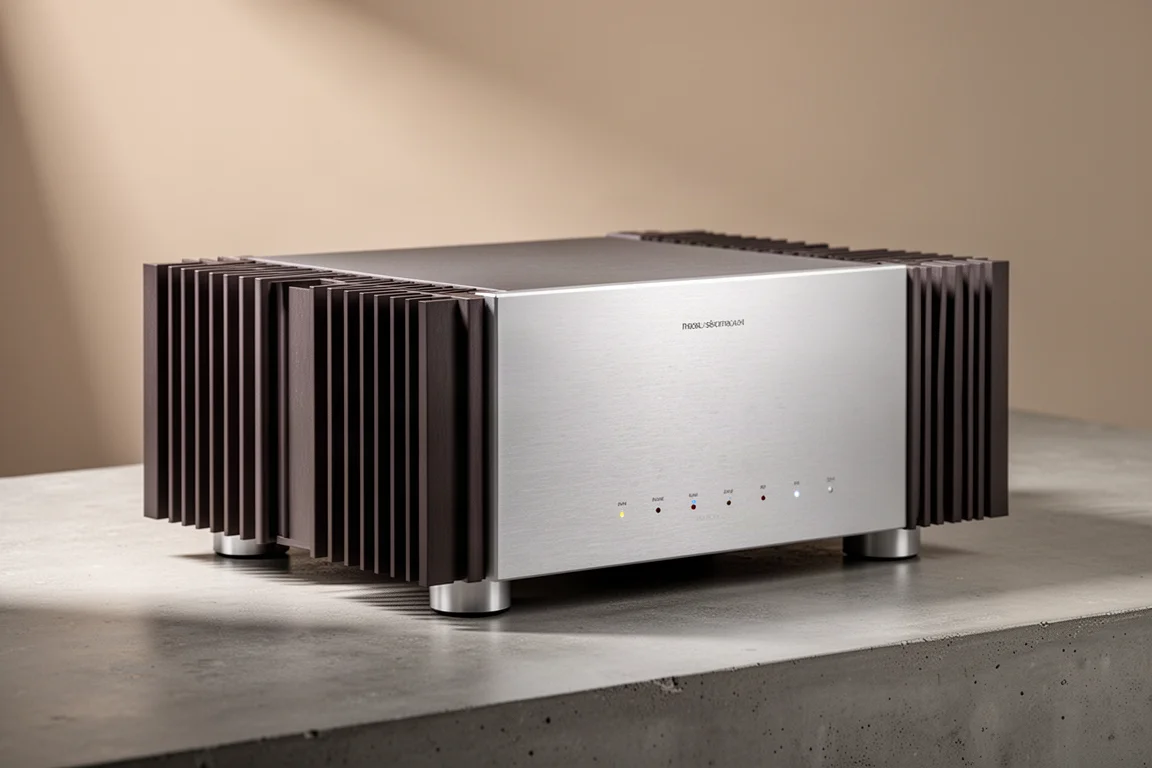
The Classé Audio Fifteen is a stereo power amplifier that was in production from 1994 to 2008, which means it is now a vintage component available only on the used market. Classé Audio has been building high-end audio equipment for a long time, and the Fifteen reflects that heritage: a mid-sized chassis weighing roughly 60 pounds, rated at 175 watts into 8 ohms and more than double that, around 375 watts, into 4 ohms.
It is a class AB solid-state design with both balanced XLR and RCA inputs, and it can be bridged into mono to deliver a claimed 700 watts into 8 ohms or around 1200 watts into 4 ohms. That mix of vintage build and modern connectivity is unusual, and it is the main reason this amplifier is worth a closer look today.
Who This Amplifier Is For
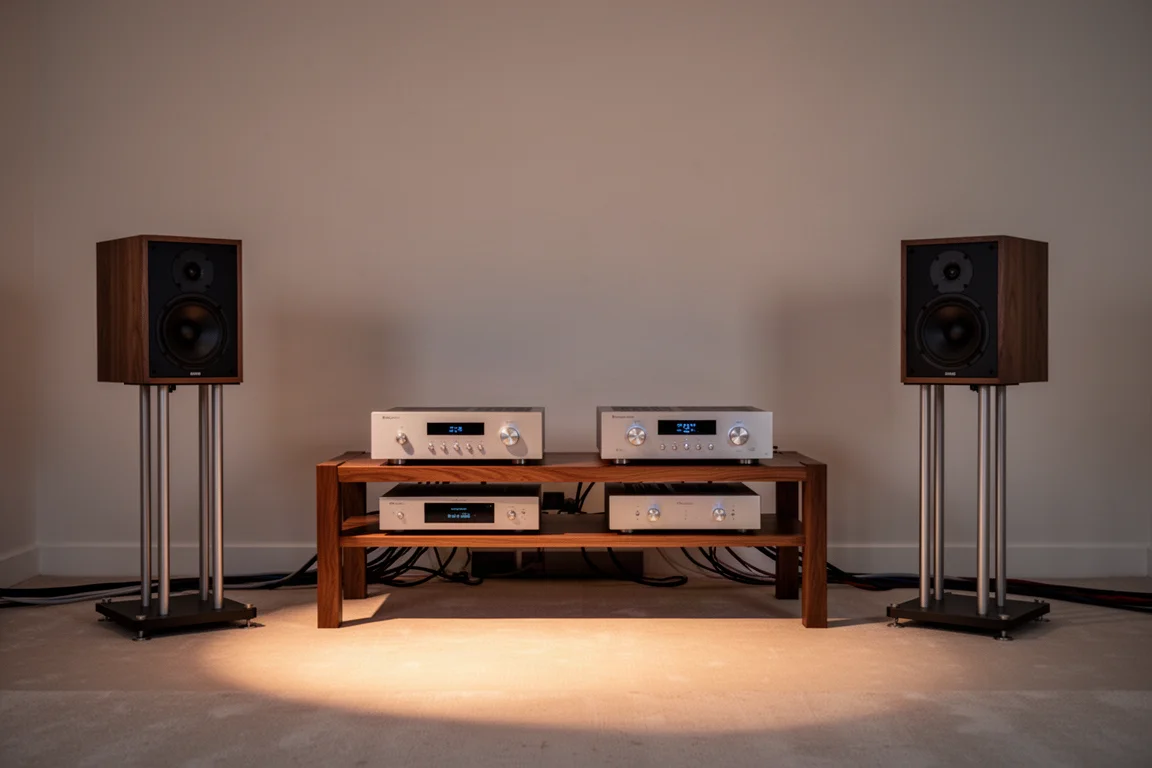
This amplifier suits listeners who run a modern preamplifier and want the warmth and spatial character often associated with tube gear, but from a solid-state class AB design. It is also a natural fit for anyone building a second system around used components and willing to work with the practical quirks that come with vintage equipment.
It is less suited to anyone who wants a plug-and-play purchase with current retail support, or who relies on banana plugs for speaker connections. The Fifteen rewards a little patience and the right system around it.
Main Strengths
Sound Character and Tonality
The presentation is balanced rather than perfectly flat. Bass is tight, punchy and dynamic, the midrange carries a touch of warmth, and the top end has sparkle and detail rather than the rolled-off treble sometimes found in older amplifiers. There is a slight lift in the bass and high frequency regions, but not enough to make the sound V-shaped, and nothing in the frequency range overtakes the rest.
With a modern preamplifier in front of it, that warmth arrives alongside good dynamic contrast, so quieter passages stay expressive and louder ones keep their punch. It is an engaging, musical sound rather than a clinical one.
Soundstage, Depth and Imaging
The area where the Fifteen surprises most is spatial performance. Depth, imaging and the perception of space are at least on par with several modern amplifiers, and its imaging capability sits in a similar category to components costing many times more. At one point the price gap involved in that comparison was roughly twenty to one, which is a remarkable position for a used vintage unit.
Part of that impression comes from the amplifier’s holographic quality, placing instruments with a sense of air around them. That trait is more commonly associated with tube designs.
System Matching
A modern preamplifier paired with this vintage amplifier produced a balance of musicality, dynamic contrast and warmth. Vintage preamplifiers can add extra lushness but tend to give up some detail and dynamic contrast, so the modern pairing is the safer starting point.
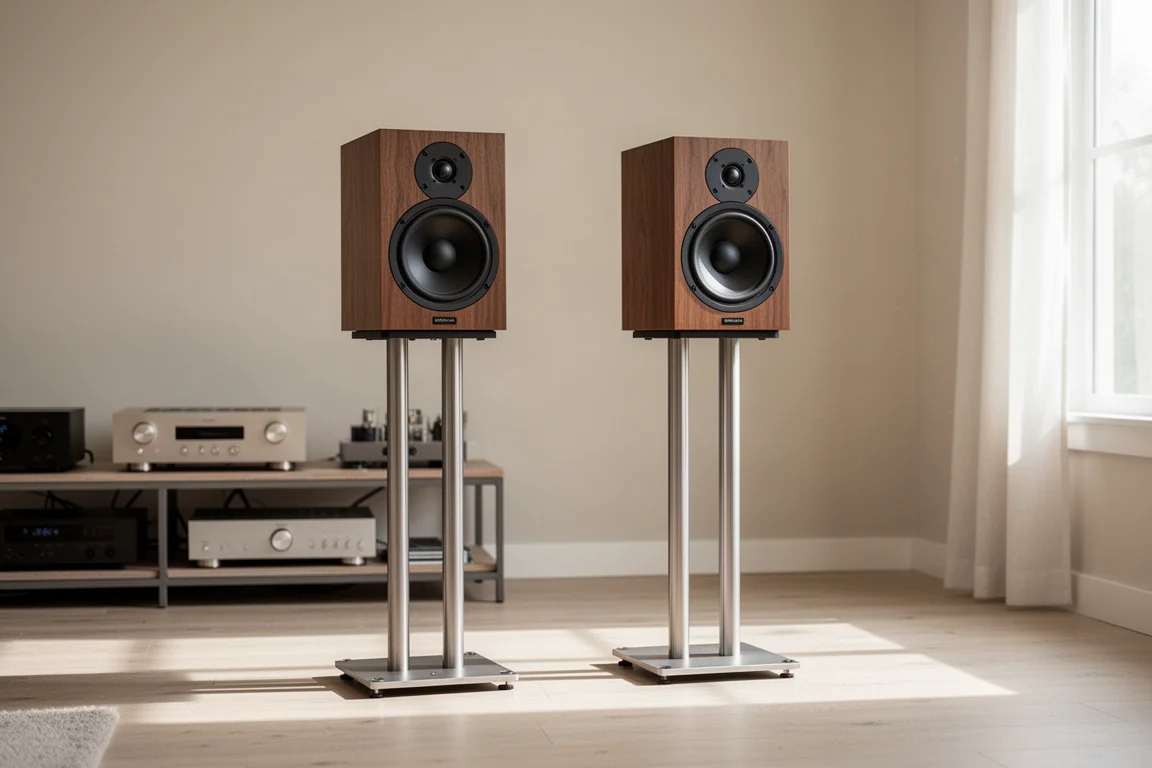
Speaker matching matters as well. With a pair of KEF LS50 Meta speakers the amplifier had ample power, but the upper midrange was not an ideal match and could still become fatiguing over long sessions, even though the warm midrange helped smooth it. With larger stand-mount speakers the results were stronger: better scale, punch and dynamics, with sounds appearing behind and to the side of the listening position in a way smaller speakers rarely manage.
Rock, metal, jazz and vocals all held up well across these pairings, with no genre exposing an obvious weakness.
Things to Consider Before Buying
Binding Posts and Speaker Cables
The speaker terminals are the main practical annoyance. They use a silver-plated nut that has to be turned with a tool, and banana plugs will not fit. Spade connectors or bare wire are the workable options. A suitable tool was supplied with the amplifier, so secondhand examples are more usable when that tool is still included.
Used-Market Availability and Price Context
The Fifteen was discontinued in 2008, so there is no new stock and no current retail pricing to compare against. Its original list price was around $3,000, which works out to roughly $6,000 in today’s money. Used examples typically change hands for far less, which is what makes the amplifier interesting: the performance on offer sits well above what the secondhand price would normally suggest.
Buying Advice
The strongest way to run a Fifteen is with a modern preamplifier. That combination keeps the vintage warmth and holographic staging while preserving the detail and dynamic contrast that older preamplifiers can blur.
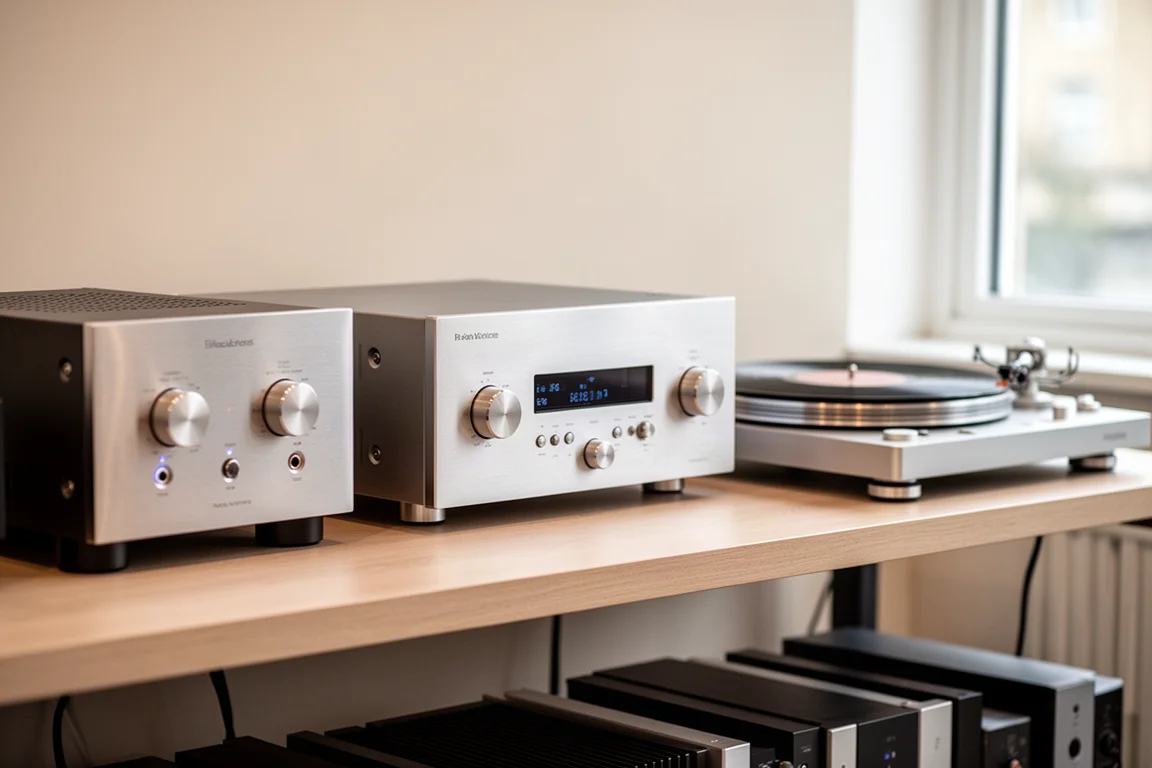
If you already own a pair of capable speakers, this amplifier is an affordable route into high-end power delivery, and bridging two units into mono opens up substantially more output for demanding setups. Before buying used, confirm that the binding post tool is included, check which finish the unit is in, since the Fifteen was offered in silver and black, and ask about the condition of the terminals, because they are the part most likely to frustrate day-to-day use.
Conclusion
The Classé Audio Fifteen is a genuine used-market find. It combines modern balanced inputs with a warm, spacious, dynamic sound, and its imaging holds up against amplifiers that cost many times more. The trade-offs are real but manageable: a tool-only binding post design, no new stock, and the need to match it with the right preamplifier and speakers. For listeners who enjoy exploring vintage gear and want tube-like character from a solid-state amplifier, it is easy to recommend.
Product link
View more details for Classé Audio Fifteen
This product is mentioned in the review. Check the specifications, options, and compatibility before buying.
View more details for Classé Audio FifteenFurther reading
Related Reviews
Power Amplifiers
Advance Paris X-A160 EVO Review: A Focused Power Amplifier Built to Last
A $1,999 stereo power amplifier with selectable class A bias, 160 watts per channel, blue VU meters, and a build designed to be serviced for decades.
Power Amplifiers
Benchmark AHB2 Review: A Compact Power Amplifier Built Around Transparency
A compact reference-oriented power amplifier with THX-patented feed-forward error correction, balanced-only inputs, and the current to drive low-impedance speakers.
Power Amplifiers
Burson Timekeeper 3X GT Review: Class A Character in a Compact Monoblock
A compact flagship monoblock with the first 30 watts in Class A, 110W into 8 ohms, pinpoint imaging, and an unusually large soundstage.