Travel Wallets
Chums Bandit Wallets Compared: Bifold, Zip, and Low Pro for Minimalist Travel Carry
Three inexpensive minimalist wallets from Chums, compared on capacity, cash handling, security features, and everyday usability.
Introduction
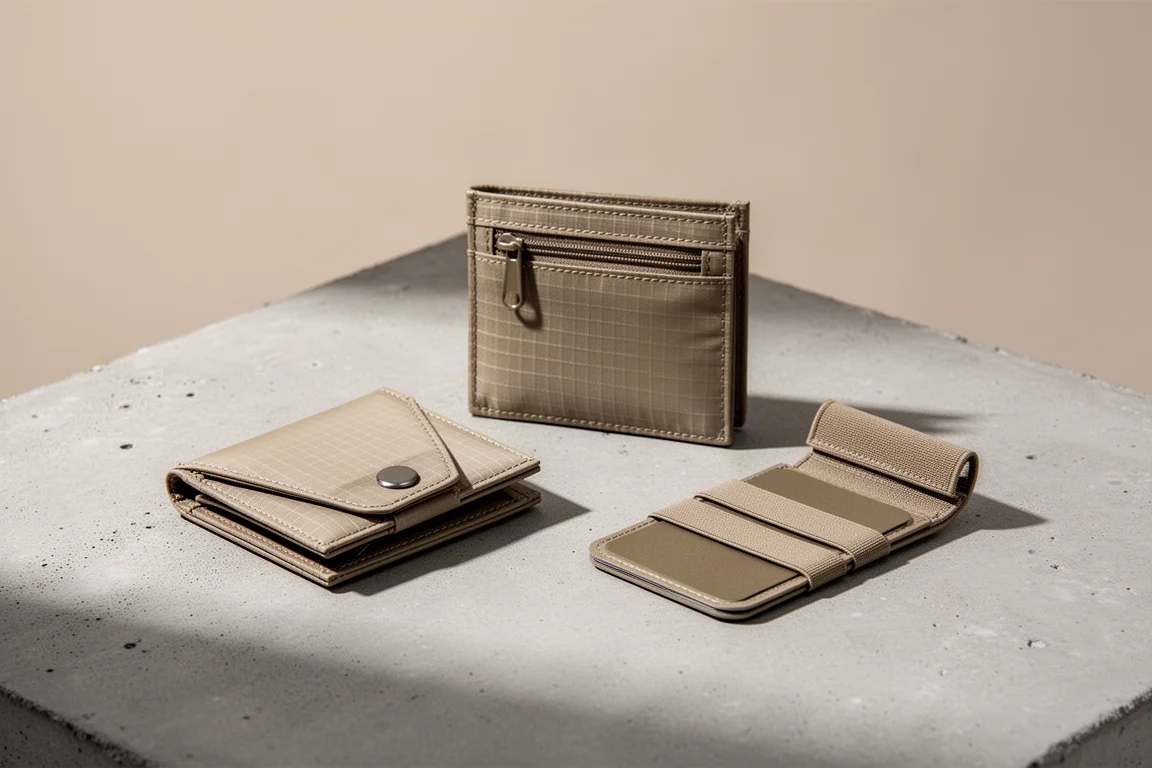
Chums has long made a favorite among compact travel wallets, and its newer Bandit lineup extends that idea into even more minimalist territory. This comparison covers three new options, the Bandit Bifold, the Bandit Zip, and the Bandit Low Pro, alongside the established Surf Short wallet. All are small, inexpensive, and built for carrying the minimum: a few cards and some folded cash, with no large pockets for receipts or coins.
Shared Design DNA
The wallets are roughly the same size. The Surf Short and Bandit Zip measure about 4.75 by 3 inches (11 x 7.6 cm), while the Bandit Low Pro and Bifold are slightly smaller at 4 by 2.75 inches (10 x 7 cm). In practice, the difference is small enough that you will not really notice it in a pocket.
Build quality across the lineup is solidly mid-tier. All use some combination of polyester ripstop fabric with small off-brand zippers, and the stitching shows minor imperfections and occasionally slightly crooked seams. That said, long-term use of the Surf Short wallet has shown no tearing or zipper failures, just cosmetic wear such as paint coming off the zippers. These are not finely crafted products, but they are built sufficiently for the job and represent good value at their price.
Capacity Compared
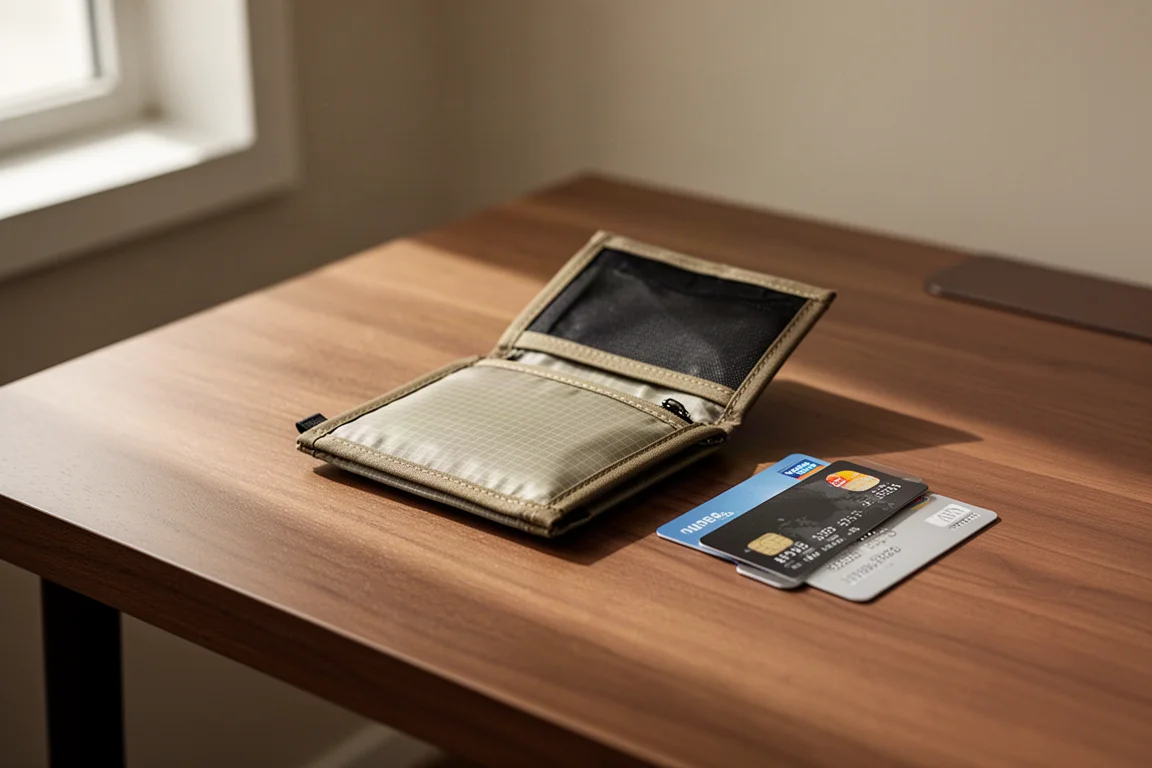
None of the new Bandit wallets hold more than about half a dozen cards unless you really stack them full. The Zip is advertised for seven to nine cards, and that is technically achievable if you stuff the pockets and use the zipper pocket, but four to six is a more realistic expectation. The Bifold offers four internal slots plus a clear window, so five cards total, plus an elastic band for cash. The Low Pro is advertised at five to seven cards, but realistically only about three fit in the slots, with anything more going into the elastic band.
The Surf Short wallet stands apart here. With two separate zipper pockets, it easily swallows a stack of ten credit cards in the main pocket while leaving plenty of room on the other side for a good stack of cash. If capacity is your priority, it is the clear winner in this group.
Cash Handling: The Awkward Part
Cash storage is the weak point across the entire lineup. Larger euro notes are bigger than all of these wallets, so any of them will require folding a note at least twice to fit a sleeve. Smaller bills like US dollars fit folded once, but in the Zip they sit right at the edge of the zipper, and you have to fold the zipper flap up first or the money gets in the way and makes the zipper hard to close.

The Surf Short handles cash much better. The pockets expand outward more, so bills fit without getting caught in the zipper, despite the wallet being the same width.
Design and Everyday Use
The Low Pro and Zip are both variations on the card holder format. On the back, each has one elastic band for cash and one card slot. The Low Pro is the more minimalist of the two, with another elastic band and one additional shallower card slot that makes cards easier to remove. The deeper front slot runs all the way down to the bottom, with a small notch for pushing cards out.
The Zip adds three pockets on the reverse plus a larger zipper pocket for extra cards or cash, and its slightly wider body makes the card slots easier to use. The trade-off is that the zipper pocket feels tight and small compared to the Low Pro, and cards can get stuck and be harder to remove because the wallet is not very wide.
The Bifold takes a completely different approach: two minimalist card holders connected by a strap and closed with a small magnet. It has four card holders inside, an elastic cash band on the outside, and an additional clear card holder on the reverse. It looks the most like a traditional wallet of the group.
Attachments and Security Extras
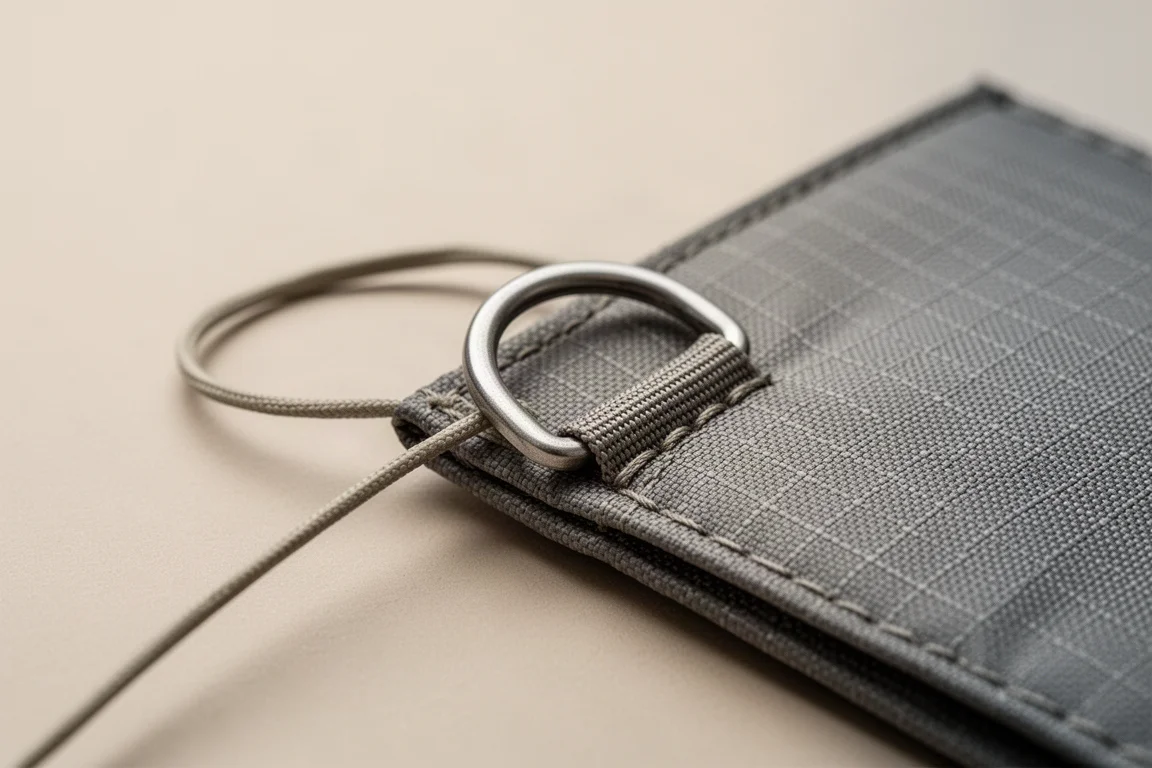
The Surf Short wallet includes a key ring for storing keys or attaching a cord that can be wrapped around a belt for added security. The Bandit wallets offer something similar, but with mixed results. The Low Pro has a small D-ring that works for attaching a cord. The Zip and Bifold only have a small fabric loop, which is really intended for pulling out the elastic band rather than holding any weight.
On RFID protection, the wallets claim to include an RFID-blocking card, but it only works if you carry it inside the wallet, which eats into already limited card capacity. It is also essentially cardboard, so while there is technically some RFID blocking capability, in practice there effectively is not.
Which One Should You Buy?
The Bifold is the standout of the new lineup. The magnetic clasp makes it the most secure, the four internal card slots make it the most useful, and it is arguably the best looking of the three. If you want the cheapest minimalist option, the Low Pro at $10.99 is hard to beat: small, useful, and it includes the D-ring attachment, though it only makes sense if you carry just a few cards. The Zip is slightly larger, but its zipper pocket feels undersized, and if a zipper wallet is what you are after, the Surf Short simply does that job better with superior capacity and cash handling.
Conclusion
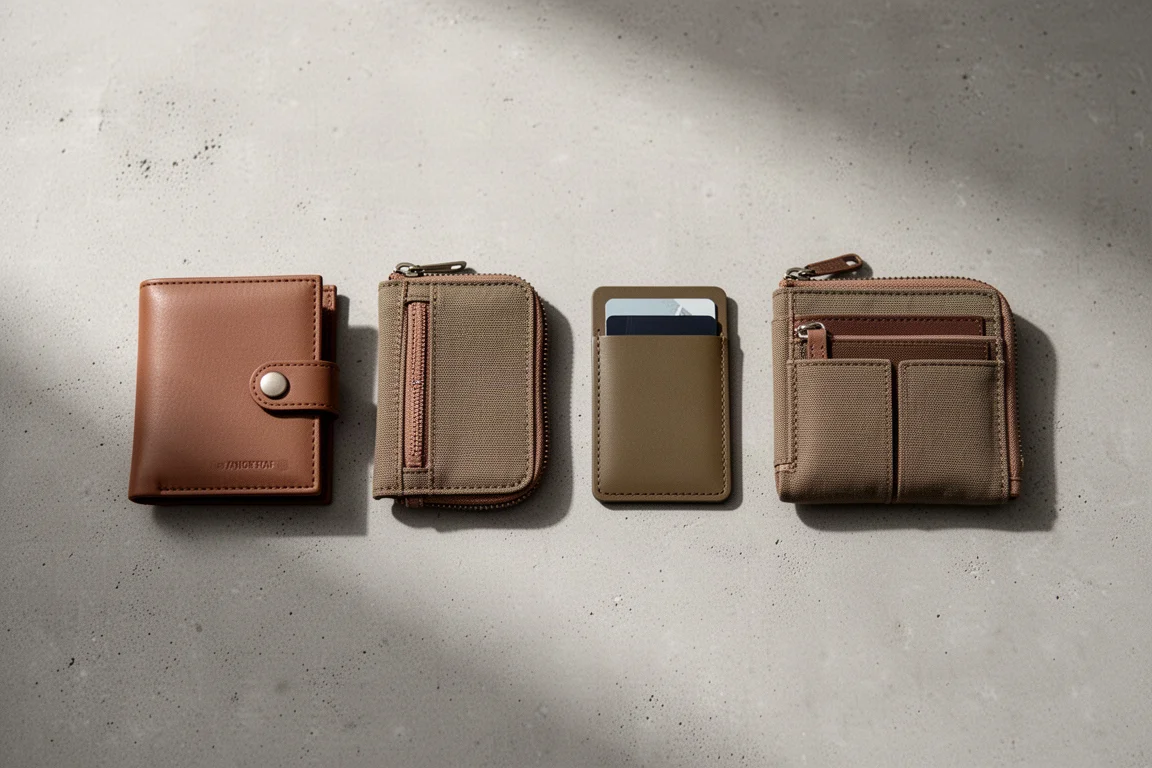
The new Chums Bandit wallets are three solid minimalist carry options: small, inexpensive, and well suited to carrying small amounts of cash for daily use or while traveling. The Bifold is the most secure and most versatile, the Low Pro is the budget pick, and the Zip is best skipped in favor of the Surf Short if a zippered wallet is what you actually want.
Product link
View more details for Chums Bandit Bifold
This product is mentioned in the review. Check the specifications, options, and compatibility before buying.
View more details for Chums Bandit BifoldFurther reading
Related Reviews

Backpacking Gear
Building a 10 lb Base Weight: An Ultralight Backpacking Gear List
A practical walkthrough of the ultralight pieces behind a 10 lb base weight, from a 765 g pack and a roomy one-person tent to a full camp chair and a dependable water filter.

Road Bikes
10 New Road Bikes Worth Watching: Aero, Titanium, Steel and Endurance Standouts
A practical roundup of 10 new road bikes, from aero flagships chasing single-watt gains to titanium, steel and endurance platforms built for real roads.
Bikepacking Gear
11 Bikepacking Essentials for Long-Distance Cycling
Eleven bikepacking essentials for long-distance cycling, from a steel gravel frame and a two-person tent to helmet lights, packable gloves, and a frame bag that puts weight in the right place.