Hi-Fi Audio
Chinese Hi-Fi Brands Ranked: The Products Worth Buying
A tier-based look at Chinese hi-fi brands and the specific products that earn their reputation, from budget streamers and amplifiers to planar headphones and bookshelf speakers.
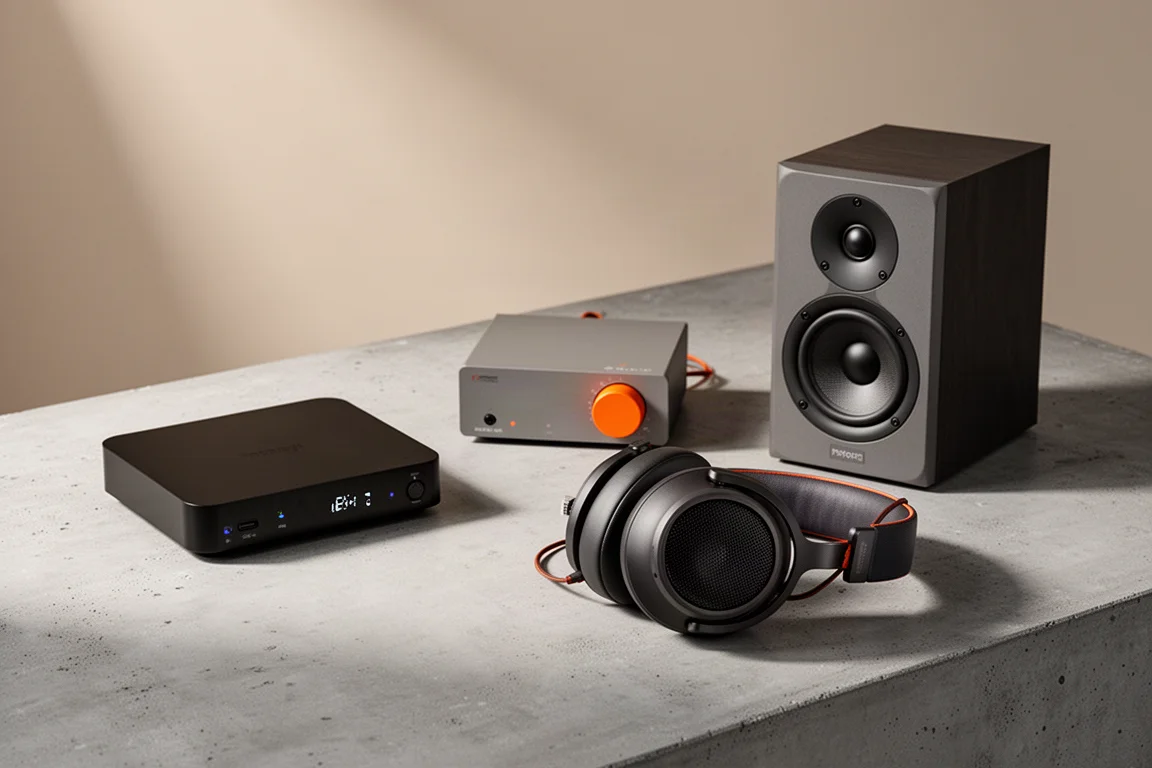
Introduction
Chinese hi-fi has moved past the point where the only real question was whether a product would survive its first year. Brands that began as inexpensive alternatives now compete on sound quality, features, and build, and the honest picture is more mixed than either the hype or the skepticism suggests. Some of these companies make genuinely excellent gear at prices that are hard to argue with. Others flood the market with near-identical products that give buyers no clear reason to choose one over another.
This roundup ranks the brands and, more usefully, points to the specific products that make each one worth considering. The scale runs from F tier for brands best avoided, through C tier for products that are merely average, B tier for solid picks, A tier for very good ones, and S tier for the small group that stands out as genuinely outstanding.
How These Rankings Work
The tiers are not built on measurements alone. They weigh how a brand handles its lineup as a whole: whether the products are consistent, whether the styling and internals show real thought, how the value holds up against established competitors, and whether build quality has kept pace with the price.
That last point matters more than a spec sheet suggests. A brand can measure well and still be a poor recommendation if its cheapest model sounds the same as its most expensive one, or if connectors loosen after a few months of use. The products below are the ones where the value case is clear and the trade-offs are known.
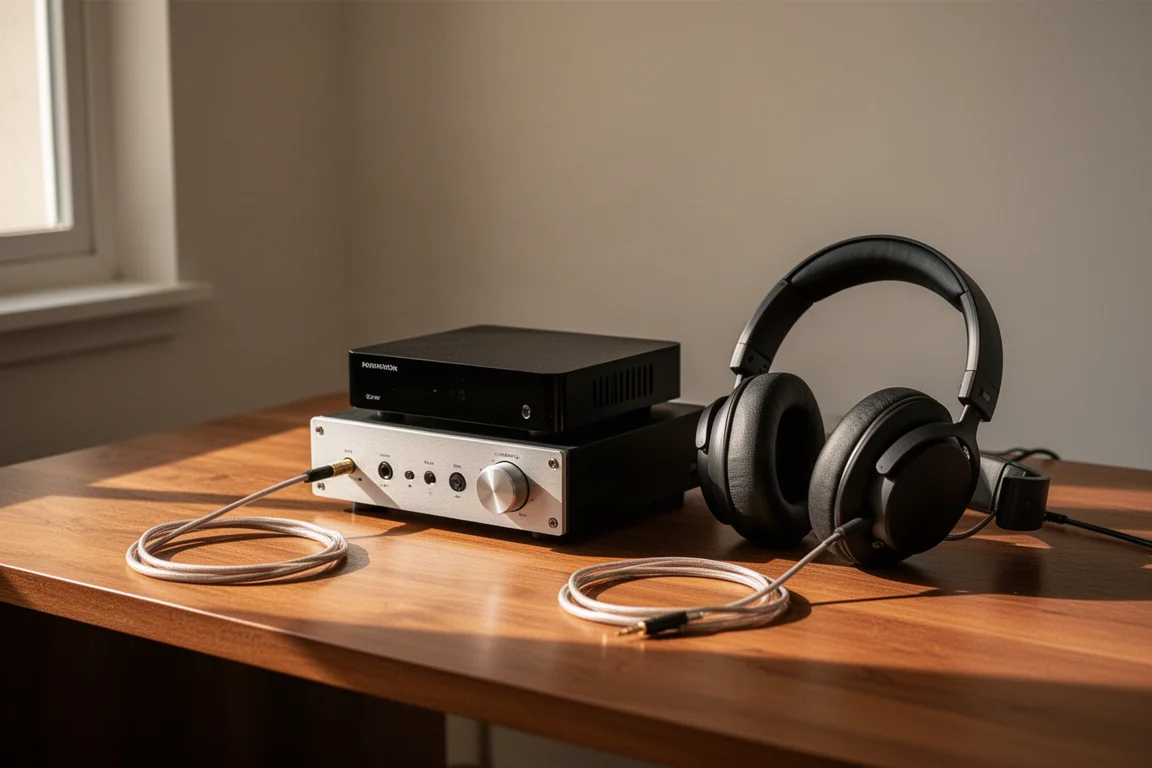
Several brands sit just outside this list. Monoprice earns a respectable B tier for accessories such as speaker stands, while its Monolith line lands in C tier for capable but unoriginal products with inconsistent fit and limited support. FX Audio drops to F tier for old converter chips and little original design work. Nobsound and Douk Audio land in C tier for lineups with no continuity, where a few good amplifiers are lost among rushed releases. Gustard, Edifier, and EverSolo all sit in B tier, close to breaking through but priced against well-established competition.
Streaming Value Leaders: WiiM
WiiM is the clearest case of a small brand out-executing much larger ones. The hardware is straightforward, but the software is where the platform pulls ahead: frequent updates, a ten-band equalizer, gapless playback, and support for services including Amazon Music, all inside an app that feels more capable than what several premium competitors offer. Both models below sit in S tier.
WiiM Mini
At around $80, the WiiM Mini offers a feature set that would be reasonable at several times the price. It handles gapless playback, an adjustable equalizer, and a wide range of streaming services, and it has received a steady stream of software improvements rather than being left to age.
The comparison that matters is with premium streaming brands. A well-known competitor charges many times more for hardware with a better converter inside, but it does not deliver a fraction of the functionality. For anyone building a streaming setup on a budget, the Mini is the obvious starting point.
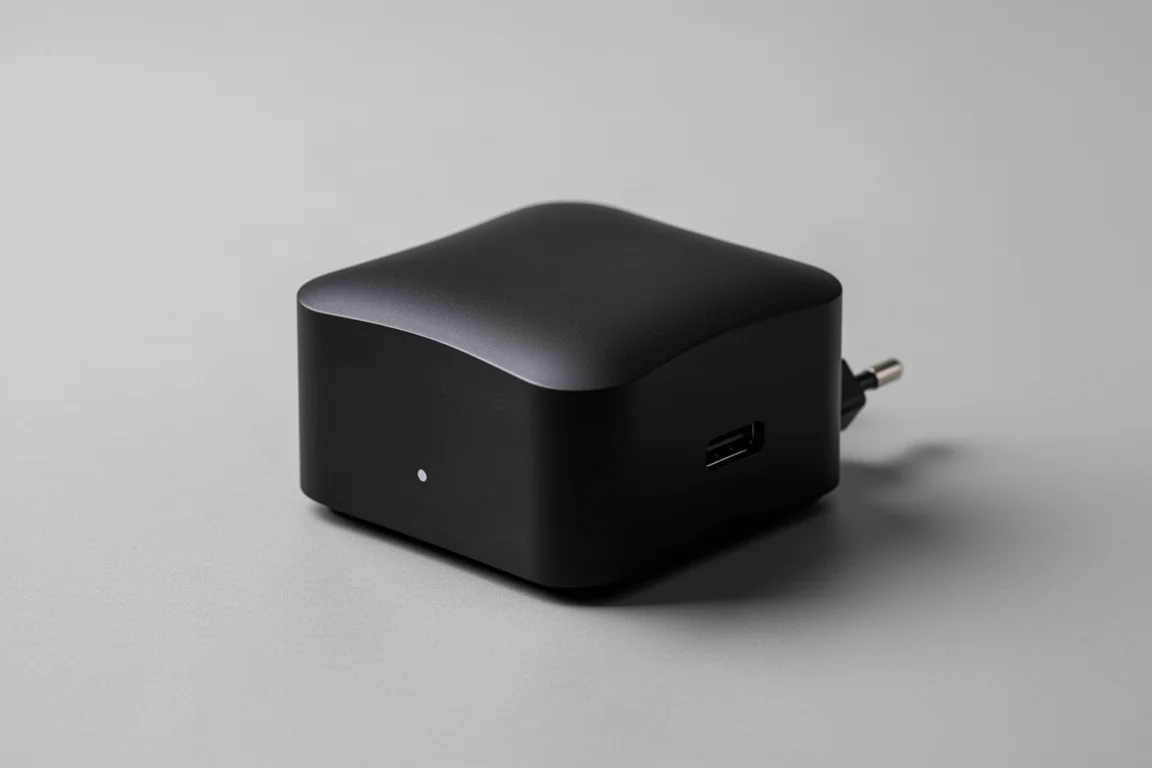
WiiM Pro
The WiiM Pro steps up to roughly $150 and remains one of the easiest recommendations in this list. It carries the same software advantages as the Mini in a more capable hardware package, undercutting traditional streaming brands by a wide margin while offering more functionality than several of them.
If only one upgrade fits the budget, this is the one to consider first.
Planar Headphones That Compete With the Giants: HiFiMan
HiFiMan is the brand that has most completely outgrown the budget label. Its headphones are routinely chosen over models from long-established European and American manufacturers, and the quality concerns that surrounded the brand years ago are no longer a common complaint. Both models below earn S tier.
HiFiMan Sundara
The Sundara is the entry point that makes the strongest case for the brand. It now sells for around $300, less than it once did, and it delivers the kind of clarity and composure that makes far more expensive headphones feel unnecessary.
For a listener moving up from entry-level gear, the Sundara shows what the next tier of headphone performance actually sounds like.
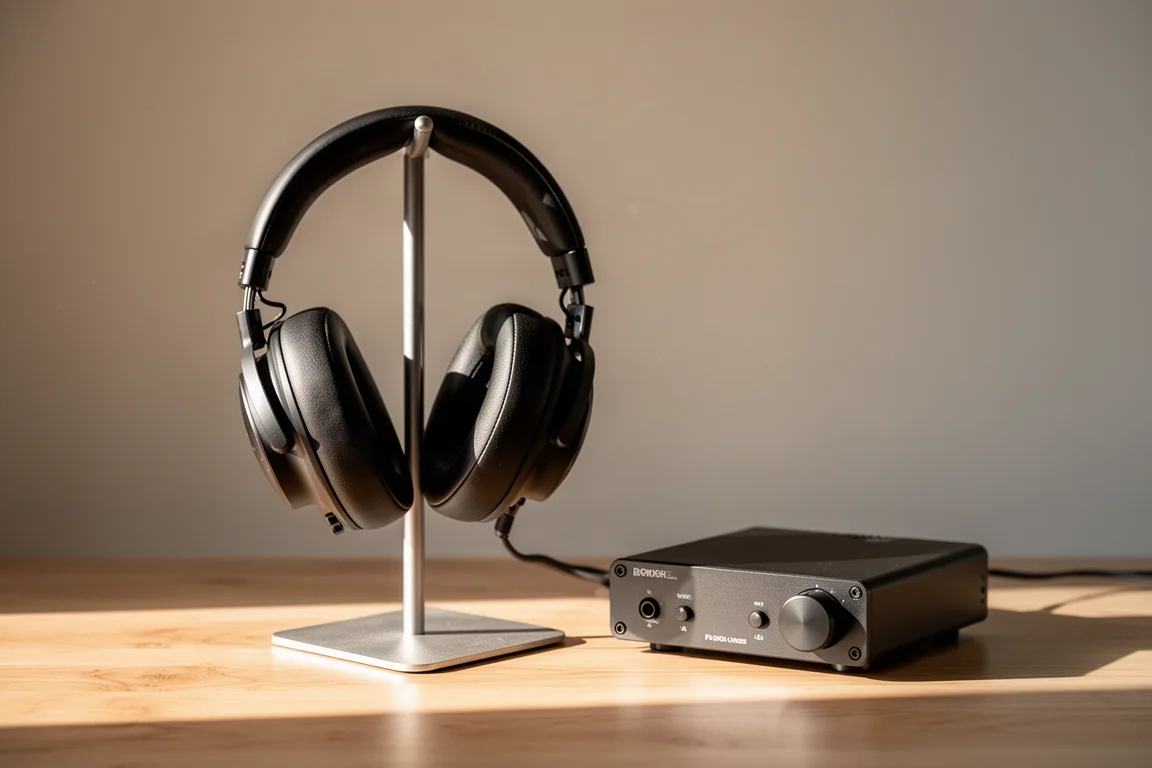
Its price also puts it directly against well-known designs from much larger brands, and it holds its own comfortably in that company.
HiFiMan Edition XS
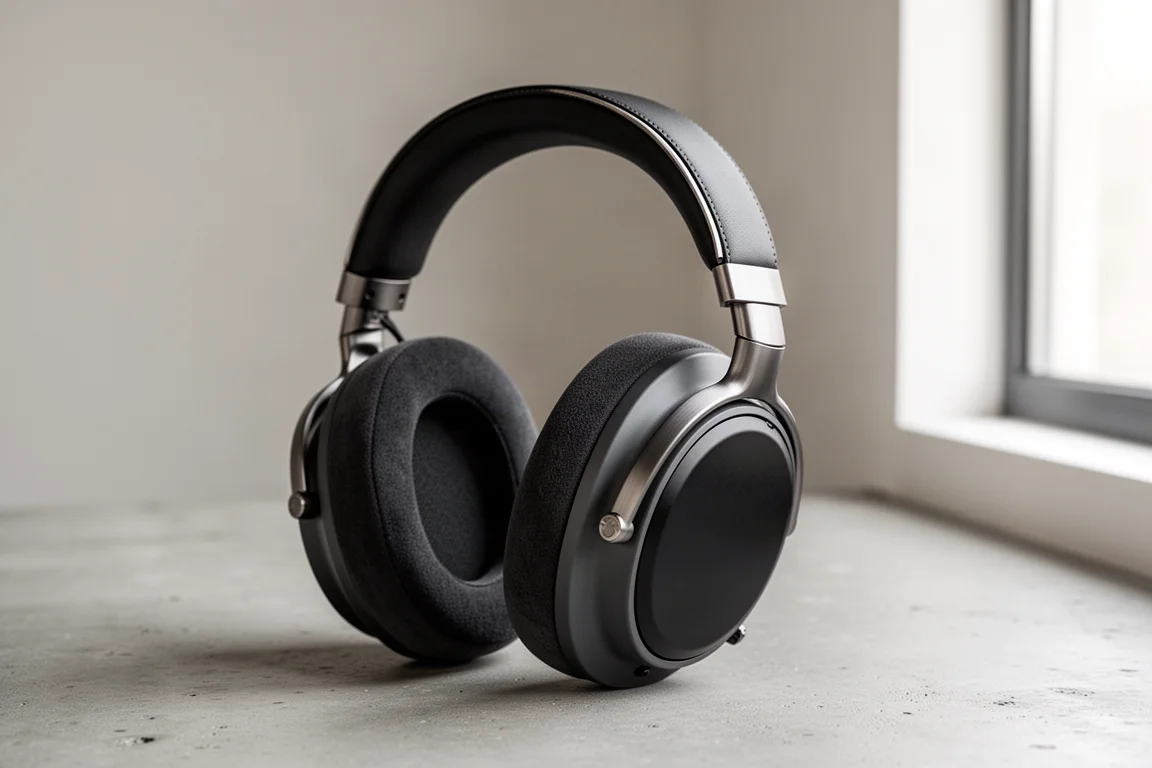
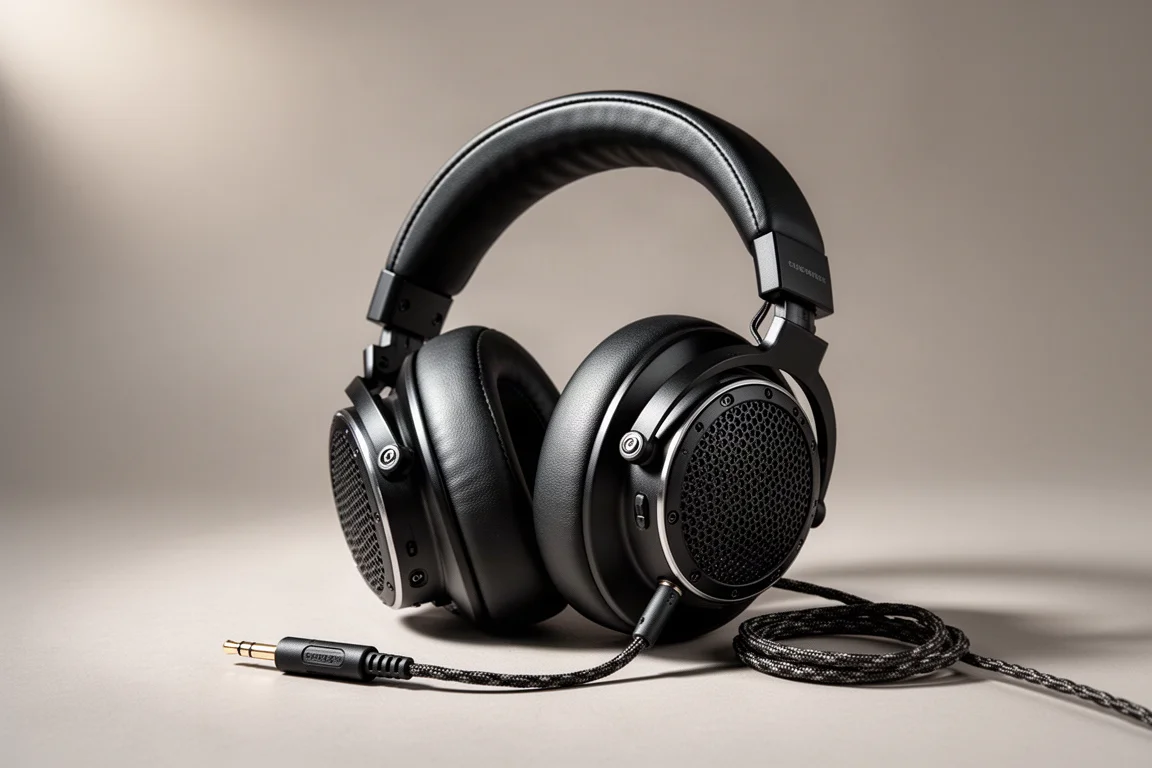
The Edition XS sits around $500 and is the standout headphone here. It is often discounted below its list price, which strengthens the value argument further, and it is the model that best demonstrates how far the brand has come.
For listeners who want one headphone to build a system around, this is the one to hear first.
Budget Amplifiers That Outperform Their Price
The budget amplifier category is crowded, and the difference between brands comes down to consistency and how each one responds to criticism. Fosi Audio earns an A tier here, with Aiyima close behind at B tier.
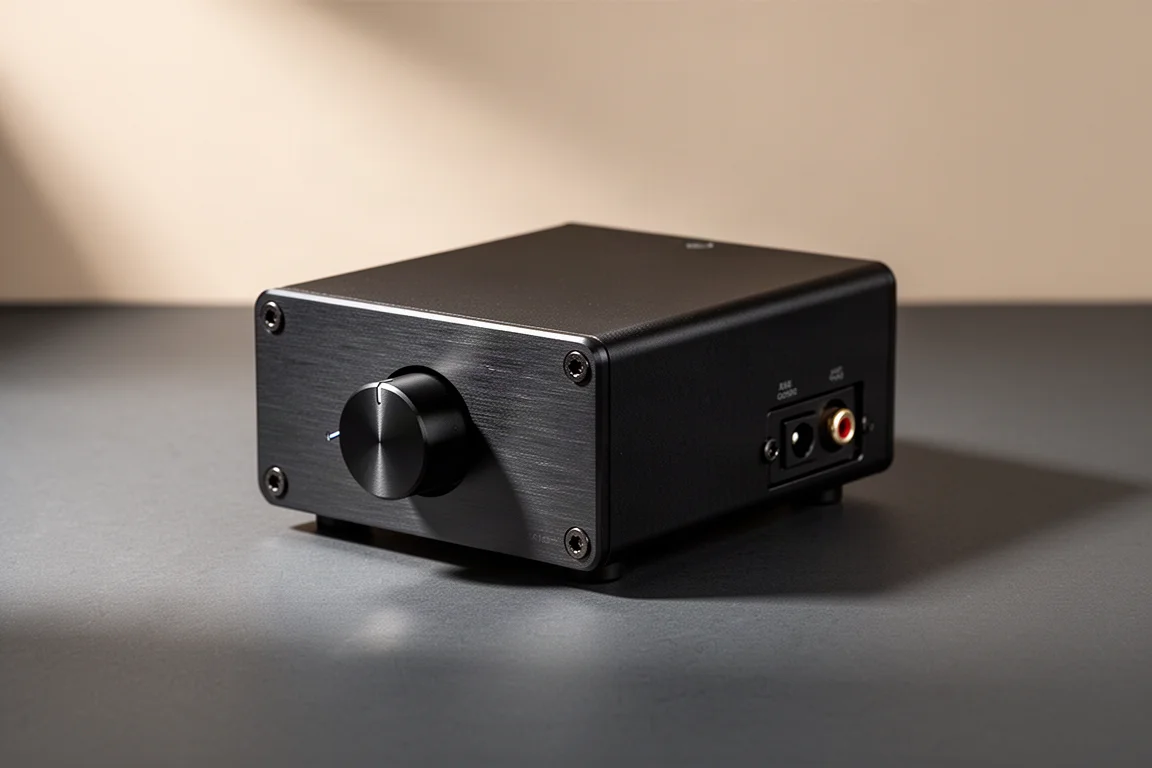
Fosi Audio BT20A Pro
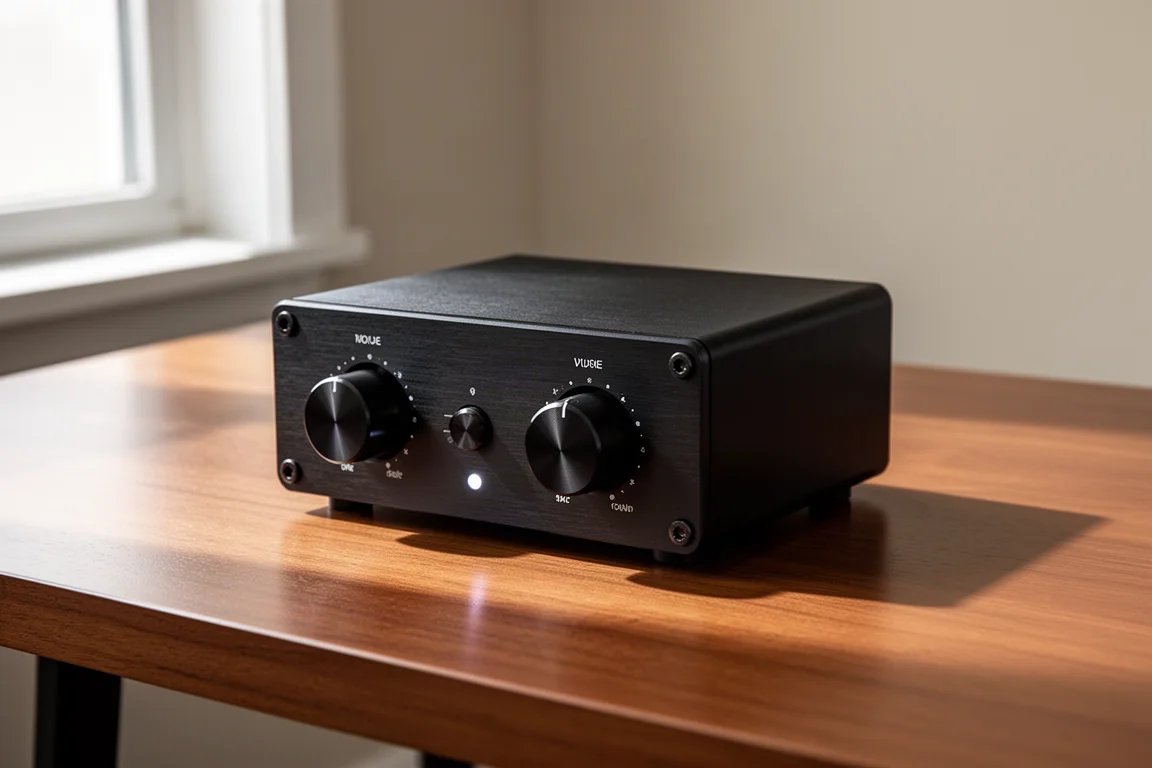
The BT20A Pro arrives at around $100 with a 3255 amplifier chipset, Bluetooth, and a chassis that is easier to live with than earlier models, finished in grey with an orange volume knob. It also supports op-amp rolling for listeners who enjoy tuning the sound.
It is the strongest all-round value in the brand’s lineup and one of the best entry points into desktop amplification.
Fosi Audio BT10D
The BT10D tells a more interesting story. The first generation, built around the same 3255 chipset, was not good, and the criticism was direct. The brand responded by redesigning it, and the revised version is noticeably better at roughly $60.
That willingness to fix a weak product rather than defend it is a large part of why the brand ranks so highly.
Aiyima A07 Pro
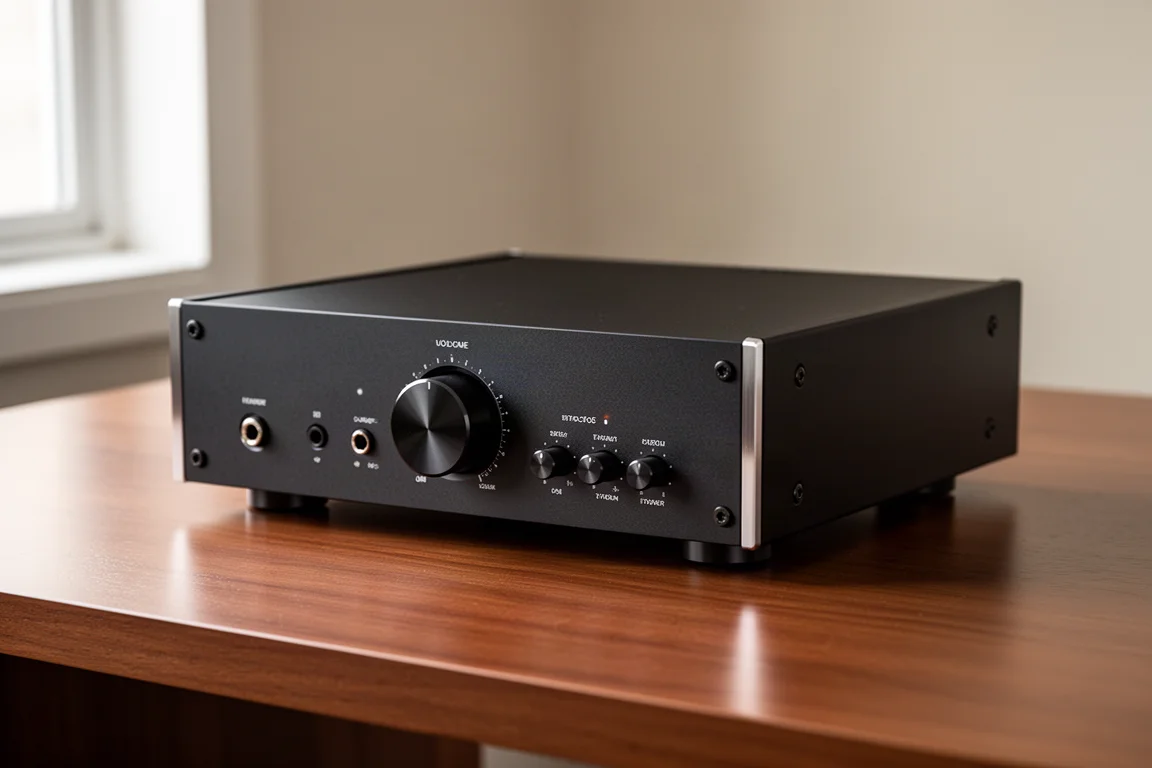
Aiyima once traded blows with Fosi Audio, and the two were close enough that choosing between them barely mattered. The A07 Pro, with five op-amps on board, is a genuinely good amplifier and a solid B tier product, but the brand has slipped slightly behind its closest rival.
It remains a sensible pick for listeners who want a straightforward, well-built desktop amplifier without spending much.
Affordable Tube Amplifiers: Xduoo
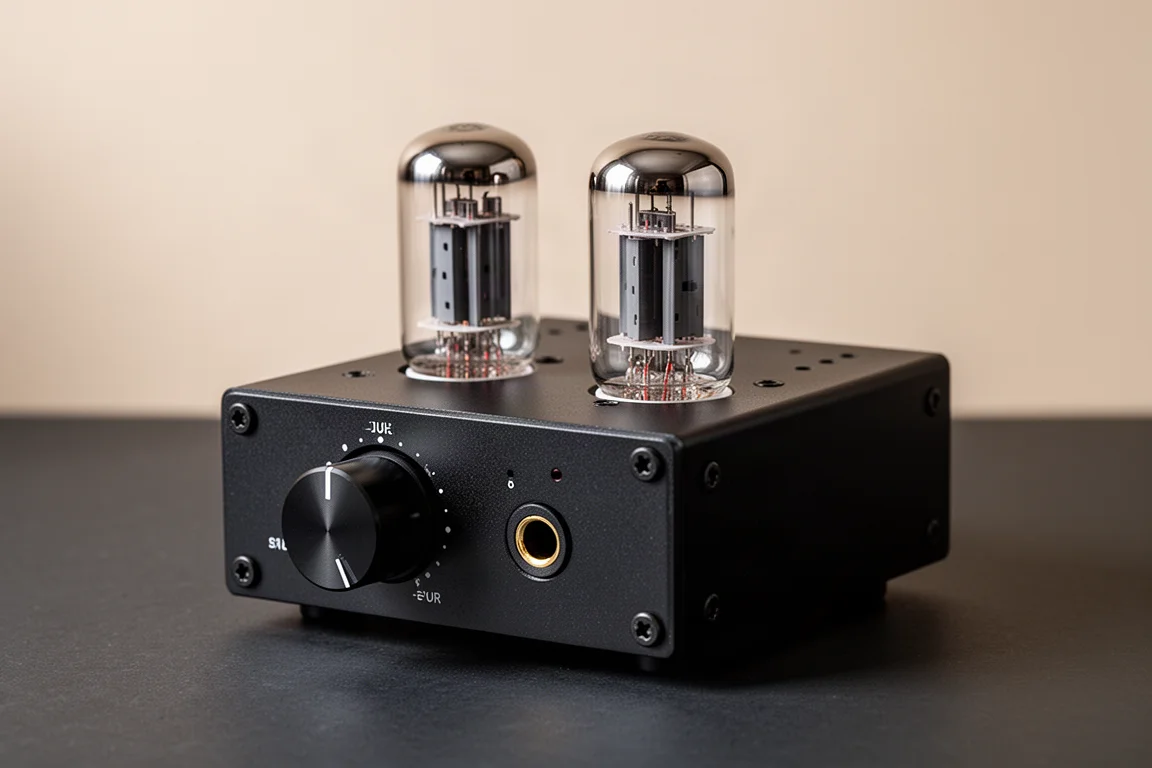
Xduoo specializes in affordable tube designs and earns an A tier for continuity across its range: consistent styling, solid construction, and sound quality that justifies the price. The naming is refreshingly simple, with tube count driving the model number.
Xduoo MT602
The MT602 runs two tubes and pairs a class A headphone amplifier with a tube buffer on the front end. It sells for around $100 and sounds genuinely good, which makes it an appealing option for listeners who are curious about tubes but do not want to spend heavily on a first experiment.
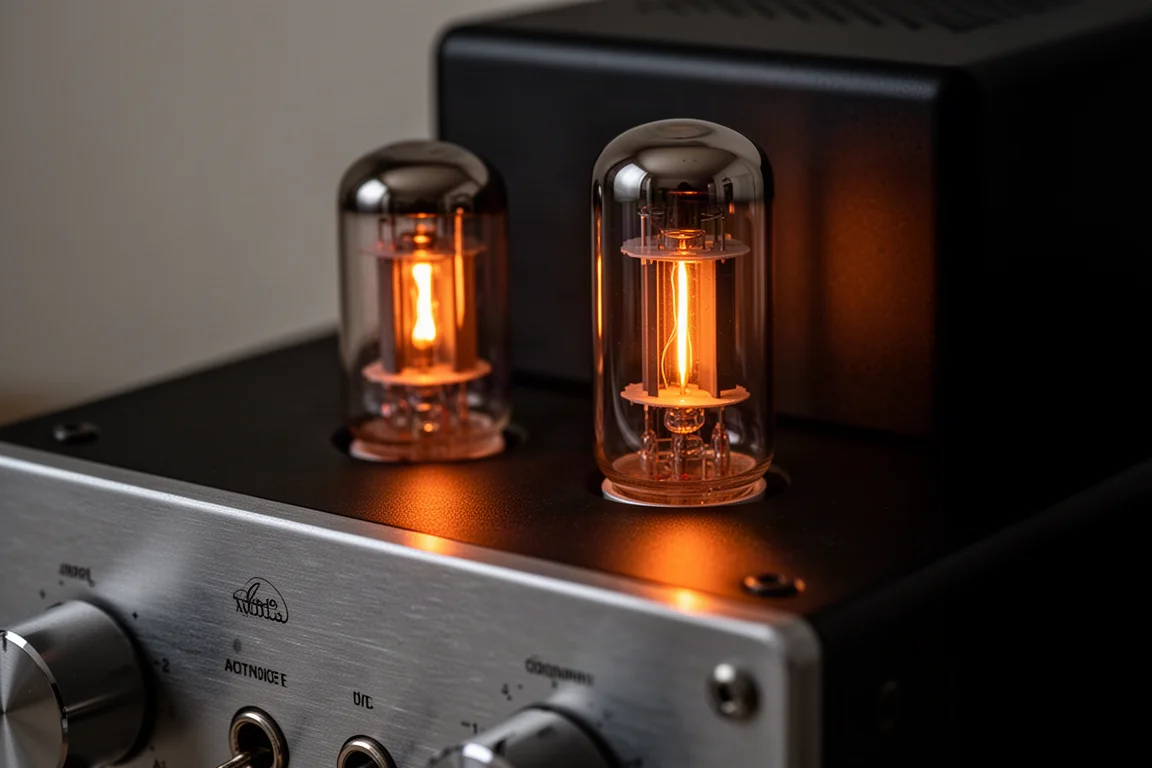
For anyone weighing a conventional entry-level desktop amplifier against something with a little more character, this is the more interesting choice.
DACs and Amplifiers From the Value Tier: SMSL and Topping
SMSL and Topping sit a step above the budget brands in price and, often, in measured performance. Both put out a large number of products, which makes careful buying more important than brand loyalty. SMSL earns a B tier, and Topping lands in B tier as well, close to C tier for reasons that are specific rather than general.
SMSL SU-1
The SU-1 sells for around $80 and is outstanding for the money. Its most interesting quality is that it sounds as good as products costing roughly $300, which is worth remembering when browsing the brand’s more expensive models.
The wider lesson from SMSL is that a higher price does not guarantee better sound, even within the same brand. Knowing which model to buy matters more than spending more.
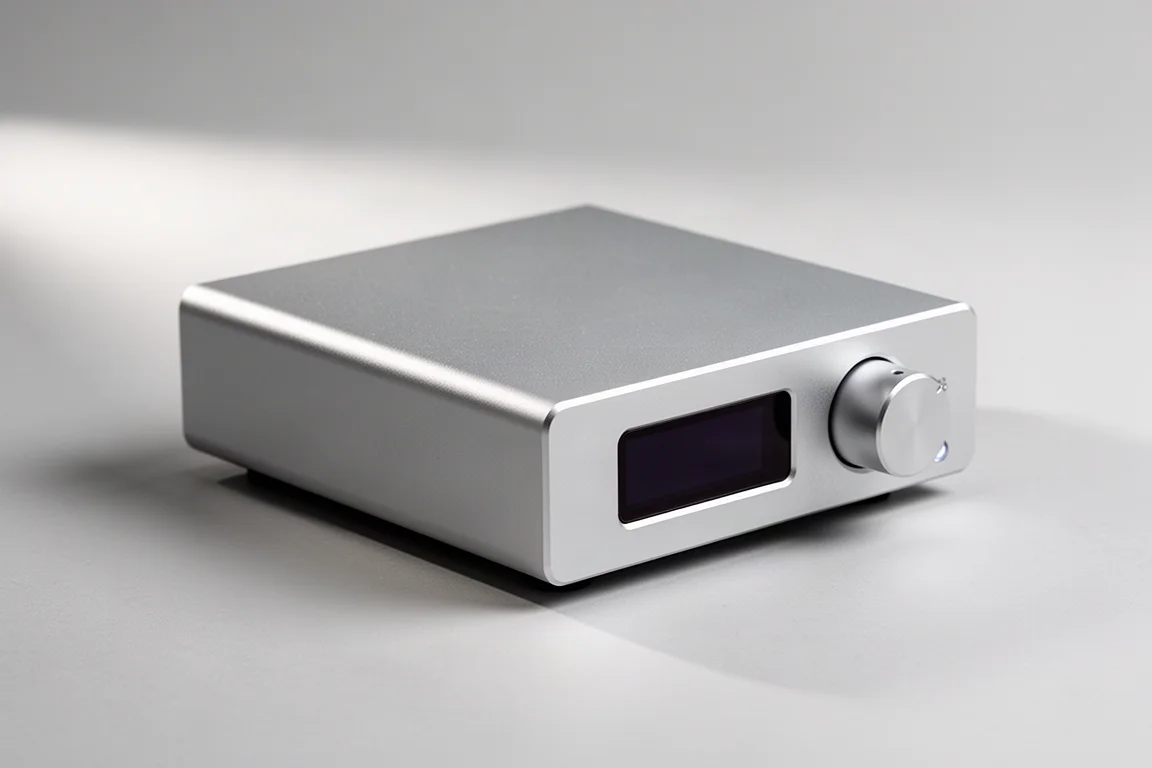
Topping A90 Discrete
The A90 Discrete is an extraordinary amplifier and the clearest example of what Topping can do when it commits to a flagship design. It is the kind of product that earns the brand its reputation for sound quality.
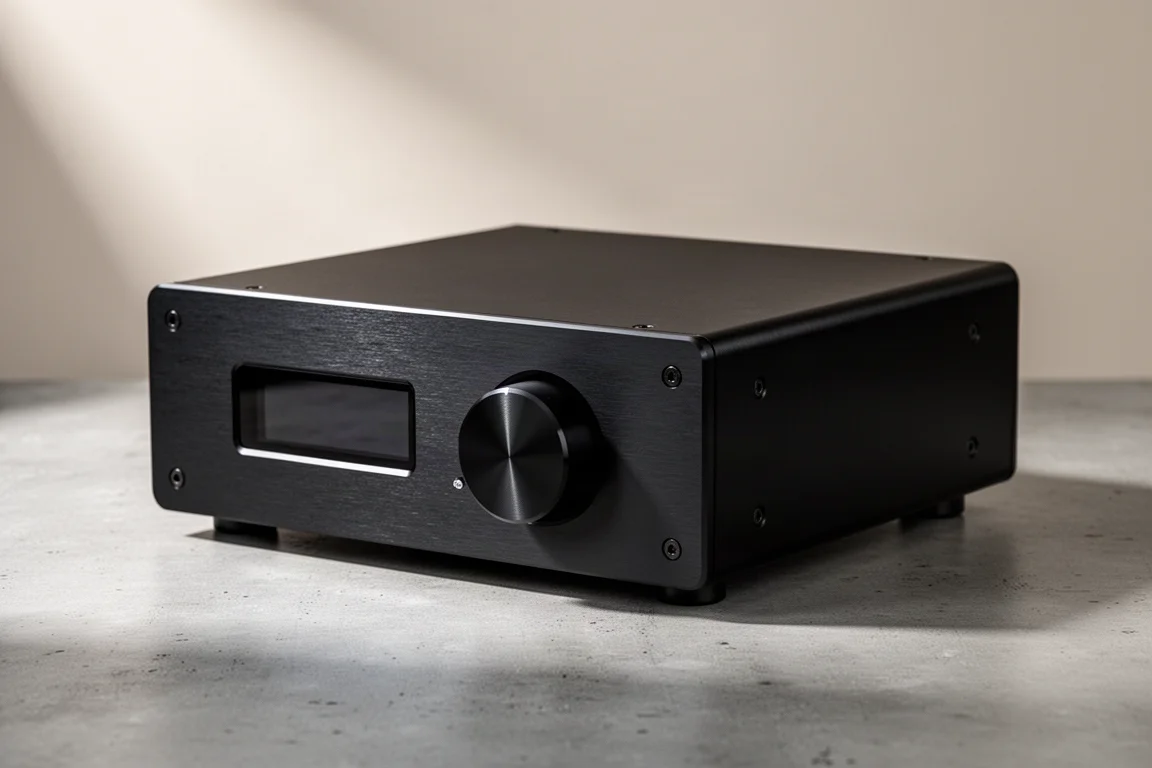
Topping PA5
The PA5 is another extraordinary-sounding amplifier, and it is also where the brand’s weaknesses show. Its input connectors became loose in use, and the company’s strongest designs lean almost entirely on balanced connections, which limits buyers whose equipment is single-ended.
If Topping resolved the input question and added single-ended options to its best products, it would rank higher. The sound is already there.
Affordable Bookshelf Speakers: Numi
Numi focuses on inexpensive speakers that are built well and tuned sensibly, and the two models below are the reason the brand sits in B tier. The main caution is price discipline: once the brand moves above roughly $200, it starts competing with established speaker makers that discount aggressively.
Numi BS5s
The BS5s is a great affordable bookshelf speaker with a five and a quarter inch woofer and a sound that leans to the warmer side of neutral. It is the model that best represents what the brand does well.
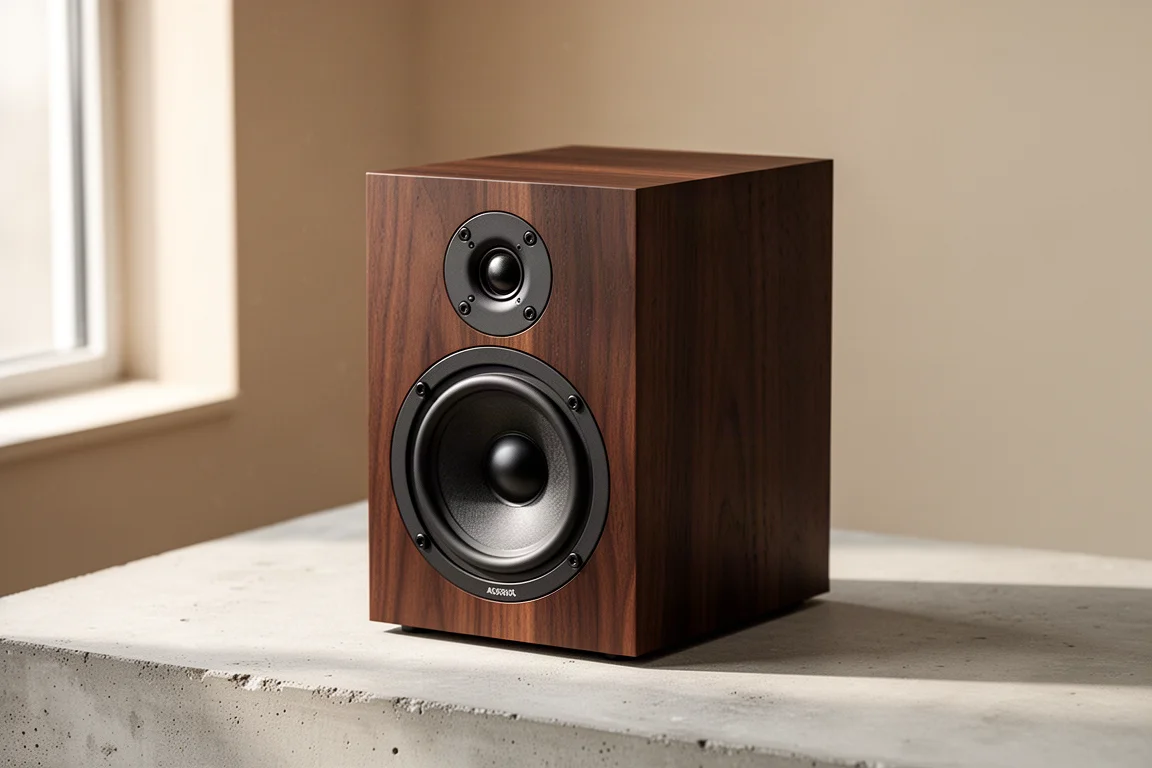
Numi Silk 4
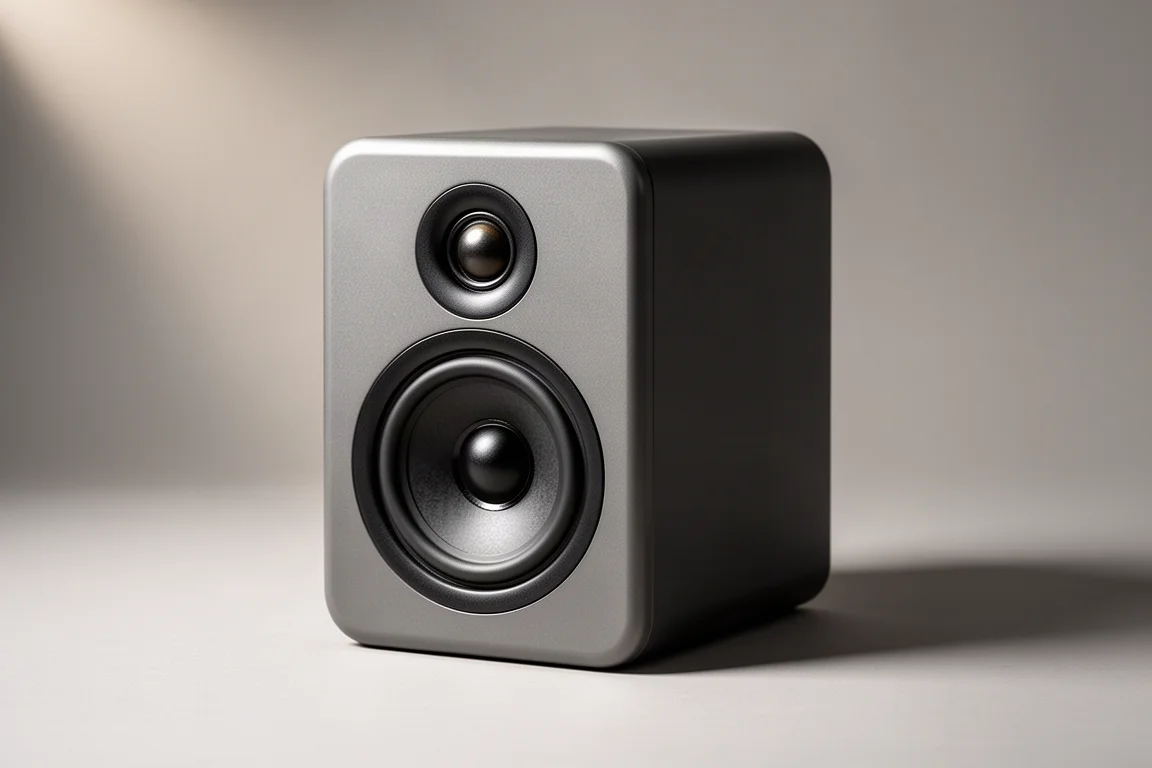
The Silk 4 is a great speaker at around $200, and it is built really well. The challenge is the price, because at that level it competes with long-established brands that run sales often, which makes it a harder recommendation than the cheaper model.
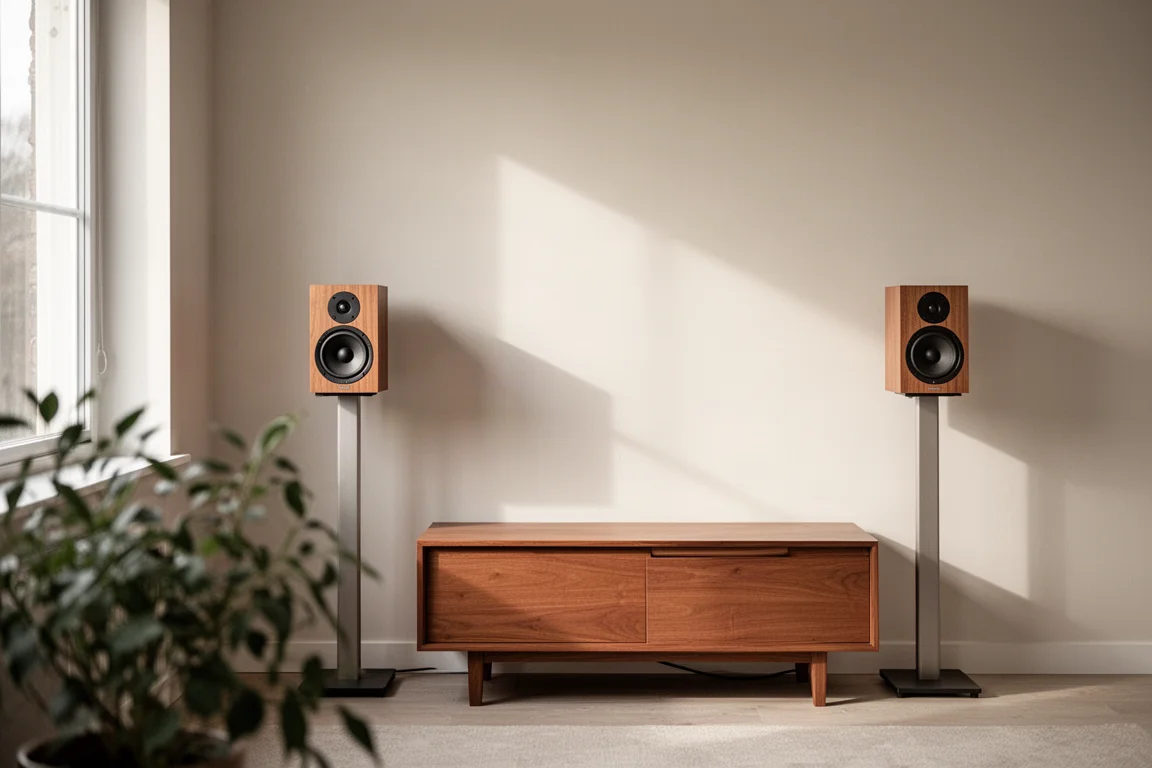
The value case here depends on what a buyer already owns. The Silk 4 is well built and sounds good, so it is worth comparing against discounted alternatives before deciding.
Buying Advice
The pattern across these brands is consistent: the best value usually sits in the entry and mid-price models rather than at the top. A cheaper DAC from a value-focused brand can sound as good as a model costing several times more, and a budget streaming device can offer more software features than premium alternatives.
Two practical rules help. First, decide what the system actually needs before comparing brands, since a great amplifier is wasted if the connections do not match the rest of the chain. Second, treat software support as a real feature in streaming products, because update cadence matters as much as the converter inside.
Conclusion
The brands at the top of this list share one trait: they improved in public. WiiM built a software advantage that premium streamers have not matched on value, HiFiMan outgrew the budget category entirely, and Fosi Audio earned trust by fixing a weak product instead of defending it. The mid-tier brands have good products too, but they reward buyers who research individual models rather than trusting the logo on the box.
Further reading
Related Reviews
Hi-Fi Audio
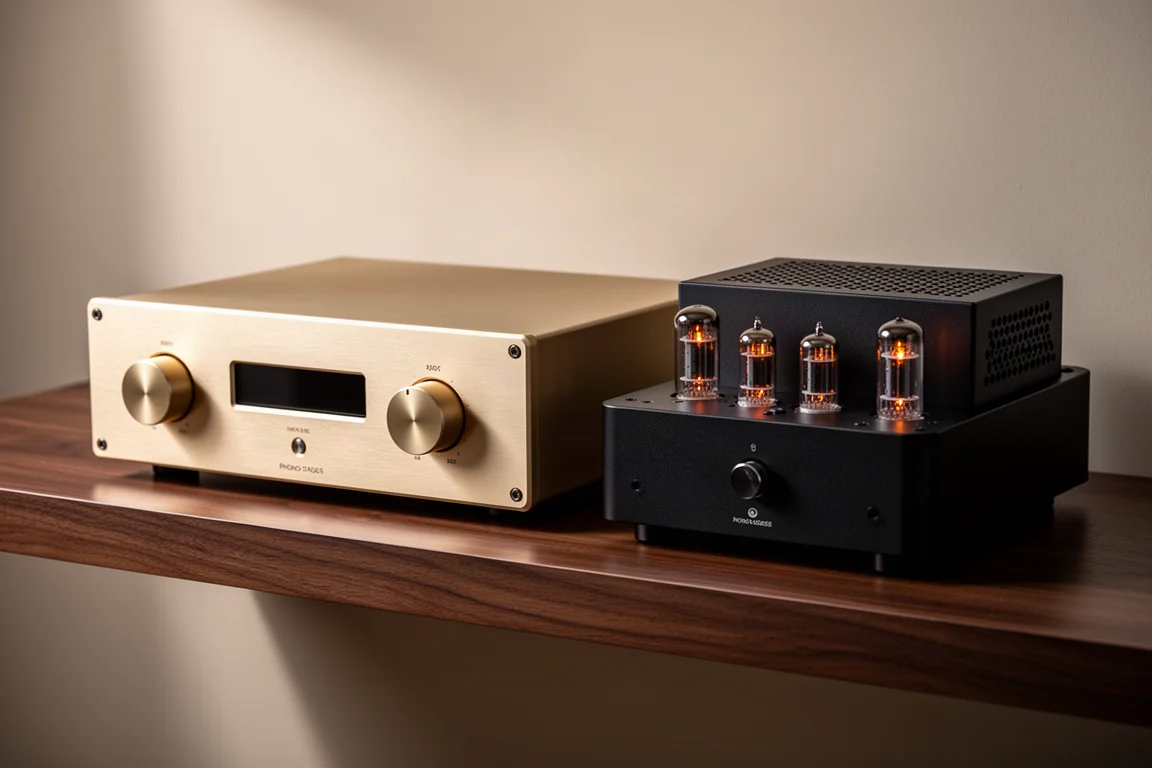
Accuphase C-57 vs Allnic H-7000V: Two High-End Phono Stages Compared
A fully balanced solid-state phono stage with a pitch-black noise floor meets a tube design built for well-loved records. Here is how to choose between them.
Hi-Fi Audio
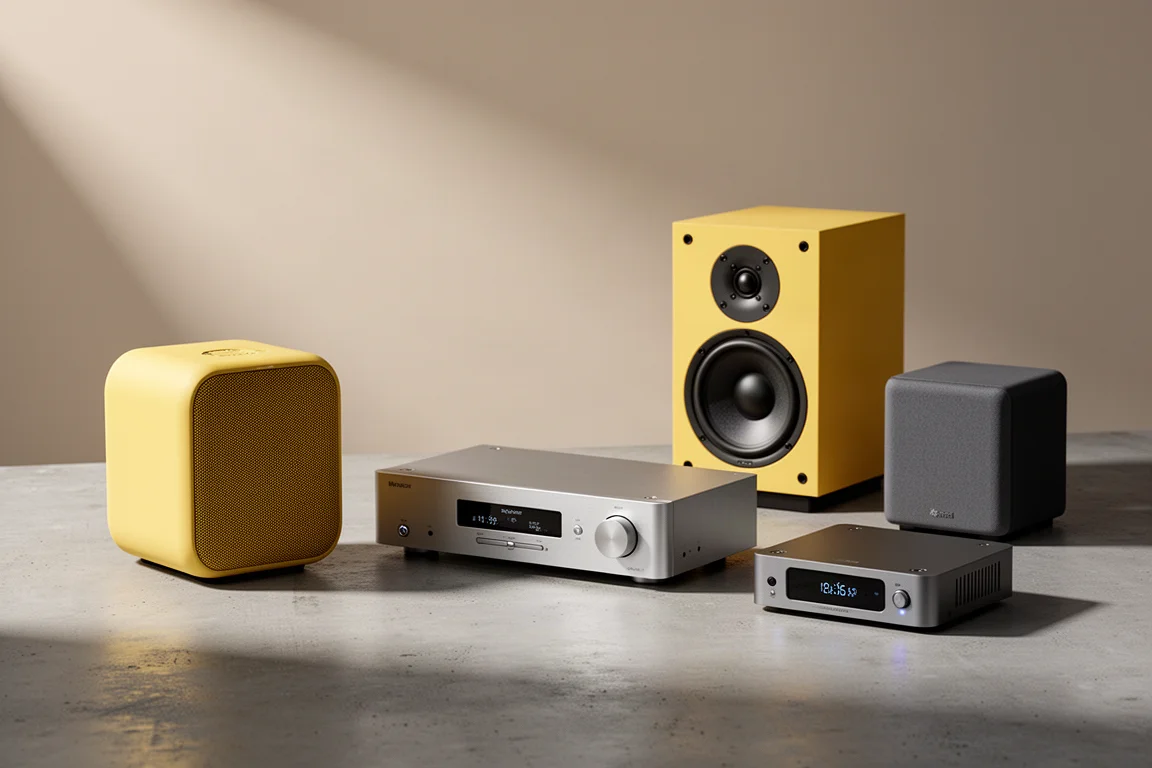
Active vs Passive Hi-Fi: Five Components for a Modern System
Five components that define modern active and passive hi-fi systems, with the strengths, trade-offs and setup details worth weighing before you buy.
Hi-Fi Audio
Advance Paris A10 Apex Review: A Hybrid Integrated Amplifier That Covers a Lot of Ground
A French hybrid integrated amplifier with a class A tube preamp stage, analogue power meters, and an internal DAC and phono stage good enough to make extra boxes unnecessary.